Deer mating activity in Tennessee picks up in the fall, with the rut typically peaking in November.
During the fall rut, bucks become more active while searching for does, sometimes crossing busy highways along the way. I find it wild that one love-struck animal can turn a quiet commute into a call to your insurance company. State Farm puts the odds of a Tennessee driver filing an animal collision claim at 1 in 129.
The clocks also fall back in November. Suddenly your drive home lands right at dusk, when deer move the most and your eyes see the least.
Some parts of Tennessee see far more deer crashes than others. The list below highlights ten towns in counties where deer collisions are a significant concern.
1. Clarksville
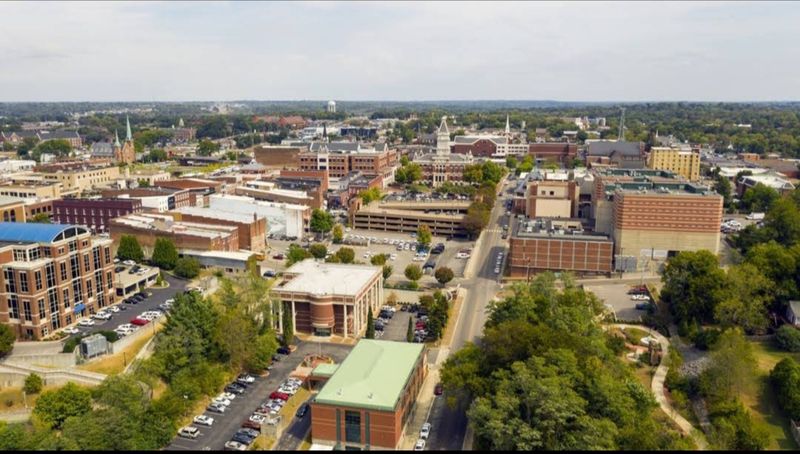
Bragging rights are usually a good thing, but Montgomery County probably wants to give this trophy back. It recorded the most deer-related crashes of any county in Tennessee in 2024.
Clarksville is the county seat and its biggest city by far. So if you live here, the odds of meeting a deer on the road are higher than you might expect.
The city mixes busy shopping corridors with plenty of farmland and woods around the edges. Deer don’t care where the suburbs officially end. They wander wherever the food and cover lead them.
Fall makes things trickier for everyone. The rut peaks in November, and bucks get bold and a little careless while chasing does.
Clarksville also sits right next to Fort Campbell, so plenty of folks drive early morning and late evening hours. Those happen to be the exact windows when deer move most. If your shift starts before sunrise, give yourself extra time and slow down.
Here’s a smart habit to build. Use your high beams on dark roads when no other cars are coming, since they light up eyes along the shoulder sooner.
Also remember that deer rarely travel solo. If one bounds across, hit the brakes and wait a beat, because a second or third is often right behind it.
The Tennessee Wildlife Resources Agency has a catchy rule worth memorizing. Don’t veer for deer.
Swerving can send you into another car, a tree, or a guardrail. Braking firmly and staying in your lane is usually the safer choice, even if every instinct screams otherwise.
Statewide, Tennessee logged 8,036 deer crashes in 2024. Clarksville drivers can help shrink that number this fall just by staying alert after dark.
2. Gallatin
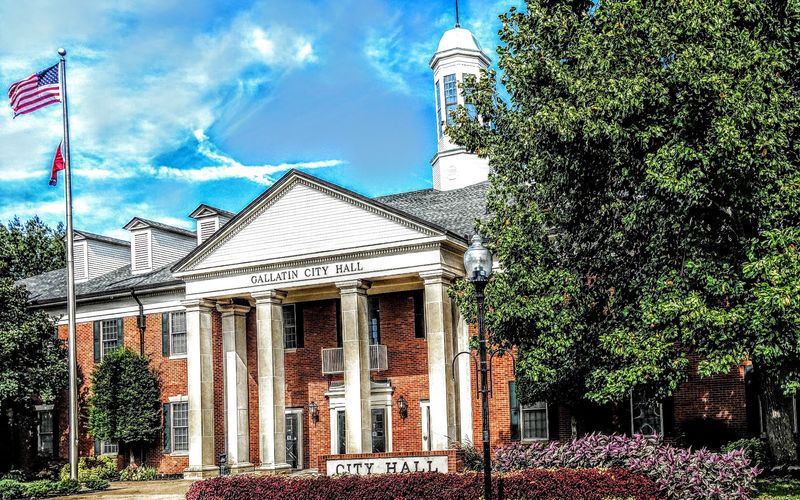
Lake views and rolling pastures make Gallatin a lovely place to drive. Unfortunately, the deer seem to agree.
Gallatin is the county seat of Sumner County, where expanding neighborhoods, wooded areas, and open farmland create plenty of opportunities for deer to cross roads.
When new roads cut through old deer territory, the animals keep using their usual paths. They just have to cross pavement to do it now.
October through December is crunch time. Deer collisions become especially common during these months as increased mating activity sends more deer across Tennessee’s roads.
That’s a huge chunk of the calendar packed into one season. If you only change your driving habits for part of the year, make it this part.
A few easy moves help a lot. Put the phone away, keep both hands on the wheel, and scan the ditches and tree lines, not just the road ahead.
Watch for glowing eyes, too. That reflection often shows up before you can see the deer’s body.
Deer crossing signs aren’t decorations. Crews put them where animals have a habit of crossing, so ease off the gas when you spot one.
And please don’t trust those little deer whistles you can stick on a bumper. Your eyes and your brakes do far more work than any gadget.
Gallatin is a great town for a scenic evening cruise in autumn. Just treat the golden hour like a yellow light and drive with patience.
3. Springfield
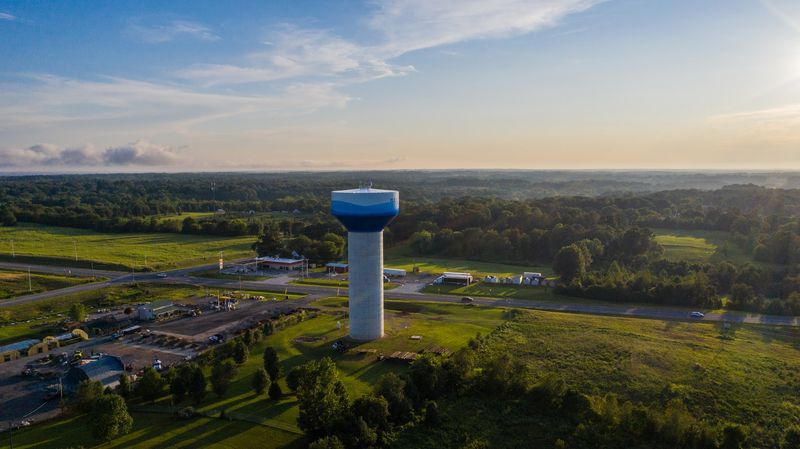
Farm country is beautiful, and deer treat it like an all-you-can-eat buffet. That helps explain why Robertson County ranks among the top counties for deer crashes in Middle Tennessee.
Springfield serves as the county seat. Plenty of roads in and around town pass crop fields that border strips of woods.
That edge where field meets forest is prime deer real estate. They feed in the open and duck back into the trees when they feel nervous.
For drivers, it means deer can pop out of nowhere. One second the shoulder looks empty, and the next a doe is standing in your headlights.
Morning commuters, this one’s for you. Dawn is one of the two busiest times for deer movement, right alongside dusk.
Foggy autumn mornings make spotting them even harder. Slow down when visibility drops and leave more room between you and the car ahead.
Hunting season adds another twist. In Tennessee, deer hunting typically begins with archery season in late September and continues through early January, and hunting activity may cause deer to move toward nearby roads.
So the same weeks bring the rut, hunters, and shorter days all at once. That’s a triple threat, and it lands right in the middle of fall.
If you do hit a deer, pull over somewhere safe and turn on your hazard lights. Call the police if anyone’s hurt or the animal is blocking traffic.
Snap photos of your car and the scene for your insurance company. Then stay away from the deer itself, since an injured animal can kick hard.
A little caution goes a long way on these country roads. Springfield is worth the drive, just at a gentler speed in November.
4. Memphis
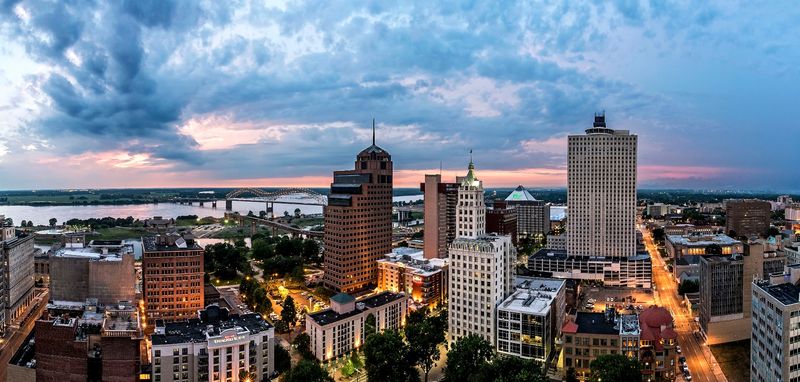
Blues, barbecue, and… Bambi? Shelby County lands on the list of top counties for deer crashes in West Tennessee, and Memphis is its heart.
A big city might seem like the last place for a deer problem. But Shelby County includes a lot more than downtown streets.
Suburbs, parks, and wooded stretches surround the city core. Deer have adapted nicely to life alongside people, and they’re happy to nibble landscaping.
Busy traffic plus active deer makes for a risky mix. More cars on the road means more chances for an animal to dart into somebody’s path.
City drivers sometimes relax their guard because streetlights feel safe. Yet deer can still cross lit roads, especially near greenways and wooded lots.
One helpful tip is to slow down near parks and creeks after sunset. Those green corridors often act like deer highways cutting through neighborhoods.
Remember the end of Daylight Saving Time in November, too. Overnight, your evening drive home slides into darkness during peak rut.
Plan for it. Clean your windshield and headlights so you can see as clearly as possible.
On multilane roads, swerving can be even more dangerous. Changing lanes suddenly might put you into another driver’s path.
That’s why the Tennessee Wildlife Resources Agency recommends braking firmly and holding your lane. A dented bumper beats a multi-car pileup.
Memphis has plenty to love in fall, from cooler weather to weekend outings. Keep one eye on the road edges, and you’ll enjoy it a lot more.
5. Jackson
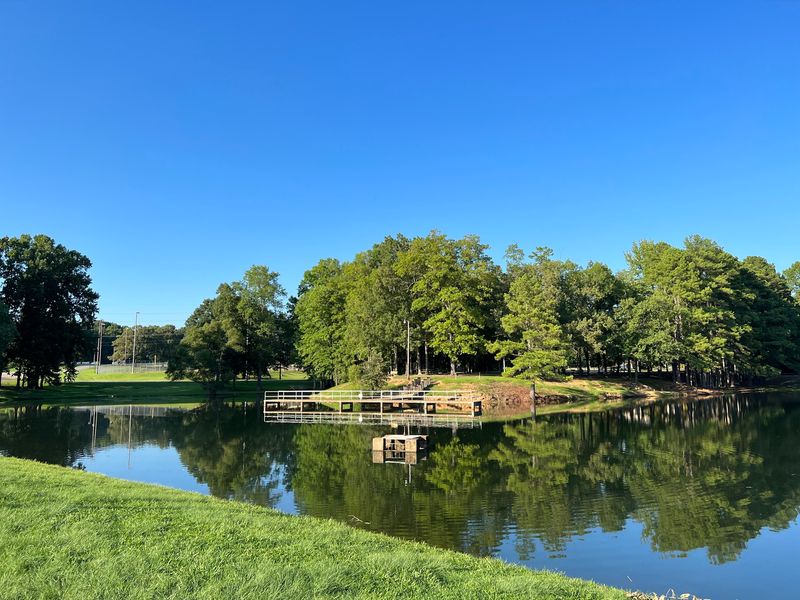
Halfway between Memphis and Nashville, Jackson sees a lot of traffic. Madison County also ranks among the top counties for deer crashes in West Tennessee.
Put those facts together, and you get a town where drivers need to stay sharp. Interstate 40 runs right past the city.
Highways bring higher speeds, and speed matters a lot with deer. The faster you go, the less time you have to react and stop.
Think of it this way. At highway speed, a deer that appears a short distance ahead can become a collision in just a couple of seconds.
Easing off a few miles per hour on dark stretches buys you precious reaction time. Your brakes can only work as fast as your brain does.
Out past the city, Madison County opens up into farmland and woods. Those rural roads give deer lots of chances to wander onto the pavement.
Here’s a fun fact that’s also handy. Deer often freeze when bright lights hit them, which is where the phrase about deer in headlights comes from.
If one stops in the road, don’t count on it moving. Slow down, tap your horn with one long blast, and give it space.
Statewide, 2024 brought 465 injury crashes involving deer. Most crashes only damaged vehicles, but nobody wants to roll those dice.
Wearing your seat belt is one of the simplest ways to protect yourself. It reduces your risk of serious injury if a deer suddenly crosses your path and causes a crash.
6. Lexington
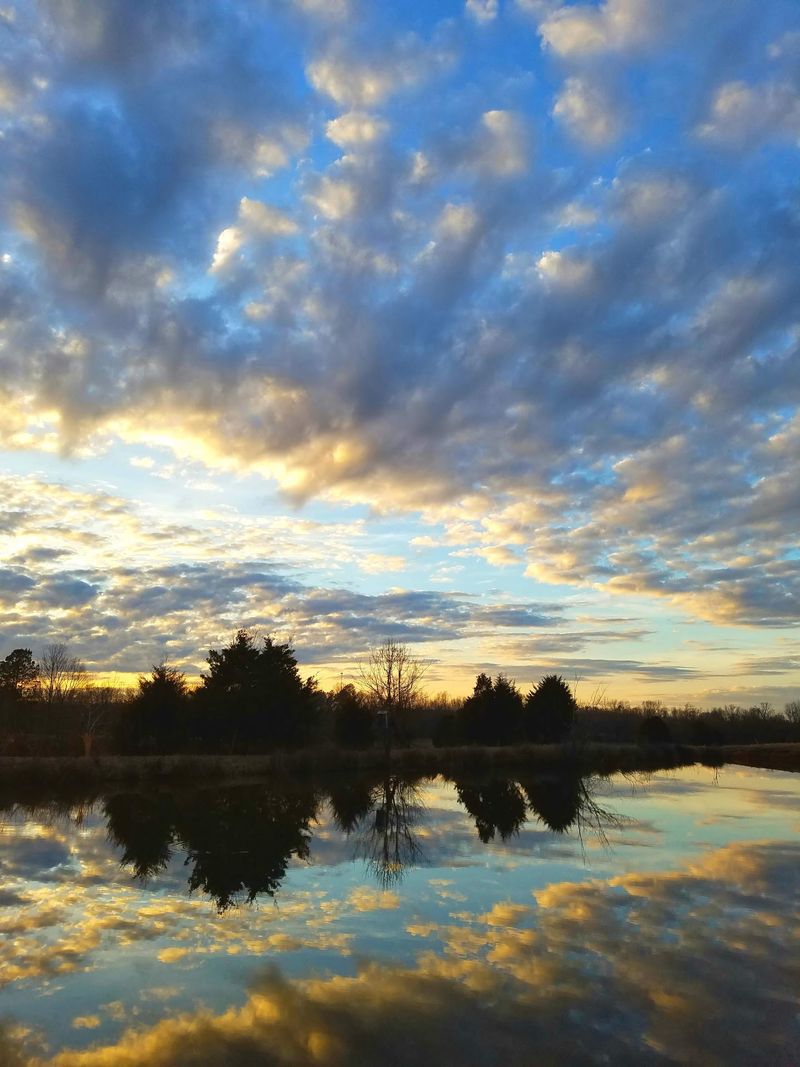
Small town, big woods, lots of deer. Henderson County ranks among the top counties for deer crashes in West Tennessee, and Lexington is its county seat.
This area has a quieter feel than the big cities on this list. Quiet roads can lull drivers into going a bit too fast, though.
Henderson County is home to Natchez Trace State Park, a big spread of forest and lakes. That kind of habitat supports healthy deer numbers.
Deer don’t read park boundaries. They roam well beyond the trees, crossing country roads as they search for food and mates.
Bucks during the rut get especially reckless. They may chase a doe straight across the road without a glance at your truck.
So if a doe crosses in front of you, keep watching. A buck may be hot on her trail just a few seconds later.
Rural roads often lack streetlights and wide shoulders. That makes high beams your best friend whenever no one is coming the other way.
Dim them quickly for oncoming cars, of course. Nobody likes getting blinded on a dark country road.
Out here, help can take longer to arrive after a crash. Keep a charged phone, a flashlight, and a small first aid kit in your car during fall.
It’s a smart habit any time of year. Still, it matters most from October through December, when deer strikes spike.
Lexington makes a peaceful base for exploring West Tennessee’s outdoors. Just share the road kindly with its most famous four-legged locals.
7. Chattanooga
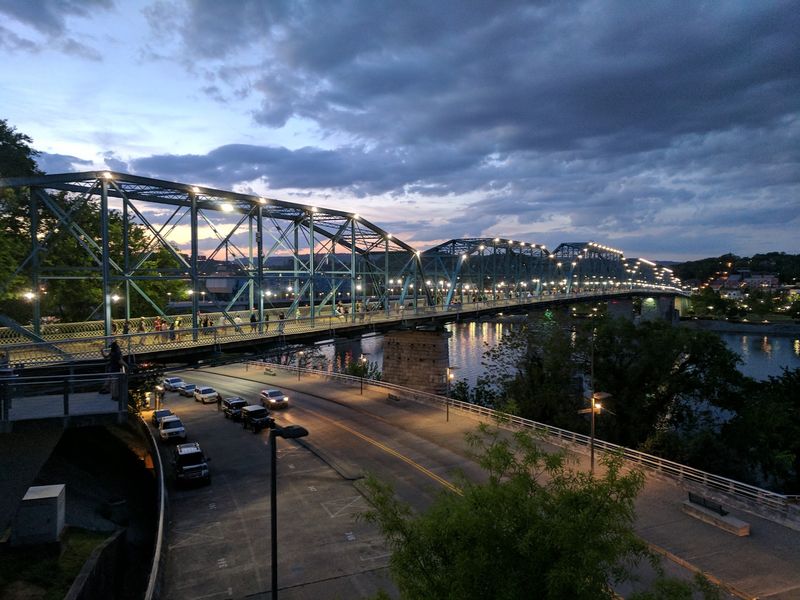
Mountains, river views, and twisty roads give Chattanooga serious scenic points. They also give deer plenty of places to hang out.
Hamilton County ranks among the top counties for deer crashes in East Tennessee. Chattanooga, the county seat, sits right in the middle of it.
The city wraps around ridges and valleys along the Tennessee River. Wooded hillsides come right up to many neighborhoods and roads.
Curvy mountain roads add a special challenge. You can’t see far ahead, so a deer around the bend gets very little warning.
Take curves slowly, especially at dusk and dawn. Leaf-peeping season and peak rut overlap nicely, which is lovely for photos and tough for safety.
Passengers make great spotters, by the way. Ask someone riding with you to watch the roadside while you focus on driving.
Wet leaves pile up on fall roads, too. They can make the pavement slick, which means you need more distance to stop.
Add a surprise deer to slippery leaves, and swerving becomes even riskier. Firm braking in a straight line keeps your tires gripping better.
Fall foliage drives are a big draw around here. Plan those trips for midday when deer usually rest and light is bright.
You’ll see more color and fewer surprises. That sounds like a win for everybody, deer included.
Chattanooga shines in autumn, and nobody wants a deer to cut the fun short. Slow curves and sharp eyes will keep your fall adventures on track.
8. Kingsport
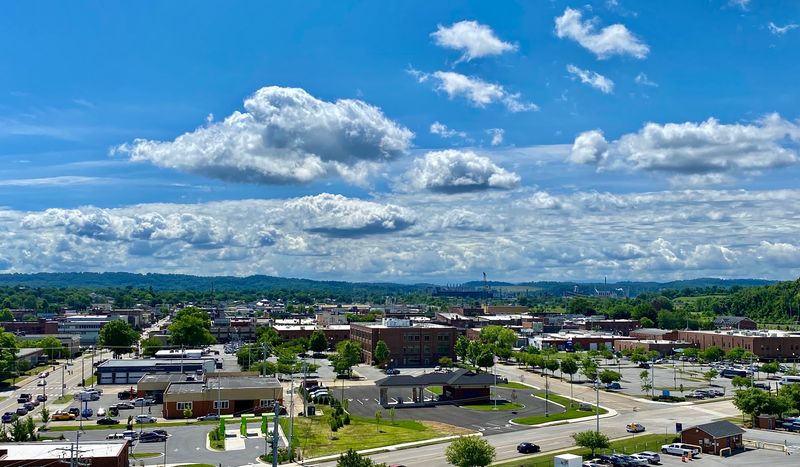
Ever notice how many deer like a good mountain view? Sullivan County ranks among the top counties for deer crashes in East Tennessee, and Kingsport is its largest city.
Kingsport sits in the Appalachian foothills of upper East Tennessee. Ridges and hollows surround town, creating natural cover for wildlife.
The city is also home to Bays Mountain Park, a large nature preserve. Big green spaces like that help explain why deer feel right at home nearby.
Roads that hug ridges or cut through woods deserve extra attention. Deer often cross at the same spots again and again.
If you drive one route daily, learn where you’ve seen deer before. Those spots are worth slowing down for every single trip in fall.
November is the month to really watch out. It has long been the peak month for deer crashes in Tennessee.
Bucks are restless, days are short, and the time change pushes rush hour into darkness. That’s a lot happening at once.
Try a simple test on your next evening drive. Count how many deer eyes you spot along the shoulders, and you may be surprised.
That little game keeps you scanning instead of zoning out. Kids in the back seat can join in, too.
After any deer collision, check your car carefully before driving on. Broken lights or leaking fluid can make the trip home unsafe.
9. Johnson City
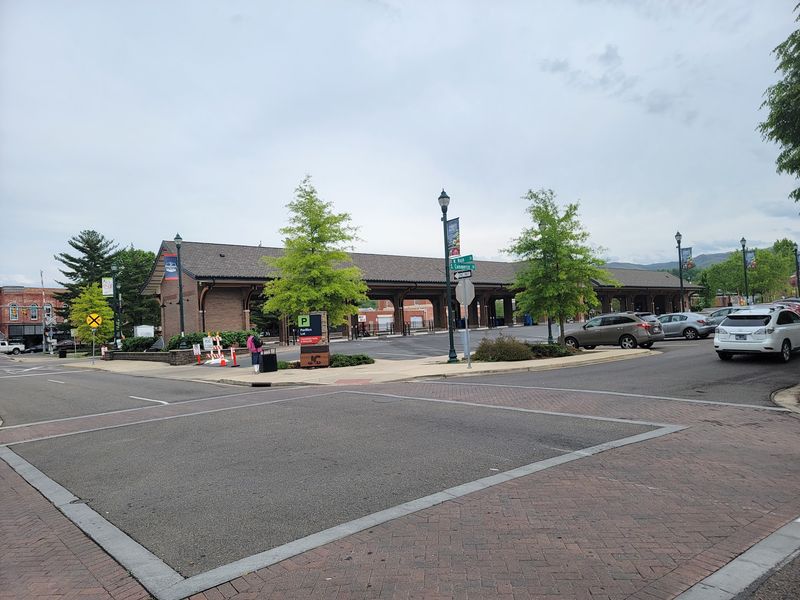
Busy highways and mountain forests make an interesting combo in Johnson City. Wooded roadsides and nearby natural habitats create opportunities for deer to cross busy roads, especially during the fall mating season.
Washington County ranks among the top counties for deer crashes in East Tennessee. Johnson City is its largest city and home to East Tennessee State University.
A college town means lots of drivers coming and going at all hours. Some are new to the area and may not expect deer on four-lane roads.
But deer cross big roads, too. Grassy medians and wooded shoulders give them spots to wait before dashing across.
Watch the median as closely as the shoulder. A deer standing there can bolt into your lane with zero warning.
Interstate 26 runs through the region, connecting it to nearby cities. Highway speeds make every second of warning count.
Leave extra space between you and the car ahead on dark highways. If that driver slams on the brakes for a deer, you’ll need room to stop.
Statewide, Tennessee had 5 fatal deer crashes in 2024. Many safety experts note that riders who skip helmets on motorcycles face extra danger in animal crashes.
Motorcyclists should be especially careful in fall. Riding in daylight and wearing full protective gear makes a real difference.
Students heading home for Thanksgiving break, take note. That trip lands right during peak rut, so plan to drive in daylight if you can.
10. Franklin
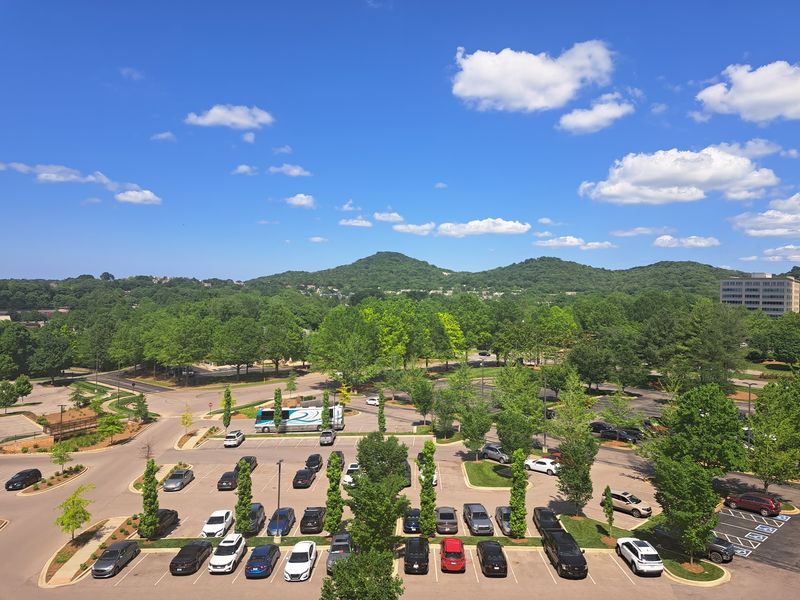
Fancy neighborhoods don’t scare off deer one bit. Around Franklin, rural routes such as Highway 96, Old Hillsboro Road, and Arno Road pass through areas where drivers should watch for wildlife.
Franklin sits in Williamson County, just south of Nashville. The area keeps growing, but plenty of farmland and woods still surround town.
That mix creates a classic deer setup. Animals live in the woods and pastures, then cross roads that commuters now use daily.
Old Hillsboro Road and Arno Road wind through countryside with lots of trees close to the pavement. Deer can step out before you have time to see them.
Highway 96 carries more traffic and higher speeds. That combo makes alert driving especially important around sunrise and sunset.
Here’s a good rule for these routes. If you’re running late, accept it and drive the speed limit anyway.
Rushing on a curvy country road in November is asking for trouble. A few lost minutes are much cheaper than a body shop visit.
Drivers can also help each other out. If you spot deer near the road, slow down and give other drivers plenty of space to react safely. Staying alert and driving cautiously can help prevent a crash.
It’s a small gesture that might prevent a crash. Neighbors looking out for neighbors is always a good look.
Remember the big picture, too. Tennessee drivers face a 1 in 129 chance of an animal collision claim, ranking the state 26th nationally.
Franklin’s backroads are some of the prettiest in Middle Tennessee during fall. Drive them slowly, brake for deer, and enjoy the view safely.
Share this story