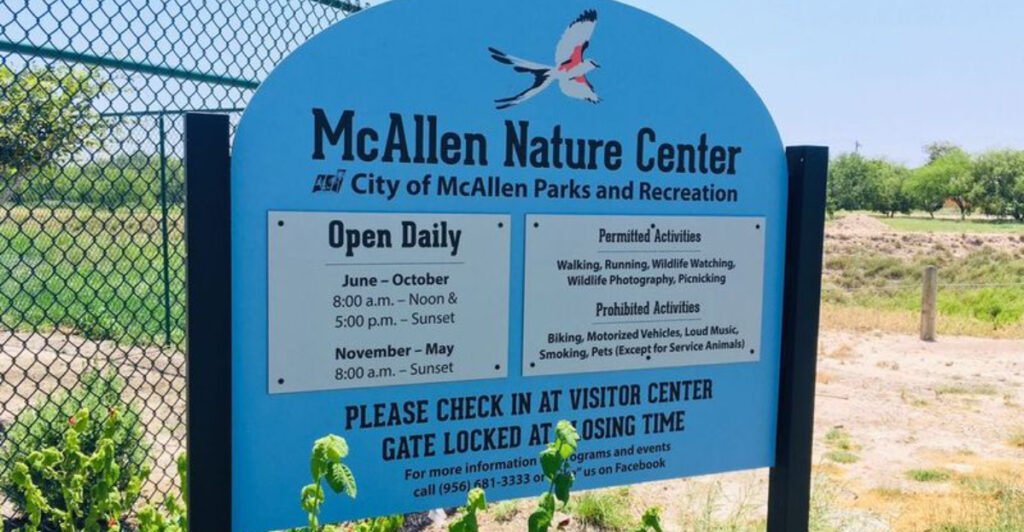
In the heart of McAllen lies a nature preserve that quietly goes unnoticed by most. The McAllen Nature Center offers a rare chance to step into a quiet world of native plants, singing birds, and shaded trails just minutes from busy city streets. Whether you’re a serious birder, a family looking for an educational outdoor adventure, or someone who just needs a peaceful break from the daily grind, this hidden gem delivers an experience that feels worlds away from the urban hustle.
1. Over a Mile of Well-Marked Trails Wind Through Native Brush
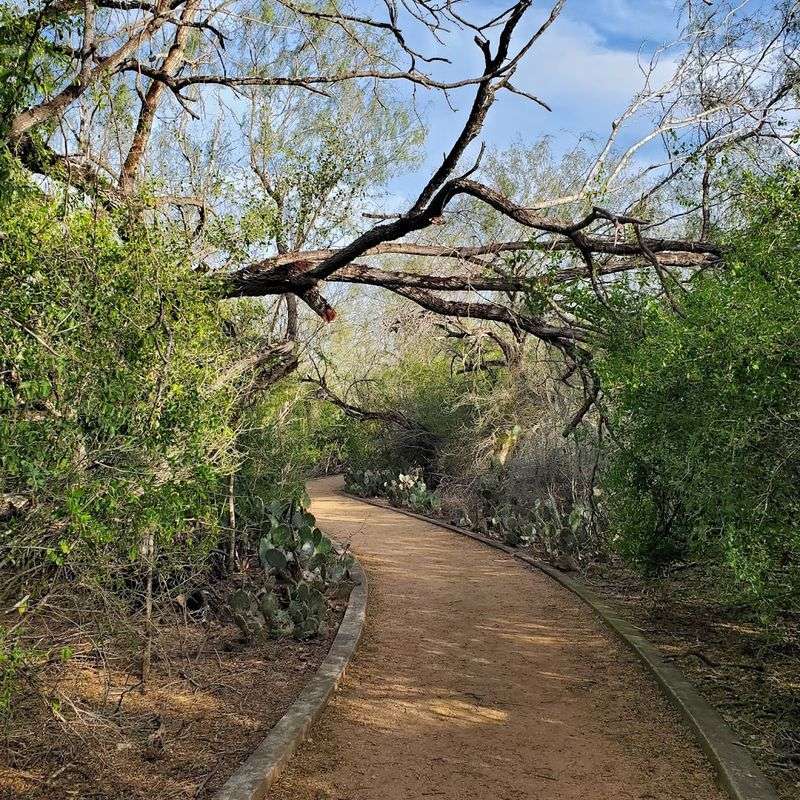
Forget trying to navigate confusing unmarked paths or worrying about getting lost in the wild. The nature center features clearly marked trails that loop and intersect throughout the property, making it easy for first-timers and regulars alike to explore without stress. Crushed granite paths wind through thick vegetation of mesquite, cactus, and other South Texas brush, creating a natural canopy overhead that offers welcome relief from the sun.
Families with young kids appreciate how accessible these trails are. You won’t need specialized hiking boots or serious outdoor gear to enjoy a walk here. The paths are smooth enough for casual sneakers yet rugged enough to feel like a genuine nature experience.
Trail maps posted throughout the park help you decide which route to take based on how much time you have. Some visitors complete a quick loop in under thirty minutes, while others spend hours meandering through different sections. The interconnected design means you can customize your walk without retracing your steps.
Emergency beacons stationed along the trails add an extra layer of safety. Even solo walkers report feeling secure thanks to the park’s thoughtful layout and maintenance. The combination of clear signage, varied routes, and safety features makes exploring here a genuinely relaxing experience rather than a stressful navigation challenge.
2. Bird-Watchers Flock Here for Incredible Avian Diversity
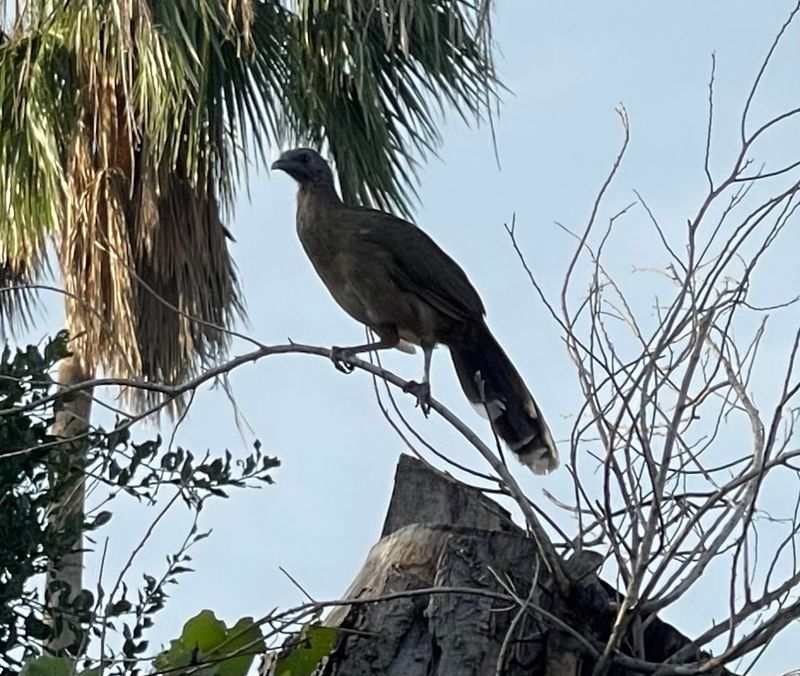
Serious birders and casual observers both leave impressed by the variety of feathered residents calling this place home. Cardinals flash their brilliant red plumage against green foliage while woodpeckers hammer away at tree trunks. Long-tailed birds show off bright yellow wings as they dart between branches, creating photo opportunities that capture the magic of South Texas wildlife.
The park features bird apartments and multiple bat boxes strategically placed to encourage wildlife to stick around. Feeding stations attract different species throughout the day, and a special viewing wall lets you peek at birds without disturbing their natural behavior. Early morning visits typically yield the best sightings when birds are most active and vocal.
Staff members are surprisingly knowledgeable about local bird species and happy to help identify what you’re seeing. They can point out seasonal visitors versus year-round residents and share tips on where specific species tend to hang out. This insider knowledge transforms a simple walk into an educational adventure.
Even if you’ve never considered yourself a bird person, the constant soundtrack of chirping, singing, and calling creates an immersive natural atmosphere. You don’t need fancy binoculars or expensive equipment to enjoy the show. Just bring your curiosity and maybe a camera to capture unexpected moments of beauty.
3. The Cactus Garden Showcases Desert Flora in Stunning Detail
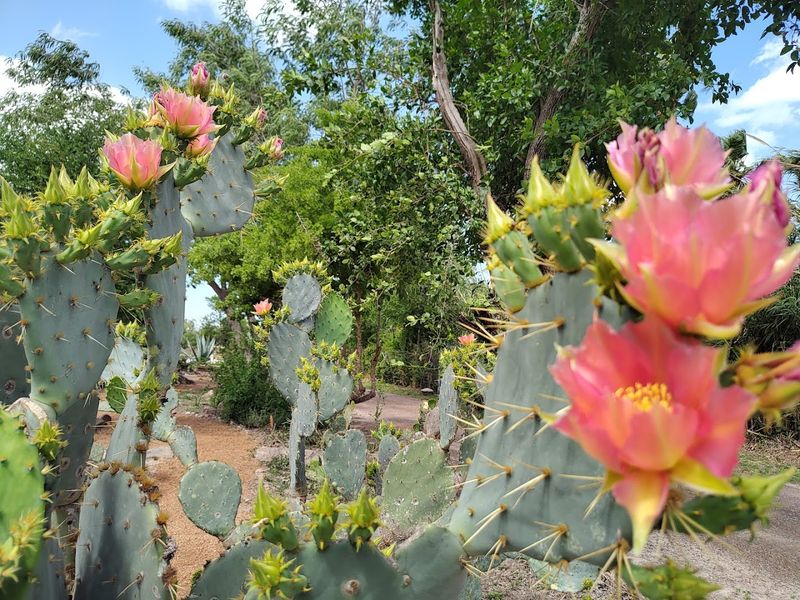
Out-of-state visitors consistently mention the cactus garden as a highlight worth the trip alone. This dedicated area features an impressive collection of desert plants arranged to showcase the incredible diversity of prickly species thriving in the Rio Grande Valley. You’ll see everything from towering specimens to tiny ground-hugging varieties, each labeled with information about their adaptations and role in the ecosystem.
Walking through feels like stepping into a living textbook about desert survival. The garden demonstrates how cacti store water, protect themselves from predators, and produce surprisingly beautiful blooms. Kids find it fascinating to see how many different shapes and sizes these plants come in, sparking questions about how nature works.
Photographers love the cactus garden for its unique textures and dramatic forms. Morning light creates interesting shadows across the spines and pads, while late afternoon sun makes the whole area glow. The garden’s layout allows you to get close enough for detailed shots without risking a painful encounter with needles.
Unlike many botanical displays that feel overly manicured, this collection maintains a natural, wild appearance. Plants intermingle with native grasses and flowering shrubs, creating a realistic picture of how these species actually grow in their natural habitat. It’s educational without feeling like a boring classroom lecture.
4. Butterflies Dance Through Flowering Plants Year-Round

Watch carefully as you walk and you’ll spot dozens of butterflies flitting between blooms and leaves. The nature center’s commitment to native plants creates perfect habitat for these delicate insects, which rely on specific species for food and reproduction. Flowering shrubs planted throughout attract a rotating cast of butterfly visitors depending on the season.
Spring brings massive migrations of monarchs passing through on their journey north. Their distinctive orange and black wings create moving art against green backdrops. Summer months showcase smaller species in yellows, blues, and whites, while fall sees another wave of monarchs heading south for winter.
The sensory elements added for kids make butterfly watching even more engaging. Children can touch fuzzy plants that butterflies love, smell fragrant flowers that attract pollinators, and watch caterpillars munch on host plants. These hands-on experiences teach important lessons about life cycles and ecosystem connections.
Patient observers sometimes witness butterflies emerging from chrysalises or laying eggs on leaves. These magical moments happen regularly but require stillness and attention to catch. Benches scattered throughout the park give you comfortable spots to sit quietly and wait for nature’s show to unfold.
The abundance of butterflies here proves that creating wildlife-friendly spaces doesn’t require vast wilderness areas. Even a relatively small urban nature preserve can support thriving populations when the right plants and habitats are provided.
5. Bunnies and Lizards Provide Constant Entertainment

Few things delight kids more than spotting a wild bunny hopping across the trail ahead. The nature center hosts a healthy population of cottontails that visitors encounter regularly during walks. These fluffy residents have grown accustomed to human presence and sometimes pause to munch grass just feet away from amazed onlookers.
Early morning and late afternoon offer the best chances for bunny sightings when they venture out to feed. Patient families who walk slowly and speak quietly often get treated to extended viewing opportunities. Some lucky visitors report being led down trails by curious rabbits exploring their territory.
Lizards provide equally entertaining wildlife encounters as they scurry across sun-warmed paths. Multiple species call the preserve home, from tiny anoles to larger whiptails that dart between rocks and plants. Watching them do push-ups on trail edges or chase insects through leaf litter never gets old.
These small animal sightings might seem minor compared to dramatic wildlife elsewhere, but they create meaningful connections to nature. Kids who grow up observing bunnies and lizards develop appreciation for ecosystems and conservation. Adults rediscover childlike wonder watching these creatures go about their daily business.
The abundance of small wildlife indicates a healthy habitat with proper food sources, shelter, and safety from predators. It’s a living demonstration of what happens when natural spaces are protected and maintained within urban environments.
6. Clean Facilities and Amenities Make Visits Comfortable
Nobody wants to skip a nature walk because they’re worried about bathroom access or lack of drinking water. The McAllen Nature Center eliminates those concerns with clean, functional restrooms that visitors consistently praise in reviews. Flush toilets and running water might seem basic, but they’re surprisingly rare at many natural areas.
Water fountains positioned along trails let you refill bottles without cutting your visit short. This thoughtful placement encourages longer stays and reduces the environmental impact of disposable bottles. On hot South Texas days, access to fresh water transforms a potentially miserable experience into a pleasant outing.
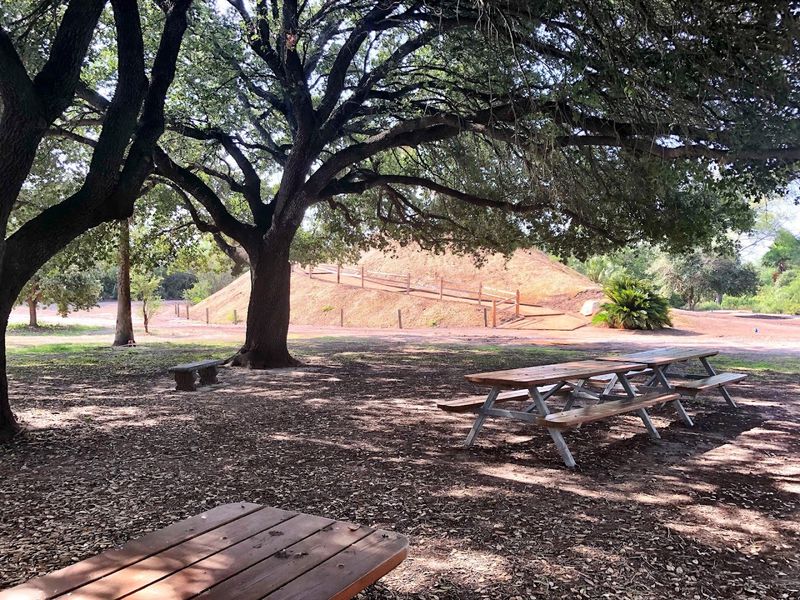
Picnic tables scattered throughout provide perfect spots for snacks, lunch breaks, or just resting tired feet. Families pack simple meals and make afternoons of their visits, combining nature exploration with quality time together. The tables are well-maintained and situated to offer shade and pleasant views.
Benches along the trails give older visitors and those with mobility concerns places to pause and catch their breath. You don’t need to be in peak physical condition to enjoy this park. The thoughtful distribution of seating means everyone can explore at their own pace.
Parking accommodates around twenty vehicles, which keeps the preserve from feeling overcrowded while providing adequate access. Free admission removes financial barriers, though suggested dollar donations help maintain these excellent facilities for future visitors.
7. Educational Elements Transform Casual Walks Into Learning Experiences
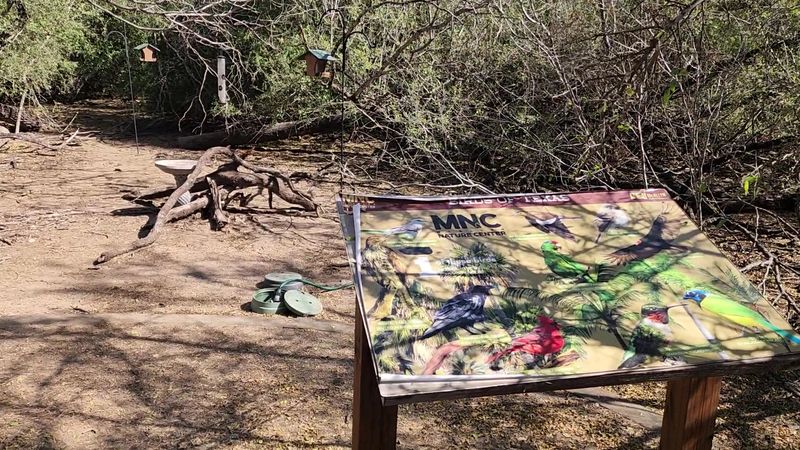
Information kiosks positioned throughout the park share fascinating facts about local plants and animals without overwhelming visitors with dense text. These educational stations are designed for quick reading while walking, offering bite-sized knowledge that sticks with you. Kids especially enjoy the illustrated guides showing which creatures they might spot.
Sensory elements invite hands-on learning rather than passive observation. Children can touch different leaf textures, smell aromatic native plants, and listen for specific bird calls mentioned on signs. This multisensory approach helps information sink in deeper than traditional museum-style displays.
Trail markers identify significant plant species growing along the paths. You’ll learn to recognize mesquite, huisache, and other South Texas natives that you’ve probably seen your whole life without knowing their names. Understanding what you’re looking at enriches every future outdoor experience in the region.
The park’s layout tells a story about ecosystem restoration and native habitat preservation. Visitors leave understanding why these efforts matter for local wildlife and environmental health. It’s conservation education that happens naturally through exploration rather than feeling like a lecture.
Staff members serve as walking encyclopedias of local natural history when you catch them during your visit. They’re genuinely passionate about sharing knowledge and helping visitors connect with the preserve’s mission. Their enthusiasm is contagious and often inspires people to explore other natural areas around Texas.
8. The Former Botanical Garden Legacy Adds Historical Charm
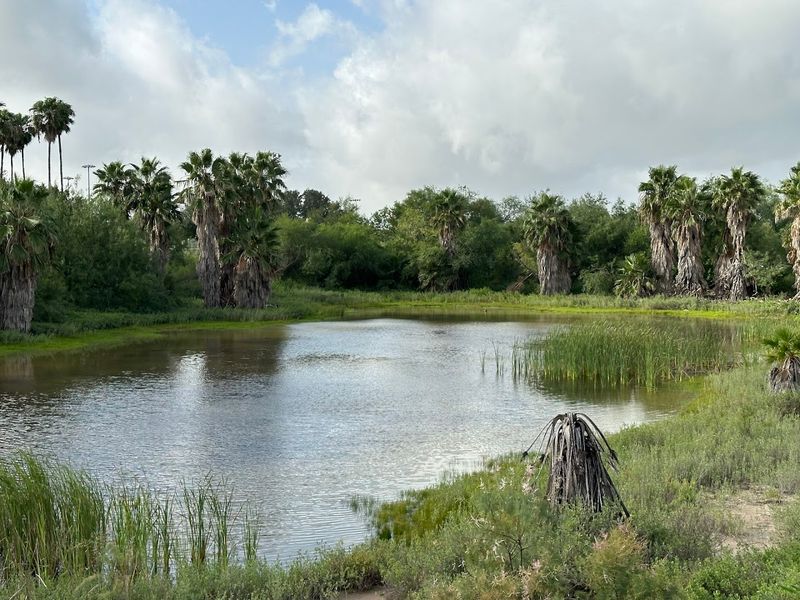
History buffs appreciate knowing that this preserve started life as a botanical garden before transitioning to its current mission. That original vision left behind mature plantings and thoughtful landscape design that still enhance the property today. Walking here feels different from random wilderness because human hands once shaped these spaces with intention and care.
The transition from manicured gardens to natural preserve tells an interesting story about changing environmental priorities. Early efforts focused on showcasing exotic plants and formal displays, while current management emphasizes native species and wildlife habitat. Both approaches have value, and traces of that earlier era add character.
Some visitors remember the botanical garden days and return to see how the space has evolved. They notice familiar trees grown larger and paths reclaimed by natural vegetation. This living timeline demonstrates how landscapes change when allowed to follow nature’s lead rather than strict human control.
The property’s bones—its basic layout and major features—reflect that botanical garden planning. Paths wind strategically to reveal different plant communities and create varied experiences within a compact area. That professional landscape architecture makes the preserve more engaging than simple trails through scrubland.
Understanding this history helps visitors appreciate the park’s current condition. What some might see as overgrown or unkempt is actually intentional rewilding. The preserve balances accessibility with natural habitat creation, maintaining enough structure for comfortable exploration while letting native ecosystems flourish.
9. Free Admission and Central Location Remove Barriers to Nature
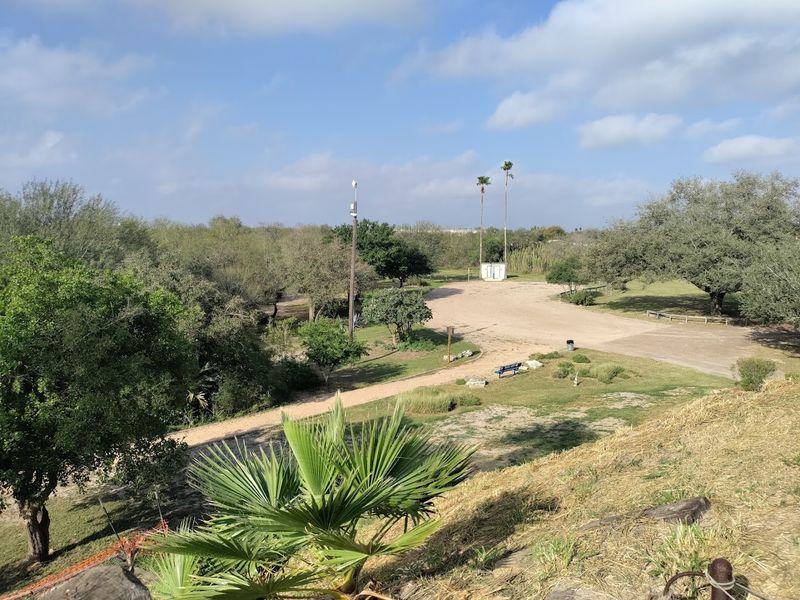
Sometimes the best adventures don’t cost a penny. The nature center’s free admission policy means families can visit repeatedly without budget concerns, and spontaneous nature breaks become realistic options after work or school. That accessibility matters tremendously for building community connections to natural spaces.
The central McAllen location puts genuine nature experience within reach of thousands of residents who might never drive hours to state parks or wildlife refuges. You don’t need to plan an elaborate trip or pack camping gear. Just hop in the car for ten minutes and suddenly you’re surrounded by singing birds and native plants.
This convenience factor encourages regular visits rather than once-a-year special occasions. Regulars notice seasonal changes, track which birds appear when, and develop genuine relationships with the place. That ongoing connection fosters environmental awareness and stewardship that single visits rarely achieve.
The suggested dollar donation per person keeps the barrier to entry extremely low while still supporting maintenance and improvements. Most visitors happily contribute when they see how well the park is maintained. It’s a trust-based system that brings out community generosity.
Events hosted at the facility bring even more people through the gates. Live music, educational programs, and family activities transform the preserve into a community gathering space. These occasions prove that protecting nature and building social connections aren’t competing goals but complementary ones that strengthen neighborhoods.
Share this story