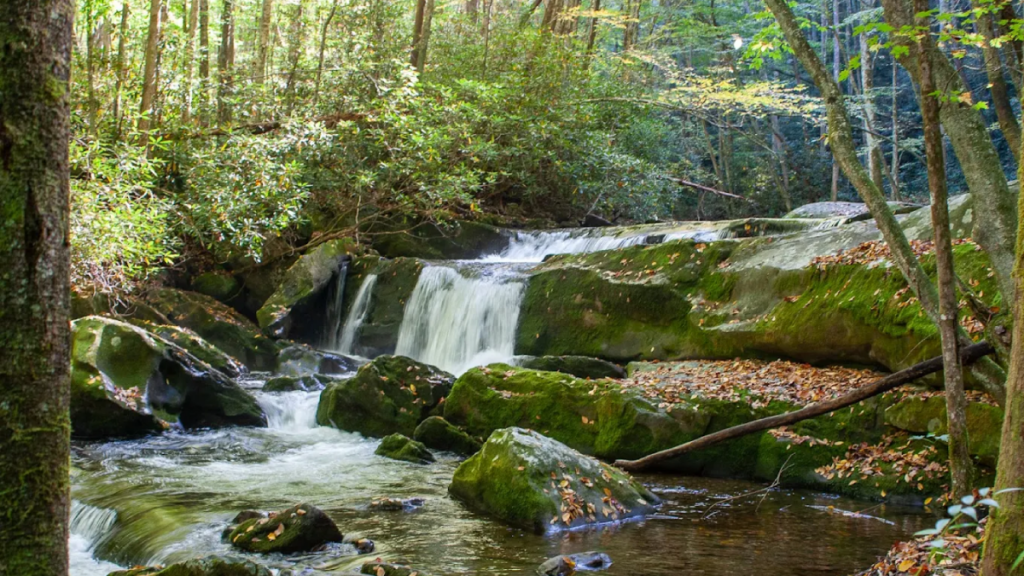
Tennessee is home to some of the most beautiful waterside trails in the South, where the sound of rushing water and cool creek breezes make every step feel like a mini vacation. Whether you’re looking for a short stroll to a hidden waterfall or a full-day adventure through rugged gorges, these creekside paths offer something special beyond the typical woodland walk.
From the misty hollows of the Smokies to the limestone bluffs of Middle Tennessee, each trail brings its own personality, scenery, and sense of discovery. Pack your boots, grab plenty of water, and get ready to explore some of the most refreshing hiking experiences the Volunteer State has to offer.
1. Little River Trail — Great Smoky Mountains National Park
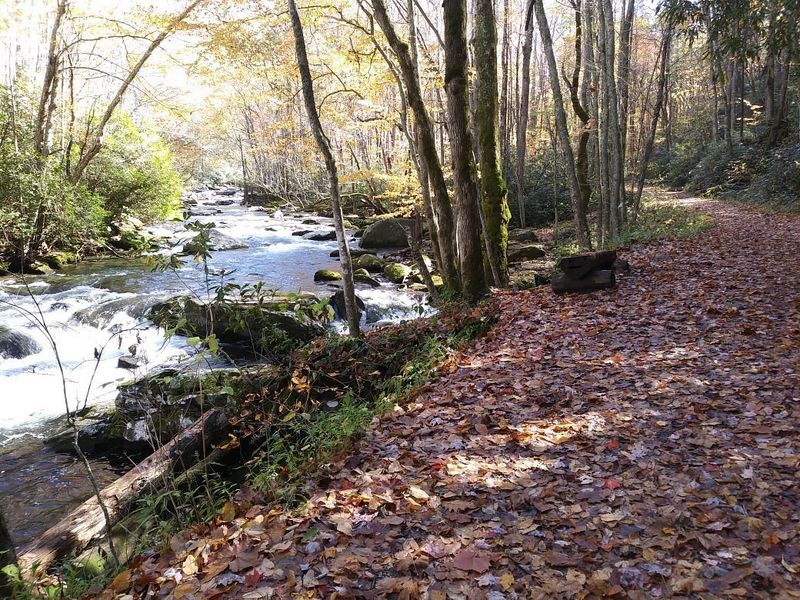
If you want a hike that feels more like a stroll through history than a workout, Little River Trail delivers on all fronts. This Elkmont-area gem follows the soft curves of the Little River along what used to be an old railroad bed, so the grade is gentle and the footing is forgiving. You’ll walk through tunnels of rhododendron and hemlock while the river hums along beside you, cool and constant.
What makes this trail stand out is the blend of nature and nostalgia. Tucked back in the woods, you’ll spot remnants of Daisytown, a former logging community that once thrived here before the park was established. Stone chimneys, rusted equipment, and old foundations peek through the undergrowth like quiet ghosts of another era.
It’s a reminder that these mountains have always been working landscapes, not just scenic postcards.
The trail itself stretches for miles, but you don’t have to commit to the whole thing to enjoy it. Even a short out-and-back gives you plenty of water views, shaded relief, and a sense of calm that’s hard to find on more crowded Smokies routes. Families love it because it’s flat and forgiving, but seasoned hikers appreciate the solitude and the steady soundtrack of moving water.
Parking can fill up fast during peak season, so aim for an early start or a weekday visit. Bring a camera, take your time, and soak in the kind of peace that only comes from walking beside a creek with nowhere urgent to be.
2. Lynn Camp Prong Cascades — Great Smoky Mountains National Park
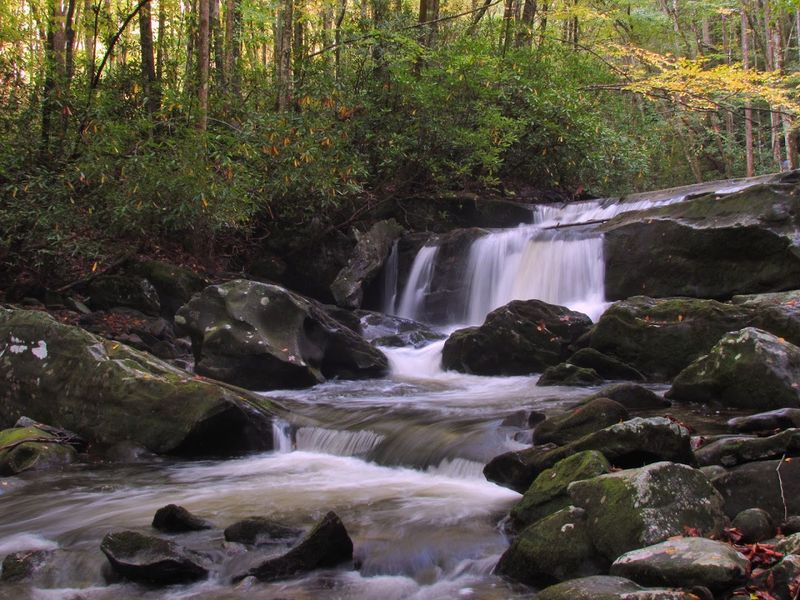
Lynn Camp Prong Cascades is one of those trails that sneaks up on you with its beauty. It’s not as famous as some of the Smokies’ marquee hikes, but that’s part of the appeal—fewer crowds, more elbow room, and a creek that puts on a show from start to finish. The trail follows Lynn Camp Prong, a lively tributary that tumbles, splashes, and slides its way down the mountainside in a series of photogenic cascades.
You’ll start near the Tremont area, where the forest is thick and the air smells like moss and fresh water. The path crosses the creek multiple times, so be ready to hop rocks or wade if the water’s up. Each crossing gives you a new angle on the cascades, which change character as you climb—some are wide and shallow, others narrow and dramatic, all of them worth a pause.
This is a moderate hike with some elevation gain, but the reward-to-effort ratio is excellent. The cascades themselves are spread out along the route, so there’s no single “destination”—the whole trail is the experience. Bring sturdy shoes with a good grip, especially if you plan to explore the rocks near the water.
Slick spots are common, and a little caution goes a long way.
3. Abrams Falls Trail — Great Smoky Mountains National Park
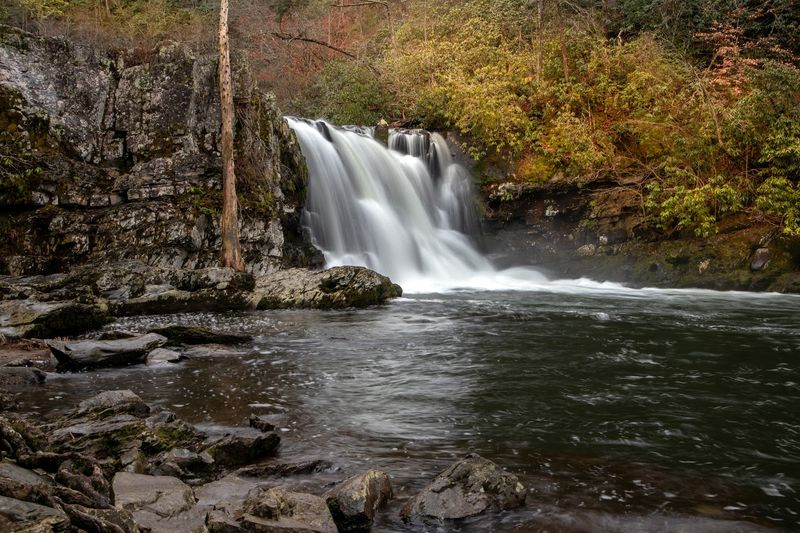
Abrams Falls might not be the tallest waterfall in the Smokies, but it’s one of the most powerful and photogenic. Fed by Abrams Creek, the falls drop about 20 feet over a wide ledge into a deep, swirling pool that’s as beautiful as it is dangerous. This is a classic Cades Cove hike, and it’s popular for good reason—the scenery is top-tier, the trail is well-maintained, and the payoff at the end is worth every step.
The hike itself is a 5-mile roundtrip through mixed hardwood forest, with plenty of creek crossings, rocky sections, and shaded stretches. You’ll follow Abrams Creek for much of the route, listening to it gurgle and rush as it carves through the landscape. The trail has some elevation change, but nothing too punishing, making it accessible for most hikers with a decent fitness level.
When you reach the falls, the first thing you’ll notice is the sound—it’s loud, constant, and oddly calming. The pool below looks inviting, especially on a hot day, but swimming here is strongly discouraged. The undertow is serious, and the park service has documented multiple drownings over the years.
Enjoy the view from the rocks, snap your photos, and resist the temptation to cool off in the water.
Because this trail starts in Cades Cove, expect crowds, especially on weekends and during peak tourist season. An early morning start will give you the best chance at a quieter experience. Pack plenty of water, wear shoes with good traction, and take your time soaking in the creek-side scenery along the way.
4. Fiery Gizzard Trail
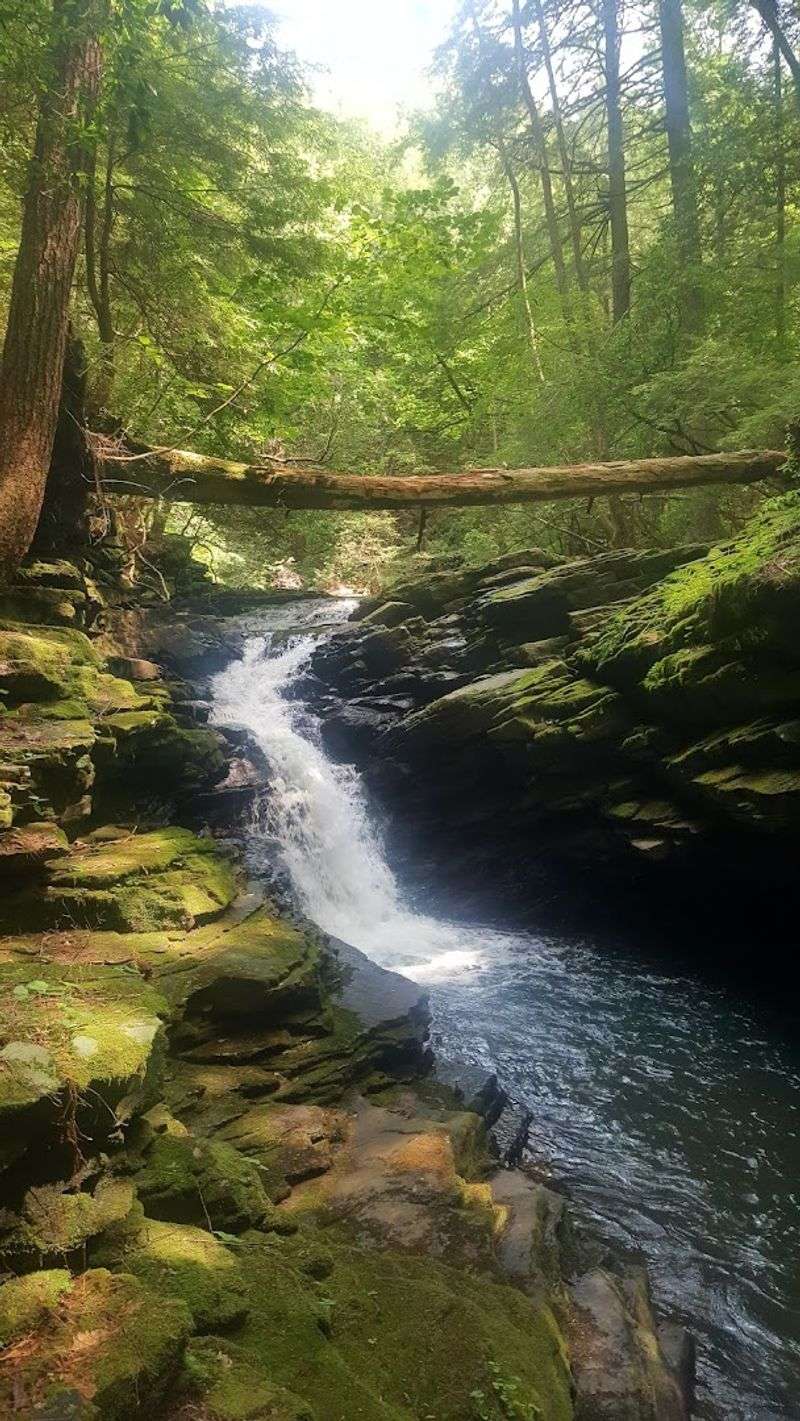
Fiery Gizzard is the kind of trail that earns its reputation the hard way—through sheer drama, rugged beauty, and a relentless mix of water, rock, and elevation. This is one of Tennessee’s most celebrated hikes, and for good reason. It delivers cascades, waterfalls, swimming holes, rocky gorges, and long stretches where the creek is your constant companion.
The full trail is a beast at over 12 miles, but even shorter out-and-back sections from Grundy Forest give you a solid taste of what makes this place legendary.
The terrain here is no joke. You’ll scramble over boulders, navigate steep drop-offs, cross the creek multiple times, and climb in and out of the gorge with enough elevation change to make your legs remember the experience. But the payoff is immediate and ongoing—every turn reveals something new, whether it’s a hidden cascade, a fern-draped grotto, or a deep pool perfect for a post-hike dip.
Fiery Gizzard Creek itself is the star of the show, threading through the gorge with personality and power. In spring or after rain, the water volume is impressive, and the falls and cascades are at their most dramatic. Summer brings lower flows but also the chance to cool off in the swimming holes, which are as refreshing as they are scenic.
5. Machine Falls Loop Trail — Short Springs State Natural Area
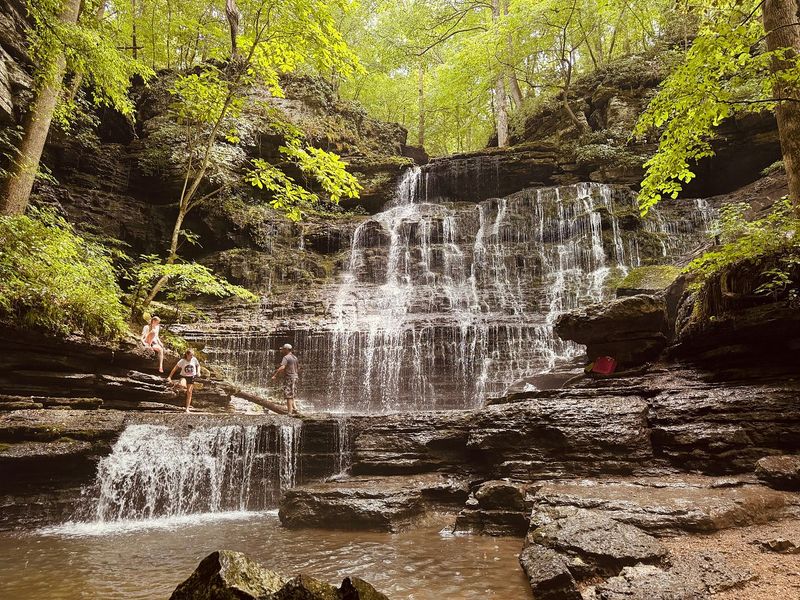
Machine Falls is proof that Middle Tennessee has some serious waterfall game. Tucked into Short Springs State Natural Area, this secluded 60-foot drop is the centerpiece of a scenic loop trail that weaves through hardwood forest, rocky bluffs, and sparkling creek sections.
The loop itself is just over 2 miles, making it a manageable half-day adventure for most hikers. The trail includes spur paths that lead to overlooks and creek access points, so you can customize your experience depending on how much exploring you want to do. The approach to the falls takes you down into a cool, shaded hollow where the air feels ten degrees cooler and the sound of falling water echoes off the rocks.
At the base of Machine Falls, you’ll find shallow pools with water so clear you can count the pebbles on the bottom. It’s a popular spot to sit, dip your feet, and take a breather before looping back. The falls themselves are narrow and elegant, with water sliding down a limestone face in a smooth, unbroken curtain.
It’s especially impressive after a good rain, but even in drier months, there’s enough flow to make the hike worthwhile.
6. Cummins Falls Gorge Trail — Cummins Falls State Park
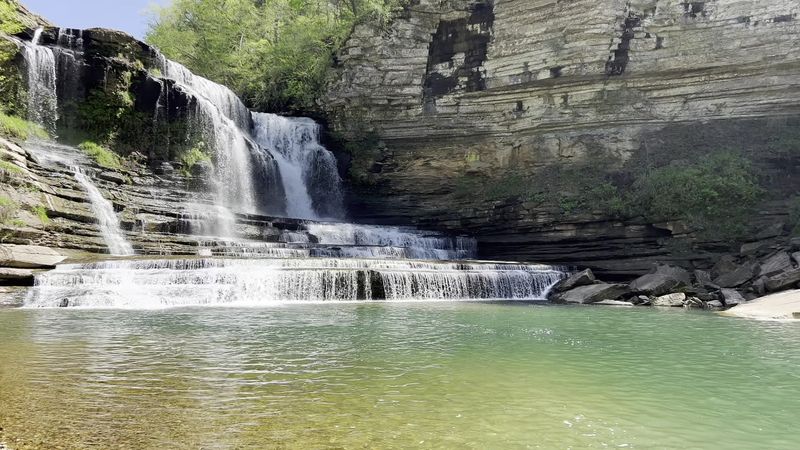
Cummins Falls is not your average waterfall hike—it’s an adventure that requires a little grit, a lot of caution, and a willingness to get your feet wet.
The park centers around a stunning 75-foot waterfall on the Blackburn Fork State Scenic River, and reaching it means scrambling over boulders, wading through the creek, and navigating a rugged gorge route that changes with every rainstorm. It’s thrilling, scenic, and absolutely worth the effort if you’re prepared for the challenge.
The trail starts off easy enough, but once you drop into the gorge, the terrain shifts dramatically. You’ll be walking on slick rocks, hopping between boulders, and sometimes wading through knee-deep water depending on the flow. The park takes safety seriously—permits are required during peak season, and water levels are monitored closely.
If the river is too high, access to the gorge is restricted, so always check conditions before you go.
When you finally reach the falls, the scene is breathtaking. Water pours over a wide, tiered ledge into a large pool that’s popular for swimming on hot summer days. The setting feels wild and remote, even though you’re only a short drive from Cookeville.
7. Virgin Falls Trailhead — Scott’s Gulf Wilderness State Park
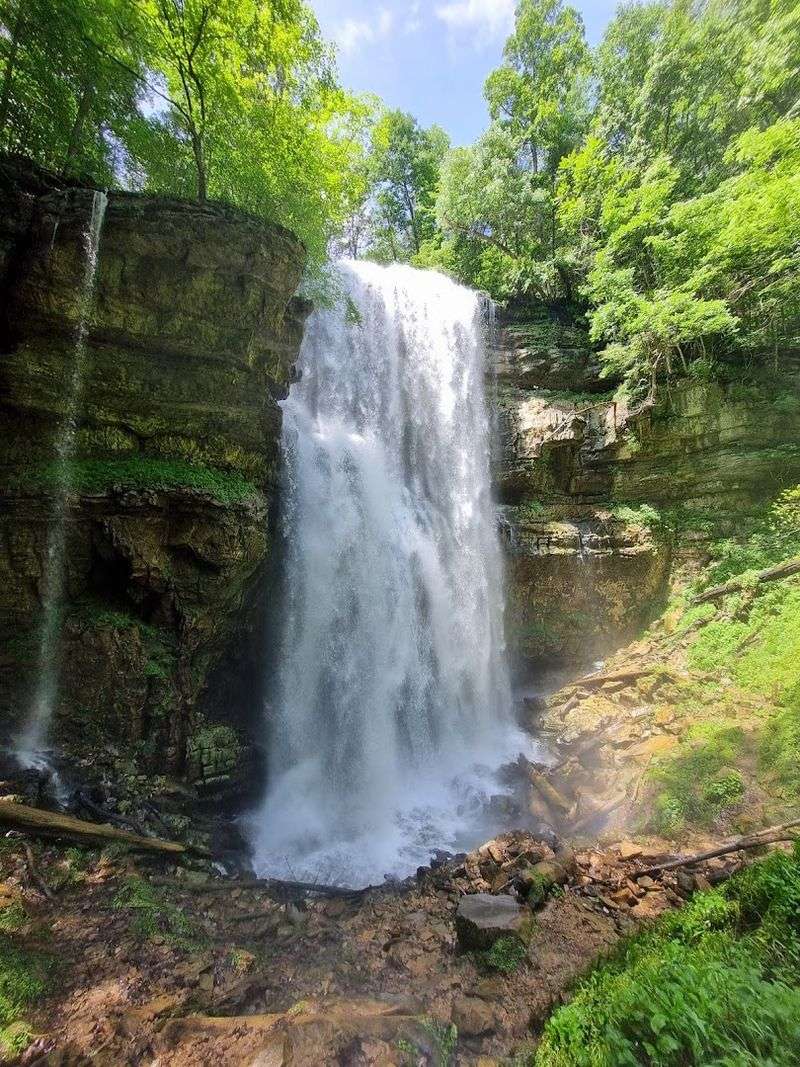
Virgin Falls is one of Tennessee’s most unusual and awe-inspiring waterfalls, and getting there is a full-day commitment that only experienced hikers should take on. The falls themselves are a geological oddity—a creek emerges from a cave, drops 110 feet over a dramatic ledge, and then vanishes into another cave below.
It’s the kind of natural feature that feels almost mythical, and the hike required to see it matches that epic vibe.
The trail is a 4.3-mile trek in, with a strenuous return that includes significant elevation gain and rocky, uneven terrain. You’ll pass through dense forest, cross creeks, and navigate sections that can be muddy, slick, or overgrown depending on the season. Along the way, you’ll also encounter other waterfalls, including Big Laurel Falls and Sheep Cave, which are worth the side trips if you have the time and energy.
Virgin Falls itself is worth every blister and sore muscle. The way the water appears from nowhere, thunders down into the gorge, and disappears again is something you have to see to believe. The mist, the sound, and the sheer scale of the drop make it one of the most memorable waterfall experiences in the state.
This is not a hike for beginners or casual day-trippers. Bring plenty of water, snacks, a first-aid kit, and a map or GPS device. The trail is remote, cell service is nonexistent, and you’ll want to start early to give yourself plenty of daylight for the return trip.
8. Laurel-Snow Trail — Dayton
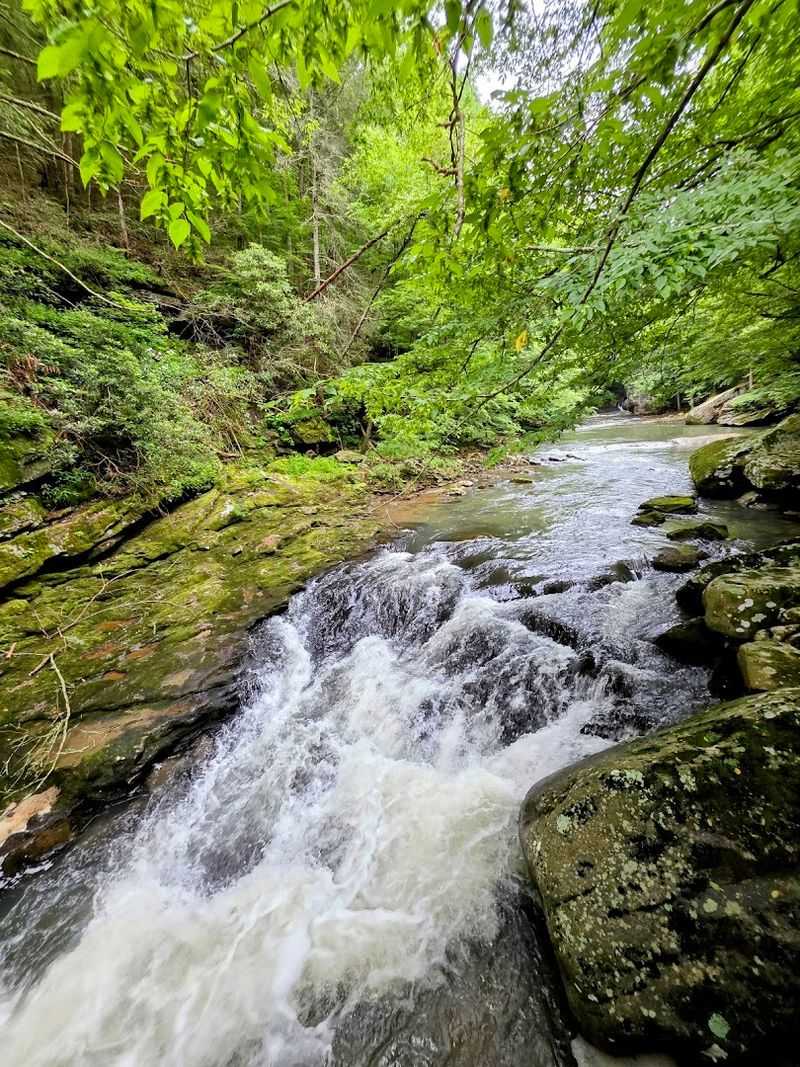
Laurel-Snow is a local favorite near Dayton, offering a scenic blend of creek views, waterfalls, gorge overlooks, and lush forest. The trail follows Richland Creek through a narrow gorge with steep walls, rich vegetation, and multiple water features that make every mile feel rewarding. It’s a moderately challenging hike with enough variety to keep things interesting from start to finish.
About a mile and a half in, the trail forks beside Richland Creek, giving you options. One branch leads to Laurel Falls, a wide, tiered cascade that’s especially impressive after rain. The other takes you toward Snow Falls, a taller drop with a more dramatic setting.
If you have the time and energy, both are worth seeing, and the overlook routes offer bird’s-eye views of the gorge that are perfect for photos.
The creek itself is a constant presence, sometimes rushing beside you, other times murmuring in the distance below the bluffs. The sound of moving water, the cool air rising from the gorge, and the shade from the hardwood canopy make this a refreshing escape even on warm days. The trail can be rocky and rooty in places, so sturdy footwear is a must, but the footing is generally manageable for most hikers.
Laurel-Snow is also a great spot for wildflowers in spring and fall color later in the year.
9. North Chickamauga Creek Gorge Trail — near Chattanooga
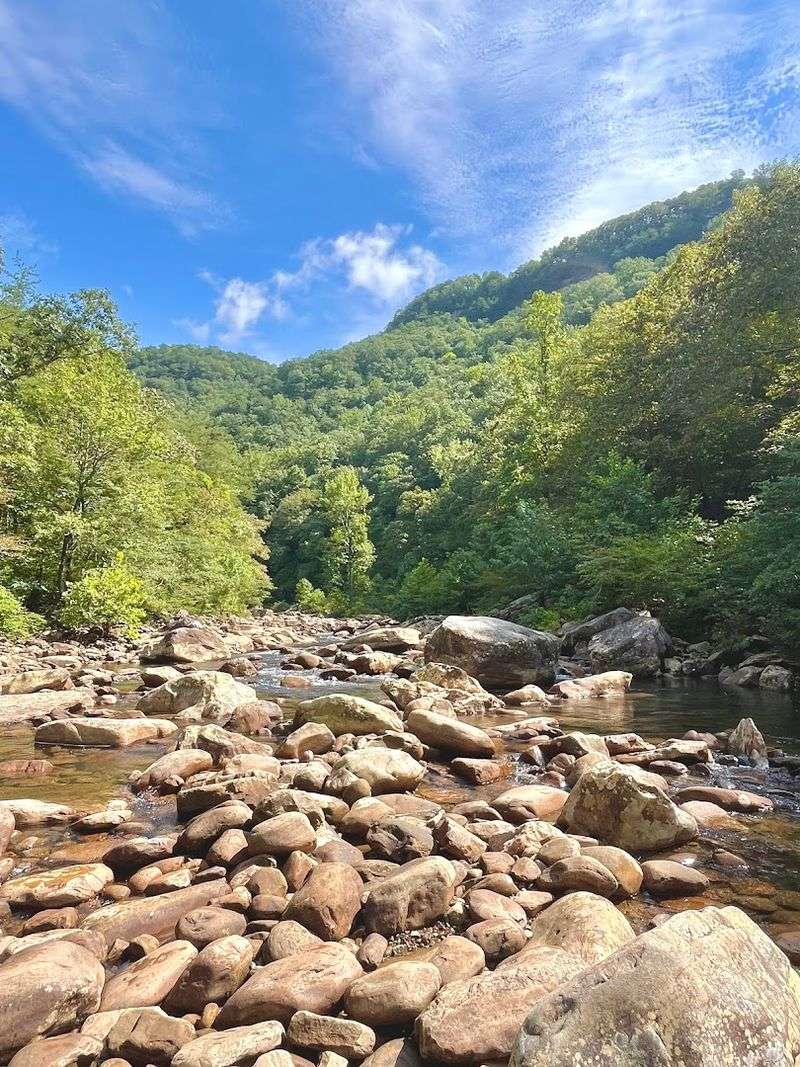
North Chickamauga Creek Gorge is a rugged, rewarding pick for hikers who crave dramatic terrain and creek-side solitude. This 7,093-acre natural area near Chattanooga features a deep sandstone gorge carved by North Chickamauga Creek, with steep slopes, towering bluffs, rich coves, and a wild, untamed feel that’s hard to find so close to a major city.
The trail itself is rough and rocky, with sections that require scrambling, creek crossings, and careful footing. The gorge scenery is the main attraction—sheer rock walls, narrow passages, and the constant presence of the creek threading through the landscape. Depending on the route you take, you can also access swimming holes, overlooks, and quieter side trails that lead deeper into the forest.
One important note: as of 2026, improvement work has temporarily closed the main parking area and access to the popular Blue Hole swimming spot. Before heading out, check current access information to make sure your planned route is open. Trail conditions and closures can change, especially after storms or during construction periods.
10. Stinging Fork Falls Trail — Rhea County
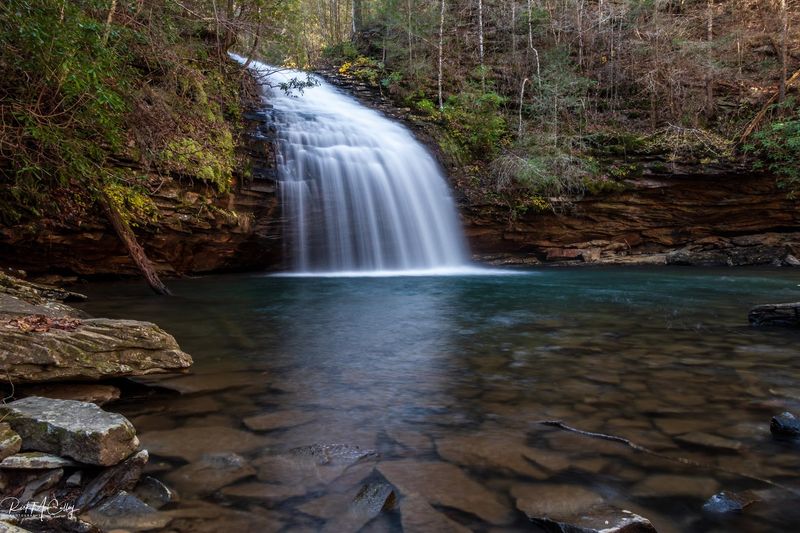
Sometimes the best hikes are the short ones that deliver big rewards without demanding a full day of effort. Stinging Fork Falls is exactly that kind of trail—a quick, scenic escape that takes you to a beautiful 30-foot waterfall in Rhea County. The natural area is named for the falls, where the creek flows over a fan-shaped drop, slips through flat chutes, and tumbles into a series of cascades below.
The trail itself is short and straightforward, making it a great option for families, casual hikers, or anyone looking for a low-commitment waterfall experience. You’ll follow a well-worn path through the woods, with the sound of falling water growing louder as you approach.
The falls are set in a small, rocky amphitheater where you can sit on the boulders, dip your toes in the shallow pools, and enjoy the cool mist rising from the cascades.
What makes Stinging Fork Falls special is the way the water moves—it’s not a single dramatic drop, but a series of slides, chutes, and tumbles that create a dynamic, layered effect. Depending on recent rainfall, the volume and speed of the water can vary, but even in drier months, there’s usually enough flow to make the hike worthwhile.
11. Old Stone Fort Enclosure Trail — Manchester
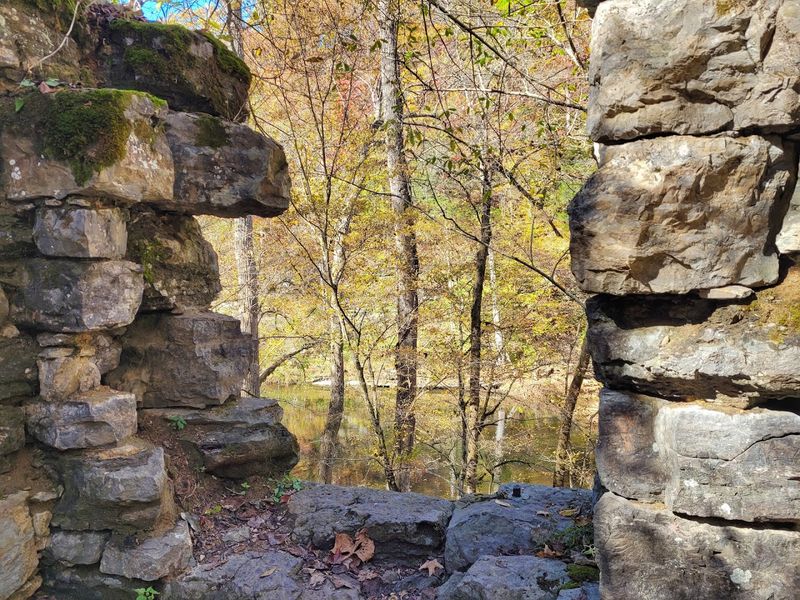
Old Stone Fort Enclosure Trail offers something most creekside hikes don’t—a deep connection to Tennessee’s ancient past. Located in Old Stone Fort State Archaeological Park near Manchester, this trail blends water, history, and easy scenery into a unique hiking experience.
The park is built around an ancient Native American earthwork enclosure that dates back nearly 2,000 years, and the trails wind along the Duck and Little Duck Rivers, past waterfalls, and through lush forest that feels timeless.
The enclosure itself is a fascinating piece of history. It’s not actually a fort, but a ceremonial or gathering site created by indigenous peoples using the natural landscape—steep river bluffs on three sides and earthen walls on the fourth. Walking the perimeter gives you a sense of the scale and intention behind the construction, and interpretive signs help connect the dots between the land, the water, and the people who shaped it.
The trail system includes multiple loops and spurs, so you can tailor your hike to your interests and energy level. Some paths stick close to the rivers, offering peaceful water views and access to small waterfalls and cascades. Others climb to higher ground, where you get overlooks of the gorges and a better sense of the park’s topography.
The terrain is generally easy to moderate, making it accessible for most hikers.
12. Shoal Creek Trail — David Crockett State Park
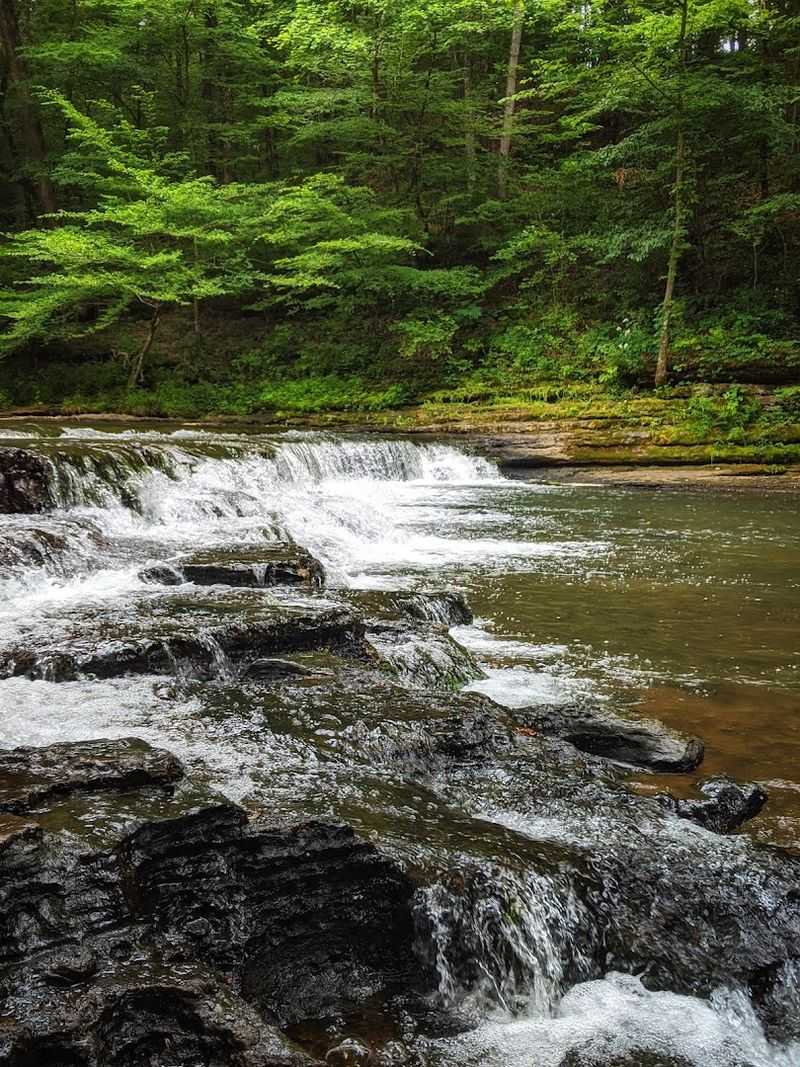
The park’s trails follow Shoal Creek through a mix of hardwood forest, open meadows, and rocky bluffs, with Crockett Falls serving as the scenic highlight. It’s a relaxed, well-maintained trail system that’s perfect for families, casual hikers, or anyone looking for a low-stress creekside walk.
Shoal Creek itself is the defining feature of the park, winding through the landscape with a gentle, steady flow. The trails hug the creek in places, offering plenty of spots to stop, sit, and watch the water move over the rocks. Crockett Falls is a modest but pretty drop where the creek slides over a limestone ledge into a shallow pool.
It’s not a dramatic plunge, but the setting is peaceful and photogenic, especially in spring when the surrounding forest is lush and green.
The park also features limestone bluffs that add a bit of vertical interest to the otherwise gentle terrain. Wildlife is abundant, and you’re likely to spot birds, turtles, and deer along the way. The trails are well-marked and easy to follow, with enough mileage to give you a decent walk but not so much that it feels like a commitment.
David Crockett State Park is a great choice if you’re in the area and want a quick nature fix without a lot of planning or effort. The combination of creek access, waterfall views, and park amenities makes it a family-friendly, low-pressure outing that still delivers the peaceful, refreshing vibe that makes creekside hikes so appealing.