Salem has a reputation for witches, souvenir shops, and October crowds. Tucked away near the water, though, sits a quiet spot that rewinds the clock to 1630, long before any of that.
A handful of wooden buildings, working gardens, and old tools tell the story of the first English settlers who tried to make a life on this rocky coast. Entry costs about five dollars, less than a fancy latte.
The visit is short and easy on the schedule, and it pairs nicely with a small beach and a park right next door. Movie fans know it from a famous 1990s film, while history lovers know it as one of the oldest recreated villages of its kind in the country.
Keep reading for the backstory, what to see, when it is open, and a few tips that can save a wasted trip.
A Colonial Village on Salem’s Waterfront
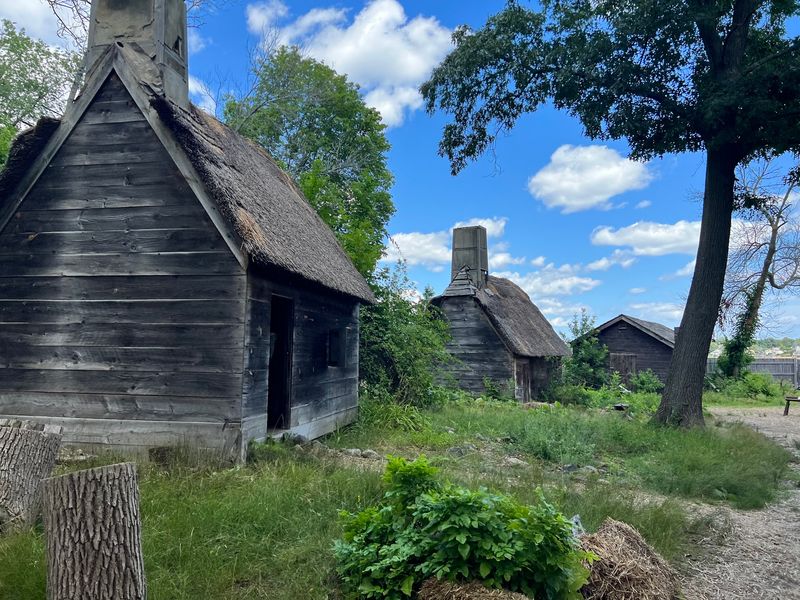
Salem’s oldest story is not about witches at all. It begins with fishermen, farmers, and families who arrived decades before the famous trials.
Salem Pioneer Village sits at 98 West Ave, Salem, MA 01970, in Massachusetts. The site is a recreation of a colonial village in 1630, set up as a seasonal living-history museum.
The village rests inside the Forest River park area, away from the busy downtown streets. That location gives it a calmer feel than most Salem attractions.
Here the focus is daily life in the 17th century. Small houses, gardens, and displays show how early settlers built shelter, grew plants, and managed their days along the coast.
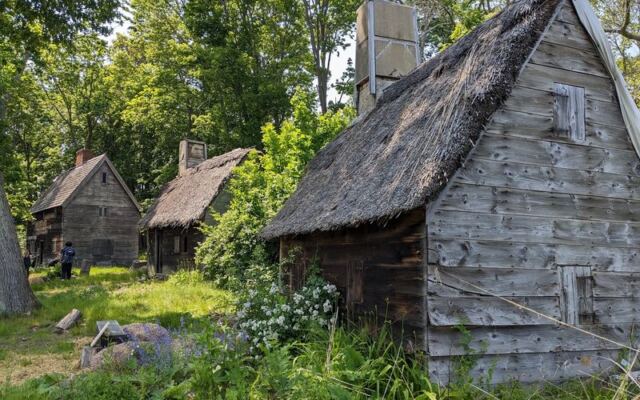
The grounds are compact, with about five or six buildings to explore. Most of them can be entered, and signs inside explain life during the era.
For Massachusetts residents, the appeal is simple. It is a short, affordable outing that connects directly to the roots of the state’s North Shore.
Families, history fans, and curious locals can all cover it in a single afternoon. And the story behind how it was built is almost as interesting as the village itself.
Built in the 1930s to Honor the 1600s
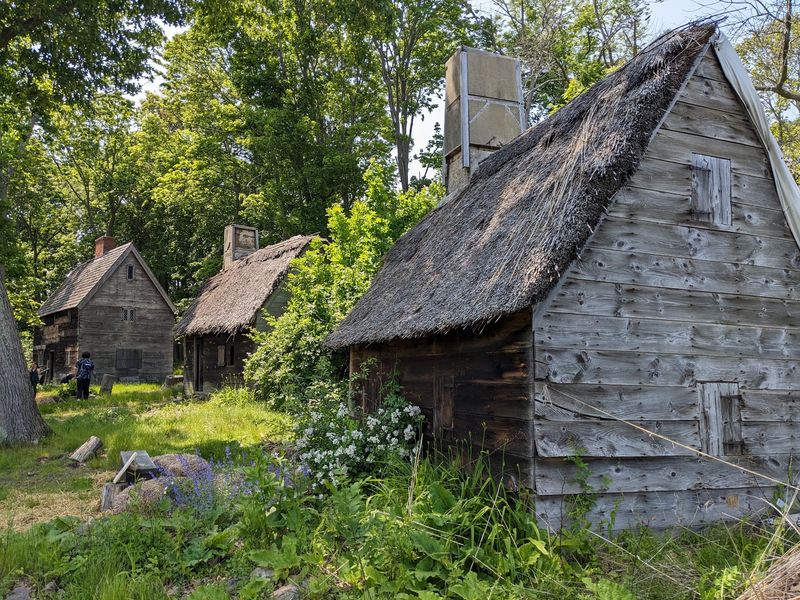
Here is a fun twist on the timeline. The village represents the 1600s, but it was created in the 1930s.
That makes it a recreation with its own long history. The site was built to show what a 17th-century settlement in Salem may have looked like, giving people a way to see early colonial life up close.
Nearly a century later, the village still stands as a teaching tool. It has outlasted plenty of trends and keeps drawing people who want a look at how the colony began.
The buildings follow the style of early English settlers. Expect simple wooden structures, small rooms, and humble construction rather than grand mansions.
Inside, signage fills in the gaps. Panels explain how people lived, worked, and organized their households during the pioneer era.
It is worth keeping in mind what the site is and is not. It is a careful recreation, not a collection of original 1630 houses, and knowing that helps set fair expectations.
Still, a 1930s project honoring the 1600s is a layered bit of history in its own right. Few places let you study two eras at once in under an hour.
Houses You Can Actually Walk Inside
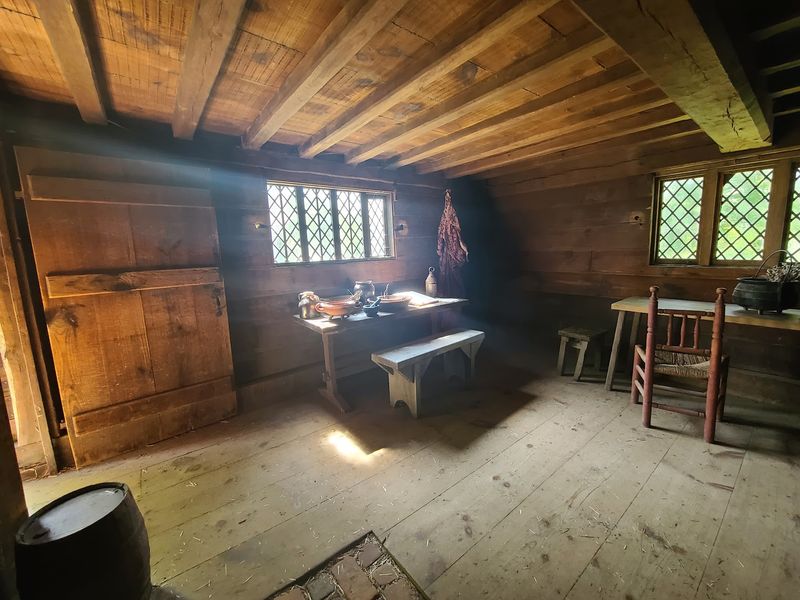
Velvet ropes are not the main event here. Most of the buildings are open for walking through, which is a big part of the charm.
The houses give a close view of how cramped and practical early homes were. Furniture, tools, and household items are arranged to show daily routines.
Each building has its own informational signs. They cover topics like work, shelter, and family life during the pioneer times.
The signage earns a lot of praise for being detailed and clear. It explains plenty without feeling like a textbook.
The self-paced format suits people who like to linger as well as those who prefer a quick loop. Some groups spend 15 minutes, while others take 20 to 30 minutes reading everything.
The structures are kept in good shape, and the grounds match what you would expect for that time period. That means rustic paths and simple surroundings rather than polished, modern finishes.
For anyone who learns best by doing, stepping through a doorway beats reading a museum label behind glass. The houses make the past feel within arm’s reach.
Herb Gardens and Old-World Remedies
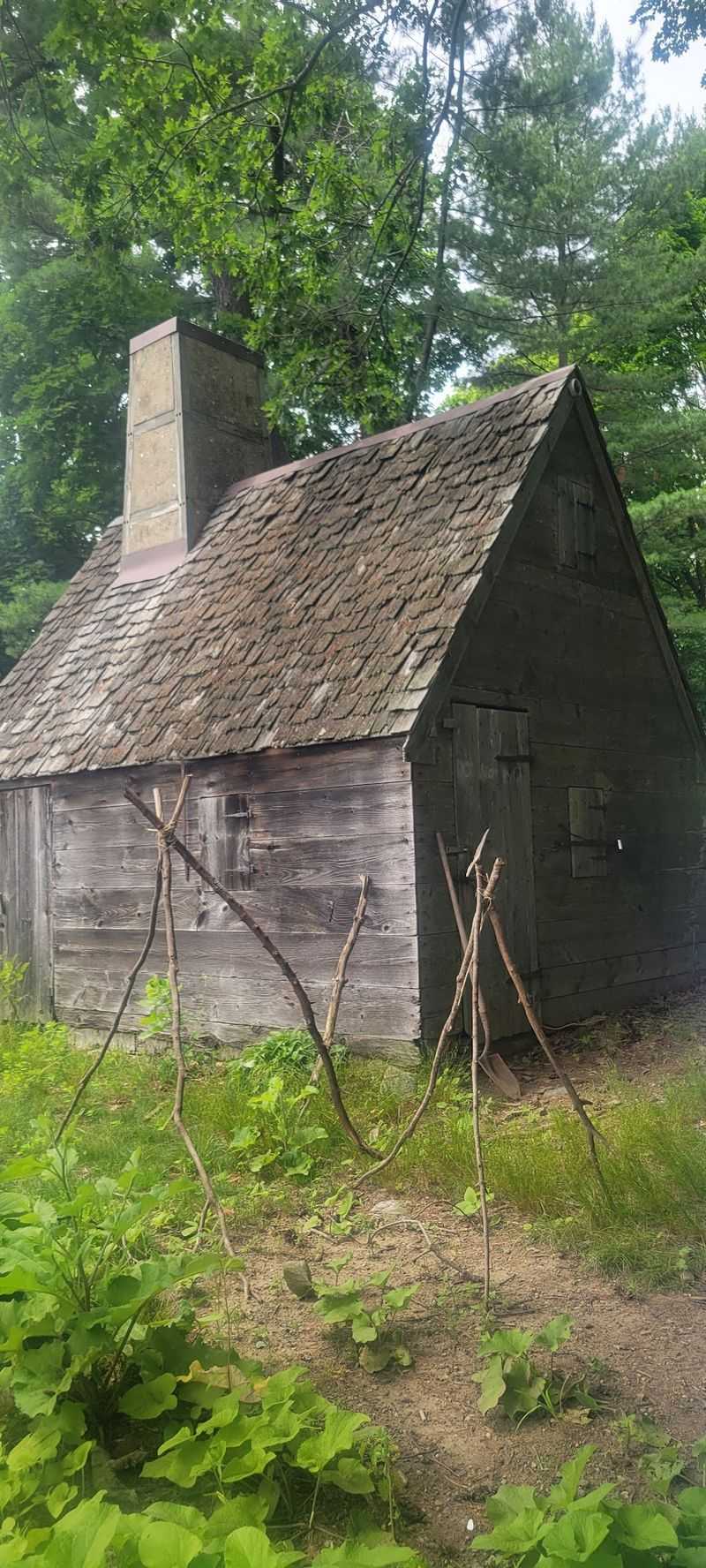
Long before pharmacies, settlers turned to the garden for help. That idea comes alive in the planted plots around the village.
The recreated gardens show what early colonists grew to support their households. Alongside homes and tools, they help explain how people survived in a new place.
Programs here have included presentations on herbs and plants used for medicinal purposes. These talks connect the garden beds to real problems settlers faced every day.
Staff often share stories and answer questions about early colonial life. They are known as friendly and knowledgeable, which turns a quick look into a real conversation.
The gardens also tie into the bigger picture of self-reliance. Growing food and remedies was not a hobby in 1630, it was a necessity.
Programming can vary by season and date, so not every visit will include a demonstration. Checking ahead is the best way to catch one.
Even without a talk, the gardens add life to the village. They make the settlement look lived in rather than frozen.
A Famous Movie Backdrop
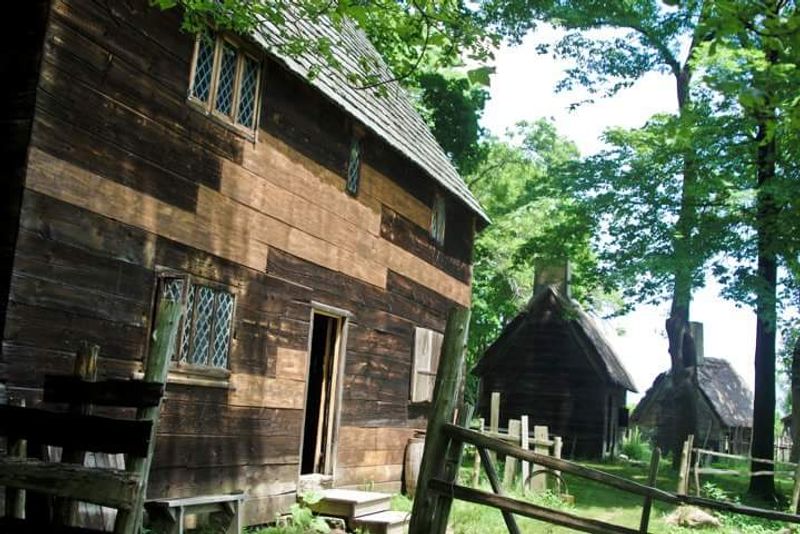
Some fans arrive with a movie quote ready. The village served as a filming location for Hocus Pocus.
Scenes from the opening of the film were shot here. The setting includes houses linked to that sequence, including the one fans connect with the character Binx.
Many people come mainly for photos of these spots. Some of the movie-related houses may only be viewed from the outside.
Photo opportunities are one of the most talked-about features. The rustic buildings make easy backdrops for fans and history buffs alike.
Movie fans often pair the stop with another nearby filming site at 4 Ocean Ave, known as the house of characters Max and Dani. It is a convenient add-on for a themed day.
Not everyone comes for the film, of course. Plenty of history lovers prefer the village for its glimpse of early settlement rather than its Hollywood connection.
Either way, the site rewards both groups. The movie brings people through the gate, and the history gives them a reason to stay.
Small Village, Big Expectations Check
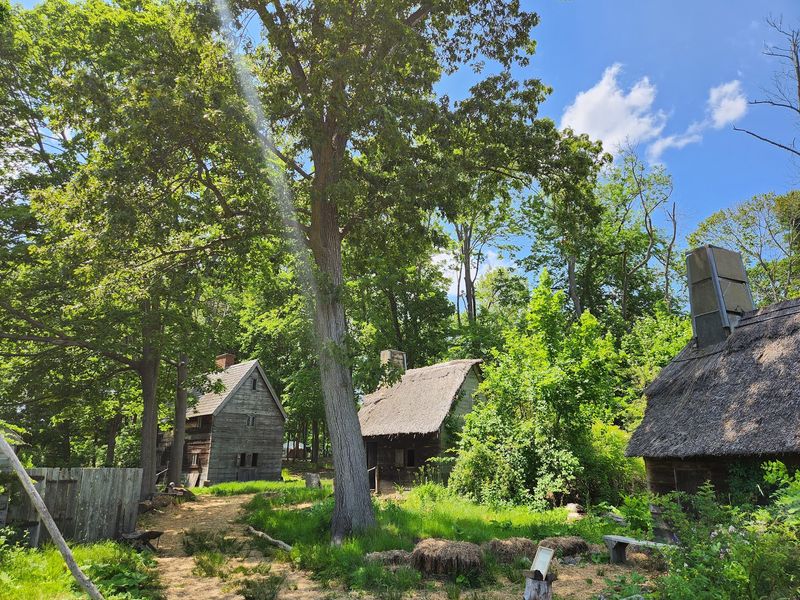
Size comes up more than almost anything else about this place. The village is small, and that is worth knowing before arrival.
There are roughly five or six buildings in total. Many groups finish in 10 to 15 minutes, while slower readers may take closer to half an hour.
People who expect a short stop tend to enjoy it the most. Those hoping for a large, sprawling museum sometimes leave wishing it were bigger.
The site is rustic by design. It is not maintained to modern theme-park standards, and that authenticity is part of the point.
Many guests note that the small fee helps keep the village running. Supporting a modest historic site has its own value.
The smart move is to treat it as one piece of a larger outing. Combine it with the park, the beach, or other Salem stops.
Go in knowing it is a quick visit, and it is far more likely to feel like a pleasant discovery. A small village can still deliver a solid slice of history.
Beach, Park, and a Peaceful Setting
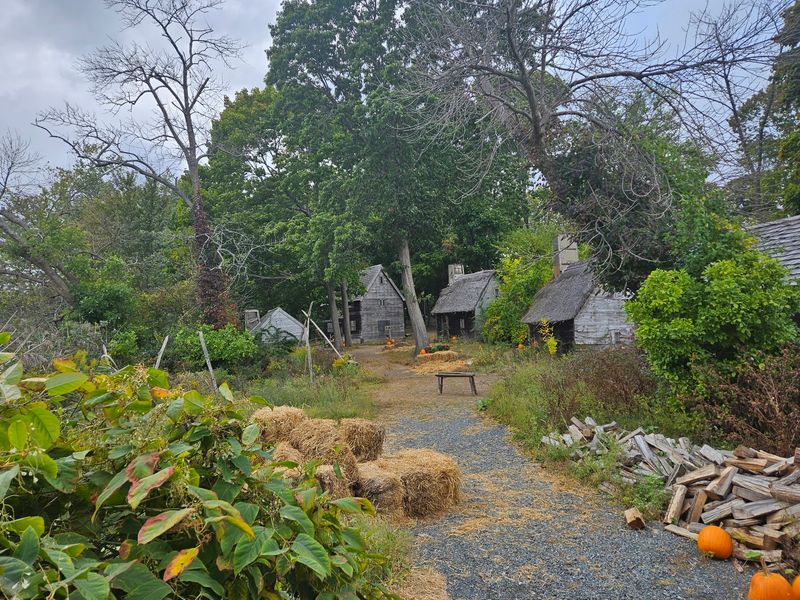
History is only half the reason to make the trip. The setting right on the water adds a bonus outing.
The village sits in a peaceful, tucked-away spot that feels separate from downtown. It is rarely as crowded as the main Salem attractions.
A small beach sits at the end of the village area. Some people collect shells there, and in warm weather a swim is possible.
Forest River park surrounds the site. A walk through the park makes an easy follow-up after the village loop.
There is a large parking lot and a public bathroom on site. That kind of convenience makes it simpler for families to plan a few hours here.
The combination of history, water, and green space makes the stop feel like a real day trip. It is an outing that does not demand much travel or planning for North Shore residents.
Bring comfortable shoes, since paths can get muddy. A little dirt seems fitting for a place that celebrates 1630.
October Night Faires and Seasonal Events
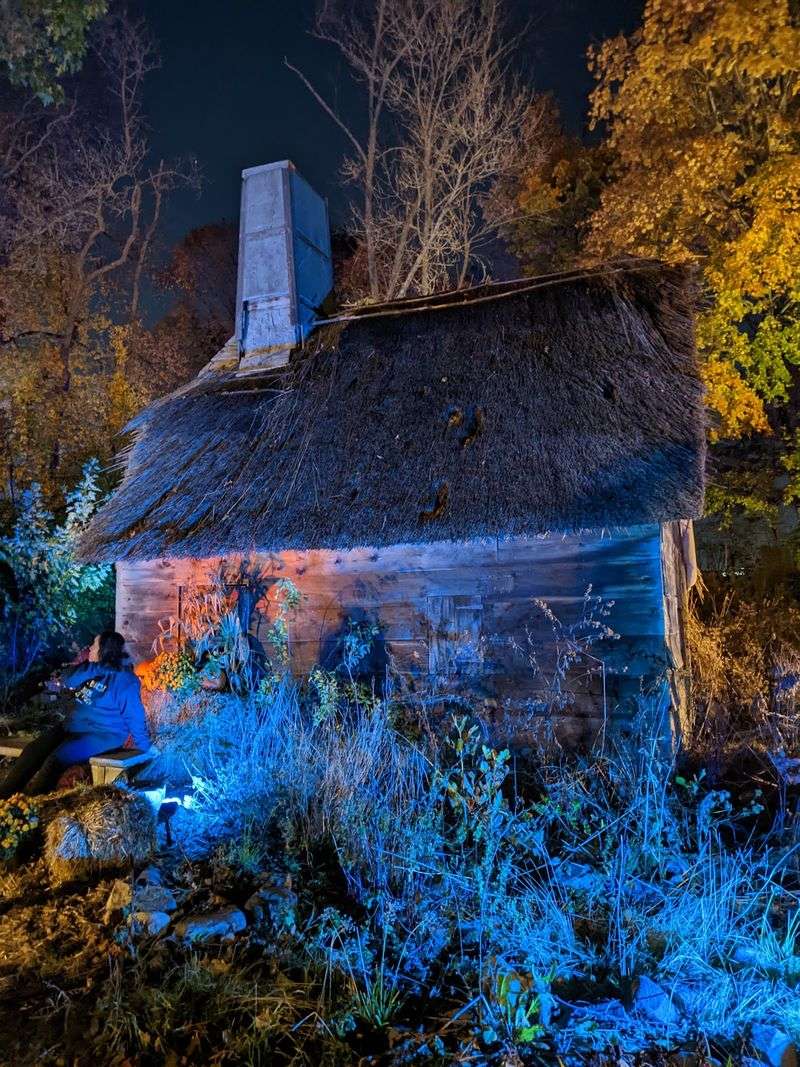
After dark in October, the village changes character. Seasonal night events bring vendors and crowds to the grounds.
A night faire has been held here, with many vendors and things to browse. Friendly staff help keep the evening running smoothly.
The night events have a spooky Halloween-season theme. Some find the tone a bit much, so it may not suit every group.
Evenings in October can get packed. Parking may also be harder to find during the busy Halloween season.
Night event tickets can cost more than the regular daytime entry. Daytime visits remain the budget-friendly way to see the village.
Many people say the daytime experience is where the history shines. The evening events are more about atmosphere and shopping.
Choosing between the two depends on taste. History fans may prefer a calm afternoon, while festival lovers can save their trip for October nights.
Hours, Fees, and Getting There
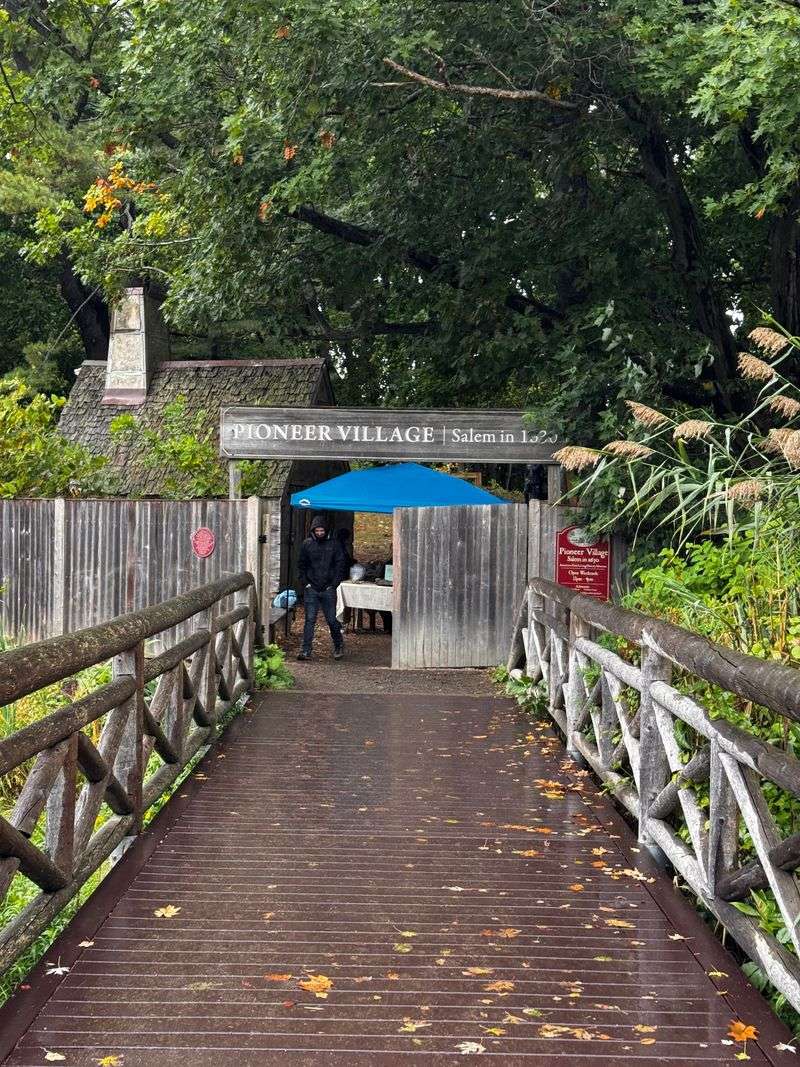
Timing matters more here than at most museums. The village keeps limited hours.
Regular hours are Saturday and Sunday from 12 to 4 PM. It is closed Monday through Friday, and guided tours are offered June through September.
On summer weekdays the grounds may host a summer camp, which keeps the public out. Watch for posted notices at the gate.
The site is also weather dependent. Rain or flooding can lead to closures, even on scheduled weekend days.
Admission runs about $5 per person, with some mention of $4 for some guests. Children under 6 have entered free, and the site has been noted as cash only.
Parking options include free spaces for the park and metered parking at about 50 cents an hour, depending on the lot. On foot, it is roughly a 30 to 35 minute walk from the main part of Salem.
Checking the official website, pioneervillagesalem.org, before heading out is the best defense against a locked gate. A quick look can save an entire afternoon.
Worth the Short Detour
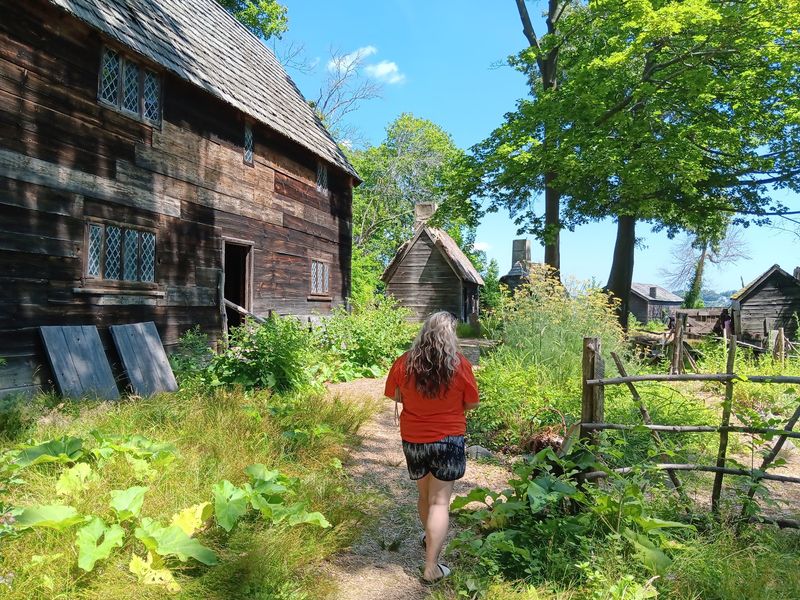
Five dollars rarely buys this much backstory. The village offers a compact, honest look at how Salem began.
It holds a 4.3-star standing across more than a thousand opinions, which reflects broad appreciation. The main caution is its small size and limited hours.
History lovers get detailed signage, open houses, and gardens. Movie fans get iconic photo spots from a beloved film.
Families can stretch the visit with the beach and park next door. That turns a brief stop into a relaxed few hours outdoors.
The secret to enjoying it is planning. Confirm the day is open, bring cash, and expect a short, focused experience.
For Massachusetts residents rediscovering their own backyard, this is an easy win. It is close, affordable, and rooted in the earliest chapter of the state’s story.
Salem’s witches may grab the headlines. The settlers who came first deserve an afternoon too.
Share this story