Most of Oregon waits until October for its big color show, but the high country does not wait. Up in the eastern mountains and along the Cascade crest, cooler nights arrive early, and aspens, larches, and vine maples start changing while Portland and Eugene are still green. That means you can catch peak gold and red in September if you know where to look.
Here are seven places that put on their fall show ahead of schedule, so you can plan a trip before the crowds and the snow arrive.
1. Anthony Lakes Mountain Resort, North Powder
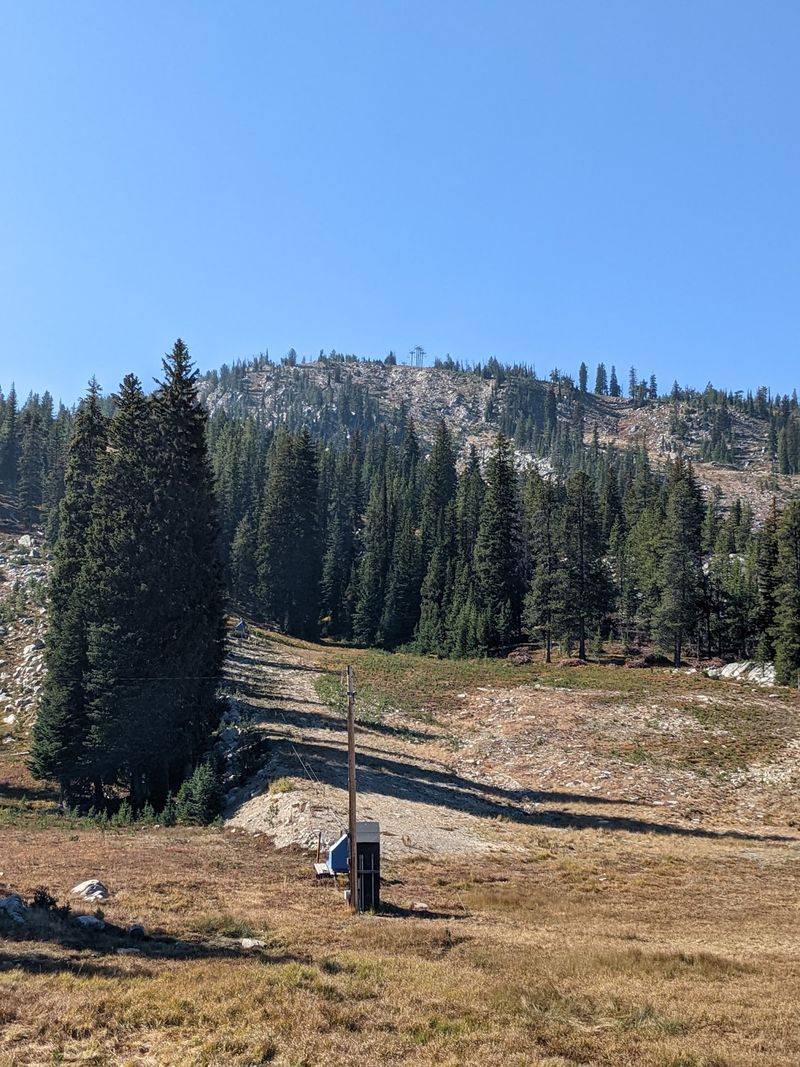
Western larches are the rebels of the conifer world. They are needle trees that turn gold and drop their needles every fall, and the Elkhorn Mountains around Anthony Lakes are full of them.
The resort sits high in the Elkhorns, with a summit near 8,000 feet, a triple chairlift, and a 900-foot vertical drop. At this elevation, the larches often turn golden weeks before the trees in lowland Oregon even think about it.
A loop around the lake is the easy way to soak in the color. Families camp and hike here, and the setting is a small mountain lake framed by rocky peaks.
Hungry hikers have options too. The lodge restaurant serves local sausage, hamburgers, and wood-fired pizzas, and seats can fill up fast at mealtime.
Plan around the schedule. The resort is listed as open Thursday through Sunday from 9 a.m. to 4 p.m. and closed Monday through Wednesday, so check anthonylakes.com or call 541-856-3277 before making the drive from Baker City or La Grande.
2. Kiger Gorge Overlook
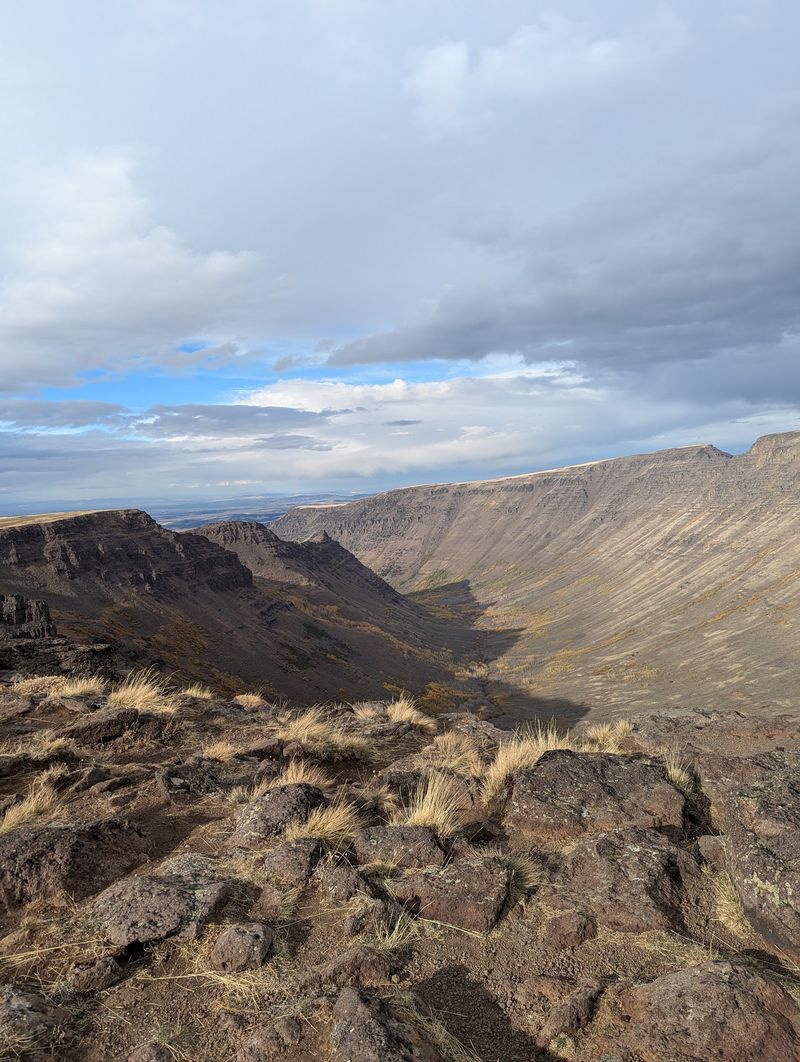
Picture standing at roughly 9,000 feet and looking down into a glacier-carved gorge more than a thousand feet deep. Now fill the bottom of that gorge with yellow leaves.
Kiger Gorge Overlook, near Diamond on the Steens Mountain Loop, delivers exactly that in early fall. Quaking aspen groves along the gorge floor turn bright yellow weeks ahead of western Oregon, and by early October the whole bottom can be washed in gold.
Getting to the view is the easy part once you are on the loop. A short, simple walk from the free parking lot leads to the edge.
Bring what you need, because there are no restrooms here. Remote is the whole point of Steens Mountain, so pack snacks, water, and a full tank of gas.
I would save this one for a clear afternoon, when the light lands on the gorge walls and shows off every layer of color.
3. East Rim Overlook, Princeton
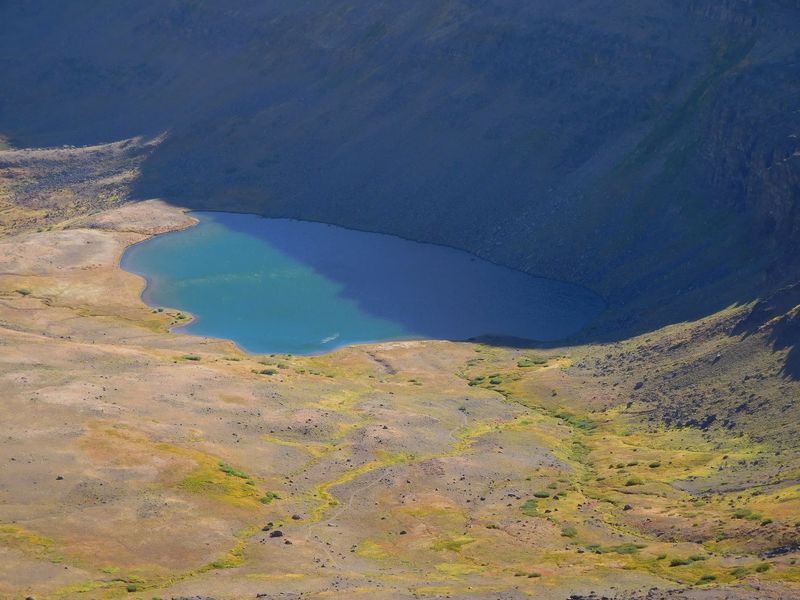
Kiger Gorge gets the attention, but the East Rim is where Steens Mountain shows its other personality.
Perched near 9,000 feet along Steens Mountain Road, this overlook gives you a view straight over the edge and out across the open desert far below. Glacier-carved U-shaped valleys stretch out from the mountain, and by September the subalpine scrub and canyon foliage are already changing color.
The overlook is open 24 hours, though weather and seasonal road access on the mountain matter more than any clock.
Timing can help you dodge company. Weekend afternoons and Sunday mornings tend to be busiest, while Monday afternoons and Tuesday or Thursday evenings are usually quieter.
There are no restrooms at the rim. Pair it with Kiger Gorge on the same loop drive for a full day of early color in Oregon’s high desert.
4. Dee Wright Observatory, Blue River
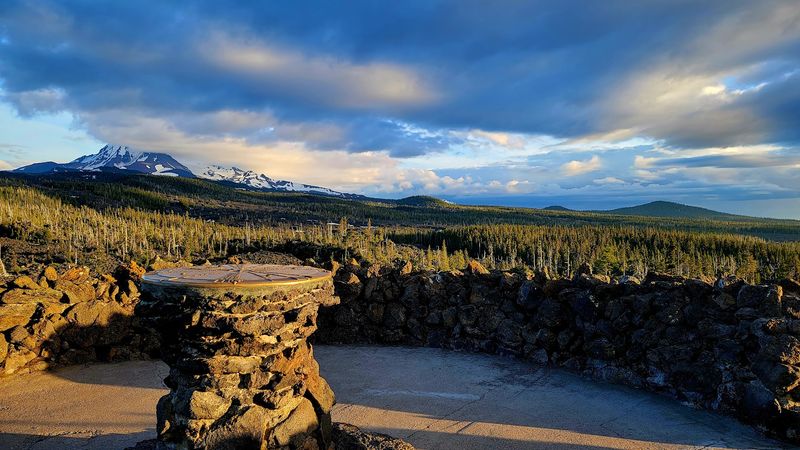
Red leaves against black rock is a color combo you do not see every day. At McKenzie Pass, it shows up every September.
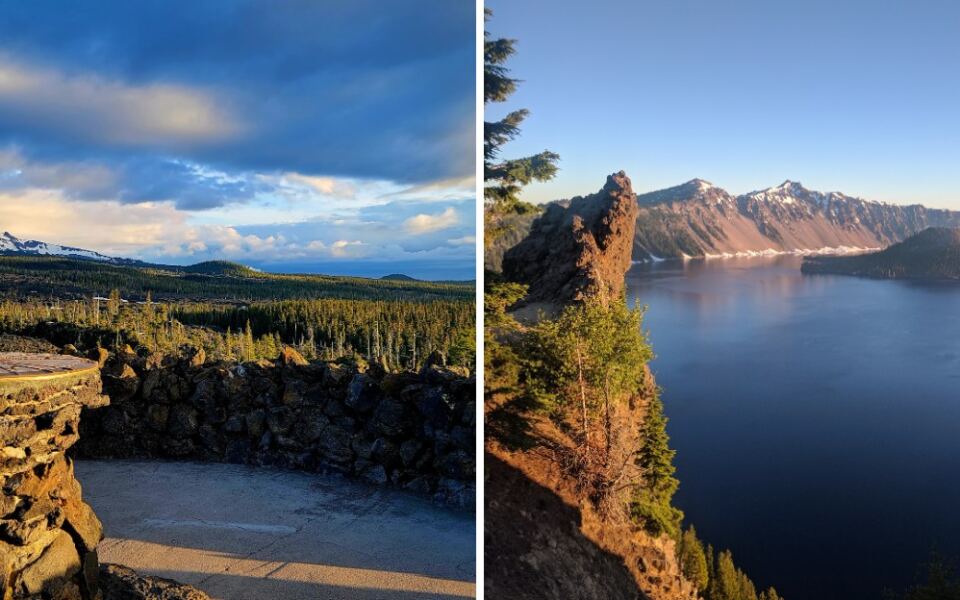
The Dee Wright Observatory is a stone lookout built from lava rock, standing about 30 to 40 feet above the road at the 5,325-foot crest. It sits in the middle of a 65-square-mile lava field, less than a half hour west of Sisters on the McKenzie Pass Scenic Byway.
Native vine maples near the pass turn bright crimson and orange by mid-to-late September. That color pops against the dark basalt in a way valley trees cannot match.
Parking is free, and there is a short trail through the lava. Kids tend to like climbing up to the lookout.
Here is the catch. Autumn snow eventually closes the pass for the season, so this is a visit to make early rather than later.
5. Crater Lake National Park
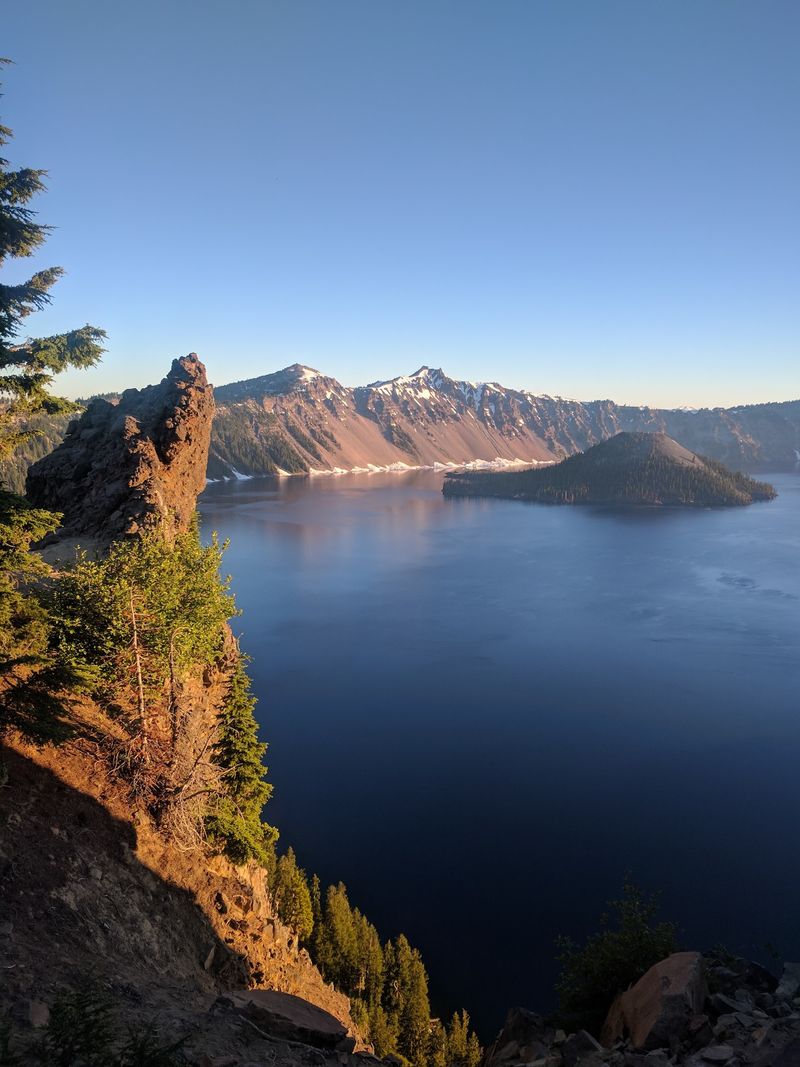
Everyone comes for the blue. Fewer people know the rim turns red and orange before the valleys below.
Crater Lake National Park covers 183,224 acres and holds the deepest lake in America. With elevations from about 6,500 to nearly 8,000 feet, the park starts its fall show early, as alpine huckleberry and mountain ash shift to rich reds and oranges.
The Pinnacles Trail is a standout stop, and there are kid-friendly hikes plus picnic tables and public restrooms. Dogs are allowed in parts of the park.
The historic Crater Lake Lodge offers lake views if you want to stay overnight. Sunset from the rim is another strong reason to linger.
Weekend afternoons draw the biggest crowds. For current conditions, check nps.gov/crla or call 541-594-3000 before heading up.
6. Shevlin Park, Bend
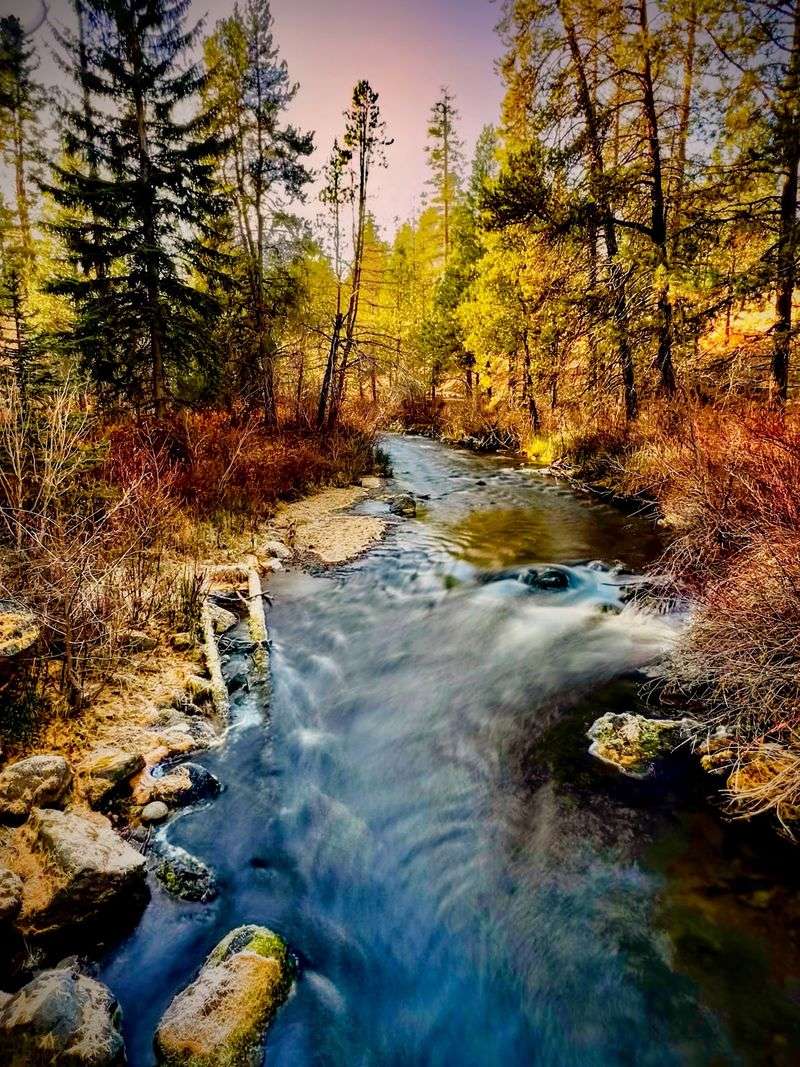
Not every early color trip needs a long mountain drive. In Bend, it takes about 15 minutes.
Shevlin Park is a 652-acre preserve on the edge of town, with trails following a creek past boulders and tall trees. Quaking aspens and larches here turn golden well before the Willamette Valley catches up.
The trail network works for walkers, runners, cyclists, and dogs. There are routes for different skill levels, a fishing spot, picnic tables, and public restrooms.
Hours run from 5 a.m. to 10 p.m. daily. Saturday and Sunday afternoons get busy, so a weekday morning is a smart call.
This is the kind of place I would visit when time is short but the leaves are peaking. Grab coffee downtown and be on the trail before most people finish breakfast.
7. Wallowa Lake State Park, Joseph
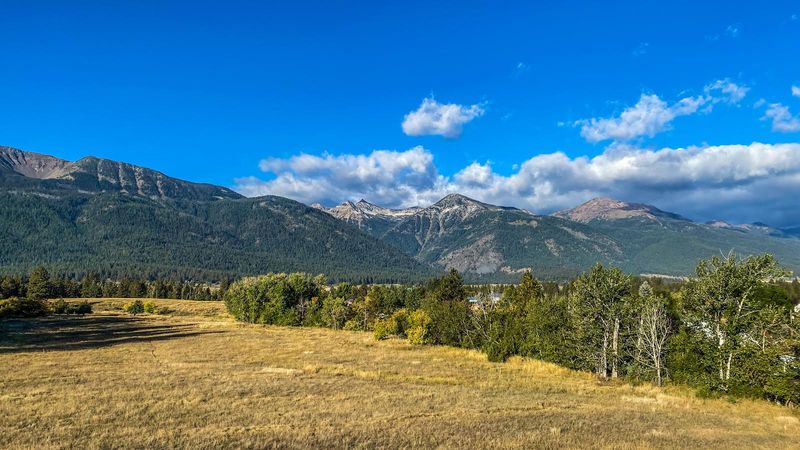
Joseph is a small, historic town, and just past it, the Wallowa Mountains rise straight up from the south end of a glacial lake.
Wallowa Lake State Park sits right at that spot, in a canyon at the base of the high Wallowas. In early autumn, cottonwoods and larches in the valley change color while much of the state is still summer green.
The park has campsites, hiking trails, picnic tables, grills, a playground, and public restrooms. The clear water is popular for boating, fishing, and kayaking.
Nearby, a cable car runs to the top of Mount Howard for a bird’s-eye look at the color below.
Saturday afternoons are the busiest. Midweek mornings are much calmer, and the park is open 24 hours, with info available at 800-551-6949.
Share this story