Most people think a first riding lesson starts in the saddle, but at one Cumberland County barn it starts with a brush and a bucket. Kids as young as three have taken short classes here, and plenty of parents end up signing up right alongside them.
The lessons cover how to care for a horse and respect it, not just how to sit on one. If you have ever wanted to learn horses the right way without leaving North Carolina, this small farm near Fayetteville deserves a spot on your weekend list.
A Horse Farm Hiding in Hope Mills
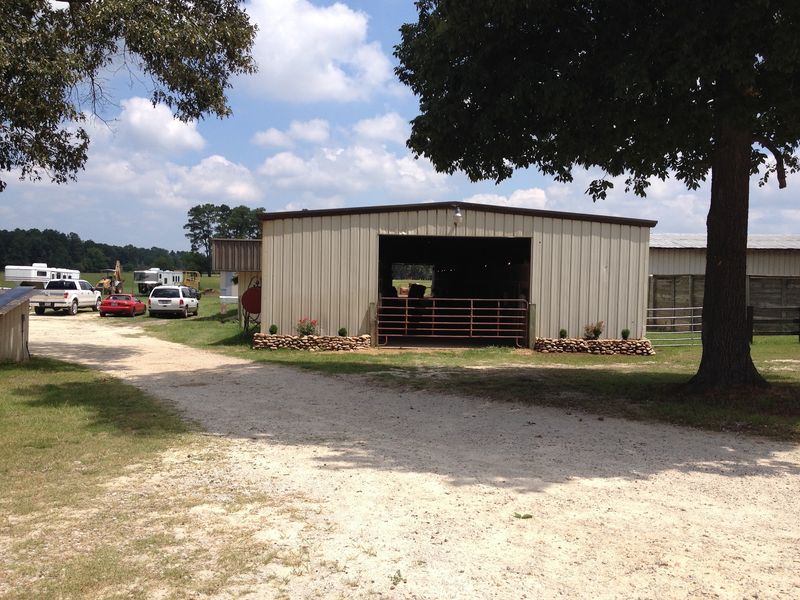
Few people expect a full working horse farm tucked close to town in Cumberland County. Yet Circle M Farms sits at 216 Menscer Dr, Hope Mills, NC 28348, just south of Fayetteville in North Carolina.
The farm is listed as a horse trainer, and that label only tells part of the story. It offers riding lessons, horse boarding, and professional training under one roof.
Families like that it sits right within the city, so the drive stays short. Nobody needs to plan a mountain road trip just to get some barn time.
The place has built a loyal following over the years. Its overall standing sits at 4.7 stars, which says a lot for a small, hands-on operation.
Riders of every level come through the gate. Some show up for their very first lesson, while others board their own horses and visit daily.
Beginners get a real taste of horse life here, from brushes to bridles. That focus on the basics is what sets the place apart from a quick trail ride.
So what does a first visit actually look like? The answer starts long before anyone climbs into a saddle.
Groundwork Before the Saddle
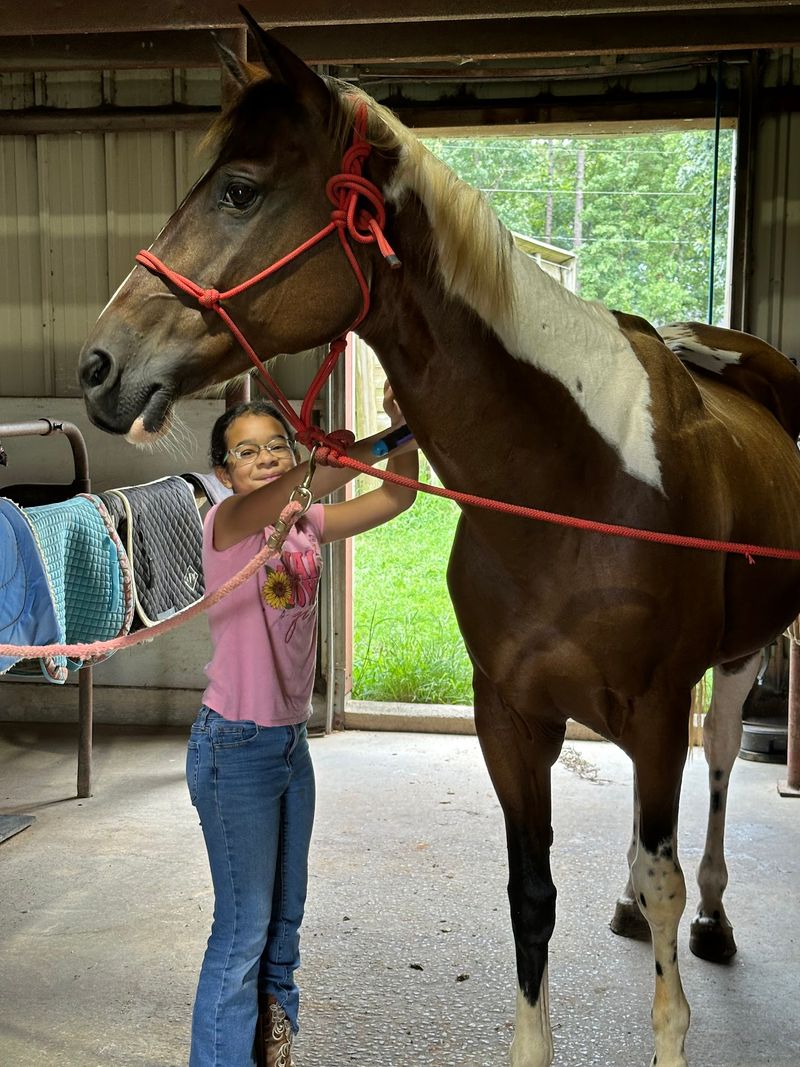
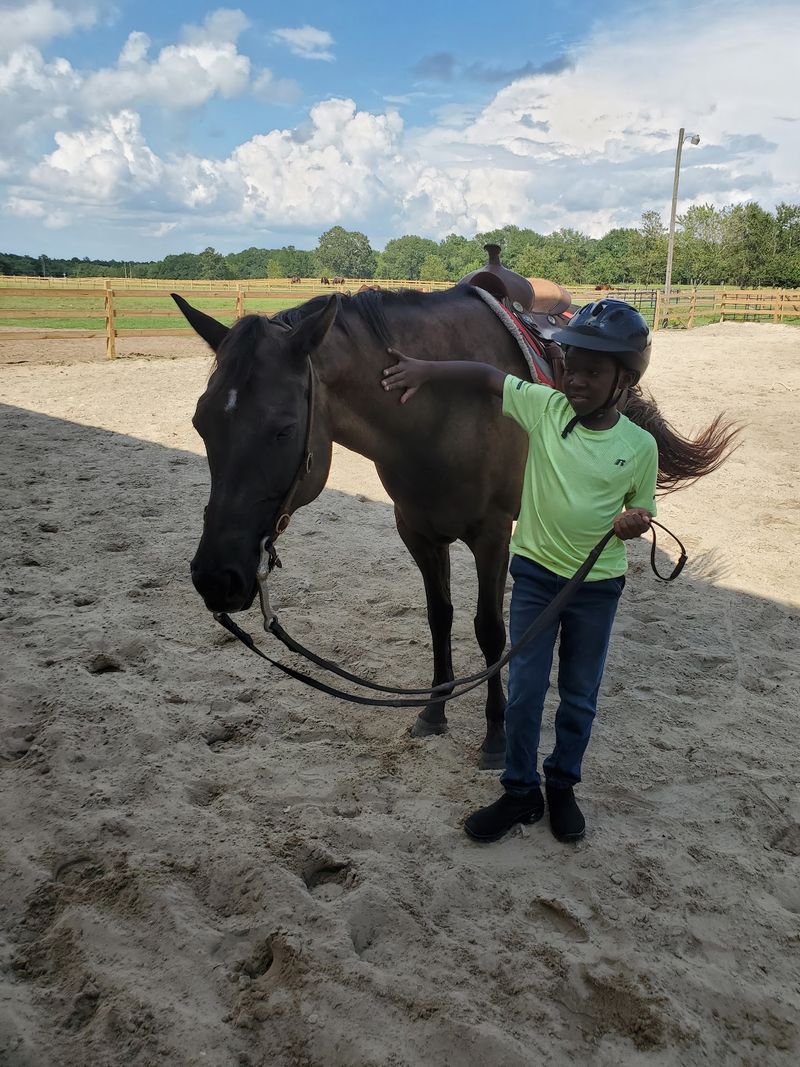
Brushes come out before boots hit the stirrups. Lessons at this farm put real weight on learning how to properly maintain and respect the horses.
Families who have been coming since 2019 point to that part as a favorite. Grooming, handling, and getting comfortable near a large animal are treated as skills, not chores.
The result is simple and useful. New riders can feel more at ease around the horses because they already know how to work with them on the ground.
Trust grows both ways in this setup. Students learn to read a horse, and they also learn to trust the trainers standing beside them.
Saddling up becomes part of the lesson rather than something staff handle behind the scenes. That way, a rider understands the gear before relying on it.
For a nervous beginner, this slow start can make a big difference. It turns a huge animal into a familiar partner one brush stroke at a time.
Patience is the secret ingredient here. And patience, as it turns out, is something the instructors seem to have in steady supply.
Instructors Families Ask For by Name
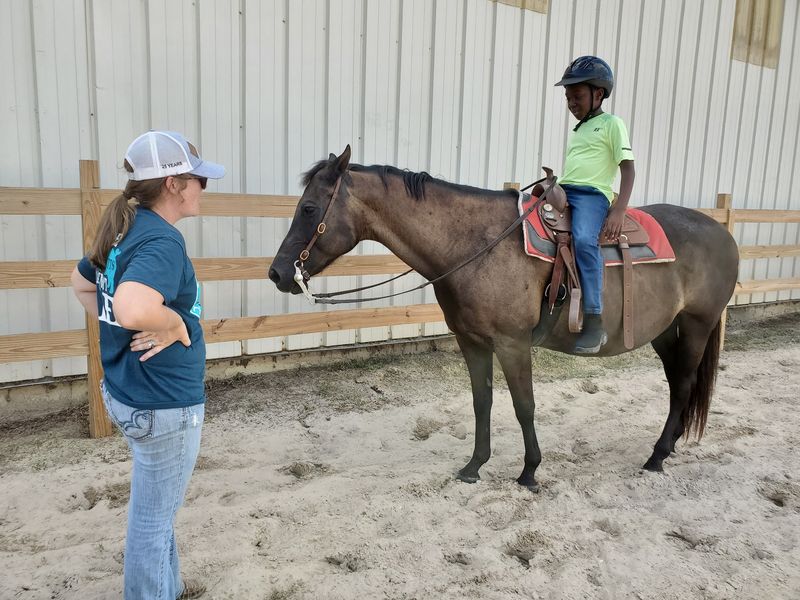
Ask around this barn and a few names keep popping up. Jessica, Ms. Ellen, and Catelyn have all earned loyal fans among students and parents.
Jessica teaches young riders and works with boarders too. Her warm welcome makes newcomers feel at home from their first week, and even a colt reportedly settled in happily under her care.
Ms. Ellen is known for her patience during sessions. She works well with the horses and with the people learning to handle them.
Catelyn once led a 30-minute class for a three-year-old. That tiny rider left over the moon, which is no small feat at that age.
The staff also communicate clearly with kids. Instructions land in a way young students can follow, and that keeps lessons safe and steady.
Having multiple trainers is a quiet perk. It gives riders different teaching styles and keeps the schedule flexible.
A good instructor can shape how someone feels about horses for life. At this farm, that responsibility seems to be taken seriously.
Confidence, One Lesson at a Time
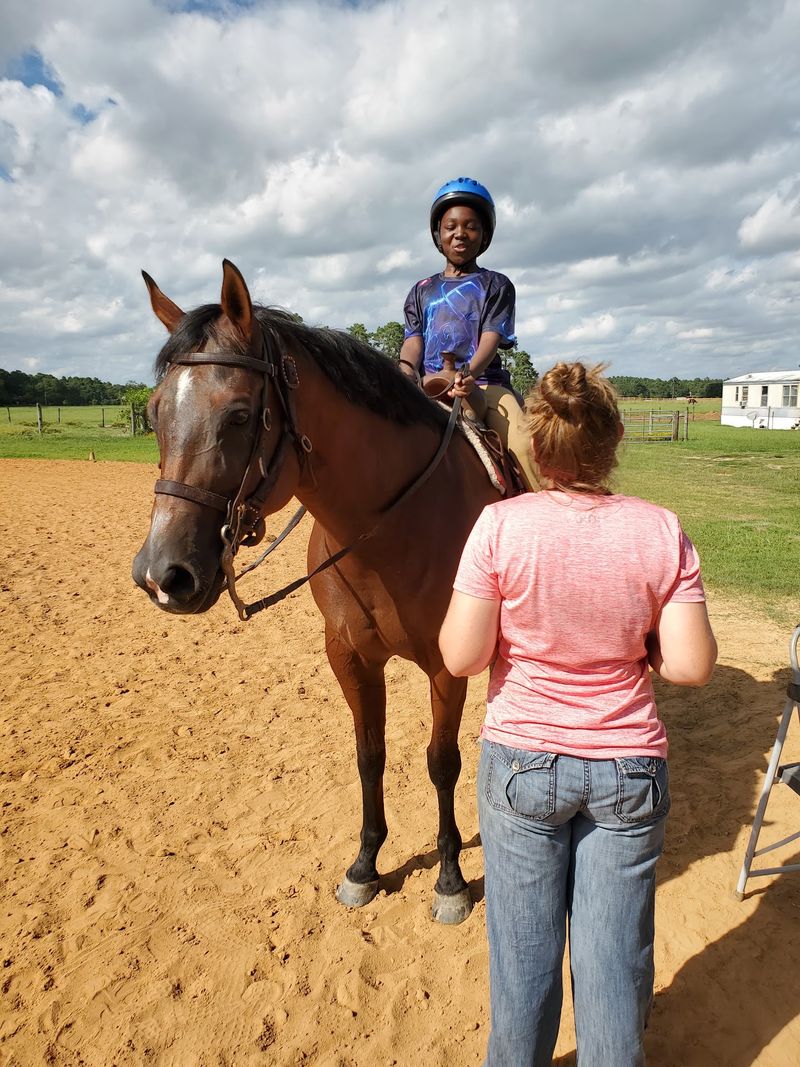
Courage on horseback rarely shows up all at once. It tends to build in small steps, and the trainers here know how to time those steps well.
One younger trainer has a knack for pushing students at just the right moment. That approach can boost confidence without overwhelming a beginner.
Kids often grow attached to the instructors who guide them this way. Some students adore their trainer so much that lesson day becomes the highlight of the week.
The farm also matches riders with horses suited to their level. A first-timer is not tossed onto an animal meant for an advanced rider.
That pairing matters more than many people realize. The right horse can help a nervous student relax and focus on technique.
Adults benefit from this approach too. Grown-ups who start lessons later in life can find the same steady progress their children enjoy.
Better balance, better handling, and better riding skills all come with time. Here, the clock moves at the rider’s pace instead of rushing ahead.
Clean Stalls and Careful Routines
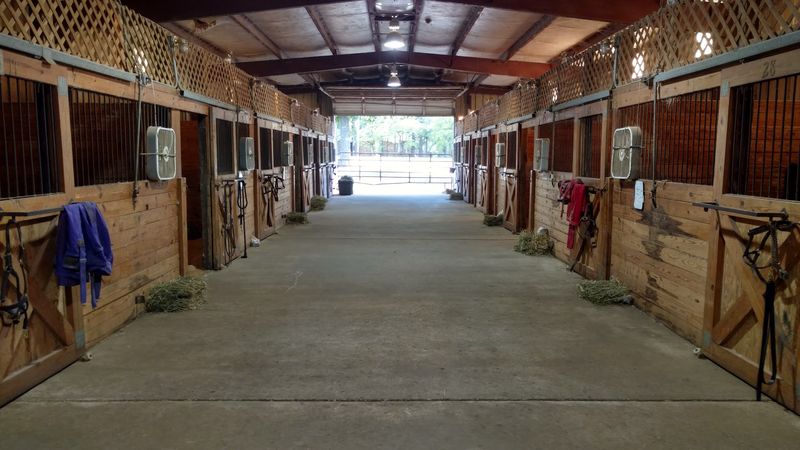
Spotless stalls might not sound thrilling, but they say plenty about a barn. At this farm, stalls are kept tidy and cleaned daily.
The facility includes multiple wash racks and tack rooms. That setup makes grooming and saddling practice easier for both students and boarders.
Quality feed and safe, well-maintained pastures round out the picture. Open spaces give the horses room to move outside their stalls.
Owners who board here often mention the steady daily routine. Horses tend to do well with consistency, and this barn leans into it.
The horses come across as healthy, relaxed, and content. Their care shows in how calmly they work with new riders during lessons.
For a beginner, watching good horse care in action is its own education. Students can see what responsible ownership looks like long before they ever own a horse.
A clean barn is not a flashy feature. It is, however, a reliable sign that the people in charge truly care about the animals in their keeping.
Boarding That Feels Like Family
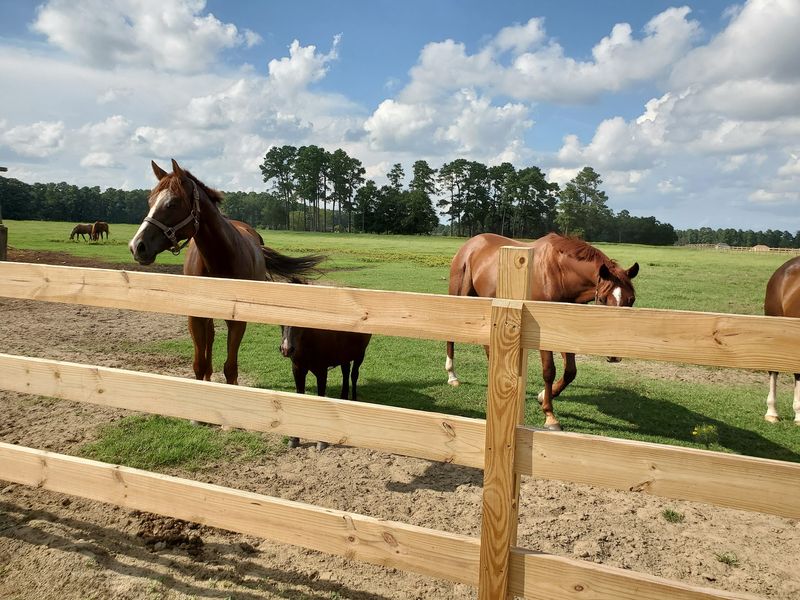
Handing over the care of your horse takes real trust. Plenty of owners in the Hope Mills area have placed that trust in this barn.
Boarders describe a deep sense of peace knowing their horses are watched over every single day. Each animal is treated much like the owners’ own.
The barn community stands out as well. Newer boarders talk about finding a barn family and new opportunities after joining.
Professional training is available alongside boarding. Owners can ride, train, and keep their horses in one convenient place.
The owners clearly value these relationships. They respond to kind words with genuine thanks and seem to enjoy having familiar faces around.
Beginners benefit from this setting, too. Being around experienced owners can show newcomers what long-term horse life involves.
For anyone dreaming of owning a horse someday, the boarding side offers a peek into that future. Lessons today could lead to a stall with a familiar name on it down the road.
A Peaceful Spot for Kids and Parents
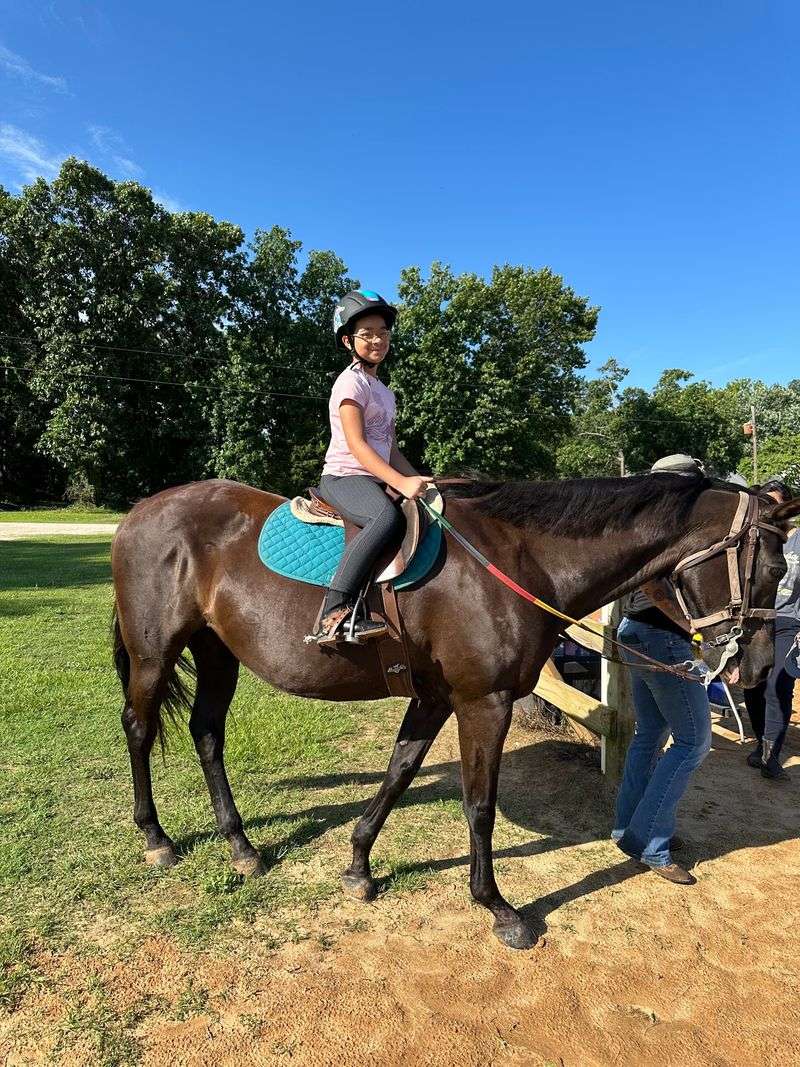
Some weekend plans feel rushed, but a few hours at the barn tend to slow things down. Many families describe the atmosphere here as peaceful.
Parent and child pairs are common sights. Mothers and daughters, grandparents with grandkids, and fathers with sons all take part.
One parent started lessons after watching a daughter ride. Soon those few days a week at the farm became a shared favorite.
The barn works well for very young children, too. Short classes for toddlers show how adaptable the program can be.
Beginners and advanced riders both find a place here. That range means a family can stay with the same barn as skills grow.
Friendly staff help make the space welcoming. Folks routinely describe the team as nice, helpful, and knowledgeable about horses.
A calm setting can make learning easier for nervous kids. It can also give busy parents a rare chance to unplug and enjoy something together outdoors.
Hours and Planning Your First Visit
Good news for busy schedules: the farm keeps steady hours. It runs from 8 AM to 5 PM every day of the week, Monday through Sunday.
Those daily hours make weekend outings easy to plan. Many families come out on Saturdays or Sundays for lessons.
Lesson prices are not listed in the available details. The best move is to check the farm’s website at circlemfarmsnc.com before your first visit.
Getting there is simple for anyone in the Fayetteville area. The farm sits right within Hope Mills, so it stays a short drive for many Cumberland County residents.
Booking ahead is a smart idea, since lessons run with specific instructors. Asking about your child’s age and experience can help the staff find the right fit.
Dress for barn work, not a fashion show. Grooming and saddling come with dust and hay, and that is part of the fun.
A little planning goes a long way here. Show up ready to learn, and the horses will handle the rest.
Worth the Trip to the Barn
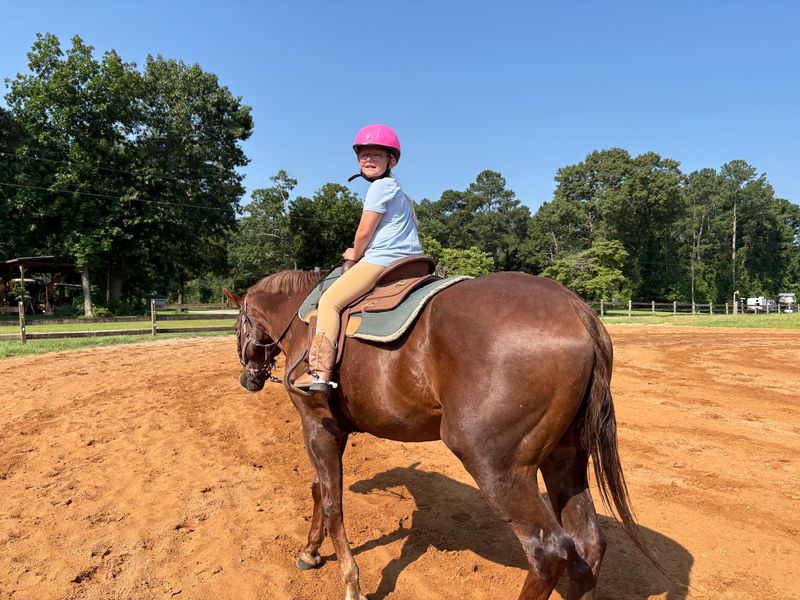
Plenty of places will put a beginner on a horse. Far fewer take the time to teach what comes before and after the ride.
That patient, ground-up approach is what makes this Hope Mills barn special. Students learn care, respect, and handling right alongside riding skills.
Not every interaction in the farm’s history has been glowing. Still, the large majority of families describe friendly staff, clean facilities, and well-loved horses.
Kids seem to thrive here, and parents often end up in the saddle too. Boarders speak of the place as a second home.
For North Carolina families looking for a meaningful outing, it delivers something more lasting than a quick photo op. It can spark a lifelong interest in horses.
The barn may not be famous outside Cumberland County. That small-town feel is part of its charm.
So grab some sturdy shoes and set aside a Saturday morning. A brush, a saddle, and a patient horse might be waiting for you just outside Fayetteville.
Share this story