Most people driving through Cary expect cul-de-sacs, shopping centers, and tidy lawns. Few expect a towering gateway carved in the style of South India rising above the treetops.
That tower is real, and it sits a short drive from Raleigh. Many devotees say a visit feels like a trip to India without boarding a plane.
The place behind it has grown from a modest house of worship into one of the most talked-about spiritual landmarks in North Carolina. Families gather here for prayer, festivals, and quiet time, while curious newcomers come to admire the architecture.
The story includes volunteers, expansion projects, and a gateway often described as the tallest of its kind in the country. Read on for the history, the shrines, the etiquette, the busy days to plan around, and the practical details that make a first visit go smoothly.
A Sacred Address in Western Wake County
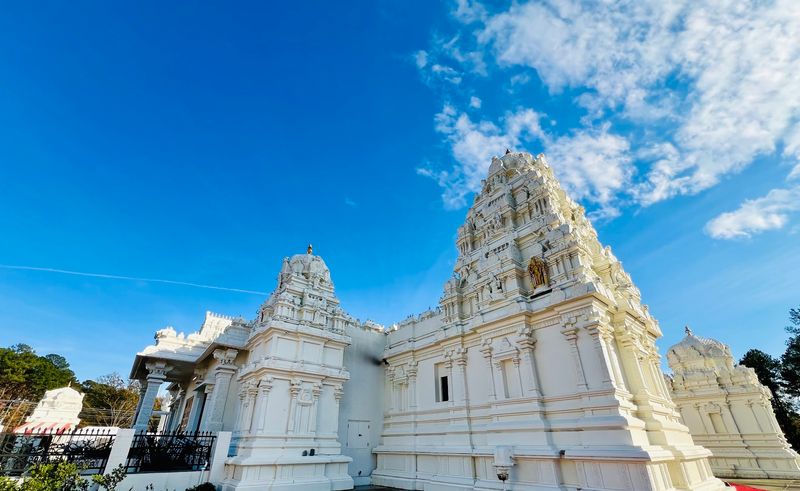
Suburban Cary hardly seems like the setting for a towering slice of South Indian tradition. Yet that is exactly what waits at the Sri Venkateswara Temple of North Carolina, 121 Balaji Pl, Cary, NC 27513.
The temple is a Hindu house of worship dedicated primarily to Lord Venkateswara, also called Balaji or Srinivasa. Many regulars simply call it the SV Temple, and the nickname fits a place that feels like a neighborhood anchor for a large community.
Cary sits in western Wake County, an easy drive for much of the Triangle. Folks from Raleigh, Durham, Apex, and Morrisville can reach the grounds without planning an overnight trip.
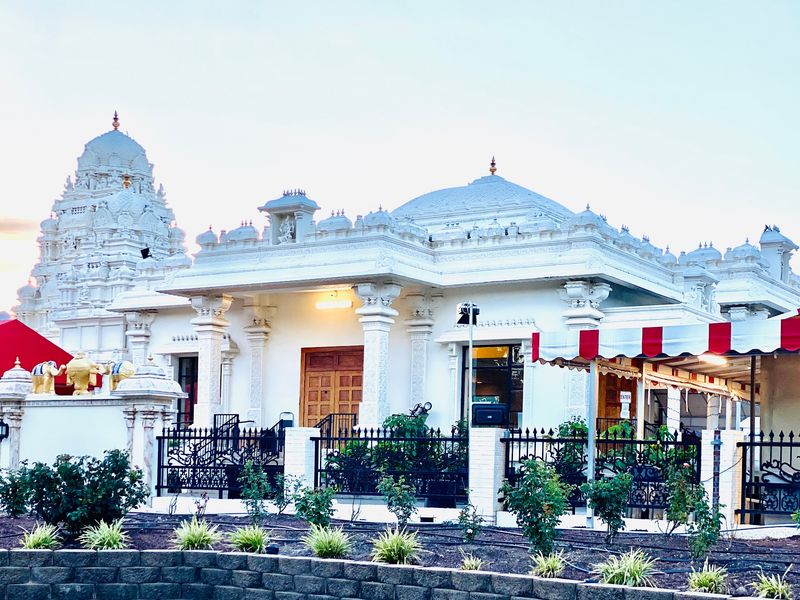
The setting matters because it surprises people. Residential streets and ordinary roads lead to a campus full of carved pillars, ornate arches, and multiple shrines.
Devotees often describe the place as one of the biggest temples to Lord Venkateswara in North Carolina. Its reputation stretches well beyond the state, with travelers from places like Dallas making a point of stopping by.
Once the location is set, the real question becomes how such a grand structure ended up here, and that story starts small.
From Humble Roots to a Growing Campus
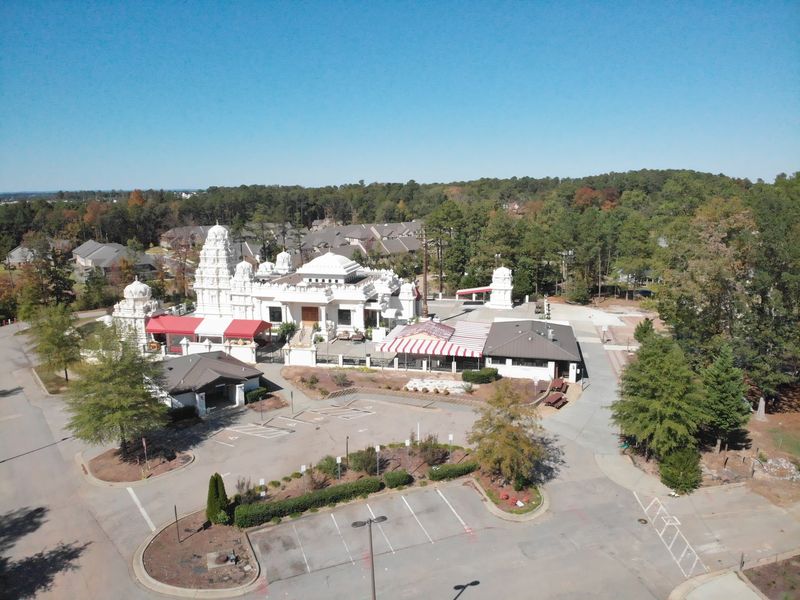
Big things tend to start with small groups of committed people. The SV Temple is a fine example of that pattern.
Longtime community members recall volunteering here back when the temple was much smaller. Over the years, families watched it expand into a multi-shrine campus that draws crowds every week.
That growth has not stopped. Construction and upgrades have been ongoing in recent years, with work noted in 2023 and continuing afterward.
Expansion brings excitement, and it also brings a few growing pains. Some parts of the grounds may be cordoned off during projects, and certain areas can feel unfinished while work continues.
For North Carolinians who love watching a local landmark evolve, there is something rewarding about returning every year or so. Each visit may reveal a new detail, a finished section, or an improved space.
The temple’s growth also reflects the growth of the Triangle itself. As more families settled in Wake County, the need for a larger gathering place grew too.
Patience is part of the experience during this building era. The payoff, judging by how the campus has transformed so far, appears well worth the wait.
The Raja Gopuram That Stops Traffic
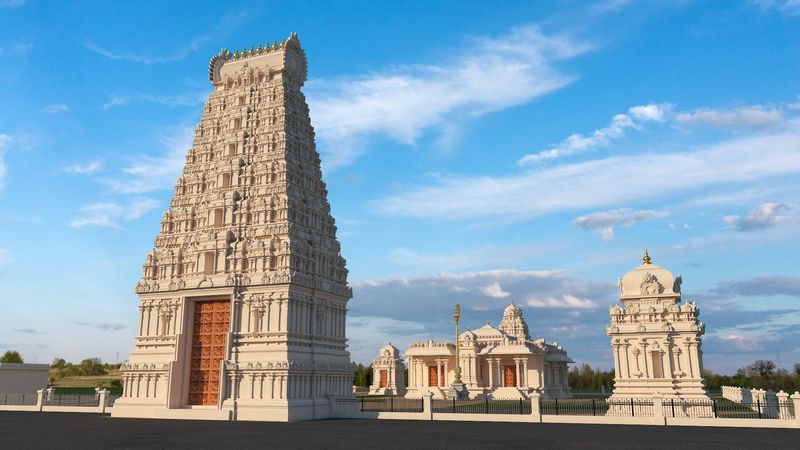
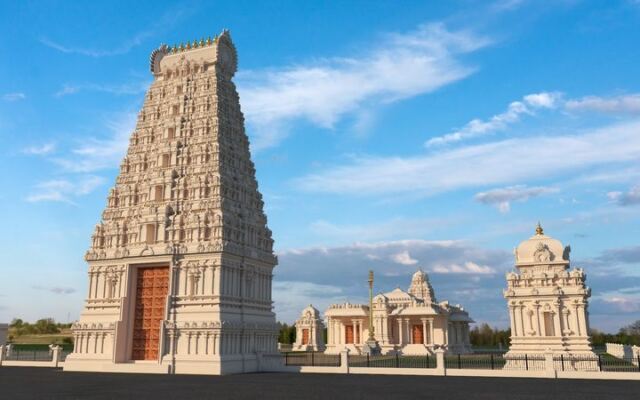
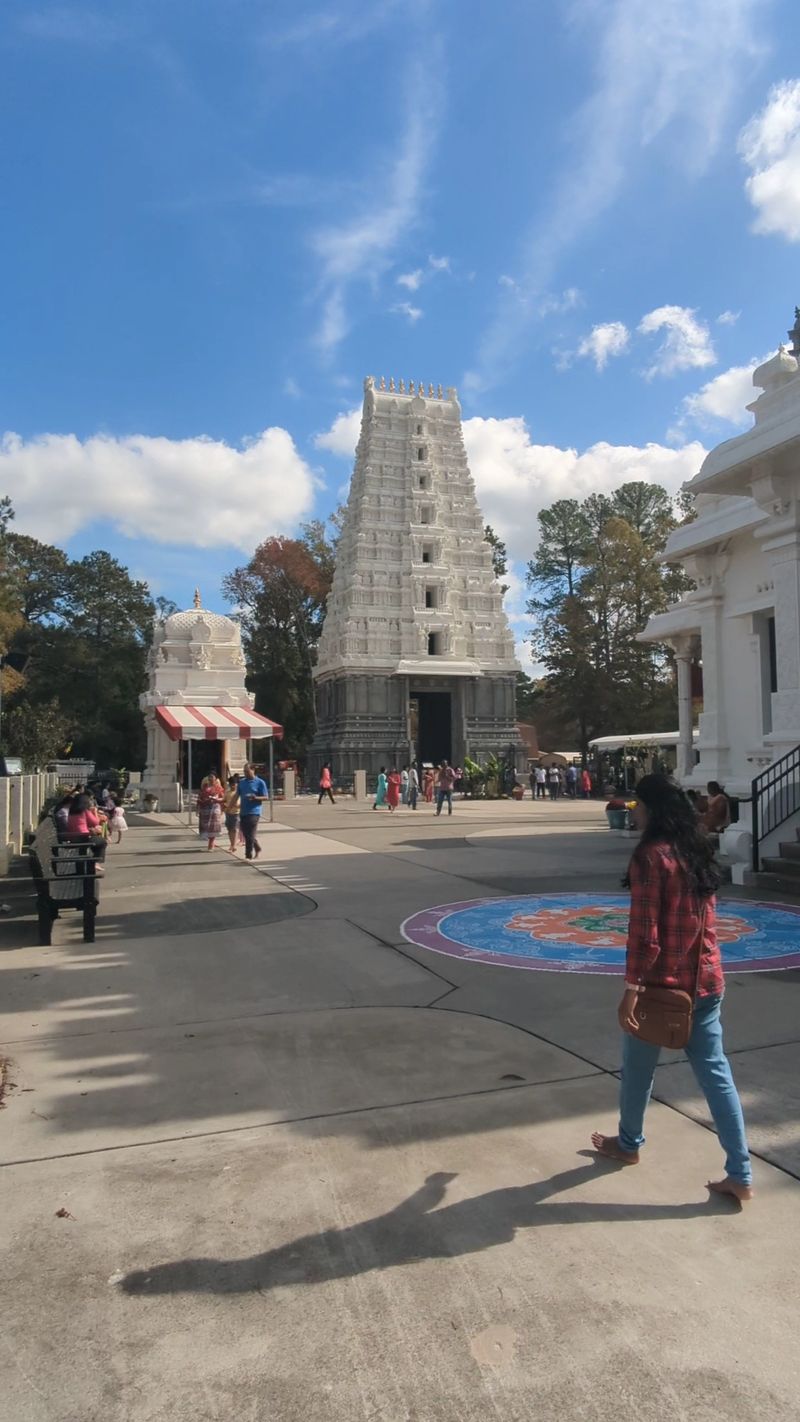
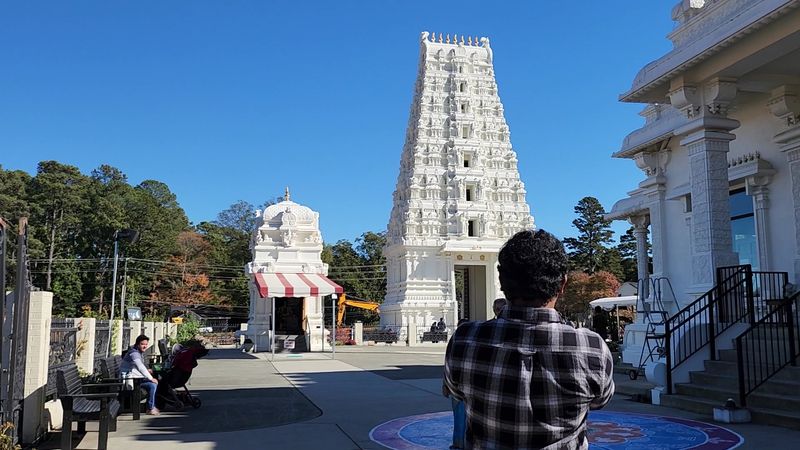
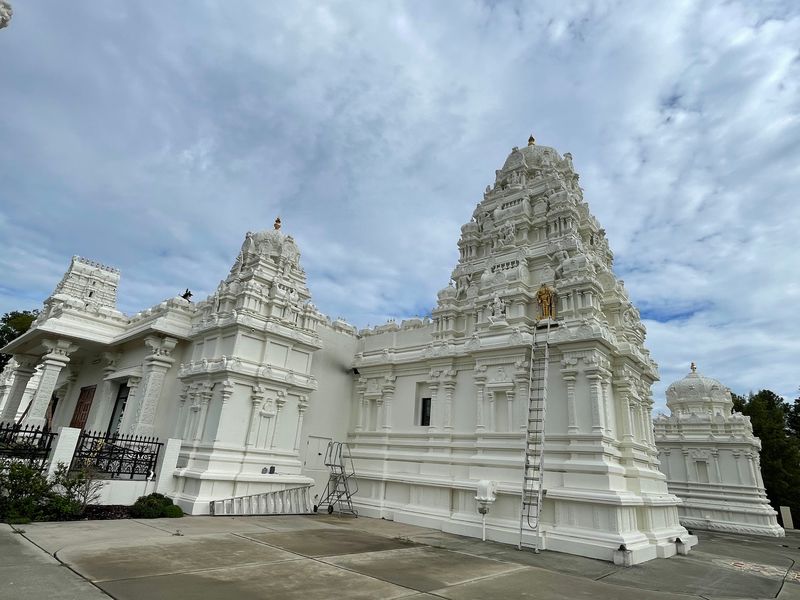
Eighty-seven feet of carved, tiered tower is not something most people expect near a Wake County subdivision. The Raja Gopuram here is the headline act, and it earns the spotlight.
A gopuram is the monumental gateway tower found at traditional South Indian temples. Its stacked levels are typically covered with sculpted figures and decorative detail.
Community members proudly describe this one as the tallest Raja Gopuram in the United States. That claim alone has turned the temple into a bucket-list stop for architecture fans across the state.
The tower also marks a clear threshold between the everyday world and the sacred space beyond it. Passing beneath it is meant to feel significant, and many people treat it that way.
Photographers often want to capture it from the parking area or approach paths. Outdoor shots of the exterior are common, though rules inside the shrines are a different matter, which comes up later.
Even people who arrive with no religious connection tend to pause and look up. A structure this tall in Cary is a conversation starter, and it may be the best reason to finally plan that drive.
Inside the Sanctum of Lord Balaji
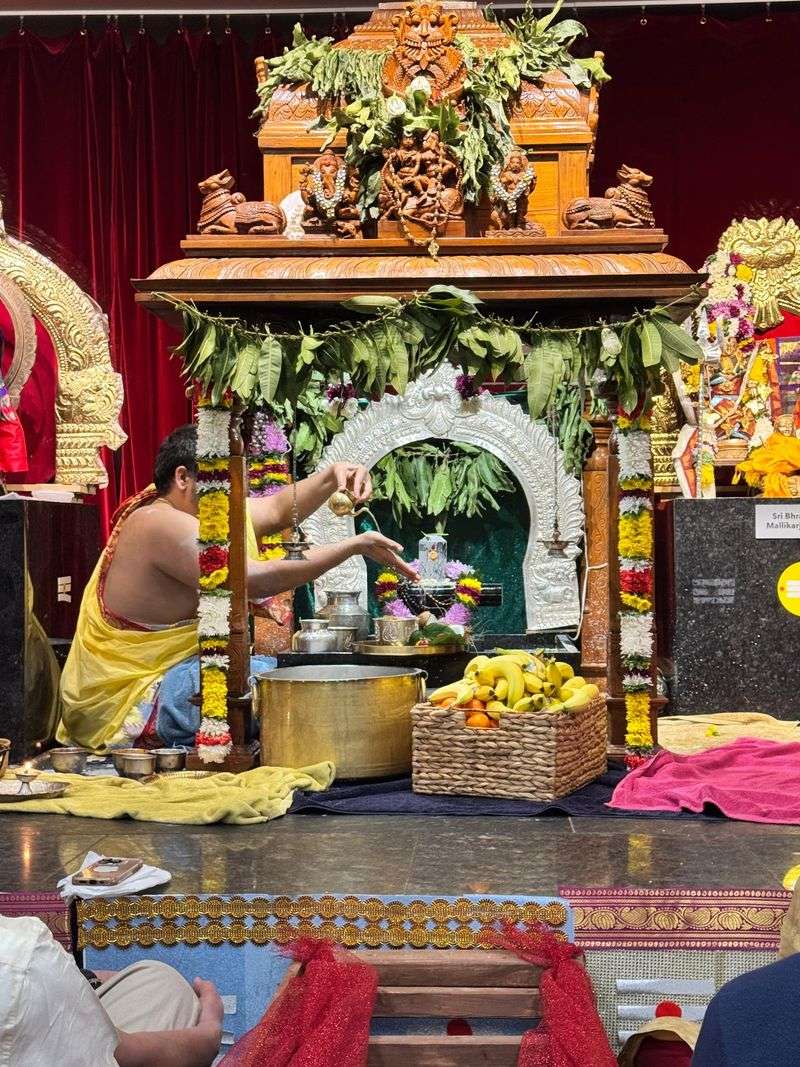
At the heart of the campus sits the main temple, home to Lord Balaji as the primary deity. For devotees, this sanctum is the reason the entire place exists.
Worshippers often call the deity majestic, and many describe the shrine of Srinivasa as one of the most beautiful parts of the temple. The atmosphere around it tends to be calm and devotional.
The main temple also includes shrines tied to Lord Vishnu’s family. One priest has been known to explain the significance of Narasimha Swamy positioned behind Sudarshana Swamy, a detail that rewards curious minds.
The main pillars and the central arch draw plenty of admiration. Many say the whole space feels much closer to a temple in India than a typical American building.
Rituals here are conducted with care, and the Govinda arati is part of the regular rhythm for many families. Priests are often described as welcoming and devoted to their work.
First-timers may find it helpful to quietly observe before joining in. Signage explaining rituals is limited, so asking a volunteer or the office for guidance can make the sanctum far more meaningful.
Shiva’s Corner and the Navagrahas
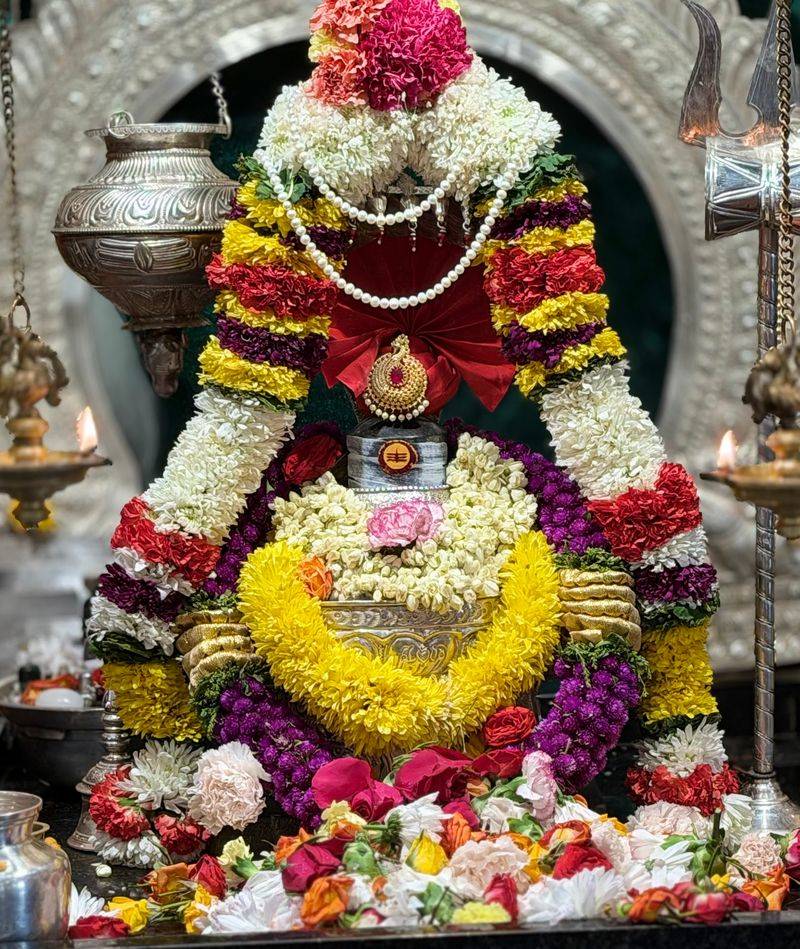
Just beyond the main temple stands a second sacred space that many regulars visit first. The Shiva temple, sometimes called the Shivalaya, has its own loyal following.
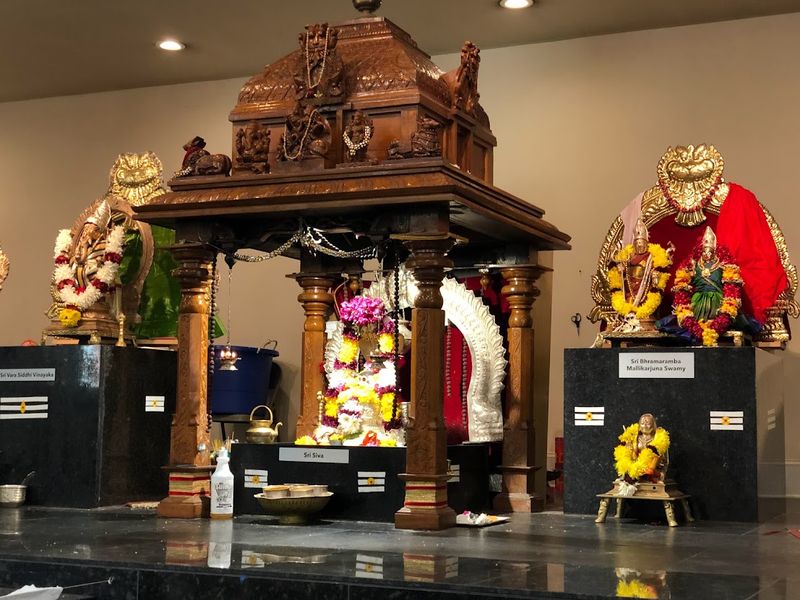
Inside, worshippers find Lord Shiva along with Ayyappa, Subramanian, Ganesha, and the Navagrahas, the nine planetary deities. Families often begin their routine here before moving on to the main shrine.
A Meenakshi statue in this area gets special praise and is frequently called a must-see. It is one of those details that casual guests might miss without a heads-up.
The temple accepts traditional offerings such as coconuts, fruits, and milk. That practice keeps the rituals rooted in long-standing custom.
Fair warning, though. The Shiva side is still developing, and some parts can feel disorganized or partly blocked off during work.
Going around the Navagrahas may require patience on busy days. Arriving earlier, or on a weekday morning, can give a little more breathing room.
Even with its construction quirks, this corner offers a fuller picture of South Indian temple life. Skipping it would mean seeing only half the story.
Shoes Off, Cameras Down
Every sacred space has its house rules, and these are simple to follow. Knowing them ahead of time saves a little awkwardness at the door.
Shoes come off before entering the temple. A shoe rack and dedicated shoe areas are provided, so there is no need to carry footwear around.
Photography and video are strictly prohibited inside the temple. The exterior and its famous tower are a different story, but phones should stay pocketed near the shrines.
Children are welcome, though a calm approach helps. Some priests can be particular, especially around holy water and ritual items, so keeping little hands close is a smart move.
Modest, respectful clothing fits the setting best. Speaking softly in the shrines also helps everyone keep the focused mood many come here for.
Waiting in line is part of the routine on busy days. Cutting ahead is a common complaint, so courtesy goes a long way toward a smoother experience for all.
None of these customs are complicated. A little preparation turns a first visit from slightly nervous into confident and relaxed, which leaves more attention for the architecture and the rituals.
Free Tours and Friendly Guides
Curious but unsure where to start. That feeling is common for newcomers, and the temple has a pleasant answer for it.
Guests who stop by the office have sometimes been greeted right away and offered a tour of the temples. Those walks often come packed with educational information about the deities, the architecture, and the traditions.
Entry is free. Donations are welcome, and many feel they are well worth giving to support the upkeep and expansion.
For North Carolinians who have never visited a Hindu temple, this kind of welcome can make all the difference. It turns an unfamiliar place into an approachable learning experience.
Experiences with staff and volunteers do vary. Some guests find helpers gracious and informative, while others feel volunteers could be more attentive to newcomers’ needs.
A polite question usually opens doors. Asking about a specific shrine or ritual tends to lead to richer explanations than wandering silently.
School groups, history lovers, and families exploring world cultures may find this especially valuable. A guided introduction can transform a quick look at a tall tower into a genuine understanding of what stands beneath it.
Prasad, Amenities, and Small Comforts
Spiritual visits still involve practical needs. The SV Temple covers the basics fairly well.
The campus has restrooms, an office area, benches, drinking water, and shoe storage. Prasad, the blessed offering, can be purchased from the office, and many describe it fondly.
Wheelchair access is also part of the conversation around amenities. Anyone with mobility concerns may want to confirm specific routes by contacting the temple before arriving.
Opinions on purchased refreshments are mixed. Some consider the prices on the high side, particularly around festivals when service costs can climb.
Seating is another small gap. Tables and rest areas are limited, which matters most for families who drive in from farther corners of the state.
Bringing a little patience, and perhaps a water bottle, can keep the day comfortable. Planning breaks around the midday closure on weekdays also helps.
Overall, the facilities are clean and organized on most days, according to many regulars. Others feel upkeep could improve in certain areas, which is understandable on a campus in the middle of expansion.
The essentials are here. The extras are still catching up with the temple’s ambitions.
Festival Seasons and Packed Saturdays
Calendars matter here. The same temple can feel tranquil on one afternoon and bustling the next.
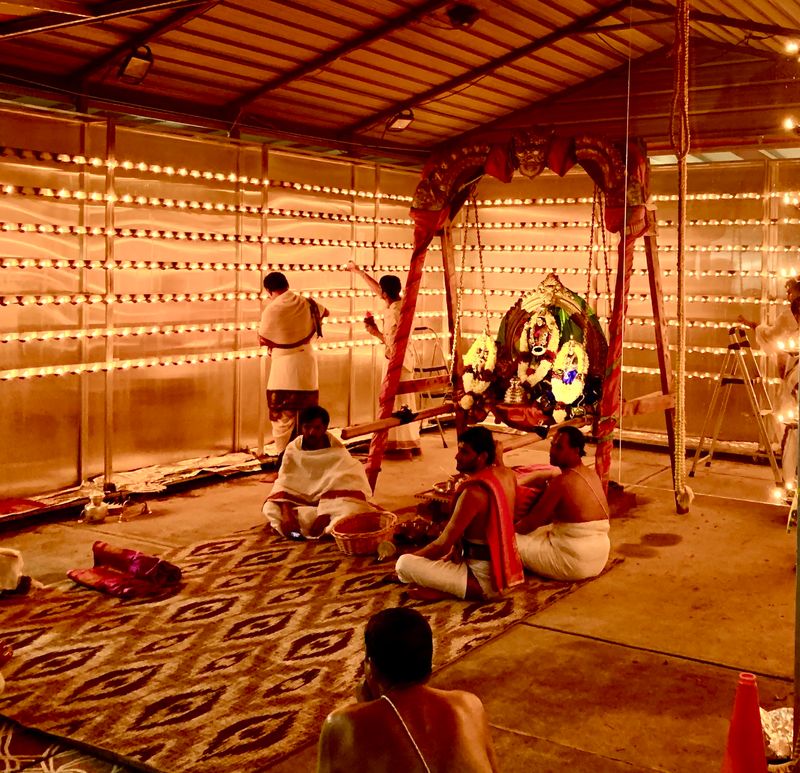
Saturdays tend to be the busiest days. Even weekday evenings can draw sizable crowds, including Tuesdays.
Festivals bring an extra surge of energy. Navratri, in particular, features plenty of celebrations, and the grounds fill with families marking the occasion.
Big crowds come with trade-offs. Lines can grow long, and crowd flow is not always handled smoothly, so a relaxed attitude helps.
For anyone hoping for quieter reflection, weekday mornings are a sensible bet. The temple opens at 9 AM on those days, offering a window before the midday closure.
Festival visits can still be rewarding for those who enjoy lively community events. Seeing the temple in full celebration mode shows its role as a cultural hub for the Triangle.
Newcomers may want to check the official website before visiting. That helps avoid surprises, such as arriving on a major celebration day without expecting a crowd.
Choosing the right day can shape the entire experience. Quiet prayer and festive buzz both live here, just usually not at the same time.
Priest Services Beyond the Temple Walls
Not every ritual happens on the temple grounds. Priests from the SV Temple also travel to homes and other locations for ceremonies.
Families have arranged housewarming pujas, known as Gruhapravesam, along with car poojas through the temple. Many say the priests handled these ceremonies with knowledge and care.
Services like Abdhikam are also offered. As with many busy institutions, experiences vary, and a few families have felt certain services deserved more attention.
Scheduling can be a challenge during peak demand. Some find that a priest who speaks a particular language may have limited availability, so booking early is wise.
Prices may rise during festival periods, when demand runs high. Confirming costs and timing in advance helps avoid any misunderstandings.
The office and the temple’s phone line are the best starting points for arrangements. Clear communication about expectations, such as ceremony length, can make the day go smoothly.
For new homeowners across the Triangle, these services offer a meaningful way to honor tradition. Having a temple nearby that can bring rituals right to the front door is a real asset for the local community.
Hours, Parking, and Finding the Entrance
Timing a visit right starts with the schedule. Monday through Friday, the temple is open from 9 AM to 1 PM and again from 5 PM to 9 PM.
Weekends run longer. Saturday hours are 8 AM to 9 PM, and Sunday hours are 9 AM to 9 PM.
That weekday midday closure catches some people off guard. Showing up at 2 PM on a Wednesday means waiting until evening.
Admission is free, with donations welcome. Service fees for special rituals vary, so checking the official website at svtemplenc.org is a good idea.
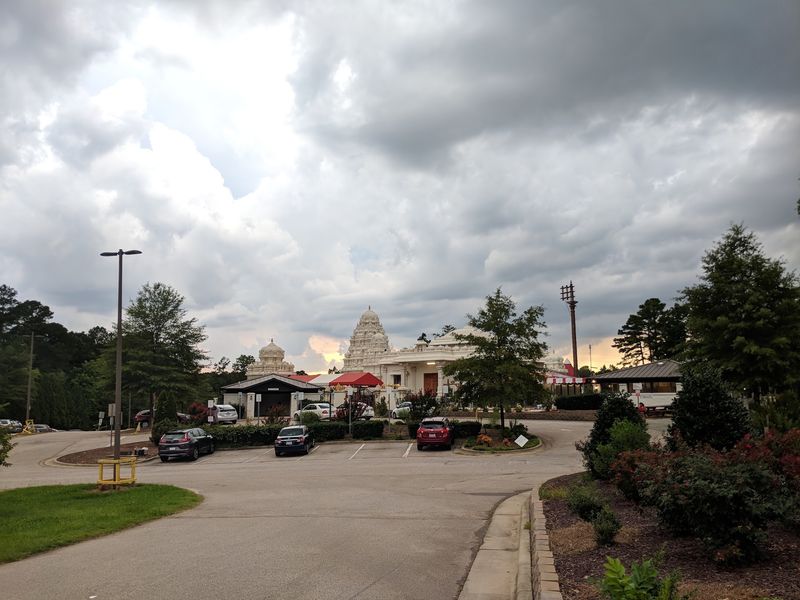
Parking is spacious, and many find spots easily. On crowded days, though, the lot can fill, and a few loops may be needed to land a space.
Directions on site are not always obvious. Signs for the parking lot entrance, the temple entrance, and the exit can be unclear, and one entrance has had potholes.
Arriving a few minutes early gives time to sort out the layout. Ongoing construction may also shift traffic patterns, so a little flexibility keeps the start of the visit stress-free.
A Worthy Weekend Detour in Cary
Sometimes the most memorable trips stay close to home. The SV Temple proves that a remarkable outing can sit just off a suburban road in Wake County.
Its strengths are clear. The towering Raja Gopuram, the main sanctum of Lord Balaji, the Shiva temple with its Navagrahas, and an atmosphere many describe as peaceful all make a strong case for a visit.
It is not flawless. Crowds, construction, unclear signage, and uneven experiences with staff come up often enough to plan around them.
Still, the overall sentiment leans strongly positive, with a 4.8-star average from more than 2,000 Google ratings. Many devotees and curious newcomers leave feeling glad they came.
This place suits worshippers seeking a traditional South Indian temple experience, families exploring world cultures, and anyone fascinated by architecture. Respectful curiosity is the only real requirement.
A weekday morning may offer the calmest introduction. A festival day may offer the most vibrant one.
Either way, it is a reminder that North Carolina holds surprises in unexpected places. Some of the state’s most striking landmarks are not on a mountaintop or beach, but right in the neighborhood.
Share this story