Finding a place where kids can burn off energy while parents actually get to breathe is harder than it sounds. Texas is huge, sure, but not every park or playground delivers that sweet combo of wide-open space and built-in entertainment. The best spots give children room to explore, climb, splash, and shout without parents hovering every second.
Whether you need a weekend adventure or just an afternoon escape, these twelve Texas destinations let everyone in the family do their thing.
1. Schlitterbahn Waterpark (New Braunfels)
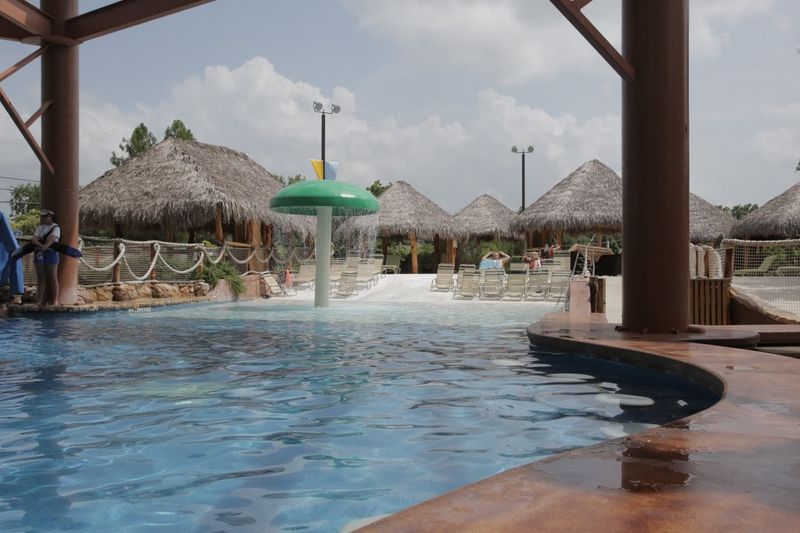
When the Texas heat cranks up, Schlitterbahn becomes the answer to every parent’s prayer. Spread across multiple acres along the Comal River, this waterpark offers enough variety to keep kids entertained from opening to closing time. You can stake out a shady spot near the lazy river and watch them zoom down slides for hours.
The park splits into different sections, each with its own vibe. Younger kids gravitate toward the shallow splash zones with smaller slides and interactive water features. Older ones make a beeline for the towering tube slides and wave pools.
Parents can float the river circuits or camp out at a picnic table with a good book.
What sets Schlitterbahn apart is the natural spring-fed water that keeps everything refreshingly cool, even in July. No chlorine sting here. The park also lets you bring your own coolers, which saves a fortune and means you can pack the snacks your kids actually eat.
Lockers and changing areas are plentiful, so you’re not juggling wet towels and lost flip-flops all day.
Lines can get long during peak summer weekends, but the park’s size means crowds spread out. Arrive early, grab a good spot, and let the kids loose. They’ll make friends in the wave pool, race each other down slides, and collapse into happy exhaustion by mid-afternoon.
Meanwhile, you get to sip something cold and enjoy the fact that nobody’s whining about being bored.
Schlitterbahn delivers exactly what it promises: a full day of water-fueled chaos that ends with tired, sunburned kids who sleep like rocks. That’s a win in any parent’s book.
2. Dinosaur Valley State Park (Glen Rose)
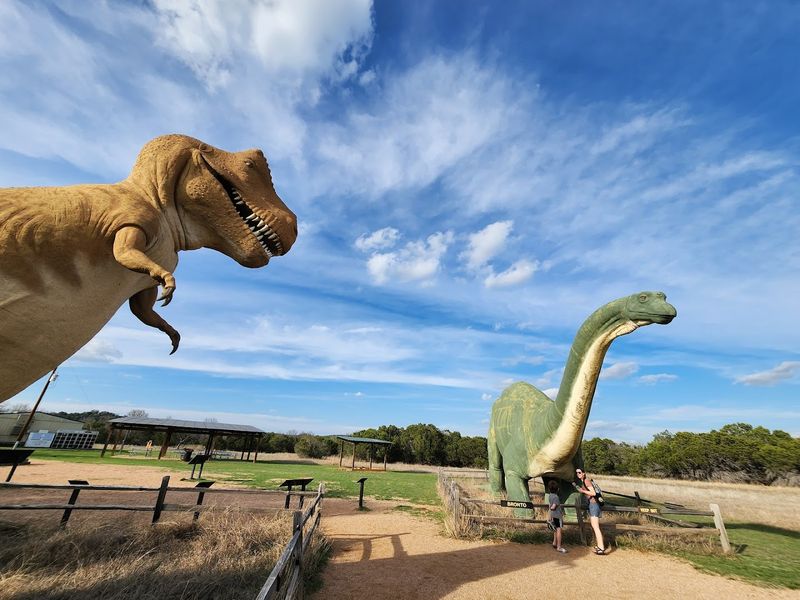
Forget animatronic dinos at a museum. At Dinosaur Valley State Park, kids can stand in actual dinosaur footprints left behind millions of years ago. These tracks sit right in the Paluxy River bed, visible when water levels drop.
Watching a six-year-old compare their shoe to a three-toed Acrocanthosaurus print never gets old.
The park stretches across over 1,500 acres of rugged Texas Hill Country. Hiking trails wind through cedar and oak, leading to overlooks and river access points. Families can wade into the shallow Paluxy, cool off, and hunt for fossils.
The water stays low enough for safe splashing most of the year, and kids love the adventure of it all.
Beyond the dinosaur tracks, the park offers camping, picnic areas, and miles of trails suitable for all ages. Mountain bikers tackle the challenging paths, while families stick to easier routes with plenty of shade. Rangers lead educational programs on weekends, explaining the geology and paleontology in terms kids can grasp.
It’s sneaky learning disguised as fun.
Pack water shoes because the riverbed rocks can be slippery. Bring sunscreen, hats, and a sense of adventure. The park doesn’t have the manicured feel of a city playground, which is exactly the point.
Kids scramble over boulders, splash through creeks, and pretend they’re paleontologists on a dig.
Parents appreciate the wide-open spaces and the fact that cell service is spotty, which forces everyone to actually be present. By the end of the day, kids are muddy, tired, and full of stories about walking where dinosaurs once roamed. That’s the kind of memory that sticks.
3. Buffalo Bayou Park (Houston)
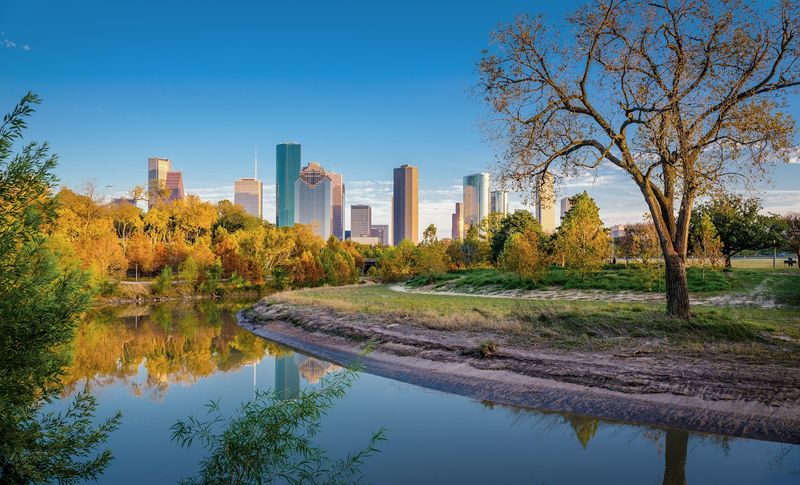
Houston’s Buffalo Bayou Park stretches 160 acres right through the heart of the city, offering green space where kids can run wild without leaving urban convenience behind. Paved trails wind along the bayou, perfect for bikes, scooters, and strollers. Parents can jog or walk while kids zoom ahead, burning energy in a safe, contained environment.
The park features multiple playgrounds, each with different equipment suited to various age groups. Lost Lake offers a naturalistic play area where kids can climb, balance, and explore. Nearby, the Johnny Steele Dog Park lets families with pups join the fun, though most parents appreciate the separate zones to avoid chaos.
Kayak and paddleboard rentals add another layer of adventure. Older kids can paddle the calm bayou waters under supervision, spotting turtles and birds along the way. The whole experience feels like a mini vacation without the drive.
Public art installations dot the landscape, turning a simple walk into a scavenger hunt for colorful sculptures and murals.
Buffalo Bayou Cistern, a former underground reservoir, offers guided tours that fascinate curious minds. The cavernous space with its rows of concrete columns feels otherworldly, and kids love the echo effect. It’s a quick detour that adds something unexpected to the day.
Food trucks and picnic spots mean you can stretch the visit into a full afternoon without backtracking to the car. Restrooms and water fountains are plentiful, which any parent knows matters more than fancy amenities. The park’s proximity to downtown means you can combine it with a museum visit or just enjoy the skyline views as the sun sets.
Buffalo Bayou proves Houston has nature and open space in spades, right where you need it most.
4. The Dallas Arboretum and Botanical Garden (Dallas)

Most botanical gardens feel like places where kids should whisper and keep their hands to themselves. The Dallas Arboretum flips that script entirely, especially at the Rory Meyers Children’s Adventure Garden. This eight-acre wonderland was built specifically for kids to touch, explore, and learn through play.
Parents can relax knowing the space was designed for chaos.
Interactive exhibits teach science concepts through hands-on activities. Kids can build dams in water play areas, navigate rope bridges through the treetops, and dig in giant sandboxes. The garden’s layout keeps things moving, so even restless children stay engaged.
Each section offers something different, from plant science labs to insect discovery zones.
Beyond the children’s garden, the main arboretum showcases seasonal blooms across 66 acres. Spring brings tulips and azaleas, while fall explodes with pumpkins and mums. Families can picnic on the sprawling lawns with White Rock Lake shimmering in the background.
It’s Instagram-pretty without feeling stuffy or off-limits.
Special events run year-round, from summer camps to holiday light displays. The arboretum hosts concerts and festivals that welcome families, not just serious gardeners. Stroller-friendly paths make navigating easy, and shaded areas provide relief from Texas heat.
Parents appreciate the clean facilities and the fact that food is allowed, though the on-site cafe serves solid options too.
What makes this spot work is the balance. Kids get to run, climb, and splash in designated areas while parents enjoy genuinely beautiful surroundings. It’s not just killing time at a playground.
The arboretum offers real beauty and educational value wrapped in a package that doesn’t bore anyone under ten.
Memberships pay for themselves after a few visits, and locals treat it like their backyard. That’s the ultimate endorsement.
5. Pedernales Falls State Park (Johnson City)
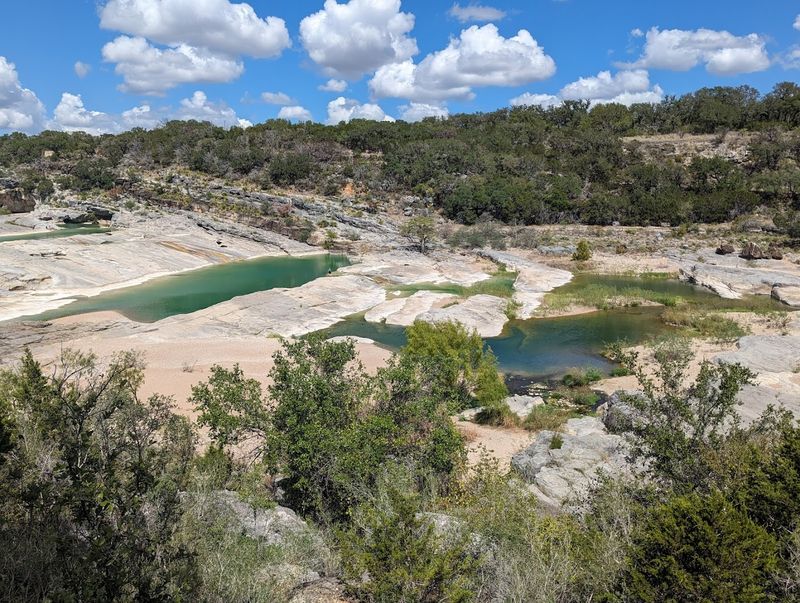
Pedernales Falls State Park delivers the kind of rugged Texas landscape that makes kids feel like explorers. The Pedernales River cuts through limestone, creating waterfalls and pools perfect for wading. When water flows, the falls roar.
During drier months, kids can walk across the exposed rock shelves and peer into carved-out potholes.
Hiking trails range from easy riverside strolls to challenging climbs with panoramic Hill Country views. The Wolf Mountain Trail rewards effort with sweeping vistas, while shorter paths keep younger kids happy. Wildflowers blanket the park in spring, and fall brings cooler temps perfect for all-day adventures.
Wildlife sightings—deer, armadillos, roadrunners—add excitement to every hike.
Swimming isn’t officially allowed near the falls due to dangerous currents, but designated swimming areas downstream provide safe spots to cool off. The park’s size means you can find solitude even on busy weekends. Families spread out across picnic areas, each claiming their own slice of shade under live oaks.
Camping options include everything from primitive sites to spots with water and electricity. Waking up to birdsong and hiking before breakfast beats any hotel experience. Kids love the novelty of sleeping in tents, and parents appreciate how thoroughly the outdoor time wears everyone out.
Rangers offer interpretive programs that teach local ecology without feeling like a classroom.
Pack sturdy shoes because the terrain gets rocky. Bring plenty of water and snacks, as the nearest town is a drive away. The park’s remoteness is part of the charm, though cell service is hit or miss.
That forces families to disconnect and actually talk to each other, which feels radical these days.
Pedernales Falls offers the kind of outdoor experience that reminds everyone why Texas is worth exploring beyond the cities.
6. The Thinkery (Austin)
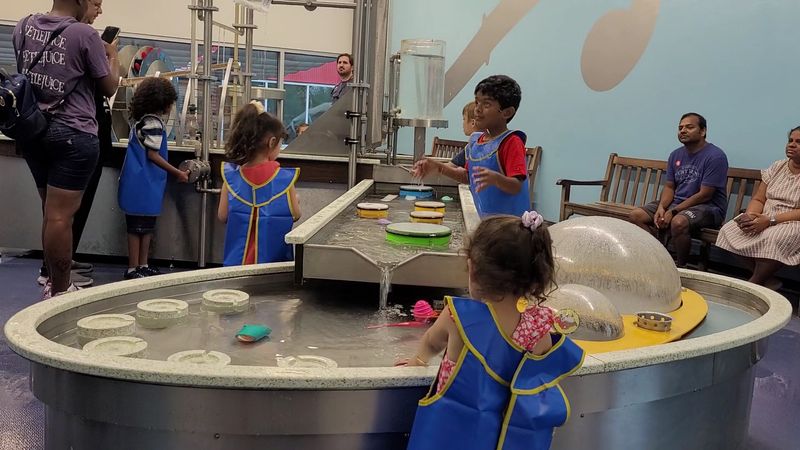
Austin’s Thinkery takes the children’s museum concept and cranks it up with a focus on STEM learning disguised as pure fun. Kids don’t realize they’re absorbing physics principles while building structures or experimenting with water flow. They just know they’re having a blast, which is exactly how learning should work.
Exhibits change regularly, but favorites include the light lab, where kids manipulate shadows and colors, and the engineering stations stocked with gears, pulleys, and building materials. The outdoor space features water play areas and a garden where children can dig, plant, and explore nature up close. Even the youngest visitors find age-appropriate activities in the toddler zone designed specifically for under-threes.
What sets The Thinkery apart is its intentional design. Every exhibit encourages open-ended play rather than passive observation. Kids can spend an hour at one station or bounce between activities, following their curiosity.
Parents can participate or sit back and watch, depending on their energy level and their child’s independence.
The museum gets crowded on weekends and school breaks, but the space is large enough to absorb the chaos. Membership makes sense for locals, offering unlimited visits and special member events. Out-of-towners should plan for at least three hours to do the place justice.
The on-site cafe serves decent kid-friendly food, though outside food is welcome in designated areas.
Located near the Domain, families can combine a Thinkery visit with shopping or dining nearby. Parking is plentiful, and the facility is fully accessible. Restrooms are clean and well-stocked, which matters when you’re dealing with multiple kids and inevitable accidents.
The Thinkery proves that educational doesn’t have to mean boring. Kids leave inspired, exhausted, and already asking when they can come back. Parents leave grateful that someone figured out how to make learning this engaging.
7. Morgan’s Wonderland (San Antonio)
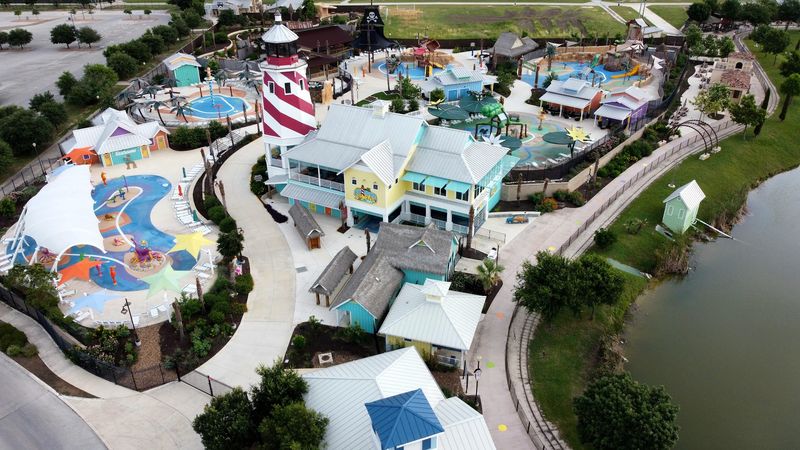
This stands as the world’s first ultra-accessible theme park, designed so everyone can play together regardless of physical or cognitive ability. That mission creates an atmosphere unlike any other amusement park. Families with special needs kids find genuine inclusion here, not just token accommodations.
But the park works beautifully for all children, making it a rare space where everyone truly belongs.
Rides and attractions cater to wheelchair users, children with sensory sensitivities, and those with cognitive differences. The Wonderland Express train, carousel, and Ferris wheel all accommodate wheelchairs. Quiet rooms offer refuge when stimulation becomes overwhelming.
Staff receives specialized training to assist guests with diverse needs, and the park’s layout ensures easy navigation.
Beyond accessibility, the park delivers solid entertainment. A sprawling playground, water play area, and carnival games keep kids busy for hours. Morgan’s Inspiration Island, the adjacent water park, operates during warmer months with waterproof wheelchairs and temperature-controlled water.
It’s thoughtful design that doesn’t sacrifice fun for function.
Admission is free for individuals with special needs, with paying guests covering the cost. This model ensures families already dealing with medical expenses and therapy bills get a break. The park stays clean, safe, and well-maintained, reflecting the care behind its mission.
Parents of typical kids appreciate the lessons in empathy and inclusion their children absorb naturally while playing alongside peers with differences. It’s education that happens organically, without lectures. Watching kids of all abilities laugh together on the same rides restores faith in humanity, honestly.
Morgan’s Wonderland proves that when you design for accessibility, you create something better for everyone. The park raises the bar for what inclusive spaces should look like, and San Antonio is lucky to have it.
8. Zilker Metropolitan Park (Austin)
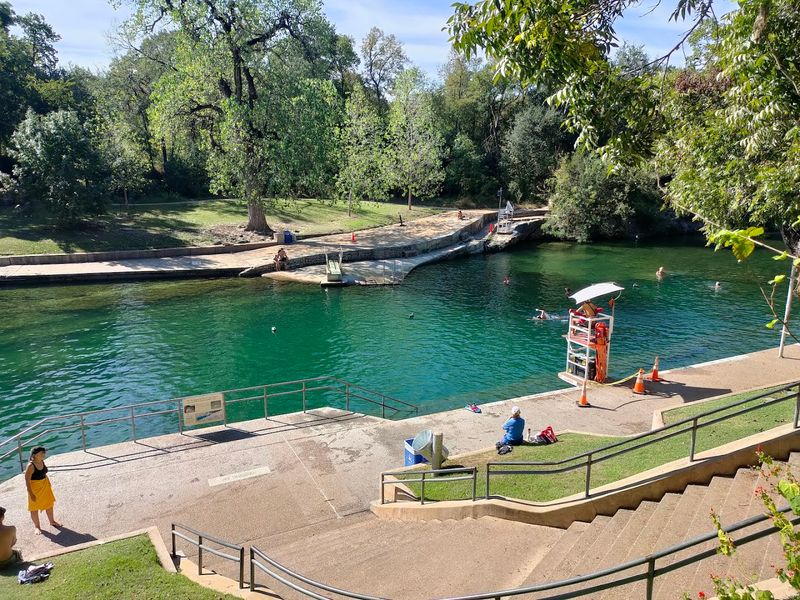
In the heart of Austin, Zilker Park stretches out into a massive green escape where kids can run without limits. The Great Lawn alone offers endless space for kite flying, frisbee, soccer, or just burning off energy in wide-open freedom, while parents relax nearby with a blanket and a good view of it all.
Barton Springs Pool, the park’s crown jewel, maintains a constant 68-70 degrees year-round thanks to natural springs. On scorching summer days, that chilly water feels like heaven. The pool stretches three acres, giving strong swimmers room to stroke while shallow areas accommodate younger kids.
Lifeguards keep watch, and the grassy surrounding area offers prime sunbathing and picnicking real estate.
Beyond the pool, Zilker houses a botanical garden, the Austin Nature and Science Center, and the Zilker Zephyr miniature train that delights toddlers and nostalgic adults alike. Trails connect to the larger Lady Bird Lake system, perfect for family bike rides. The Zilker Hillside Theater hosts free summer concerts and events, turning ordinary evenings into memorable outings.
Parking can be a nightmare on weekends, so arrive early or consider biking if you’re local. Food trucks often park nearby, and the Zilker Cafe serves basic concessions. Restrooms are available but can get grim during peak times, so adjust expectations accordingly.
What makes Zilker special is its role as Austin’s communal backyard. Families celebrate birthdays here, friends gather for pickup volleyball games, and dogs sprint through the off-leash areas. The park pulses with life and energy, reflecting the city’s active culture.
Zilker doesn’t try to be fancy or curated. It’s just honest green space in the middle of a growing city, and that’s exactly what Austin needs.
9. Perot Museum of Nature and Science (Dallas)
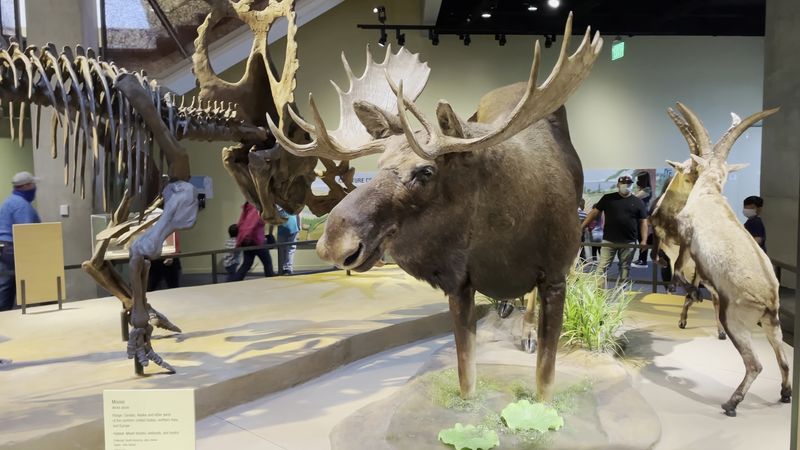
You can’t miss the Perot Museum’s eye-catching design, but it’s what happens inside that keeps kids fully engaged. With five floors of interactive exhibits, they can dig, explore, and even experience an earthquake, all while learning without even realizing it.
The dinosaur hall captivates young paleontologists with massive skeletons and detailed explanations of prehistoric Texas. Touch screens and hands-on displays let kids control the learning pace, diving deep into topics that grab their interest. The gem and mineral hall dazzles with sparkling specimens, while the engineering floor challenges kids to build, test, and problem-solve.
Special exhibitions rotate regularly, covering everything from space exploration to the human body. The museum balances education with entertainment brilliantly, never talking down to kids or boring adults. Even parents who dread museum visits find themselves genuinely engaged, learning alongside their children.
The building itself deserves attention. Floor-to-ceiling windows flood the space with natural light, and the escalator ride up the exterior glass tube offers downtown Dallas views. The design feels modern and welcoming, not stuffy or intimidating.
A cafe on the ground floor serves decent food, and a large gift shop tempts kids with science kits and educational toys.
Weekdays during school hours offer the best experience with smaller crowds. Weekends and holidays pack the place, though the museum’s size prevents total gridlock. Membership pays off quickly for families planning multiple visits, and reciprocal agreements with other museums add value.
Located in Victory Park, the Perot sits near restaurants and the American Airlines Center. Families can easily build a full day around a museum visit, grabbing lunch nearby or catching a game if schedules align.
The Perot proves museums can be dynamic, interactive, and genuinely fun without sacrificing educational value.
10. Fort Worth Botanic Garden (Fort Worth)

Fort Worth’s oldest public garden has been welcoming families since 1934, and its 110 acres offer enough variety to satisfy both plant enthusiasts and restless kids. The space feels less manicured than some botanical gardens, with naturalistic areas where children can explore without constant warnings to stay on the path. That relaxed vibe makes it genuinely family-friendly.
The Japanese Garden stands out as a peaceful oasis within the larger garden. Koi ponds, arched bridges, and carefully pruned trees create a serene environment that somehow calms even energetic kids. Watching the massive koi swim up for feeding time never gets old, and the garden’s layout encourages slow, mindful wandering.
Beyond the Japanese Garden, specialty areas include a rose garden, conservatory, and fragrance garden. Seasonal displays bring color year-round, from spring tulips to fall mums. The garden’s natural areas feature trails through native Texas landscapes, offering a more rugged experience than formal beds.
Kids can spot birds, butterflies, and occasional lizards basking on rocks.
The garden hosts events throughout the year, including outdoor concerts, plant sales, and educational programs. Summer camps teach kids about botany, ecology, and conservation through hands-on activities. The garden’s affordability makes it accessible, with free admission to most areas and only the Japanese Garden requiring a modest fee.
Picnicking is allowed in designated areas, and the garden’s proximity to the Fort Worth Zoo makes combining both into one outing tempting. Parking is ample and free, and the garden’s size means you can visit for an hour or make a full afternoon of it.
Fort Worth Botanic Garden doesn’t shout for attention or overwhelm with gimmicks. It simply offers beautiful, peaceful space where families can slow down, breathe, and enjoy being outside together. Sometimes that’s exactly what everyone needs.
11. Lady Bird Lake Hike-and-Bike Trail (Austin)
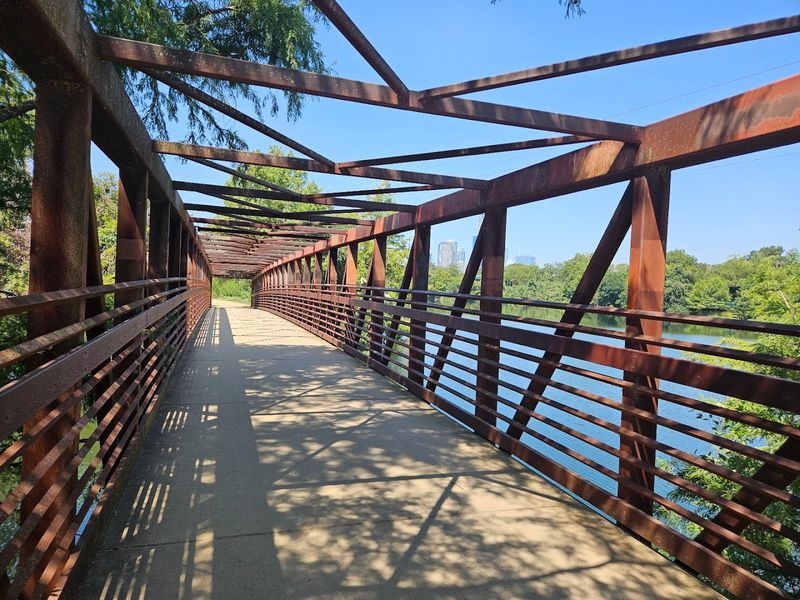
Austin’s Lady Bird Lake Trail wraps around the downtown lake for over ten miles of paved, mostly flat path perfect for family biking, walking, or running. The trail connects parks, green spaces, and landmarks, offering endless exploration possibilities. Kids on bikes can cover serious distance while parents jog behind or cruise at a leisurely pace.
Multiple access points mean you can customize the experience based on energy levels and time available. Start at Zilker Park and head east toward downtown, passing under bridges with stunning skyline views. Or begin near Auditorium Shores and watch kayakers paddle by while you walk.
The trail’s popularity means it’s rarely deserted, adding a safety factor parents appreciate.
Boardwalk sections extend over the water, giving kids the thrill of being above the lake. Turtles sun themselves on logs, herons hunt in the shallows, and the occasional otter sighting sends ripples of excitement through onlookers. Urban wildlife thrives here, offering nature education without leaving city limits.
Rental stations along the trail provide bikes, scooters, and kayaks for those who don’t own equipment. Several playgrounds and picnic areas dot the route, perfect for breaks when little legs tire. Food trucks and cafes near popular access points mean you can refuel without detouring far.
The trail gets crowded on weekends, especially near downtown. Mornings and weekdays offer more elbow room and cooler temperatures. Shade varies by section, so sunscreen and water are essential during warmer months.
The trail’s popularity means it’s well-maintained and safe, though basic awareness of bikes, runners, and walkers sharing space is necessary.
Lady Bird Lake Trail embodies Austin’s outdoor culture, providing free recreation in the heart of the city. Families use it for daily exercise, weekend adventures, or just a change of scenery from neighborhood walks. It’s the kind of resource that makes city living feel less cramped and more connected to nature.
12. San Antonio Botanical Garden (San Antonio)
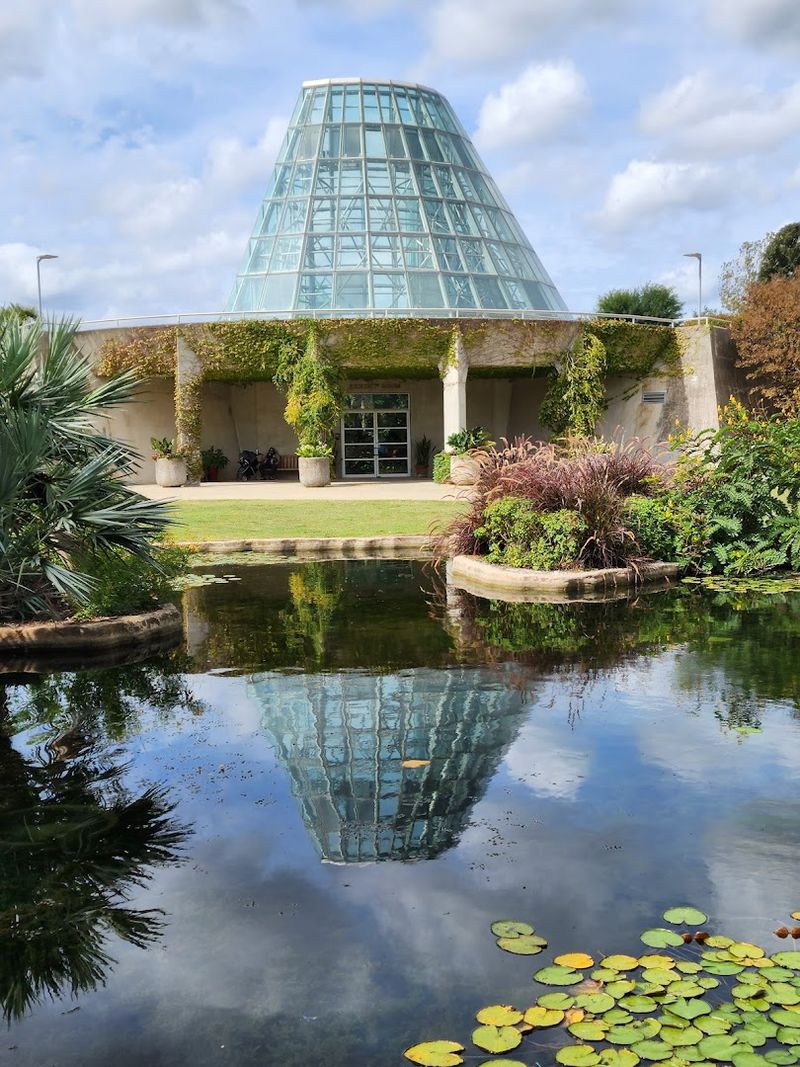
At the San Antonio Botanical Garden, it’s not just about looking at plants, it’s about experiencing them. The 38-acre space blends beautiful displays with hands-on areas, especially the Family Adventure Garden, where kids can climb, dig, and explore without feeling restricted.
The adventure garden features a massive treehouse, water pumps and channels for engineering experiments, and a tunnel slide that exits into a sand play area. Sensory gardens engage touch, smell, and sight with plants selected for their textures and fragrances. Kids can dig in designated areas, build structures with natural materials, and explore at their own pace.
It’s supervised chaos that somehow works beautifully.
Beyond the kids’ area, the garden showcases Texas native plants, a Japanese garden, and a conservatory filled with tropical species. Seasonal displays bring color year-round, and themed gardens demonstrate water-wise landscaping techniques relevant to San Antonio’s climate. Educational programs teach families about conservation, pollinators, and sustainable gardening practices.
The garden hosts concerts, movie nights, and seasonal festivals that transform the space into community gathering spots. Food trucks often park near the entrance during events, and picnicking is welcome in designated areas. The garden’s relatively compact size makes it manageable for families with young children who tire quickly in sprawling spaces.
Membership benefits include unlimited visits, discounts on classes, and access to member-only events. The garden’s location near downtown makes it easy to combine with other San Antonio attractions. Parking is free and plentiful, a small but significant perk when wrangling kids and gear.
San Antonio Botanical Garden succeeds because it doesn’t force families to choose between beauty and fun. Kids get space to be loud and messy while parents enjoy genuinely lovely surroundings. That balance makes return visits inevitable.
Share this story