Somewhere in the Hudson Valley, a pig named Jasmine has a fan club that includes a little girl who has talked about her for years. A goat named Rhue picks her friends carefully, and when she chooses you, it sticks.
Up here near Saugerties, rescued farm animals get names, healthcare, and the freedom to say hello or wander off. The gates open only on weekends, so the visit takes a little planning.
Guided tours walk you through rolling hills, a pond, and barns full of residents with real life stories. Goats and sheep roam freely, cows accept hugs, and pigs enjoy a good scratch.
Keep reading to learn where this place is, what the tours are like, what to wear, and why so many New Yorkers drive back for a second visit.
1. A Weekend Farm Off Old Stage Road
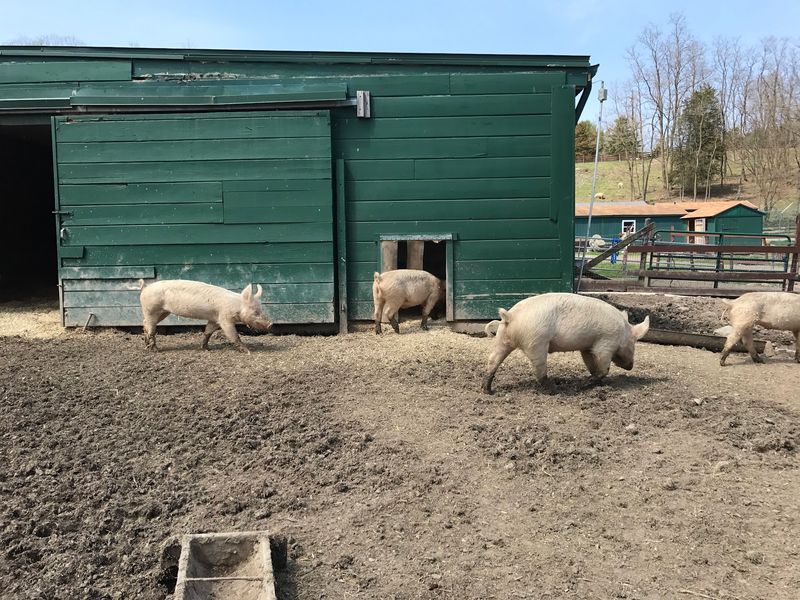
Tucked into the countryside of Ulster County, the Catskill Animal Sanctuary sits at 316 Old Stage Rd, Saugerties, NY 12477.
It is a non-profit organization devoted to rescued farm animals. Many of the residents come from the meat and entertainment industries, and here they get a second act.
The setup is simple to understand. Animals live out their lives on the farm, and people come by to meet them on guided tours.
Visits are not walk-in, wander-anywhere affairs. Tours are led by staff who know each resident and share how they arrived.
For New Yorkers in Albany, Kingston, or the city boroughs, Saugerties makes an easy weekend outing. The sanctuary welcomes guests on Saturdays and Sundays only.
Every animal here has a name. That small detail sets the tone for everything else on the property.
The motto posted by the team is Love Spoken Here, and it shows up in how the place runs day to day.
It is a farm in shape, but not in purpose, and that difference is where the story begins.
2. Second Chances With Names Attached
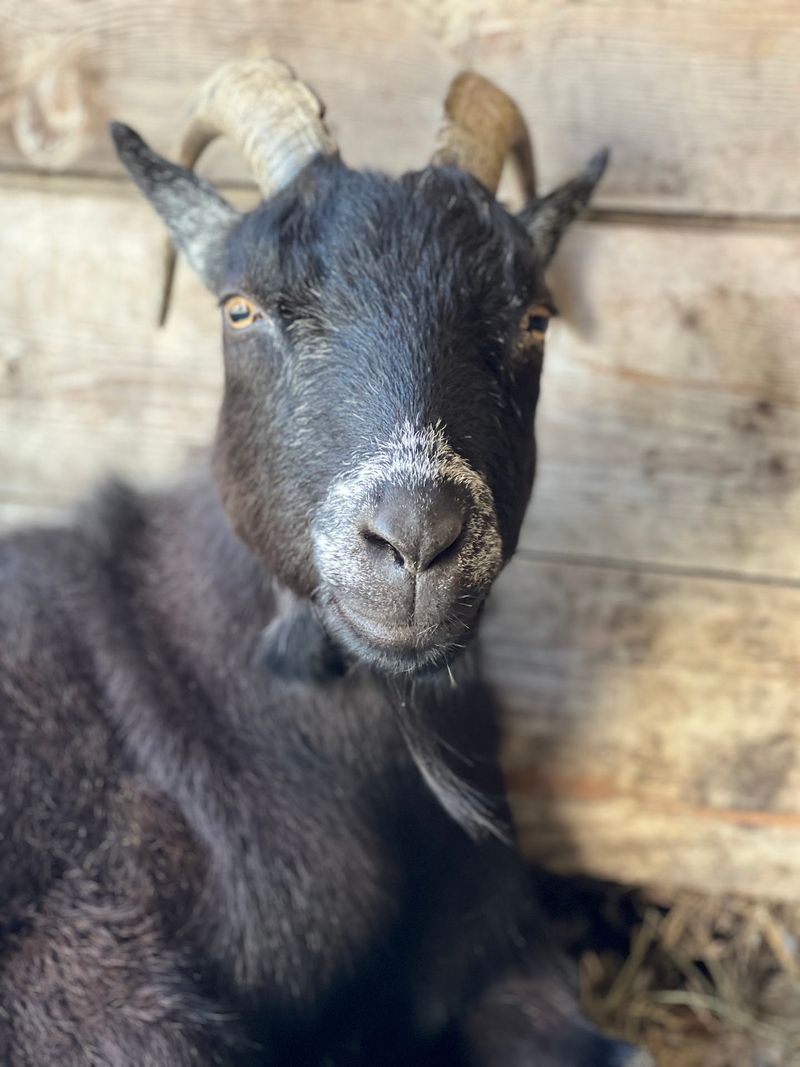
Jasmine the pig, Hermione the goat, and Rhue the goat are not just cute labels on a sign. They are residents with histories, and the guides know them by heart.
The heart of the sanctuary is rescue and rehabilitation. Staff provide food, shelter, healthcare, and steady attention to every animal they can take in.
Tours lean into those personal stories. Guests hear where each animal came from and how it adjusted to life on the farm.
Rhue, for example, was reportedly antisocial when she first arrived. She is still choosy about people, which makes her friendship feel like an honor.
Quarantine areas exist for new arrivals too. Even sheep in quarantine appear calm and well cared for.
The goal is to let guests see farmed animals as individuals. Each one has preferences, social bonds, fears, and a clear capacity for play.
That shift in perspective is the real souvenir. People tend to leave remembering a name rather than a species.
3. Hills, Wildflowers And A Quiet Pond
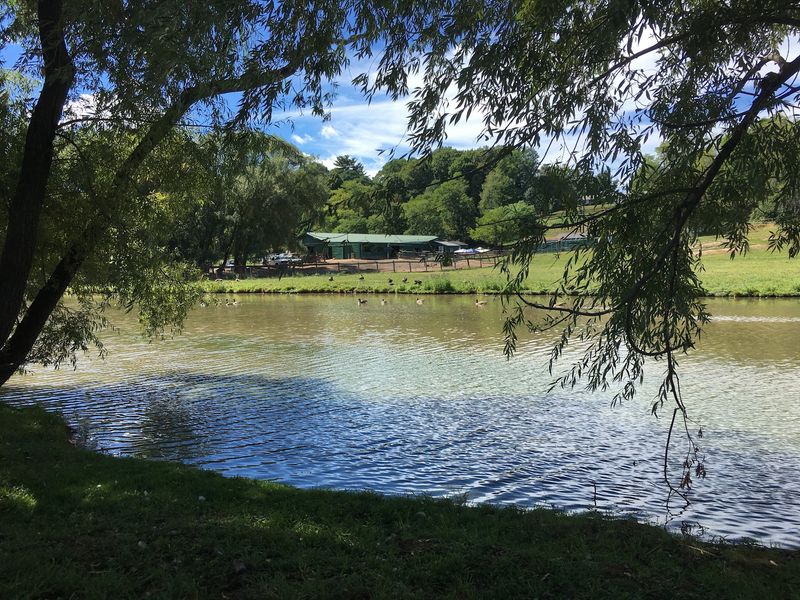
Before the first goat trots over, the land itself makes an impression. The property spreads across rolling hills, open fields, wildflowers, and a pond.
It is a working sanctuary, not a manicured park. That means barns, pastures, and paths that change with the weather.
The grounds are kept clean and tidy. The farm feels peaceful, and the animals move about with ease.
Fall is an appealing time to go. The Catskills put on their seasonal show, and the slower pace of an autumn afternoon suits a tour like this.
Still, the scenery is the backdrop, not the main act. The animals and their stories are why people make the drive.
Staff have mentioned plans to move to a bigger location someday. For now, the Saugerties farm is where the residents call home.
A pond, a few hills, and a lot of happy hooves add up to a setting worth slowing down for.
4. Guides Who Know Every Resident
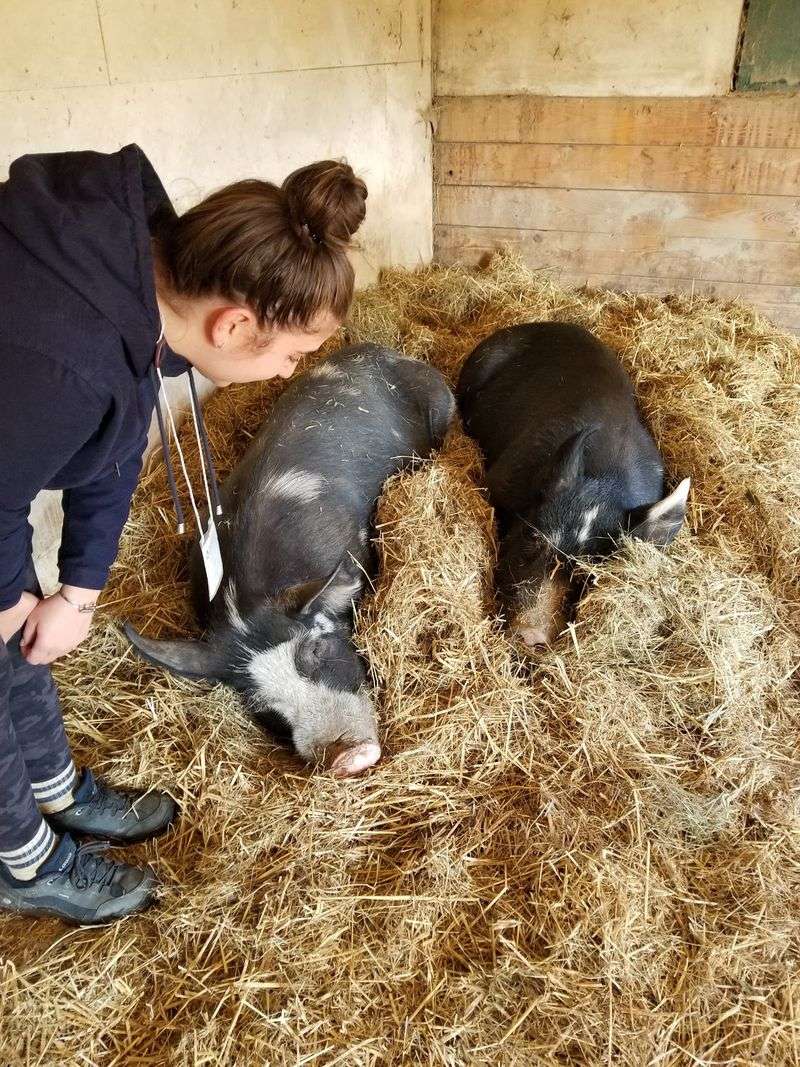
Ask almost anyone about their visit and a guide’s name comes up first. Alison, Lauren, Sarah, Kat, Nodira, Rebecca, Megan, Camryn, and Kaden all get warm mentions.
The tour guides are known for deep knowledge of each species. They answer question after question without rushing anyone along.
They are also patient with kids. One family saw a young niece included at every step, and another group with a 15-year-old was welcomed onto a kids tour.
The guides share facts about animal agriculture alongside individual animal stories. It turns a farm stroll into a real lesson.
Their care goes beyond talking. During one tour, a 36-year-old horse had trouble standing after a roll in the dirt, and a team arrived within a minute after the guide called for help.
That quick response says a lot about the culture here. The animals come first, and the staff move accordingly.
Good guides make good tours, and this sanctuary seems to have a full bench of them.
5. Free-Roaming Goats With Opinions
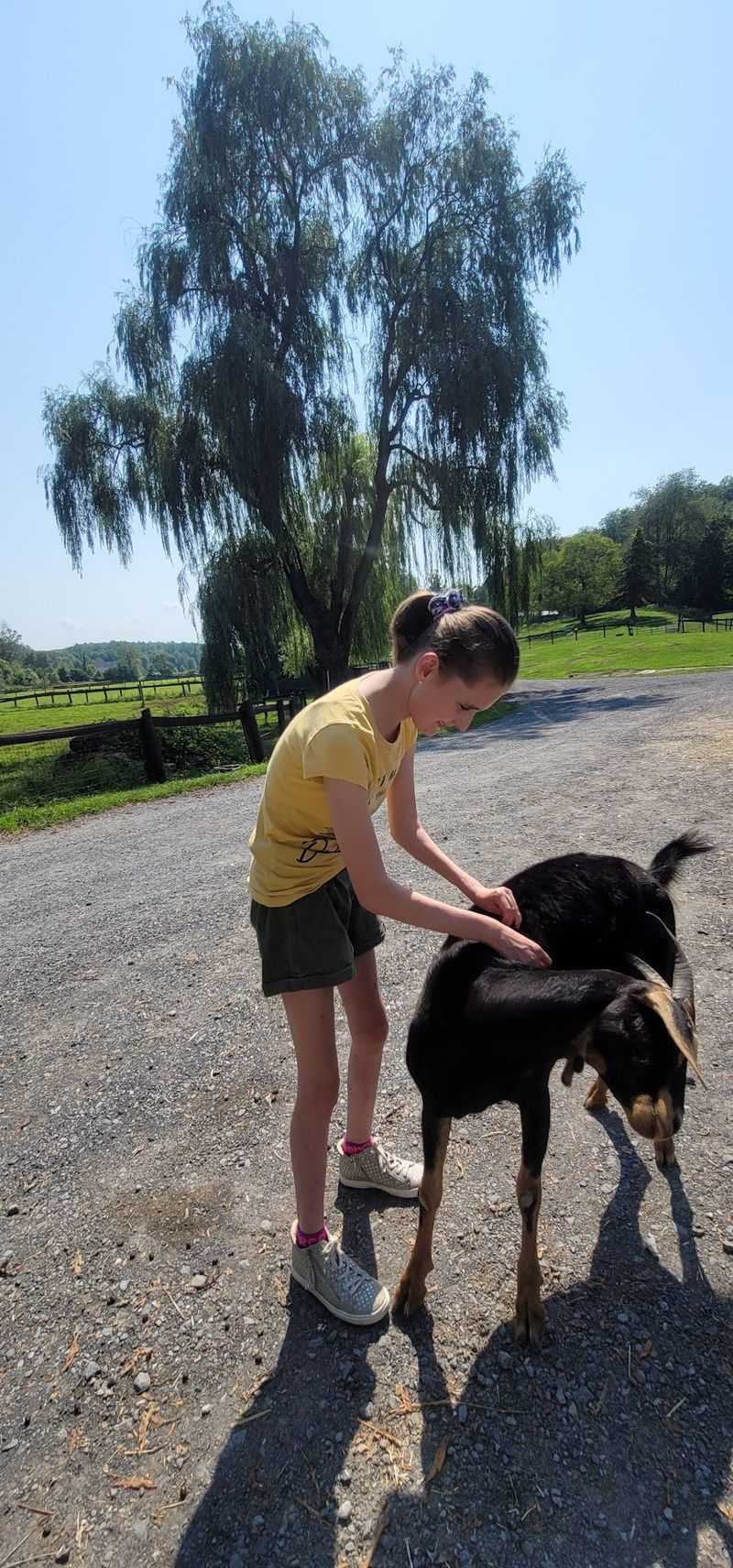
Goats do not wait for an invitation here. They walk right up to tour groups, and that greeting is often the highlight of the day.
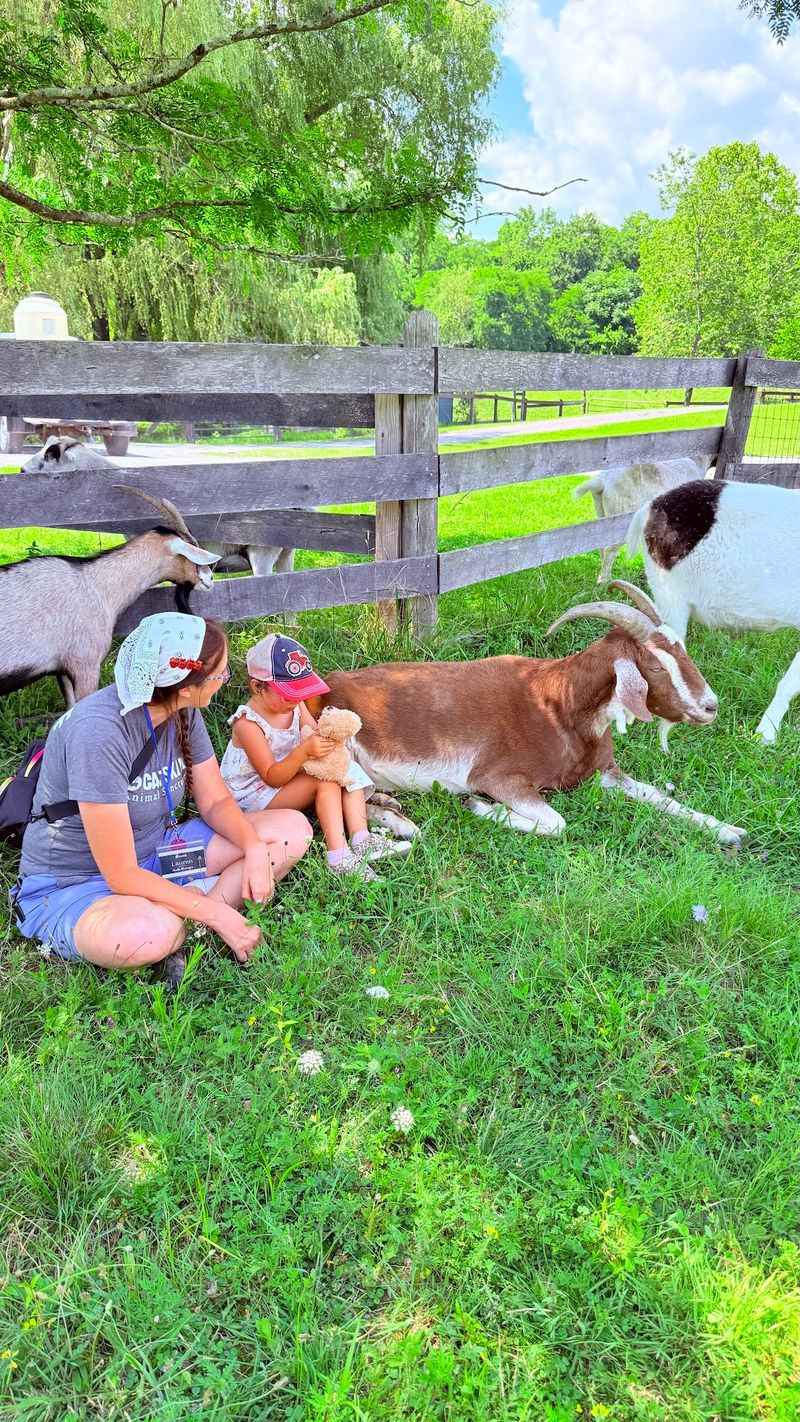
The sanctuary lets goats and sheep roam freely. Return guests say this makes it stand out from other sanctuaries they have visited.
Hermione the goat has been spotted soaking up snuggles. Rhue, meanwhile, is famously selective, so earning her attention is a small win.
Little kids especially love the underfoot animals. One two-year-old reportedly squealed every time a small resident passed by.
The goats seem social and relaxed. They approach people without fear, which reflects how they are treated.
Of course, a goat is still a goat. Some will linger for a scratch, and others will have more pressing business with a patch of grass.
Either way, the free-roaming crowd keeps the tour lively, and nobody leaves without at least one curious visitor nudging along beside them.
6. Pigs, Cows And The Art Of The Ear Scratch
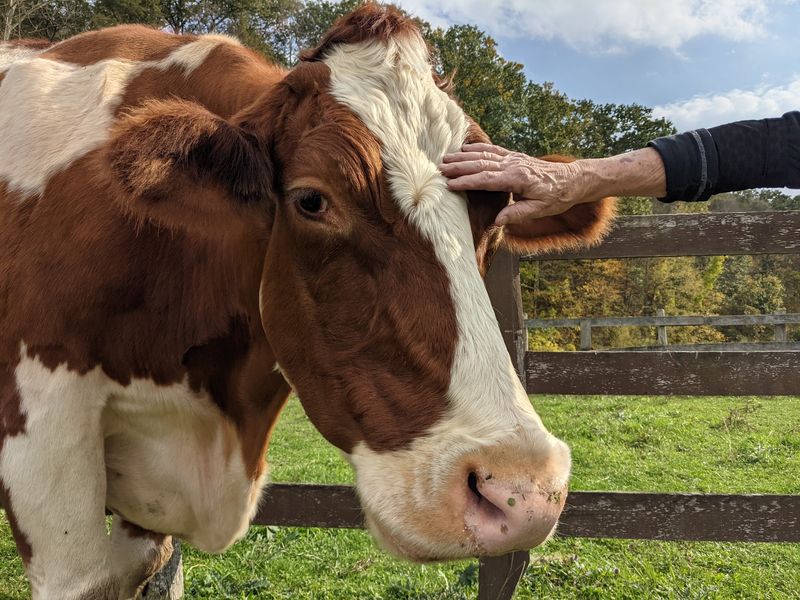
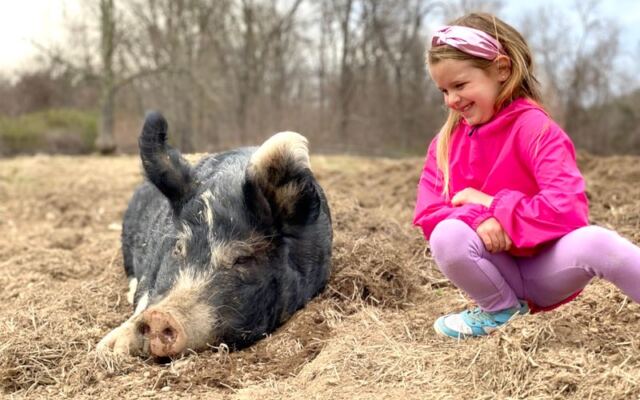
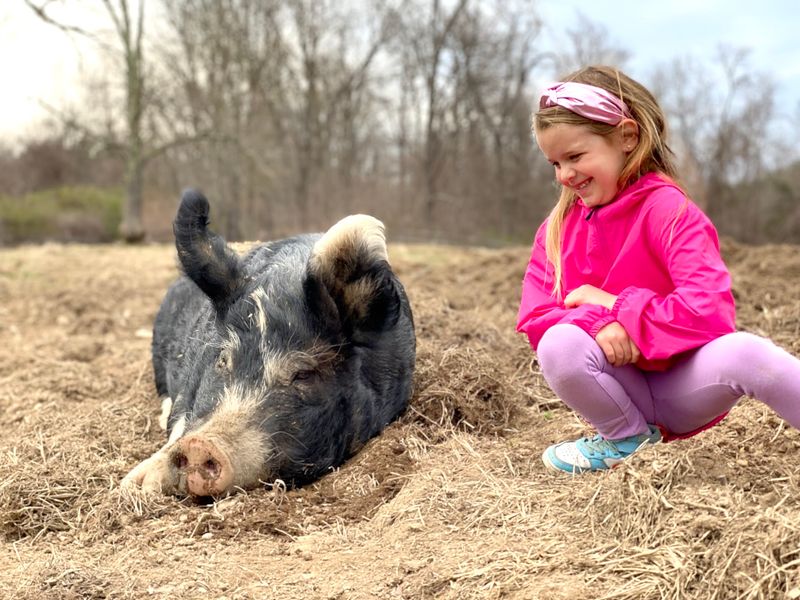
Jasmine has been called the most wonderful pig you ever did meet. A young girl who met her in 2022 kept talking about her for years and came back to say hello.
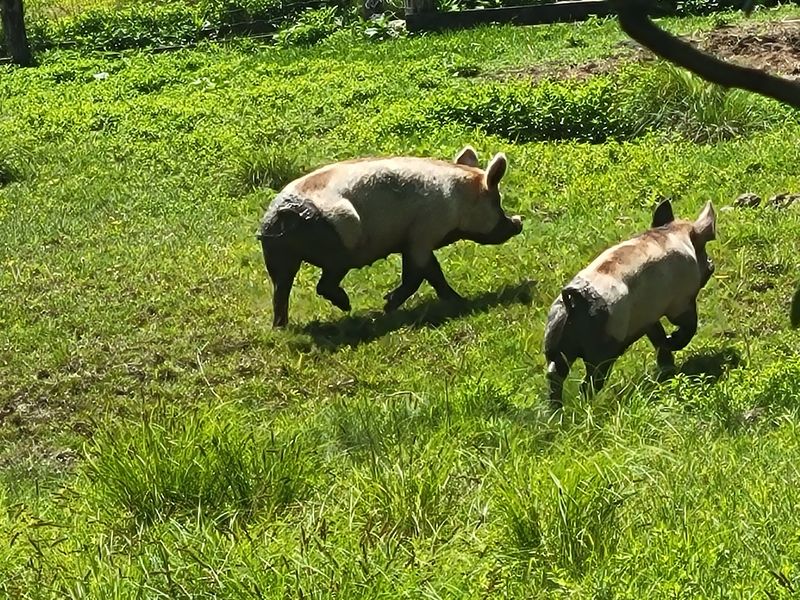
Pigs here are known to be friendly with guests. A calm scratch behind the ears is one of the simple joys a tour can offer.
Cows join the welcome party too. Some guests finally checked off a lifelong wish to hug a cow.
Many of the animals can be petted during tours. Guests often get surprisingly close, and photos tend to pile up fast.
The animals are healthy and at ease. Their trust in people is earned, not forced.
That trust is what makes these moments feel special. A pig choosing to lean in is very different from one that has no choice.
So bring a gentle hand and some patience. The pigs will take it from there.
7. Sanctuary Rules, Not Petting Zoo Rules
Here is the honest part. Not every animal wants a cuddle, and that is by design.
The sanctuary is a place for animals to live in peace. Residents can interact with guests or walk away as they please.
Staff have pointed out the difference between a sanctuary and a petting zoo. Animal comfort and happiness stay the top priority.
Some guests wish they could pet more animals. That is fair, but the trade-off is a calmer, more natural experience.
Anyone hoping only for hands-on time might find this setup a bit different. People who want to meet animals and learn their stories tend to love it.
The approach also explains why the animals seem so relaxed. They are not on duty.
Respect is part of the ticket, and it pays off when a resident decides on its own to come over.
8. Lessons That Linger After The Gate
Tours here come with a message. Guides talk openly about animal agriculture and the conditions many residents came from.
Some of that information can be upsetting. Guests are encouraged to go in ready for real conversations.
Veganism comes up often in connection with this place. The tour contrasts life at the sanctuary with industry practices, and some guests leave with plenty to think over.
The guides also share small, practical things people can do to help. It is educational without feeling preachy to most groups.
Families find it works for kids and adults alike. Children learn names, while grown-ups take in the bigger picture.
Camp groups and family outings are a natural fit. Solo visits work well too.
The tour ends at the gate, but the questions it raises tend to ride home in the passenger seat.
9. Gift Shop And Ways To Pitch In
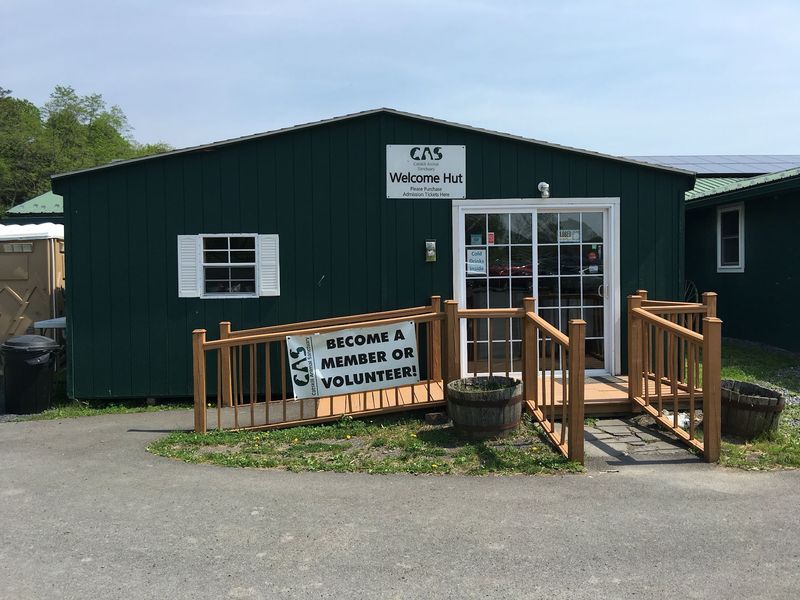
After the tour, the visitor center is worth a stop. The space is small but inviting, and the staff there are friendly and accommodating.
The gift shop gets plenty of affection. It is described as super cute, and guests seem happy with what they bring home.
Purchases and tour fees go toward supporting the sanctuary and its residents. That makes shopping feel a little more meaningful.
Donations are another way to help. Even people who cannot visit in person are encouraged to give.
Some guests go a step further. One group brought fresh produce for the animals as a gift.
Following the sanctuary online keeps the connection going between visits. Updates on residents give fans a reason to check in.
A souvenir here does double duty, reminding you of a favorite goat while helping feed the next one.
10. Hours, Tours And Muddy Boots
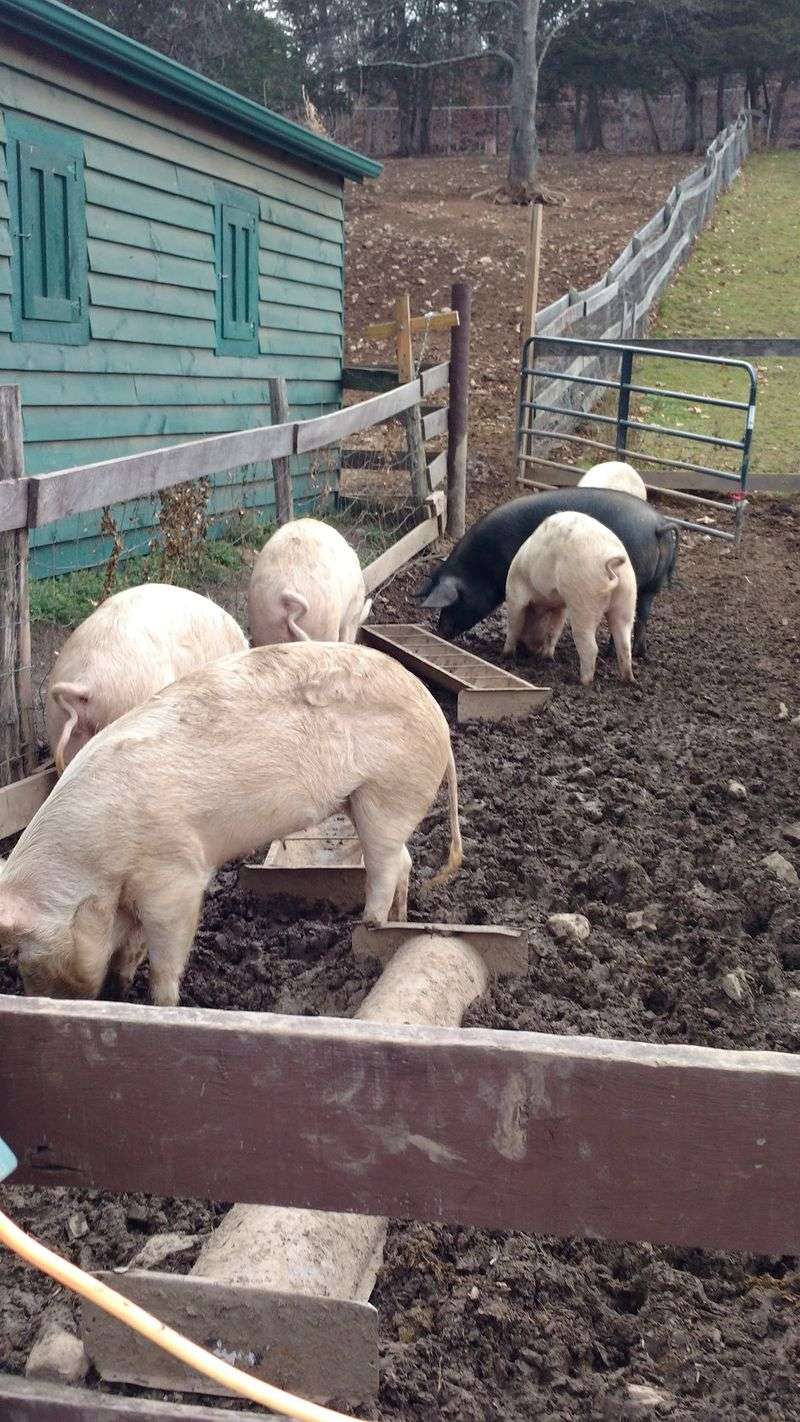
Planning matters, because the schedule is short. The sanctuary is open Saturday and Sunday from 10 AM to 3 PM and closed Monday through Friday.
Tours are the way in. A 90-minute tour is a popular choice, and it moves at a thorough pace without feeling hurried.
Private tours are also available. Some have run past the scheduled time simply because there was so much to see.
Booking ahead through the sanctuary website is a smart move. Staff have fit groups in last minute, but that is not guaranteed.
Footwear deserves real thought. Parts of the property get muddy, so wear shoes and clothes you do not mind getting dirty.
Dress warmly in colder months. Tours run in rain and even snow, and some groups found the rough weather made the day memorable.
Bring layers, sturdy boots, and a flexible attitude, and the weather becomes part of the story.
11. Worth The Drive To Saugerties
Plenty of places promise a nice day out. Few turn a rough trip around the way this sanctuary reportedly did for one family.
The appeal is straightforward. Named animals, caring guides, open hills, and a calm pace add up to an afternoon that feels genuinely kind.
It holds a strong 4.7-star standing with hundreds of fans. Many return for a second or third visit, often to see a specific friend.
It suits animal-loving kids, couples, solo travelers, and groups. It suits New Yorkers who still believe care and patience are worth protecting.
A slow fall weekend is a fine time to go. Just remember the Saturday and Sunday hours and the muddy paths.
The motto says Love Spoken Here. After an hour with Jasmine, Rhue, and the rest of the crew, it is easy to see why.
Go for the ear scratches, stay for the stories, and expect a goat or two to follow you back to the car.
Share this story