Some kids collect rocks from the driveway, and some kids dream of finding a dinosaur. In Norman, those two hobbies meet under one roof, where young explorers can dig for fossils, solve puzzles, and stand next to dinosaur skeletons taller than the family minivan.
The building tells a story that stretches back about 4 billion years, and a surprising amount of it is about Oklahoma itself. Families drive in from Tulsa and beyond just to spend an afternoon here, and many end up staying three hours or more without noticing the clock.
There are exhibits on Native American culture, wildlife, ancient artifacts, and rotating shows that keep regulars coming back. Ahead you will find where it is, what the kids will love most, what adults should know, and the practical details that make a visit go smoothly.
Pack a sweater, too, and the reason is coming up.
1. A Campus Landmark on Chautauqua Avenue
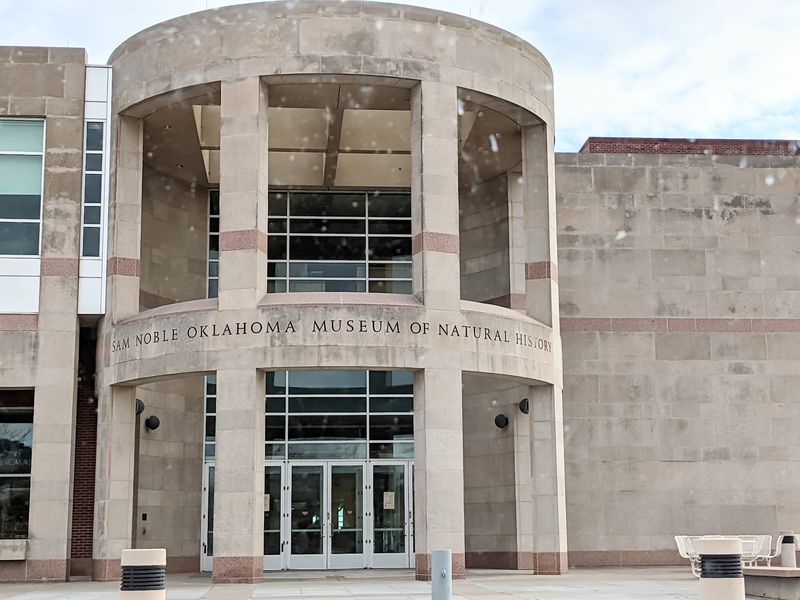
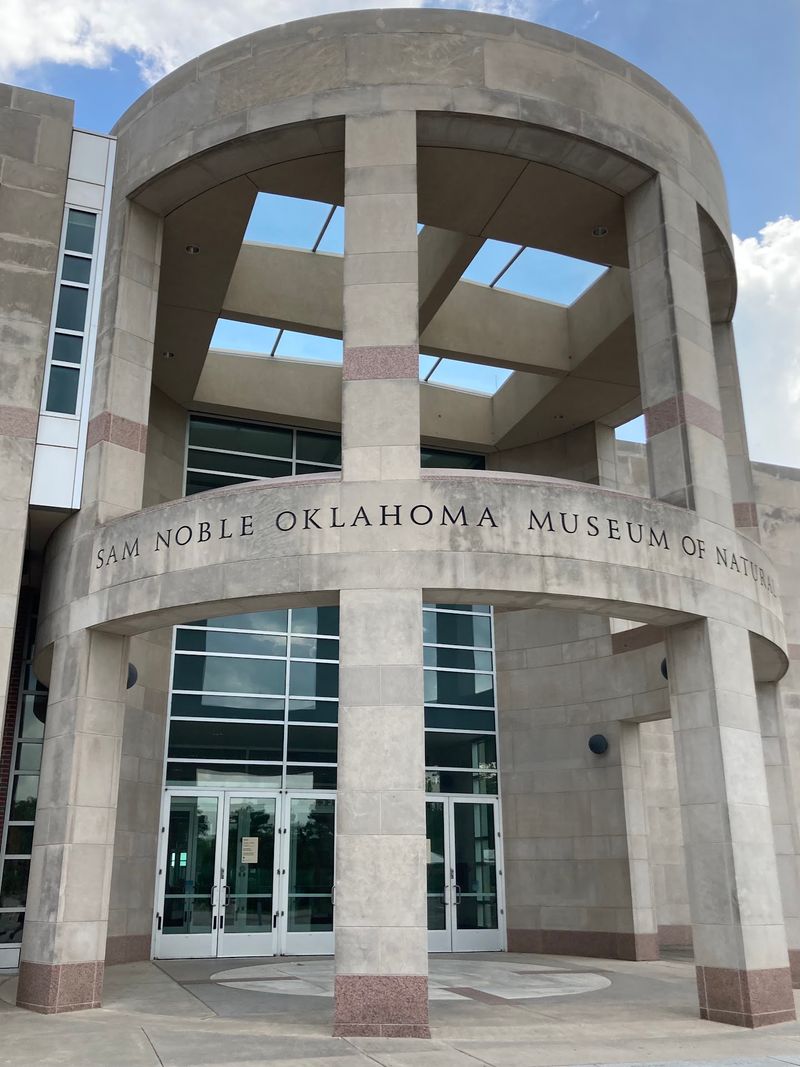
The address to plug into the GPS is 2401 Chautauqua Ave, Norman, OK 73072, on the campus of the University of Oklahoma.
That spot is home to the Sam Noble Oklahoma Museum of Natural History, a natural history museum that families across the state know simply as the Sam Noble Museum.
Its official description sums up the scope nicely. The museum offers artwork, artifacts, and dinosaur bones, with in-depth exhibits chronicling natural and cultural history dating back 4 billion years.
That is a big timeline to fit into one building, yet the layout manages it in a well organized way.
Norman sits just south of Oklahoma City, which makes the museum an easy day trip for a large chunk of the state. One family noted the drive was only about an hour and a half from home, and Tulsa households regularly make the trip down as well.
Being on a university campus gives the place a scholarly backbone. Some exhibits lean toward the depth you might expect from archaeology and anthropology programs, which is part of the appeal for curious older kids and adults.
The museum also holds a strong reputation, sitting at 4.7 stars across more than 1,700 opinions online.
Consider that a solid sign the trip down Chautauqua is worth the gas.
2. Four Billion Years in One Afternoon
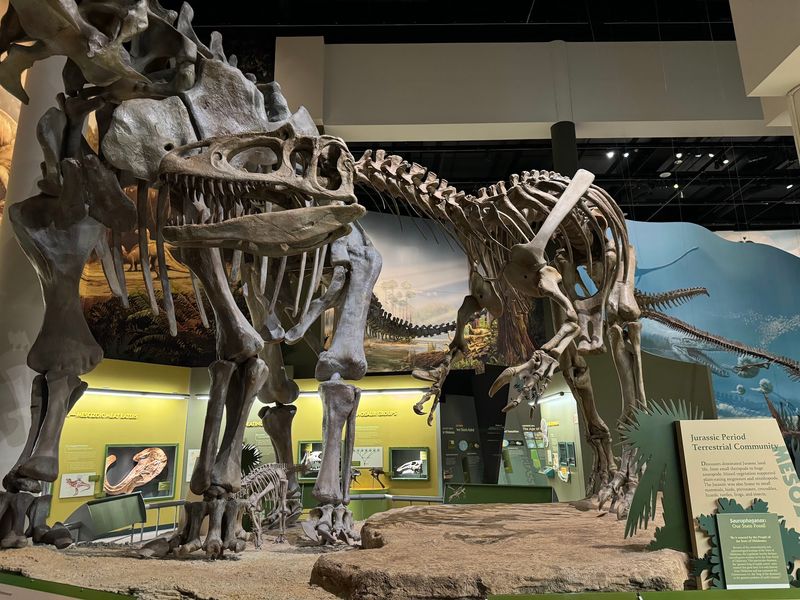
Most field trips cover a century or two of history. This one covers roughly 4 billion years.
The museum is built around the long story of life on Earth, then connects that story to the land Oklahomans live on today.
A big strength here is how much of the content is tailored to Oklahoma itself. Instead of a generic tour of the planet, families get exhibits that tie ancient creatures, wildlife, and human cultures back to the state.
That local focus answers a question kids love to ask: did dinosaurs live here? The exhibits are designed to help them find out.
Each section is well documented and written in plain, everyday language. Parents do not need a science degree to explain what is on display, because the signs do much of the heavy lifting.
There is a lot of reading, though. Families who love to read every panel may find they cannot finish in one visit, and some return many times and still have not read it all.
Little ones may zip ahead faster than the grown-ups can keep up.
That is fine, because the timeline will still be there next trip, and it is not going anywhere for the next few million years.
3. Skeletons That Steal the Show
Ask any kid what they remember afterward, and the answer is almost always the same word: dinosaurs.
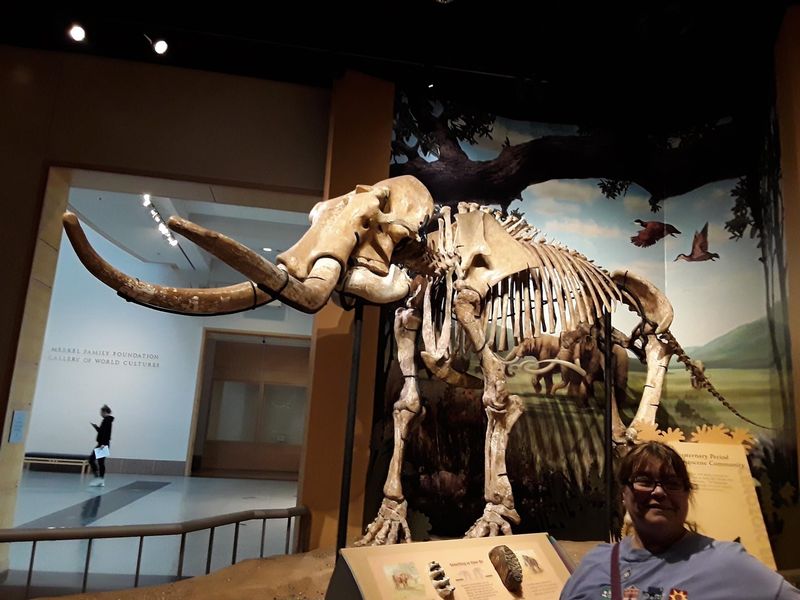
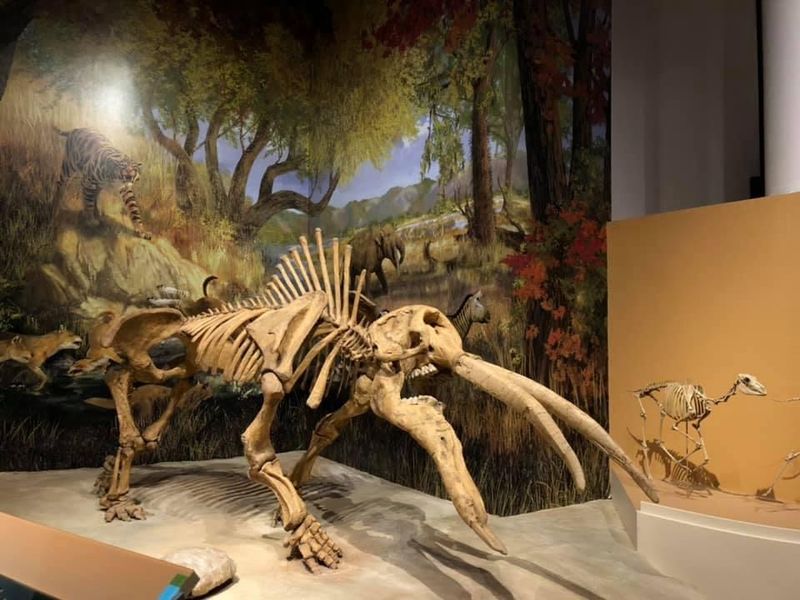
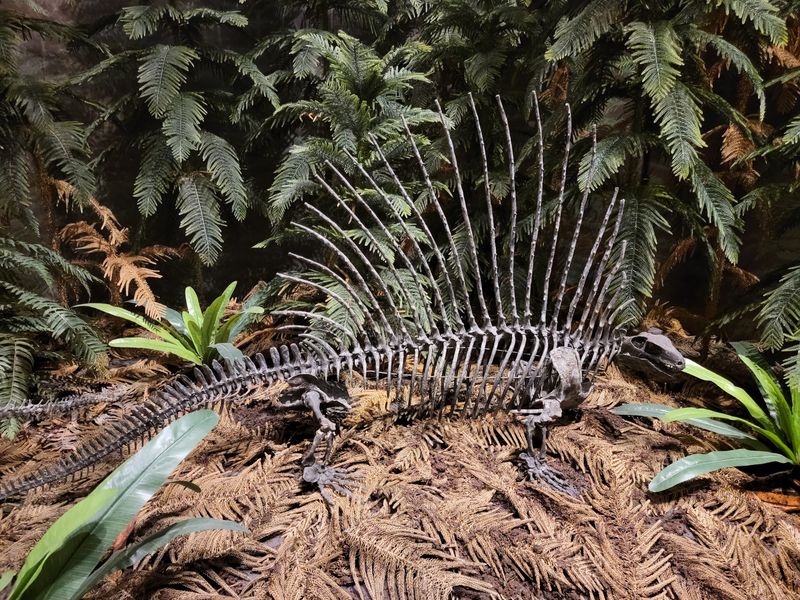
The dinosaur halls are easily the most talked-about part of the museum, and for good reason.
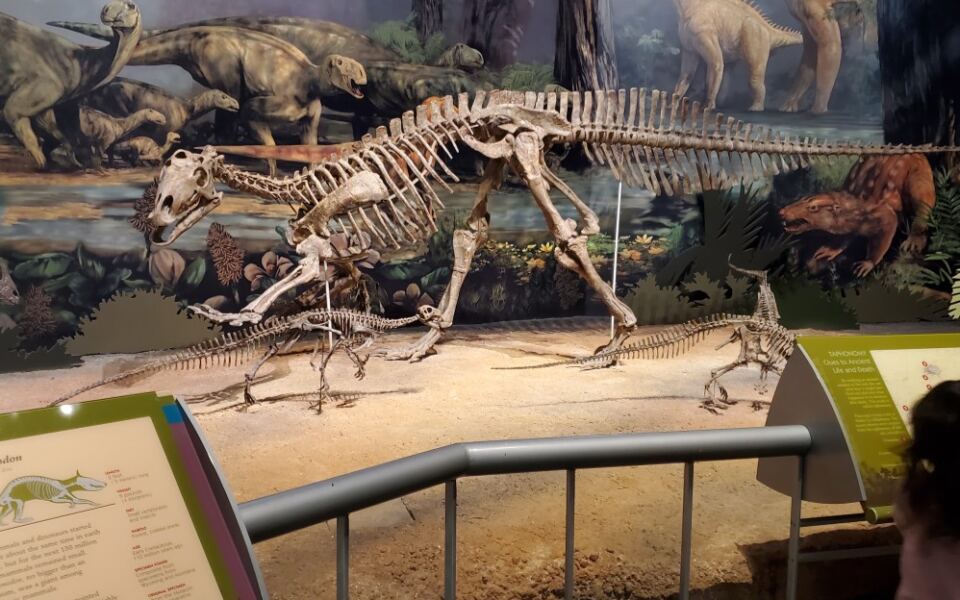
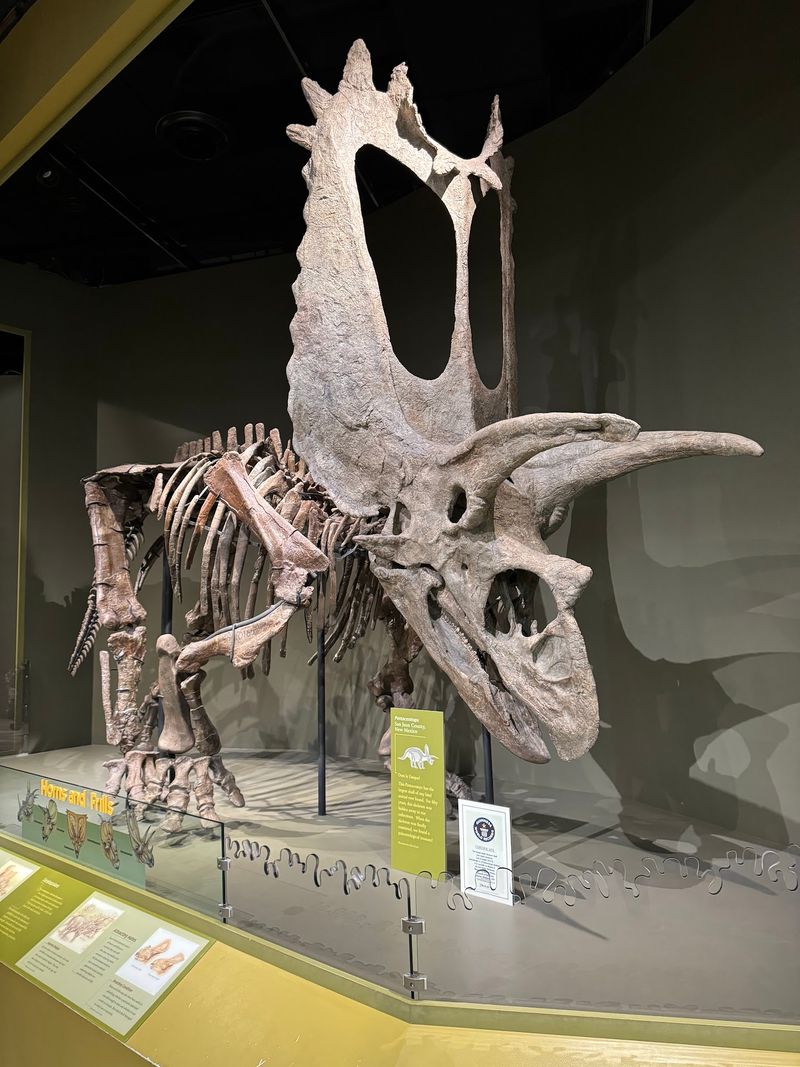
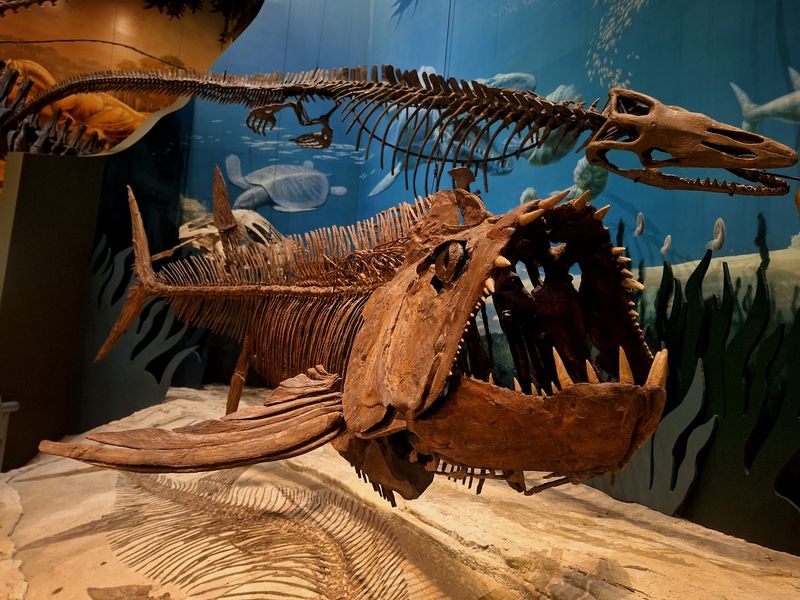
Some families call it the best museum they have seen for dinosaur bones. The skeletons are large, well presented, and placed so that kids can get a real sense of scale.
Skulls are a highlight too. Young visitors often spend extra time studying the shapes of jaws and horns, comparing one creature to the next.
The dinosaur section also does a nice job of teaching the difference between real bones and casts. Staff and volunteers have been known to explain that distinction, which turns a quick glance into a genuine science lesson.
For kids who grew up on dinosaur movies and cartoons, seeing the real science up close is a big moment. Several fans first got hooked on prehistoric creatures through films and finally got to see actual fossils here.
Bring the camera.
The poses kids strike next to these giants make for some of the best family photos of the year.
4. The Discovery Room Dig
Here is where the hands-on promise really pays off.
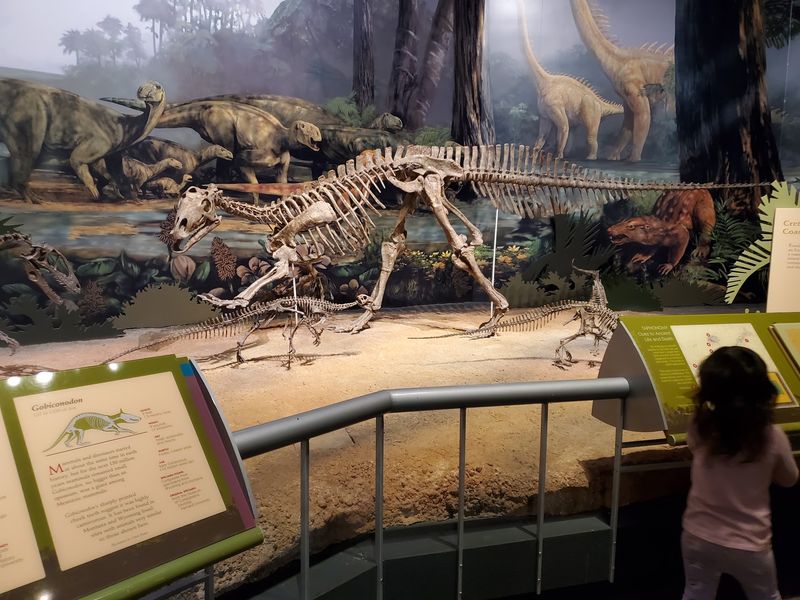
The museum has a kids discovery room, a play area where children can dig for fossils and work on puzzles.
It is built for the youngest paleontologists in the family. Little ones who cannot read the long signs yet still get to feel like scientists, brushing and searching for buried treasure.
Parents of toddlers and preschoolers find it especially useful. When attention spans run short, the discovery room gives kids a break to play before heading back into the galleries.
One Tulsa family brought a dinosaur-obsessed three-and-a-half-year-old and found the room very hands-on and interactive. It became the reset button that kept the visit fun.
The activity room earns praise as one of the best spots for small children who want to interact rather than just look.
Plan some time here even if your kids are a little older.
Nobody outgrows a good fossil dig quite as fast as they claim they have.
5. Touchable History Around Every Corner
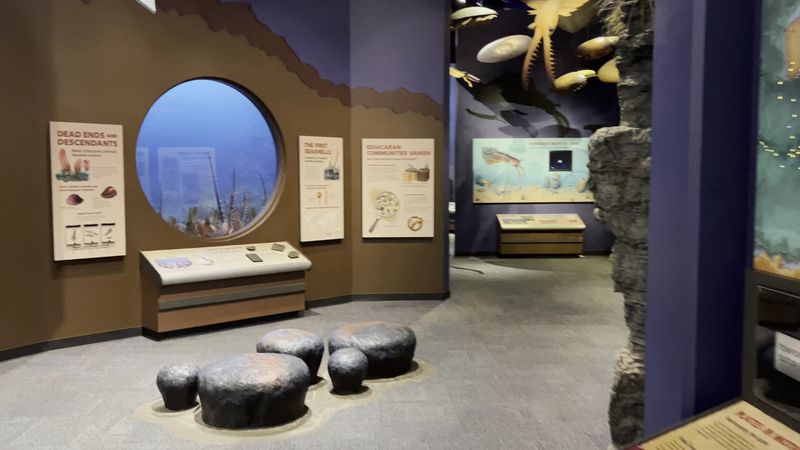
Museums with a strict hands-off policy can feel like a long walk past glass. That is not the case here.
Interactive exhibits come up again and again when families talk about the place.
Throughout the galleries, there are lots of touching opportunities and interactive features that keep history tangible. Kids can engage with displays instead of only staring at them.
That approach works for more than just small children. One parent brought a 15-year-old who had a blast and could have stayed longer, pointing to the many interesting interactive exhibits as the reason.
The interactive pieces also help grown-ups learn. Several adults admit they walked out knowing far more than when they walked in.
Immersive experiences for young audiences are a big part of the design. Themed areas invite kids to explore at their own pace.
There are also great picture layouts throughout the building, which groups and families use for memorable shots.
History you can touch tends to stick, and that is exactly the point.
6. Native American Heritage Upstairs
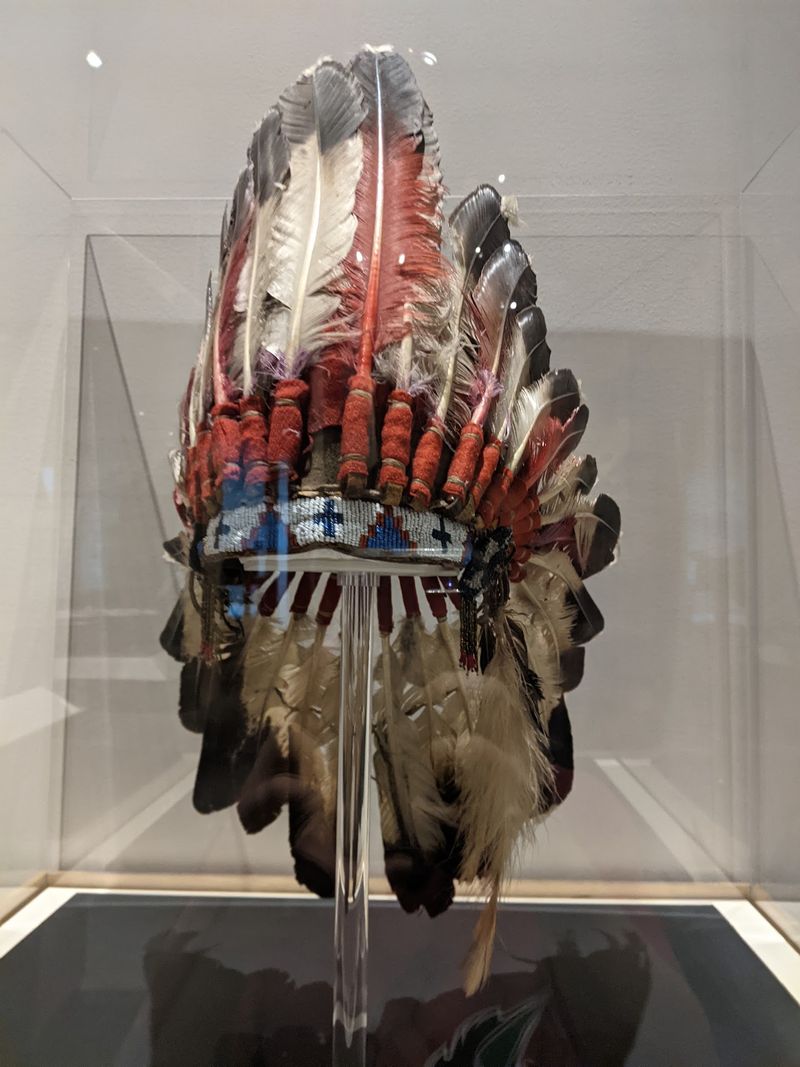
Dinosaurs might get the headlines, but the second floor holds some of the most meaningful exhibits in the building.
The Native American exhibit, located upstairs, earns strong praise as an amazing part of the museum.
Oklahoma has deep roots in Native history and culture, and this exhibit gives families a chance to learn about that heritage in a thoughtful setting. It is a natural fit for a museum so focused on the state.
For many families, it becomes a surprise favorite. Kids who came for the skeletons often leave talking about what they learned upstairs.
The exhibit fits into the larger mission of chronicling both natural and cultural history. Seeing human stories alongside ancient fossils helps kids understand how long people have called this land home.
An elevator makes the upper floor accessible for strollers, wheelchairs, and anyone who would rather skip the stairs.
Give this floor real time on your schedule.
Rushing through it would mean missing a chapter of Oklahoma that every young resident deserves to know.
7. Oklahoma Wildlife, Up Close
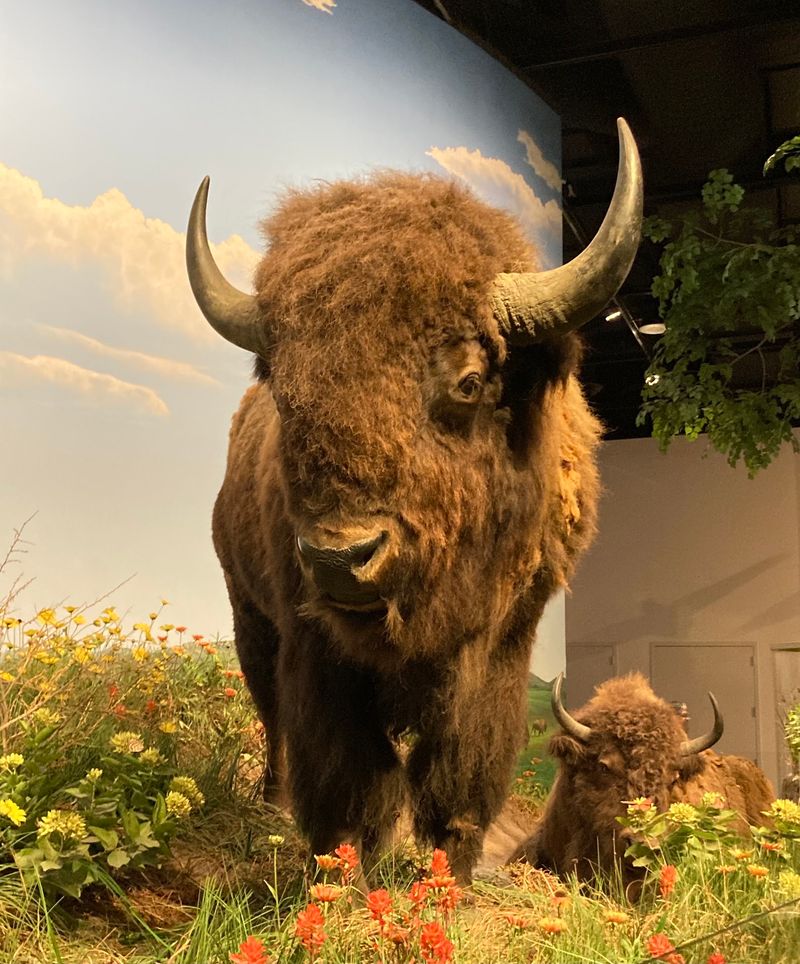
Beyond the prehistoric giants, there is plenty of living history to explore.
The museum features exhibits with all different types of animals, including a section on the wildlife of Oklahoma.
For families who like to hike state parks or spot critters in the backyard, this area connects the museum to everyday life. Kids can learn about creatures that share their home state.
It also helps prove a point Oklahomans love to make. The state is far more than flat prairie, and its animals reflect a wide variety of landscapes.
Animal exhibits tend to appeal to a broad range of ages. Younger kids enjoy spotting familiar faces, while older children dig into the details on the signs.
A rainforest exhibit adds another twist, taking families well beyond state lines for a look at a very different habitat.
Between the local wildlife and faraway ecosystems, there is enough variety to keep kids moving from case to case.
Do not be surprised if a few new favorite animals come home in conversation.
8. Narwhals, Head Gear, and Rotating Surprises
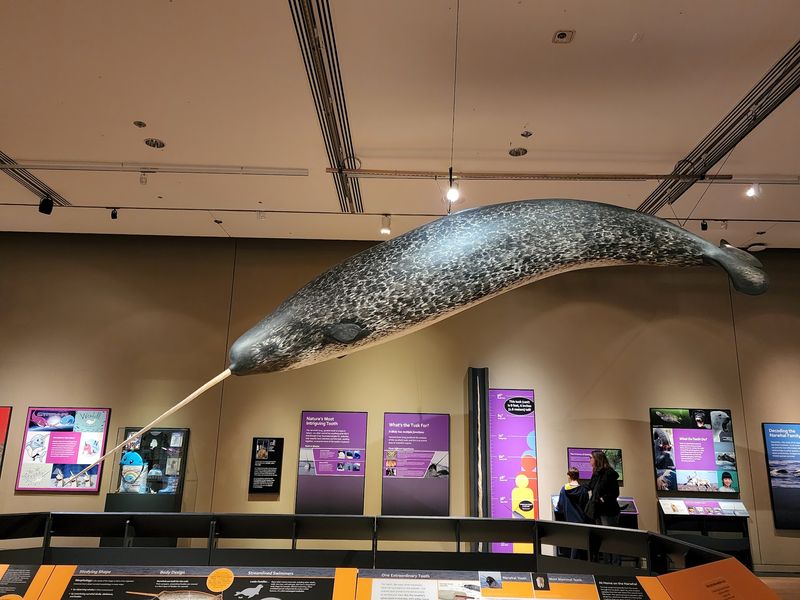
Repeat visitors have a secret: the museum does not stay the same.
Rotating and temporary exhibits change things up regularly, and many are considered worth a special trip on their own.
A narwhal exhibit has drawn attention, giving kids a look at the whale famous for its long tusk. It is the kind of display that sparks plenty of questions on the drive home.
A recent exhibit focused on head gear, exploring the horns, crests, and other features animals carry on their heads.
In that exhibit, a friendly older volunteer chatted with guests about how movie dinosaurs compare to real paleontology. Conversations like that turn a quick look into a lasting memory.
Because displays rotate, it is smart to check the website before visiting to see what is currently on view.
Every so often, a section may be closed off while exhibits change.
That small trade-off means there is usually something new waiting the next time around.
9. Greek and Roman Treasures
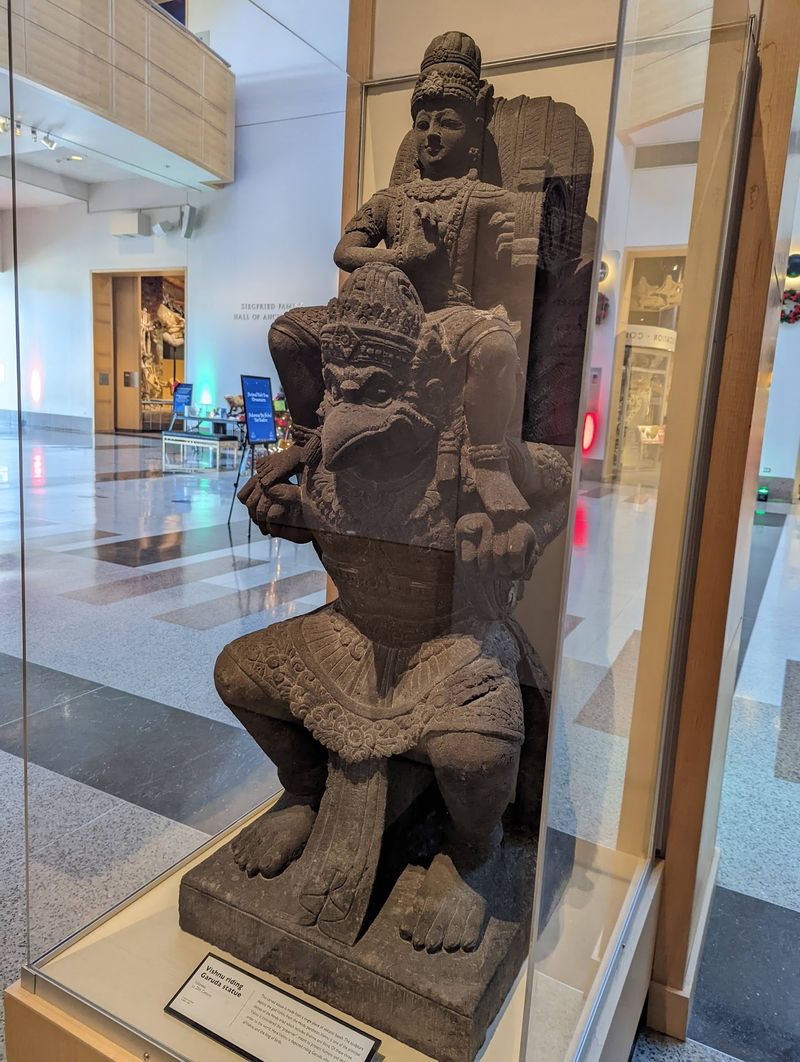
Few families expect to find ancient Mediterranean history in Norman. That is part of the fun.
Among the themed areas are displays featuring Greek and Roman artifacts.
These objects add a fresh angle to the museum’s story. After the fossils and wildlife, kids get to see how ancient people lived and what they left behind.
The museum’s official description mentions artwork as well as artifacts, and these galleries help show that side of the collection.
For students learning about ancient civilizations in school, seeing real artifacts can make textbook chapters click. It is a handy bonus for homeschool families and teachers planning trips.
The collection sits alongside exhibits about the Midwest and Native American cultures, giving a wide sweep of human history.
Older kids and adults who find dinosaurs a little less thrilling often enjoy these rooms the most.
It is proof that the museum has something for every member of the crew.
10. Friendly Faces Behind the Exhibits
A great exhibit can teach a lot. A great person standing next to it can teach even more.
The staff and volunteers here earn steady praise for being courteous, kind, and helpful.
During special events, energetic helpers have guided kids at butterfly feeders and microscopes. They involved young boys in the activities and explained the difference between real and cast bones.
Moments like these turn a museum trip into something personal. Kids remember the person who showed them how a microscope works long after the visit ends.
The friendly volunteer in the head gear exhibit is another example. A simple conversation about movie dinosaurs versus real science left a big impression on the guests he spoke with.
For school groups, the museum is easy to work with. It accepts purchase orders and makes it easy for everyone to get around.
Clean bathrooms and a well kept building round out the experience.
Good people make good memories, and this place has plenty of both.
11. Who Will Love It Most
Young kids are the clear winners here, but they are not the only ones.
Families with little dinosaur fans consistently call it a fantastic outing, with something for most any age.
Readers will feel right at home. There is tons to look at and even more to read, so curious adults can spend hours with the panels.
Teens can go either way. Some have a blast with the interactive exhibits, while others find certain sections slow, especially if they are not into science.
A few adults feel parts of the museum lean academic, likely because of its university setting. Those with a strong interest in archaeology and anthropology tend to appreciate that depth.
Guests with mobility concerns should know there is an elevator. Some may want to plan breaks, since exploring fully involves a fair amount of standing and walking.
Very young children may move on quickly, so parents sometimes plan a return trip when kids get older.
Matching expectations to your group goes a long way toward a happy afternoon.
12. A Gift Shop With Pocket-Money Prices
Museum gift shops have a reputation for draining wallets. This one has a pleasant twist.
The shop carries a large variety of items and is a favorite stop for finding interesting gifts.
Small toy dinosaurs and bugs have been spotted for as little as $1.50. That is a welcome surprise for parents bracing for big price tags.
Those budget finds let kids pick a souvenir without a negotiation at the register. A tiny dinosaur in hand is a great way to end the day.
Beyond the bargains, there are plenty of options for gift shopping, from science-themed items to unique keepsakes.
Prices on merchandise can change, so treat the $1.50 figure as a happy possibility rather than a promise.
Still, it is nice to know the fun does not have to stop at the exit.
Somebody in the back seat will likely be naming their new dinosaur before you hit the highway.
13. Hours, Admission, and That Sweater Tip
Now for the planning details that save headaches.
The museum is closed on Mondays. It opens 10 AM to 5 PM Tuesday through Saturday and 1 PM to 5 PM on Sunday.
Hours can change, so check the official website at samnoblemuseum.ou.edu before driving over.
Admission is often described as extremely affordable, and entry is free for military members and veterans. One group of three adults and a teenager reported paying $47 total, so budget accordingly for larger groups and confirm current prices online.
Membership brings special offers, and there are extra activities on weekends at least once a month.
Here is the sweater tip promised earlier. The air conditioning runs strong to help preserve the exhibits, so warm clothing is a smart idea even in summer.
Time is another thing to plan for. Many families spend two to three and a half hours exploring.
Arriving early on a weekday gives the most room to wander without watching the clock.
14. Worth the Drive to Norman
Some outings fade from memory by Tuesday. This one tends to stick around for years.
Plenty of grown-ups who visited as kids return later just to relive the experience, which says a lot about the impression it leaves.
The mix is what makes it work. Dinosaur skeletons, a fossil dig, touchable exhibits, Native American heritage, wildlife, ancient artifacts, and rotating shows all share one building.
It is not perfect for everyone. A few sections may be closed during changes, and some older guests find parts slower than others.
For families with curious kids, though, it hits a sweet spot of learning and play. Add the affordable admission, free entry for military and veterans, and those $1.50 gift shop dinosaurs, and the value is hard to beat.
Norman is an easy drive from Oklahoma City and a manageable trip from Tulsa.
Pack a jacket, check the hours, and give yourselves the whole afternoon.
The fossils have waited millions of years, and they are ready whenever your crew is.
Share this story