Out on a quiet stretch of Route 66 between Luther and Chandler, an old brick service station looks like it stopped selling gas a long time ago. It did.
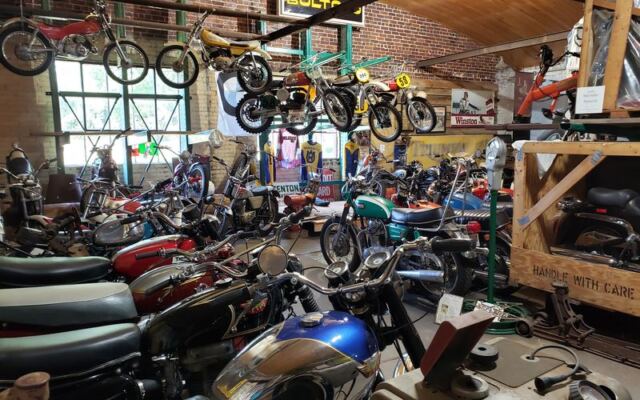
What it holds now is a packed collection of motorcycles, dirt bikes, mopeds, and road relics that seems far too big for the building. Admission is free, the person behind the counter usually knows every bike by heart, and there is even a famous outhouse out back with its own claim to state history.
For Oklahoma families looking for a cheap day trip with real roadside character, this spot checks a lot of boxes. The road has turned 100, and this stop is part of the reason the old highway still matters.
Keep reading to learn what is inside, when to go, and why time may matter.
1. A Brick Stop on the Mother Road
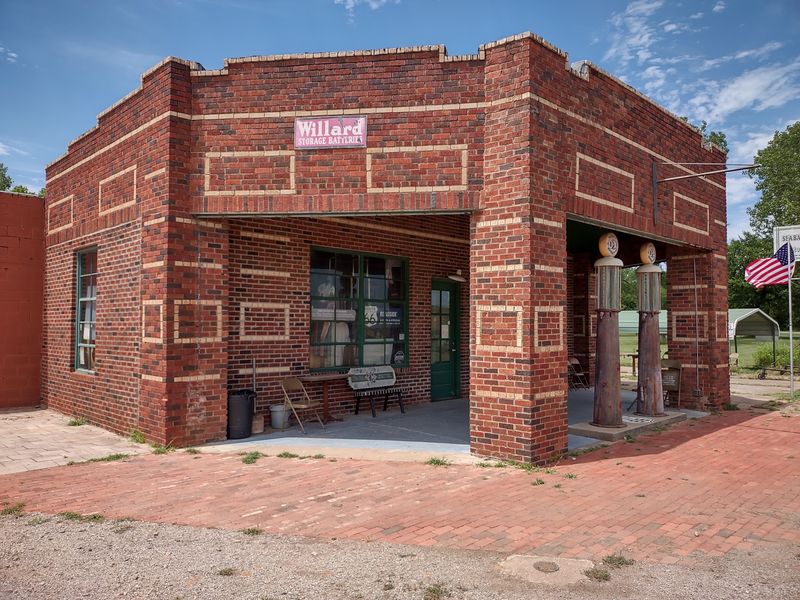
Some museums hide in big cities. This one sits on the north side of the old highway in a small community most drivers pass in a blink.
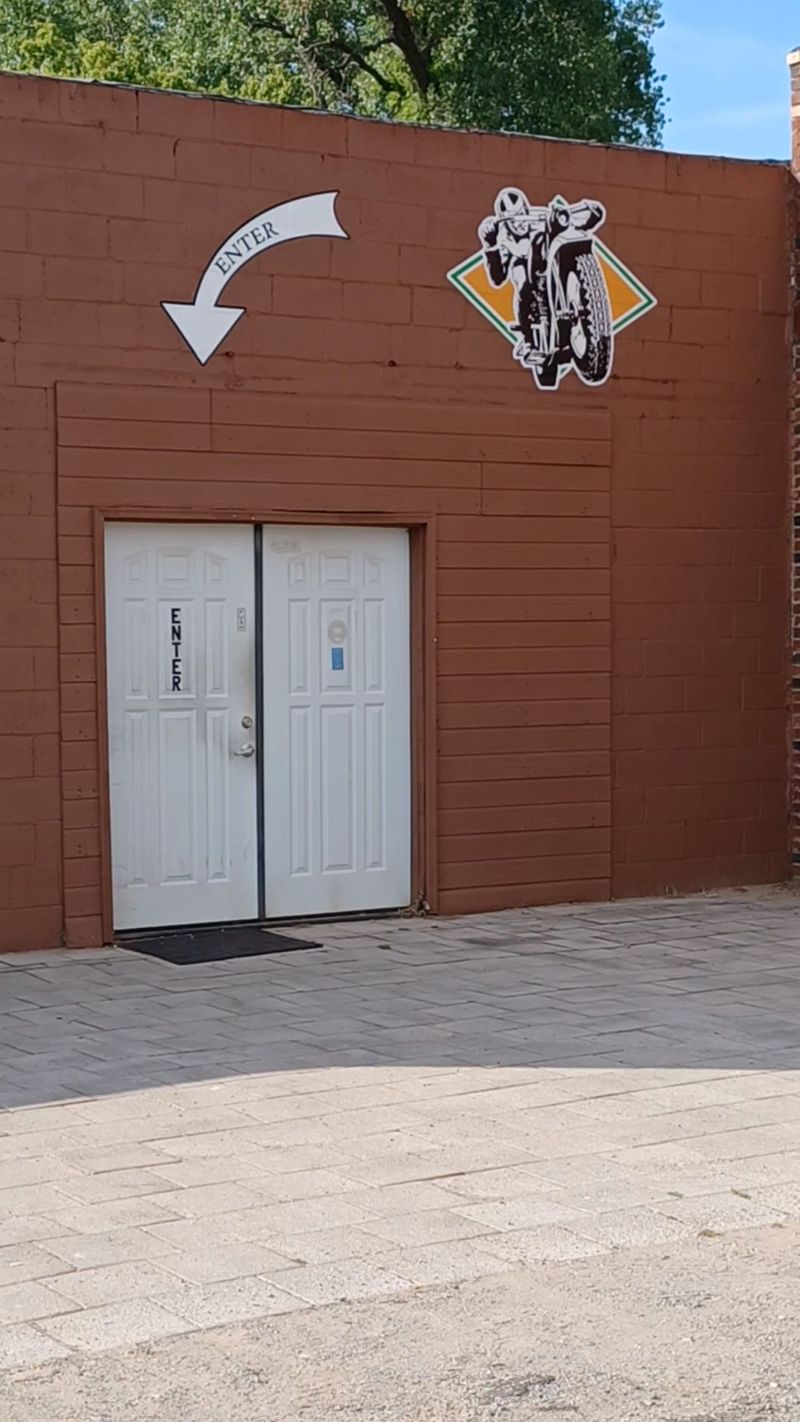
The Seaba Station Motorcycle Museum is found at 336992 OK-66, Warwick, OK 74881, in the United States. It lies right along historic Route 66, between the towns of Luther and Chandler in central Oklahoma.
The location makes it an easy add-on for a drive from Oklahoma City or Tulsa. Travelers heading east or west on the old road can pull off without much of a detour.
It is also just before the Oklahoma Midway sculpture on Route 66, so the area works well for a small chain of photo stops. Families can plan a short loop that mixes roadside art with old-road history.
From the outside, the building looks modest. That first impression is part of the fun, since the inside tells a very different story.
Route 66 fans will recognize the setup right away. A compact station, a gravel lot, and a sign pointing to motorcycles is the kind of stop the road was built on.
So the map pin is simple. The real surprise starts once the door swings open.
2. From Fuel Pumps to Two-Wheel Treasures
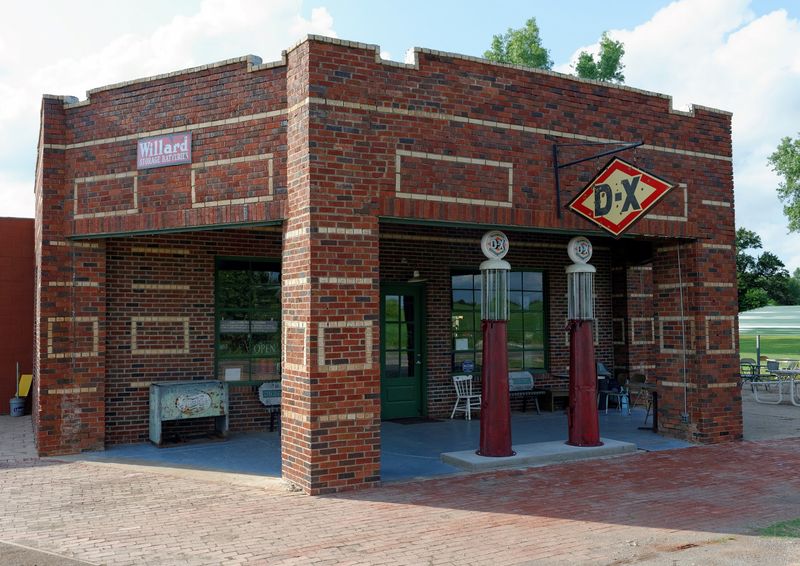
Long before anyone parked a motorcycle inside for show, cars and trucks pulled up here for fuel. The building began life as a service station on Route 66.
It is described as an old DX gas station, a brand that once dotted highways across the middle of the country. That background gives the museum a built-in sense of road history.
Today, the station has a second career as a museum. Rather than tearing down the old structure, the owners filled it with machines that fit its spirit.
That choice matters for Route 66 lovers. Many original stations along the road have vanished, so a working reuse like this keeps one more piece of the highway standing.
The pairing also makes sense on a gut level. A gas station once kept travelers moving, and now it celebrates the bikes that moved generations of riders.
Families with kids can use the building itself as a quick history lesson. It shows how road trips worked when gas stations were the main landmarks between towns.
The walls have changed jobs, but the welcome for people on the road has stayed the same. That theme carries straight into the collection itself.
3. Bigger Inside Than It Has Any Right to Be
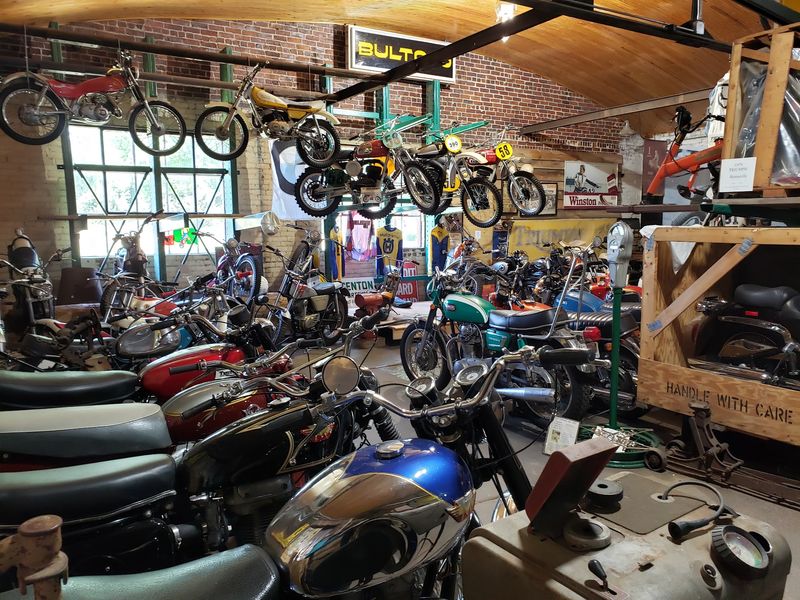
Small on the outside, stuffed on the inside. That is the running joke about this place, and it happens to be true.
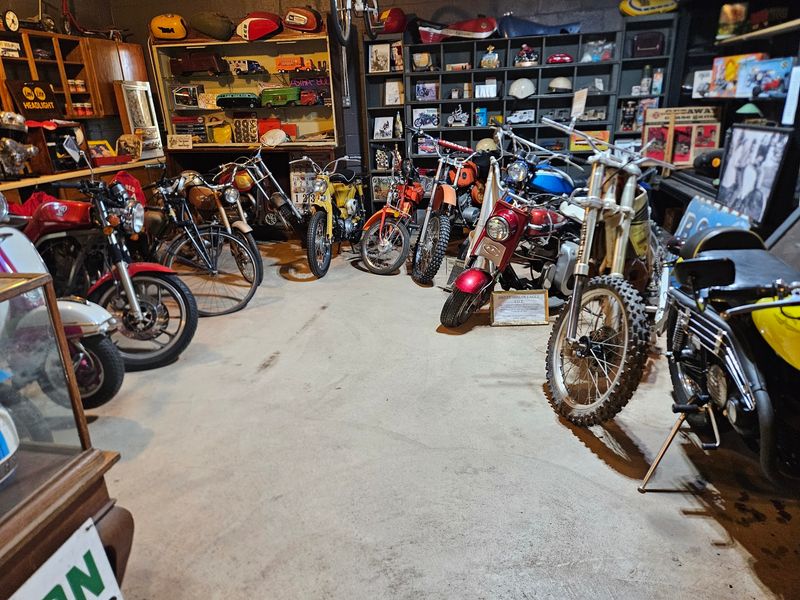
The building is not large, yet it is packed with cycles from wall to wall. Many first-timers are caught off guard by how much fits under one roof.
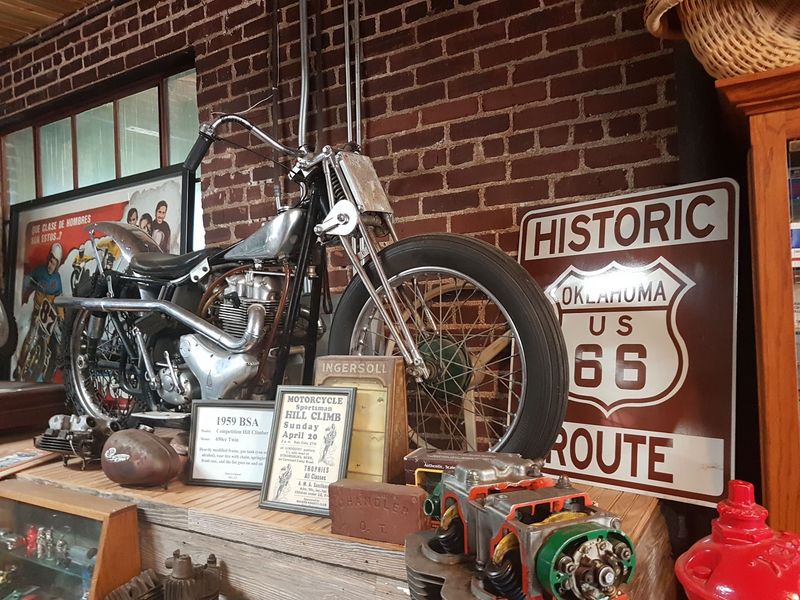
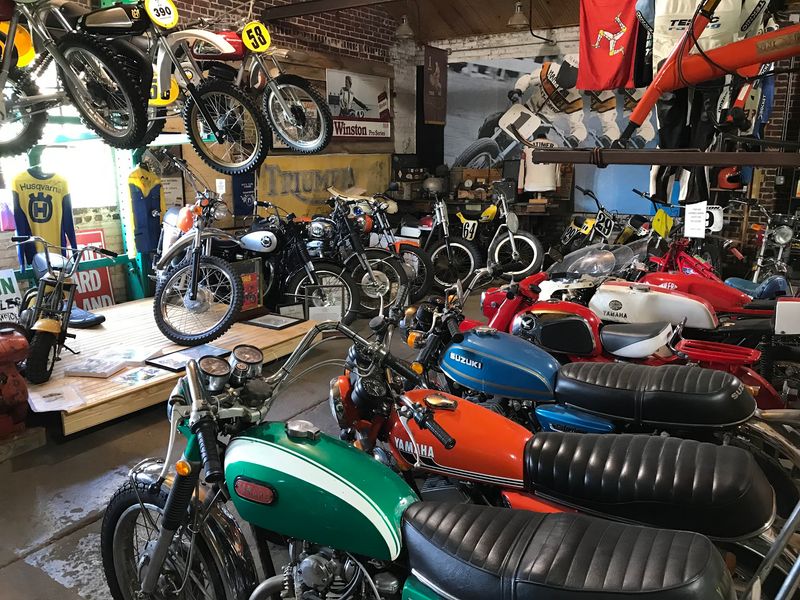
The collection is extensive and varied. Bikes line the floor, gear hangs on display, and memorabilia fills the spaces in between.
Exhibits are laid out and labeled, which helps guests understand what they are looking at. Even people with no riding background can follow the story of each machine.
A few years back, the space was a bit cluttered. Since then, the team has spent time organizing and cleaning, and the layout now feels much easier to explore.
Some guests compare the feel to a well-loved garage workshop rather than a polished city museum. That relaxed style is part of the charm.
It is not a spotless, glass-case kind of place. It is a hands-on, road-worn kind of place, and that fits a Route 66 stop perfectly.
Every corner seems to hold one more machine, so slow down and look twice.
4. Rare Rides You May Never See Again
Plenty of motorcycle museums show the famous names. This one leans into the oddballs too.
The collection includes a lot of rare motorcycles, including some models many riders have never even heard of. A few seem so uncommon that not many could still be rolling around anywhere.
That makes the museum a fun puzzle for enthusiasts. Spotting an unusual brand or design is half the entertainment.
For casual guests, the rarity adds a sense of discovery. Each label can lead to a quick lesson about how motorcycles changed over the decades.
The museum also keeps growing. Longtime regulars say the owners are always adding to the collection, so repeat trips can turn up something new.
That steady growth gives people a reason to come back. A stop that felt complete five years ago may now hold machines that were not there before.
Bring a phone for photos and a little patience for reading the signs. The stories behind these bikes are often as interesting as the bikes themselves.
Rare does not mean stuffy here, and that balance is what keeps curious minds hanging around.
5. Dirt Bikes Get Their Moment
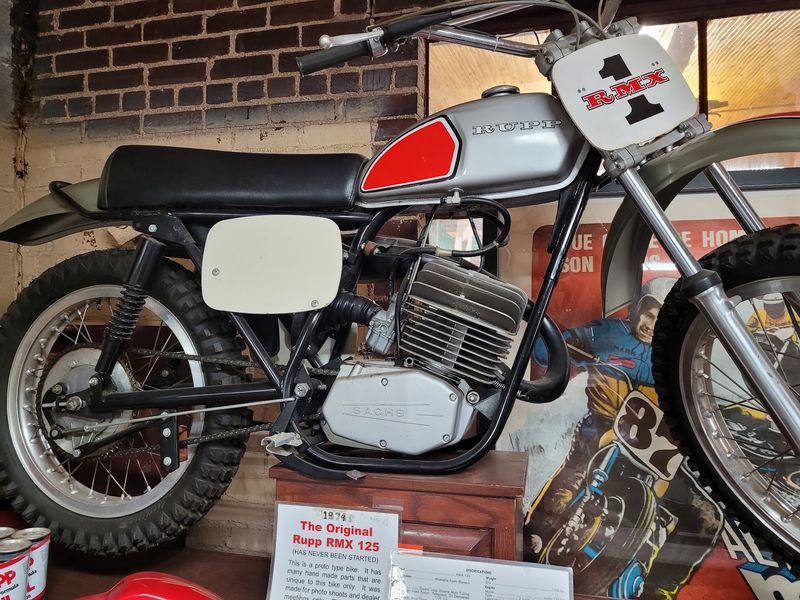
Motocross fans, this section is your victory lap. Many museums barely make room for off-road machines, but this one gives them real space.
The collection holds a large number of dirt bikes. Anyone who grew up racing trails or watching motocross will find plenty to recognize.
That focus sets the museum apart from typical shows of shiny touring bikes. It celebrates the muddy, jump-happy side of riding history.
For families, dirt bikes often spark the most excitement. Kids who have watched races on screens can see older versions up close in person.
Parents who rode in their own youth may end up doing a lot of pointing. Expect stories that start with phrases about back in the day.
The off-road lineup also shows how much design changed over time. Suspension, frames, and styling all evolved quickly as the sport grew.
It is a fun reminder that motorcycling is not only about long highway rides. Sometimes it is about dirt tracks, backyard hills, and weekend races.
Plenty of guests come for Route 66 and leave talking about these trail machines instead.
6. Minibikes, Mopeds, and a Movie Star Chopper
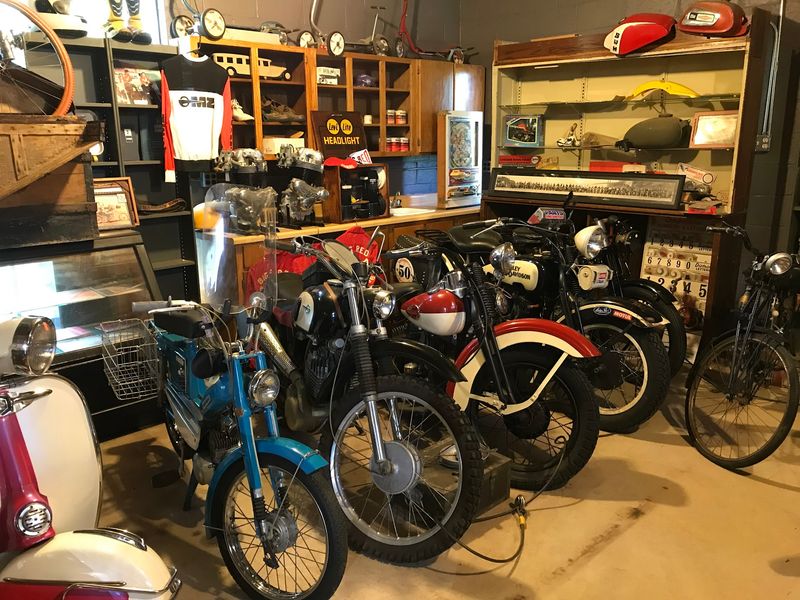
Not everything here has a big engine. Some of the most charming pieces are tiny.
The variety runs from antique bicycles to foreign mopeds, mini cycles, and full-size motorcycles. That range shows how people have gotten around on two wheels across many decades.
Mini cycles tend to be a hit with younger guests. They look like they were built for kids, and some of them probably were.
Mopeds from overseas add another layer. They show that two-wheel travel looked a little different in other parts of the world.
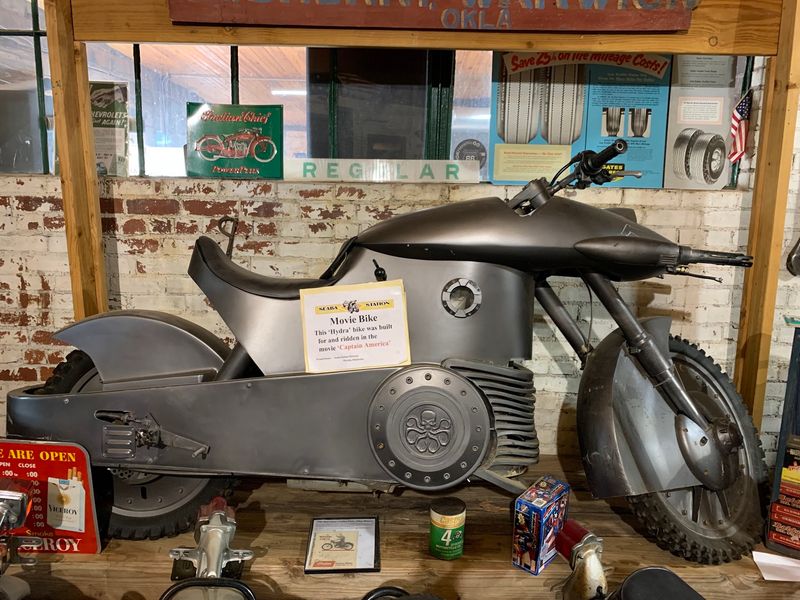
Movie buffs have something to hunt for too. The museum has been known to display a Captain America motorcycle tied to the classic film, which makes for a memorable photo stop.
Antique bicycles round things out by showing where it all began. Before engines, pedal power carried riders down dirt roads.
The mix keeps the visit from feeling repetitive. Just when one style starts to blur together, something completely different appears around the corner.
Small wheels, big personality, and a touch of Hollywood make this corner hard to rush past.
7. An Outhouse With Bragging Rights
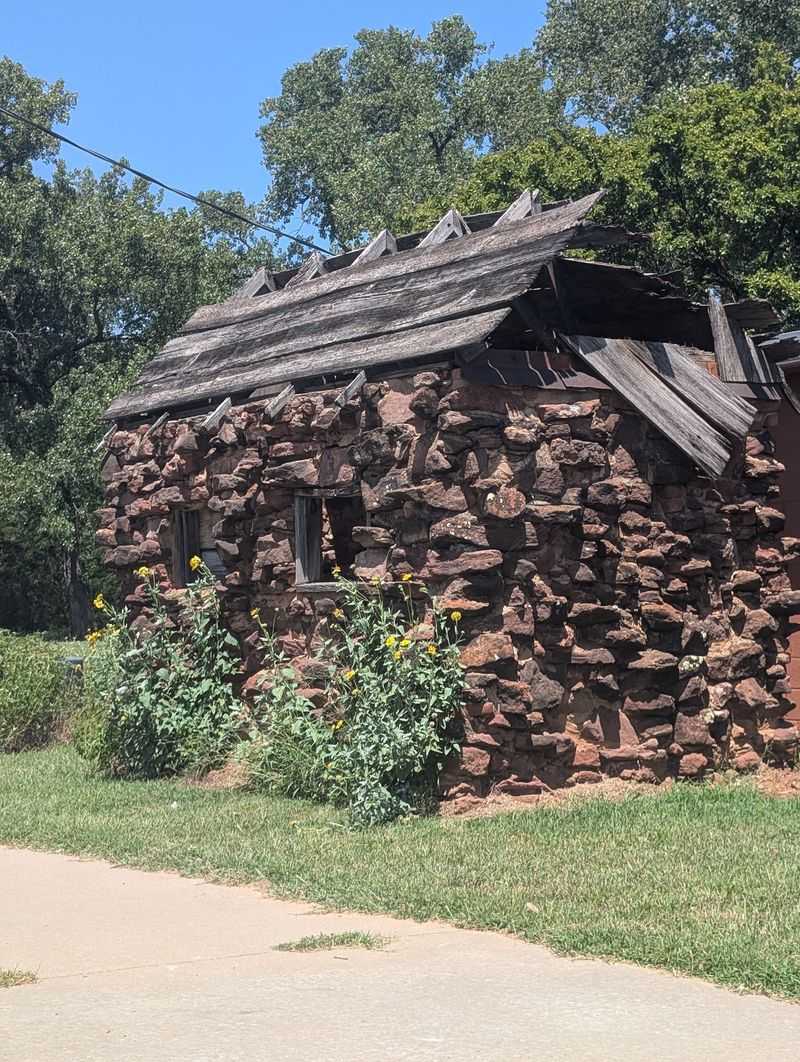
Few museums can claim a famous bathroom. This one can, sort of.
Out back stands a small outbuilding said to be the first plumbed outhouse in Oklahoma. It was used at the service station where the museum now stands.
That claim has turned the little structure into a photo stop of its own. Plenty of travelers make a point of seeing it before heading back to the car.
It also adds a quirky chapter to the station story. Indoor-style plumbing at a rural roadside stop would have been a big deal for travelers at the time.
Kids usually find this detail hilarious, which makes it a great conversation starter. Parents can turn the giggles into a quick lesson on how road travel used to work.
The outhouse ties neatly into the theme of the whole place. Route 66 history is not only about cars and signs, but also about the small comforts that made long trips possible.
Call it the most historic pit stop on the property. Just remember it is a piece of history to look at, not a modern restroom option.
8. Memorabilia Beyond the Machines
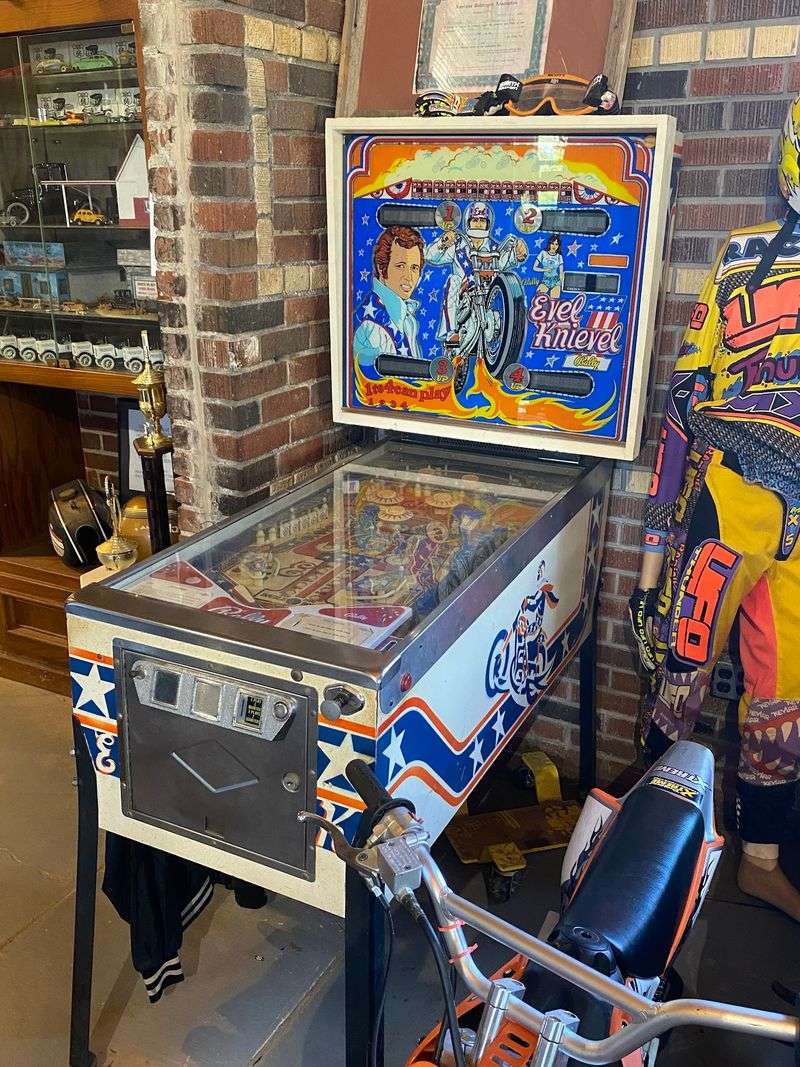
Bikes get top billing, but the supporting cast is strong. Gear, signs, and road relics fill many of the spaces between machines.
The museum holds a good amount of motorcycle gear and memorabilia. These items help show how riders dressed, traveled, and celebrated their hobby over the years.
There is also Route 66 memorabilia mixed into the displays. That blend connects the motorcycle story to the larger story of the highway outside the door.
Antiques and other ephemera add more depth. Small objects often reveal details about everyday life that a big machine cannot.
Many guests describe the experience as a trip down memory lane. Older family members may spot items they owned or saw growing up.
Even non-riders tend to enjoy this part. The history is broad enough that it feels like a time capsule of American road culture.
Give the walls a slow scan. Some of the most interesting finds are tucked between the headline bikes, waiting for sharp eyes to catch them.
9. The People Behind the Counter
A museum can have great exhibits and still feel cold. That is not the issue here.
The staff are known as friendly, laid back, and very knowledgeable. Questions about a strange bike or a forgotten brand tend to get real answers.
Regulars often mention a man named Jerry and suggest stopping to say hello. That small personal touch is a big part of the experience.
The owner also has deep riding roots. He has been described as a Cannonballer, a rider in long-distance vintage motorcycle runs, and he knows a thing or two about roadside fixes.
One story stands out from a few years back. A traveler broke an exhaust pipe nearby, and the owner helped with materials and a good attitude to get the bike going again.
The museum also supports the wider riding community. It has sponsored ride-ins and motorcycle giveaways, which keeps local riders connected.
That kind of help is the old Route 66 spirit in action. Strangers became friends at stops like this, and here the tradition is still running strong.
10. Free Entry and the Donation Jar
Here is the best price tag on Route 66: zero dollars. Admission to the museum is free.
That makes it an easy yes for families watching their spending. A carload of kids can explore a big collection without a ticket line or entry fee.
The museum runs on donations and merchandise sales. Guests are encouraged to drop something in the box to help keep the doors open.
Even a small donation goes a long way at an independent spot like this. It helps pay for upkeep and new additions to the collection.
The free model also makes it a great quick stop. Travelers do not feel pressure to stay for hours to get their money’s worth.
Pairing a visit with a shirt or souvenir is another way to chip in. Many guests choose to do both.
Free fun is hard to find these days, especially with this much history attached. Giving back a little helps keep it free for the next family that rolls in.
11. Hours, Timing, and a Quick Heads-Up
Plan around one quirky day off. The museum is closed on Wednesdays.
On Monday, Tuesday, Thursday, Friday, and Saturday, it is open from 10 AM to 5 PM. On Sunday, the doors open from 12 PM to 5 PM.
Hours can change, so it is smart to check the official website or call ahead before driving out. That is especially true for holiday weekends.
A typical visit takes about 45 minutes, though motorcycle fans may want more time. Many people wish they had blocked out an extra half hour.
The drive is manageable from both of Oklahoma’s big metros. It sits on Route 66 between Luther and Chandler, so it fits nicely into a day spent exploring the old road.
There is also a timing note worth knowing. The owner has reportedly said the museum may close in the near future, so sooner may be better than later.
Nothing is certain, but that heads-up gives this trip a little extra urgency. Put it on the calendar before it slips into the someday pile.
12. Worth the Pull-Off
Route 66 turned 100 in 2026, and stops like this show why the road still pulls people in. It is small, personal, and full of surprises.
The museum holds strong appeal for motorcycle fans. Rare bikes, dirt bikes, and quirky minis make it a treat for anyone who loves two wheels.
Non-riders are welcome too. The history, labels, and road memorabilia make it easy to enjoy without knowing a carburetor from a kickstand.
Families get a free outing with a fun outhouse story and a gift shop full of souvenirs. That is a solid combo for a weekend drive.
The place also carries a strong sense of community. Friendly staff, rider events, and helpful owners give it a warmth that bigger museums often lack.
It is not fancy, and it does not try to be. That honest, garage-style charm is exactly what makes it memorable.
For Oklahomans who love proving their state has more than open prairie, this little station makes a great case. Grab the keys, check the hours, and give the old Mother Road a reason to smile.
Share this story