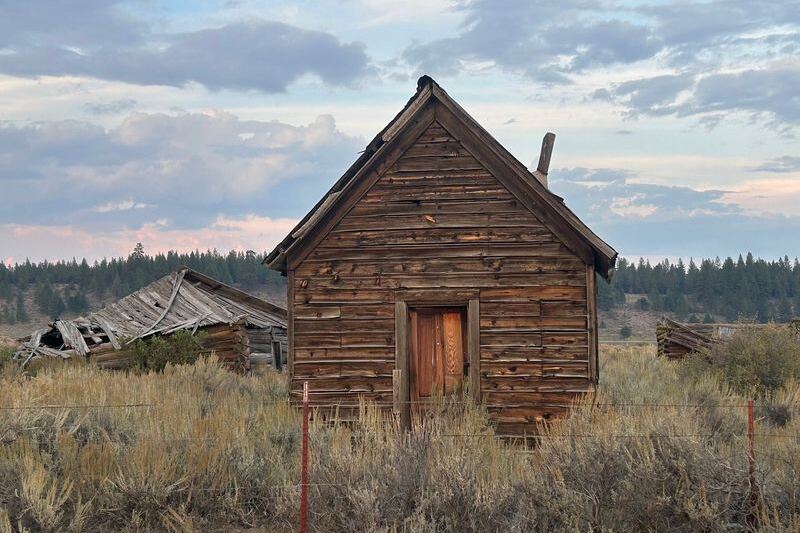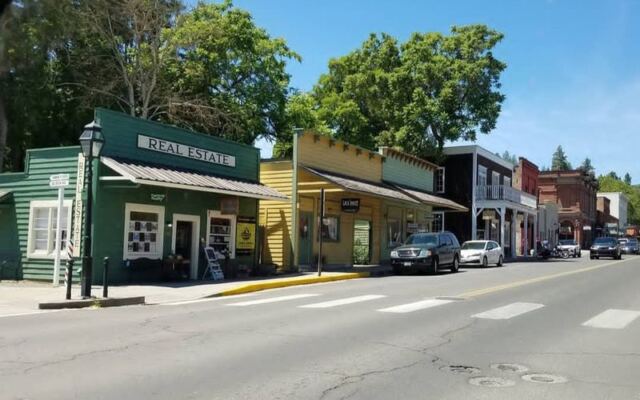
Park the car in Jacksonville, Oregon, and the clock seems to run backward. This small Southern Oregon town was once the busy center of the region during the gold rush years, and a surprising number of its old buildings are still standing. Many carry small plaques telling you what they were long ago, and dozens of signs share stories on nearly every block.
Behind much of the effort to keep those stories alive is a local nonprofit with a big idea: the whole town is the museum. Keep reading to learn who they are, which tours they run, what changes are coming, and how to plan a visit that actually works.
A Nonprofit on North Fifth Street
Every historic town needs a few people who refuse to let old buildings become just old buildings.
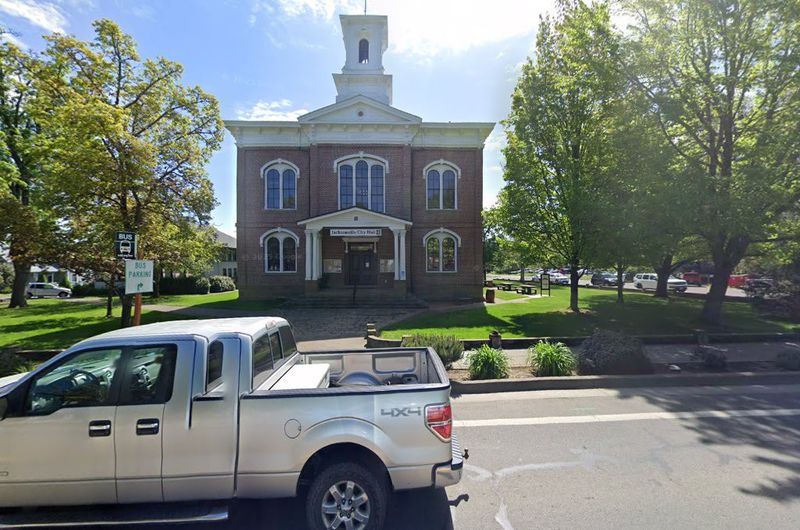
In Jacksonville, that job belongs to Historic Jacksonville, Inc., a nonprofit based at 206 N 5th St, Jacksonville, OR 97530, in the United States. The group is listed as a historical society, and it works right inside one of the most storied small towns in Southern Oregon.
The organization was formed in 2013. Its mission is to help preserve Jacksonville’s National Historic Landmark District by bringing the buildings to life.
That happens through activities, events, programs, and tours. Each one focuses on the history of the structures and the people who built and lived in them.
The group puts it plainly: without those stories, the district would just be old buildings with names and dates on them. That idea shapes nearly everything they do.
For locals who care about keeping familiar places alive, the address on North Fifth Street is a good one to know. For travelers, it is the starting point for understanding why this town looks the way it does.
And the story behind that look goes back a long way.
From Gold Rush Camp to Regional Hub
Gold has a way of putting places on the map in a hurry.
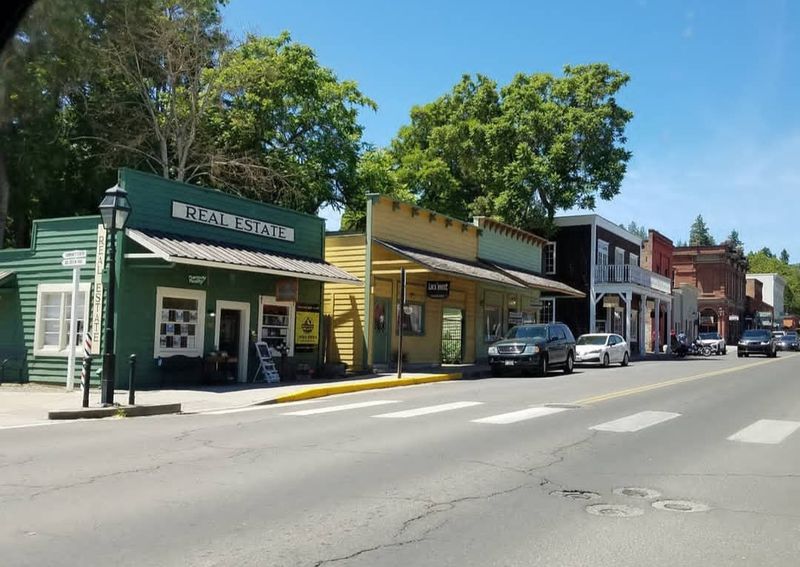
Jacksonville began as a gold rush town, and it grew into the late 19th century hub of Southern Oregon. Interpretive signs around town describe its role as a political, economic, and social powerhouse during the early development of the region.
That kind of importance left behind a lot of buildings. It also left behind a lot of stories about the people who passed through.
The town later declined, and that slowdown is part of why so much was saved. Historic Jacksonville, Inc. plans to explain both the rise and the decline, along with the events that led to preservation.
It is a neat twist of history. Sometimes a town keeps its past simply because the future moved somewhere else for a while.
Artifacts from the old Table Rock Saloon even make up the bulk of the Southern Oregon Historical Society’s early collection. That gives you a sense of how central this place once was to the whole region.
Today, the district holds National Historic Landmark status. The gold may be long gone, but the history pays out every day.
The Museum Without Walls Idea
Most museums keep history behind glass. Jacksonville keeps it on the sidewalk.
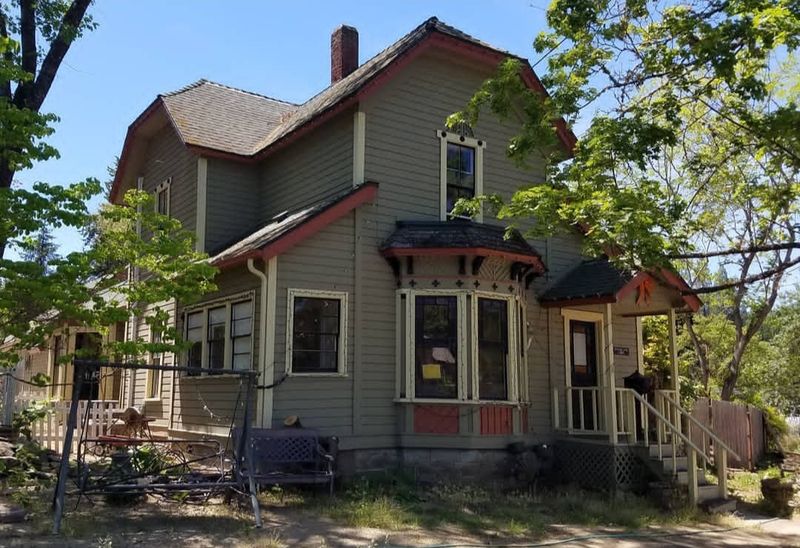
Historic Jacksonville, Inc. describes the entire district as the museum. Their plan is to build a citywide Museum without Walls, where streets, homes, and storefronts become the exhibits.
The concept fits the town well. Dozens of interpretive signs already stand around the city, and most buildings carry small plaques naming their original purpose.
The idea is to connect all those pieces into one experience. Guided tours, self-guided printed tours, and virtual tours on a smartphone app are all part of the vision.
The app approach is especially thoughtful. People can pick a preset route or build their own based on interests, available time, or physical limitations.
That flexibility matters for families with young kids and for older travelers who want shorter routes. Nobody has to march the whole district to get the full story.
It is preservation with a practical streak. And it all starts in one particular building near the center of town.
Old City Hall Gets a Second Act
Some buildings retire. Old City Hall in Jacksonville is getting a new job instead.
The building was renovated in the 1980s, and inside are displays and pictures in the old courtroom, the old fire station, and the only remaining jail cell. For a time those spaces were closed off to the public.
Historic Jacksonville, Inc. made reopening Old City Hall one of its major projects. The goal is to turn it into the base for the Museum without Walls.
Inside, the plan is to give an overview of how the gold rush town became the regional hub. It will also introduce the many ways people can explore the district afterward.
A museum design firm was brought in to create plans, and fundraising has supported the conversion. The fire museum is part of the plan too, with the aim of opening on a regular basis again.
The group also announced a new Jacksonville History Center that would be open every day. Checking the website before a trip is the easiest way to confirm what is currently open.
One jail cell, one courtroom, and a fire station under one roof. Not bad for a building with a long résumé.
Free Saturday Walks Through History
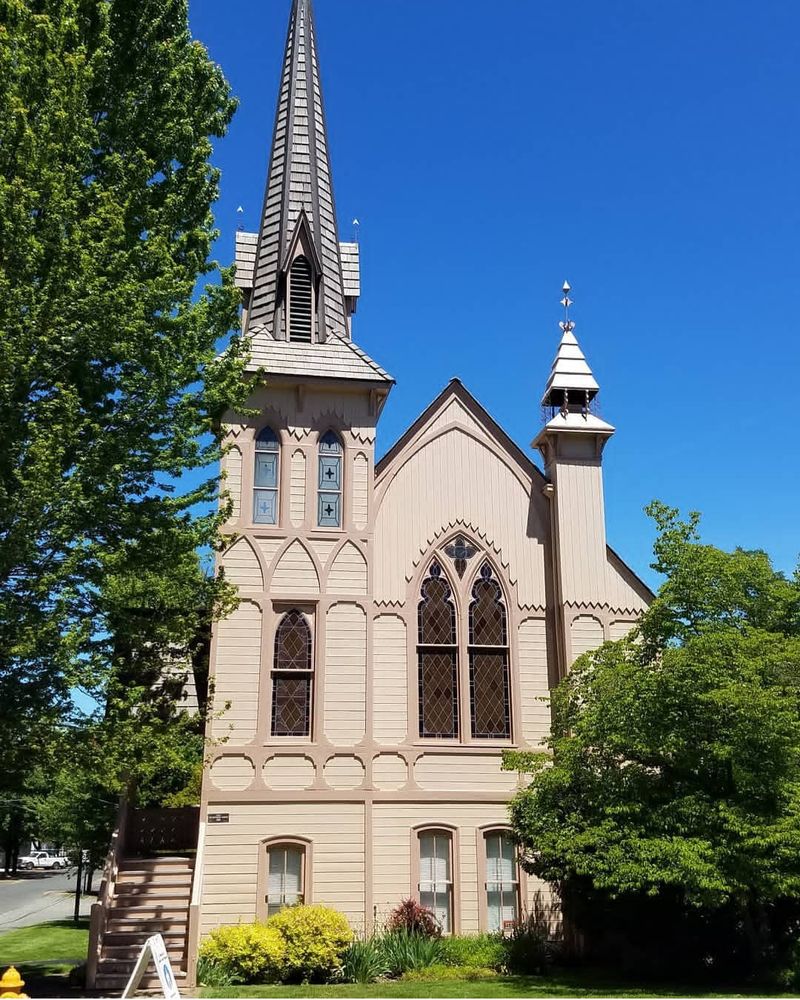
Free is a rare word in travel planning, so it deserves attention here.
During the summer, Historic Jacksonville, Inc. offers free Walk through History tours every Saturday. It is one of the easiest ways to get oriented in town without spending a cent on admission.
A guided walk adds something that signs alone cannot. Guides can connect the buildings to the people who built and occupied them, which is the heart of the group’s mission.
For Oregon families watching their budgets, a free weekend history outing is a real win. Parking the car and walking is the whole plan.
The district is compact, so the walking is manageable for most people. It is the kind of outing that fits neatly into a Saturday morning.
All tours are staffed by volunteers. That is worth remembering, because schedules can shift if helpers are suddenly unavailable.
Checking the website, Facebook, or Instagram before heading out is the smart move. A quick look can save a wasted trip and keep the day on track.
The Oldest Bank in the Pacific Northwest
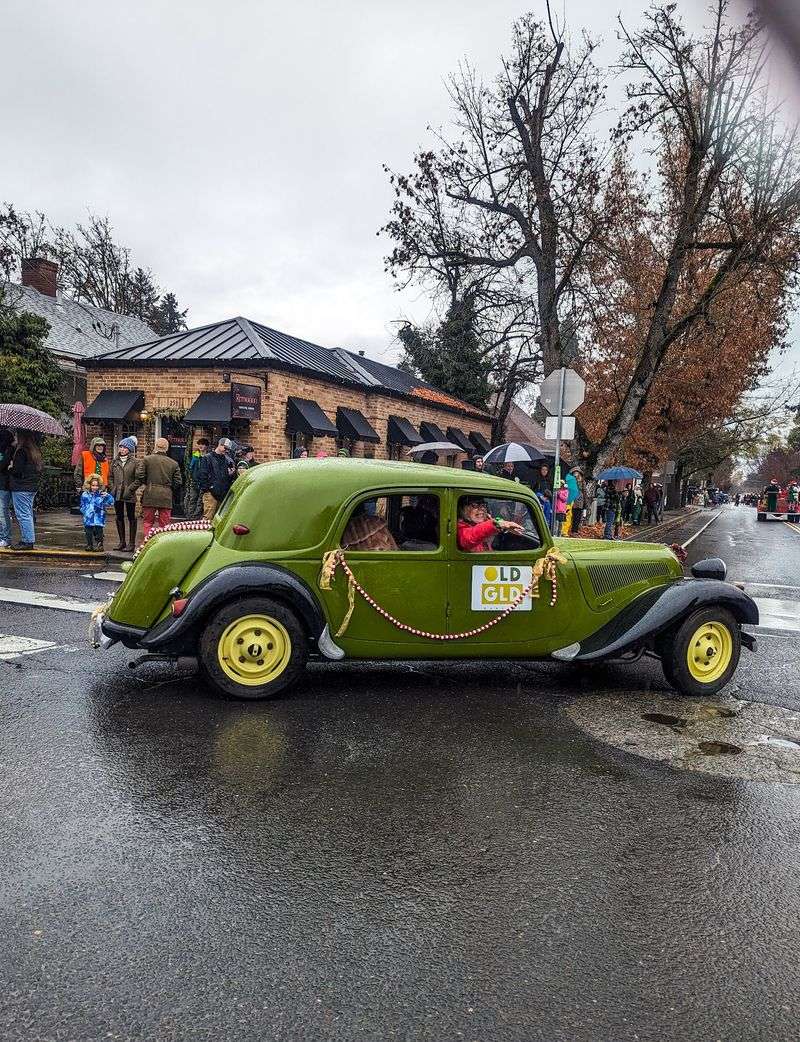
Here is a fun fact for trivia night. Jacksonville holds the oldest financial institution in the Pacific Northwest.
The Beekman Bank is open every weekend during the summer, according to Historic Jacksonville, Inc. It offers a direct look at how money moved through a gold rush town.
In a place built on gold, a bank was more than a convenience. It was a center of daily business for miners, merchants, and families.
Seeing it in person makes that history easy to grasp. Kids especially tend to find old banks more interesting than expected.
The bank pairs nicely with a Saturday walking tour. A weekend visit can cover both without much planning.
Hours tie to the summer season, so timing matters. Visiting outside summer means checking ahead for current openings.
Plenty of towns claim old buildings. Few can claim the oldest bank in an entire region, and that one deserves a stop.
Victorian Life at Beekman House
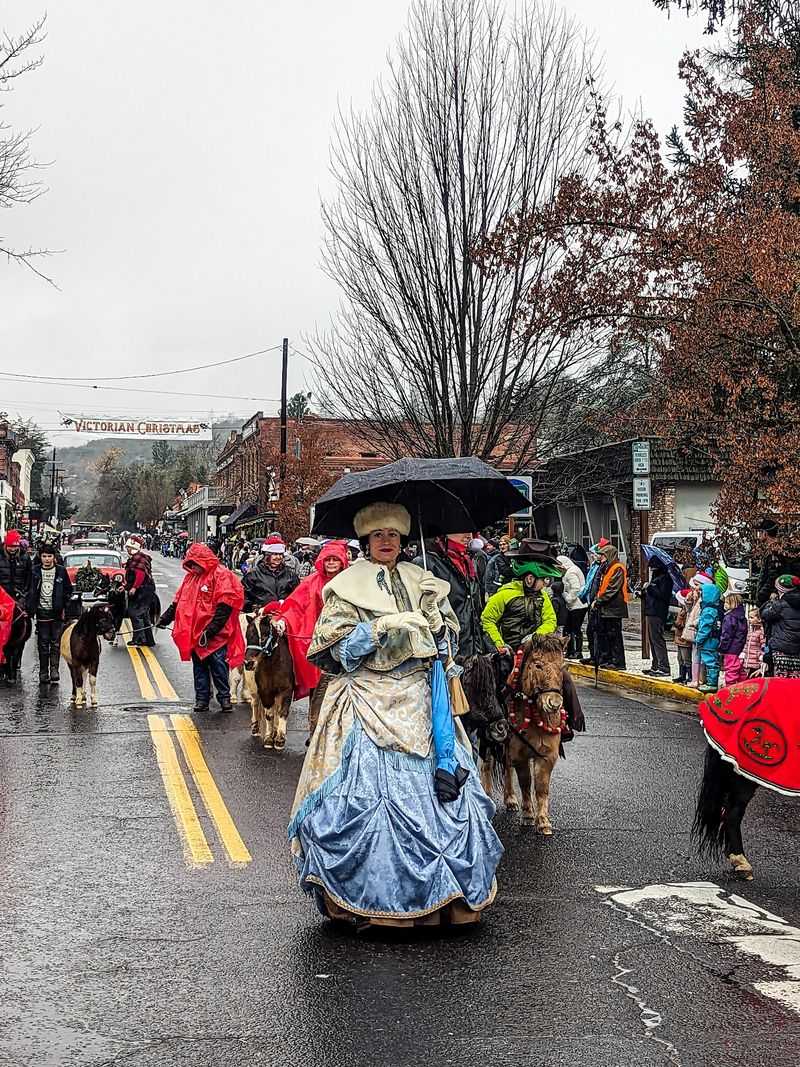
The Beekman name shows up more than once in Jacksonville, and for good reason.
Historic Jacksonville, Inc. runs Beekman House Victorian Travel tours on a monthly basis. These tours focus on life in the Victorian era inside a historic home.
House tours like these turn history into something personal. Instead of dates on a plaque, the focus shifts to the household that lived there.
Because volunteers staff every tour, cancellations can happen. One such cancellation was caused by a medical emergency that removed two volunteers at the last minute.
In that case, the group posted updates on social media and its website, refunded or rebooked tickets, and put up flyers. A volunteer even walked town to remove outdated notices.
The lesson for planners is simple. Flyers in shop windows may be old news, so the website, Facebook, and Instagram are the best sources.
Booking ahead and confirming the day before makes for a smoother visit. The Victorians loved a good schedule, after all.
A Victorian Christmas Every Weekend
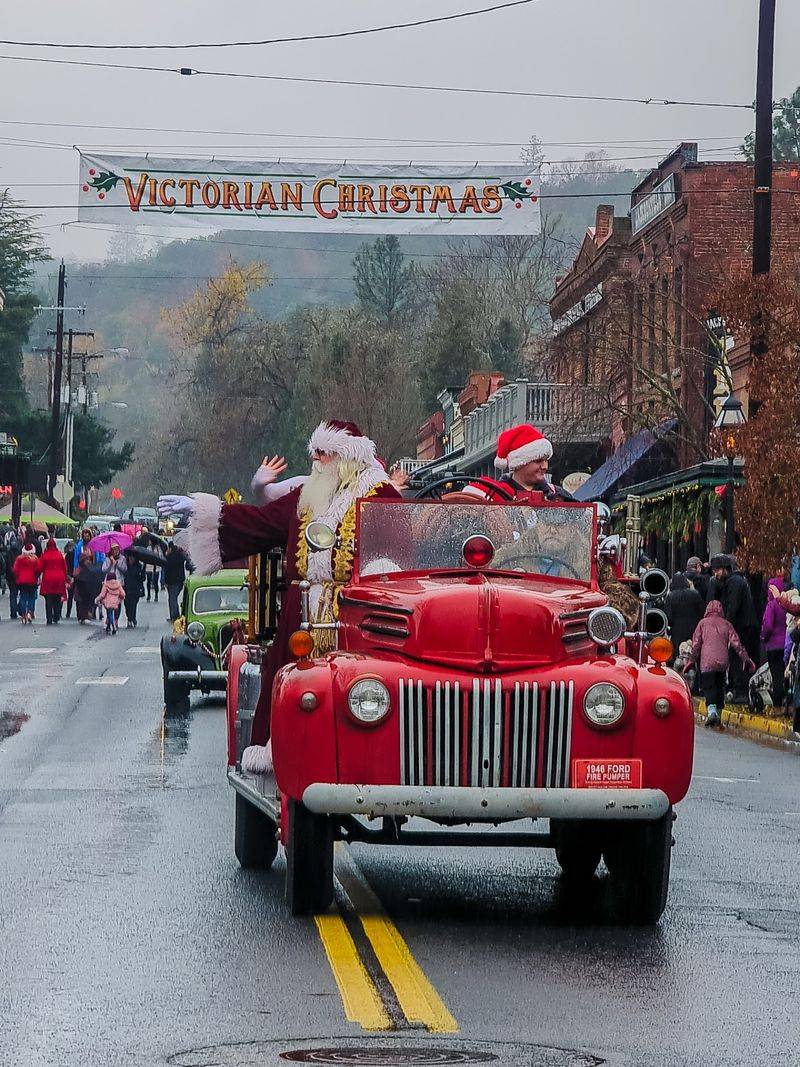
Holiday traditions do not get much more old-fashioned than this.
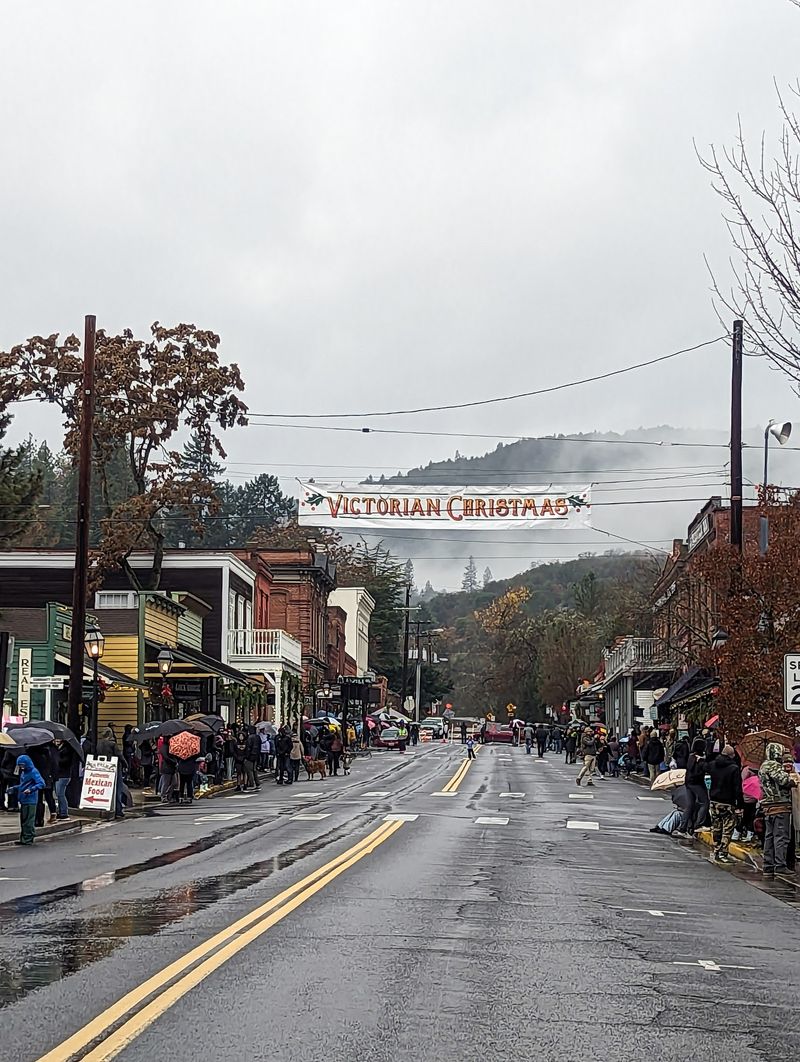
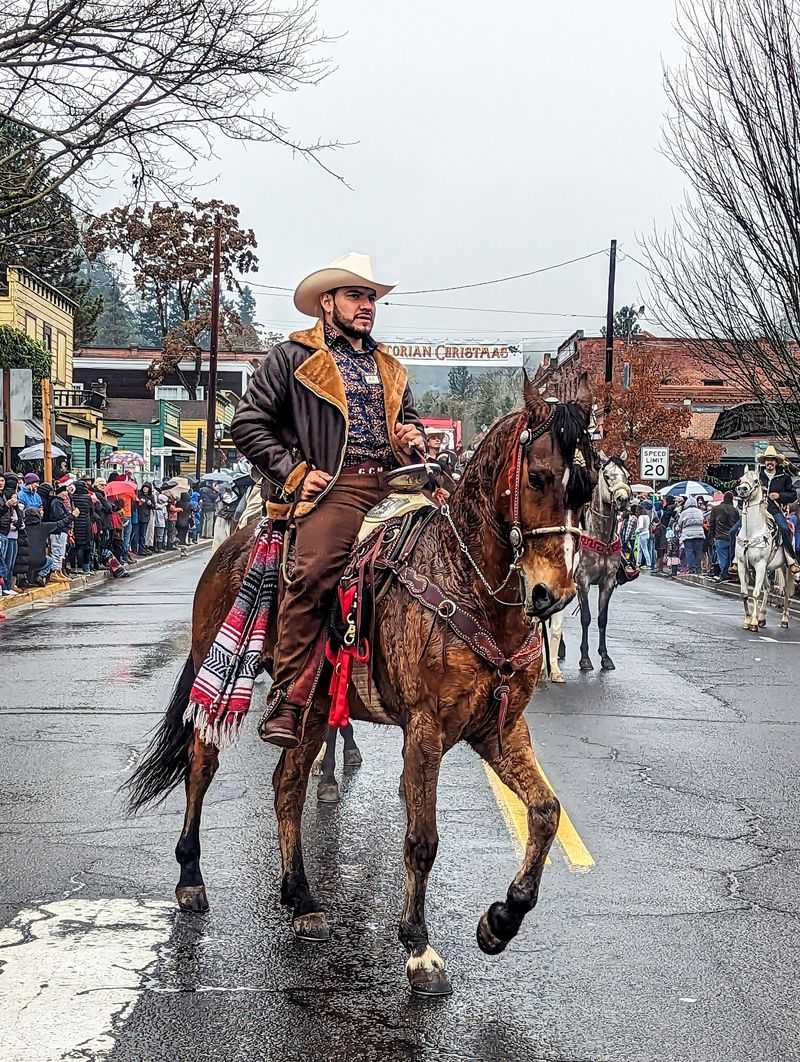
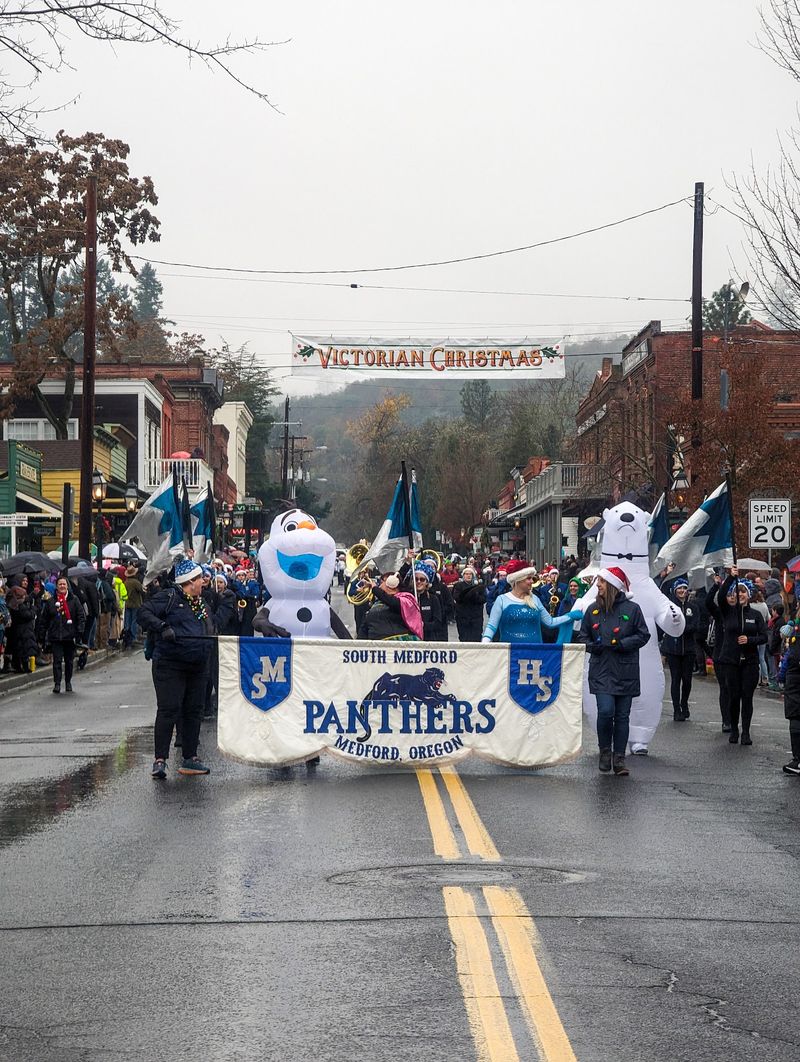
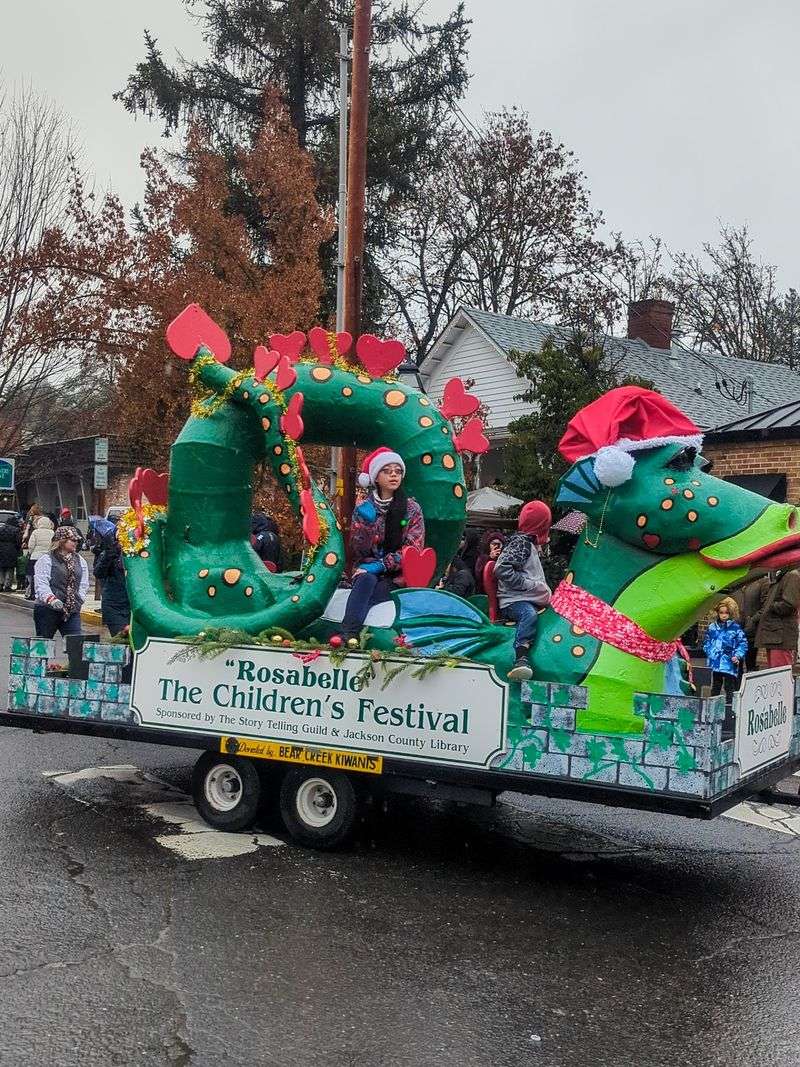
Historic Jacksonville, Inc. offers Beekman House Victorian Christmas tours every weekend. The season runs from the Saturday after Thanksgiving through the Sunday before Christmas.
That window gives families several chances to fit a visit into a busy December. It also makes a nice local alternative to crowded holiday shopping trips.
A historic home dressed for the season fits Jacksonville’s character well. It connects modern holiday plans with how the town celebrated more than a century ago.
For Southern Oregon residents, this can become an annual tradition close to home. Traditions like these help keep familiar places alive year after year.
Tickets and times are best confirmed online before going. Weekend dates can fill up during the holidays.
Consider it a holiday card from the 1800s, delivered in person.
Haunted History After Dark
Not every history lesson happens in daylight.
From June through October, Historic Jacksonville, Inc. offers monthly Haunted History tours. The haunted tour has been called a fantastic touch to the town’s historic offerings.
Spooky tours tend to pull in people who might skip a standard walk. Teens and adults who like a good legend often find this the most fun option.
The stories still tie back to real buildings and real people. That keeps the experience grounded in the town’s actual past.
Since these run monthly, spots can be limited. Reserving early is a good idea, especially as October approaches.
It is a playful way to spend an evening in a very old town. Just be ready for a few goosebumps of the historical kind.
Like every tour here, it relies on volunteers, so checking for updates beforehand is wise.
Telling the Story of Chinese Residents
Good history includes everyone who helped build a place.
Jacksonville shares a lot of information about its Chinese population. That addition has drawn praise as something historic towns are increasingly doing as older interpretations get revisited.
Gold rush towns across the West depended on many communities. Including those stories gives a fuller picture of how Jacksonville worked.
For students and curious travelers, this adds real depth to a walk through town. It turns a pretty district into a more honest record of the past.
Historic Jacksonville, Inc. focuses on the individuals who built and occupied the buildings. That approach naturally widens the cast of characters.
It is a quieter part of the visit, but an important one. The town’s history is richer for it.
Look for these details while following the signs around the district.
Peter Britt’s Sequoia and Other Outdoor Stops
One tree in Jacksonville has a family story attached to it.
In the Britt Gardens stands a sequoia that Peter Britt planted for his son. It has been described as worth seeing and amazing, and it stands out as a highlight.
The gardens themselves have seen changes, with the sequoia remaining the major plant left. Still, the tree alone makes the short detour worthwhile.
Jacksonville’s historic cemetery is another outdoor stop. A self-guided cemetery tour is available every day.
From May through September, the Friends of Jacksonville’s Historic Cemetery offer monthly History Saturdays. These add a guided layer to an already interesting site.
Outdoor stops like these are free-flowing and easy to fit between other plans. They also give kids room to stretch.
A single tree planted for a son, still standing generations later, says plenty about how history grows.
Trolleys, Music, and a Busy Summer Calendar

Summer turns Jacksonville into a full calendar.
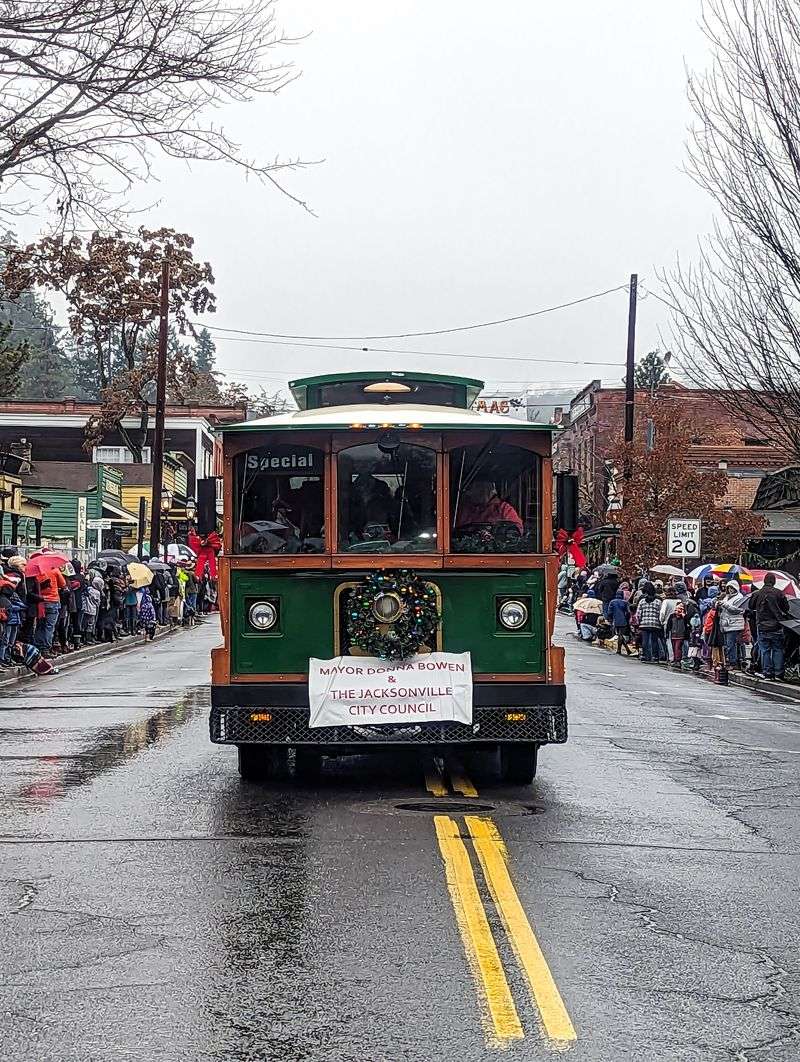
The Jacksonville Chamber offers History Trolley rides Tuesdays through Sundays during the summer. That is a great option for anyone who prefers riding to walking.
Britt Festivals brings entertainment multiple times each week during its summer season, with something for many musical tastes. Local spots also host entertainment on many weekend nights year round.
Monthly events round things out. Several celebrate the heritage of Jacksonville and Jackson County.
Historic Jacksonville, Inc. works alongside the City, the Chamber, and other organizations. The shared goal is putting a greater emphasis on the town’s unique history.
All of that activity means there is usually something happening. Even if one tour changes, other options fill the day.
A trolley ride plus a free walking tour makes a solid, budget-friendly summer weekend.
Honest Expectations for a Small District
Setting expectations makes any trip better, and Jacksonville is no exception.
The historic district is small, and the town is lived in, with modern businesses mixed among older buildings. Some people arrive expecting a large frontier attraction and find a working town instead.
A few structures have been adapted for modern use, and some signs have gathered dirt over time. Historic Jacksonville, Inc. has openly agreed with several of these observations.
The group shared those concerns with the Chamber of Commerce and the Mayor. That kind of response shows a community that wants its familiar places to last.
On the bright side, the buildings are well preserved overall, and there are lots of interesting ones to admire. The signs and plaques give steady context on almost every block.
Preservation is ongoing work, not a finished product. Supporting tours and programs helps keep it moving.
Come for a real town with real history, and it delivers.
Planning a Visit That Works
A little planning goes a long way in a town run partly on volunteer energy.
The best sources for current tour details are the website at historicjacksonville.org, plus the group’s Facebook and Instagram pages. Older flyers around town may not reflect the latest changes.
Summer is the busiest season, with free Saturday walks, weekend Beekman Bank hours, and trolley rides. Fall brings Haunted History tours, and December belongs to Victorian Christmas weekends.
GPS self-guided tours were also announced, letting people explore on their own schedule. The self-guided cemetery tour runs every day.
Once the car is parked, the district is easy to cover on foot. Pick a route, follow the plaques, and let the stories unfold.
For Oregonians, this is a chance to support a familiar place that depends on local care. Every tour ticket and volunteer hour helps keep the 1800s visible.
Jacksonville may be small, but its history runs deep. It is well worth an afternoon, and probably a return trip.
Share this story