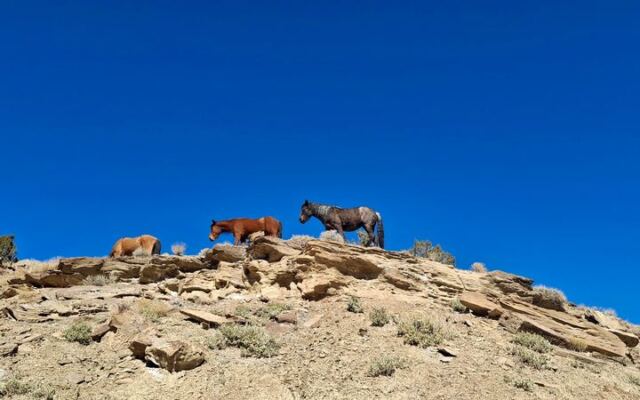
A short drive from the orchards and neighborhoods of the Grand Valley, the pavement gives way to sandstone, sagebrush and canyon floors where horses live on their own terms. Nobody feeds them, nobody saddles them, and nobody can promise they will show up on your schedule. Some folks spot a stallion on a ledge within the first mile, while others leave with nothing but tracks and a great sunset.
That uncertainty is part of the appeal. The country itself is big, rugged and refreshingly free of resort crowds, which makes it a natural fit for Western Slope locals and Front Range residents looking for a getaway that costs little more than a tank of gas. Read on for what makes this place special, how to reach it without getting lost, and the weather warning every driver should take seriously.
1. A Wild Corner Above Clifton
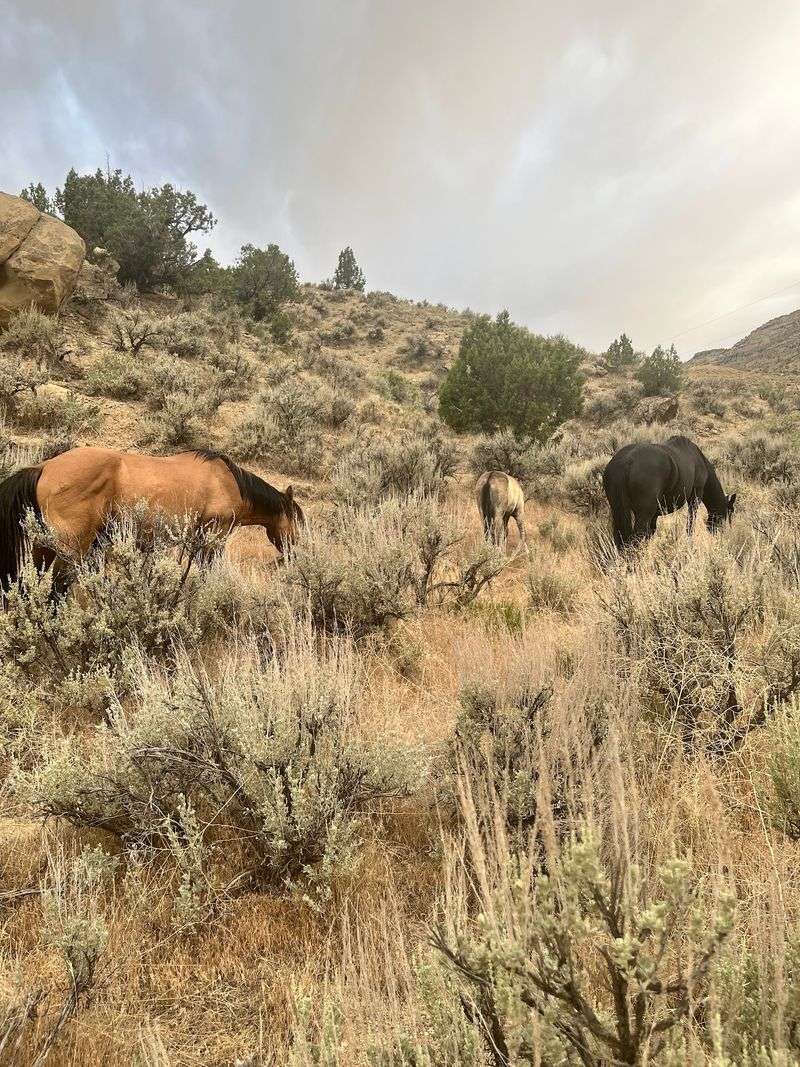
Few places this close to town still belong to the horses. Little Book Cliffs Wild Horse Range sits above Clifton, CO 81520, in western Colorado, on the edge of the Grand Valley.
The range is managed by the Bureau of Land Management as a herd management area. It is listed as a wildlife refuge, and that label fits the mood of the place.
Grand Junction residents have it practically in their backyard. The trails are not far from the city, so a morning or afternoon trip is realistic for anyone living nearby.
The landscape is made up of large cliffs, deep canyons and wide-open country. Wash bottoms and ridgelines give hikers and drivers plenty of routes to explore.
Those living on the Front Range will find it a longer haul, but the payoff is a place that feels far removed from busy trailheads. Crowds are rarely the problem here.
The bigger challenge is simply finding the right entry point, a puzzle covered later in this story. First, though, comes the main attraction with four legs and a free spirit.
2. The Horses Who Run the Show
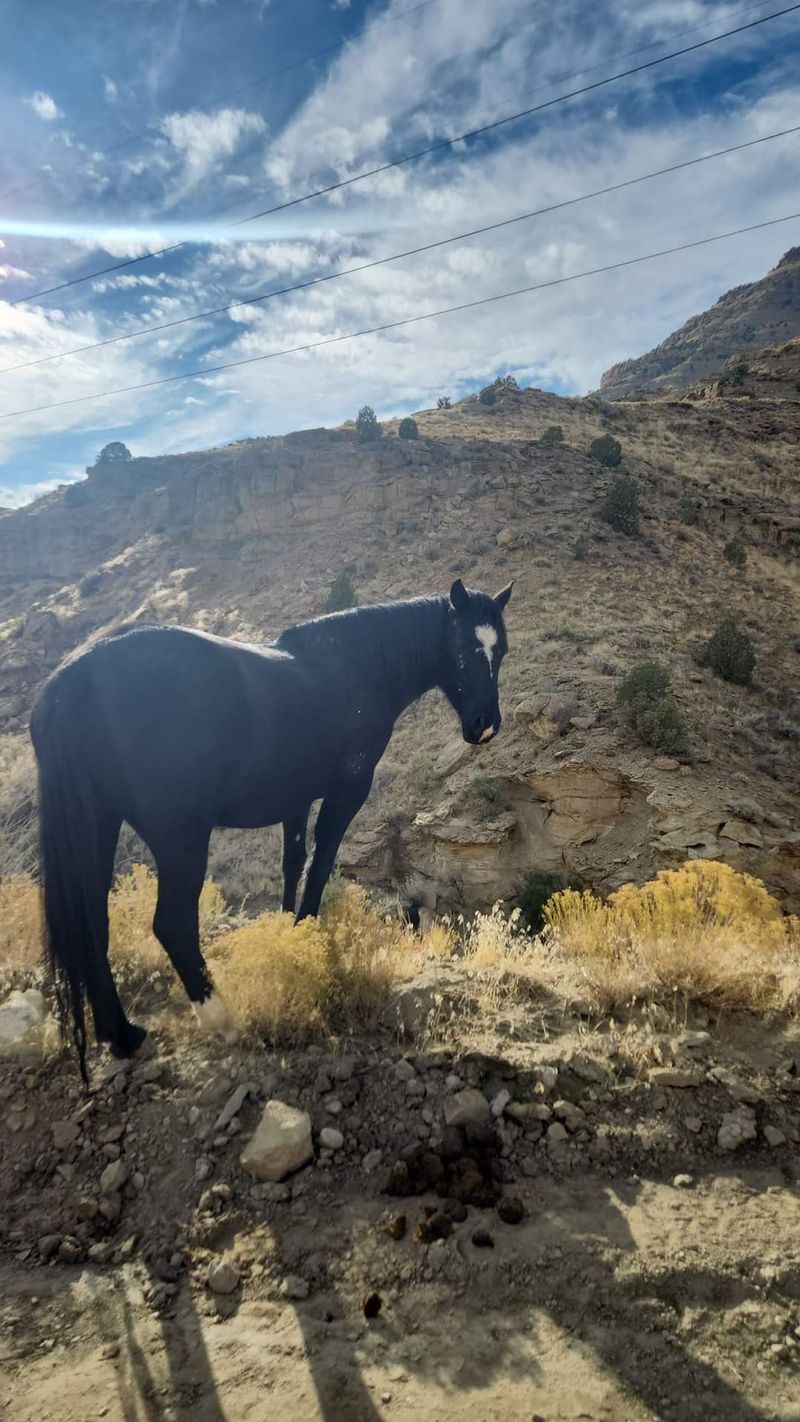
Spotting a wild horse here can feel like winning a small lottery. Some trips deliver a full family band, with a stallion watching from the cliffs and colts trailing behind their mothers.
Hikers have come across horses about a mile into a relatively flat trail. Others have counted nine animals in a single March outing without walking the entire route.
Spring sightings come up again and again. A group riding a UTV saw four horses in April, proof that hikers are not the only ones who get lucky.
Then there are the days when the horses keep to themselves. Plenty of people leave having seen only droppings on the trail, which at least confirms the herd was nearby.
The range is remote, and reaching the horses can turn into an all-day commitment. Patience matters more than speed.
The key is to treat any sighting as a bonus rather than a guarantee. The horses are not on a timetable, and that is exactly why seeing them stays memorable.
3. Cliffs, Canyons and Coal Seams
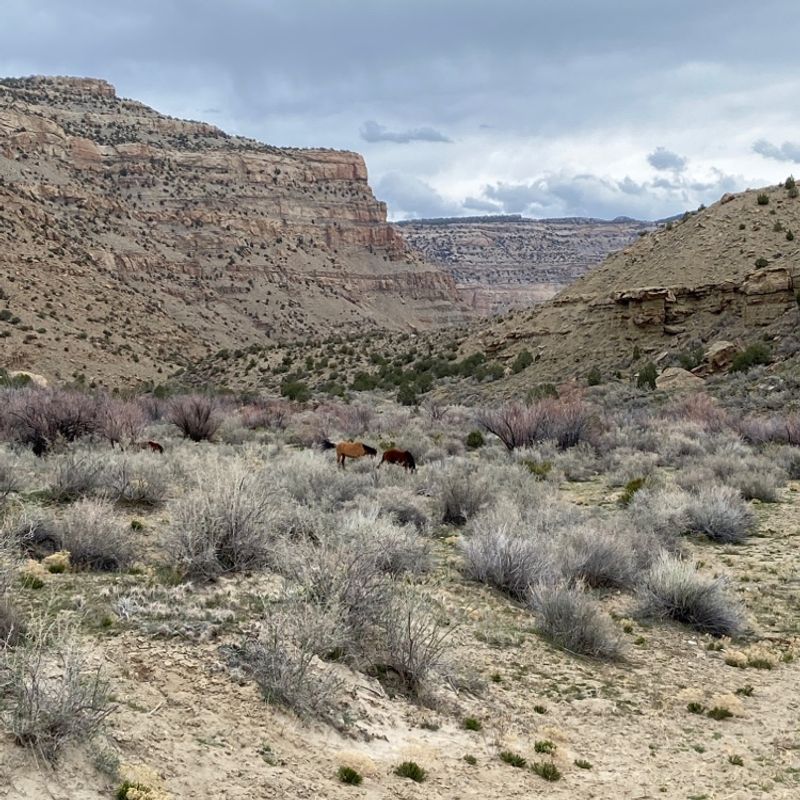
Geology does a lot of the storytelling out here. Large cliffs frame the range, and deep canyons cut through the high country in every direction.
Along certain paths, a dark coal layer shows up in the ground. That coal is tied to the mining that once operated nearby, a reminder that the Book Cliffs have a working history as well as a wild one.
For Grand Valley residents, that detail connects the scenery to local heritage. The same rock that shelters the horses once supported jobs in the area.
The landscapes stretch on and on. Many describe them as surreal, with ridges and drainages unfolding one after another.
A hike can follow the river bed for miles. One group traced it about four miles before climbing a hill that overlooked Fruita or Grand Junction.
Beyond the horses, other wildlife is part of the experience too. The range is home to plenty of creatures, so keeping an eye out pays off even on horseless days.
4. Trails Made for Boots
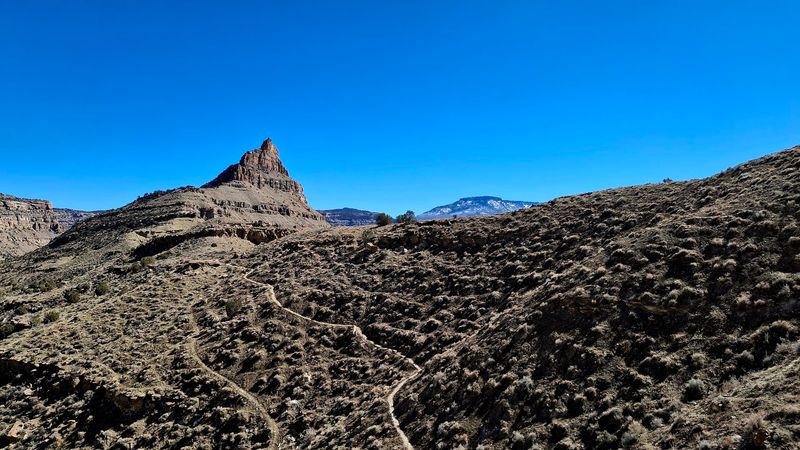
Good news for walkers: the hiking here is not reserved for mountain goats. Trails are easy to follow, and plenty of options let hikers shape their own route.
Maps and signs on site are solid, and the horses are often not hard to find once on the trail. A short stroll can work, or a longer trek can head up the river farther into the canyon.
Several routes are relatively flat. That makes them a reasonable choice for retirees, families and anyone who wants scenery without a punishing climb.
Shorter outings also make sense for a quick escape from town. Some locals treat it as an easy day trip with views over the city.
The flexibility is a big plus. A visit can last an hour or stretch into a full day, depending on energy and luck with the herd.
Just remember that easy terrain does not mean easy conditions. The heat out here has its own opinion, as the next sections explain.
5. Four Wheels, Jeep Roads and Brushy Bypasses
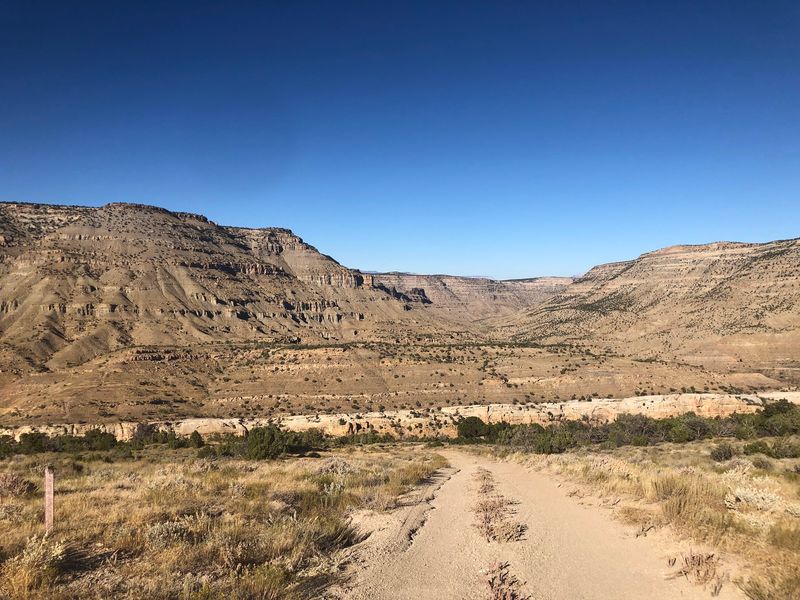
Got a Jeep that has been begging for dirt? The range is known as a great jeep trail with excellent views along the way.
Off-roading is a big part of the appeal. Side by sides, UTVs and 4×4 rigs all find routes worth tackling.
A semi-capable off-road vehicle helps a lot. Four-wheel drive is advised, and some people have wished they had brought a truck instead of a smaller car.
Rental cars tend to run out of road. One group drove as far as possible, then finished the outing on foot.
Brush lines many of the routes and can scratch paint. Plenty of bypasses exist, so careful route choices can spare a vehicle some wear.
The 4×4 network also reaches trails up the backside of the Book Cliffs. From the top, the whole valley spreads out below, a view worth the bumpy ride.
6. Sunsets, Arches and a Valley Below
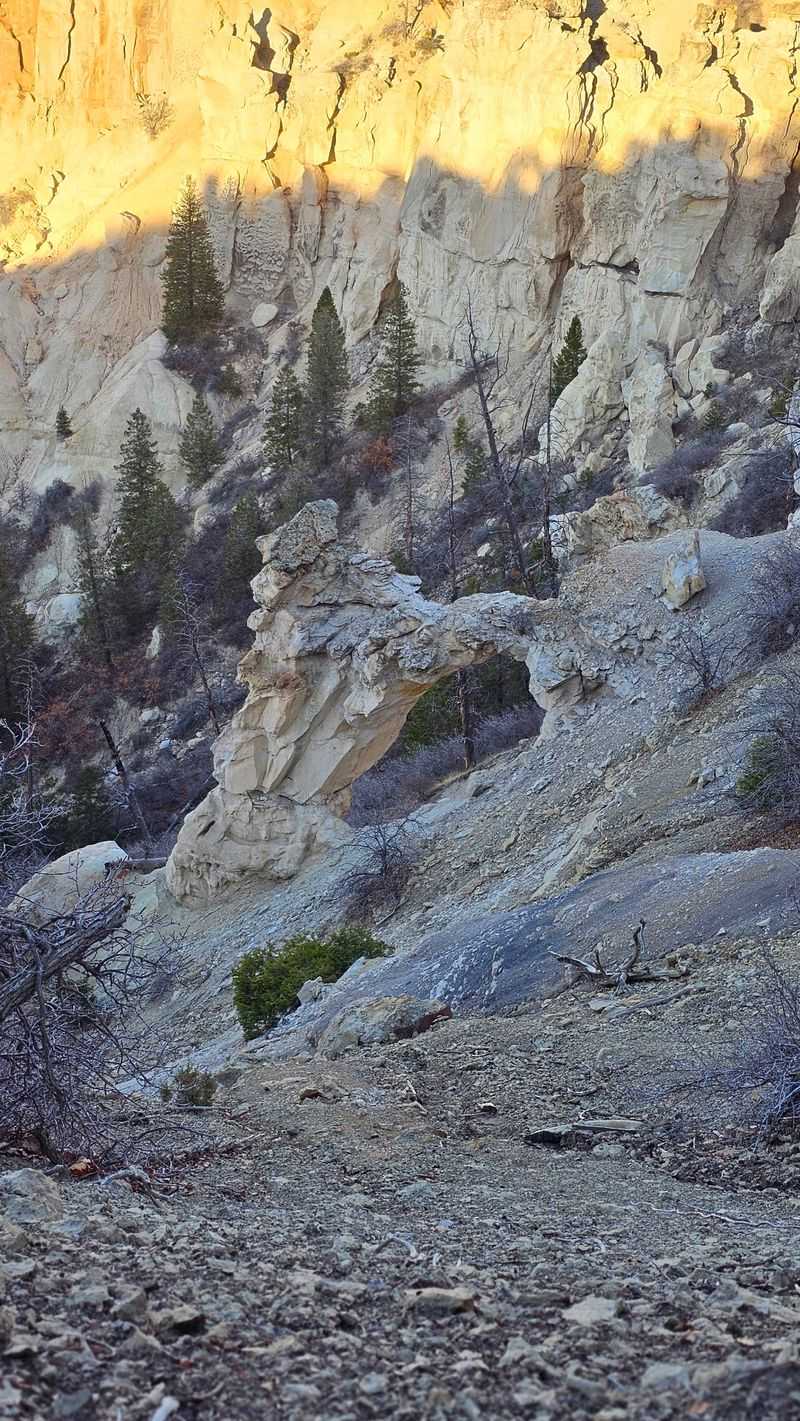
Not every highlight has a mane. Sunset from the top of the cliffs is called legendary, and it can make a horseless day feel complete.
Hidden behind Mount Garfield sits Fissure Arch. It is a lesser-known feature that rewards explorers willing to look beyond the main routes.
Ridgetop trails offer views across the valley. Locals enjoy heading up for a look over the city on short trips.
The country here is often described simply as beautiful. More than a few people have shrugged off missing the herd because the scenery carried the day.
That makes the range a good pick for photographers and anyone who likes a wide horizon. It also suits couples looking for a low-cost outing away from the kids.
Timing a drive or hike to end near sundown adds a fine finale. Just plan the return carefully, since darkness and rough roads are not a great pairing.
7. Rain Changes Everything
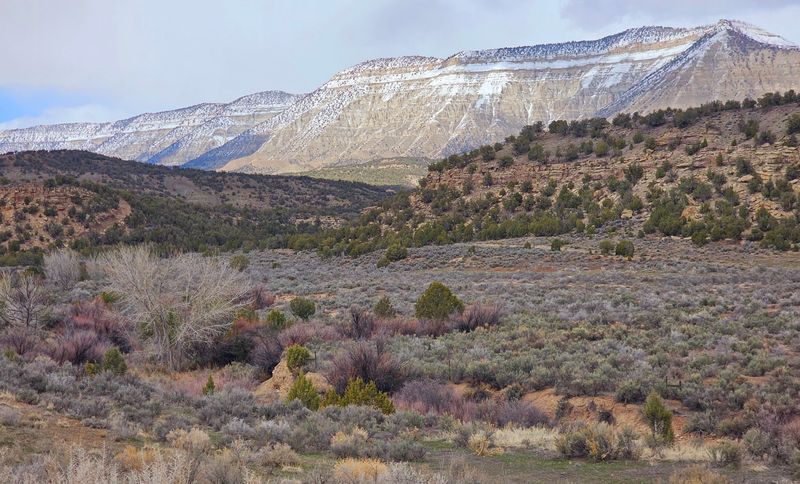
Here is the rule locals repeat most often: skip the trip when rain is in play. Many routes run through ravines and washes, where water collects fast.
Wet weather turns roads muddy. Flash floods can trap vehicles and even wash out sections of road.
Driving or hiking in the bottom of a drainage during a storm is a poor gamble. Checking the forecast before heading out is simply smart planning.
Washes also hide surprises in dry weather. Drops of nearly two feet have stopped low-clearance vehicles in their tracks.
Heat is the other big factor. The area gets extremely hot and dry, so bringing plenty of water is essential for every hiker and driver.
Cooler months such as March and April have produced memorable horse sightings. Those spring windows may offer a more comfortable balance of temperature and activity.
8. Getting There Without Getting Lost
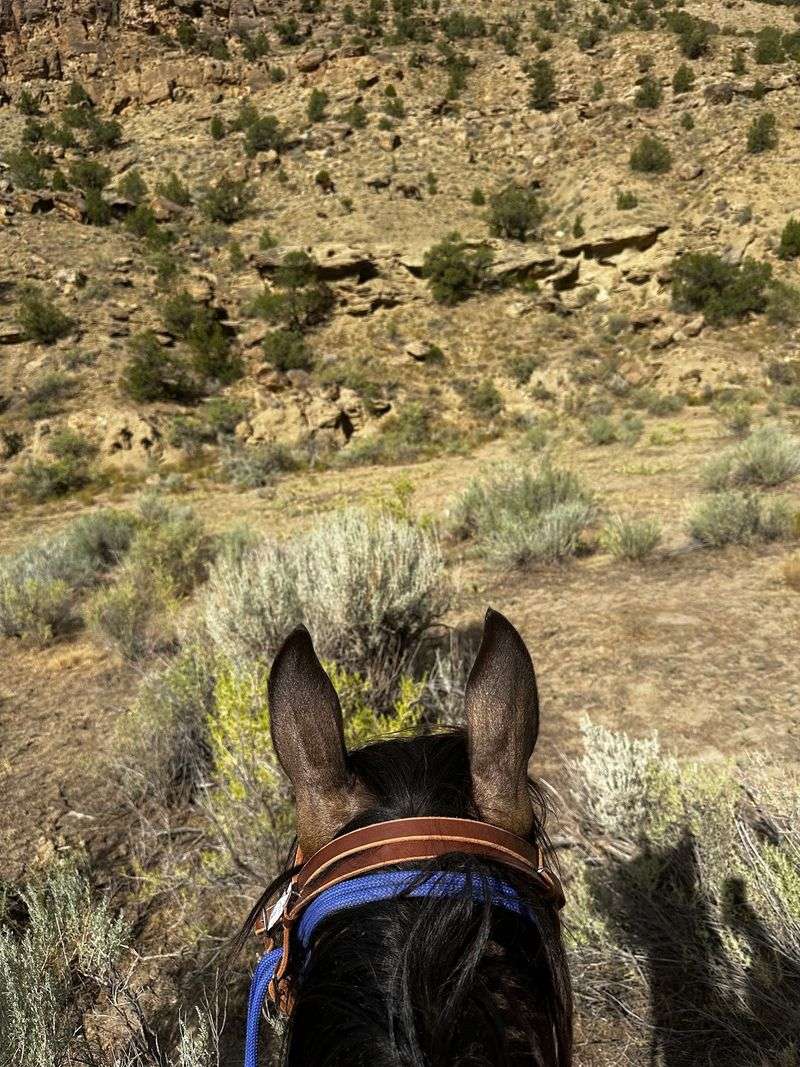
Finding the range can be its own adventure. Navigation apps do not always point to the right spot, and some drivers have been led straight into 4×4 country by mistake.
Highway signs may direct traffic to a different access miles away from where a map pin lands. Signage beyond the main roads can be sparse.
Cell coverage fades once you leave town. Downloading maps ahead of time is a wise move.
One wrong turn near Cameo can lead past an active firing range. That is a detour nobody wants.
The BLM website for the Little Book herd management area is the best place to start research. Brochures are also available locally.
No entry fees or hours appear in the available information, so confirm current details with the BLM before going. A little homework prevents a long day of backtracking.
9. Worth the Dust for the Right Crowd
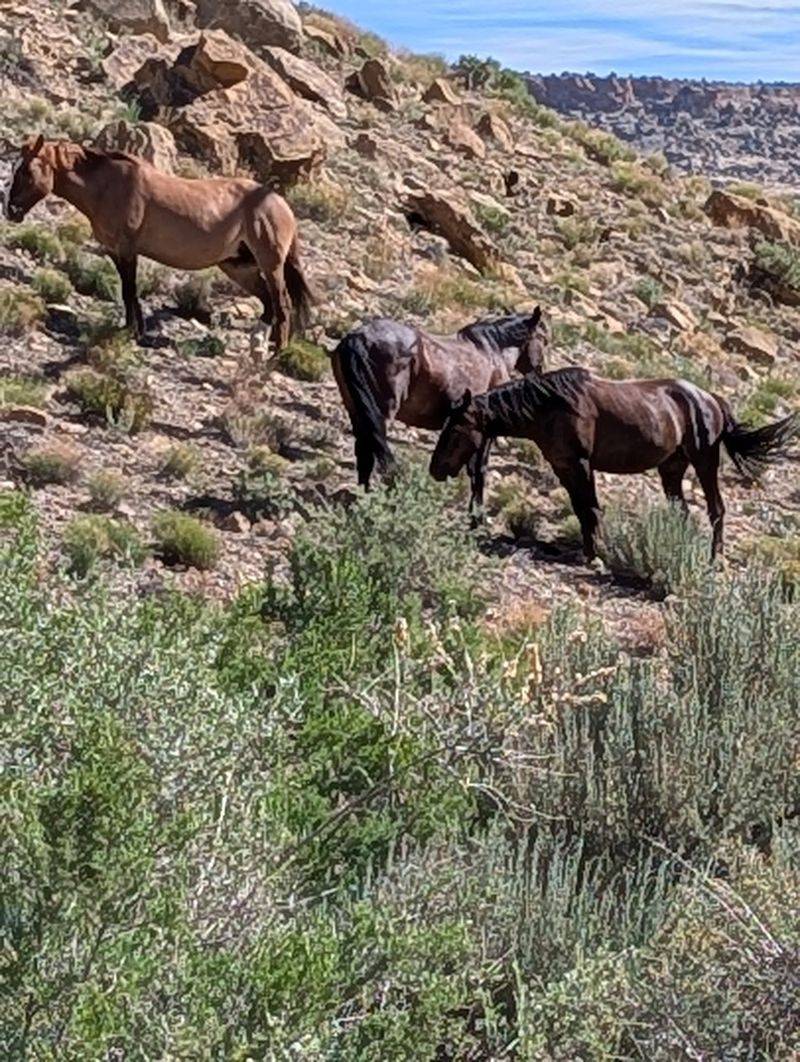
So who should make the trip? Prepared explorers with sturdy vehicles, good boots and plenty of water tend to come home happy.
The range earns strong marks overall, around 4.5 stars, and most people call it a unique experience. The few frustrations usually involve directions, rough roads or a horseback ride that went poorly.
Families wanting a polished, signposted attraction may find it challenging. This is open country, not a theme park.
For Grand Valley residents, it is an affordable escape just above town. Hikers, off-roaders and wildlife watchers all find something to enjoy.
Horses may appear in the first mile or not at all. Either way, the cliffs, canyons and sunsets hold up their end of the deal.
Go on a dry day, pack extra water and keep expectations flexible. The herd might just decide to say hello.
Share this story