Every November, a small mountain town just off I-70 seems to exhale. The summer train crowds are gone, the ski traffic mostly roars past toward the resorts, and the main streets settle into an easy, unhurried rhythm. Locals get their town back, and anyone willing to take one exit early gets a share of it too.
This old silver camp sits closer to Denver than most people think, and it packs more history per block than towns many times its size. Late fall is when it shows its most relaxed side, with slow mornings, open parking spots and room to wander. Keep reading for the story behind the town, the landmarks worth your time, the best ways to spend a quiet weekday and the practical details that make an off-season trip simple and affordable.
1. An Old Silver Camp in Clear Creek County
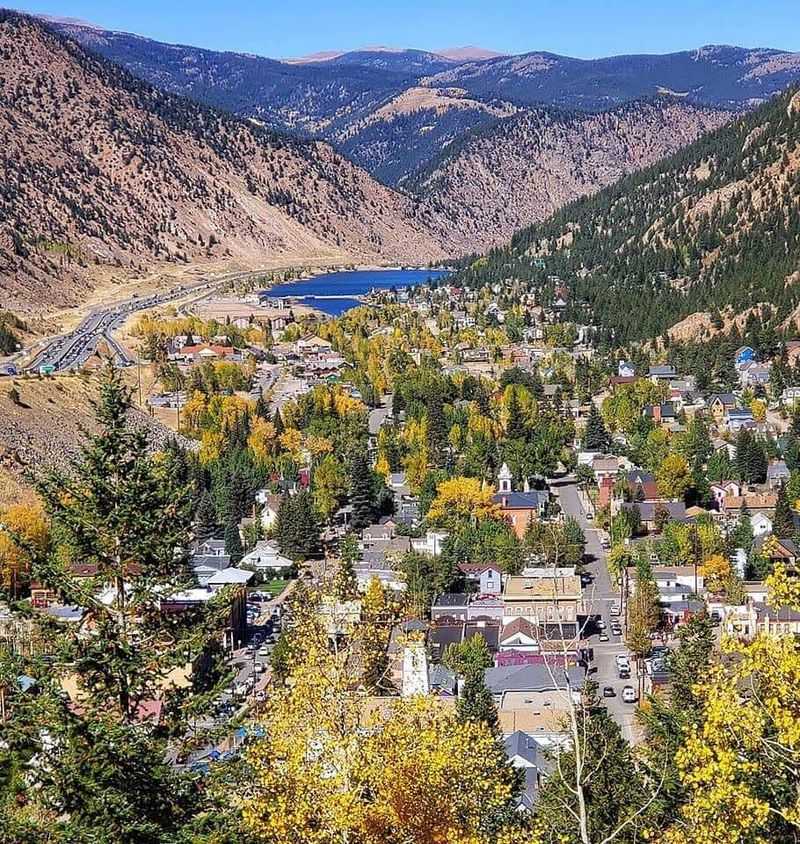
Some towns announce themselves with billboards, but this one simply waits at the bottom of a steep valley for you to notice it.
The town is Georgetown, Colorado, USA, the county seat of Clear Creek County. It sits along Interstate 70 in the Front Range mountains, roughly an hour west of Denver in normal traffic.
Georgetown is small by any measure. The 2020 census counted 1,118 residents, and current estimates put the population a bit higher, with steady growth of around 2.6 percent each year.
That size matters for anyone hunting for a calmer getaway. There are no towering resort complexes here, no gondolas and no sprawling base villages.
What you get instead is a compact town laid out on a grid, with historic buildings, a handful of local shops and eateries, and mountains rising on nearly every side. The whole downtown can be explored on foot in an afternoon.
The town also holds an unusual legal status. It operates as a territorial charter municipality, a form of local government that traces back to Colorado’s days before statehood.
For Front Range residents, the appeal is simple. It is close enough for a day trip, interesting enough for an overnight, and quiet enough in late fall that you may wonder where everyone went.
2. How Silver Built the Silver Queen
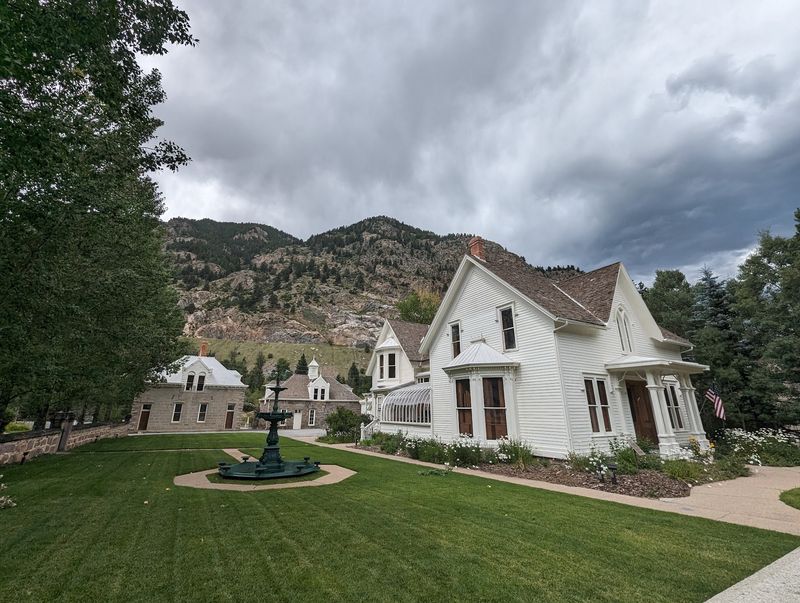
Silver did the heavy lifting in Georgetown’s early chapters.
The town grew from a gold camp founded in 1859, named for George Griffith, one of the brothers who staked early claims in the valley. The bigger boom came a few years later, when rich silver deposits turned the settlement into one of the most important mining centers in the state.
By the late 1800s, Georgetown had earned the nickname “Silver Queen of the Rockies.” Money from the mines paid for brick commercial blocks, ornate homes, churches and civic buildings.
Then the silver market crashed in the 1890s. Many Colorado mining towns faded away completely after that, leaving only foundations behind.
Georgetown hung on. Because the town never saw a massive wave of modern redevelopment, a large share of its Victorian buildings survived into the present day.
That good fortune led to official recognition. Georgetown is part of the Georgetown-Silver Plume Historic District, a National Historic Landmark District that also includes the neighboring town of Silver Plume.
For anyone who loves Colorado heritage, this is the payoff. The history here is not tucked away behind glass, it lines the streets you walk every day of the visit.
3. Streets Lined With Victorian Survivors
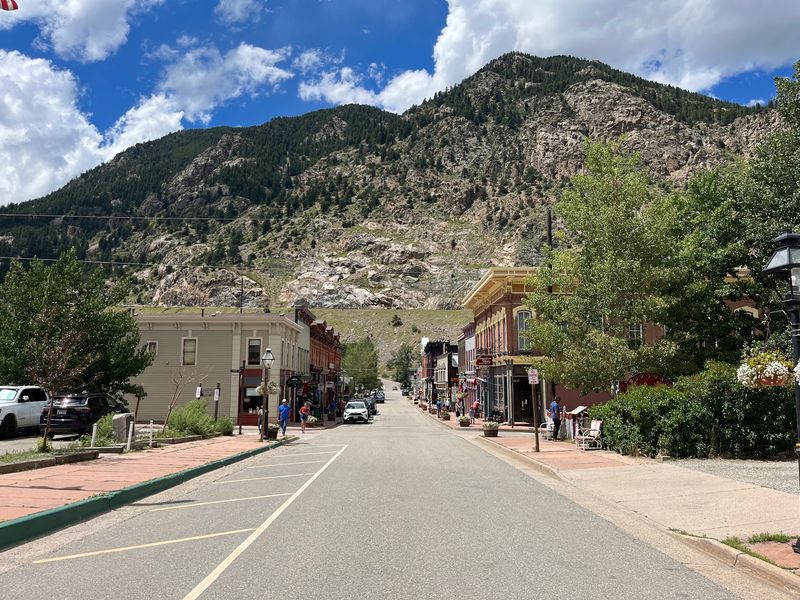
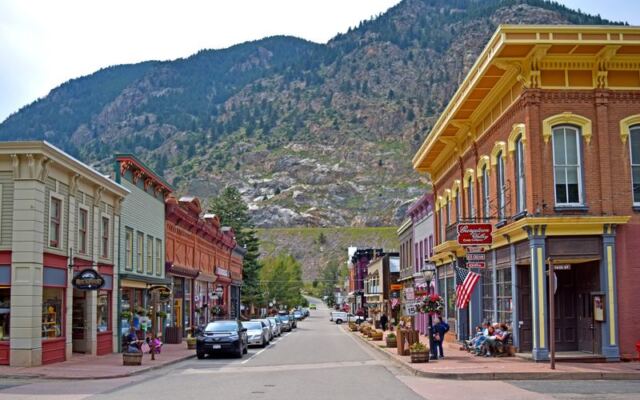
Downtown Georgetown reads like a sampler of nineteenth-century architecture, one block at a time.
Brick storefronts with tall windows share space with wooden homes trimmed in decorative details. Many buildings date to the town’s mining heyday, and plenty still serve as shops, offices and homes.
Sixth Street works as the main commercial spine. It is where most people start, and in late fall it is often calm enough to stroll down the middle of the sidewalk without weaving around tour groups.
Side streets reward a slower pace. Residential blocks hold historic houses, small churches and tidy yards, all framed by steep mountain slopes.
A self-guided walk costs nothing. Grab a coffee, pick a direction and let curiosity set the route.
Photographers tend to love this season. Bare trees reveal more of the building facades, and the low traffic means fewer cars cluttering the frame.
Respect goes a long way here. Many of these historic homes are private residences, so admiring from the sidewalk keeps everyone happy.
Bring comfortable shoes, since some streets climb a bit, and the town sits at high elevation. Even a short loop can leave flatlanders a little winded, which is a fine excuse for another cafe stop.
4. Cafe Mornings at an Unhurried Pace
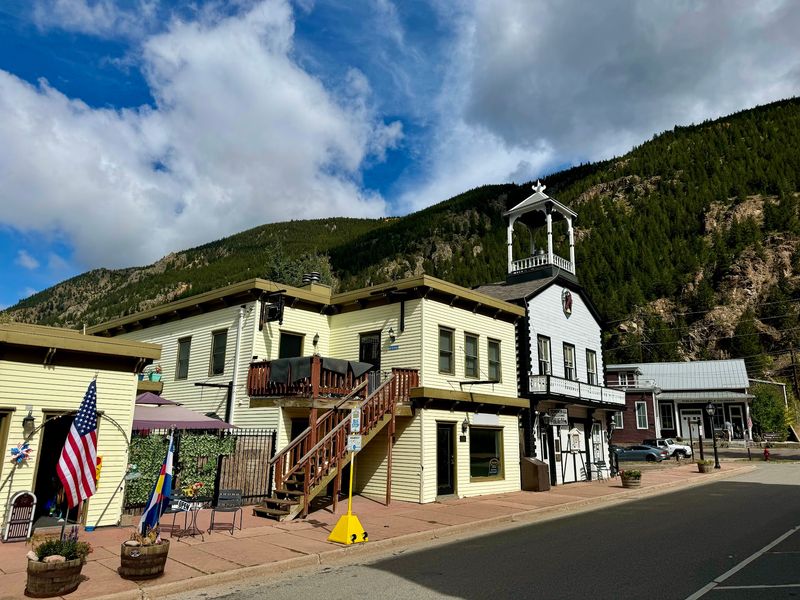
Late fall mornings in Georgetown tend to start slowly, and that is exactly the point.
The town has a handful of small, locally run cafes and eateries scattered through the historic downtown. Many occupy older buildings, so a morning coffee often comes with tin ceilings, creaky floors or big storefront windows.
In summer, those same spots can fill with train passengers and day-trippers. Once the season winds down, a table by the window becomes much easier to claim.
The off-season rhythm suits people who like to linger. Retirees, remote workers and couples on a weekday escape can settle in with a book and nobody rushing them along.
Hours in small mountain towns can shift in the shoulder season. Some businesses trim their schedules or close on certain weekdays, so checking ahead before you drive up is a smart move.
Spending locally also keeps the town humming through its quieter months. A coffee and a pastry here helps the small owners who keep downtown lively year-round.
Pair the cafe stop with a walk afterward. The best Georgetown mornings tend to look like this: one cup, one stroll, then maybe one more cup.
5. The Hotel de Paris Museum
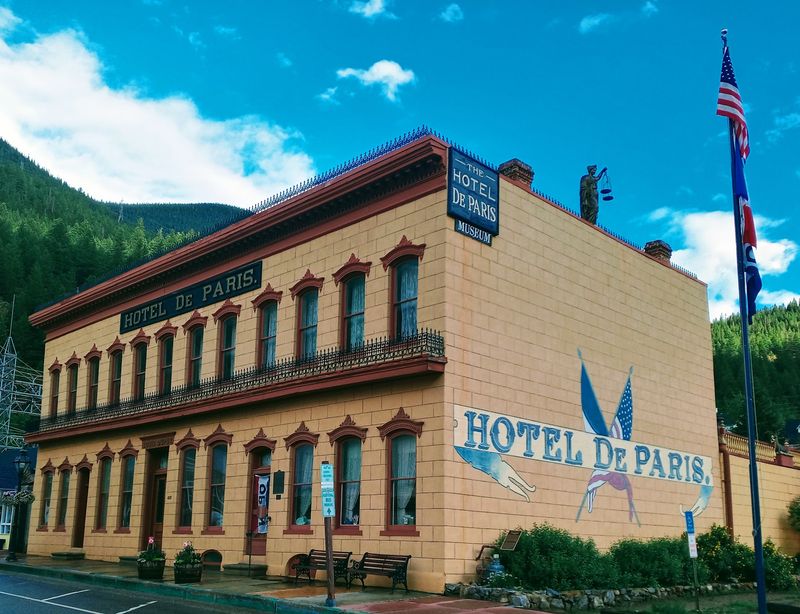
A French immigrant built one of Georgetown’s most famous landmarks, and it still draws history fans today.
The Hotel de Paris was opened in the 1870s by Louis Dupuy, who arrived in the mining town and turned a modest building into a well-known hotel and restaurant. It became a stop for travelers, businessmen and mining investors passing through the valley.
The building now operates as a museum. Guided tours walk through period rooms filled with original furnishings and details from the hotel’s working years.
Immigrant history like this runs deep in Colorado, and the Hotel de Paris tells a piece of it in a very personal way. Dupuy’s story adds a human face to the boom years.
Museum schedules can be seasonal, and late fall hours may be limited. Check with the museum before planning your day around a tour.
The location is right in the heart of downtown, so it fits easily into a walking loop. No car shuffling required.
Even a quick look at the exterior is worthwhile. The building stands as a reminder that a small mountain camp once attracted guests from far beyond the Rockies.
6. The Famous Loop Between Two Towns
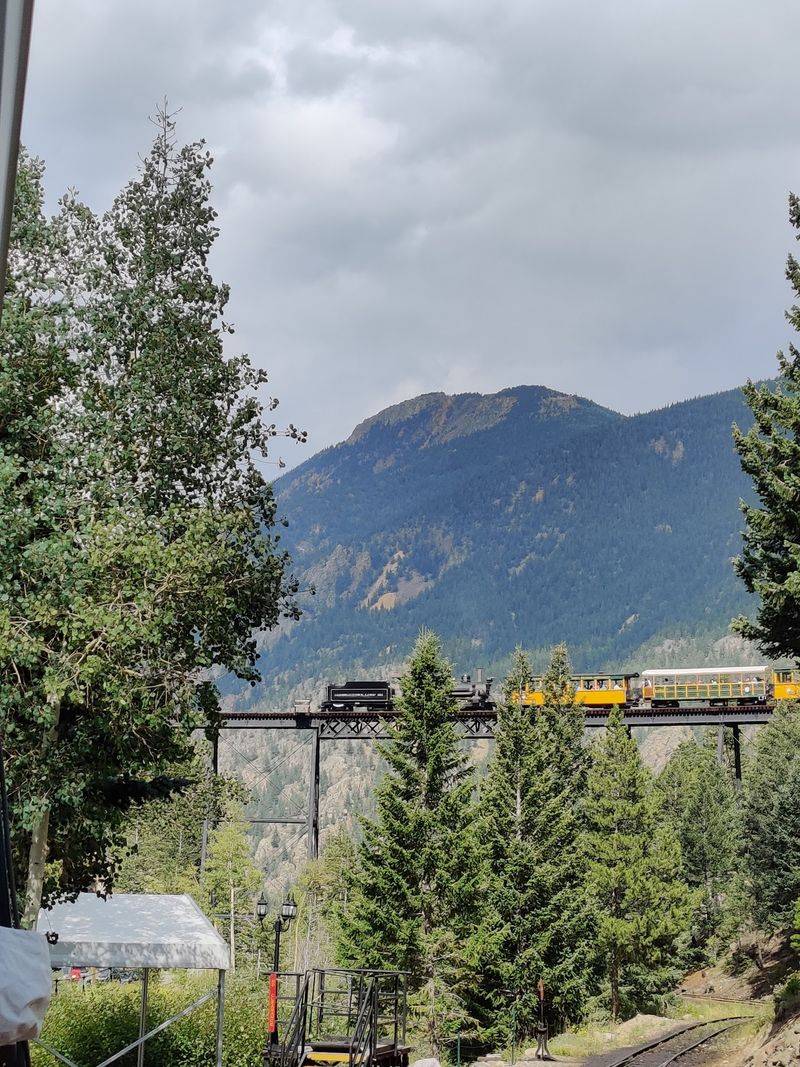
Railroad engineers in the 1880s faced a tricky puzzle in this valley.
Silver Plume sits only about two miles from Georgetown, but it is much higher in elevation. The solution was a twisting route with curves and a dramatic bridge that crossed back over its own tracks, gaining height gradually.
That route lives on today as the Georgetown Loop Railroad, a heritage train ride that runs between the two towns. The Devil’s Gate High Bridge remains the star attraction for train fans and photographers.
Here is the late-fall catch. Regular train rides generally run during the warmer months, and the schedule changes as the season ends, with special holiday trips sometimes offered later in the year.
Anyone set on riding should check the railroad’s current schedule and ticket options before heading up. Seasons and dates can change from year to year.
Even without a ticket, the railroad adds to the off-season trip. The bridge and parts of the line can be seen from areas near town, and the story behind it is one of Colorado’s great engineering tales.
Fewer crowds means more room to read the history signs and take in the setting at your own speed.
7. Georgetown Lake and Its Easy Loop
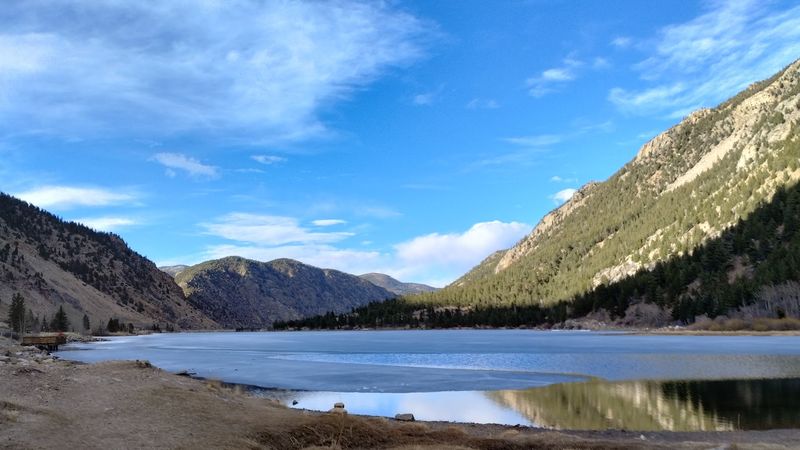
Just at the edge of town, a reservoir gives Georgetown some breathing room.
Georgetown Lake sits near the I-70 exit, with mountains rising around it. A path circles much of the shoreline, making it a popular choice for an easy stroll or a gentle jog.
In late fall, the lake tends to be quiet. The summer crowds of anglers and picnickers thin out, and the trail often feels nearly private on a weekday.
The walk is relatively flat compared with most mountain trails. That makes it a good fit for older hikers, families with little ones and anyone easing into higher elevation.
Weather at this altitude can change quickly in November. Pack layers, a hat and water, even for a short outing.
Wildlife sightings are part of the local appeal. The area near Georgetown is known for bighorn sheep, and a viewing area near town gives you a chance to spot them on the rocky slopes.
Sightings are never guaranteed, of course. Keep a respectful distance and enjoy the moment if the sheep decide to make an appearance.
A lap around the lake followed by lunch downtown makes for a low-effort, high-reward afternoon.
8. A Byway Climbing South of Town
Road-trip lovers have a special reason to aim for Georgetown.
The Guanella Pass Scenic Byway begins right in town and climbs south over the mountains toward the town of Grant. It is known for wide alpine views and access to trailheads, including routes used by hikers heading for nearby high peaks.
Timing matters a great deal here. Late fall can bring snow to the pass, and conditions on the upper stretches may change quickly or limit travel.
Check road conditions with the Colorado Department of Transportation before setting out. A capable vehicle and a flexible plan are wise choices this time of year.
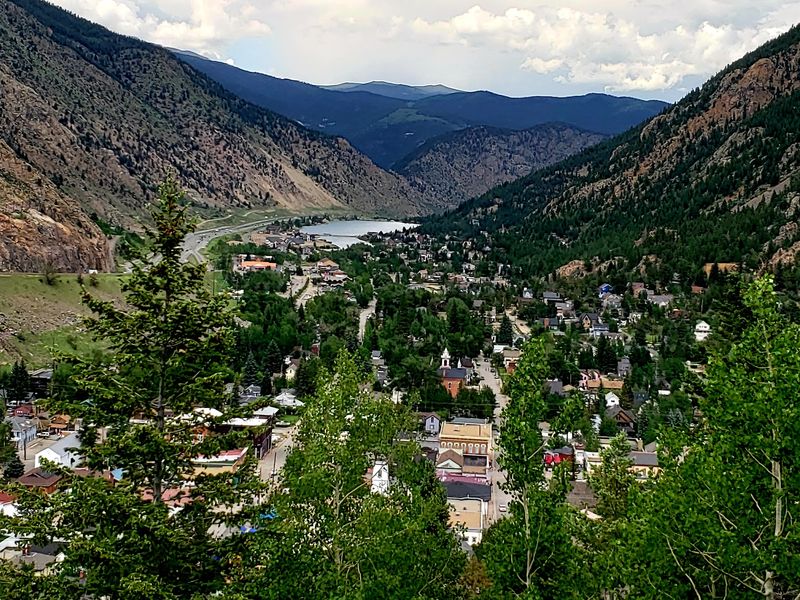
Even a short drive up the lower switchbacks can be worthwhile. The road gives a different perspective on Georgetown, tucked into its narrow valley far below.
Hikers should be realistic about the season. High-elevation trails can be icy, cold and windy, so lower and shorter routes often make more sense in November.
For those who prefer to stay in the car, the drive itself is the attraction. Pull over only in safe spots, and let the mountains do the talking.
9. Who Late Fall Here Suits Best
Not every trip needs a packed itinerary, and Georgetown in late fall proves it.
Retirees and anyone on a fixed budget may find the off-season especially appealing. There are no lift tickets to buy, and walking the historic district is free.
Couples looking for grown-up time can turn a weekday into a mini escape. A slow breakfast, a museum stop, a lake walk and an early dinner make a full but relaxed day.
History buffs probably get the most out of the town. The National Historic Landmark District gives them hours of material to explore without much planning.
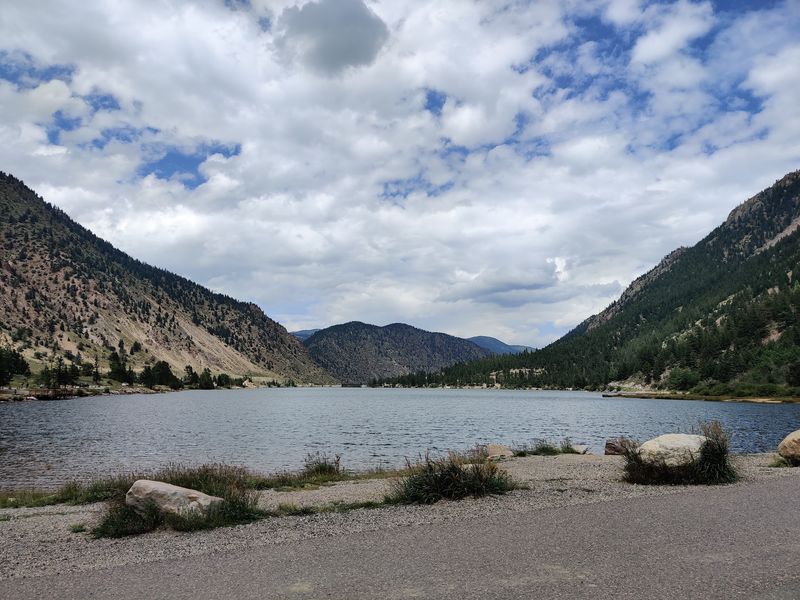
Families can enjoy it too, especially with younger kids who might tire of long drives. The lake loop and the possibility of spotting bighorn sheep add simple fun.
Thrill seekers might feel differently. The town is quiet on purpose this time of year, and that calm is the main attraction.
Remote workers sometimes appreciate a change of scenery without a long drive. A cafe table and a mountain view can make a regular workday feel a little lighter.
The common thread is simple. People who want to slow down tend to feel right at home in Georgetown once the summer rush fades.
10. Getting There and Planning Smart
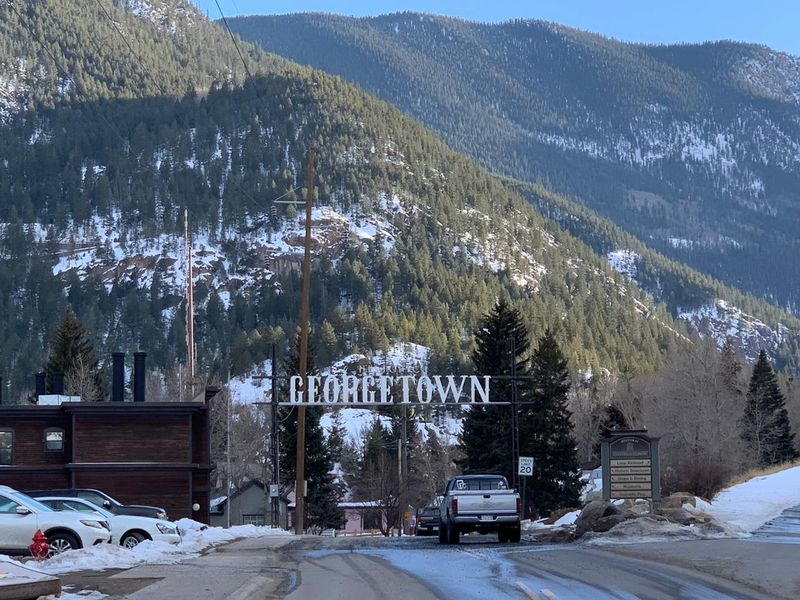
Few mountain towns are this easy to reach from the Front Range.
Georgetown sits right off I-70, about 45 miles west of Denver. On a clear weekday, the drive often takes around an hour, though traffic and weather can stretch that out.
Weekend ski traffic is the big variable. Heading up midweek, or leaving Denver early, can help you avoid the worst congestion on the corridor.
Winter driving rules may apply as the season turns. Colorado has traction requirements on I-70 during certain conditions, so good tires and an eye on the forecast are worth the effort.
Parking in downtown is generally more manageable in late fall than in summer. Still, follow posted signs and avoid blocking driveways on residential streets.
The town’s official website is a useful planning tool. It can point you toward local events, town services and visitor information before you go.
Elevation is another factor to plan for. Georgetown sits above 8,000 feet, so drinking plenty of water and taking it easy on the first day helps.
A little preparation goes a long way. With the basics covered, the rest of the day can stay pleasantly loose.
11. A Quiet Season Worth the Short Drive
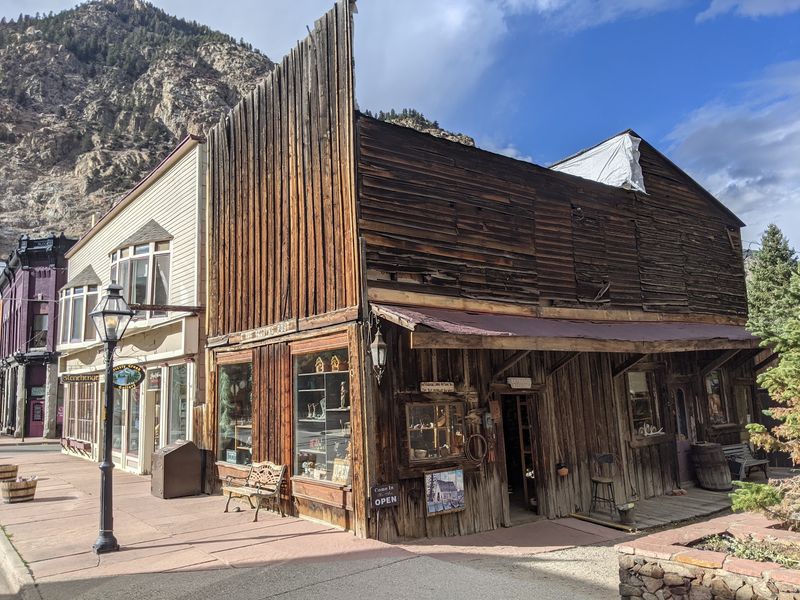
Late fall in Georgetown is less about doing everything and more about doing a few things well.
The town offers a rare mix for Colorado residents. It has deep mining history, a protected Victorian downtown, easy outdoor options and an hour-or-so drive from Denver.
The off-season strips away the crowds and leaves the core of the place on display. Cafes have open tables, sidewalks have room and the historic streets are easier to appreciate.
Some attractions run reduced schedules this time of year. A quick check ahead keeps the day smooth and avoids disappointment at a closed door.
The bigger reward is the pace. Georgetown in November gives you permission to skip the rush, skip the big resort prices and simply enjoy a small mountain town on its own terms.
As the holidays approach, the town begins to shift toward its festive season. Many Coloradans know Georgetown for its traditional Christmas market, which typically takes place on weekends in December.
That makes late fall the calm before the cheer. Catch it while the streets are still quiet, and the Silver Queen might just become your favorite exit off I-70.
Share this story