Long before subway lines and apartment towers, a thick forest covered much of what is now New York City. Most of it is long gone, swapped out for streets, rooftops and parking lots.
One stubborn piece of it held on, though, and it sits in the Bronx. Inside it, centuries-old oaks, tulip trees and sweetgums still form a tall canopy, and some of the footpaths below are said to follow routes walked by the Lenape people before Europeans ever arrived.
There is a stream, a small waterfall, a historic bridge and enough birds and chipmunks to keep a curious walker busy for hours. The best part for New Yorkers is that this is not a far-off national park requiring a plane ticket.
It is a short trip for anyone in Queens, Brooklyn, Westchester or beyond, and it has quietly survived while the city grew up around it. Here is what makes it worth the visit.
1. A Wild Survivor on Bronx Park Road
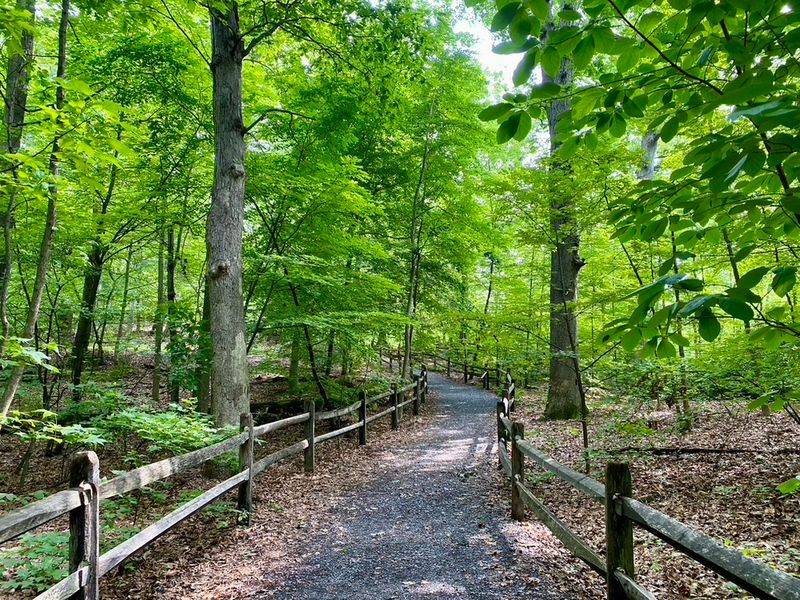
Few city neighborhoods can claim a true old-growth forest, but the Bronx can. Thain Family Forest sits at Bronx Park Rd, Bronx, NY 10458, inside the grounds of the New York Botanical Garden.
The woodland covers roughly 50 acres. It is reportedly the largest remaining piece of the original forest that once spread across New York City.
That makes it more than a pretty patch of green. It is a living leftover from the land as it existed before the five boroughs took shape.
Because the forest sits roughly in the middle of the Botanical Garden, it works as both a destination and a shortcut. Paths through the trees connect different areas of the larger garden, so plenty of people wander in almost by accident.
Many of them end up staying far longer than planned. For Bronx locals, it has been right there for generations, which is part of its charm.
2. Footpaths Older Than the City Itself
Some trails are built by park crews. Others were simply never forgotten.
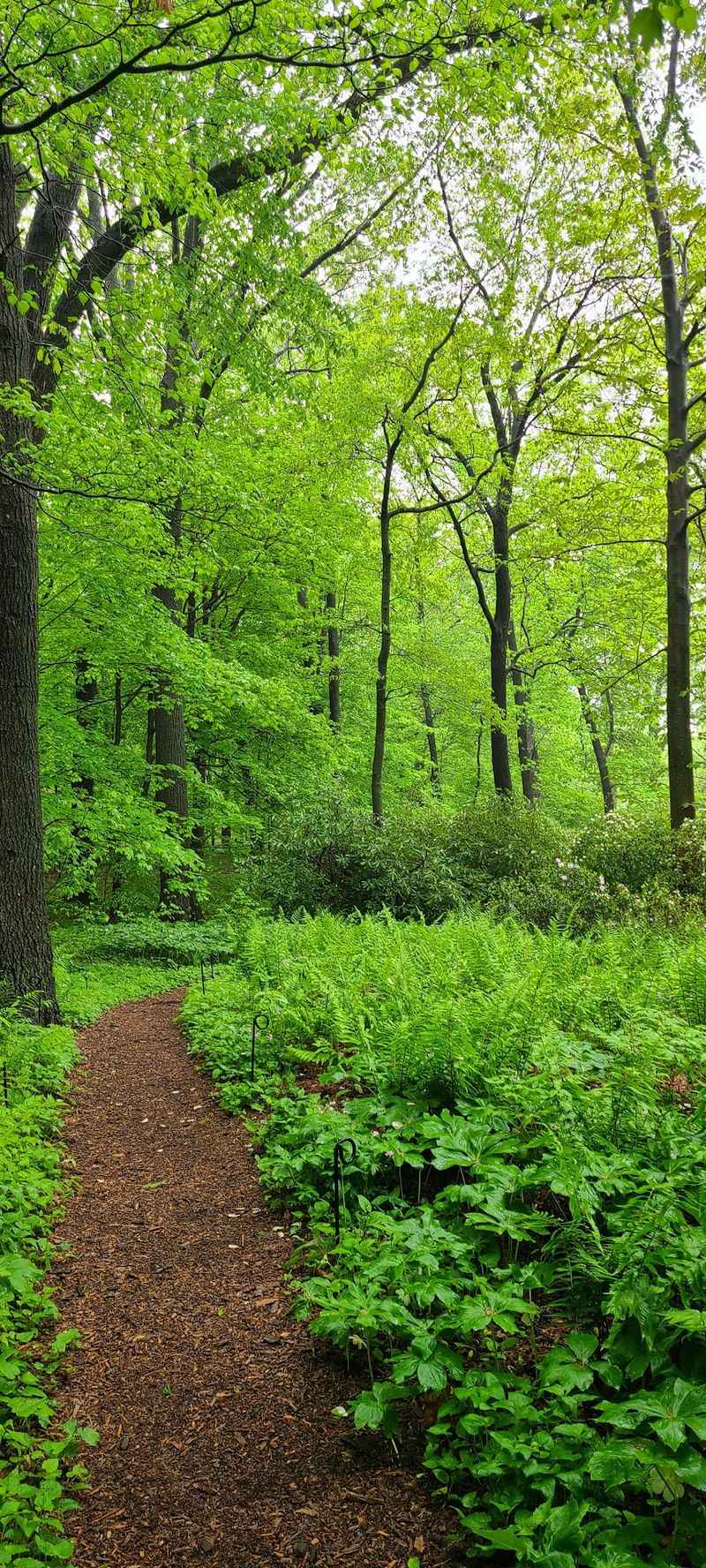
Many of the paths running through Thain Family Forest are believed to date back to the Native people who lived here before European arrival. The forest trails reportedly trace old Lenape hunting routes.
That detail changes how a simple walk feels. Each turn of the path follows a line that people chose long before New York had a name.
The terrain adds to the story. Visitors can spot glacial marks left behind on the rocks, a reminder that ice shaped this ground well before any human footsteps.
Descriptive placards are posted around the forest to explain the history of certain areas. They keep the walk informative without turning it into a lecture.
For anyone who loves New York history, this is a rare chance to follow it on foot rather than read about it in a book.
3. The Family Name on the Forest
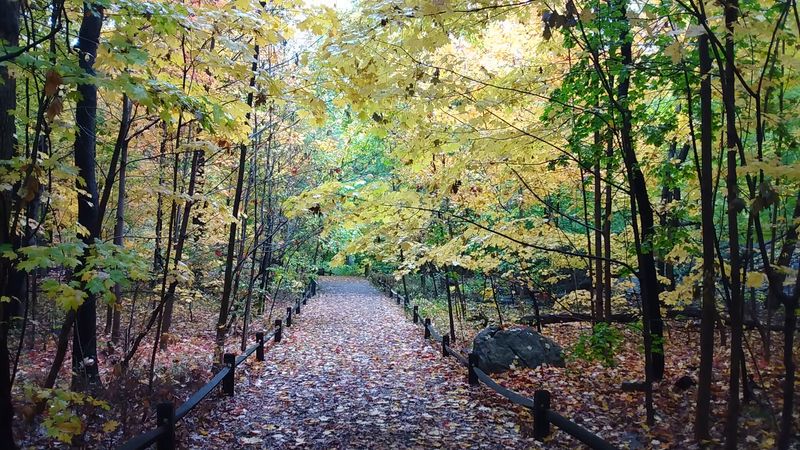
Names on maps usually hide a story, and this one is fairly recent. The forest carries the name of John and Carmen Thain.
The couple supported a restoration of the woodland in 2011. That effort helped protect the forest and keep it healthy for the long haul.
Restoring an old forest is not about making it look neat. It is about helping native plants thrive and keeping the ecosystem in good working order.
Today the forest serves as both an ecological resource and an educational one. School groups, families and solo walkers all use it to learn about the natural history of the region.
The arrangement shows that old things can survive in New York when people decide they are worth keeping. A forest that outlasted centuries of change got a little help to keep going for many more.
4. Giants of the Canopy
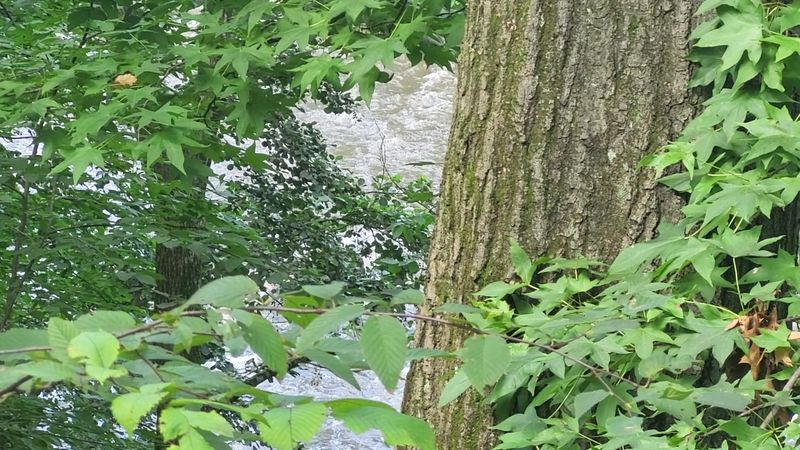
Tilt your head back here and keep tilting. The canopy is made up of centuries-old oaks, tulip trees and sweetgums.
Some of these trees were likely already standing when the earliest European settlers arrived in the area. That is the kind of age most city trees never get the chance to reach.
Conifers make an appearance too. Old pines and cedars add to the mix, and a massive Blue Atlas Cedar is a longtime favorite for those who have been coming since childhood.
Fallen giants are part of the scene as well. Huge trunks occasionally drop across the trail, and crews cut away just enough to clear the path while leaving the rest in place.
Passing through those cut sections gives a close look at the size of these trees. It is a quick lesson in how big a tree can grow when nobody gets in its way for a few hundred years.
5. Where the Bronx River Runs Through
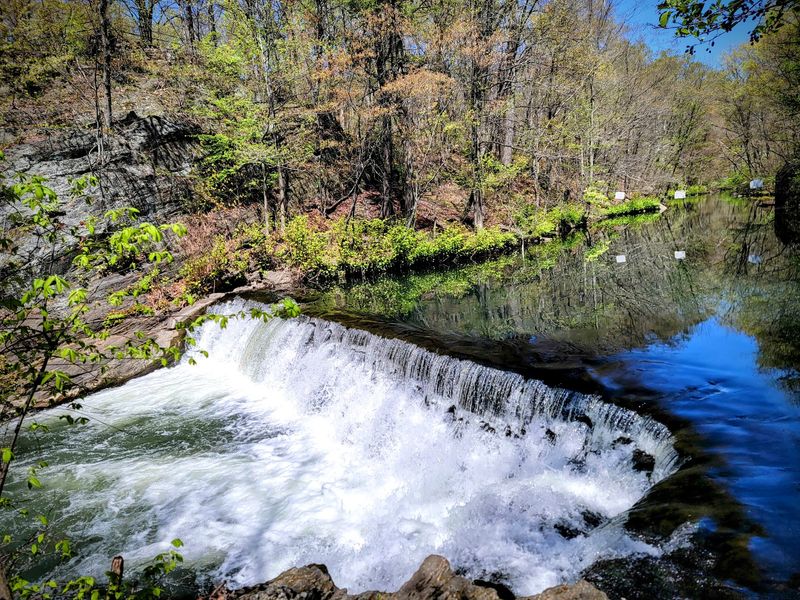
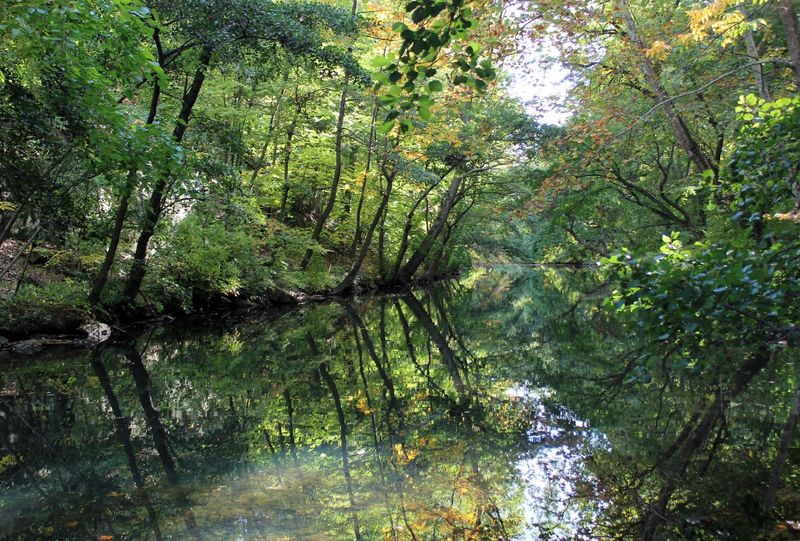
Yes, the Bronx has a river, and it runs right through this forest. The Bronx River floodplain is part of the varied terrain inside the woodland.
Along the way, walkers find a stream and a small waterfall. The water sets this forest apart from a plain stand of trees.
The landscape shifts as you move. Low floodplain areas give way to rocky ridges, so the walk does not feel the same from start to finish.
That variety is part of why some people call the forest a water wonder. The river and the surrounding landscaping tend to make people slow down and linger.
On hot summer days, the shaded paths near the water are also a bit cooler than other parts of the garden. That alone makes it a smart stop during a July visit.
6. Hester Bridge and a Peek at the Falls
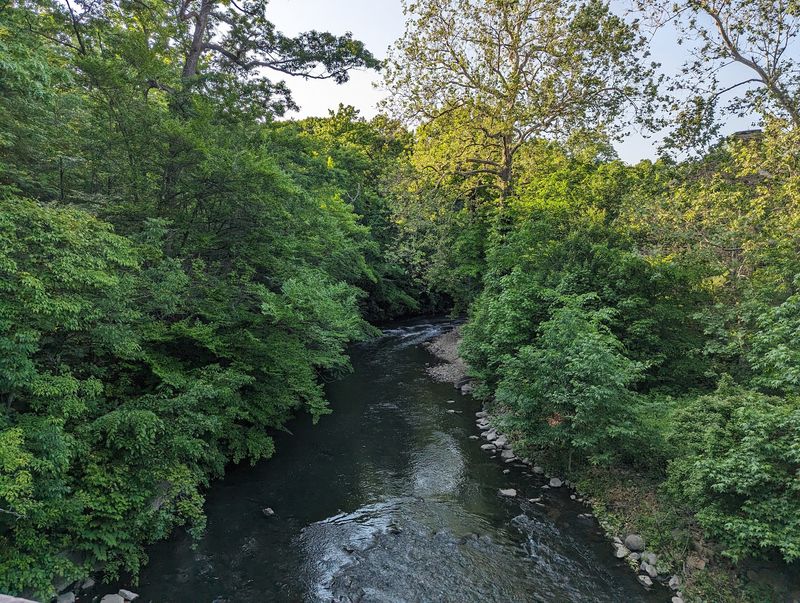
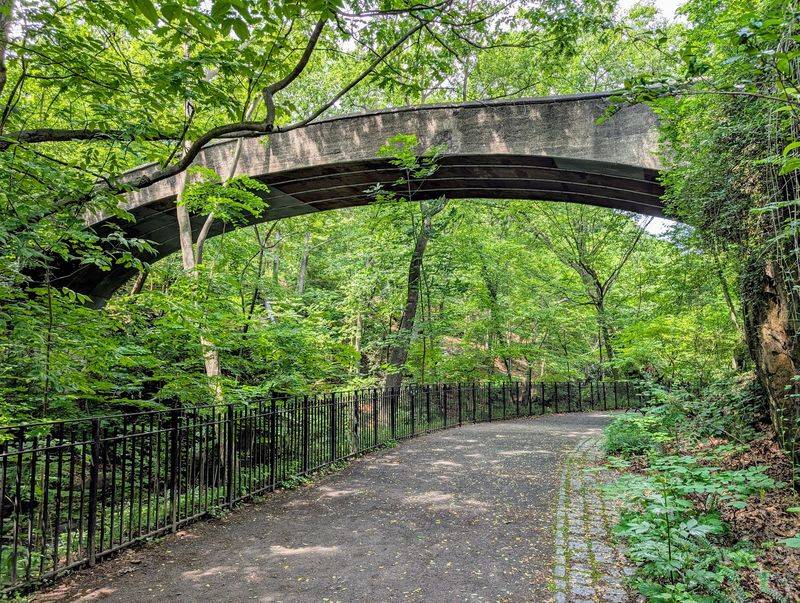
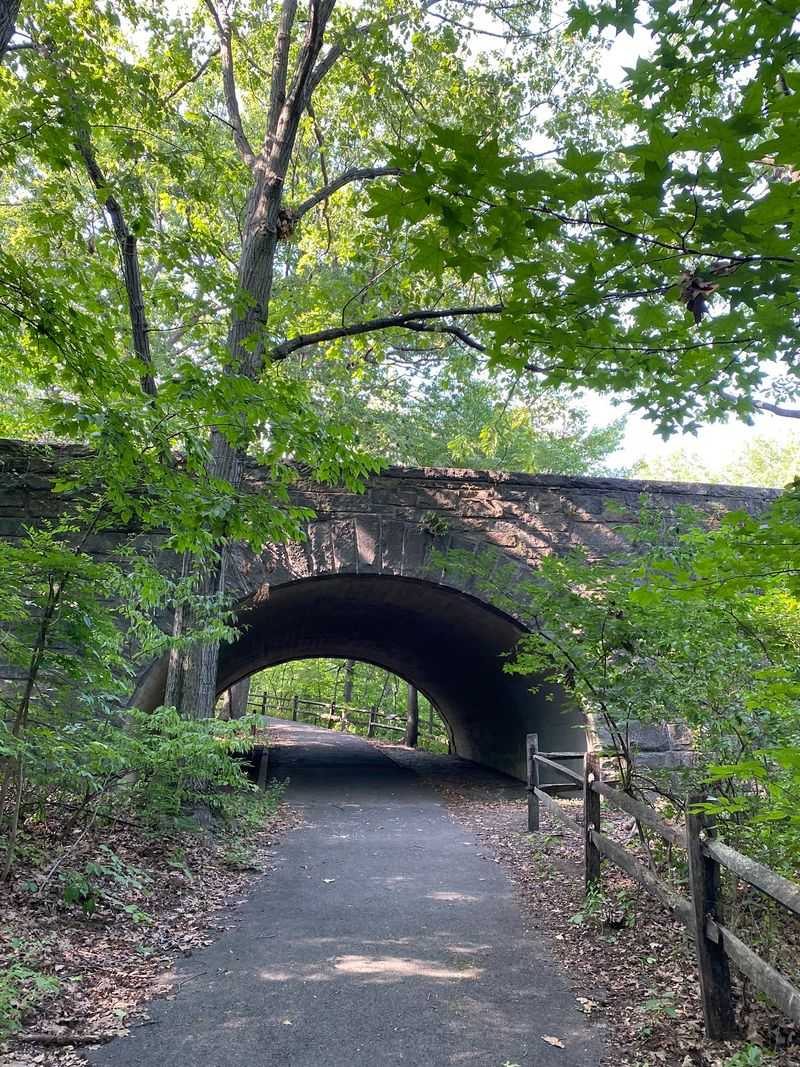
Every good forest walk needs a landmark, and Hester Bridge fills that role nicely. The bridge crosses the Bronx River inside the forest.
It offers some nice views of the water below. Look upstream and you can just make out the falls in the distance.
The bridge also serves as a natural meeting point or turnaround spot. It is easy to plan a loop around it.
Photographers tend to like this area for the mix of stone, water and trees. Families find it a handy place to pause and let little legs rest.
It is a small detail in a 50-acre forest, but it often becomes the part people remember most. Not bad for a bridge.
7. Birds, Chipmunks and Fungi Crews
The trees get top billing, but the supporting cast is busy too. The forest is home to many species of birds, which makes it popular for bird watching.
Chipmunks dart across the trails in impressive numbers. Kids tend to treat spotting them as a game.
Then there is the fungi. Mushrooms and other fungi grow on the fallen trunks, slowly breaking them down and returning them to the soil.
That process is a big reason old-growth forests matter. Nothing goes to waste here, and every fallen log becomes a new home for something else.
Bringing binoculars is a good idea for bird fans. A little patience on a quiet bench can turn a regular walk into a wildlife count.
8. Quiet Enough for Tai Chi
Calm is not easy to find in New York City. Inside this forest, it seems to come standard.
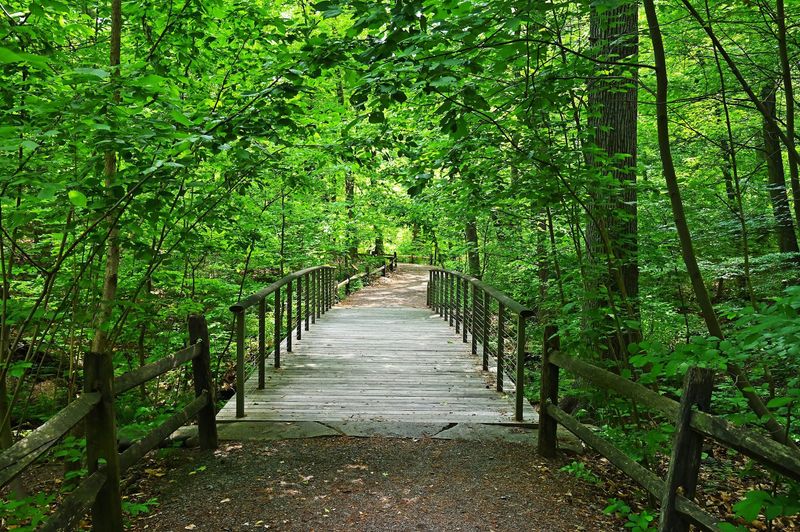
The woodland is often described as peaceful and serene, a quiet part of the larger garden. It is the kind of place where it is easy to forget you are in an urban setting.
Some regulars use the space for tai chi and qi gong. The open areas under the old conifers have long been favored by people who practice these slow, focused movements.
Others simply come to walk and clear their heads. A stroll here can feel like a genuine reset from traffic, deadlines and crowded trains.
Nobody is asking you to meditate. Still, many people leave a little more relaxed than when they arrived.
9. Trails for Every Kind of Walker
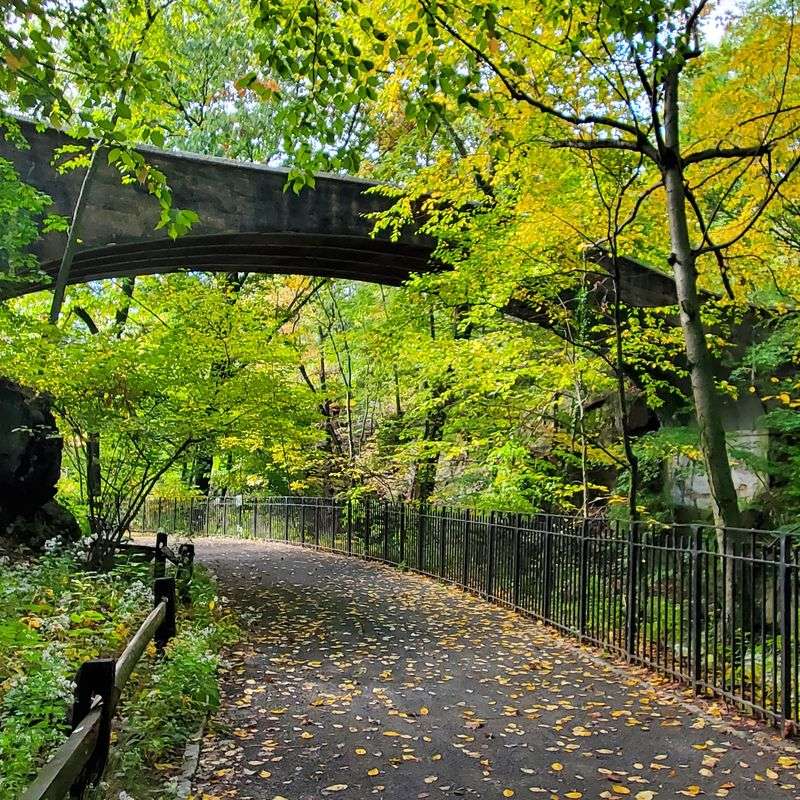
Good news for anyone worried about a rugged hike: the trails here are well maintained and clearly marked. Some sections are wheelchair accessible.
The paths are also shorter than they appear on the map. That makes it easier to see a good portion of the forest without wearing yourself out.
Even so, plan on spending time. Allowing at least two hours for the forest alone is a solid rule for those who like to explore.
The forest suits all ages. Grandparents, teenagers and toddlers in strollers can all find a route that works.
Comfortable shoes are a must. Some people take a more relaxed approach and suggest just letting your feet guide you.
10. Part of a Bigger Botanical Day
The forest is not a standalone park, and that is actually a bonus. Entry comes through the New York Botanical Garden, which means the rest of the grounds are part of the deal.
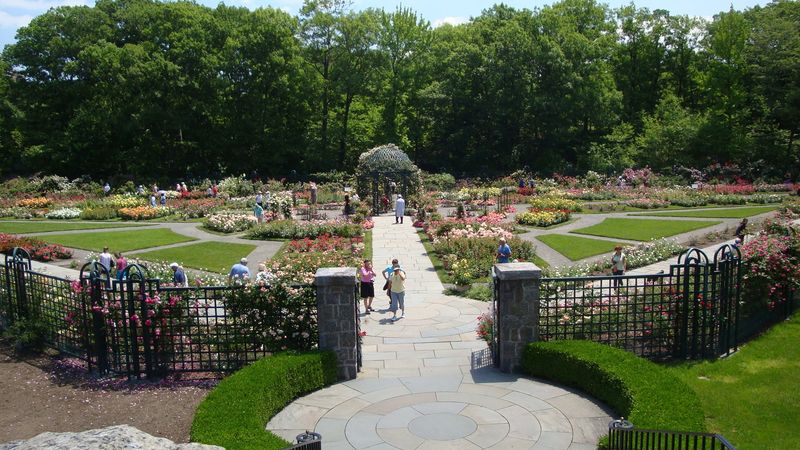
The famous rose garden is a popular next stop. Cutting through the forest path is a shorter way to reach it from the main entrance.
The garden also has a well-known glasshouse, shops, a concession stand and a gift store. Clean bathrooms are available too.
Some families have been members of the garden for decades, starting as Bronx residents and keeping the habit even after moving to Long Island. Others used to rent garden plots or take classes there.
That kind of loyalty says a lot. Picnics are another popular way to round out the day.
11. Hours Worth Planning Around
Timing matters here. Thain Family Forest is listed as open daily from 11 AM to 4 PM.
That window is open seven days a week, Monday through Sunday. Arriving close to opening gives the most time to wander.
With a recommended two hours for the forest alone, a 2 PM arrival can feel rushed. Earlier is better if you also want to see the rose garden or glasshouse.
Hours can change by season or for special events. Checking the official New York Botanical Garden website before heading out is always a smart move.
A little planning goes a long way. The trees have waited centuries, but the gates close at four.
12. Admission, Parking and Free Days

Access to the forest requires entry to the New York Botanical Garden. The good news is that there have been ways to visit for free.
Wednesdays have reportedly been a free admission day for NYC residents. Saturday mornings from 9 to 10 have also been mentioned as a free window, though current policies should be confirmed before visiting.
Parking has been reported at around $20. On a free day, the money saved on admission can cover that cost.
There is plenty of parking and a wheelchair accessible entrance. The garden is easy to spot from Bronx Park Road.
For frequent visitors, a garden membership may be worth a look. There is usually something happening on the grounds throughout the year.
13. Why the Old Woods Still Matter
New York changes fast. Stores close, buildings rise and whole blocks look different within a few years.
Thain Family Forest is proof that some things have stayed put. Its trees, trails and river have outlasted almost everything around them.
Calling a forest in the Bronx a miracle might sound like a stretch. With so few old-growth forests left anywhere, it is hard to argue the point.
The forest holds a 4.7-star average across hundreds of opinions, and the steady praise for its calm and its history makes sense.
It is also proof that you do not need to leave the city to find real wilderness. Sometimes it is waiting just off Bronx Park Road, one ancient footpath at a time.
Share this story