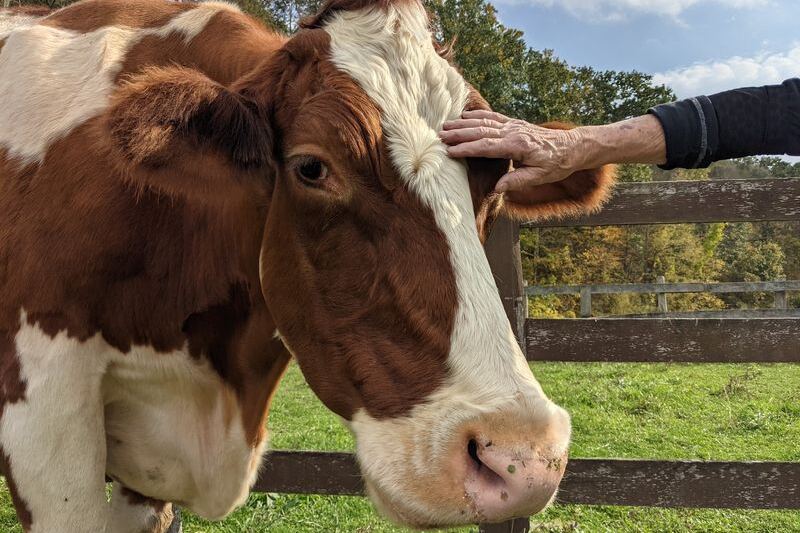
A pig named Snoopy has strong opinions about belly rubs, and he is not shy about sharing them. Somewhere in the Hudson Valley, cows reportedly play soccer, goats greet guests before anyone else can, and turkeys go about their business in the grass.
Every one of these animals arrived with a hard story, and every one of them now lives on land where nobody expects anything from them. The place has quietly built a loyal following among New Yorkers who want to meet farm animals as individuals rather than as products.
It earns a near-perfect reputation without flashy rides or gimmicks. Keep reading to learn where it is, how the tours work, why some guests stay overnight, and what to know before planning the drive upstate.
1. A Hudson Valley Home Called Rescue Road
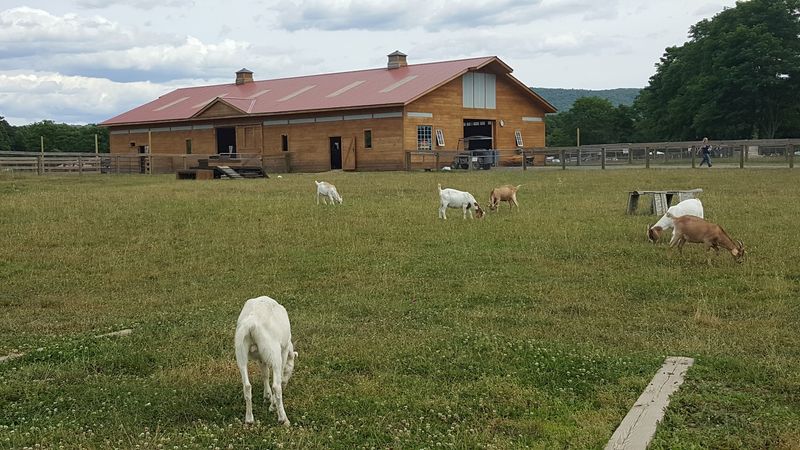
Few street names tell the whole story, but this one does. Woodstock Farm Sanctuary sits at 2 Rescue Rd, High Falls, NY 12440, in Ulster County in the Hudson Valley of New York.
The organization is an animal protection group, and its mission is simple to state. Farm animals rescued from neglect, cruelty or the food industry come here to live out their lives in peace.
High Falls is a small hamlet, far from the subway crowds of Queens or the traffic of the Thruway near Albany. That distance is part of the appeal.
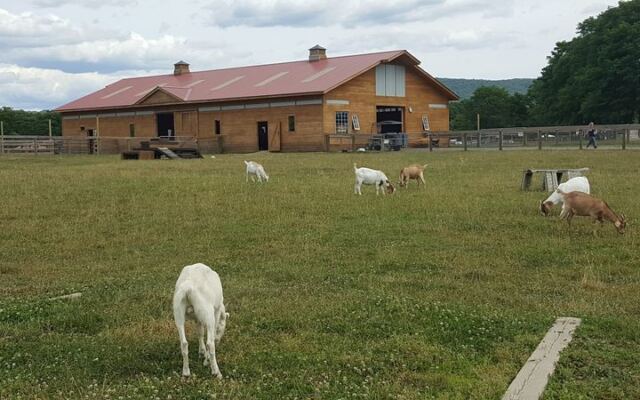
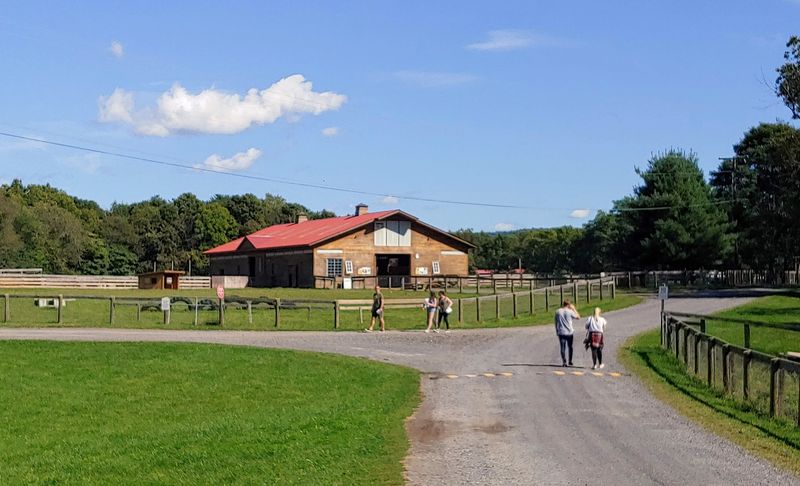
The property is large, with pastures, barns and room for animals to wander on their own terms. Guests often describe it as massive, and the scale becomes clear the moment a tour begins.
Unlike a typical attraction, the animals are not here to perform. They are here to heal, and the people who run the place are here to make sure that happens.
The sanctuary holds a 4.9 out of 5 standing across more than 300 public opinions online, which is remarkable for any destination. Still, the numbers only hint at what makes a visit memorable.
The real story begins with who lives here and how they arrived.
2. Second Chances for Every Resident
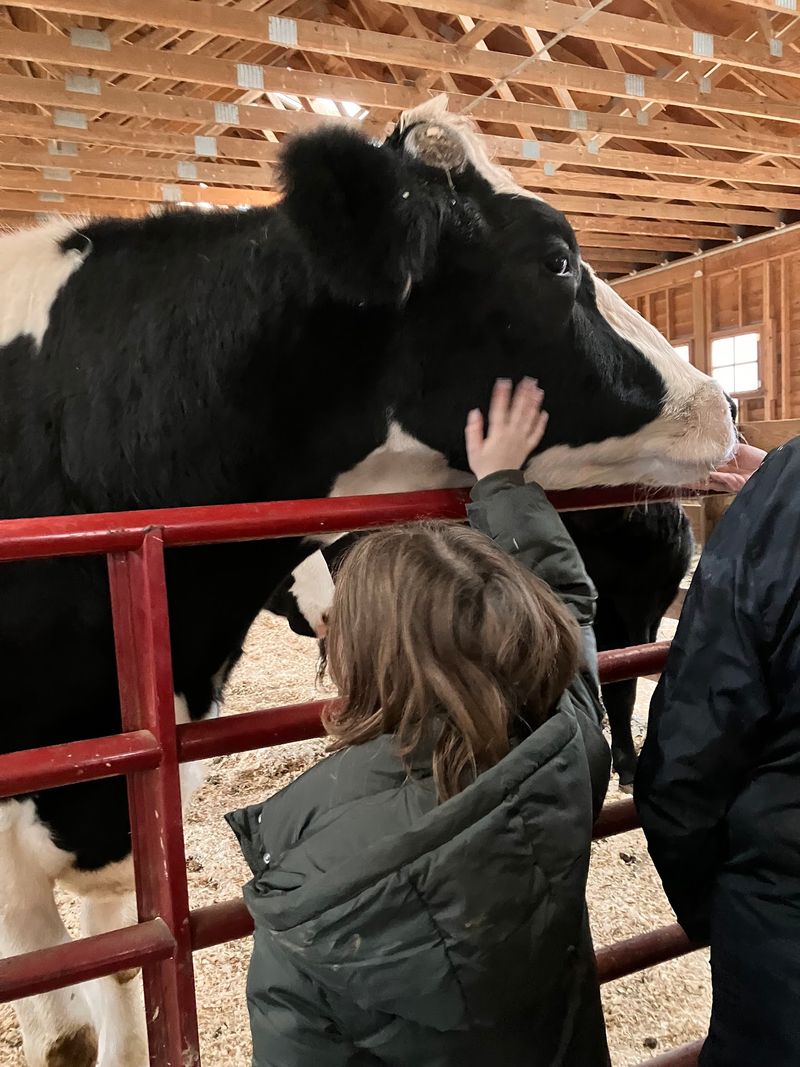
Every animal here arrived with a backstory. Some faced neglect, and some came close to the end before rescuers stepped in.
The sanctuary gives each one a second chance at life. That idea shapes everything about the property, from the barns to the way tours are run.
Many residents get something most farm animals never do, which is the chance to grow old. Animals in the meat industry often live only a fraction of their natural lifespan, so seeing elderly cows and pigs here feels quietly powerful.
Guests frequently mention that the animals seem calm and content. Their personalities show up the same way a family cat or dog shows its quirks at home.
That shift is the heart of the place. Animals that once had reason to be wary are learning that people can be safe.
Staff members know the residents by name and share their histories during tours. Hearing those stories can be emotional, and some guests admit to shedding happy tears.
Hope, it turns out, comes with four hooves and a name tag.
3. Definitely Not a Petting Zoo
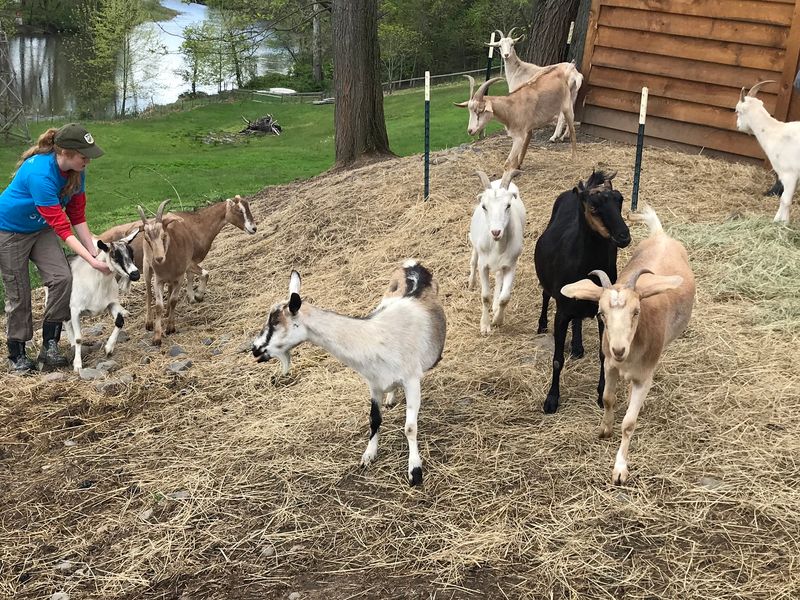
Here is the golden rule: the animals decide. Interaction happens when a resident is interested, not because a guest wants a photo.
Long-time supporters stress this point, and it sets the tone for the whole experience. The sanctuary works hard to separate itself from petting zoos.
That does not mean guests leave without contact. On tours, groups go inside the gates with the animals, and close encounters are common.
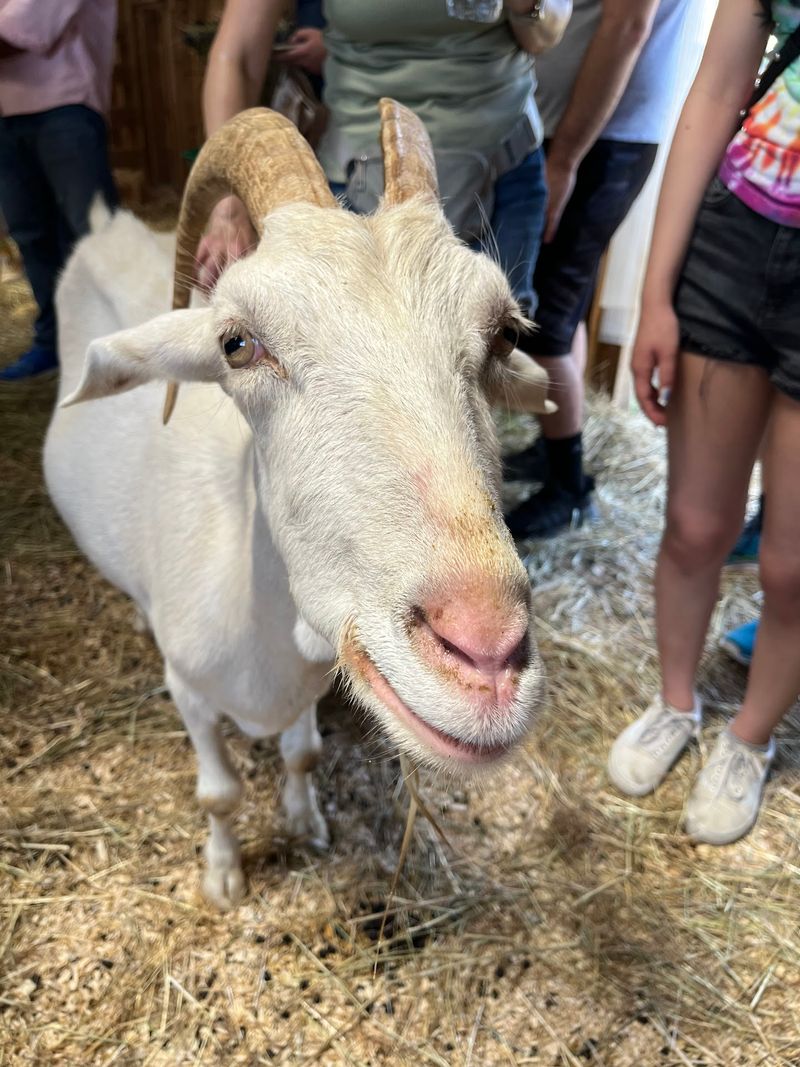
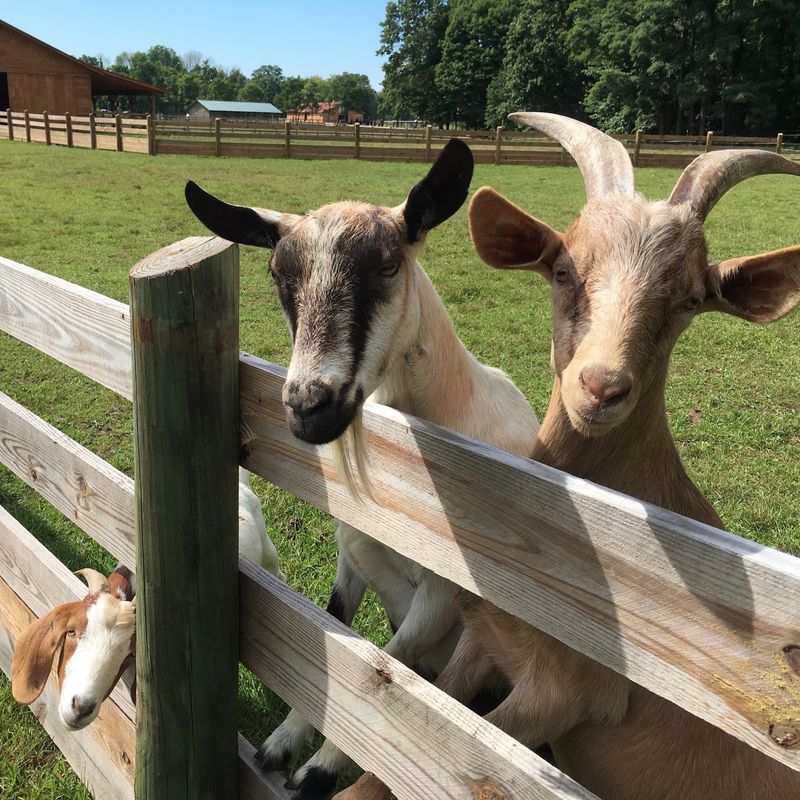
The goats, in particular, have a reputation for being outgoing. They rarely wait for a formal invitation.
Animals approach only if they feel like it, and that freedom is part of what makes them seem so relaxed. Plenty of space to roam helps too.
For families teaching kids about respect, the approach offers a useful lesson. Patience usually gets rewarded.
Choice, in the end, is the kindest gift this place gives.
4. Guided Tours With Real Stories
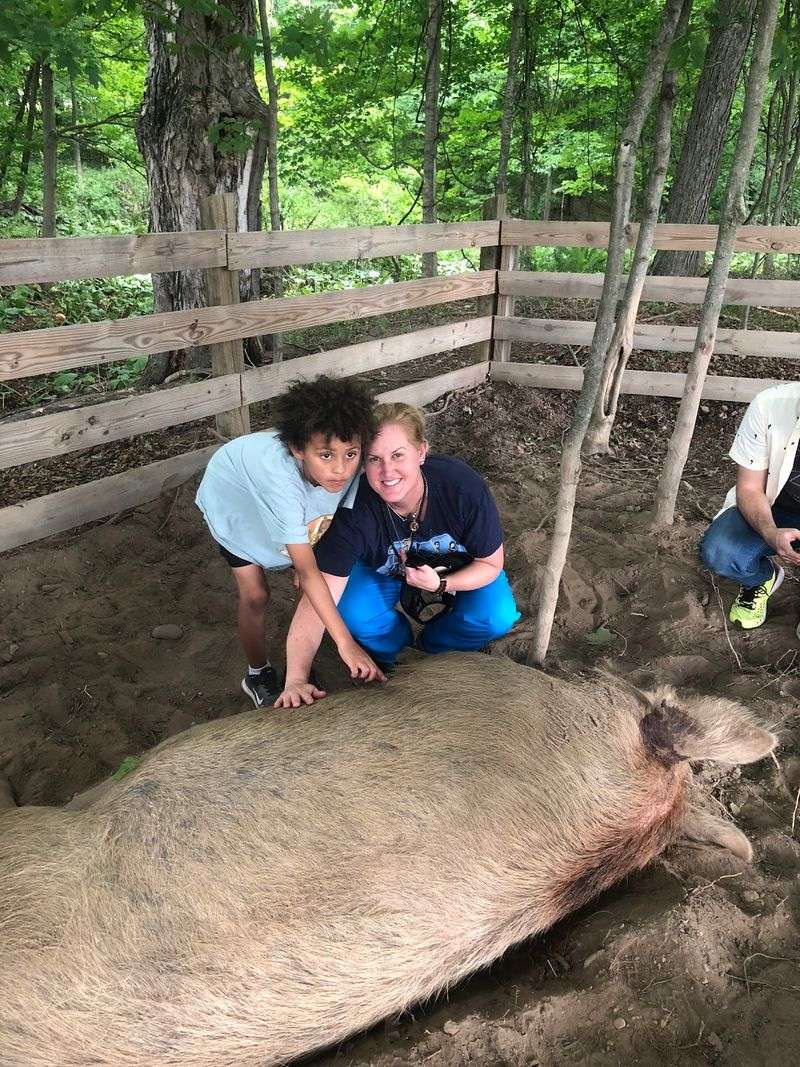
The guides are a big reason people keep coming back. Names like Jerry, Sean, Anna and Andie pop up again and again in warm praise.
Tours take guests from animal to animal, sharing where each resident came from. Guides are known for being patient, funny and full of knowledge.
They also answer questions openly. Groups tend to leave with a much clearer picture of how farm animals live in the wider agriculture industry.
Some of that information is eye-opening. Guides present it respectfully, with the animals themselves as the best evidence that change is possible.
Tours give plenty of time and plenty of detail. Nobody feels rushed through the barns.
Staff have even been known to hand out tips on local vegan spots after the tour wraps up. That kind of hospitality feels old-fashioned in the best way.
A good guide turns a walk in the pasture into a story worth retelling at dinner.
5. Private Tours Versus Group Visits
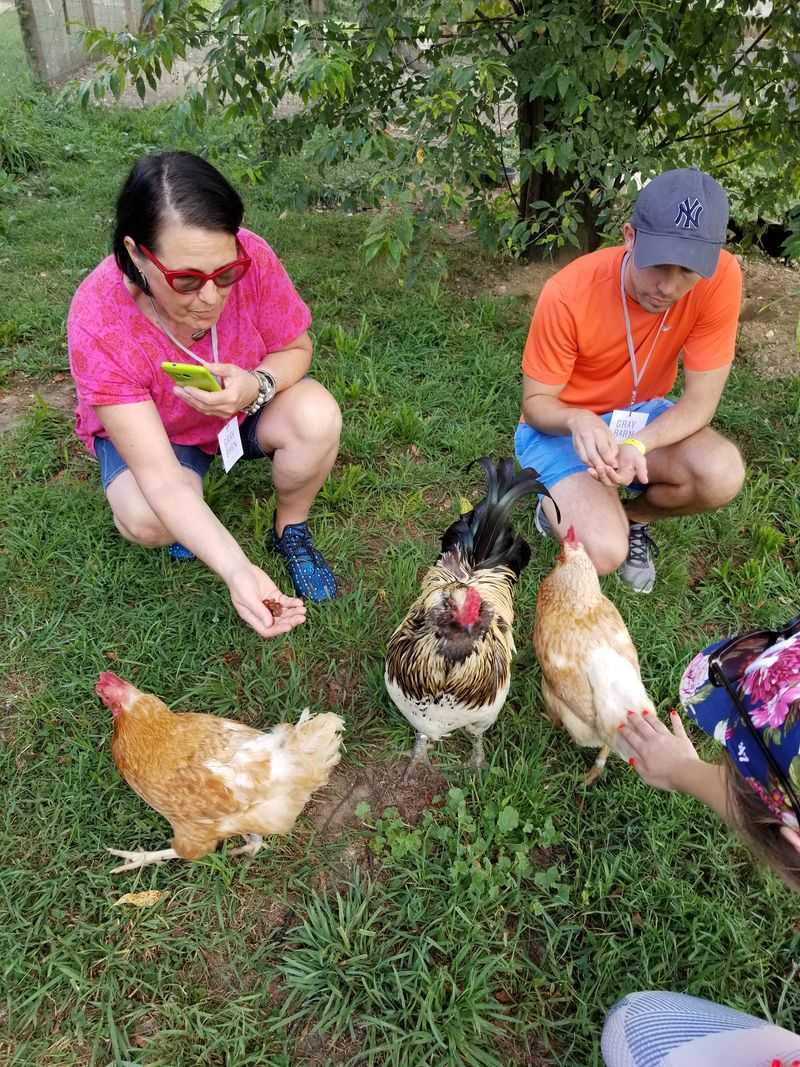
Two styles of visit are available, and each has its fans. Group tours are more affordable, while private tours offer extra one-on-one time with the animals.
Returning guests who have tried both often recommend the private option. The smaller setting tends to allow more cuddles and more personal attention.
Private tours have also been arranged outside the public tour season. That flexibility helps travelers whose schedules do not line up with the regular calendar.
One family booked a private tour so their three-year-old could meet the animals up close. The guide knew which residents enjoyed interaction and tailored the visit around the child’s wish to see the pigs.
Group tours still deliver plenty. Time outdoors with the animals and support for the sanctuary’s work come with either choice.
Specific prices are best checked directly on the sanctuary’s website before booking. Seasons and options can shift.
Either way, the residents seem happy to share a bit of their day.
6. Pigs, Goats, Cows and Plenty of Personality
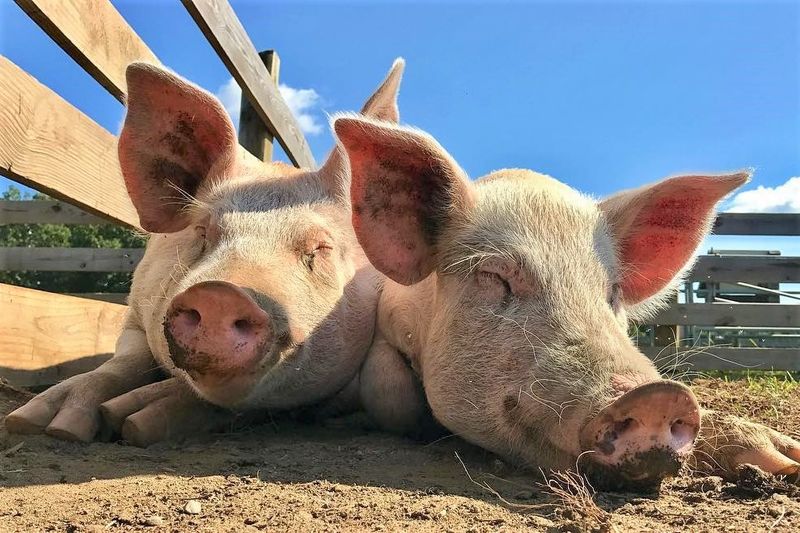
Snoopy the pig likes belly rubs. That fact alone has delighted at least one preschooler.
The resident lineup covers many kinds of farm animals. Pigs, goats, cows and turkeys all appear in stories from past tours.
Each species shows its own style. Cows have reportedly been spotted playing soccer, and turkeys seem content spending time in the grass.
Some guests arrive with one goal, like petting a pig, and leave having met an entire cast of characters. The variety keeps tours lively.
Personality is the word that comes up most. Instead of seeming nervous, the animals act like individuals with preferences and moods.
Kids especially connect with that. A cow with a favorite game is easier to remember than any textbook page.
Fair warning: picking a favorite resident is much harder than it sounds.
7. Room to Roam in Ulster County
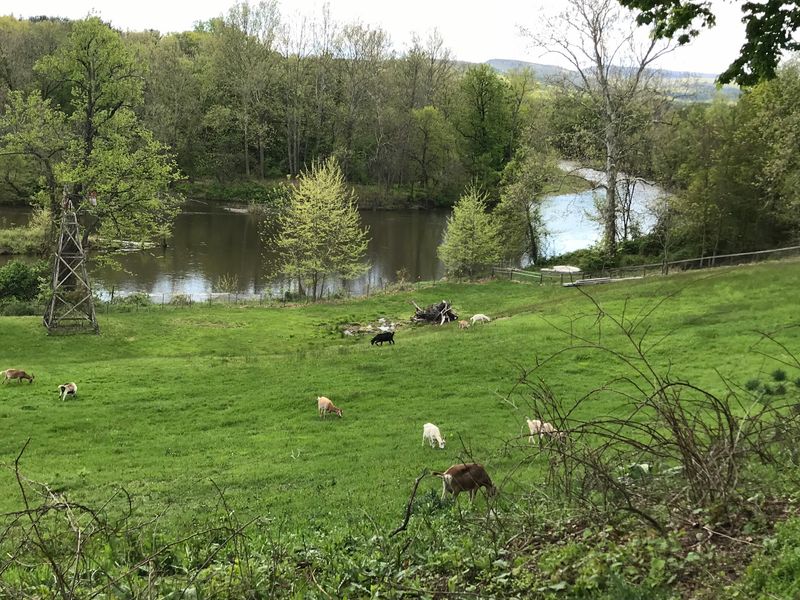
Space is a luxury most farm animals never get. At this sanctuary, it is standard.
The grounds offer plenty of room for residents to wander and explore. That openness is one of the first things people mention after a visit.
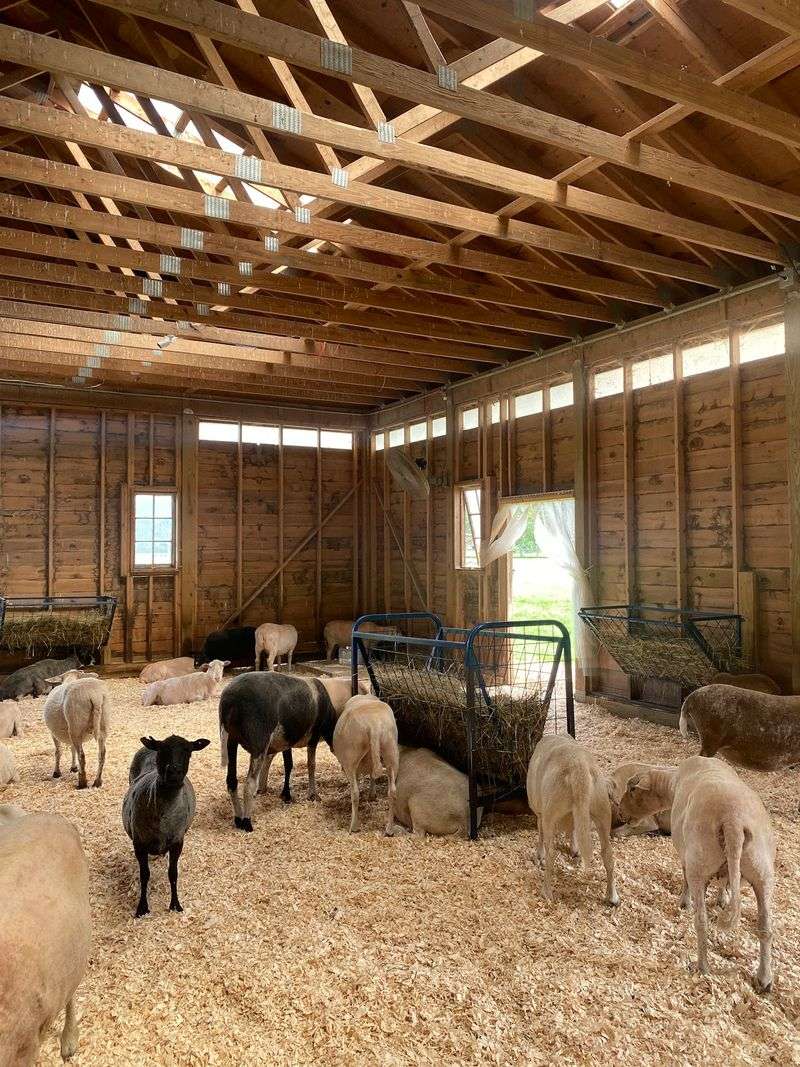
Barns provide shelter, while pastures give the animals freedom to choose where they spend their time. The setup supports the sanctuary’s philosophy of letting animals call the shots.
For guests, the outdoor setting is part of the draw. A tour means time outside in the Hudson Valley countryside, away from city pace.
The property is also well managed and maintained. Clean, organized spaces reflect the care that goes into daily operations.
Fall can be a lovely time for the drive up, though the animals are the real reason to make the trip in any season.
Wide pastures make a strong case that freedom is good medicine.
8. The Gray Barn Overnight Stay
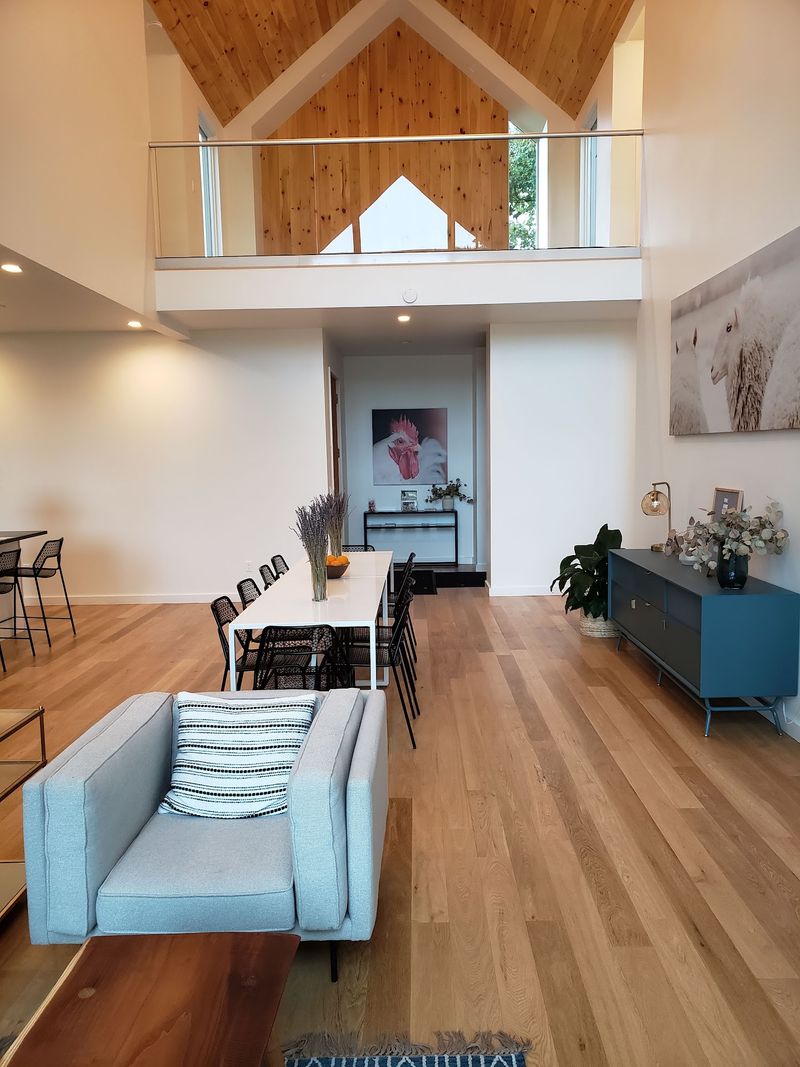
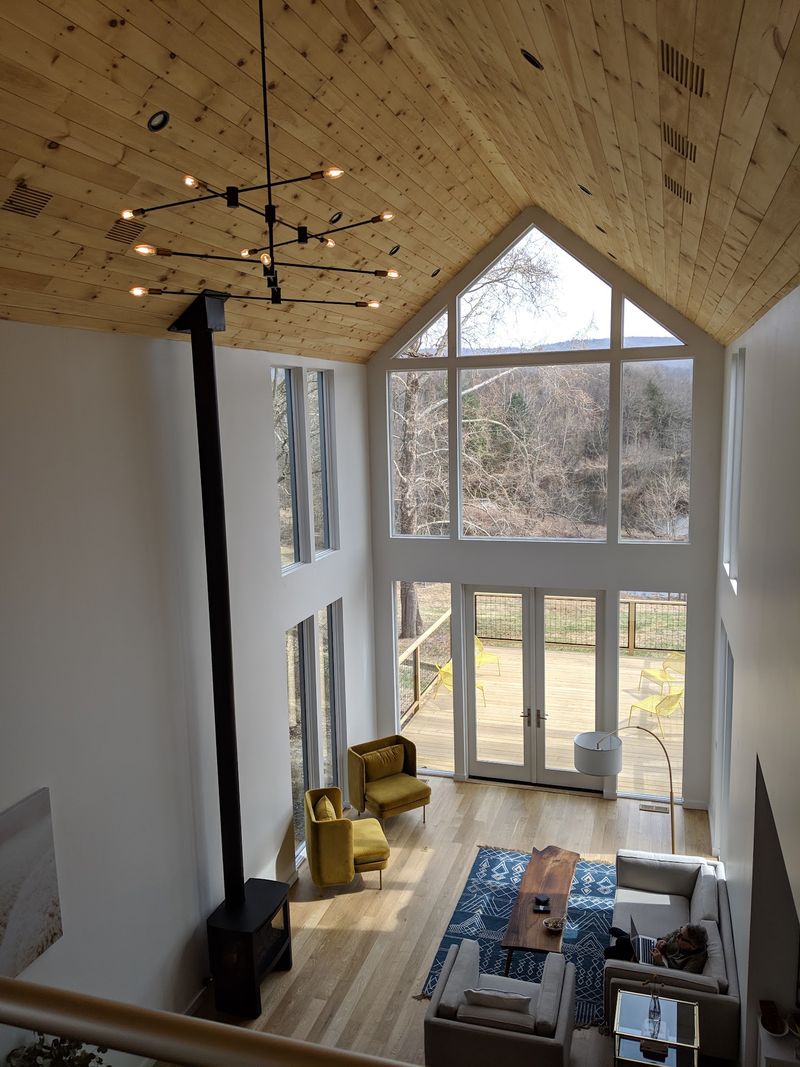
Some guests are not ready to leave after one tour, and they do not have to. The Gray Barn, an inn right on the property, lets people stay overnight.
Couples have chosen it for honeymoons and surprise getaways. Rooms are described as clean and pleasant, and the views get plenty of praise.
A vegan breakfast is prepared each morning for guests. Out of respect for the animals, only vegan snacks and food may be brought onto the property.
Tours are offered to inn guests as well. That means a chance to visit each resident, learn their histories and possibly enjoy some interaction.
Staying overnight adds a slower rhythm to the experience. Guests get to watch the sanctuary move through its day.
Recent stays continue to earn kind words, so the inn appears to keep its standards steady.
Waking up next door to rescued animals is a weekend plan few places can match.
9. Lessons That Stick Long After the Drive Home
Education is woven into every visit. Guests learn about the animals and about the systems they were rescued from.
Many people arrive curious about veganism, and some come specifically to give their kids context. Seeing happy, safe farm animals makes abstract ideas real.
Others visit because they no longer want to support zoos or attractions that keep animals in poor conditions. The sanctuary offers a different model.
Information about factory farming can be heavy. Guides balance it with the hopeful sight of animals who made it out.
The message is about choices and their impact. Guests often leave thinking about how daily decisions affect animals.
Families find it especially meaningful. Children tend to remember the stories and share them at home.
Knowledge here comes with a wagging tail attached.
10. A Calm Corner of Upstate New York
Calm is a word that keeps surfacing. The sanctuary carries a peaceful atmosphere that many guests notice right away.
Crowds are generally light, at least on some visits. That makes it easier to slow down and enjoy time with the residents.
The animals themselves set the mood. When residents seem at ease, people follow their lead.
It suits animal lovers, vegans, curious families and anyone wanting to learn more about farm animals. No special background is required.
Fair is fair, though: experiences are not perfect for everyone. One family reported a troubling interaction with a staff member or volunteer regarding their children, and some felt kids with lots of energy were not always welcomed warmly.
Families with young kids may want to prepare little ones for the calm, respectful pace before arriving.
For most, though, the quiet is exactly the point.
11. Volunteering and Memberships
Hard work and big rewards go hand in hand for volunteers. Those who have helped out describe the work as demanding but deeply satisfying.
Volunteering offers a closer look at daily care. It suits people who want to give back with more than a donation.
Several past guests mention wanting to return to volunteer. A single tour often sparks that interest.
Memberships are also available. That gives regular supporters another way to stay connected to the sanctuary.
Staff and volunteers are described as friendly and committed. Their dedication shows in how well the animals are kept.
Details on volunteer roles and membership options are best found on the official website, woodstocksanctuary.org. Requirements can change by season.
A few hours of mucking stalls might be the most meaningful workout around.
12. Planning the Trip to High Falls
A little planning goes a long way. Public tours run seasonally, so checking dates ahead of time is wise.
Private tours have been offered outside the public season, which helps for off-peak trips. Booking in advance is the safest approach.
Hours and prices are not fixed in any public summary, so the website is the best source. Group tours cost less than private ones.
High Falls is in Ulster County, and most guests arrive by car. For many New Yorkers, especially those coming from downstate or western cities, it is a long drive.
People who traveled far often say it was worth the wait. Turning the trip into an overnight at the Gray Barn makes the distance easier.
Comfortable outdoor clothing helps, since tours happen in pastures and barns. Remember the vegan-only rule for any food brought onto the property.
A gift shop stocked with t-shirts offers one more way to support the work before heading home.
13. Where Safe Finally Feels Normal
Old-fashioned kindness still has an address in New York, and it sits on Rescue Road. The sanctuary proves that patience and care never went out of style.
Animals here are not rushed, sold or asked to perform. They are simply allowed to live and grow old.
Guests come for a pig, a goat or a lesson, and often leave with something bigger. Many call it one of their favorite places anywhere.
The guides tell stories with respect, and the residents back them up with relaxed, curious personalities. That combination makes the visit memorable.
It is not a theme park and does not try to be. Its strength comes from steady, honest work.
For New Yorkers who want proof that compassion still thrives upstate, a tour here makes a convincing case.
Snoopy, for one, will be waiting for his belly rub.
Share this story