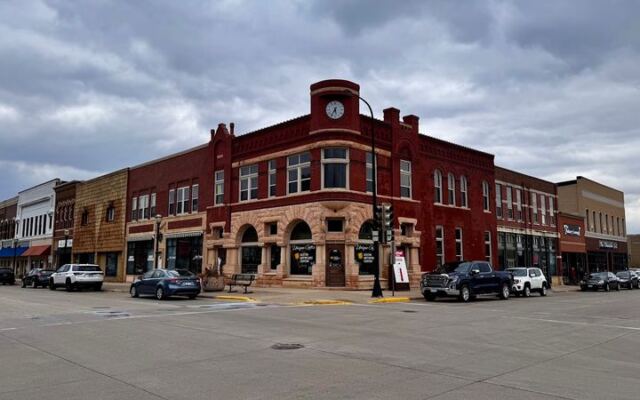
A monthly Social Security check does not stretch very far in many parts of the country. Rent climbs, groceries creep up, and plenty of retirees start wondering where their money can still breathe a little.
In southern Minnesota, one river town offers a quieter answer. It has two lakes, a winding river, and a small-city layout that keeps daily life simple and close to home.
It is big enough to have the basics and small enough that a trip across town does not feel like a road trip. The pace is calm, the setting is green, and the place has a history worth knowing.
Keep reading to learn where it is, how it began, what makes it pleasant for retirement, and how to plan a scouting visit before making any big moves.
A County Seat on the Cedar River
Some towns hide their best qualities, but this one puts them right on the map. Austin sits in southern Minnesota, with the address Austin, Minnesota 55912, USA.
It serves as the county seat of Mower County. That means county offices and services are close at hand for residents.
The 2020 census counted 26,174 people living here. That number places Austin in a sweet spot between a sleepy village and a busy metro.
For retirees, that size matters more than it might seem. A city this large can support everyday needs without the traffic and bustle of a big urban area.
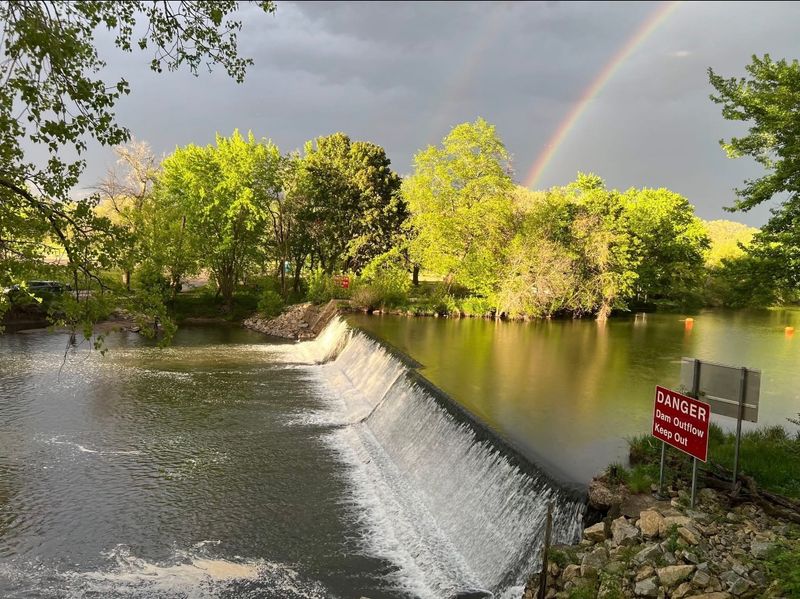
The town grew up along the Cedar River. Water has shaped its layout from the very start, and it still defines much of the scenery today.
Austin also has two artificial lakes, East Side Lake and Mill Pond. These man-made bodies of water add open views and calm spaces right inside city limits.
Put together, the river and lakes give the community a relaxed, outdoorsy setting. It is the kind of place where a regular afternoon can include a stroll near the water.
Those are the basics. The story of how the town got its name is where things get a bit more personal.
The Settler Behind the Name
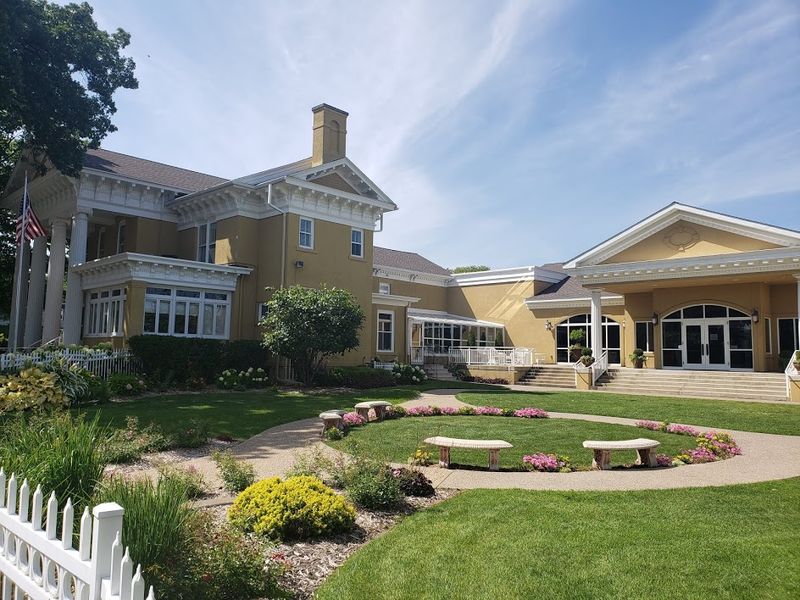
Every town name carries a story, and Austin’s comes from one man. The city was named for Austin R.
Nichols, the first European settler in the area.
It is a fun bit of trivia that the name is a first name, not a surname. Plenty of towns honor founders by their family names, so Austin stands out a little.
Nichols chose a spot along the Cedar River. River access was valuable for early settlers, and the town took root right beside it.
Over time, that small beginning grew into a full county seat. The river that first drew settlement still runs through the heart of the community.
For retirees who enjoy local history, that kind of origin story adds character. Knowing why a place exists can make living there feel more rooted.
A town shaped by a river and named for a single pioneer has a down-to-earth identity. There is nothing flashy about it, and that is part of the appeal.
History buffs may enjoy tracing how the settlement expanded from its riverside start. The city website at ci.austin.mn.us is a helpful first stop for local information.
From one settler to more than 26,000 residents, the growth tells a steady story. Next comes the water feature that started it all.
Life Along a Winding River
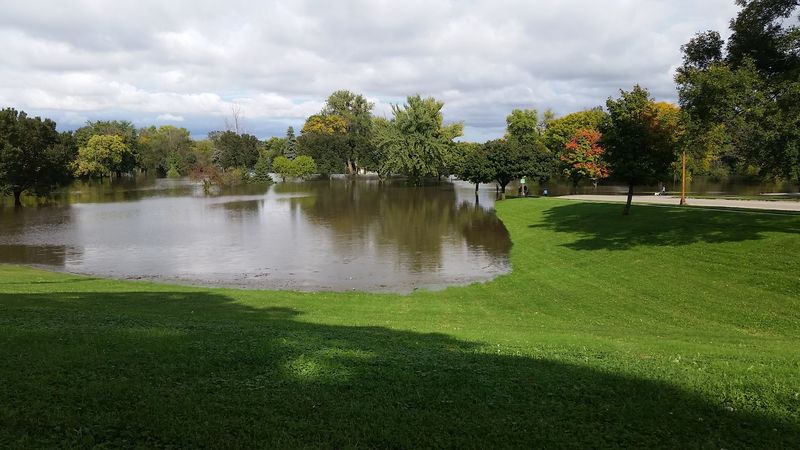
Rivers have a way of setting a town’s rhythm. In Austin, the Cedar River has been part of daily life since the first settlement.
The river runs through the community instead of sitting off at the edge. That gives many neighborhoods a natural connection to green space.
For retirees, easy access to nature can be a real perk. A riverside walk costs nothing, and free activities are a big deal on a fixed income.
Spending time outdoors near water is a low-cost hobby that fits any budget. It also offers a simple way to stay active without a gym membership.
The river adds a peaceful backdrop to errands and outings. A drive across town often means crossing or passing near the water.
Photography fans may find plenty to capture through the seasons. Minnesota’s changing months give the riverbanks a different look throughout the year.
The Cedar River is also tied to the town’s identity and history. It is not just scenery, it is the reason Austin exists in this spot.
Quiet, free, and close by, the river checks many boxes for retirement living. Yet it is only one of three water features worth knowing about.
East Side Lake and Its Calm Appeal
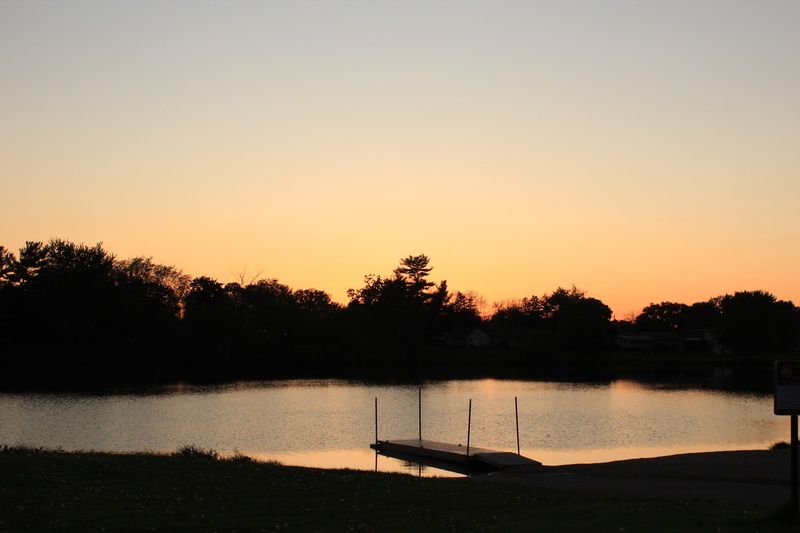
Not every lake needs to be natural to be worth a visit. East Side Lake is one of Austin’s two artificial lakes, and it adds open water right within the city.
Man-made lakes often come from damming or shaping a river. In Austin’s case, the lakes connect to a town that was settled along the Cedar River.
Having a lake nearby is a quiet luxury that does not require lakefront prices. Residents can enjoy the view without owning property on the shore.
Retirees often look for places where a peaceful outing is close and simple. A nearby lake fits that need nicely.
It is a good spot for anyone who likes slow, unhurried afternoons. Bring a book, a folding chair, or simply some free time.
Bird watchers and casual walkers may appreciate the open space. Water areas tend to draw people looking for a break from screens and schedules.
The lake also gives the east part of town its own sense of place. Neighborhood landmarks help a city feel less spread out and more familiar.
One lake is nice, but Austin has a second. That one carries a name with an old-fashioned ring to it.
Mill Pond, a Name With Old Roots
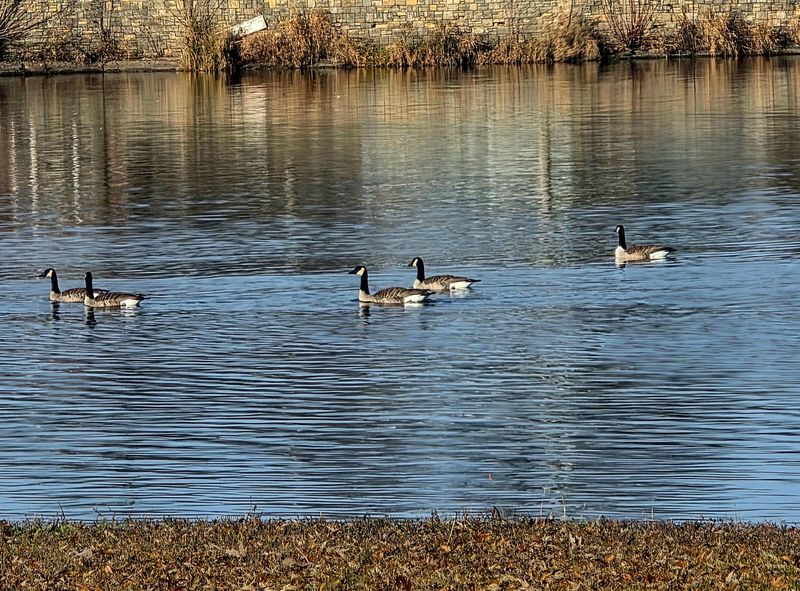
Mill Pond sounds like something out of a storybook, and that charm is part of its draw. It is Austin’s second artificial lake.
The name hints at the kind of practical uses many riverside towns once had for water. Even without the full backstory, it carries a pleasantly historic feel.
Mill Pond offers another open, calm space within city limits. Two lakes in one small city is a generous setup.
For retirees, variety helps daily routines stay interesting. One week the walk can circle East Side Lake, and the next it can head to Mill Pond.
Free outdoor spaces like this ease the pressure on a monthly budget. Entertainment does not always need a ticket or a bill attached.
Grandparents hosting visiting family may also find these spots handy. A trip to the pond is an easy, no-cost outing for all ages.
The pond ties back to the Cedar River and the town’s earliest days. Water is the thread that runs through Austin’s entire story.
With a river and two lakes covered, it is time to look at what matters most for retirees. That is the question of everyday living costs.
Why Smaller Cities Stretch a Budget
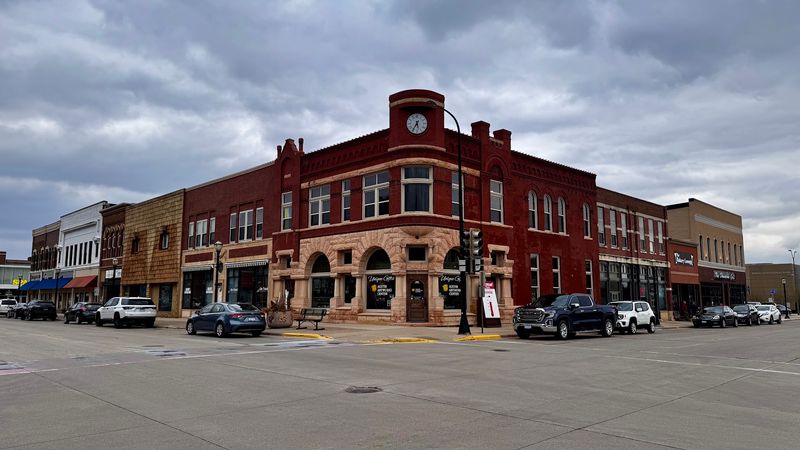
Money talk is not glamorous, but it decides where many retirees can actually live. Austin’s size plays a big role in that conversation.
Smaller cities often come with a lower cost of living than large metro areas. Housing is usually the biggest piece of that difference.
With about 26,000 residents, Austin is far from a crowded big city. Life here tends to move with less of the expense that comes with dense urban living.
That can make a Social Security check feel more workable. Exact costs vary by household, so checking current listings and local rates is a smart step.
Short drives also help the budget. Less time on the road can mean lower fuel spending over the course of a year.
Free outdoor spaces, like the river and two lakes, cut entertainment costs too. Small savings add up over months and years.
Being a county seat means many services are close by. Handling paperwork or county business does not require a long trip.
Budget comfort is not just about prices. It is also about how simple day-to-day life feels, which brings up the local pace.
An Unhurried Small-City Pace
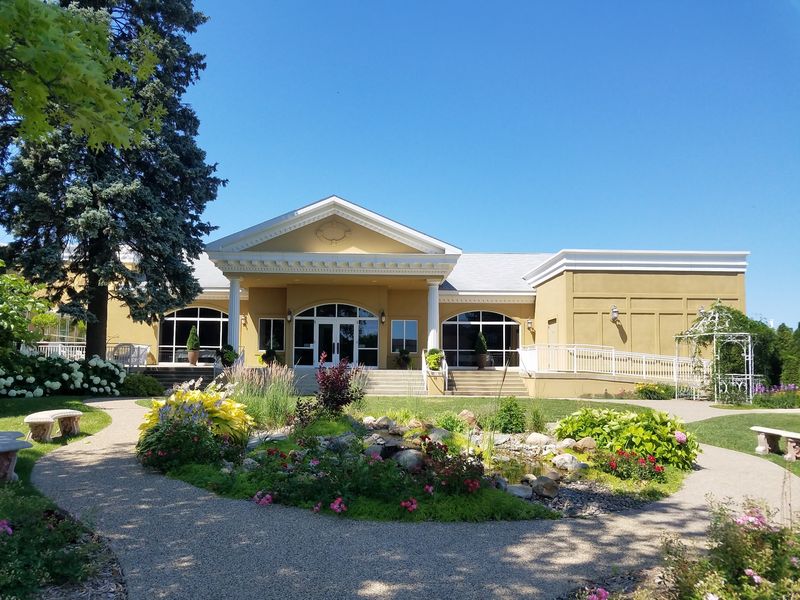
Retirement is supposed to slow things down, and some towns make that easier than others. Austin offers a pace that suits people stepping back from busy careers.
A city of this size avoids the constant rush of larger places. Errands can be handled without fighting through heavy crowds.
That calm does not mean the town is empty. Twenty-six thousand residents keep the community active and lived-in.
Retirees who want a balance of quiet and convenience may find it here. It is a place where neighbors are still likely to cross paths.
The water features help set the relaxed tone. Open spaces give people places to pause during the day.
Hobbyists may enjoy having time and space to pursue their interests. Crafters, collectors, and casual explorers can all settle into a comfortable routine.
The pace also supports a healthier daily rhythm. Walking, visiting friends, and spending time outside fit naturally into the week.
Of course, a slower town is not right for everyone. The next section looks at who tends to fit Austin best.
Who Feels at Home Here
Some places fit certain people like a favorite pair of shoes. Austin tends to suit retirees who value simplicity over spectacle.
Outdoor lovers have a natural match here. A river and two lakes give them plenty of reasons to get outside.
History fans may enjoy a town with a clear origin story. A founder’s first name on the map is a fun conversation starter.
Budget-minded retirees may appreciate small-city living. A modest income can feel less tight away from big-city costs.
People who like having services nearby also benefit. As a county seat, Austin keeps key offices within reach.
Those craving nightlife or big-city attractions may want something different. Austin is more about steady comfort than constant excitement.
Families with grandchildren in Minnesota may like staying in the state. Southern Minnesota keeps loved ones within driving range for many.
The best way to know for sure is to spend time in town. A few practical notes can make that scouting trip smoother.
Seasons in Southern Minnesota
Minnesota weather is famous enough to have its own jokes. Anyone thinking about retiring in Austin should plan for real seasons.
Warmer months are ideal for enjoying the Cedar River and the two lakes. Outdoor time is easy when the weather cooperates.
Fall brings changing trees along the water. It is a popular time for walks and photos.
Winter calls for preparation. Retirees from warmer states should budget for heating and cold-weather gear.
Spring marks the return of outdoor routines. Lakeside walks and park visits come back into the weekly plan.
Visiting in more than one season can be helpful before moving. A summer trip and a winter trip give a fuller picture of daily life.
Many locals embrace the changing year as part of the charm. Each season brings its own set of activities and routines.
Seasons shape budgets as much as calendars. With weather in mind, the next step is getting to town and getting around.
Planning a Scouting Trip

A good move starts with homework, not a moving truck. Planning a visit to Austin is the best way to test the fit.
The city’s official website, ci.austin.mn.us, is a helpful starting point. It can point visitors toward local services and city information.
Austin is in Mower County in southern Minnesota. Mapping the route ahead of time makes the drive simple.
Spend time in different parts of town. The areas near East Side Lake and Mill Pond each offer a slightly different feel.
Check housing listings before and during the trip. Comparing prices in person helps confirm whether the budget will work.
Visit county offices if paperwork questions come up. Being in the county seat makes that convenient.
Talk with locals when the chance arises. Everyday conversations can reveal a lot about community life.
Write down impressions after each day. Notes help when comparing Austin with other towns on the list.
A few days on the ground can answer questions no website can. That leads to the final verdict on this river town.
A Quiet Verdict on Austin
Not every great retirement spot needs palm trees and ocean views. Sometimes a river, two lakes, and a sensible pace are enough.
Austin offers a steady, practical setting in southern Minnesota. It is the county seat of Mower County, with about 26,000 residents.
The Cedar River gave the town its start. East Side Lake and Mill Pond add calm, free spaces for daily life.
Its name honors Austin R. Nichols, the area’s first European settler.
That small detail gives the town a friendly, personal identity.
For retirees watching every dollar, smaller cities like this can make a fixed income feel less stretched. Checking current costs during a visit is still the wisest move.
The town will not suit everyone. Those wanting big-city excitement or warm winters may look elsewhere.
But for people who want comfort, nature, and nearby services, Austin deserves a spot on the shortlist. It quietly delivers the basics that make retirement feel secure.
Sometimes the best next chapter happens in a place that never needed to shout for attention. Austin might be that kind of place.
Share this story