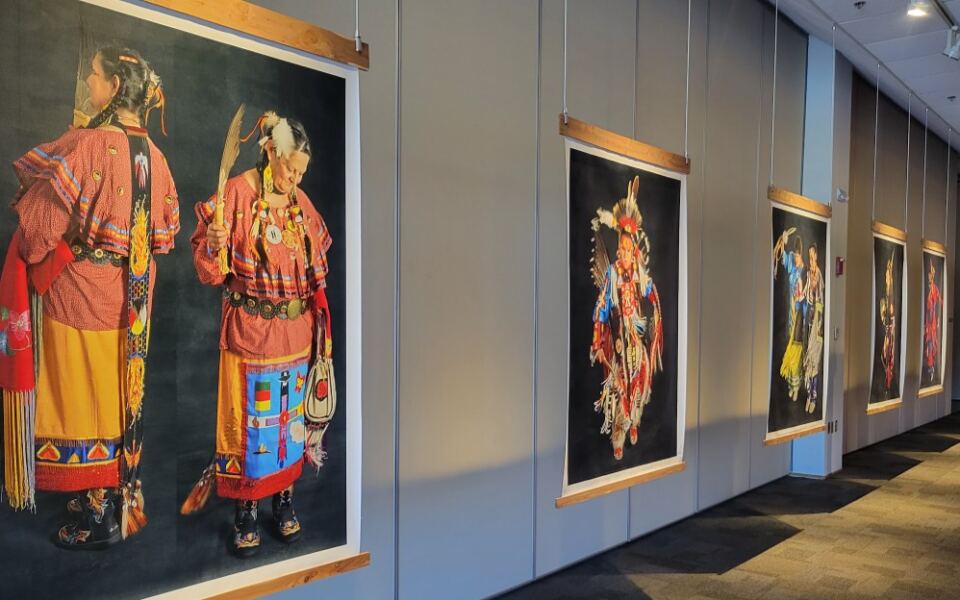
Some family stories get passed down at the kitchen table, and some fill an entire building. In Shawnee, a free museum lays out centuries of one Native nation’s history, from its earliest stories to the present day, in a single walk.
Touch screens narrate old photos and documents, a traditional wigwam stands ready for a closer look, and you may leave knowing a few words of a language many people have never heard spoken. It costs nothing to get in, it sits a short drive from Oklahoma City, and it might just change how you think about the people who helped shape this state.
1. A Free Museum on Gordon Cooper Drive
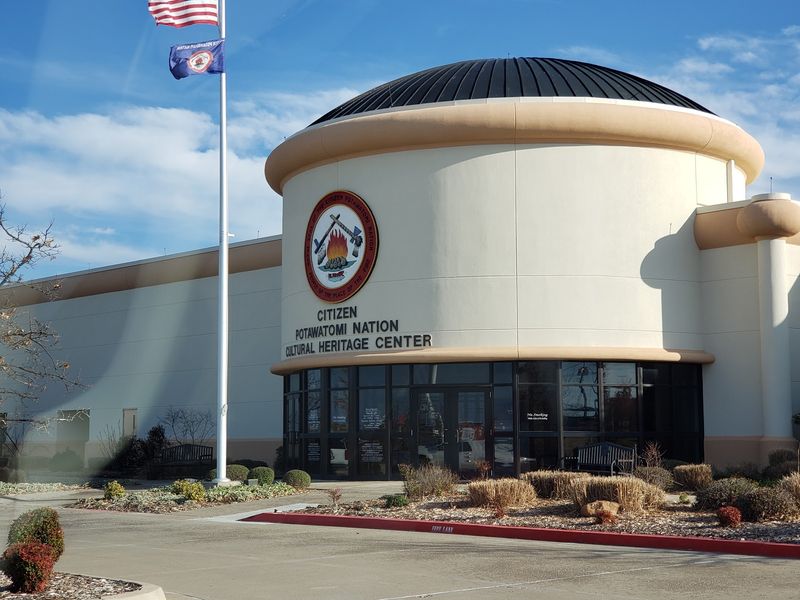
Shawnee holds a surprise for anyone who thinks Oklahoma history ends with land runs and cattle trails.
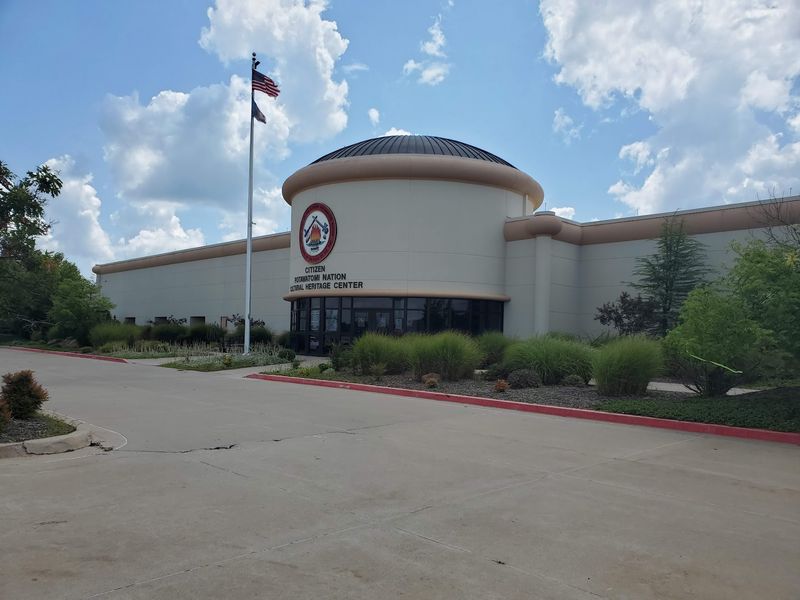
The Citizen Potawatomi Nation Cultural Heritage Center sits at 1899 S Gordon Cooper Dr, Shawnee, OK 74801. It is a museum run with one clear purpose: sharing the history and culture of the Citizen Potawatomi Nation.
Exhibits and education programs fill the building. Tours are offered by appointment, so groups can arrange a guided walk if they plan ahead.
The best part for budget-minded families comes at the door. Admission is free, and a donation box sits near the front for anyone who wants to support the work.
The center is part of the wider tribal complex, and the grounds around it include ball fields. That makes it easy to spot as you come down Gordon Cooper Drive.
For day-trippers from Oklahoma City or Tulsa, Shawnee is an easy target on a free weekend. The museum gives the trip a purpose that goes well beyond a quick stop for gas.
Plenty of people walk in expecting a small room of display cases. What they find is a modern, carefully planned space that tells a nation’s story from start to finish.
2. Generations Laid Out in Order
Stories make the most sense when they start at the beginning, and the galleries here are built around that idea.
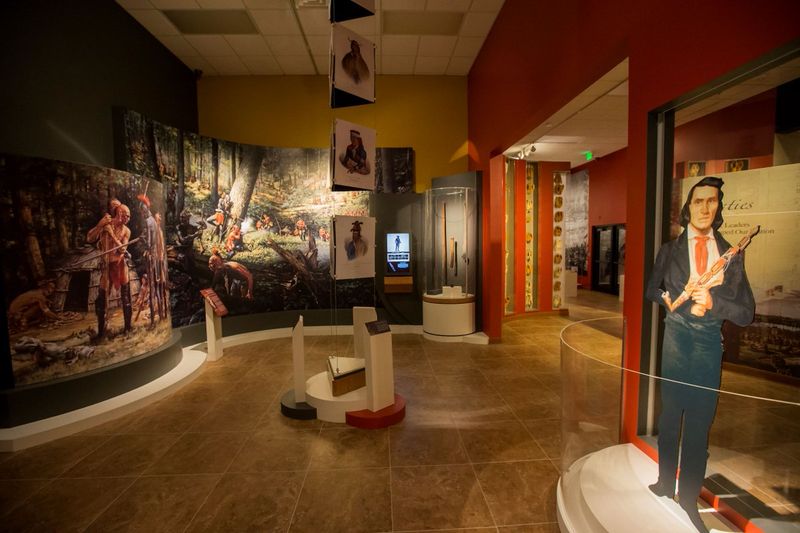
The museum moves in timeline order. It begins with the early history of the tribe and walks forward, era by era, all the way to the present day.
That flow is one of the most praised features of the place. You never feel lost wondering what came first, because each room picks up where the last one left off.
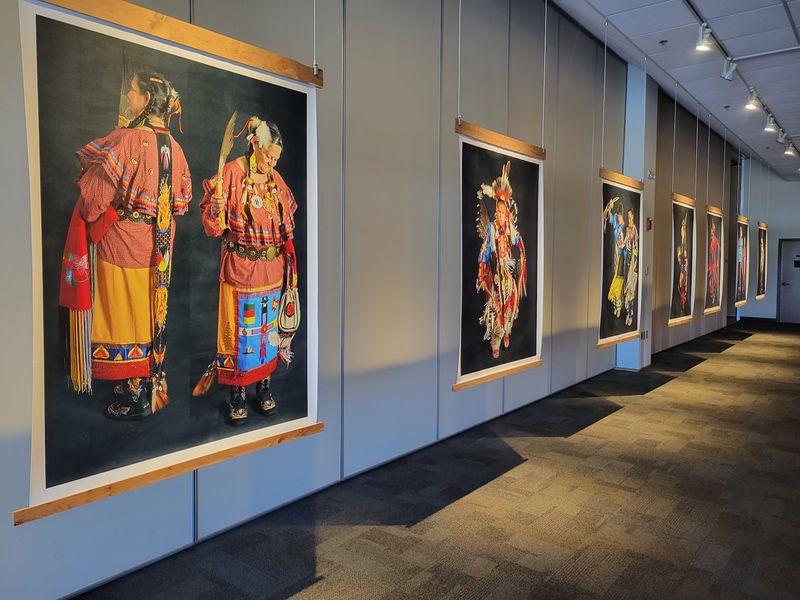
Along the way, the exhibits cover far more than dates. They share the values, achievements, and traditional stories of the Potawatomi people, presented with clear respect.
The museum was updated within the past few years, and the changes show. The displays look fresh and modern, and the layout makes a large amount of history easy to follow.
Photos, documents, and preserved artifacts help connect the timeline to real people. For families with Potawatomi roots, that personal angle can hit hard, since the exhibits show how deep and wide the nation’s history runs.
Some people with ties to the wider Anishinaabe family of nations find connections here too.
Give yourself time to follow the thread. The story rewards patience, one generation at a time.
3. Touch Screens That Tell the Story
History books stay quiet, but the screens at this museum talk back.
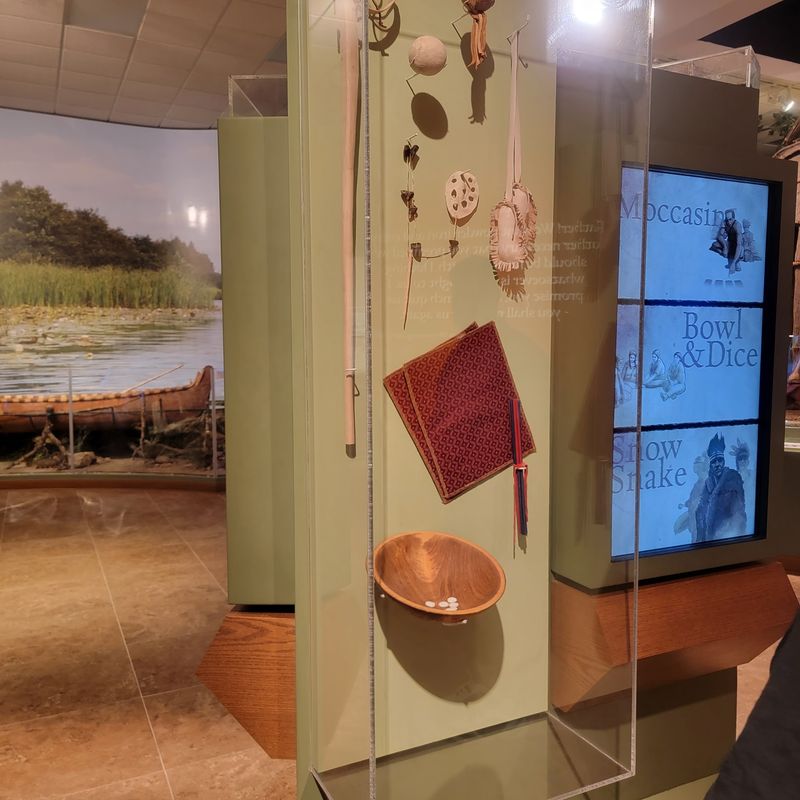
Interactive touch screens are scattered through the galleries. Tap one, and narration walks you through historical images and documents, adding context that a printed label could never fit.
Short videos also play throughout the space. They are worth your time, so slow down and let a few run from start to finish.
Kids tend to gravitate toward these panels first. A screen they can control turns a reading-heavy museum into something closer to a guided conversation.
There is a fair amount of reading in the building, and the screens help balance that out. They give younger guests and tired adults a break from wall text without losing any of the story.
Interactive tutorials appear in the mix as well, which helps with some of the more detailed topics.
A small heads-up keeps expectations honest. Like any tech, a monitor or two may act up on a given day, so just move on to the next panel and circle back later.
Once you get the hang of them, these screens make generations of family history unfold right at your fingertips.
4. The Wigwam and the Hand-Carved Canoe
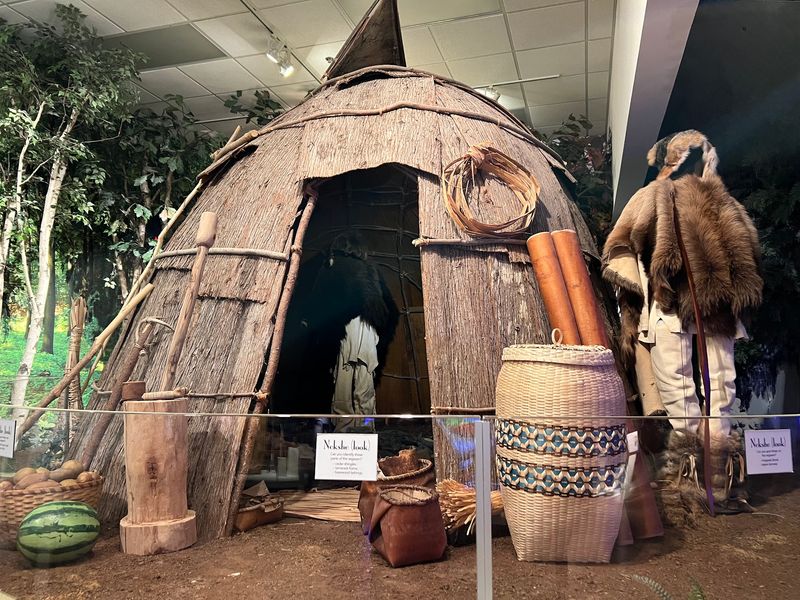
Some exhibits become family traditions of their own.
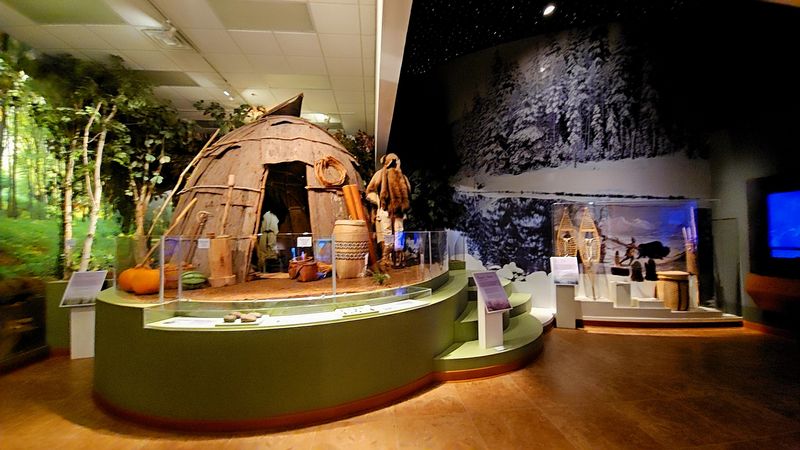
The wigwam on display is a longtime favorite. People who first saw it as children decades ago still look for it when they return, and it remains a highlight for new generations.
Seeing a full-size traditional dwelling helps make the history concrete. It shows how Potawatomi families lived in a way no photo can fully explain.
Nearby, reproductions of traditional skills get serious attention. A hand-carved canoe and paddles are on display, showing the craftsmanship that daily life once required.
Statues and artwork add to the mix throughout the galleries. Beautiful displays depict key moments in the history of the nation.
Fair warning for artifact hunters: the museum leans more on displays and storytelling than on rooms packed with objects. Preserved tribal artifacts are here, but the focus stays on helping you understand the story.
That balance works well for families. Kids can point at the canoe, ask how it was made, and then find the answer on a nearby screen.
Bring the camera and ask about photo rules at the front desk, since policies can vary.
5. Words You Might Take Home
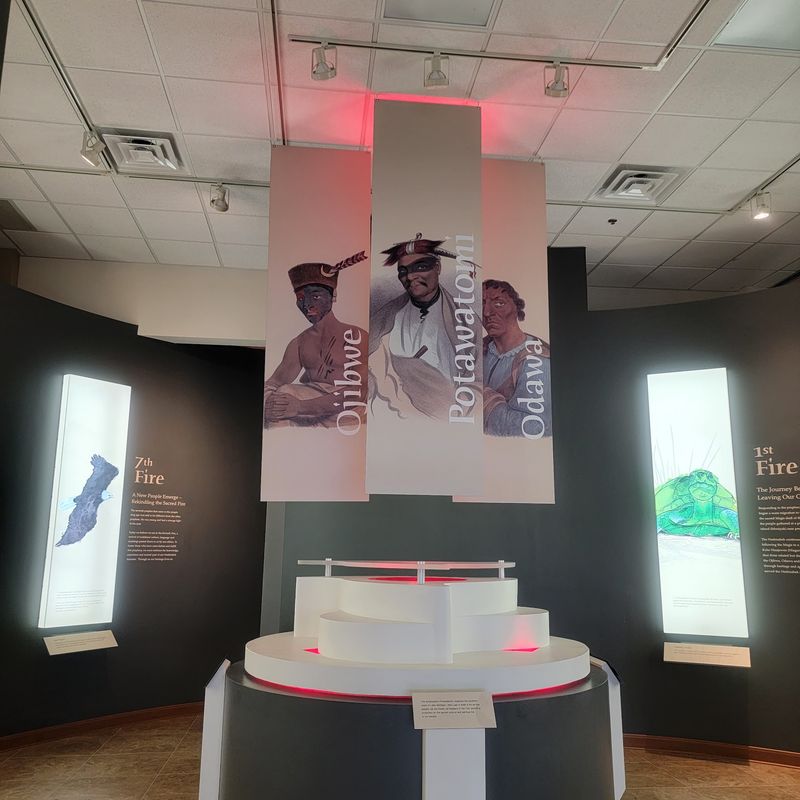
Here is a souvenir that costs nothing and fits in no bag.
Pay close attention as you move through the exhibits, and you may walk out knowing a few words of the Potawatomi language. The language is woven into the displays rather than tucked into a single corner.
For kids, that turns the visit into a quiet challenge. See who can remember the most words by the time you reach the exit.
Language sits at the heart of any culture, and the museum treats it that way. Hearing and reading Potawatomi words alongside the history makes the story feel present rather than finished.
The exhibits also share traditional stories and teachings. These help explain the values that have guided the nation across many generations.
Fun fact for the ride home: the Potawatomi are often called the People of the Place of Fire. It is a name some members proudly use when talking about their family.
For anyone with Native roots in the Great Lakes nations, these details can feel deeply personal. Many leave with a stronger sense of where their own family fits.
A few new words make a fine trade for an hour or two of attention.
6. A Gift Shop Worth the Detour
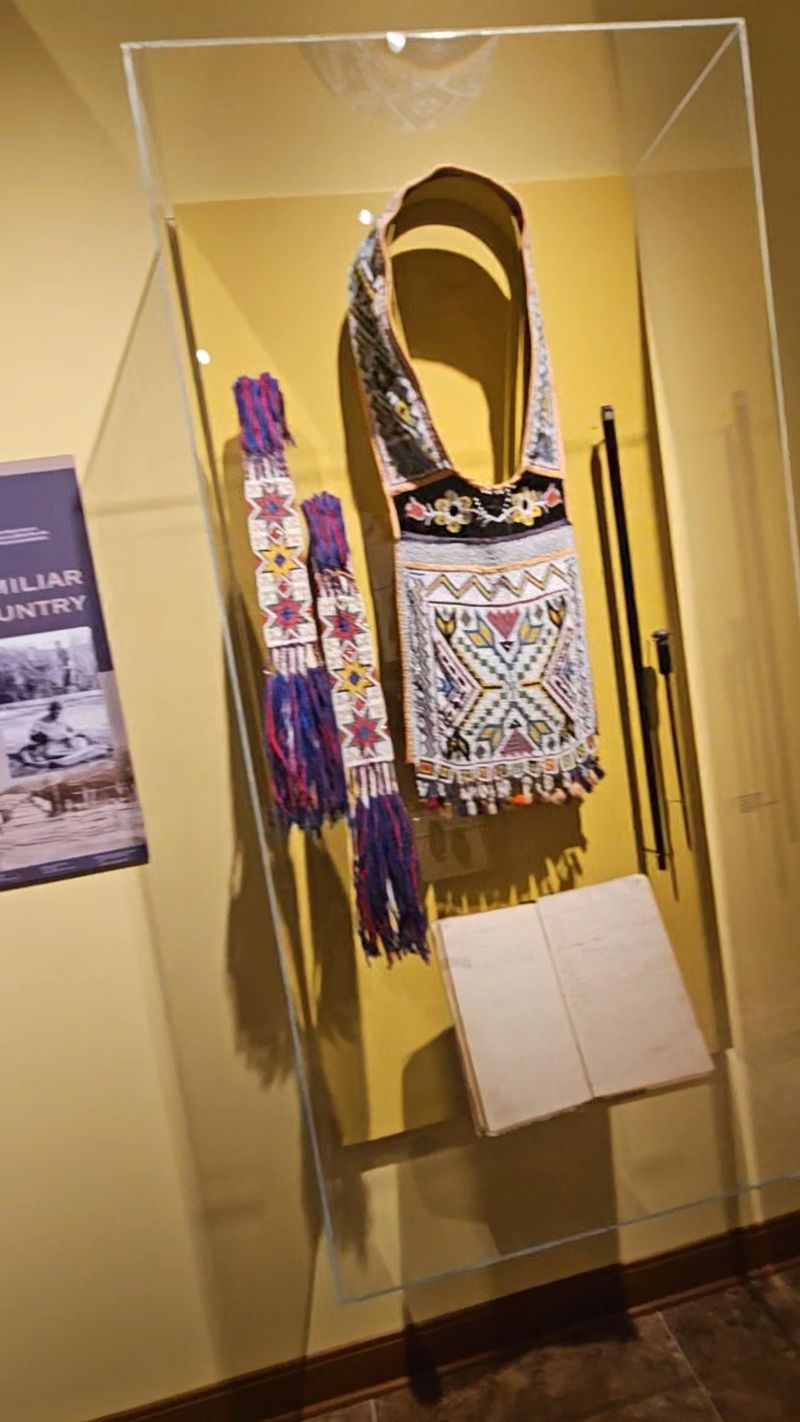
Plenty of museums tack on a gift shop as an afterthought. This one ranks among the most talked-about parts of the whole visit.
Shelves hold a wide range of goods. Jewelry, lotions, dolls, and artwork share space with smaller trinkets.
Native artists are well represented. Local artists make the beaded jewelry, which gives your purchase a direct link to the community.
Price points stretch in both directions. Higher-end art pieces sit alongside tiny items that cost a dollar or less, so kids can shop with pocket change.
That range matters for families on a budget. A child can pick out a small keepsake while an adult considers a special handmade piece, and nobody leaves feeling left out.
Since admission is free, the shop is also an easy way to give back. Money spent there helps keep the doors open for the next family.
Leave a few minutes at the end of your visit for browsing. Rushing past this room would be a missed chance.
Prices and stock change over time, so expect the selection to look a bit different from trip to trip.
7. Friendly Faces at the Front Desk
Ask a question here, and you are likely to get a thoughtful answer plus a suggestion or two.
Friendly, welcoming staff come up again and again when people talk about this museum. They greet guests, answer questions, and often check in to see how the visit went.
Their knowledge of the tribe adds a lot. Staff can explain things the exhibits only touch on, including what those Citizen Potawatomi Nation signs along local roads actually mean.
Parents may also hear about programs for kids. In the past, that has included the tribe’s eagle aviary, where guests have seen Golden Eagle demonstrations.
Programs and availability can shift, so call ahead or check the website before promising the kids an eagle sighting.
Guided tours are possible by appointment. A guide can make the history come alive, especially for school groups or larger families.
Many people describe the history here as told from a more personal perspective than they had heard before. The staff are a big reason why.
A short conversation at the desk can easily become a favorite memory from the day.
8. Who Gets the Most From a Visit
Curious learners of every age find something to hold onto in these galleries.
Families with Potawatomi roots get the deepest connection. Some come every year during the annual CPN festival, making the museum part of a family homecoming.
Relatives who recently married into the tribe also find value here. The exhibits offer an easy way to learn the history behind their new family ties.
History fans with no tribal connection leave impressed too. The museum makes an excellent free indoor stop on a hot or rainy Oklahoma day.
Plan on at least an hour. Serious readers can spend several hours taking in every panel and video.
Small kids may need breaks, since the museum includes a lot of reading. The touch screens, wigwam, and canoe help keep them engaged.
Seating is limited in the galleries, so pace yourself if long periods of standing are tough. The building is clean, well kept, and accessible.
Solo travelers fit right in as well. A quiet afternoon here can feel like a welcome break from the usual weekend routine.
9. Hours, Cost, and a Soft Verdict
Good news for weekday planners: the doors open early.
The center is open Monday through Friday from 8 AM to 5 PM. On Saturday, hours run from 10 AM to 3 PM, and it is closed on Sunday.
Admission is free. A donation box sits at the front, and leaving a few dollars helps support the exhibits and education programs.
Tours are available by appointment, so call ahead for groups. Hours and programs may change, so check the official website before you drive.
Shawnee is an easy run from Oklahoma City, which makes this a realistic Saturday plan. Pair it with the gift shop and a stroll around the tribal grounds for a full outing.
Festival weekends bring heavy foot traffic. A regular weekday offers a calmer pace for reading every panel.
So is it worth the trip? For a free museum, it delivers far more than most people expect, with modern exhibits, warm staff, and a story told with care.
Oklahoma has always held more than flat prairie. Here in Shawnee, generations of Potawatomi history are waiting, and the only ticket you need is a little curiosity.
Share this story