Somewhere in southwest Oklahoma, a town went underwater on purpose, and nobody lost a single argument about it. Engineers needed a reservoir, farmers needed irrigation, and an old prairie settlement sat right where the water had to go.
So the town packed up and the lake moved in. Here is the twist that keeps people driving out west: when rain stays away and the water level drops, pieces of that old community start showing up again along the shoreline.
Old foundations, scattered bricks, and traces of streets peek out like a history lesson that refuses to stay shelved. This story covers where the lake sits, how the town ended up beneath it, what the water level means for a trip today, and how to plan a cheap, easy day out among the granite hills.
1. A Lake Tucked Into the Wichita Mountains
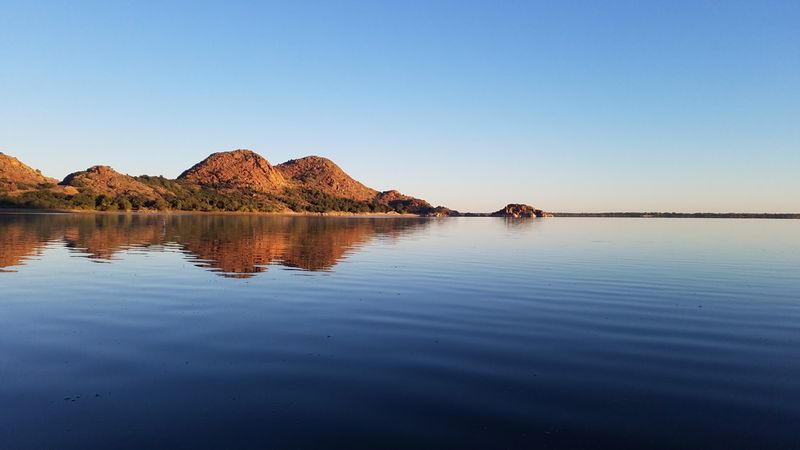
Granite peaks are not what most folks expect from western Oklahoma, yet that is exactly the backdrop here. The reservoir is Lake Altus-Lugert, and its listed address is simply Oklahoma 73655, USA.
That ZIP code points to the Lone Wolf area of southwest Oklahoma. The lake stretches across the edge of the Quartz Mountain country, part of the western reach of the Wichita Mountains.
For many families, it sits within a realistic day drive from Oklahoma City and Lawton. Altus, the nearby city that shares part of the lake’s name, is close enough for supplies and a meal on the way home.
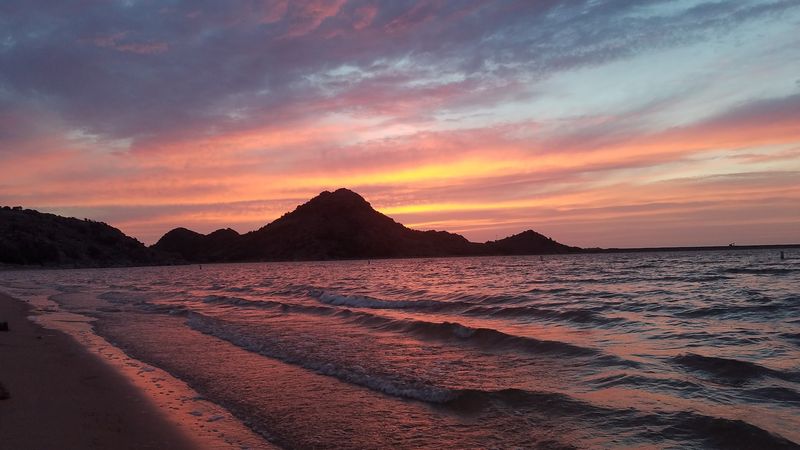
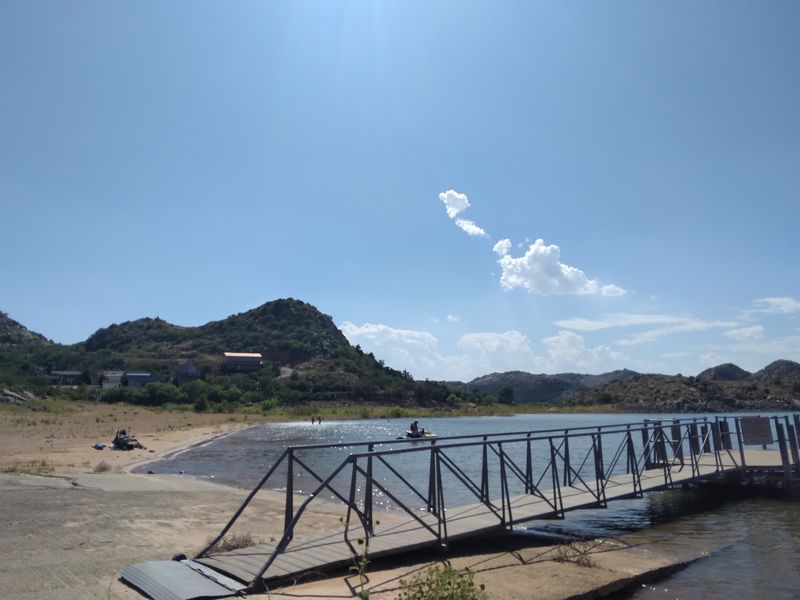
The setting is the main selling point. Rocky hills drop toward the shoreline, and the open water spreads out in a way that surprises people who think the whole state is flat.
Two names show up for the same place, and that is not a typo. Lake Altus-Lugert carries both the name of the nearby city and the name of a small town that once stood in this valley.
That second name is where the real story begins. Hold onto it, because the town of Lugert is about to make its entrance, or more accurately, its exit.
2. The Town Named Lugert
Long before anyone launched a boat here, Lugert was a working prairie community. It grew up in the early twentieth century in Kiowa County, serving the farms and ranches spread around the North Fork of the Red River.
Small towns like this one were common across the region. They had homes, stores, and the kind of brick and stone structures that settlers built to last.
What Lugert did not have was a long future in that exact spot. The river valley it called home was also the ideal place to hold back water.
Southwest Oklahoma has always wrestled with dry years. Farmers in the area needed a steady supply for irrigation, and towns downstream wanted protection and a reliable source of water.
So planners looked at the valley and saw a reservoir waiting to happen. The town’s location, once an advantage, turned into the reason it had to give way.
Residents relocated, and the community faded from the map as the project moved forward. The name survived, though, attached forever to the lake that replaced it.
Few Oklahoma towns get a reservoir as their namesake. Lugert earned one by stepping aside.
3. Why Engineers Filled the Valley
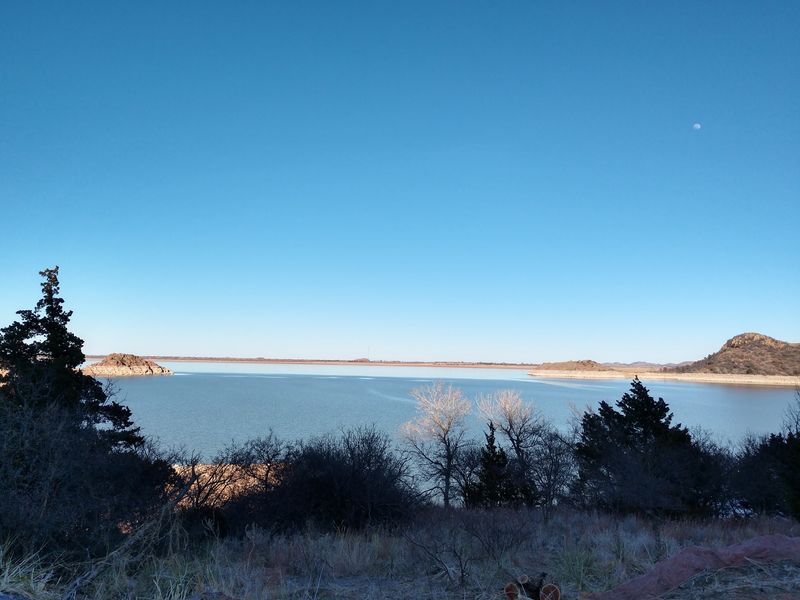
Water in western Oklahoma is a serious matter, and this lake was built to manage it. The reservoir was created by damming the North Fork of the Red River.
Its biggest job has always been irrigation. Farmland around Altus depends on the water stored here, and canals carry it out to fields across the region.
An earlier, smaller dam came first in the area. Later, a larger federal project expanded the reservoir, and that bigger lake is the one that covered the old Lugert townsite.
Flood control and municipal water were part of the plan too. In a region where creeks can go from dry to raging, a big storage basin gives everyone downstream a buffer.
That practical purpose explains a lot about how the lake behaves today. Because water is drawn out for crops, the level rises and falls with rainfall and demand.
Some locals feel strongly that heavy irrigation keeps the lake lower than they would like. Others accept the swings as the price of keeping farms running in a dry corner of the state.
Either way, the dam turned a river valley into a destination. It also set the stage for the lake’s most unusual trick.
4. Bricks That Return in Drought
Here is the part that gets people talking. When drought settles over southwest Oklahoma, the shoreline retreats and the old lakebed comes back into view.
That is when traces of Lugert start to reappear. Foundations, broken bricks, and leftover building materials have surfaced during low-water years.
It is a strange sight for a lake visit. One summer it is open water, and a few dry seasons later it is a rough outline of a place that used to have mail and neighbors.
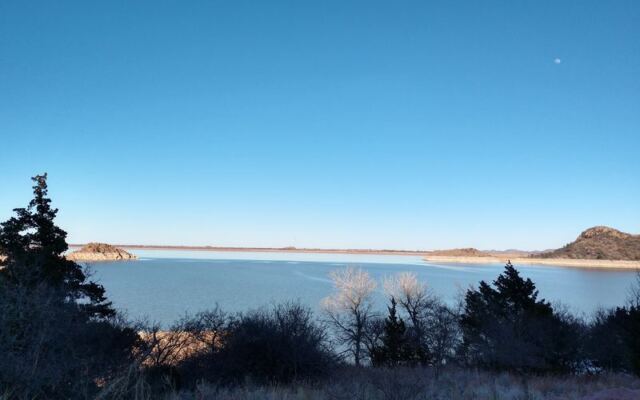
Recent seasons have brought a lot of that dryness. Regulars describe the water as very low, with one estimate putting it around twenty-two feet below normal at one point.
Low water is frustrating for boaters and swimmers. For history fans, though, it opens a window that wet years keep closed.
A few ground rules keep this experience respectful:
Leave any bricks or fragments where they lie. These are pieces of local history, and they belong to the story of the lake.
Watch footing on exposed mud and uneven ground, and keep kids close near the waterline.
The lake hands back its past on its own schedule. Rain decides when the next chapter opens.
5. Living With a Shifting Shoreline
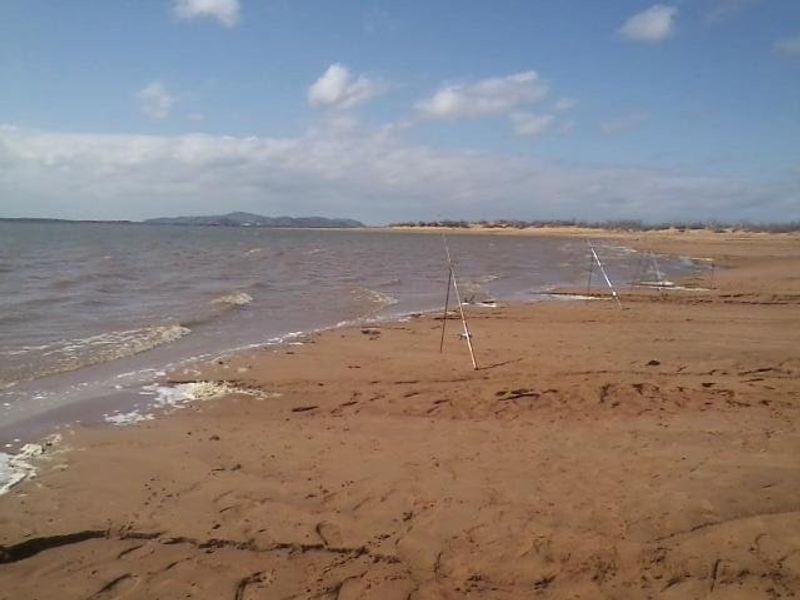
Expect the lake to look different from one trip to the next. Water levels here can swing widely, and the walk to the water can get longer than first-timers expect.
A traveler from overseas noticed exactly that. The water sat farther from the parking area than expected, so a bathroom stop before heading down is smart planning.
Families with young swimmers feel the low levels most. Some parents have kept kids out of the water in shallow years, since the depth near shore can drop too much for real swimming.
Anglers have noticed changes as well. Some longtime fishermen say the fishing was stronger before the lake went down.
Even so, the lake has not turned into a dust bowl. People still describe it as a fine day trip where the usual state park activities remain possible.
The best approach is flexible expectations. Check recent water conditions before driving, since levels change with rain, heat, and irrigation demand.
Wet year, dry year, the hills do not move. That steady backdrop keeps the trip worthwhile when the shoreline is playing hide and seek.
6. Casting Lines for Catfish and More
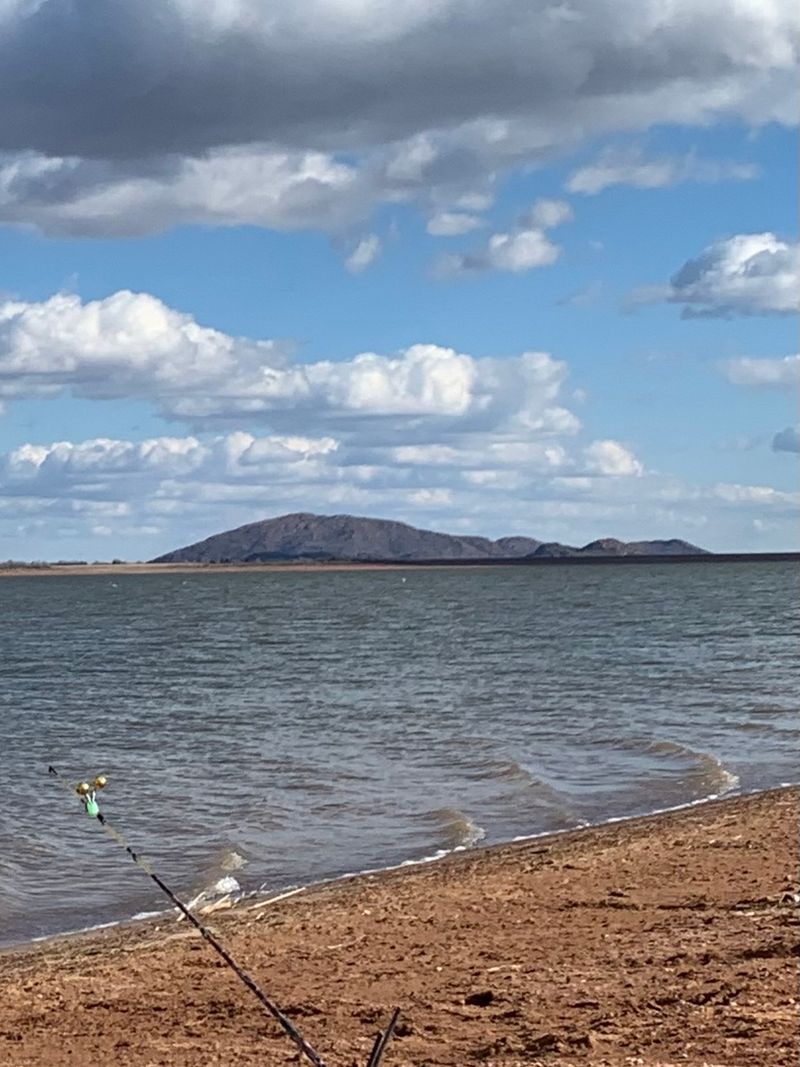
Fishing ranks near the top of the reasons people drive out here. Anglers describe it as great fishing worth a return trip, and some call it peaceful with clear water.
Catfish draw plenty of attention. Some anglers have driven halfway across the state just to chase them.
There is one catch, and it is not a fish. Night fishing has not always been available in the way some catfish fans hoped, so check the current rules before planning an after-dark session.
Low water can shift where the fish hold. Shorelines that worked a few years ago may be dry ground now, so a little scouting goes a long way.
A few practical pointers help:
Bring a valid Oklahoma fishing license, since state rules apply here.
Arrive early, when the lake tends to be quiet and the sunrise steals the show.
Pack extra water and shade, because summer sun in this part of the state is no joke.
Patience pays off at this lake in more ways than one. Even a slow fishing morning comes with a view.
7. Quiet Days and the Crowd It Suits
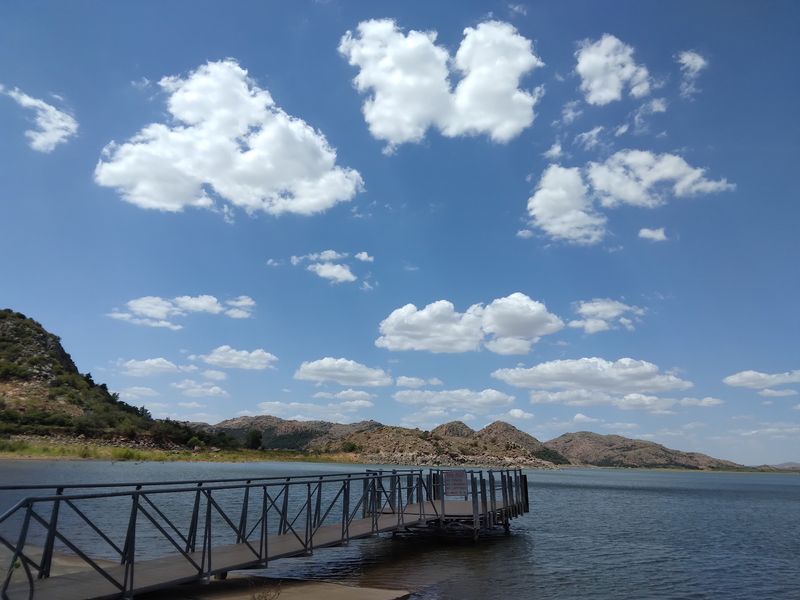
Crowds are rarely the problem at this lake. A traveler who showed up on a Monday afternoon felt like the entire lake was theirs alone.
Weekends bring more people, but space still tends to be easy to find. Even on a Sunday evening, parking remained plentiful.
That calm draws a certain kind of guest. Words like peaceful and very relaxing come up again and again.
Retirees and people looking for a low-key escape seem especially at home here. Some families feel the lake leans toward a quieter, less active crowd these days.
One reason is the loss of playgrounds, which were removed at some point. Parents hoping for more kid-focused features have said they would like to see family-friendly parks return.
That does not rule out a family outing. Kids can still fish, explore the shoreline, and hunt for glimpses of the old town when water is low.
Just set expectations before the drive. This is a place for slowing down, not for a packed itinerary.
8. Cabins, Camping, and Friendly Rangers
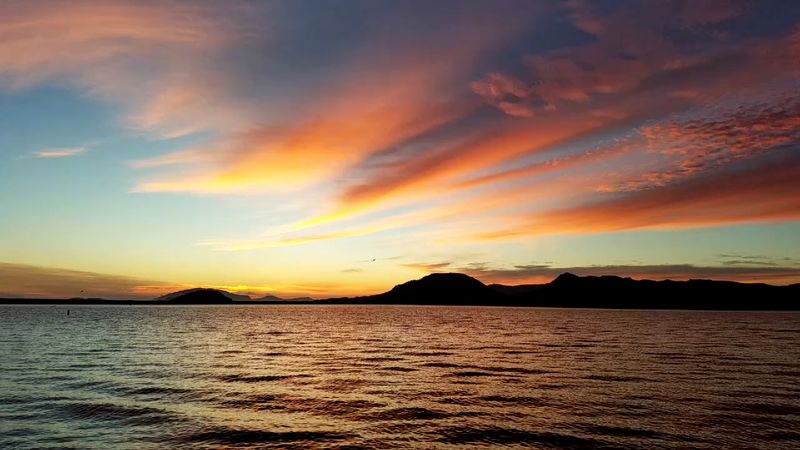
Staying overnight stretches a day trip into a mini getaway. Cabins sit near the lake, and in early June 2022 several were vacant while others were occupied.
Availability can change quickly in peak season. Booking ahead is the safest bet for summer weekends.
Campers keep asking about primitive camping options. Rules and sites can change, so contact the park before assuming a particular spot is open.
Park rangers earn warm words here. People describe them as super friendly, which helps when questions come up about water levels or fishing rules.
Overnight stays also unlock the lake’s best hours. Sunrise from a nearby cabin beats waking up at home and driving in the dark.
A few planning reminders:
Confirm cabin and campsite availability directly before leaving home.
Ask about current rules for fishing and after-dark activities.
Pack for heat in summer and real cold in winter, since temperatures here swing hard.
A night by the water turns a scenic stop into a proper escape. It also doubles the chances of catching that famous sunrise.
9. Practical Notes Before the Drive
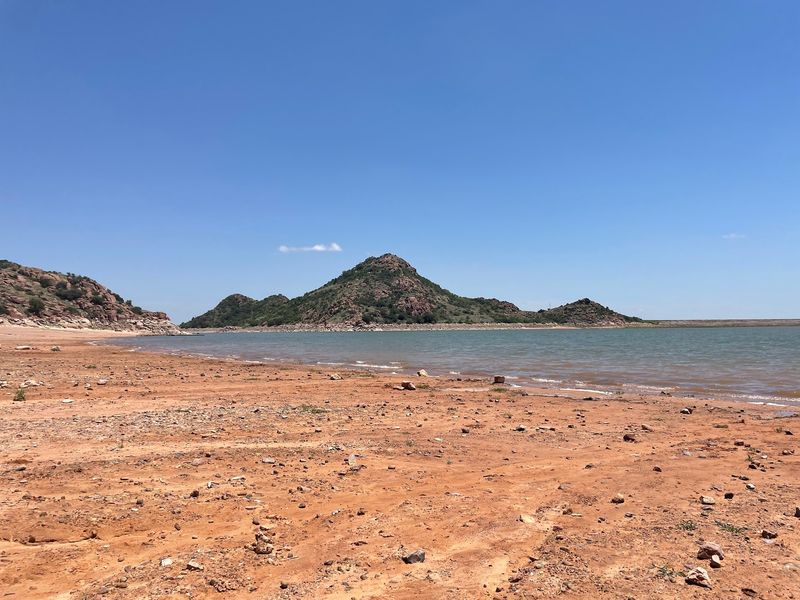
Good news for budget-minded families starts at the shore. Free life jackets hang on a rack for public use, and the honor system asks that they be returned.
Parking is spread across several lots. On weekdays especially, finding a space is simple.
Restrooms are available, but the hike to the water can be longer than expected during low levels. Plan a stop before heading down.
Hours, fees, and park rules are not posted in a single fixed source here, and they may change. Call ahead or check the state park listings for the latest details.
Seasons matter a lot. Summer offers sunny days for sitting by the water, while one cold-weather trip was described as great but extremely cold.
A quick packing list:
Water and snacks, since services right at the shore are limited.
Sun protection, including hats and sunscreen.
Sturdy shoes for exposed shoreline and rocky ground.
A fishing license if anyone plans to cast a line.
Small prep makes a big difference out here. The lake rewards people who show up ready.
10. Worth the Drive, Wet or Dry
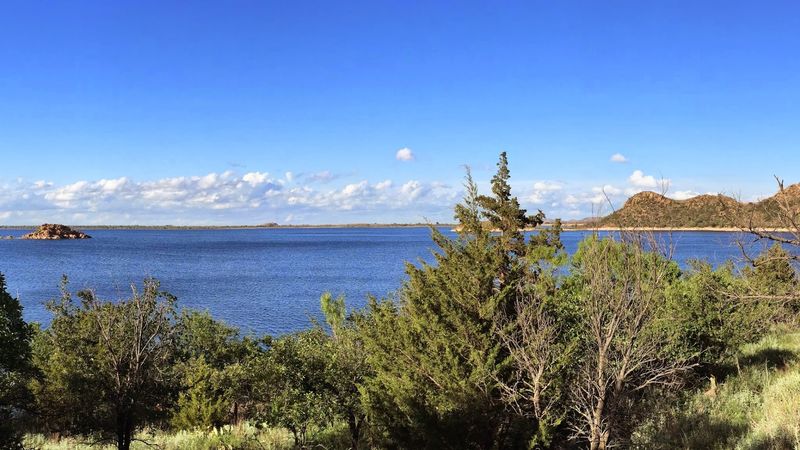
Few lakes come with a backstory this strange. Lake Altus-Lugert pairs mountain scenery with a town that stepped aside so the valley could hold water.
The overall picture is a strong one, with the lake earning a 4.4-star average. Most praise centers on the views, the calm, and the fishing.
The honest drawbacks are clear too. Water has been very low, playgrounds are gone, and some families want more for kids to do.
Those trade-offs shape who will love it most. Anglers, photographers, history fans, and anyone craving a quiet day will feel right at home.
Drought years even add a bonus. When the water drops, the old Lugert remnants can come back into view, turning a lake day into a history field trip.
Costs stay friendly, with free life jackets and easy parking helping keep things simple. Check current fees and conditions before setting out.
Oklahoma likes to prove it is more than flat prairie. Granite hills, a vanished town, and a lake that gives back its bricks make a pretty convincing argument.
Share this story