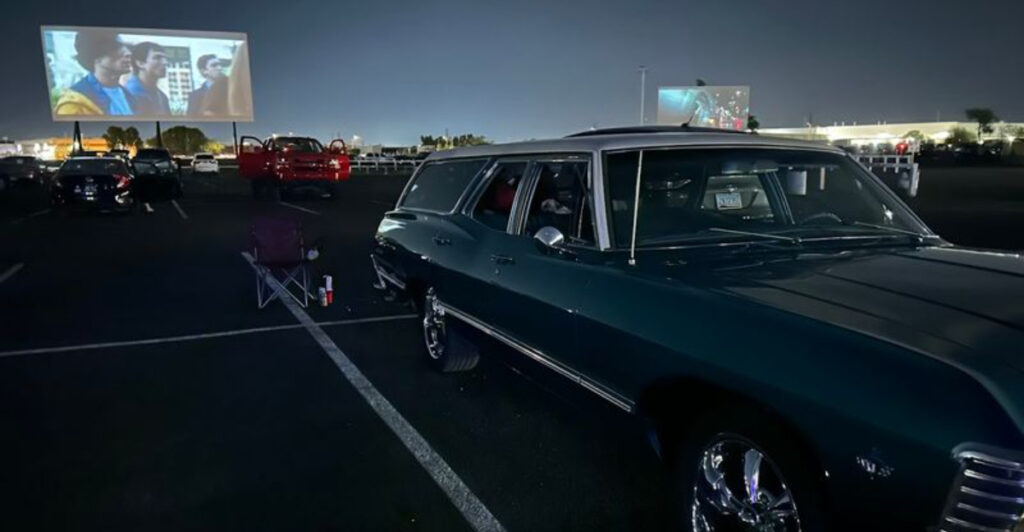
Arizona’s last drive-in is still lighting up the night and inviting you to settle in under a wide, open sky. West Wind Glendale 9 keeps the classic experience alive with nine screens and easy, bring-your-own-comfort vibes. It’s a night out where you control the pace, snacks are simple, and the stars add their own magic to the show.
Whether you’re stretched out in the back of your car or gathered around a tailgate, the atmosphere feels relaxed and nostalgic. Ready to swap reclining seats for something a little more memorable and wonderfully low-key under desert skies?
Why This Last-Of-Its-Kind Drive-In Still Works
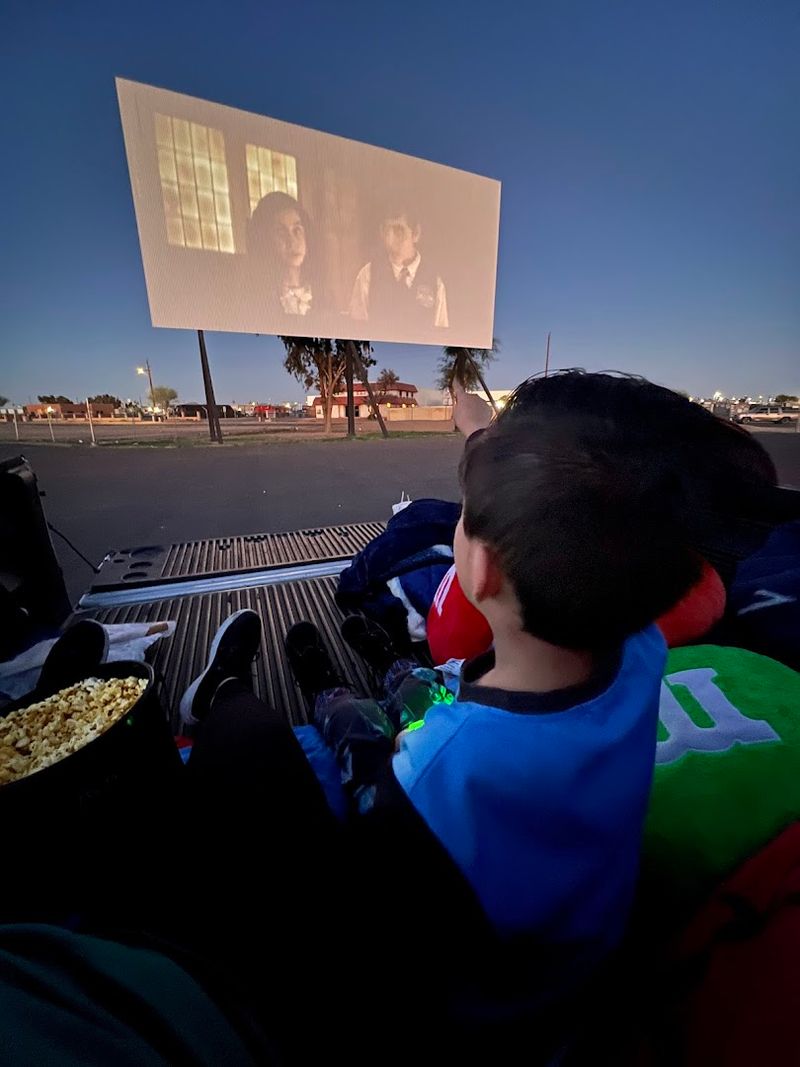
Pulling into 5650 N 55th Ave feels like flipping a switch from city noise to something slower and more intentional. The glow of multiple screens cuts through the dusk, and the low hum of tailgate chatter sets the tone before you even settle in.
It has that easy, come-as-you-are energy that doesn’t try too hard, which is exactly why it still works. There’s history here, but it never feels stuck in the past. Opened in 1979, the drive-in has grown into a nine-screen setup, blending old-school atmosphere with just enough modern updates to keep things running smoothly.
Two screens now feature crisp 4K laser projection, while the rest deliver solid digital quality, creating a mix that feels practical rather than overpolished. What stands out most is how natural everything feels. Families, date nights, and solo moviegoers all settle into their own routines, but the overall rhythm stays relaxed and unforced.
No one is rushing, no one is overthinking it—it’s just people showing up, getting comfortable, and letting the night unfold. That sense of flexibility is what keeps Glendale relevant. You’re not locked into a single way to experience it, and that freedom becomes part of the appeal.
It’s less about perfection and more about atmosphere, where the setting, the screens, and the open sky come together in a way that feels easy to return to again and again.
Arrival Strategy For A Smooth Night
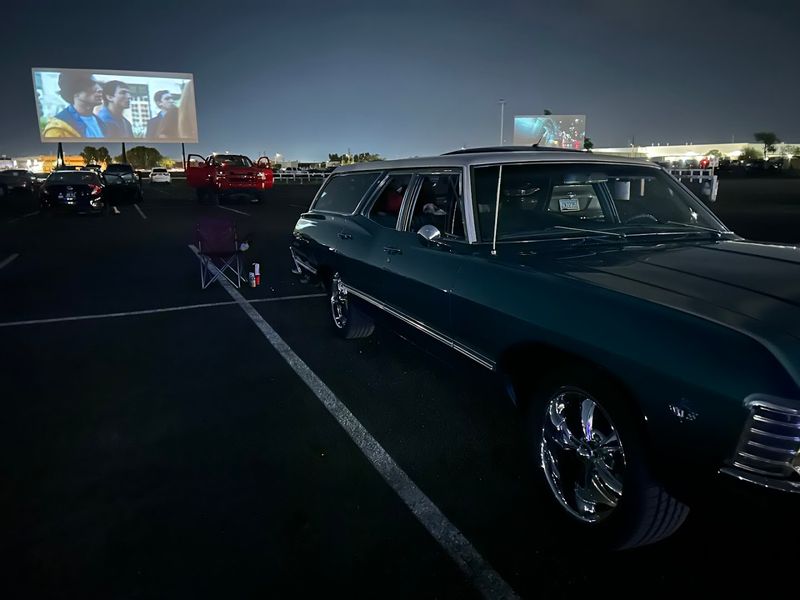
First things first, timing shapes your whole night more than you might expect. On weeknights, you can usually roll in about thirty minutes before the first show, while weekends reward anyone who lines up earlier.
Getting there ahead of the rush gives you breathing room—time to enter smoothly, pick your screen without pressure, and ease into the experience instead of scrambling to catch previews. Checking the official site before heading out is a smart move, since showtimes and screen pairings can shift.
Knowing what’s playing where helps you avoid last-minute decisions at the entrance, especially on busier nights when traffic builds quickly. Once you’re in, the flow is fairly intuitive, with attendants guiding cars and keeping things moving at a steady pace.
The first few minutes after entering set the tone. You’ll notice people pulling in with a purpose—some heading straight for familiar spots, others taking a quick loop before committing. Give yourself that same flexibility. A short pause to scan the lot and choose your screen deliberately makes the rest of the night feel smoother.
What matters most is arriving with just enough time to feel settled, not rushed. When you hit that window right, everything else falls into place naturally. The line fades, the noise drops, and you shift into the slower rhythm that makes the drive-in experience work in the first place.
Getting The Best Picture On Any Screen
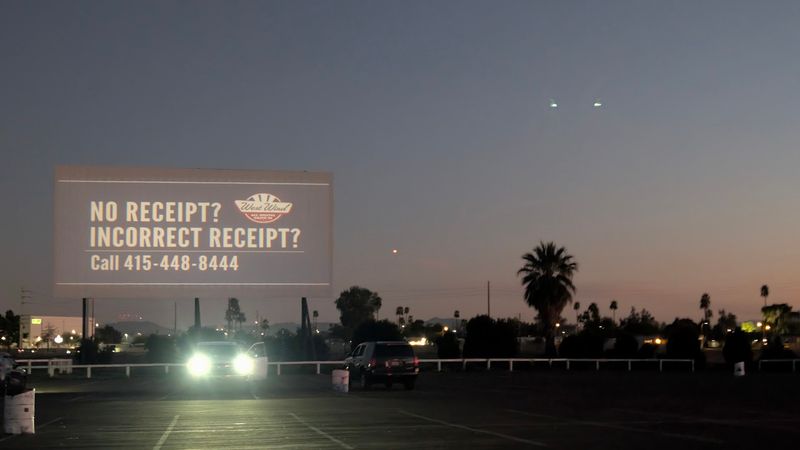
Picture quality starts before you even park. Scan the lot for a centered lane that keeps your windshield square to the screen, then stop a few rows back so the image sits naturally at eye level. Avoid the far sides where angles soften clarity and pull in unwanted light from nearby buildings.
A small positioning choice here makes a bigger difference than most people expect. If a darker movie is on your list, aim for one of the 4K laser screens, where highlights feel sharper and shadows hold more detail.
The standard digital screens still perform well, especially if you protect your sightline and reduce reflections. A quick windshield wipe—inside and out—goes a long way, since dust and fingerprints can dull contrast once the sun drops.
Headlights are the quiet disruptor. Learn your vehicle’s light settings, switch off auto features, and use your handbrake if possible to avoid brake lights glowing mid-scene. Dimming your dashboard also helps your eyes adjust, making darker moments easier to follow.
Inside the car, small adjustments matter. Keep interior lights off, crack windows for airflow, and have a cloth handy if fog builds. If you’re sitting outside, keep chairs low so you don’t block the beam for others behind you.
If something feels off, shift slightly. Moving one space left or right can restore contrast instantly, turning a flat image into something far more cinematic with minimal effort.
Tuning Your Audio Without Draining The Battery
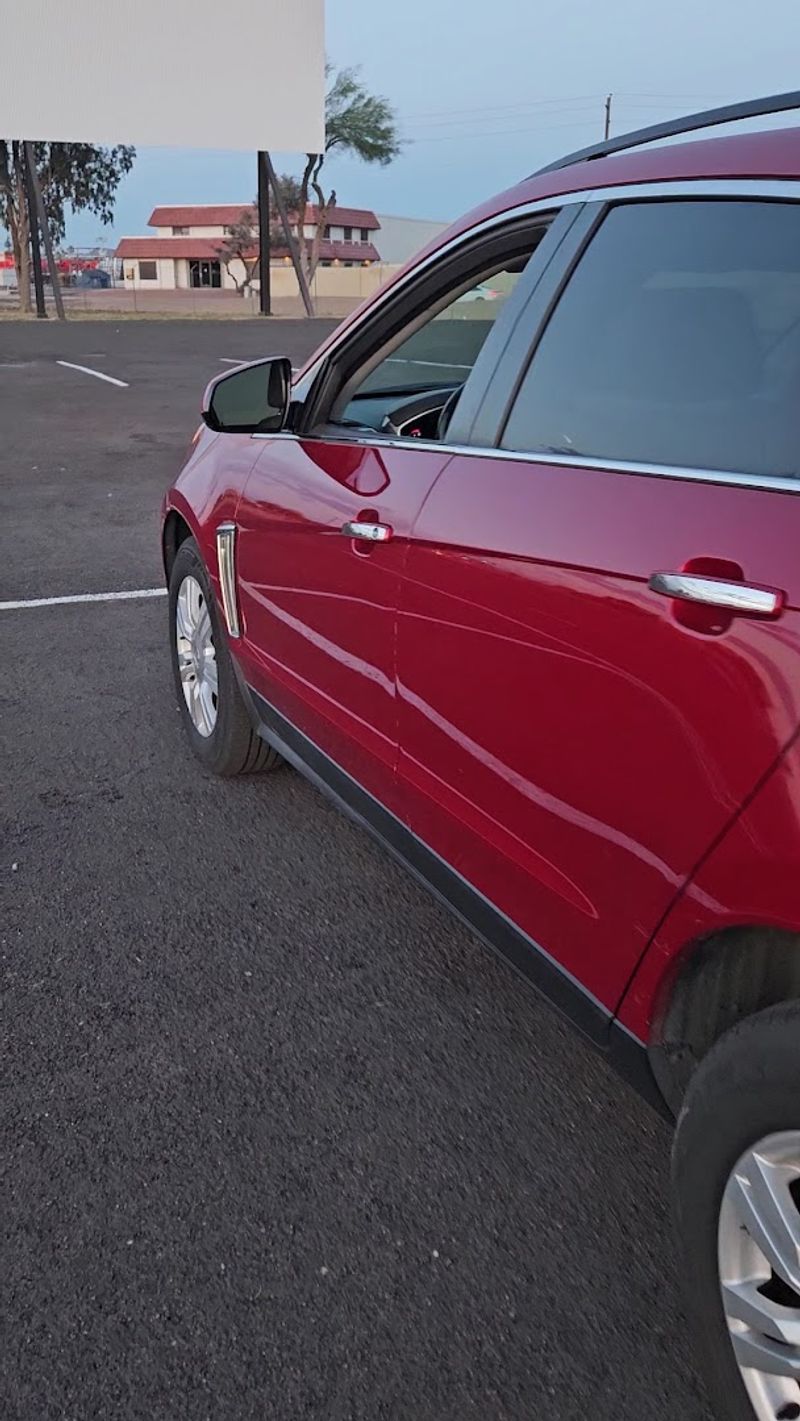
Sound at West Wind Glendale 9 runs through the FM dial, which feels both retro and surprisingly practical. Start by checking the posted frequency for your screen, then save it as a preset so you can jump back quickly if the dial gets bumped.
Keeping the volume slightly lower than a traditional theater helps avoid fatigue and prevents sound from spilling into neighboring setups. If you’re planning to sit outside, a portable FM radio is a smart move. It delivers clear audio without needing to run your car, and you won’t have to worry about the battery cutting out mid-movie.
Not all radios handle interference the same way, so testing one at home beforehand can save frustration later. Inside the car, managing power is key. Turn off interior lights, disable automatic headlights, and use accessory mode if your vehicle allows it. This keeps the audio running without draining your battery too quickly.
Taking a short break between features also helps maintain comfort without relying on the engine. Static can pop up occasionally, usually from wind shifts or nearby vehicles. A small reposition or cracking a window often clears it up, and fine-tuning the dial slightly can help lock in a cleaner signal.
A little awareness goes a long way. Keep bass levels reasonable, avoid unnecessary door slams, and limit anything that lights up the cabin. These small habits keep the audio clear and the shared experience smooth for everyone.
Snack Game: What Works and What Doesn’t
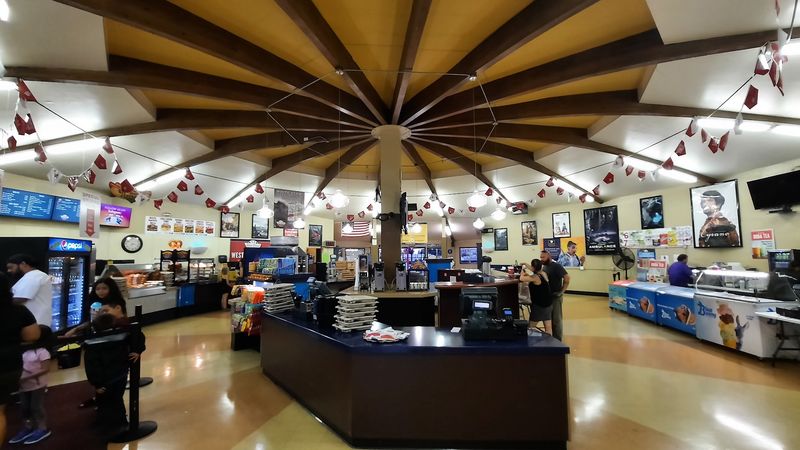
Food is part of the ritual, and the snack bar at Glendale keeps it refreshingly straightforward. Expect popcorn, hot dogs, fries, and street tacos, plus the usual sweets and cold drinks that cover all the basics. Nothing feels overcomplicated, and that’s part of the appeal.
Prices stay reasonable for a night out, and the line tends to move quickly, especially if you time it right between features. Your first snack run sets the tone, so aim for the early trailers or just before previews to avoid the main rush.
Grab extra napkins and a bottle of water—desert air dries you out faster than expected, especially once you’re settled in. If you’re sharing, asking for a spare tray makes things easier and keeps sauces from turning into a juggling act inside the car.
What you choose can shift with the temperature. Slushies hit when the evening is still warm, while coffee or cocoa makes more sense once the breeze rolls in. If you prefer bringing your own drinks, a small cooler with ice packs works well, as long as you keep everything contained and clean.
A little prep goes a long way, especially with picky eaters or dietary needs. Simple snacks, fruit, or something pre-packed can save you a second trip to concessions. Keep trash bags and wipes handy to stay organized. Pace everything out, save something for later, and the whole experience feels more balanced from start to finish.
Pet-Friendly Nights Done Right
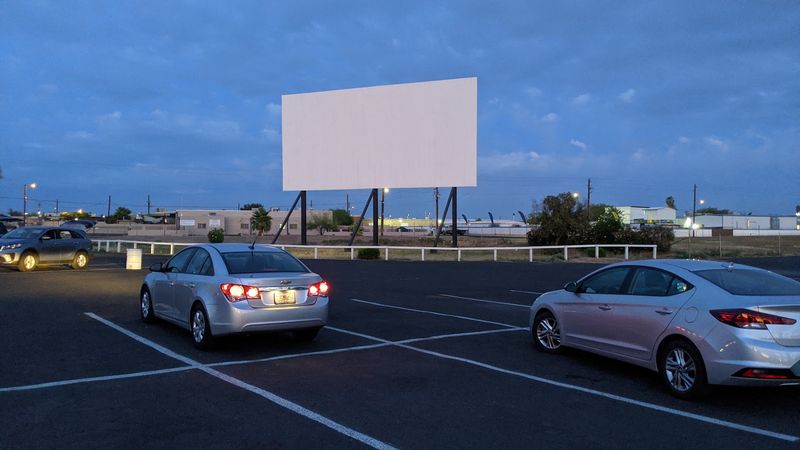
Bringing a furry sidekick is part of the charm here, as long as you keep things respectful. Pets are welcome, but they need to stay leashed when outside the vehicle, and a shorter lead helps prevent curious wanderings into someone else’s setup.
A quick walk before showtime goes a long way, helping burn off energy so everyone can settle in once the movie starts. Packing for pets is simple but worth thinking through. A water bowl, waste bags, and a familiar blanket cover most needs, while a chew toy can keep them occupied during the early part of the night.
If your dog is sensitive to sudden sounds, choosing a spot farther from the speakers helps, and keeping windows positioned carefully adds an extra layer of control. Temperature is something to watch from start to finish.
Evenings can shift quickly from warm at sunset to noticeably cooler later on, so plan for both. A blanket or light cover makes a difference, and something like a sunshade can double as a wind block once the breeze picks up.
Courtesy is what keeps the experience smooth for everyone. Skip high-energy play near other cars, keep barking in check, and be ready to leave if your pet gets overwhelmed. When everything lines up, pets settle right in, turning the night into something a little more relaxed—and a lot more memorable.
Handling Glare, Noise, and Real-World Distractions
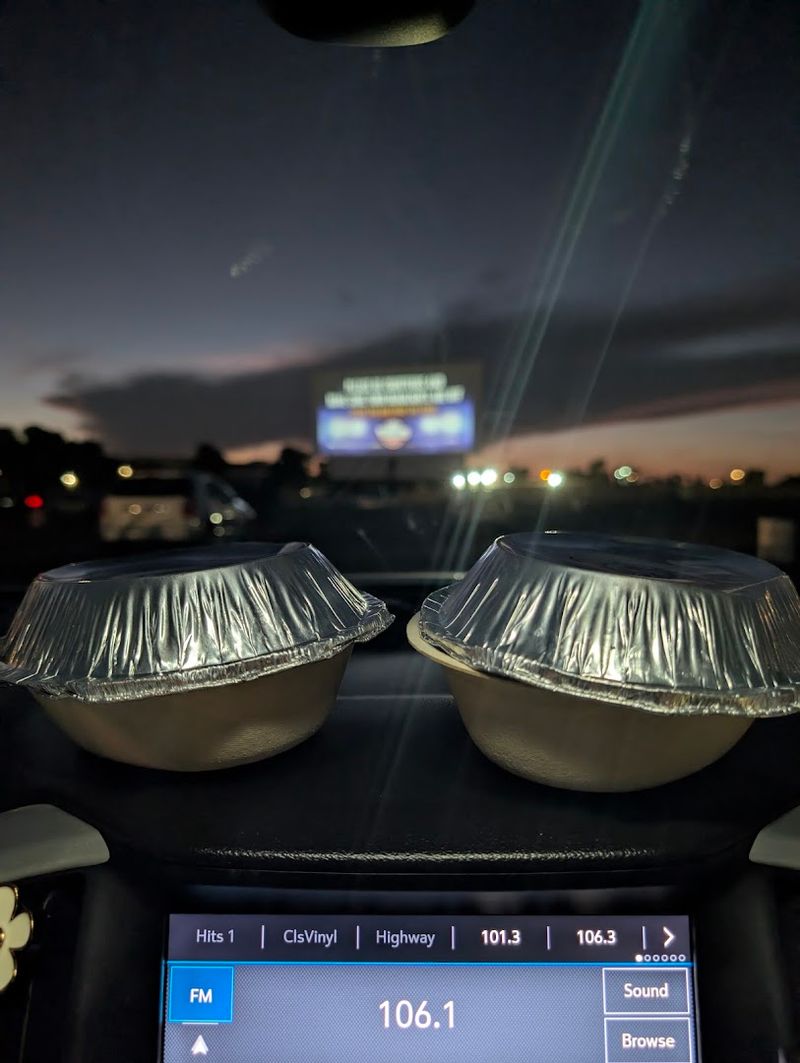
Glendale sits in an urban pocket, so a little background glow from nearby buildings comes with the territory. Instead of fighting it, work around it. Look for a spot where direct light isn’t hitting your windshield, and you’ll notice the difference right away once the movie starts. It’s less about perfection and more about making small adjustments that improve the overall feel.
Darker movies can be more sensitive to that ambient light, especially in scenes with heavy shadows. Let your eyes adjust, keep interior lights off, and avoid anything that reflects inside the glass. These small habits help pull more detail out of the image without overthinking your setup.
Neighbor hiccups are part of the experience, but they’re usually easy to handle. A car with bright headlights or an open hatch blocking your view often responds quickly to a polite wave or quick word. Most people are on the same page, and a friendly approach solves things fast without needing staff intervention.
City noise drifts in and out as well. Engines, distant traffic, or the occasional alarm might cut through briefly, but it rarely lasts long. Give it a moment, and the background settles again. If something really isn’t working, just move. A shift of a space or two can completely change glare, sound, and comfort. It’s a simple reset that often turns the second half of your movie into the better half.
Setups That Make The Night
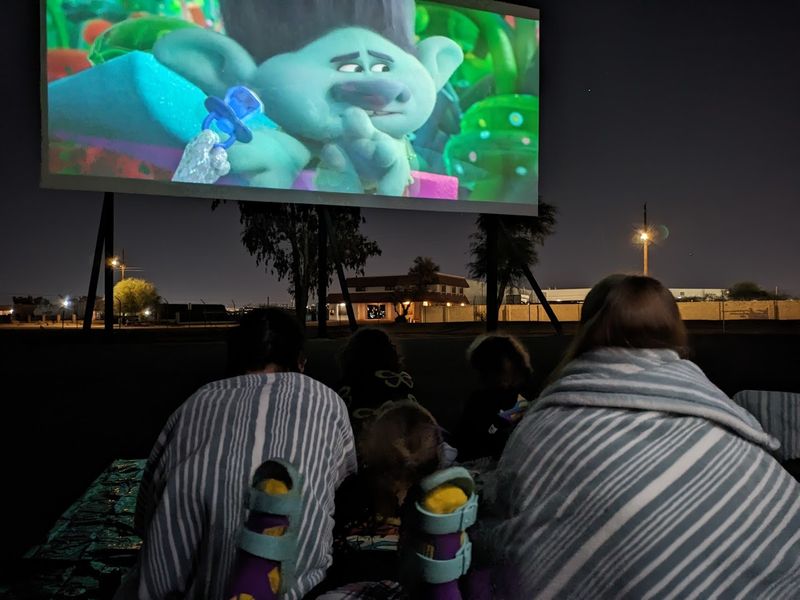
Dialing in a setup that fits your crew is what turns a good night into a memorable one. For dates, keep it low-effort and comfortable: a clean hatchback, a couple of pillows, one shared blanket, and maybe a portable radio if you plan to sit outside. Keep the lights off, phones out of the way, and let the atmosphere do most of the work. It’s simple, but it lands.
Families do best with a little structure. Pajamas for younger kids, a small snack setup, and a quick bathroom stop before the movie starts can save you from interruptions later. Parking near an aisle also makes things easier if you need a quick exit without cutting across other cars.
SUVs and truck beds naturally turn into cozy viewing spots. Fold the seats down, add a foam pad or blanket, and use the open hatch for a bit of overhead cover. If you’re setting up outside, keep chairs low and your footprint tight so everyone behind you keeps a clear view.
Conversation tends to settle on its own, but a little awareness helps. Keep things quiet during slower scenes, react to the big moments, and skip the running commentary. A shared laugh or glance usually says more anyway.
Finish the night with something small—a quick photo, a favorite line, or a simple tradition. Those little rituals are what stick long after the credits roll.
Pack Smart For Comfort and Focus
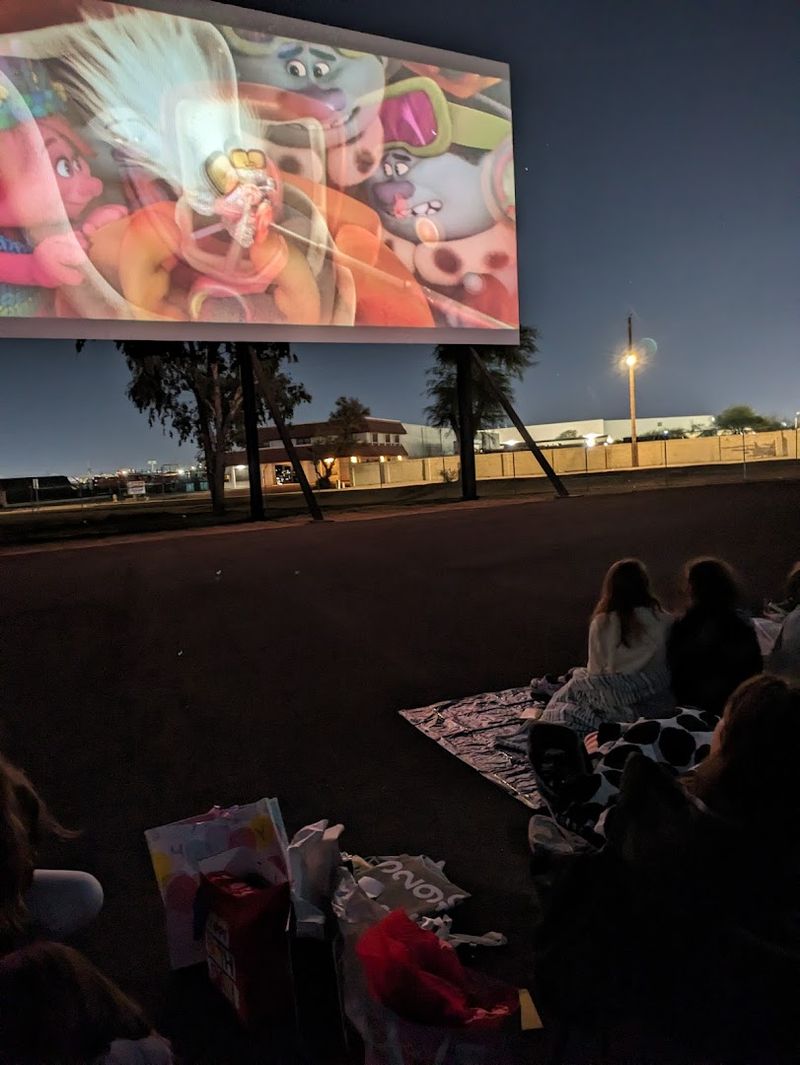
Packing smart keeps the evening smooth and your focus exactly where it should be. Start with the essentials: blankets, hoodies, and a hat for later, since desert temperatures can drop faster than expected after sunset.
Low chairs and a simple setup go a long way toward making the space feel comfortable without overcomplicating things. Comfort and cleanup tend to go hand in hand. Wet wipes, paper towels, and a couple of small trash bags make it easy to stay organized throughout the night, especially in tighter car setups.
A microfiber cloth is another quiet win—it keeps your windshield clear and helps maintain a better view once the lights go down. Power is something to think about ahead of time. Make sure your phone is charged or bring a battery pack so you’re not relying on your car for everything.
Knowing your vehicle’s basic settings—like how to control interior lights—also helps avoid small disruptions once you’re settled in. What you skip matters just as much. Bright lanterns, tall chairs, and anything noisy can quickly become distractions for people around you.
Large coolers take up more space than they’re worth, and strong scents tend to carry more than you realize in an open lot. With the right balance, everything feels easier. A simple, thoughtful setup keeps your attention on the movie, the atmosphere, and the kind of night that doesn’t need much else to work.
Share this story