Some Colorado Springs families have been making the same weekday run for decades, and their kids now tag along on the same errand. The destination is a small German bakery and market that has been stocking its cases with strudel, pretzels, and kaiser rolls since 1970. People drive in from other towns just to fill a bag before the shelves run low.
German chatter drifts between the counter and the customers, and a weekly sandwich special has a loyal following all its own. The shop keeps short hours, closes three days a week, and tends to sell out early, so timing matters. Below you will find where it is, what fills the shelves, which days bring the specials, and how to plan a visit without getting stuck behind the lunch crowd.
1. A Westside Corner With Old World Roots
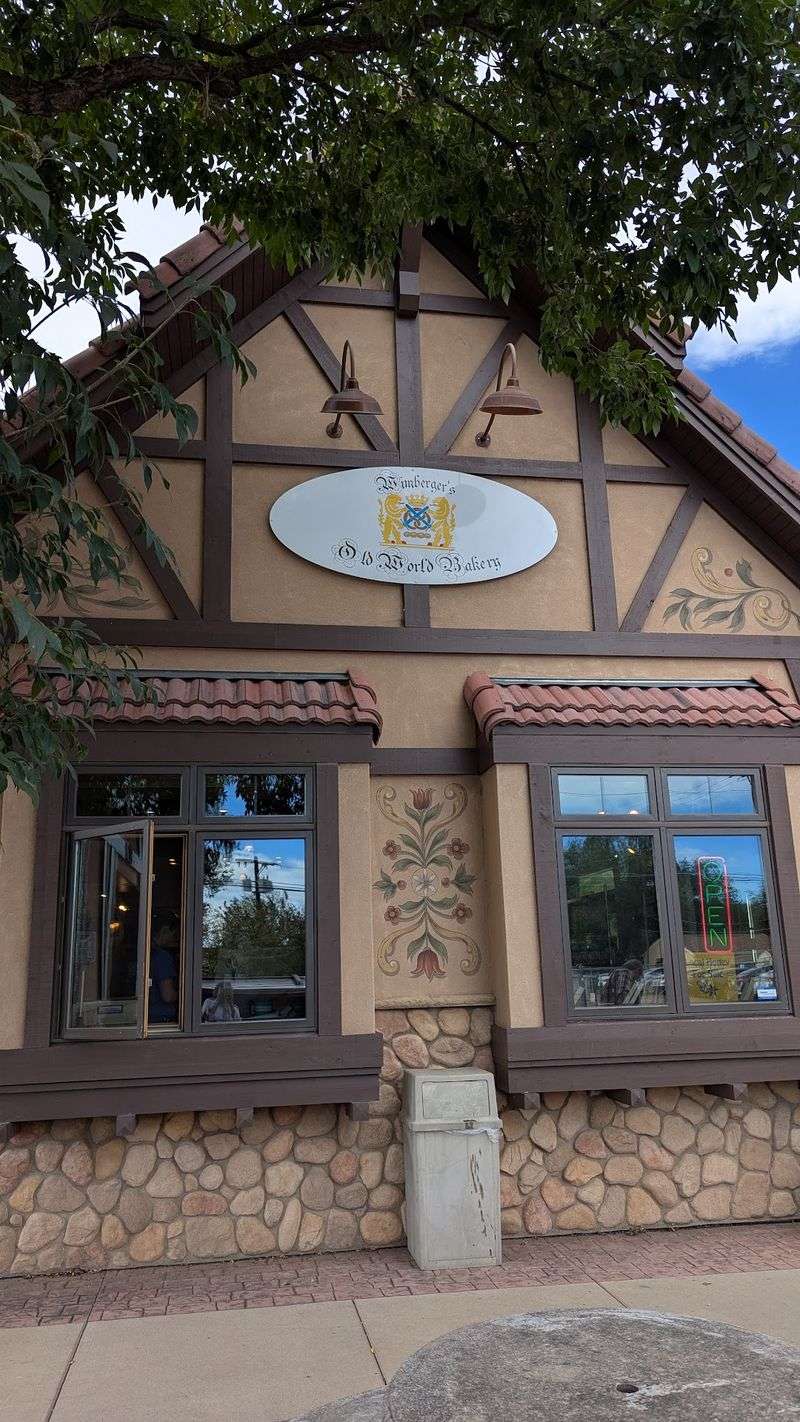
Tucked into a residential pocket of the Westside sits a shop that feels like it belongs on a side street in Bavaria. Wimbergers Old World Bakery and Delicatessen stands at 2321 Bott Ave, Colorado Springs, CO 80904.
The place calls itself a neighborhood German bakery and grocer. That description fits neatly, because it is part bakeshop, part deli counter, and part market stocked with imported goods.
Locals tend to mention the building itself as much as the baked goods. It is described as an atmospheric spot set inside a lovely neighborhood, which makes it feel less like a commercial errand and more like a stop at a familiar corner store.
The address is easy to miss if you are used to strip malls and big parking lots. There is no flashy signage campaign or highway billboard pulling people in.
Instead, word of mouth has done the heavy lifting for more than five decades. Families pass the location along like a recipe card, and newcomers usually hear about it from a neighbor or coworker who swears by it.
For Front Range residents tired of chains, it offers something specific. It is a small, independent shop with a clear identity, and that identity has not budged much since it first opened.
So where did all of this begin, and how did it last so long?
2. Half a Century of Baking on Bott Avenue
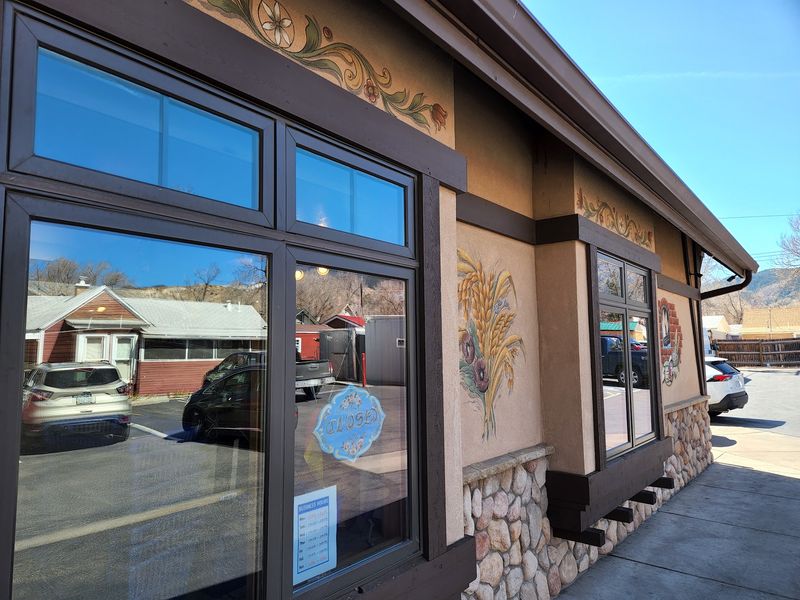
Back in 1970, a German-style bakeshop and market opened its doors in Colorado Springs. More than fifty years later, it is still at it.
That kind of staying power is rare for any small business. It is even rarer for a shop that specializes in one country’s baking traditions and imported foods.
Part of the secret seems to be consistency. Longtime customers describe coming here for decades, and the shop’s offerings still lean on German pastries, prepared foods, and grocery items, just as its own description promises.
Generations matter here too. Some families started visiting when their parents brought them as small children, and now those grown kids bring their own children along for pretzels and rolls.
Even people who have moved out of the neighborhood, and later out of the city, still make the regular drive back. That loyalty says a lot about how a small bakery can become part of a family routine.
Colorado has a long history of immigrant communities shaping its towns and kitchens. This shop is a living piece of that story, one that residents can still walk into and shop at today.
Of course, history alone does not fill a bakery case. The real draw starts behind the glass.
3. The Strudel That Started the Conversation
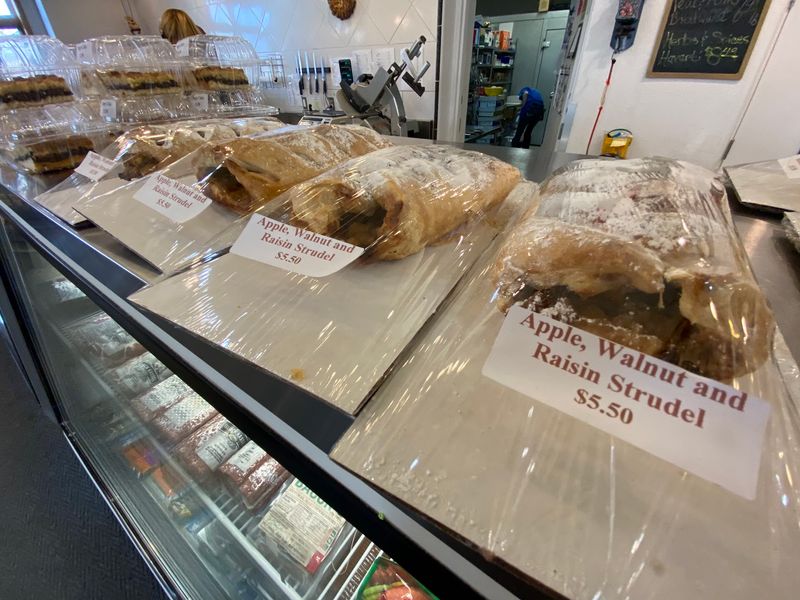
Strudel earns its spot in the headline for good reason. It is one of the items that customers bring up again and again when they talk about this bakery.
Layered pastry, rolled and baked in the traditional style, has long been a cornerstone of German and Austrian bakeries. Here, it sits alongside a rotating lineup of other old world treats.
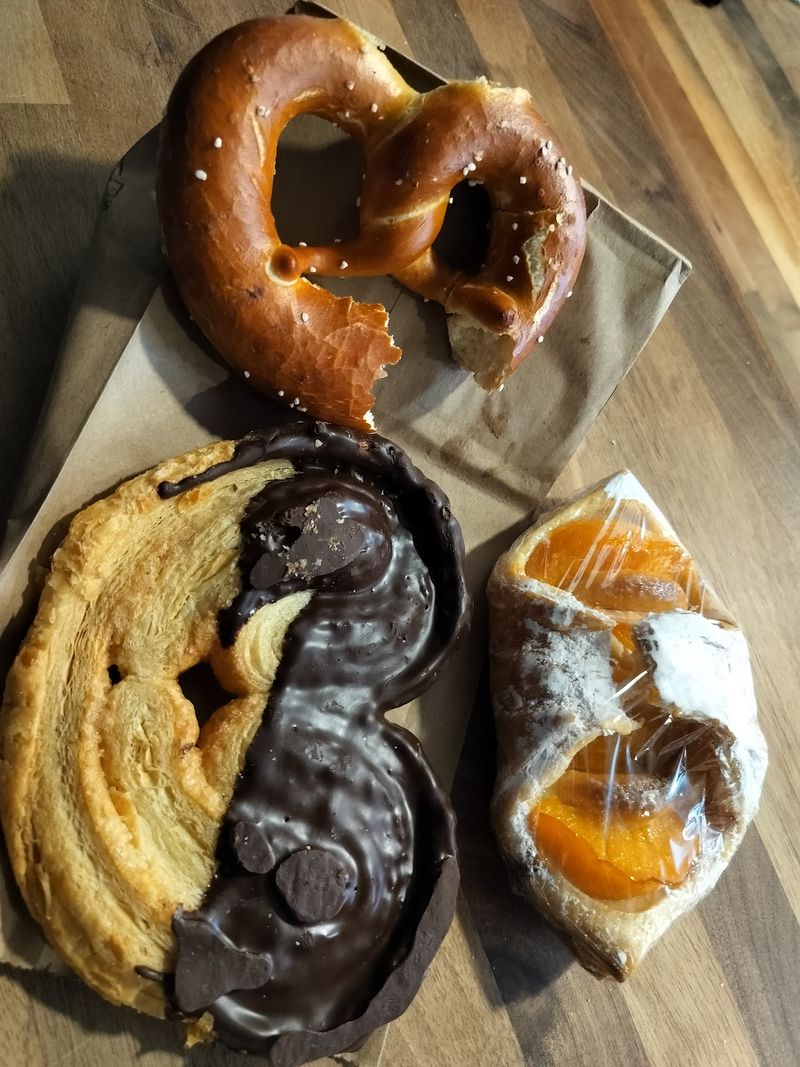
Fans of the case also point to the plum cake and German cheesecake as must-try picks. A peach and cream cheese danish and an apricot poppy seed pastry have built their own small fan clubs.
One pastry lover admitted to trying only a fraction of the bakery items so far, with a stated goal of working through every single one. That is a bold mission, and a pretty delicious one.
A chocolate-dipped palmier also shows up in the conversation. So do cinnamon rolls and slices of German chocolate cake.
The bakery items are made with real German ingredients, according to longtime regulars. That attention to sourcing helps explain why the pastries feel so close to what people remember from trips abroad.
If strudel is the opening act, though, the pretzel might be the headliner.
4. Pretzels Worth a Plane Ticket Comparison
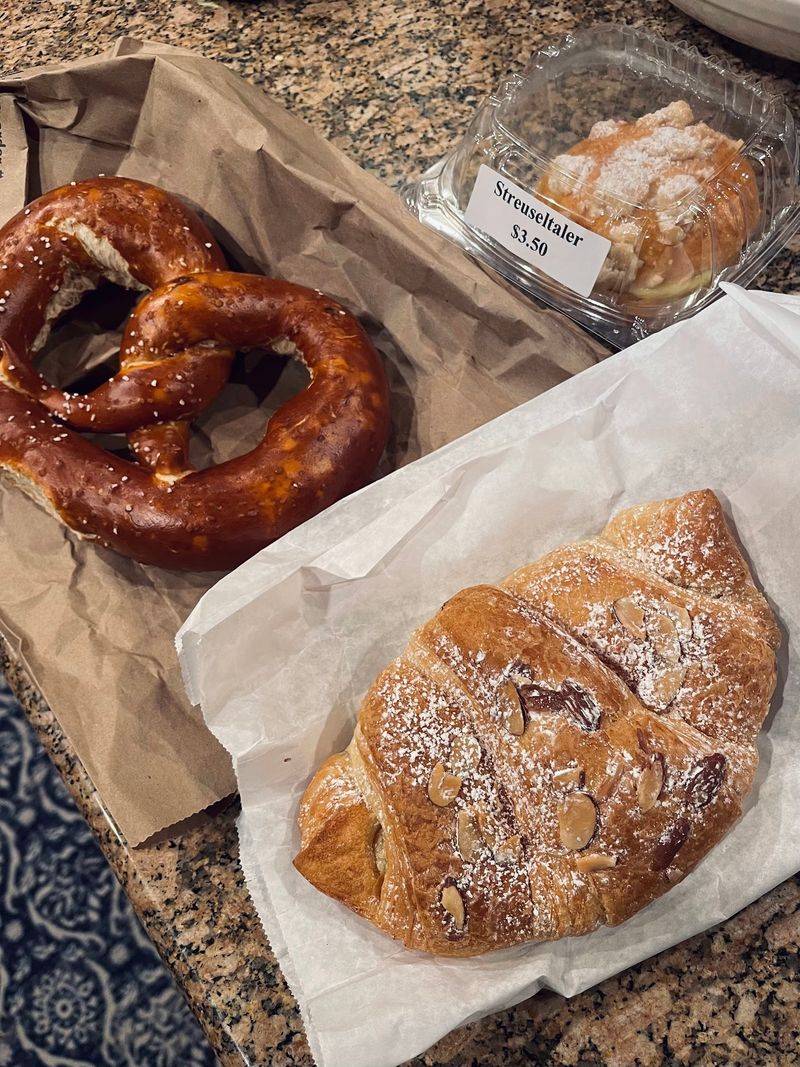
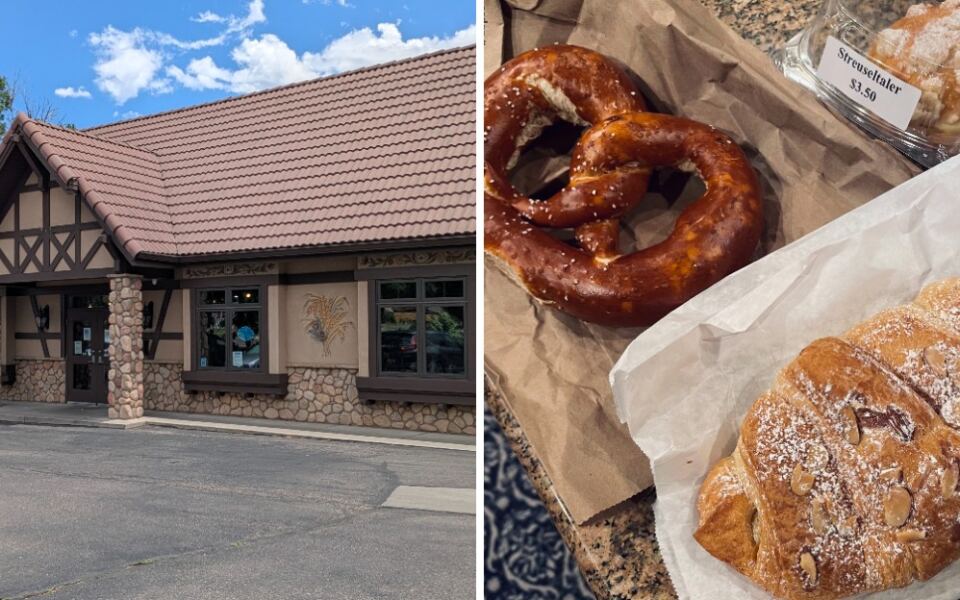
Few items get mentioned more often than the pretzels. They come up dozens of times when customers talk about this shop, and the praise is not subtle.
Some shoppers compare them directly to pretzels they ate in Munich years earlier. For a bakery in the shadow of Pikes Peak, that is quite a compliment.
People who spent years living in Germany say the selection compares very favorably to what they found overseas. That kind of comparison carries weight coming from folks who know the real thing.
The pretzels also tend to vanish quickly. Going early is a common tip, because popular baked goods can sell out fast.
Value is part of the appeal. One small order of a pretzel plus a couple of pastries came in around six or seven dollars total, which counts as a bargain by today’s standards.
A pretzel here makes an easy entry point for first-timers. It is simple, affordable, and a good way to test whether the rest of the menu deserves a closer look.
Spoiler alert, it usually does. And the bread aisle is where things get twisty in a whole new way.
5. Kaiser Rolls, Broetchen, and the Bread Behind the Counter
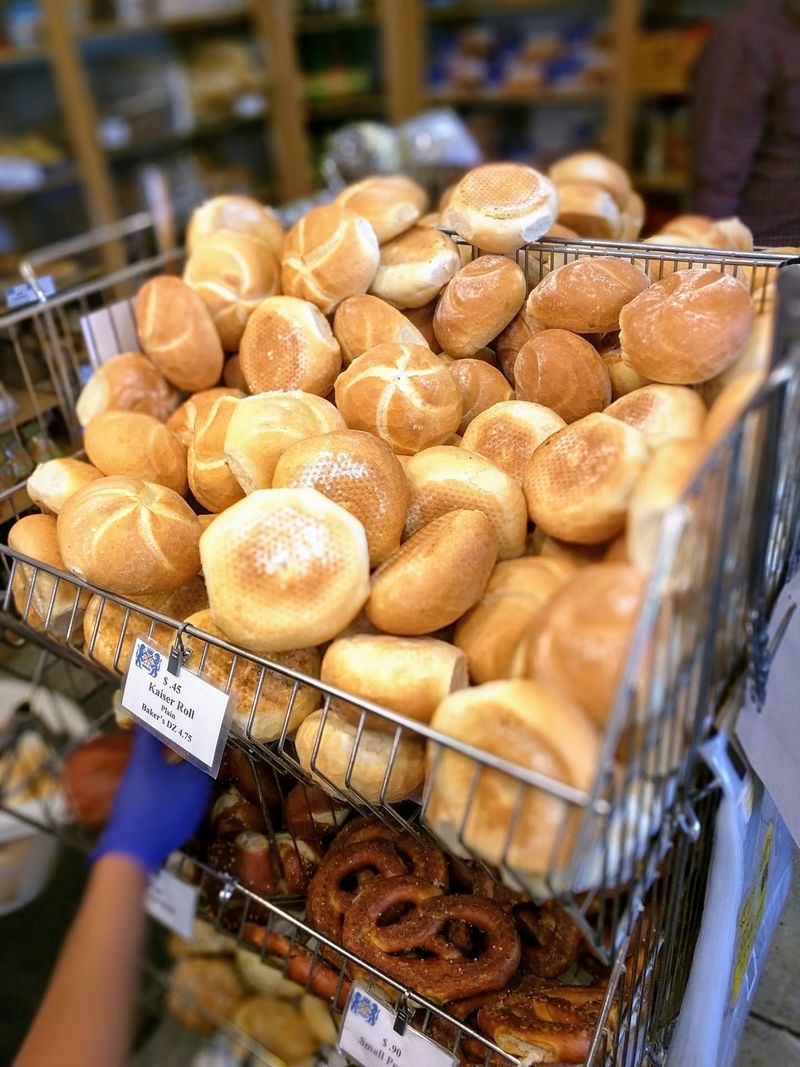
Bread lovers have their own reasons to make the trip. Kaiser rolls show up often in conversations, and some longtime shoppers call them the best around.
Broetchen, the classic German breakfast roll, is another big draw. Some first-timers come in specifically because they heard about them and wanted authentic German bread.
Onion bread has earned praise as well. It is the kind of loaf that disappears from the kitchen counter faster than planned.
One detail surprises newcomers. Customers do not grab their own rolls or pretzels, because staff hand them over from behind the counter.
That system stuck around after the pandemic years. Some shoppers find it unexpected at first, though others see it as a tidy, hands-off approach that keeps the bread case orderly.
Either way, it adds a small human moment to every purchase. You ask, the staff answers, and the bread lands in your bag.
Around the holidays, stollen becomes a family tradition for some longtime customers. It is the sort of seasonal loaf that marks the calendar as clearly as the first snow on the Front Range.
Bread is only half the story, though. The deli counter has its own devoted crowd.
6. Cold Cuts, Salamis, and a Sampling Habit
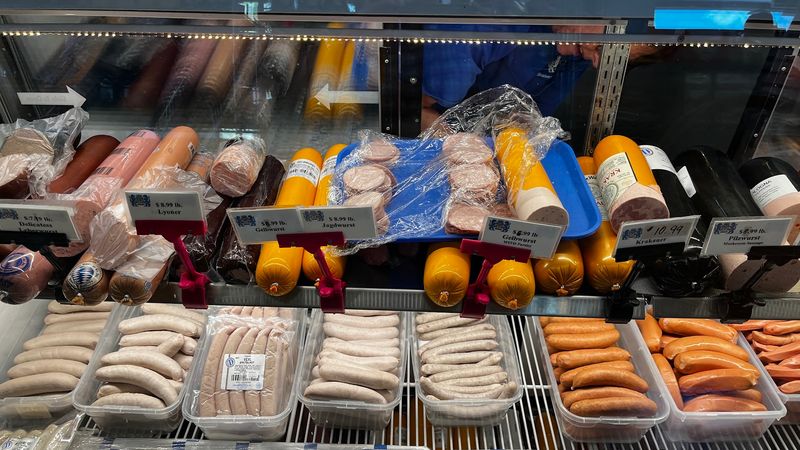
Deli meats rank near the top of the list of things people mention about this place. Salamis, sausages, and cold cuts fill the counter.
Items come either pre-sliced and packaged or cut to order. That flexibility helps whether you want a quick grab-and-go option or a custom amount for a weekend spread.
Staff members are known to offer samples of the German deli meats. For newcomers who cannot tell one sausage from another, that is a welcome bit of guidance.
Customers who have tried several sausages and cold cuts describe them as fresh. The salamis and sausages in particular get called unbeatable by longtime fans.
Brats appear on the list too, including veal bratwurst. Ready-to-fry schnitzels are also available for anyone who wants to cook a German dinner at home.
The deli is a practical stop for households planning meals. You can pick up dinner, sandwich fixings, and lunch items in one visit instead of hopping between stores.
Shelves can run thin on some days, though. One longtime shopper from Sedalia found the cooler and deli half empty on a recent trip, so calling ahead before a long drive may save some frustration.
Meat has a natural partner, and here it gets its own cooler.
7. A Whole Cooler Devoted to Cheese
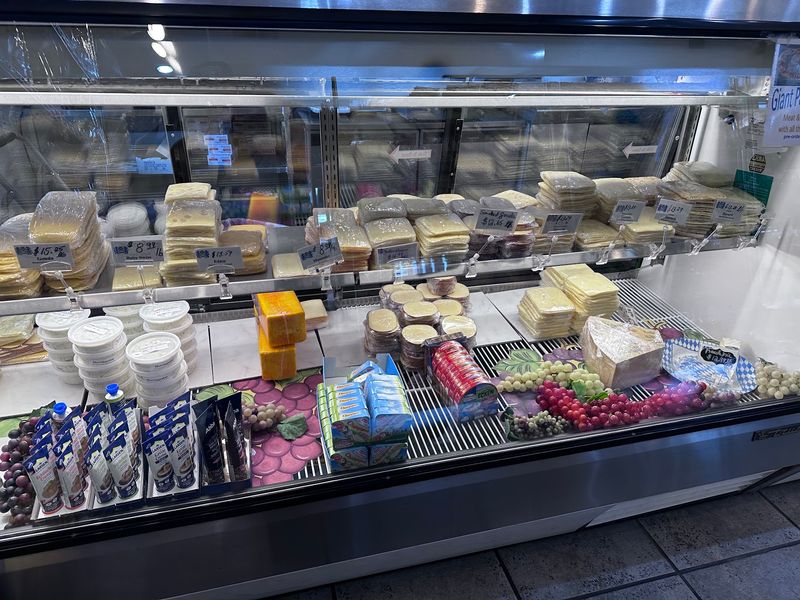
Cheese gets serious treatment here. There is an entire cooler case set aside just for it.
Shoppers bring up the cheese selection often, and it pairs naturally with the deli meats a few steps away. Building a board at home becomes a one-stop job.
Smoked Gouda stands out in particular. One lifelong customer goes as far as saying there is no better cheese than the shop’s smoked Gouda.
Like the meats, cheeses can be found pre-packaged or cut to order. That means you can grab a modest wedge for a weeknight snack or a larger piece for a family gathering.
For residents who usually rely on big grocery chains, this is a chance to try European styles that may not show up on standard supermarket shelves. It is also a nice way to support a long-running local business.
Staff are happy to explain what each item is. That helps a lot when labels are unfamiliar or when you are trying to match a cheese to a recipe from a grandparent’s kitchen.
Not into cheese? Not to worry, the shelves beyond the cooler hold plenty of other surprises.
8. Imported Shelves Stocked Like a Corner Market in Germany
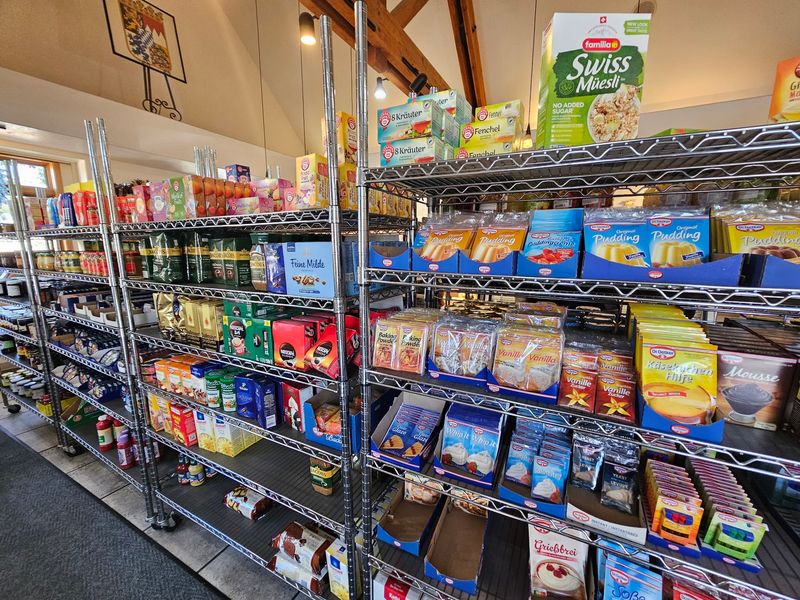
Past the bakery case and deli counter, the market side of the shop opens up a whole new set of options. Imported German foods fill the shelves.
Spaetzle, sauce mixes, coffee, pasta, and ingredients are all part of the lineup. Recipe kits make it easier to recreate German dishes at home without hunting down every component.
German candy and snacks are a hit with kids and adults alike. It is easy to walk out with a bag of treats you did not plan on buying.
German magazines even show up on the racks. That small touch reflects how the shop serves people with real ties to Germany, not just curious shoppers.
Some people who once lived in Germany say walking these aisles makes them feel like they are back there. One German-born shopper called it the top choice in the country for German food.
The store is described as well laid out, which helps given how much is packed inside. Everything has a place, even if that place is a tight squeeze.
All of that shopping builds an appetite. Luckily, lunch is part of the deal too.
9. Reuben Wednesday and Schnitzel Thursday
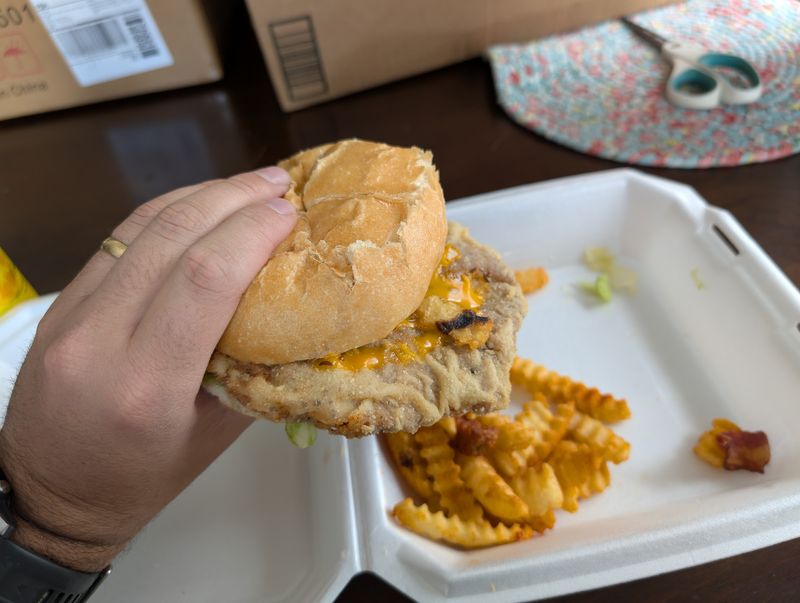
Two days of the week carry special weight on the calendar for regulars. Wednesday and Thursday each bring a sandwich special that people plan around.
On Wednesdays, the homemade hot Reuben has been listed at $7.99. Fans swear by it as one of the best things on the menu.
Thursday belongs to the schnitzel sandwich. Some customers say it somehow tops the Reuben, which is quite the claim given the competition.
Newcomers often discover the sandwiches after already falling for the pretzels and rolls. Learning that freshly prepared sandwiches are on offer can feel like finding a bonus level.
The daily specials earn praise beyond these two days as well. They make a good lunch option for anyone working nearby or running errands on the Westside.
Timing matters here. Lunch can get crowded, so arriving before the rush gives you a better chance at landing the special before it runs out.
A sandwich at these prices offers a solid value in a city where lunch costs keep climbing. It also gives a taste of German comfort food without a sit-down restaurant bill.
And on some days, lunch is waiting right outside the door.
10. A Food Truck Parked Outside
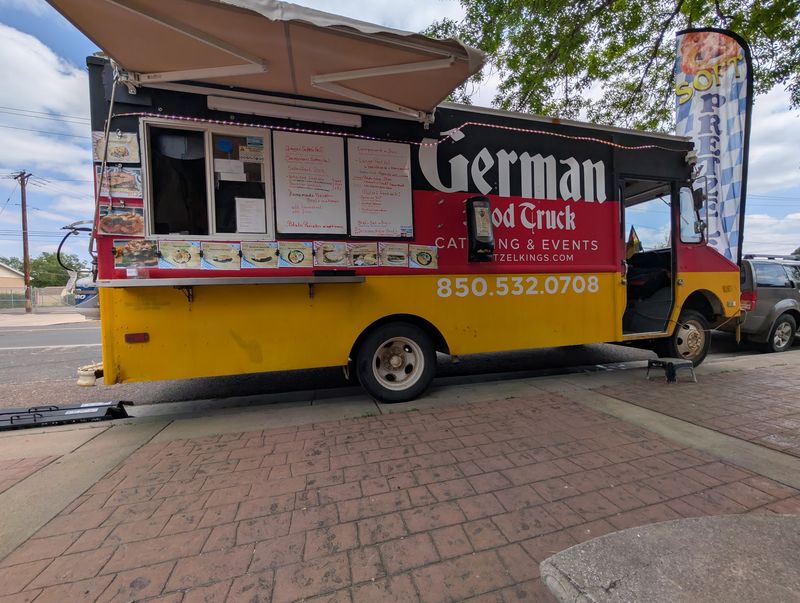
Lunch does not always happen inside the shop. A food truck parked outside has served up meals that customers rave about.
The Bavarian Sandwich with fries is a standout from the truck. It is described as huge, so bringing an appetite or a lunch partner is a smart move.
Pairing a truck lunch with a quick trip into the bakery makes for an efficient outing. You can eat, then stock up on bread, pastries, and groceries before heading home.
The truck adds another layer to what already feels like a mini German neighborhood stop. It is one more reason the shop works as a destination rather than a quick errand.
Food truck schedules can shift, so it helps to check ahead if the truck is the main goal. The shop’s website is a reasonable starting point for current details.
Not every bakery can say it has a lunch option rolling up to the curb. Here, it simply rounds out an already full menu of reasons to visit.
Still, the food is only part of what keeps people coming back. The folks behind the counter play a big role too.
11. Friendly Faces and German Small Talk
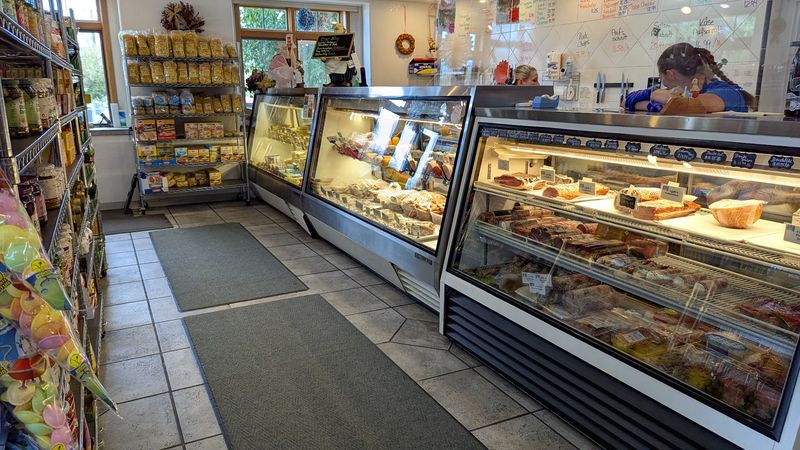
Kindness comes up nearly as often as pretzels. Staff here are described as friendly, congenial, and genuinely helpful.
They answer questions and explain what each item is. For anyone new to German foods, that patience turns a confusing shopping trip into a fun one.
Samples at the deli counter are part of that welcoming style. Staff members have been known to walk newcomers through different meats so they can find a favorite.
Many shoppers love hearing staff and customers chatting in German. It adds an authentic layer that you simply do not get at a chain grocery store.
One German-born customer said the hospitality here beat anything experienced back in Germany in over two decades. That is high praise from someone with a strong point of comparison.
The warm welcome reportedly starts the moment you come through the door. People often mention feeling at home, even on their first visit.
For retirees who enjoy a little conversation with their shopping, or families teaching kids about heritage, this kind of service makes a real difference.
Good company draws crowds, though, and crowds create their own challenge.
12. Small Space, Big Following
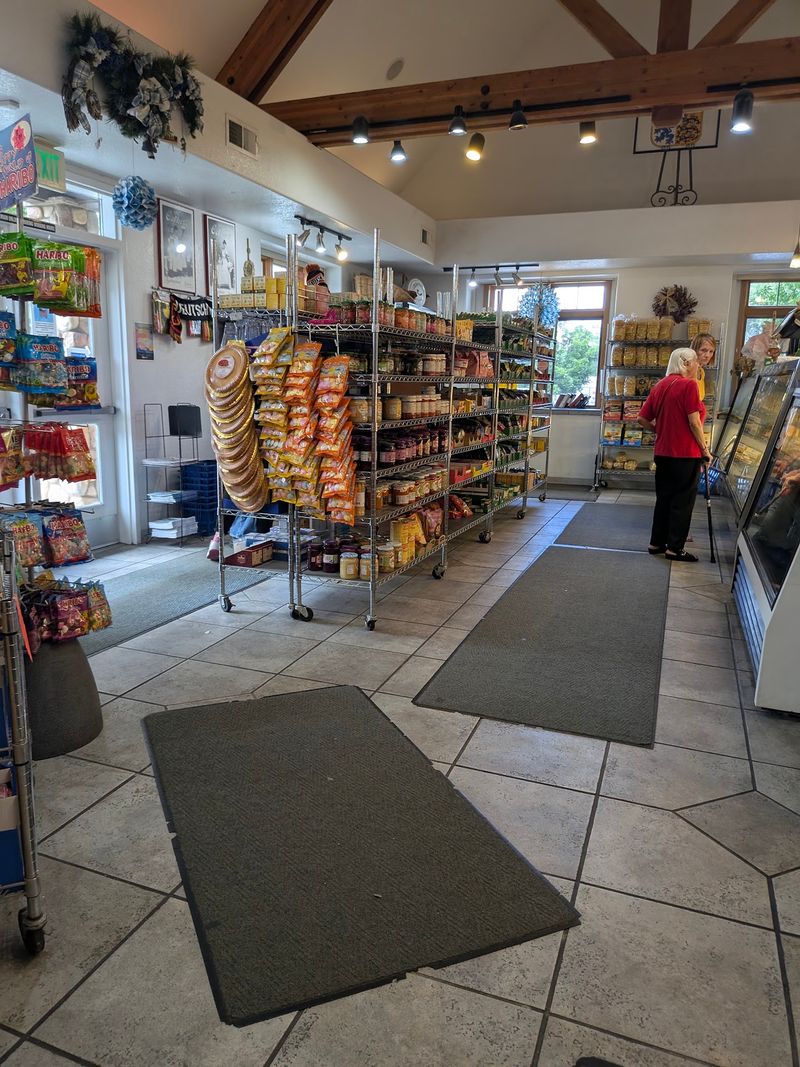
Popularity has a price, and here it is measured in elbow room. The shop is small, and it fills up fast.
Longtime customers note that moving through the aisles can be tough when it is busy. That is the trade-off for a place this beloved.
Regulars crowd in, especially around lunch. Some newer customers have learned the hard way to arrive before the noon rush.
Going early helps with more than space. Baked goods can sell out quickly, so morning visits offer the best shot at a full selection.
Families with small children may want to plan for that tight squeeze. A quick weekday morning trip is likely easier than a crowded lunch hour.
The crowds also show how much the shop means to the community. People clearly feel it is worth a bit of shuffling to get their favorite rolls and cheeses.
One fan joked about single-handedly keeping the place in business for the next hundred years. With this kind of following, the shop seems to have plenty of help already.
Knowing when to go is half the battle. Here is how to time it.
13. Hours, Prices, and Timing Your Trip
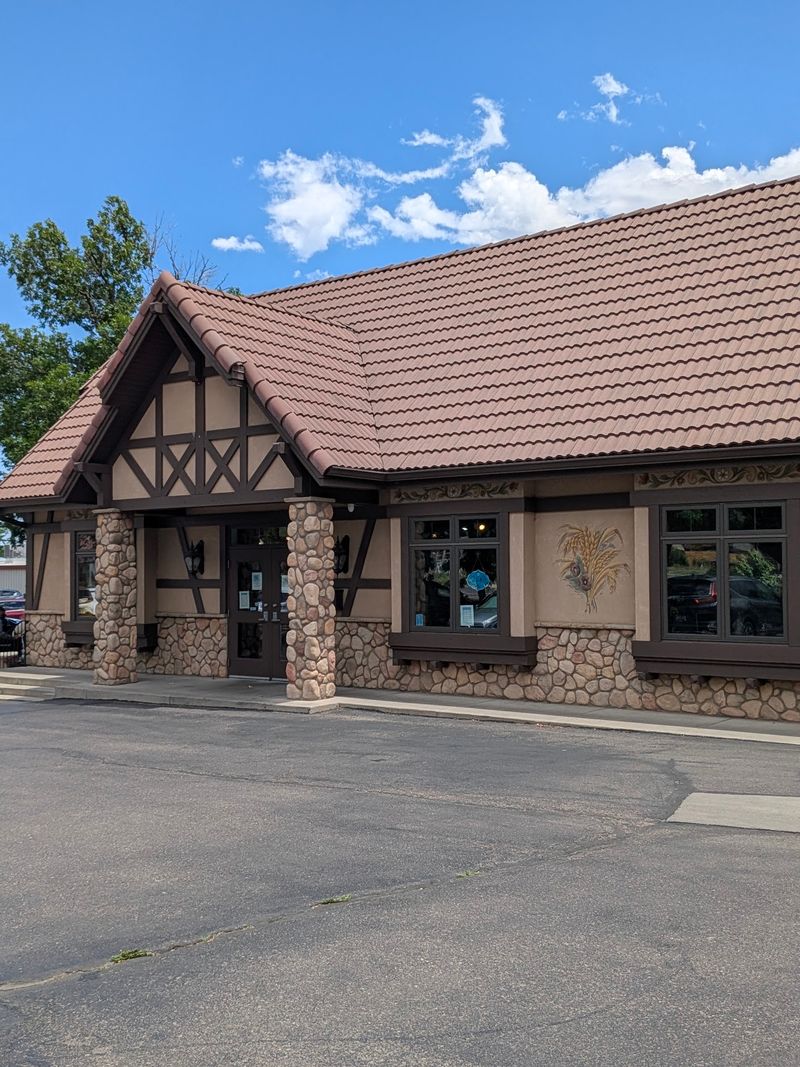
Short hours mean planning ahead pays off. The shop opens at 7 AM Tuesday through Saturday.
Tuesday through Friday, it closes at 3 PM. Saturday wraps up earlier at 2 PM, and the shop is closed Sunday and Monday.
Typical spending falls around $10 to $20 per person. That range makes it a budget-friendly stop for pastries, bread, and a sandwich.
Wednesday is the day for the Reuben special. Thursday brings the schnitzel sandwich, so those two days tend to draw lunch fans.
Early mornings are the best bet for a full bakery case. Popular items sell out fast, and later visits may find thinner shelves.
Residents coming from Denver or other Front Range towns may want to check the website before driving. A quick call or online check can confirm what is in stock that day.
Parking and access are part of a neighborhood setting rather than a big retail center. Allow a little extra time to settle in on busier days.
The website at wimbergers.org is a handy resource for current details. Plan right, and the trip feels easy instead of rushed.
14. A Strudel Stop Worth Keeping in the Rotation
After more than fifty years, the formula still works. German pastries, imported groceries, and a friendly counter keep generations of Colorado Springs families loyal.
The shop holds a 4.8-star average across nearly 900 opinions, which reflects how many people consider it a favorite. Most say it never disappoints.
Shelves are not always fully stocked, and the tight space can test your patience during busy hours. Those quirks come with a small, independent shop that does things its own way.
Still, the appeal is clear. You get authentic German bread, deli meats, cheeses, and sweets at prices that will not stretch the household budget.
It works for a weekday breakfast run, a Thursday schnitzel lunch, or a holiday stollen pickup. Retirees, families, and newcomers all seem to find something to love.
For Colorado residents looking for a meaningful local stop instead of a crowded tourist spot, this bakery fits nicely. It carries real history while staying very much a part of daily life.
Grab a pretzel, pick out a slice of strudel, and see why so many neighbors keep this little Westside bakery on their regular route.
Share this story