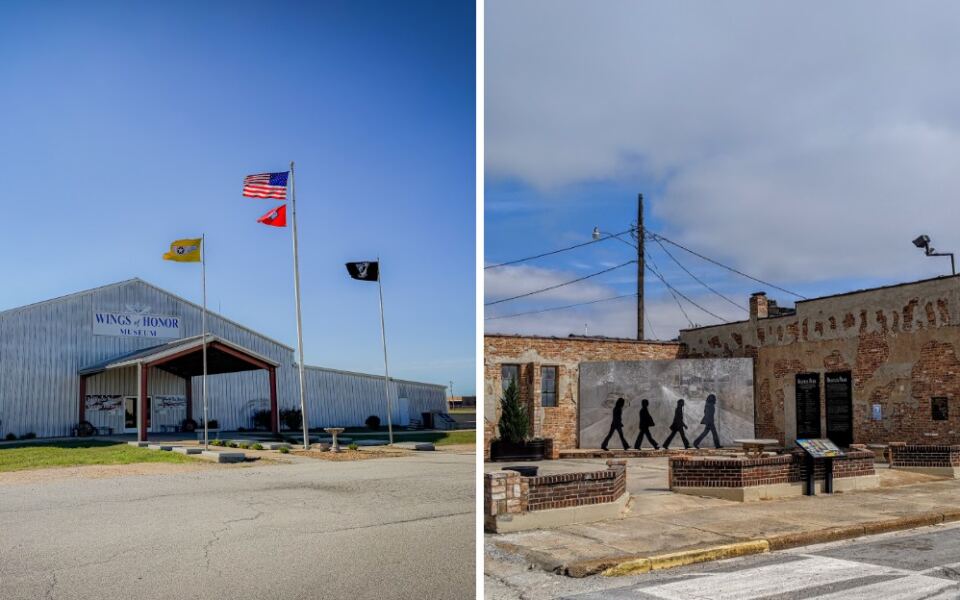
In September 1964, the biggest band on Earth made an unplanned stop in northeast Arkansas, and the town has never let the story fade. Decades later, that single stop still shapes how the community celebrates music. A free live festival keeps the memory going with local pride and a lot of guitars.
Here is a closer look at the place, the history, and how to plan a trip around it.
Where Rock History Landed in Lawrence County
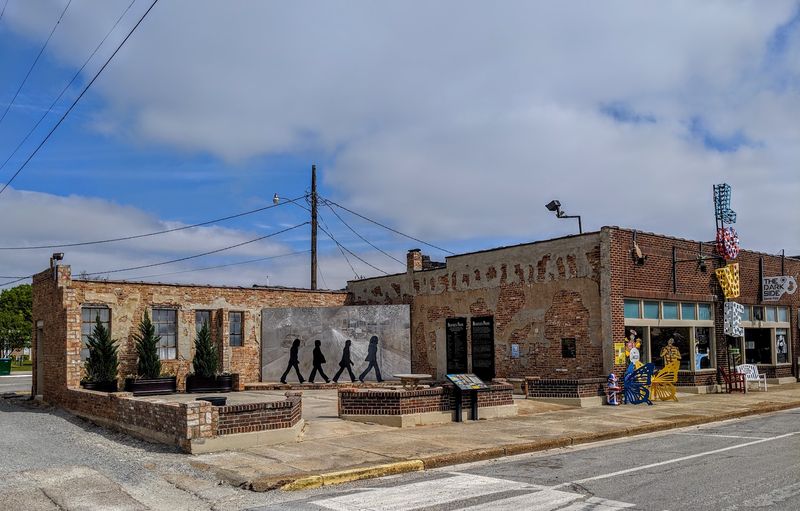
Walnut Ridge, Arkansas, USA, is a city in northeast Arkansas and the county seat of Lawrence County. The 2020 census counted 5,384 residents, so it is a small town with a big story to tell.
Walnut Ridge sits immediately north of Hoxie. The two towns blend into one contiguous urban area with roughly 8,000 residents.
That shared footprint matters for anyone planning a trip. Getting around is simple, and the neighboring towns work together as one compact stop on a weekend route.
The town earns its attention from a single event in rock history. In September 1964, the Beatles were routed through the local airfield on their way to a private retreat in Missouri. That brief stop turned a quiet county seat into a footnote in music lore.
Locals took the story and ran with it. A free live music festival now marks the moment, and it gives the whole community a reason to gather outside on a late-summer weekend.
The rest of this guide covers the history, the festival, and what to know before heading out. Think of this opening as the map, and the sections ahead as the road.
A Small County Seat With a Big Claim
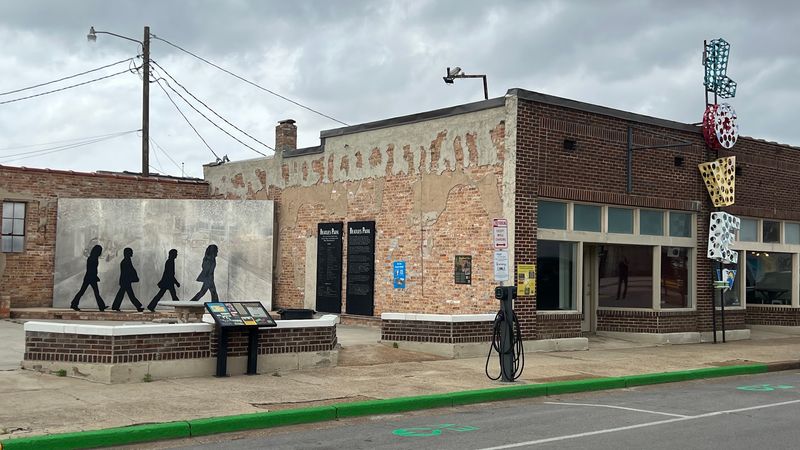
Some towns need a skyline to be noticed. Walnut Ridge needs only a date on the calendar.
As the seat of Lawrence County, the city handles local government and everyday business for the surrounding area. Its population of 5,384 keeps things friendly and easy to navigate.
The setting is rural northeast Arkansas, where flat farmland stretches out in every direction. That open ground is part of the reason an airfield once made sense here.
The pairing with Hoxie gives the area a bit more weight than the census number alone suggests. About 8,000 people live across the two towns, and they share services, schools, and traffic.
Because the area is modest in size, the festival feels like a hometown party rather than a corporate event. Neighbors set up, neighbors perform, and neighbors greet each other in the crowd.
That scale is the charm. A town this size does not try to be something it is not, and the rock history moment fits right in as its proudest chapter.
September 1964 and an Unscheduled Stop
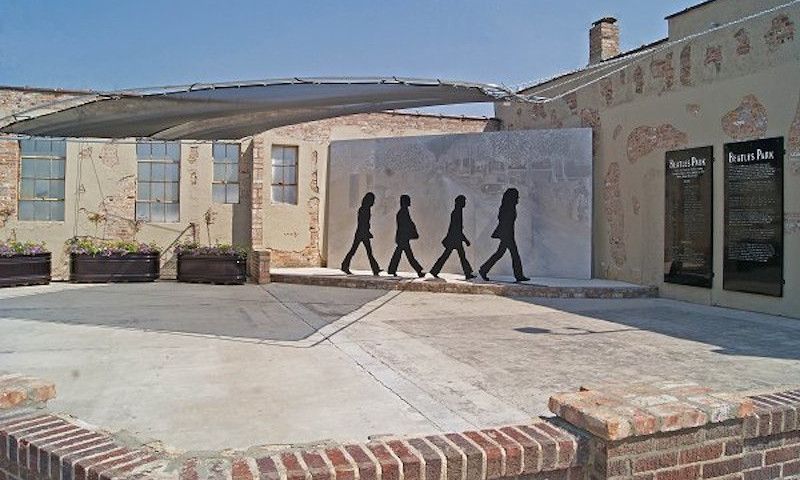
The story begins with a flight plan that needed a landing spot. In September 1964, the Beatles were heading toward a ranch in the Missouri Ozarks for a short break during their American tour.
Walnut Ridge became the place where the group touched down and switched to ground travel. The arrival put a small Arkansas airfield on the map for music fans.
It was a quick stop, not a long stay. Even so, word spread, and the moment became a point of local pride that outlasted the decade.
Historians of the band often mention the Arkansas stop as a quiet interlude in an otherwise frantic year. The town was never a concert stop, and that is part of what makes the tale so appealing.
For residents, the lesson is simple. History does not always happen in big cities, and sometimes it passes through a place long enough to leave a mark.
Because details of the stop have been told many times, it is wise to check local exhibits and official festival materials for the fullest version of the story.
The Festival That Turned a Landing Into a Party
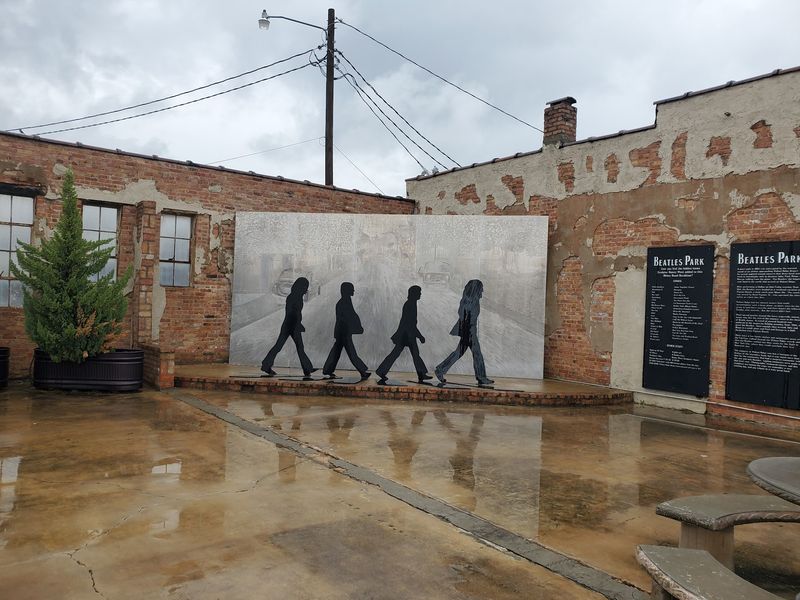
Few towns celebrate a layover, yet Walnut Ridge does it with live music. The festival built around the Beatles stop is free to attend, which keeps the doors wide open to families and neighbors.
The event leans on the band’s legacy as its theme. Local and regional performers fill the schedule, and the focus stays on the joy of playing.
Because it is a community festival, the lineup and the layout can change from year to year. Checking the latest announcements before traveling is the surest way to avoid surprises.
The free format is the headline feature. Anyone can wander in, stay for one set, or settle in for the afternoon without worrying about a ticket line.
The mood is relaxed, with a hometown feel that big festivals struggle to copy. Children, grandparents, and longtime fans all share the same lawn space.
For Arkansas families looking to turn an ordinary weekend into a story worth retelling, this is a good candidate. The theme gives the day a purpose beyond the music.
Live Music With a Hometown Heartbeat
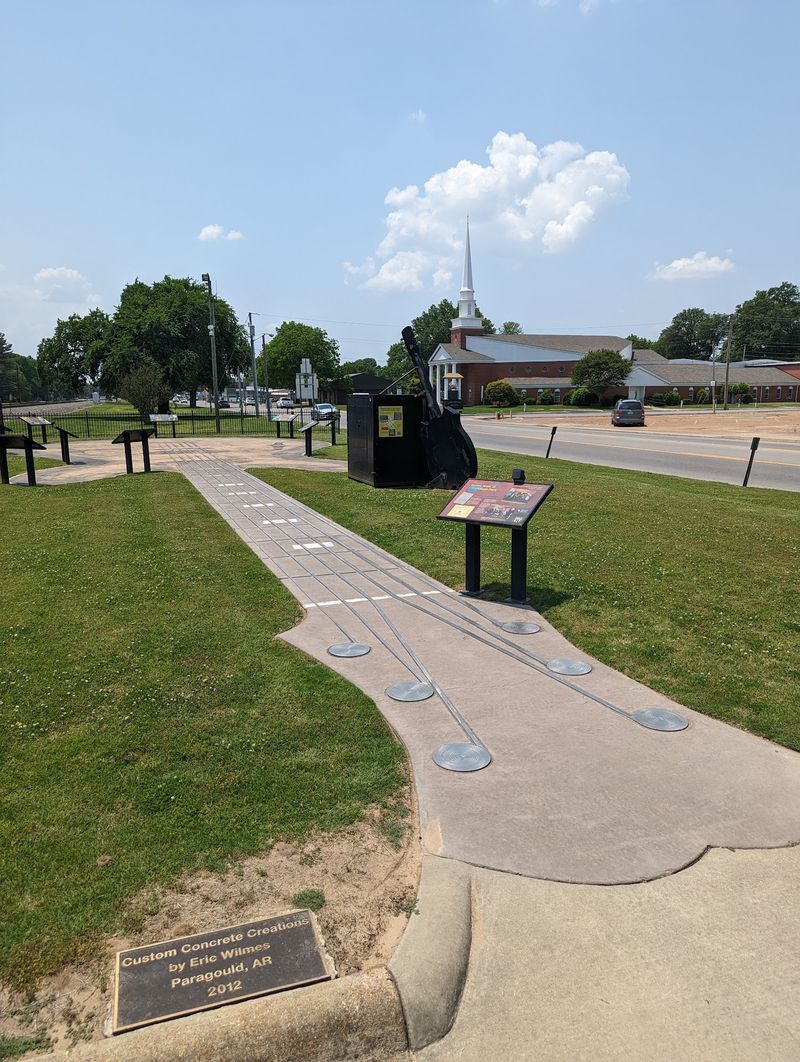
Cover songs, original tunes, and tributes all find a place on the stage. The common thread is a love for the music that the Beatles helped shape.
Performers tend to be local or regional, which gives the program a personal touch. Audiences often know someone on stage, and that familiarity warms up the whole crowd.
Sets are built for sing-along moments. Fans who know the classic choruses are welcome to join in, and the casual setting makes that easy.
Since the festival is free, the stage is as much a community gift as a performance venue. Organizers rely on local support to keep the tradition running year after year.
Anyone hoping to hear a specific act should confirm the schedule close to the date. Lineups are announced by organizers, and details can shift.
Still, the spirit stays constant. A small Arkansas town, a famous band, and a stage full of people who simply want to play make a hard combination to beat.
Airfield Roots and Aviation Memories
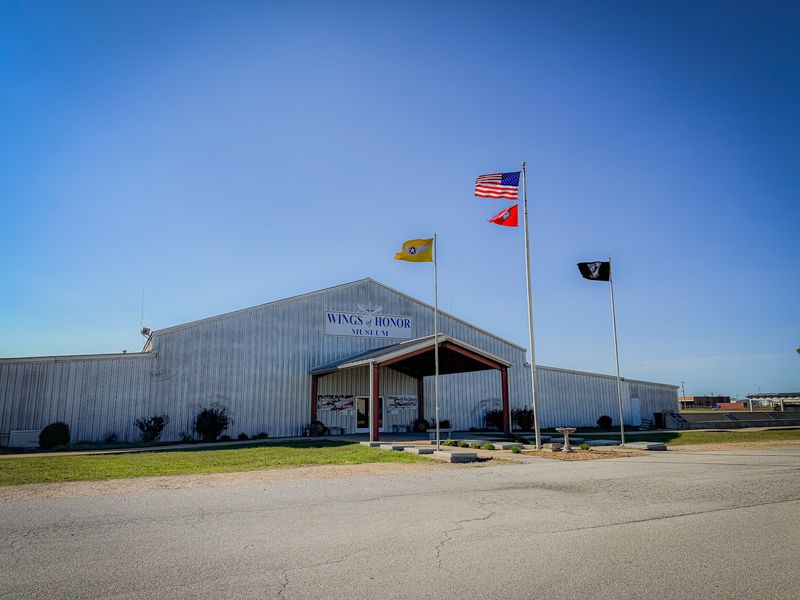
Behind the story sits an airfield. The runway that welcomed the band was part of the area’s aviation past, and it remains a key piece of the tale.
For music fans, the airport is the true starting line of the legend. It is the spot where plane met pavement and a quiet town met a very loud piece of history.
Flat terrain around Walnut Ridge made the area a practical place for flying. That open landscape still defines the horizon today.
Anyone curious about the exact landing site should look for local markers and festival information. Official sources are the best guide to what can be seen and what is open to the public.
Because airport grounds can have access limits, it is smart to respect posted rules and stay in public areas. Local organizers can point to the right places for photos and stories.
Pairing the music with the place where it all began gives the weekend a satisfying shape. The setting turns a song list into a real piece of local history.
Hoxie Next Door
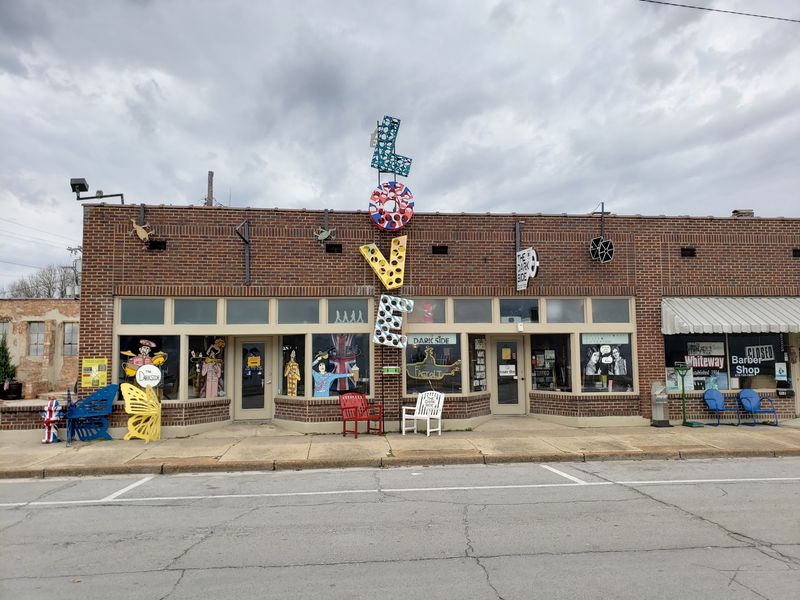
Cross the line south of town and Hoxie is already waiting. The two communities form a continuous urban area, so there is no real gap between them.
Together they hold approximately 8,000 residents. That combined population gives the region more energy than either town would have alone.
For planning purposes, the pairing is helpful. Parking, errands, and side trips can stretch across both towns without much extra driving.
Festival weekends tend to draw on both communities. Volunteers, performers, and spectators often come from either side of the boundary.
Anyone staying in the area should check local listings for lodging and services in both towns. Options can change, and current information is easier to trust than old memories.
Treating Walnut Ridge and Hoxie as one weekend destination makes the trip feel roomier. There is more to wander through, and the festival becomes one stop in a bigger local story.
Why the Beatles Story Still Sticks
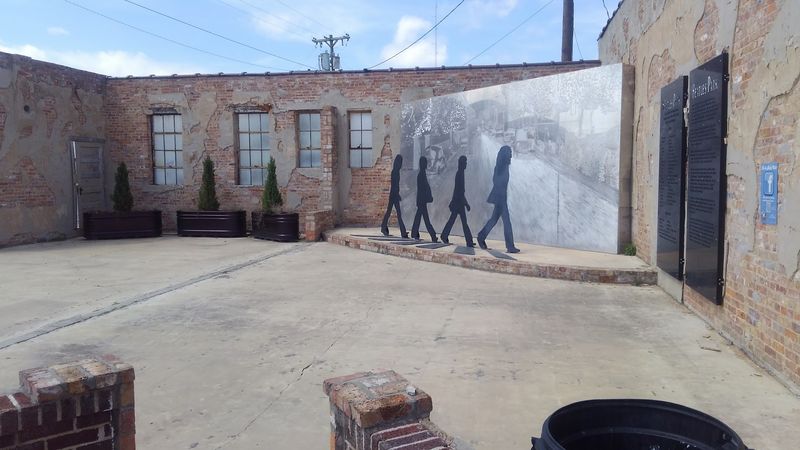
Good stories last because people keep telling them. The Beatles stop in Walnut Ridge lasted only a short time, yet it has been retold for decades.
Part of the appeal is surprise. Nobody expects world-famous musicians to show up in a small Arkansas county seat, and that contrast makes the memory vivid.
Another part is pride. Residents get to say their town was part of a famous chapter, and that is no small thing in a place of about five thousand people.
The festival gives that pride a yearly outlet. It also introduces younger generations to music their grandparents grew up with.
Families can use the event as a conversation starter. A short history lesson in the morning can flow into a sing-along by afternoon.
For Arkansas households looking for an outing with a clear theme, the story does half the work. The rest comes from showing up and listening.
Who Will Enjoy This Weekend Most
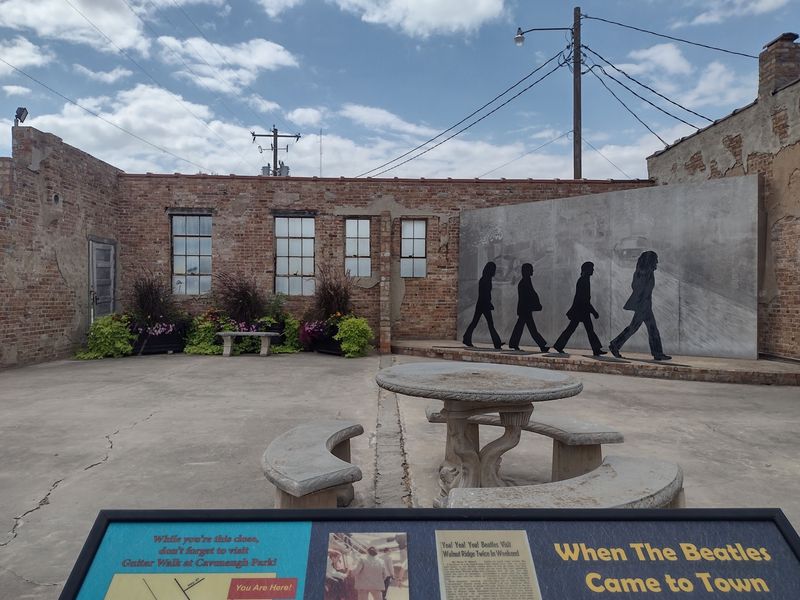
A free, outdoor, music-centered event opens the door to many groups. Families with children can enjoy daytime sets, and the relaxed pace suits all ages.
Classic rock fans are the natural audience. Anyone who grew up with the band’s songs will find plenty to enjoy in the tribute spirit.
History lovers get something too. The connection to a real moment in 1964 gives the festival more depth than a typical local concert.
Adults looking for a grown-up night out should check the schedule for evening sets, since programming can vary. The event is built around community, so expect a friendly crowd rather than a late-night scene.
Families and adults may want different parts of the day, and the format allows that. Early sets can suit younger listeners, while later ones may draw an older crowd, though organizers set the actual lineup.
Verify the details before heading out. The best weekend plan starts with current information from official festival sources.
Planning Around the Calendar
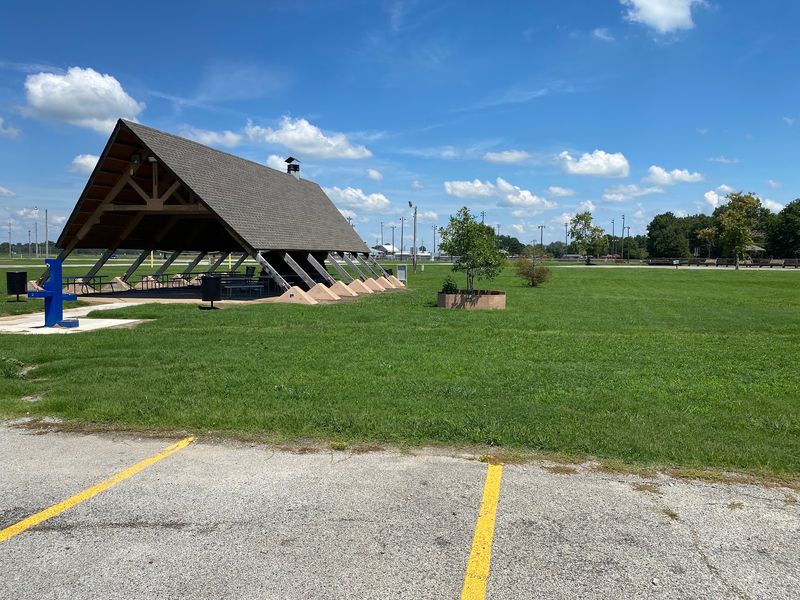
Timing matters for any festival, and this one is no exception. The Beatles stop happened in September 1964, and the celebration is tied to that anniversary spirit.
Exact dates can change from year to year. Checking official announcements from the city or festival organizers is the safest step before booking anything.
Early planning helps. Small towns can fill their lodging options quickly when an event is on, so reserving a room ahead of time is wise.
Since the festival is free, the main costs are travel and any extras a family chooses. Bringing folding chairs and checking local weather forecasts can make the day go smoother.
Arkansas autumn planning often starts early, and this event can fit nicely into a fall calendar. Confirm the current schedule rather than relying on last year’s details.
A quick call or online check with local organizers can answer most questions. Good preparation turns a pleasant idea into an easy trip.
Getting There in Northeast Arkansas
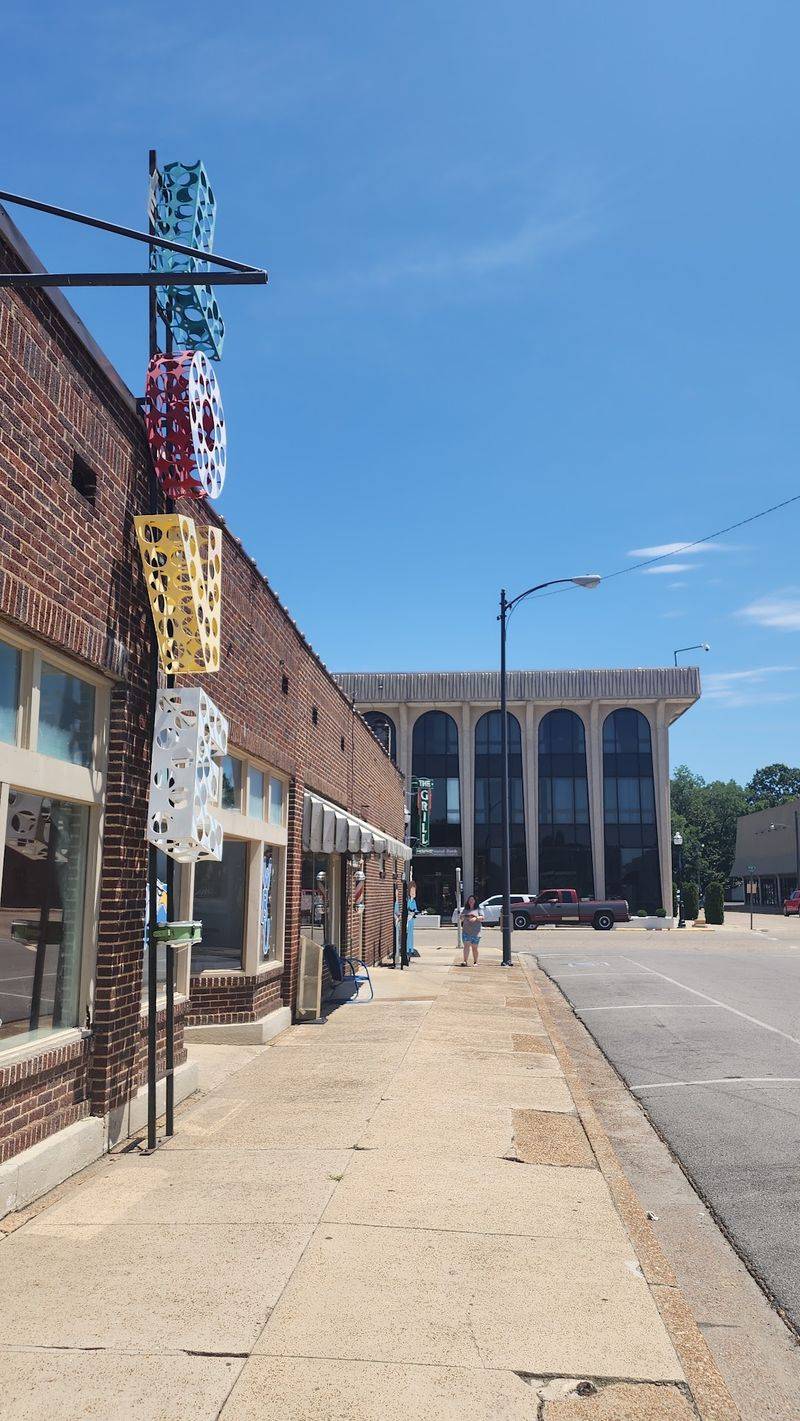
The city sits in northeast Arkansas, in the flat country of Lawrence County. Drivers will find the area easy to approach, since the landscape is open and the towns are compact.
Its coordinates place it near the center of a rural stretch of the state. A map app is the simplest tool for finding the best route from wherever the trip begins.
Because Hoxie sits right next door, arriving from the south means passing through that community first. Both towns can serve as a base for the weekend.
Parking details for festival days are set by local organizers. Look for posted signs and official guidance, since arrangements can shift from year to year.
Travelers from other parts of Arkansas can treat the trip as a day outing or a weekend stay. The distance and timing depend on the starting point, so planning ahead helps.
No detailed hours or fees are listed for the town itself, so checking local sources for specific attractions is the best move.
Making a Day of It
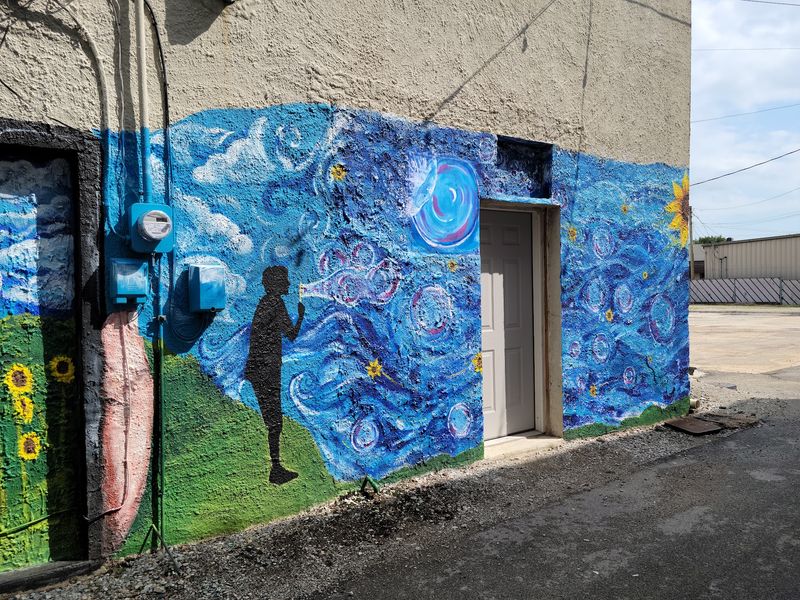
A festival is the centerpiece, but the day can stretch wider. Walking through the town between sets gives a feel for the local pace.
Local shops and businesses change over time, so current listings are the best guide. Asking residents for tips is often the quickest way to find a good stop.
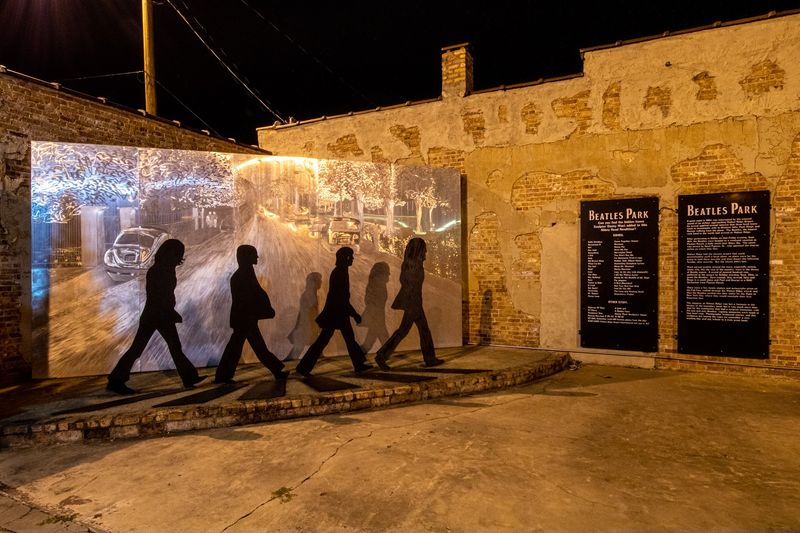
Photo opportunities tend to center on any Beatles-related markers and festival decorations. Organizers can point to the right spots when the event is on.
For families, pacing is key. Short breaks between music sets keep younger children comfortable and let parents enjoy the performances.
Bringing a few basics helps: chairs, sun protection, and a plan for meeting up if the group splits. Small preparations make a long afternoon easier.
Because the town is compact, there is little rushing involved. Plenty of the fun comes from simply staying put and letting the music do the work.
Community Spirit Behind the Stage
Free events do not run themselves. Local volunteers, sponsors, and city supporters work behind the scenes to keep the festival going.
That shared effort is a big part of the character. A town of about five thousand people pulls together to host guests, and the result feels personal.
Newcomers often notice how friendly the atmosphere is. Residents are proud of their history and happy to talk about it.
Supporting the event can be as simple as attending and being a good guest. Respecting local rules and cleaning up after yourself keeps the tradition welcome.
Anyone wanting to help can contact organizers about volunteering or donating. Official channels have the most accurate information about how to get involved.
The festival shows what a small place can do with one good story. With enough care, a single afternoon in 1964 can still fill a lawn today.
A Soft Verdict for a Small-Town Stop
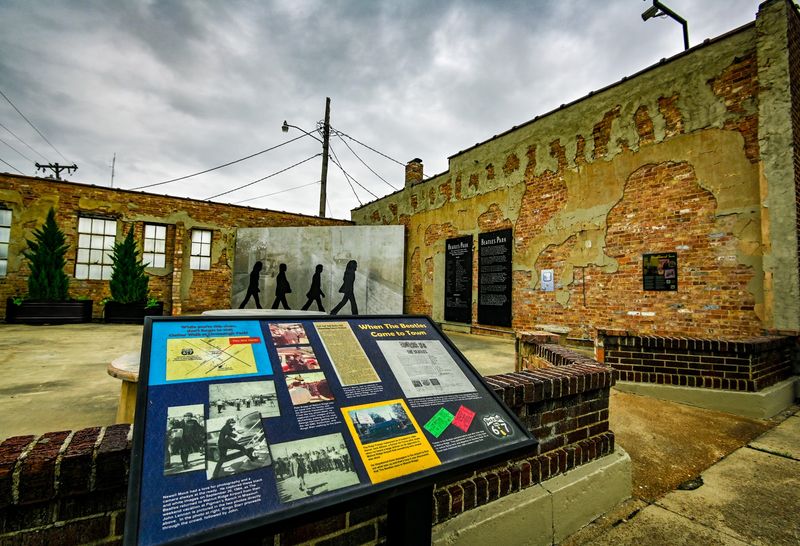
Walnut Ridge does not oversell itself. It offers a real piece of rock history, a free festival, and a friendly community that enjoys sharing both.
The appeal comes from the story. A brief stop in September 1964 turned into a tradition that still brings people together in northeast Arkansas.
With a population of 5,384, and about 8,000 when counting Hoxie, the area stays easygoing and manageable. That size suits a relaxed weekend and a relaxed expectation.
Anyone planning a visit should confirm the festival dates and schedule through official sources. Details can change, and current information makes for a smoother trip.
For families and music fans across Arkansas, the town makes a fitting excuse to get out of the house. It also gives a simple weekend a story to tell afterward.
In the end, the best part is how small the setting is and how large the memory feels. That balance is why the town keeps the music going.
Share this story