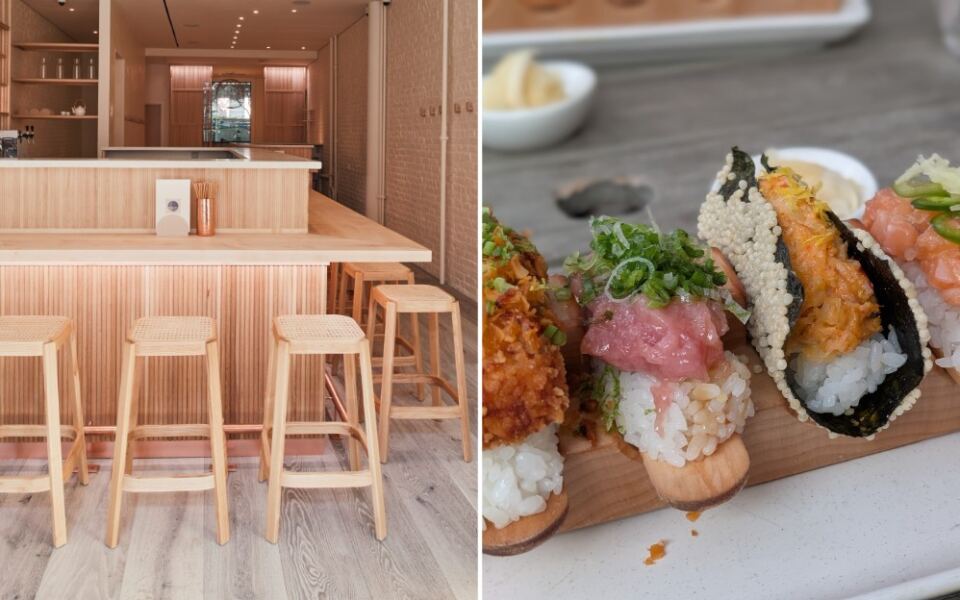
Anyone who eats gluten-free in New York knows the routine. You scan the menu, ask the server three questions, and usually settle for a plain salad while friends order the good stuff.
There is a small Japanese spot in Manhattan’s West Village that quietly flips that routine on its head. Every dish on the menu is gluten-free, and that includes the Japanese fried chicken, which is exactly the kind of crispy plate most people with a wheat allergy learn to skip.
The real draw here is temaki, open hand rolls passed across a counter one at a time by the chef. The place fills up fast, the wait can stretch past an hour, and plenty of diners keep coming back for years.
The sections ahead cover where it is, what to order, when to go, and how to land a seat without spending your whole evening on the sidewalk.
1. A Hand Roll Bar on Carmine Street
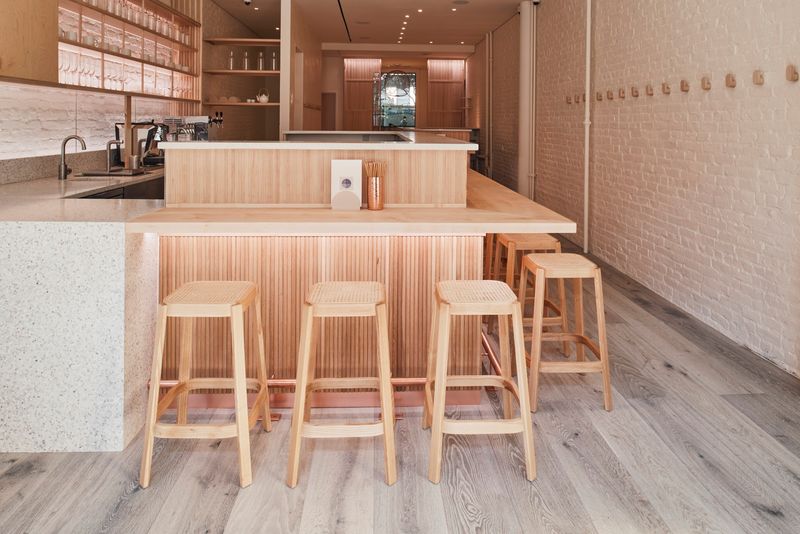
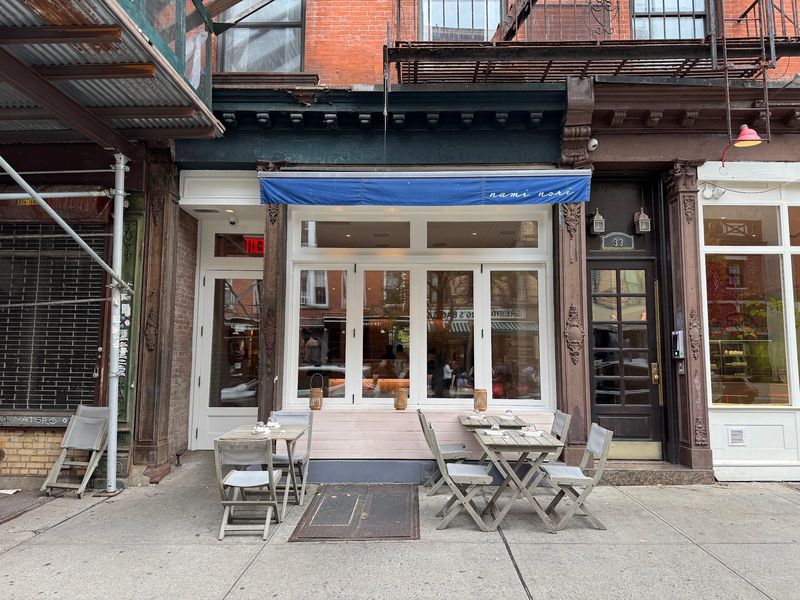
The address to save is 33 Carmine St, New York, NY 10014, right in the West Village of Manhattan, New York.
The restaurant is Nami Nori West Village, a Japanese spot built around temaki. Temaki are open hand rolls, wrapped loosely in nori and eaten with your fingers instead of chopsticks.
Carmine Street is a short, busy block tucked between bigger avenues. The restaurant sits among neighborhood shops and cafes, which helps when the wait runs long.
There is also a sister location in Williamsburg, Brooklyn, so the brand is not a one-off. Still, the Carmine Street room has built a loyal following of its own.
What sets it apart for many diners is not only the rolls. The kitchen keeps the entire menu gluten-free, a detail regulars mention again and again.
That means a person with celiac disease or a wheat sensitivity can point at almost anything and order it. No side conversation, no modified plate, no guessing.
For a city where so many menus still come with fine print, that is a refreshing change of pace on one small Village block.
2. The Gluten-Free Promise Behind Every Plate
Gluten hides in more Japanese food than most people expect. Standard soy sauce, tempura batter, and many marinades all tend to rely on wheat.
That is what makes the approach here stand out. The full menu is gluten-free, so diners do not have to sort through a short list of safe options.
Regulars with dietary limits point out how freeing it feels. They can share plates with the table, try the specials, and order dessert without a second thought.
The fried chicken is the headline example. Crispy, battered chicken is usually off limits for gluten-free eaters, yet here it sits on the menu like any other dish.
Diners say it ranks among the appetizers worth adding, right next to the spicy tuna dip.
The same goes for the tempura, which has its own fans among repeat guests. A batter that skips wheat lets everyone at the table get a piece.
For families or friend groups with one gluten-free member, the menu removes a lot of friction. Nobody has to plan the night around a single person’s needs, and that small kindness goes a long way.
3. Fried Chicken That Breaks the Rules
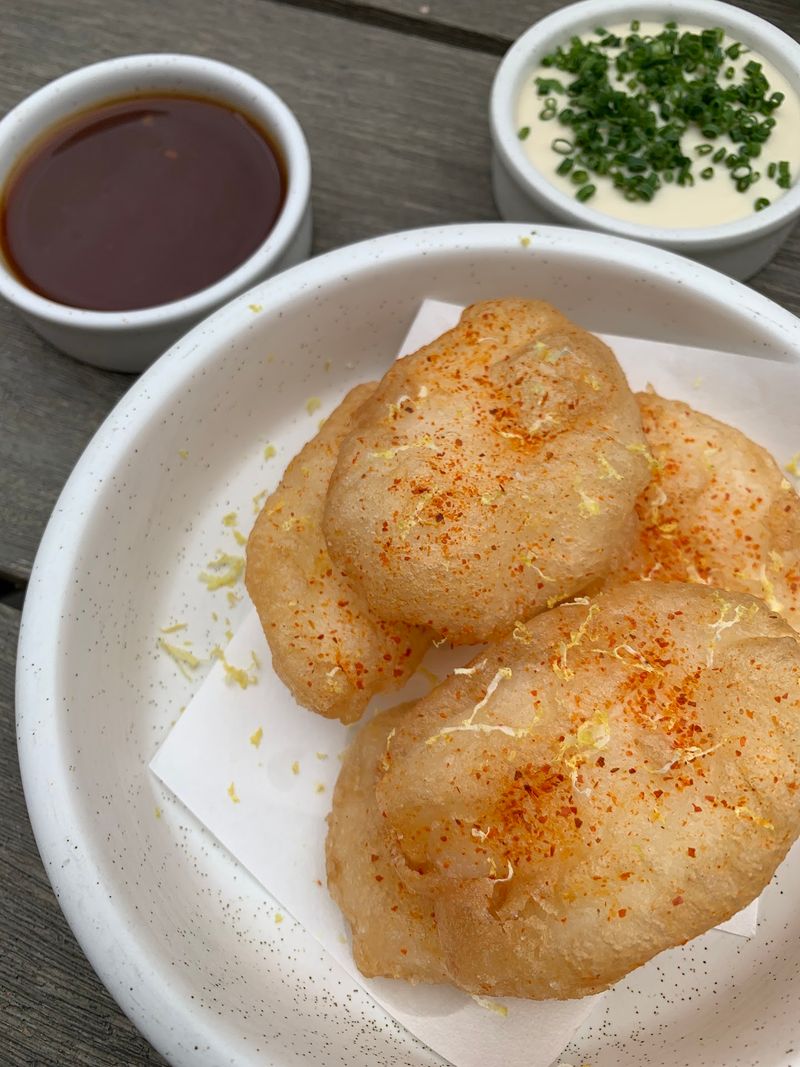
Ask a gluten-free diner what they miss most, and fried chicken lands near the top of the list. Most versions use flour in the coating, so it becomes a dish they watch other people eat.
At this counter, the Japanese fried chicken is fully gluten-free. Diners who usually pass on anything battered get to order it without a worry.
Guests tend to bring it up as a must-add alongside a set menu. Some call it one of the best appetizers in the house, even ahead of the hand rolls.
It works well as a shared plate at the start of the meal. A small order for the table takes the edge off hunger while the temaki get rolling.
The kitchen does not treat it as a special accommodation. It is simply part of the menu, which says a lot about how the whole place was planned.
For anyone who has spent years skipping the crispy section of menus, this one plate can make the trip downtown worth it all by itself.
4. Rolls Passed Straight From the Chef
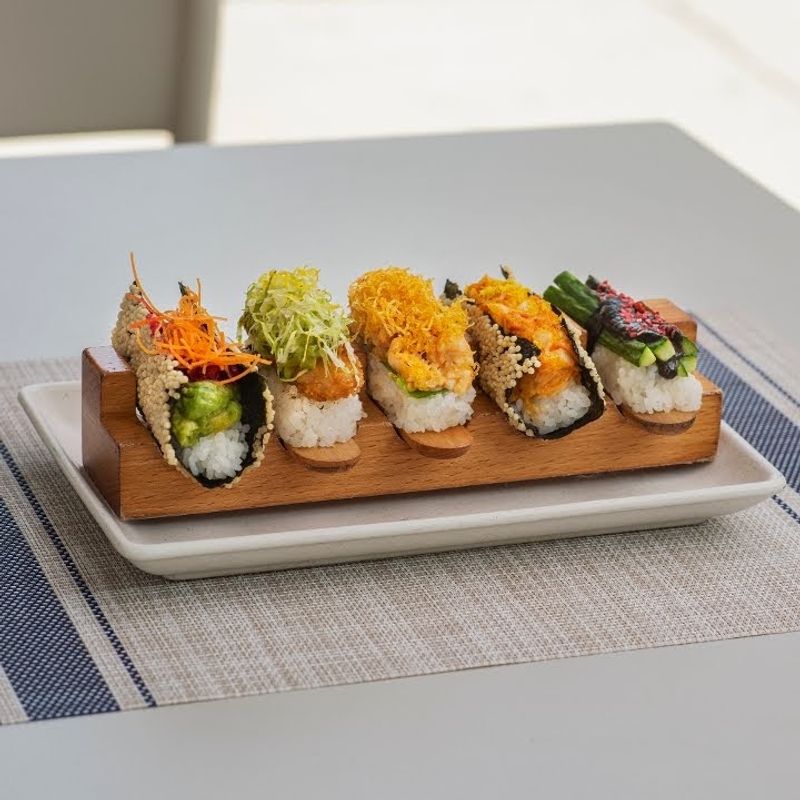
Temaki move fast, and that is the whole point. The nori is crisp when it leaves the chef’s hands, and it starts to soften within minutes.
That is why the counter seats are so popular. Chefs prepare each roll in front of you and hand it over one at a time, so every piece arrives at its best.
Diners often describe the counter as the highlight of the visit. They get to watch the work up close and chat with the team behind the bar.
Regulars recommend eating quickly here. Get too caught up in conversation, and the seaweed can lose its snap.
The timing is part of the fun. Rolls come out at a steady pace, so the meal feels like a series of small courses rather than one big plate.
Solo diners find the counter especially comfortable. There is always something to watch, and the chefs keep the rhythm going.
For first-timers, a counter seat is the easiest way to understand what the fuss is about.
5. Set Menus for Easy Decisions
Decision fatigue is real, especially with a long list of rolls. The set menus take care of that problem.
The starter temaki set is a common pick for first visits. It offers a spread of flavors, and guests can add single rolls if they want more.
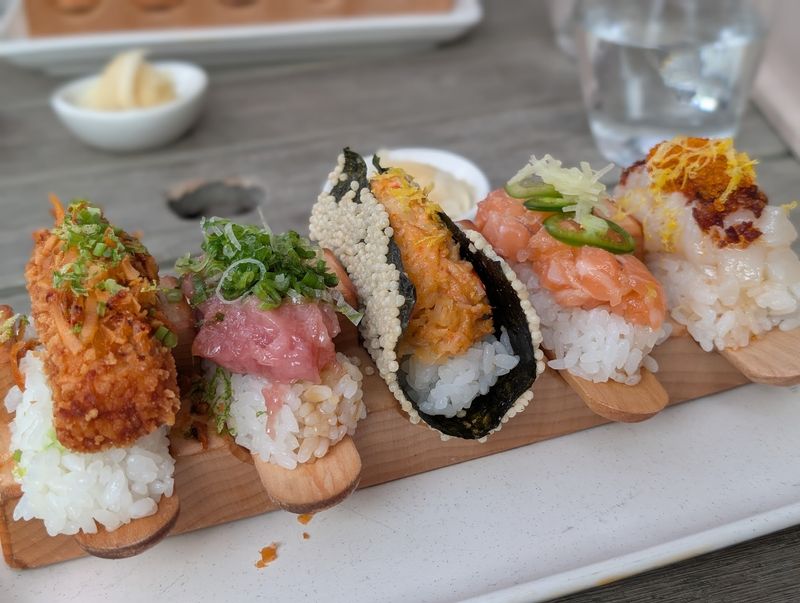
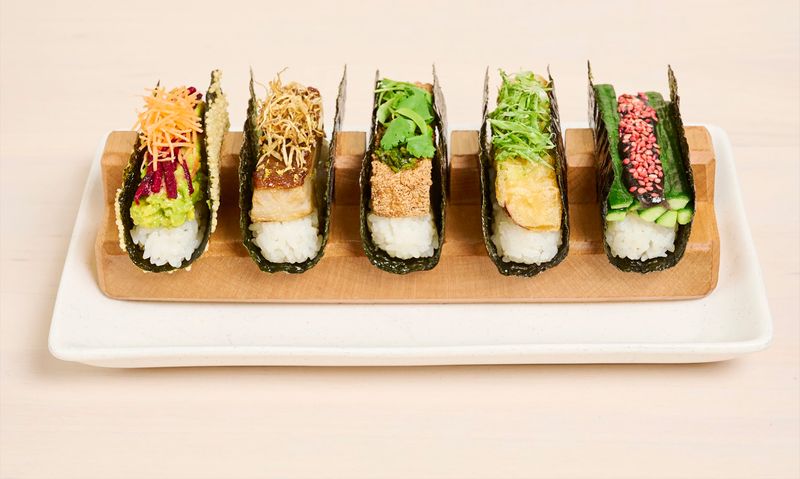
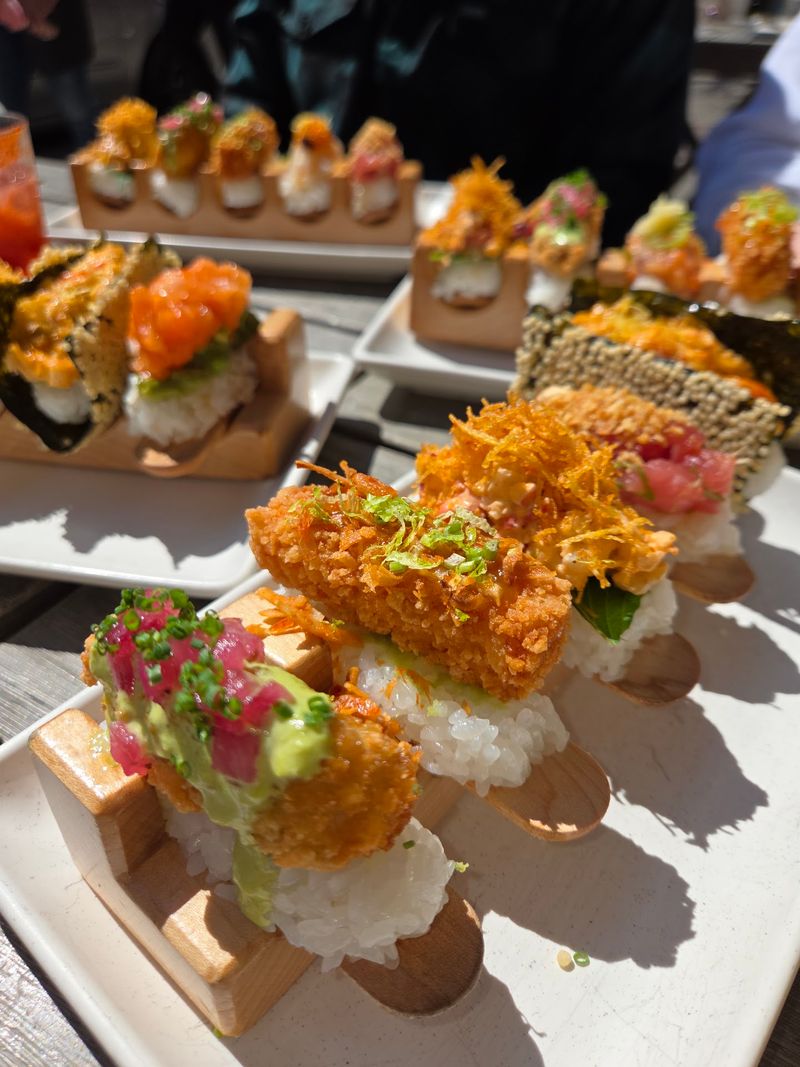
The signature set comes up often among diners as well. It typically includes five rolls, and the XO scallop, tuna poke, salmon serrano, cucumber black sesame, and coconut shrimp have all been part of it for some guests.
A premium set also exists for those who want to go bigger.
Table guests may receive their rolls in a wooden box, which they pick from one by one. Counter guests get them handed over individually.
Some diners find the set rolls stronger than extras added later. It is a sign the kitchen built those lineups with care.
Starting with a set and then filling gaps with favorites is the move many repeat guests seem to follow, and it keeps the bill a little easier to plan.
6. The XO Scallop Everyone Talks About
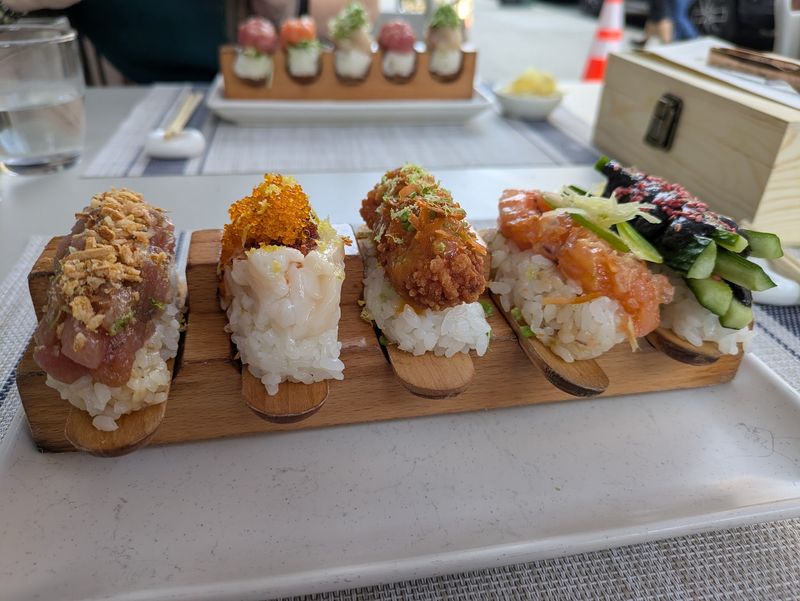
Among dozens of rolls, one name keeps rising to the top. The XO scallop shows up again and again as the standout.
The roll pairs scallops with a house-made XO sauce. Diners describe it as rich and savory without covering up the seafood.
Some guests say they would come back for that roll alone. Others rank it first in the signature set.
Not every roll lands the same way for every person. A few diners feel the creativity of the XO scallop sets a bar that other rolls do not always reach.
That honesty is useful. It tells first-timers where to start and which roll to order twice if they have room.
Other names worth knowing include the spicy crab dynamite, toro scallion, maitake truffle, and black cod. Each has its own small fan club among regulars.
Start with the scallop, then branch out based on mood. That simple plan rarely leads anyone astray.
7. Coconut Shrimp, Tuna Poke and Other Crowd Favorites
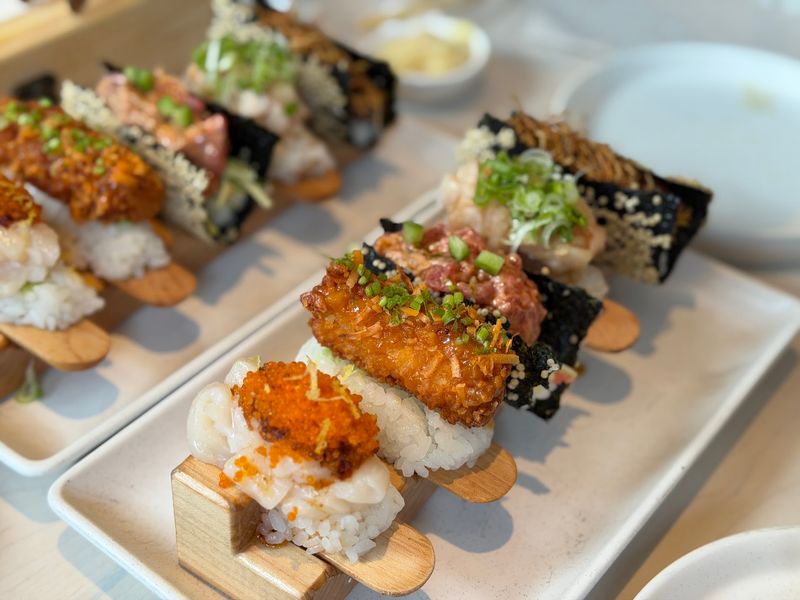
Some rolls build a reputation slowly. The coconut shrimp built one quickly.
It ranks among the most mentioned items on the menu, and plenty of diners call it their favorite of the night.
The tuna poke follows close behind. Guests point to the freshness of the fish and a balanced marinade.
Salmon serrano and spicy tuna also draw steady praise. One lunch guest called those two the clear winners of a five-roll meal.
Yellowtail and salmon avocado round out the familiar picks for people who prefer classics.
Not every roll wins everyone over. The spicy lobster, for example, gets mixed feedback compared with the others.
A tip that comes up more than once: ask for rolls without wasabi if you prefer milder flavors. Some guests feel it can overpower the fish.
Mixing a couple of crowd favorites with one wild card is a smart way to explore without risking the whole order.
8. Small Plates That Steal Attention
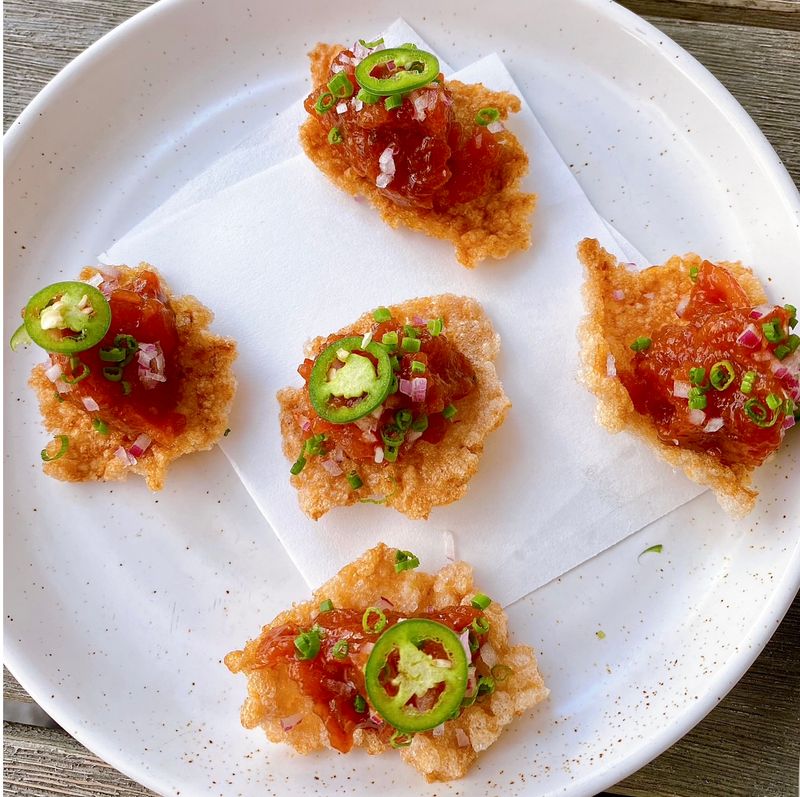
Hand rolls get the headlines, but the small plates have a loyal following too.
The spicy tuna dip with rice chips is the one guests mention most. Some call it their favorite dish of the entire meal.
The Spicy Tuna Crispy Rice is another popular order. The furikake fries also earn plenty of love from repeat diners.
Shishito peppers come with smoked honey miso, and the portion is generous. Some guests enjoy them as a shareable starter, while others treat them as a one-time try.
The wasabi cucumber tataki surprises people. A simple cucumber dish ends up being the plate certain diners cannot stop talking about.
Other options include nori chips, tuna crudo, salmon sashimi, potato salad, and a clam soup that suits a chilly day.
Because everything is gluten-free, the whole table can split these plates. A few starters and a set of rolls make a full and varied meal for two.
9. Desserts Worth Saving Room For
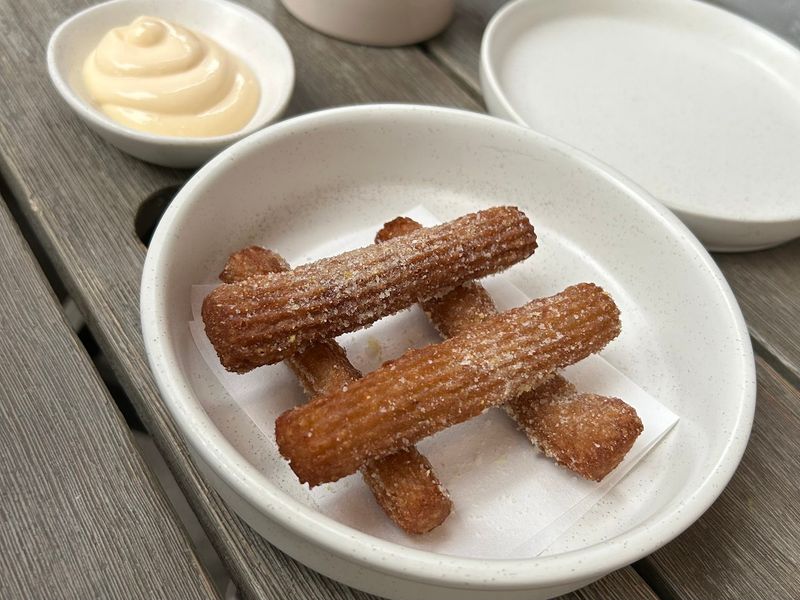
Gluten-free dessert often means fruit or nothing at all. Here, it means churros.
The mochi churros with lemon curd come up often as a strong finish. Several guests call them the ideal last bite of the night.
A matcha cheesecake also appears on some visits and earns warm praise.
One small note from past diners: the custard or curd portion with the churros can feel light. Asking for more may come with an added charge.
That detail is worth knowing before ordering, so nobody is caught off guard.
Desserts here follow the same gluten-free rule as the rest of the menu. For diners who rarely get a fried dessert, that alone is a reason to order one.
A shared plate of churros at the end turns a quick hand roll meal into a proper night out.
10. Inside a Calm, Bright Room
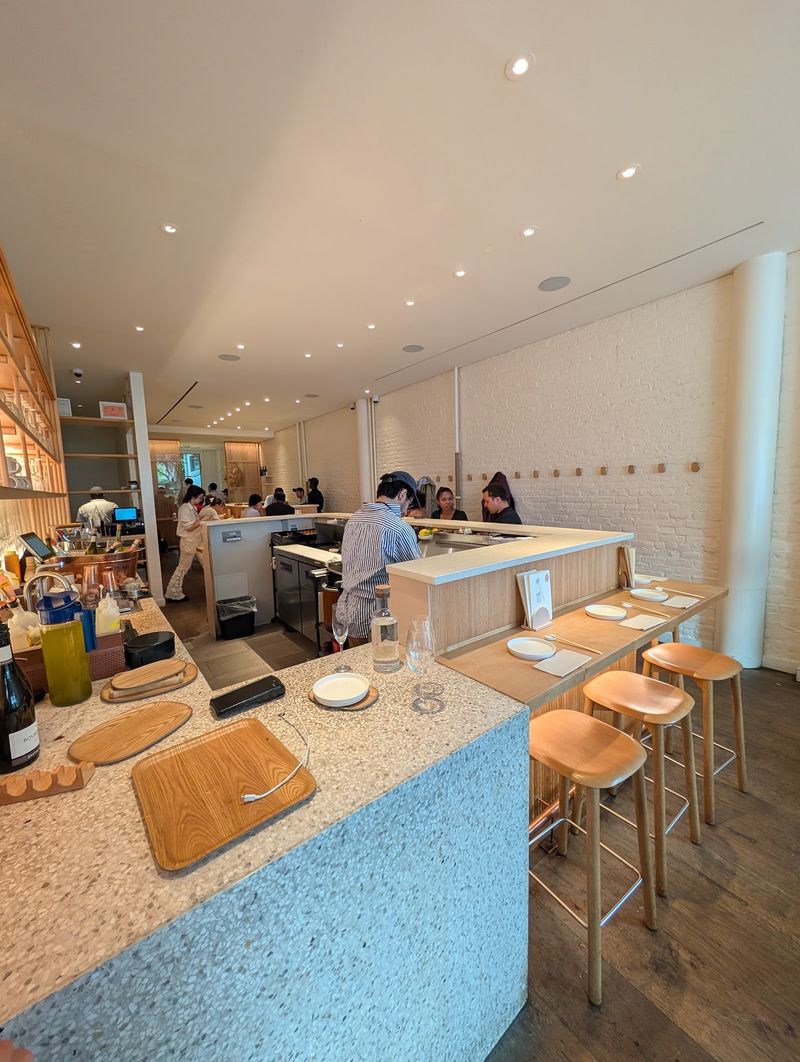
Calm is not always easy to find in Manhattan. The dining room here manages it well.
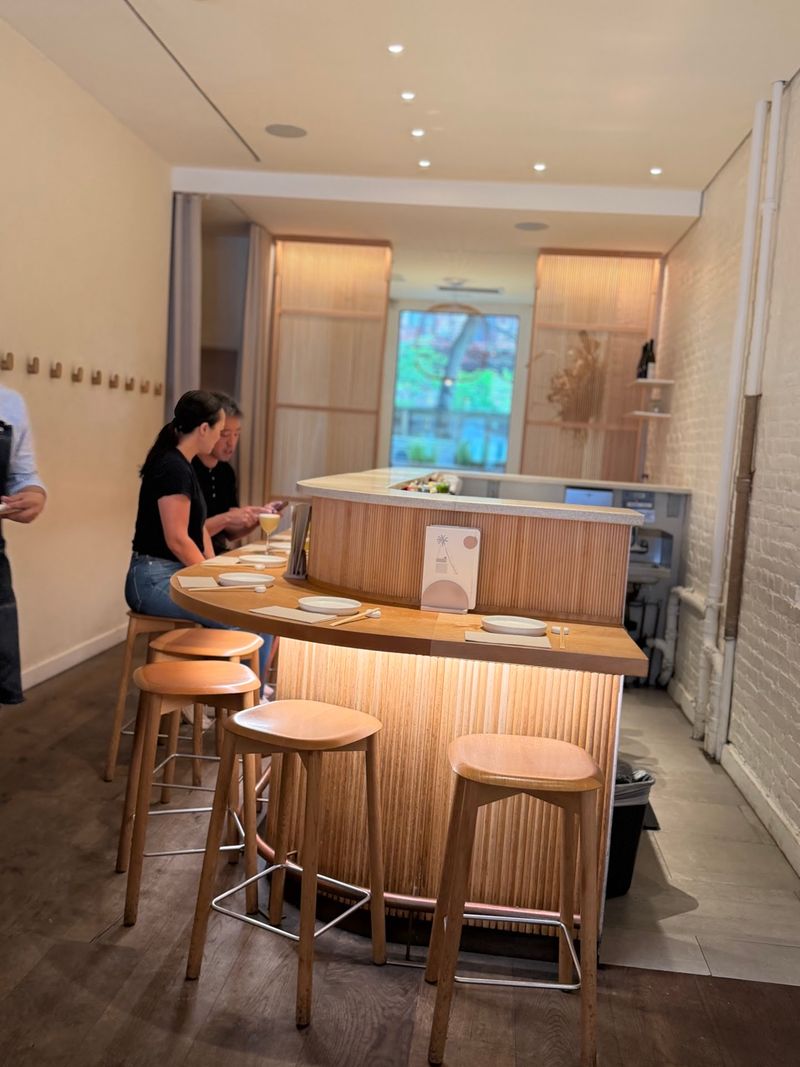
The space uses a minimalist design with neutral tones. Guests describe it as sleek, thoughtfully designed, and well lit.
The mood sits somewhere between casual and polished. People come in for quick lunches, but some also call it a good choice for a date night.
Bar seating is a big part of the layout. Many diners prefer it to tables because of the chef interaction.
Tables work better for groups who want to talk. The wooden box service lets everyone grab rolls at their own pace.
One diner summed it up as a zen hand roll experience. That relaxed feeling comes from clean lines and a steady, unhurried flow.
The room never tries too hard. It simply gives the food space to be the main event.
11. Staff Who Guide the Way
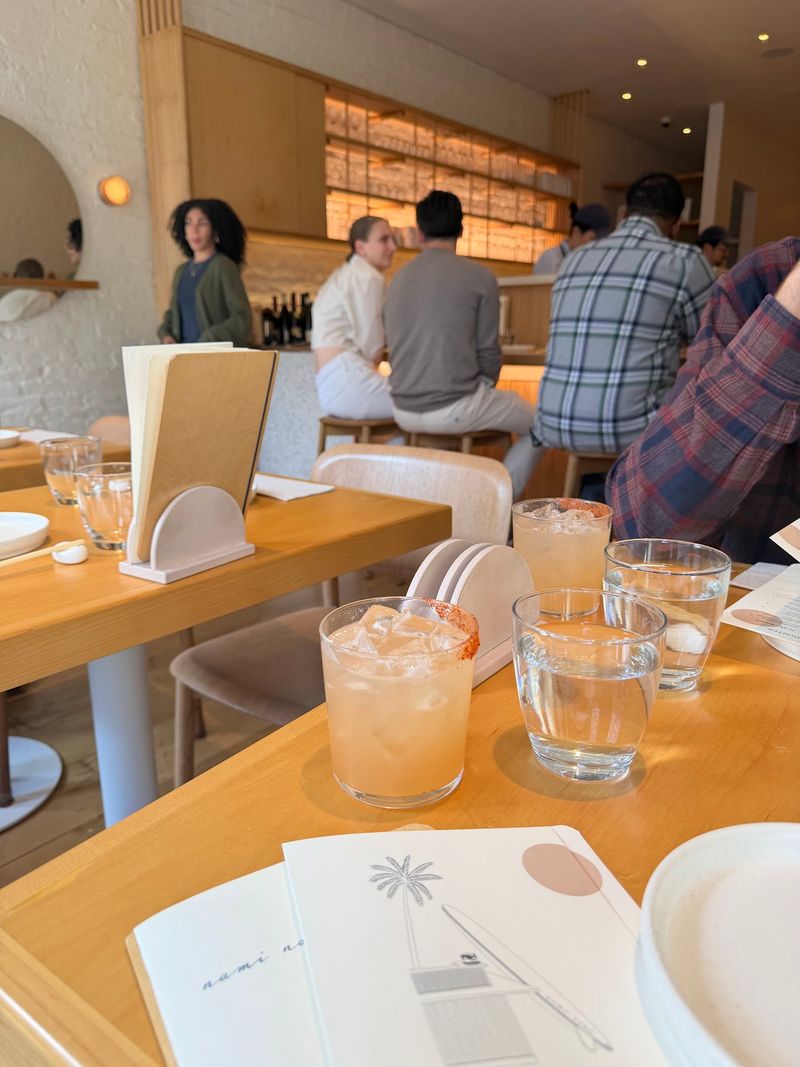
A new menu format can feel intimidating. The team here seems to understand that.
Servers often walk first-timers through how temaki work and what to order. Many guests credit those suggestions for making the meal.
Some diners order entire lineups based on staff picks and leave happy.
Guests describe the team as attentive without hovering. The pacing of plates also earns credit, with bites timed out well across the meal.
At the counter, service looks different. Chefs hand rolls directly to guests, so there is less back-and-forth with a server.
A few counter diners noticed this and felt service was thin. It helps to know that the chef is part of the service there.
Long-time regulars praise the full team, from hosts to bussers. That kind of consistency is a big reason some people have kept coming back for years.
12. Who Will Love It Most
Some restaurants suit one crowd. This one fits several.
Gluten-free diners are the obvious match. A full menu without wheat lets them order freely, which is rare for Japanese food.
Solo diners also do well here. The counter makes eating alone feel natural, and lunch can be quick.
Couples seem to like it for dates. Some guests call the setting romantic and upscale.
Friend groups can share plates and split sets. Outdoor seating adds another option on mild days, and it draws in passersby on Carmine Street.
Big appetites may want to plan ahead. A few diners feel the rolls run small for the price and wished for more filling.
Ordering a set plus a few small plates usually solves that.
Anyone who loves fresh fish and a bit of interaction with the kitchen will likely find a reason to return.
13. Hours, Costs and Beating the Wait
Timing matters here more than at most places.
The restaurant opens at 11:30 AM every day. It closes at 9:30 PM Sunday through Thursday and at 10 PM on Friday and Saturday.
Expect to spend roughly $50 to $100 for a meal, depending on how much you order. One diner put the cost near $40 per person for a lighter meal.
It also holds a Bib Gourmand nod, according to some guests, which points to good value for the quality.
Reservations are strongly encouraged. The room fills quickly, and walk-in waits can stretch to about an hour and a half on busy evenings.
Walk-ins do sometimes get lucky, especially for two people.
A late lunch is a smart way to skip the dinner rush. If you do wait, the neighborhood offers plenty of places to pass the time nearby.
14. A Small Spot With a Big Promise
New York has plenty of sushi. What it lacks is enough places where a gluten-free diner can relax and order anything.
This Carmine Street counter fills that gap without making a fuss about it. The fried chicken, the tempura, the churros, and every hand roll all follow the same rule.
Fresh fish, a chef passing rolls one by one, and a calm room give the meal its shape.
It is not a cheap lunch, and the rolls are not huge. Still, many guests feel they get real value for what lands in front of them.
The long line of repeat visitors says plenty. Some have been coming for years and say it has never let them down.
Book ahead, grab a counter seat if you can, and start with the XO scallop.
For anyone tired of reading fine print on menus, this little West Village bar offers something simple and welcome: a whole menu that says yes.
Share this story