Some farm animals get a second chance, and a few of them even become online celebrities. Just outside the Oklahoma City metro, a quiet country spot gives rescued and disabled animals a safe place to live out their days.
Guests can meet them up close, hear the story of how each one arrived, and even help at feeding time. It is a hands-on outing that families, birthday groups, and animal lovers keep talking about long after the drive home.
1. A Country Address Worth the Gravel
Out where the pavement gives way to country roads, a small nonprofit has built something special. Oliver and Friends Farm Animal Sanctuary sits at 20217 N Indian Meridian, Luther, OK 73054, in the rolling countryside northeast of Oklahoma City.
Luther is a small town, and the sanctuary fits right in. It is listed as a farm, but the animals living here are not working stock.
Every resident is a rescue. Many are disabled, and all of them are here to be cared for rather than put to work.
For families in Oklahoma City, Edmond, or the eastern metro, the trip makes an easy half-day outing. Tulsa folks can turn it into a full day trip with a little planning.
The sanctuary keeps a website at oliverandfriends.org, which is the best first stop before heading out. Visits are arranged through the organization, so it pays to look there before you load up the car.
The gravel road is part of the charm. It signals that you are leaving the busy city behind for a place that runs on patience and a lot of feed buckets.
2. How a Rescue Became a Refuge
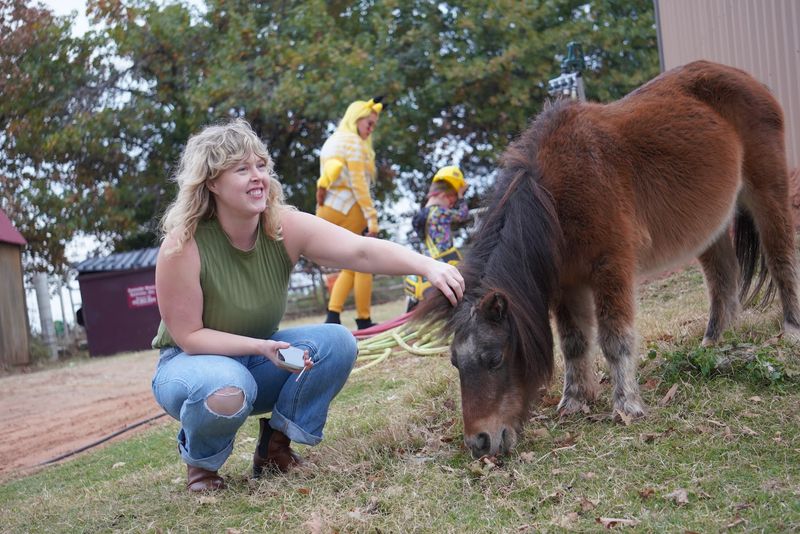
Every sanctuary starts with a single animal who needed help. The name on the sign hints at that, with Oliver leading a growing list of friends.
The sanctuary operates as a nonprofit. That means the work depends on donations, volunteers, and people who believe in the mission.
The founders are hands-on. They are often present during tours, introducing guests to the animals by name.
Jenny and her family are the faces many guests remember most. Groups mention spending time with them and leaving with a new appreciation for the work involved.
Volunteers round out the team. Their commitment shows in how the place runs, from feeding schedules to animal care.
The goal is simple. Animals who might have had nowhere else to go get a home where they are loved for who they are.
That kind of care does not happen by accident. It takes years of steady effort, and the sanctuary has been building that reputation for a good while now.
3. Residents With a Backstory
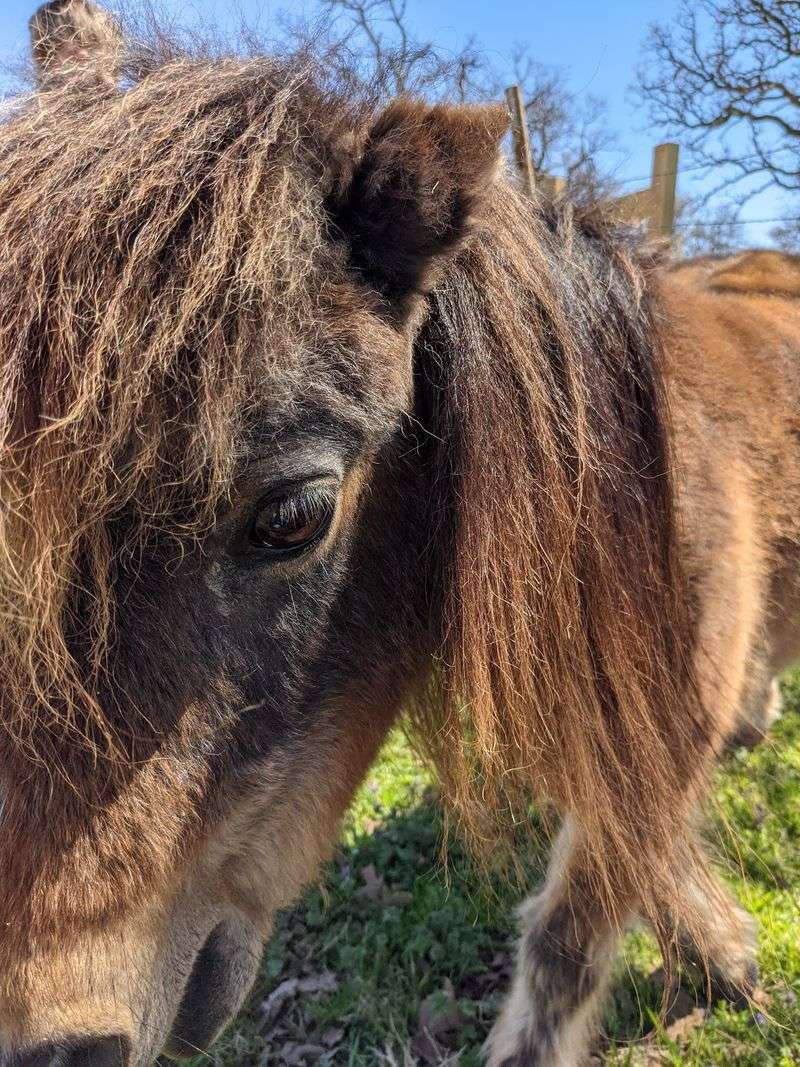
Ask about any animal here, and you are likely to get a story. Origin tales are a big part of every visit.
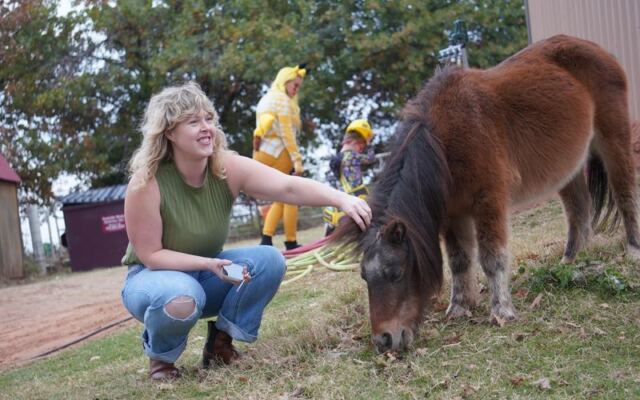
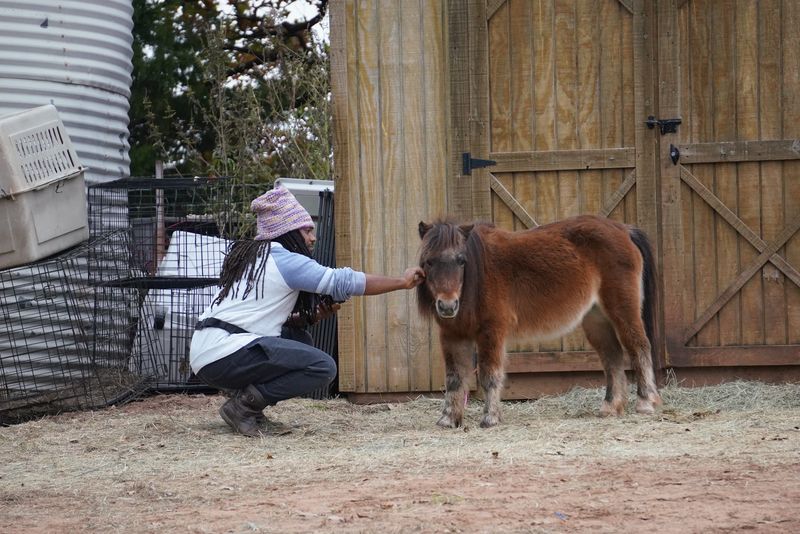
The residents include rescued and disabled farm animals of many kinds. Ponies and goats are among the friendly faces guests get to meet.
Each one arrived with its own history. Some needed medical care, and others simply needed a safe place to land.
The founders share these stories in person. Hearing how an animal got here makes the visit feel more personal than a quick walk past a pen.
Kids especially connect with this part. A name and a story turn a goat into a friend they will ask about for weeks.
The stories also explain the mission without a lecture. Guests leave understanding why rescue matters, one animal at a time.
It is a smart way to teach compassion. No worksheets required, just a pony with a past and a family ready to listen.
4. Feed Bucket Duty
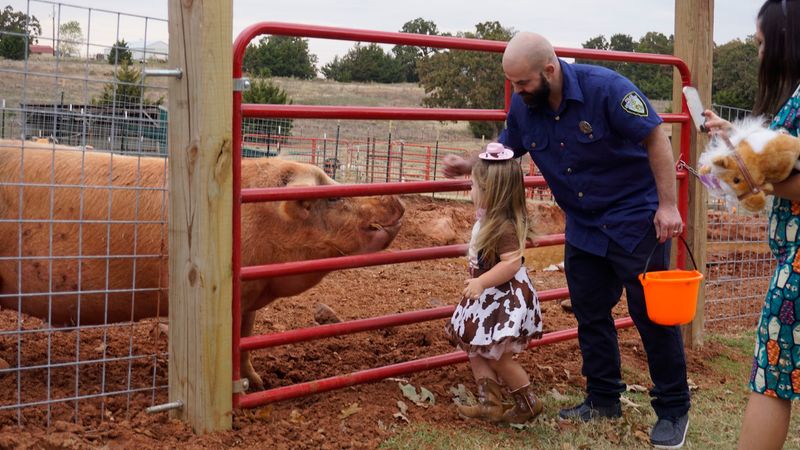
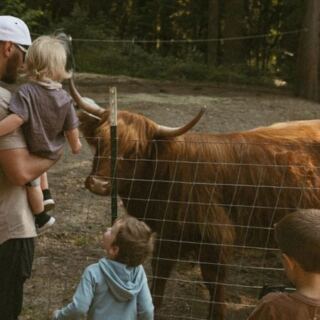
Here is the part kids remember. Guests often get to help feed the animals.
Groups describe meeting and feeding all the residents during their visit. It turns a look-around into real participation.
Holding the bucket while a pony or goat eats is a simple job. It still creates a strong connection between people and animals.
This hands-on element sets the sanctuary apart from many traditional attractions. Some groups even say the experience topped a trip to the zoo.
Feeding time also shows how much daily work goes into the operation. Every meal is a reminder that these animals depend on steady care.
Families should follow staff guidance closely. The animals come first, and the team knows what each one needs.
Expect a little dust on your shoes and a lot of happy faces in the photos. That is a fair trade for a memory like this.
5. Meeting the Social Media Stars
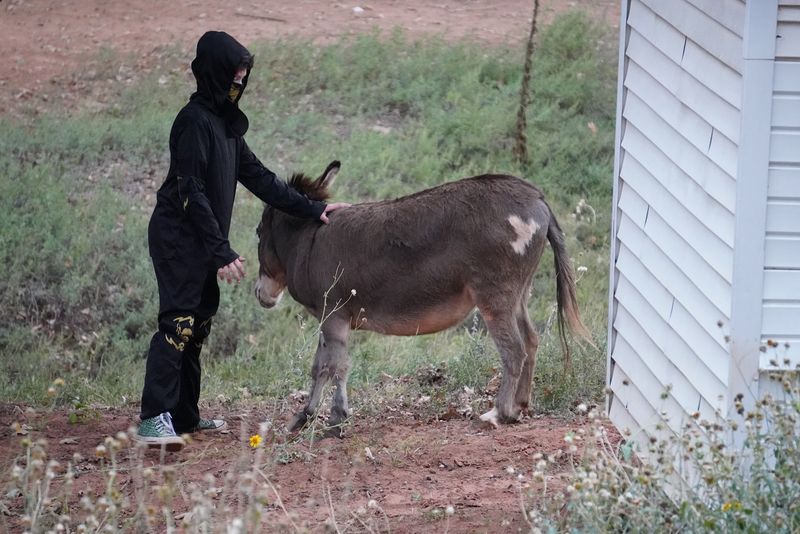
Some fans show up already knowing the animals by name. The sanctuary shares its residents on social media, and they have built a following.
That gives visits a fun twist. Meeting the animals in person can feel like meeting celebrities.
Guests who follow along online often spot favorites right away. It is a little like seeing a famous face at the grocery store, minus the autographs.
For kids who love animal videos, this is a big deal. The screen version suddenly becomes real and ready for a scratch behind the ears, if staff allow it.
Following the sanctuary online before a visit is a smart move. It helps families learn names and stories ahead of time.
It also keeps the connection going afterward. Plenty of guests keep checking in on their new friends long after they head home.
Fame has rarely looked this muddy. The stars here wear hooves, not heels.
6. Private Tours, Personal Attention
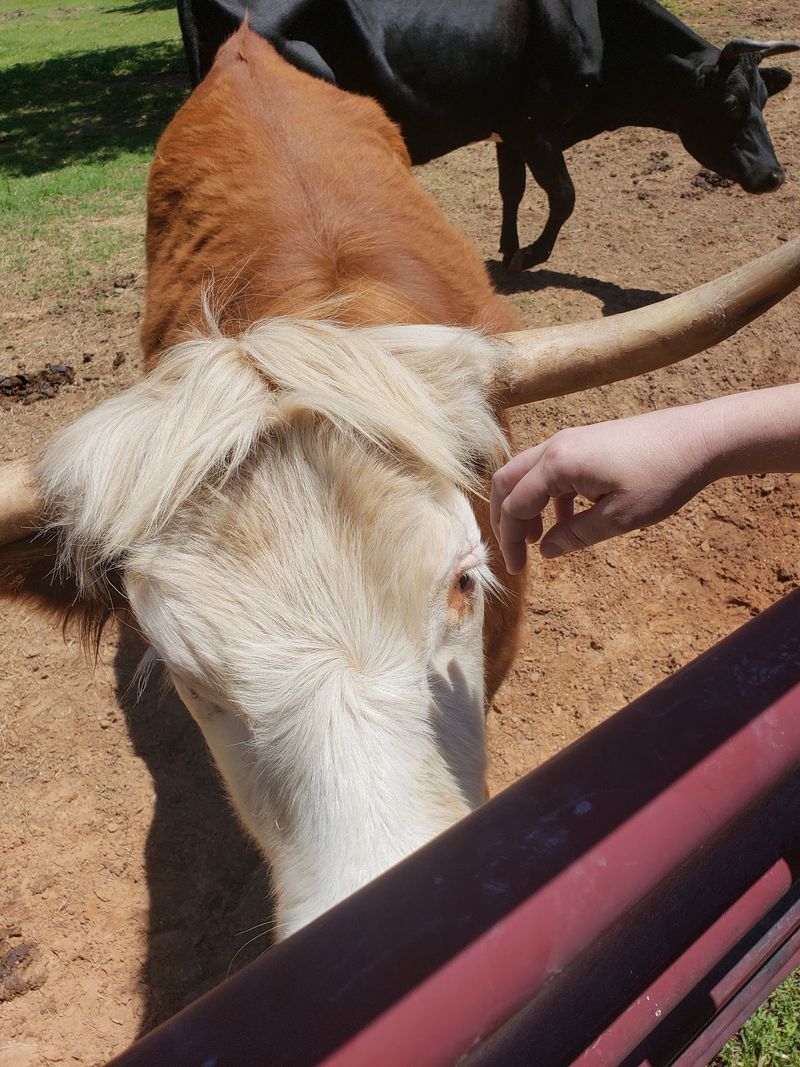
Forget the crowded attraction lines. Private tours are one of the ways guests experience the sanctuary.
Groups sign up ahead of time, and the visit is built around meeting the residents. The founders have been known to lead these tours themselves.
That personal touch matters. Questions get real answers from the people who care for the animals every day.
Small groups also keep things calm for the animals. Many residents are disabled, so a relaxed pace helps everyone.
Tour details, availability, and any costs are best confirmed through the sanctuary website. Arrangements may change, so check before planning a trip.
Booking early is wise for special occasions. Weekends and holidays tend to be popular times for family outings.
A private tour feels less like a field trip and more like visiting friends who happen to own a lot of goats.
7. Care That Shows
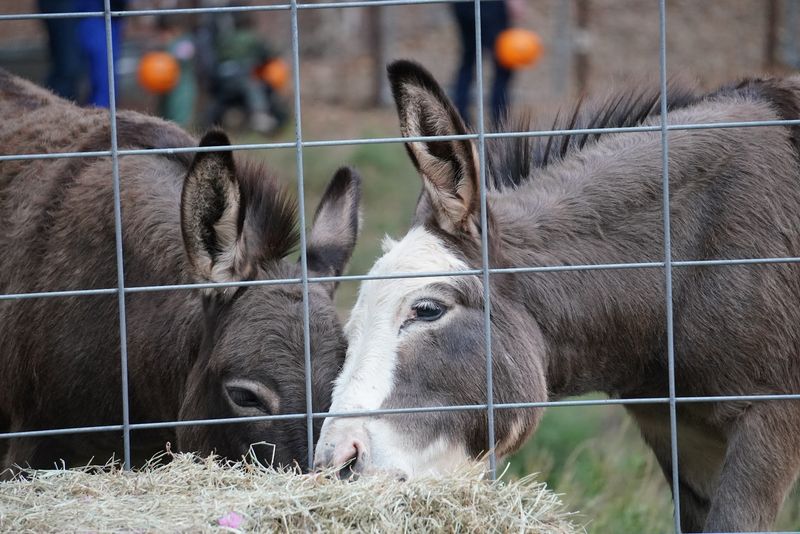
One theme comes up again and again. The animals here are clearly well loved and well cared for.
Guests notice it right away. The level of attention given to each resident stands out.
Disabled animals often need extra help. The team provides it as part of everyday life on the farm.
The owners are described as kind to every single animal that comes their way. That consistency is what builds trust with donors and families.
Animal care is one of the most talked-about parts of the sanctuary. It is the heart of the whole operation.
Kids can learn a lot just by watching. Seeing patient, careful handling teaches respect for animals in a natural way.
The result is a group of residents living out their best lives. That is the whole point, and it shows.
8. Pumpkin Season on the Farm
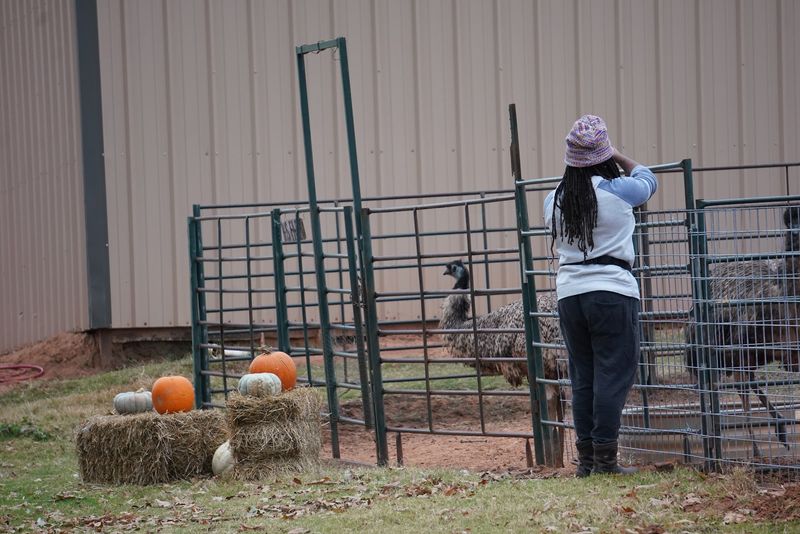
Fall brings a fun tradition. Supporters donate pumpkins for the animals to eat.
The owners welcome those donations. Some groups have even been invited to help feed the pumpkins to the residents.
Halloween visits have been a hit with families too. Grandparents have brought grandkids for a seasonal outing, and the kids had a blast.
This makes autumn a great window for a trip. Cooler Oklahoma weather also makes time outdoors more comfortable.
If your family plans to bring pumpkins, reach out first. The sanctuary can explain what is welcome and when.
It is a creative way to keep jack-o’-lanterns out of the trash. Old porch decorations become a treat for goats and friends.
Few fall traditions are this useful. Carve it, display it, then donate it to a goat with an appetite.
9. A Party Spot With Hooves
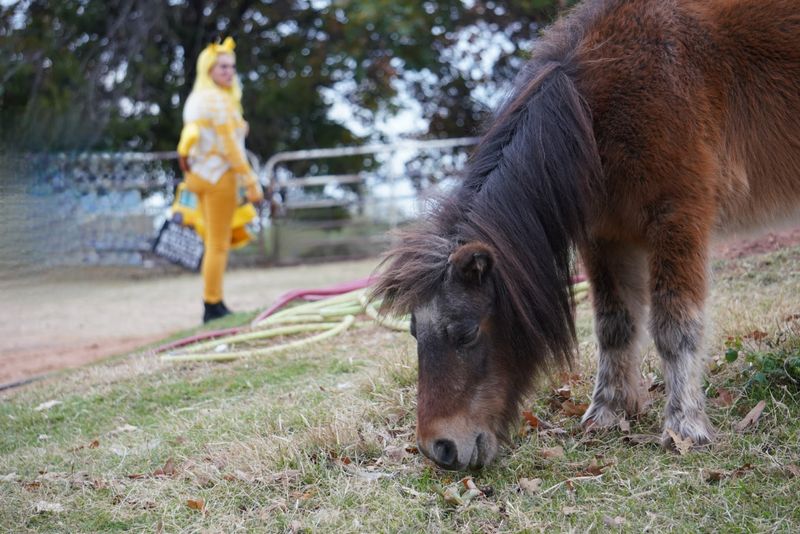
Birthday cake is optional. Friends have chosen the sanctuary as a birthday outing, and it delivered.
Groups describe it as the best time, with feeding, animal stories, and lots of laughs. It works for adults just as well as kids.
That flexibility makes it a smart pick for celebrations. Couples, friend groups, and families can all find something to enjoy.
A sanctuary visit also gives back. Time spent here supports a nonprofit doing real work.
Plan ahead for group size. Reaching out early helps the team prepare for your visit.
Gifts can take a new form too. Some people choose to celebrate by supporting the animals directly.
Party hats are not required, but a goat photobombing your group picture is a strong possibility.
10. The Mood on the Meridian
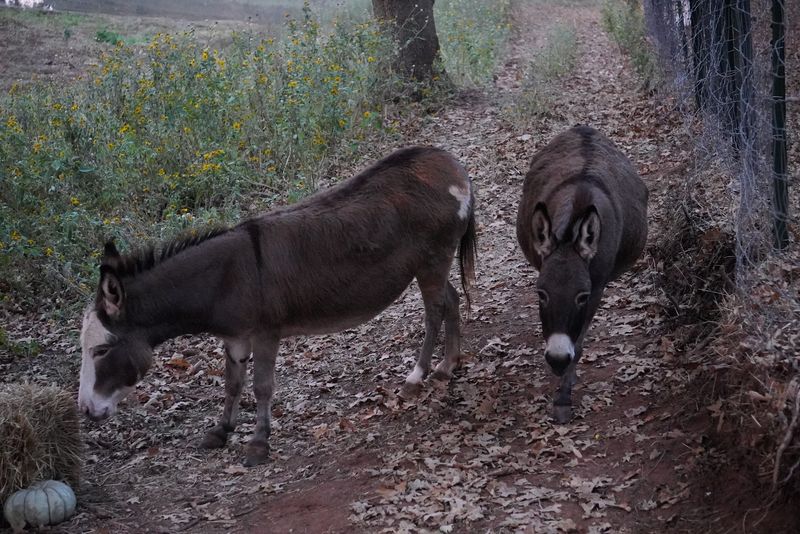
Calm is the best word for it. The sanctuary has a peaceful, welcoming atmosphere.
Guests call it beautiful and very special. Some go further, describing it as heaven on earth.
The pace is unhurried. Nobody rushes from pen to pen, and the animals set the tone.
This is a good fit for animal lovers of all ages. Families, grandparents, and groups of friends all feel at home.
It also suits people who want something different from a typical weekend outing. There are no rides, just real animals and real stories.
Quiet kids often open up here. Animals have a way of breaking the ice.
Leave the hurry back on the highway. Out here, the schedule belongs to the ponies.
11. Ways to Lend a Hand
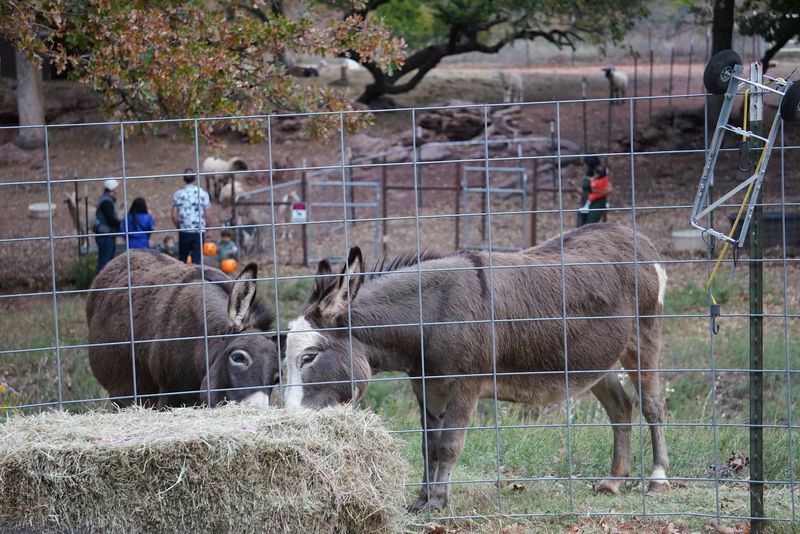
Support comes in many shapes. As a nonprofit, the sanctuary relies on the community to keep going.
Donations help cover feed, care, and daily needs. Seasonal gifts like pumpkins have been warmly accepted.
Volunteers play a big role too. Their passion is part of what makes the place work.
Some supporters call it the place to back if you want a nonprofit to support. That is high praise for a small rural operation.
The website is the best place to learn current needs. Options may change over time, so check before dropping anything off.
Families can turn helping into a habit. A yearly visit or donation teaches kids that kindness has follow-through.
Every bucket of feed has to come from somewhere. Supporters make sure it keeps coming.
12. Before You Hit the Road
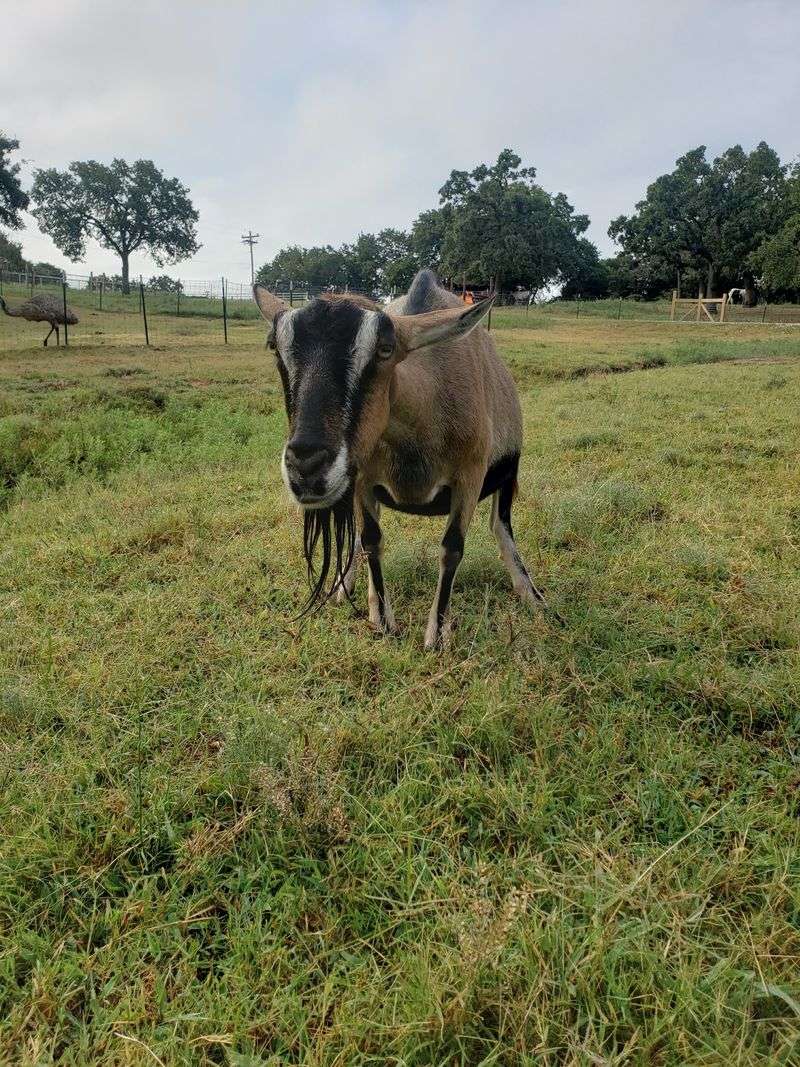
A little planning goes a long way. Start by visiting oliverandfriends.org for current visit options.
Hours and any tour fees are not posted here, so confirm details before driving. Arrangements may change.
Luther is a short drive from Oklahoma City, making it a doable weekend outing. Tulsa families should plan for a longer trip.
Expect country roads, including gravel. Plan extra time and drive carefully.
Wear closed-toe shoes and clothes that can handle farm life. Feeding animals can get a bit messy.
Follow every instruction from the team. Many residents are disabled, and their comfort comes first.
Bring curiosity and a camera. Those two things will serve you better than anything else in the trunk.
13. Why the Gravel Is Worth It
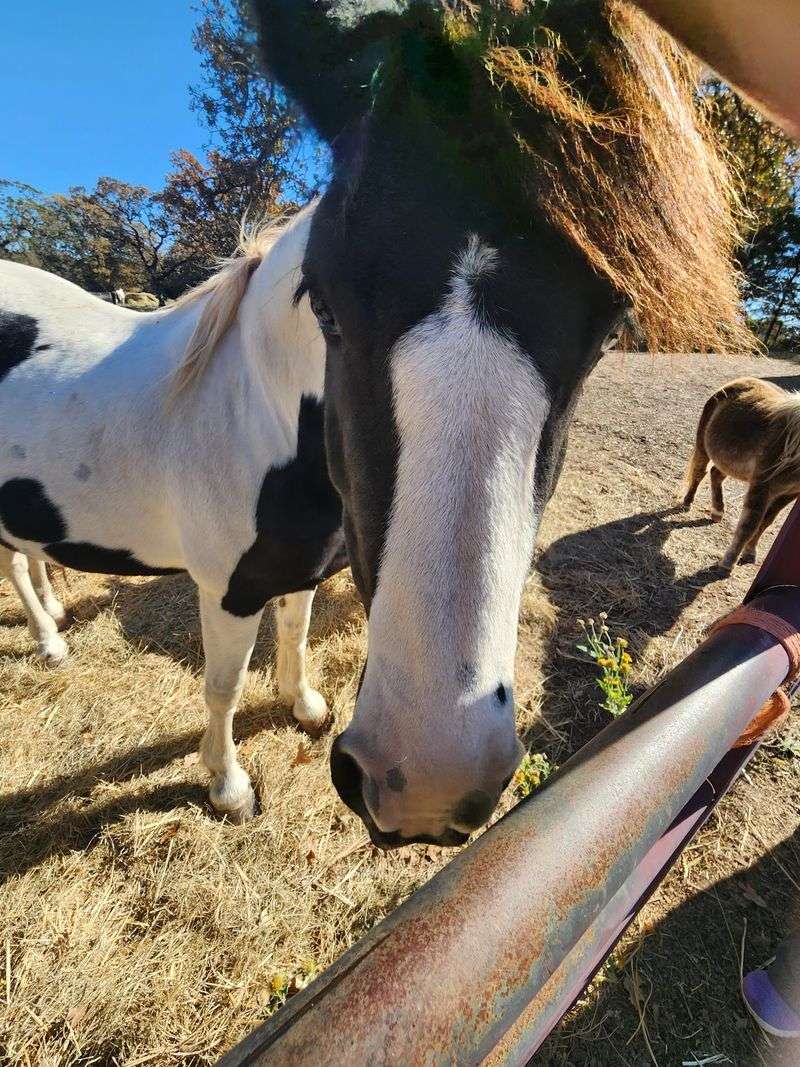
Some outings fade from memory by Monday. A visit here tends to stick.
The sanctuary holds a perfect five-star score on Google from 23 people, which says plenty about how guests feel. Comments range from best rescue ever to the most amazing place in the world.
The appeal is easy to see. Rescued animals, caring founders, and the chance to help at feeding time make a rare mix.
It also proves Oklahoma has more to offer than flat prairie. Small towns like Luther hold big-hearted places worth the drive.
Families get a hands-on lesson in compassion. Kids get stories they will repeat for weeks.
The animals get something too. Every visit and donation helps keep their home running.
So check the website, gas up the car, and point it toward Luther. A pony with a feed bucket waiting is a fine reason to take the gravel road.
Share this story