Some places in Oklahoma tell their story in museums, but this one tells it right on the street under your shoes. Up in the far north of the state, old brick storefronts and a courthouse on the hill still stand where ranchers, oil men, and Osage families once crossed paths.
The county around them is bigger than any other in Oklahoma, and it holds a history that shaped the whole state. Keep reading to find out where to go, what to see, and how to turn it into an easy weekend drive.
1. Oklahoma’s Biggest County on the Map
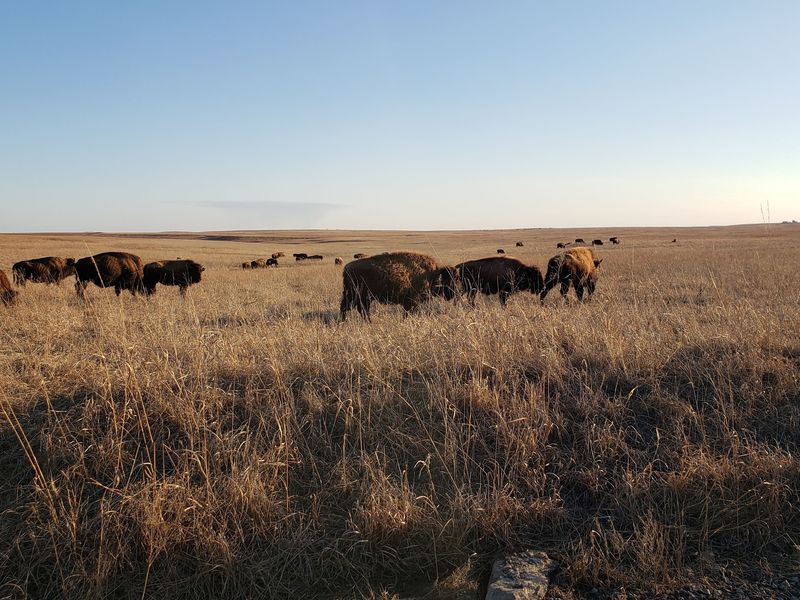
Size matters here, and Osage County has plenty of it. The county sits in northern Oklahoma, United States, stretching along the Kansas line, and it is the largest county by area in the state.
Its address on any map is simply Osage County, Oklahoma, USA. That plain label covers a huge sweep of prairie, small towns, and ranch land.
The county was created in 1907, the same year Oklahoma became a state. So the county and the state share a birthday, which makes for a handy trivia answer at the next family game night.
It is named for the Osage Nation, a federally recognized tribe that still calls this land home. That connection is not a footnote.
It runs through nearly everything a traveler will see, from street names to museum walls. Understanding it first makes every stop later in the trip feel more meaningful.
Pawhuska serves as the county seat, and it is the natural starting point for most day trips. The brick Main Street that gives this article its name is waiting there, one bumpy block at a time.
2. An Osage Story Older Than Statehood
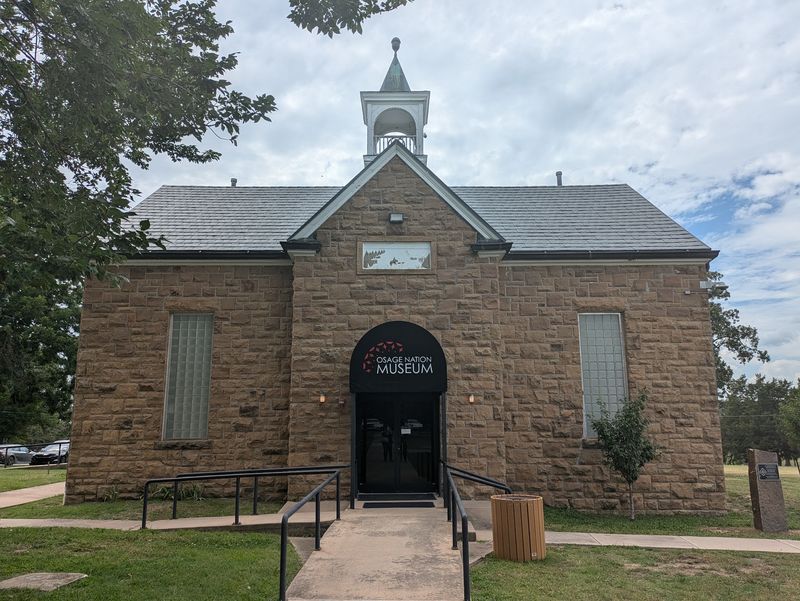
Long before Oklahoma had a flag, the Osage Nation had this land. The tribe purchased its reservation in what became Osage County, which set it apart from many other nations in the region.
When statehood arrived in 1907, the old reservation boundaries became the county lines. That is why the county and the nation share both a name and a shape.
Then came oil. Rich deposits under the prairie turned the area into one of the busiest corners of the early frontier economy.
Towns filled with workers, traders, and newcomers chasing a fortune. Boom times brought growth, crowded streets, and a reputation for being anything but quiet.
Much of that era is now well known nationally, thanks in part to the book and film Killers of the Flower Moon. That story focuses on a painful chapter for Osage families in the 1920s.
Local institutions treat this history with care. Travelers do well to follow that lead and approach it with respect.
The buildings from those busy decades still line the streets today. They are the frame for everything else on this trip.
3. Bricks That Never Got the Memo About Smooth Pavement
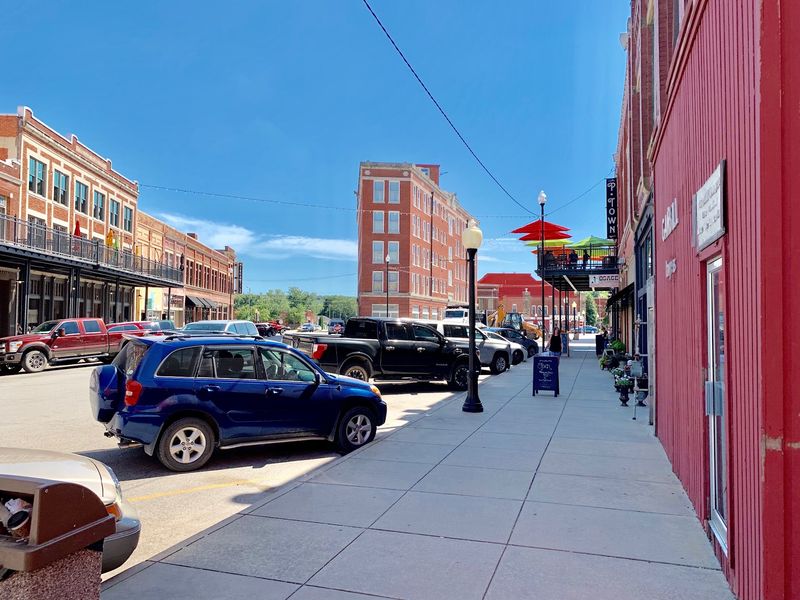
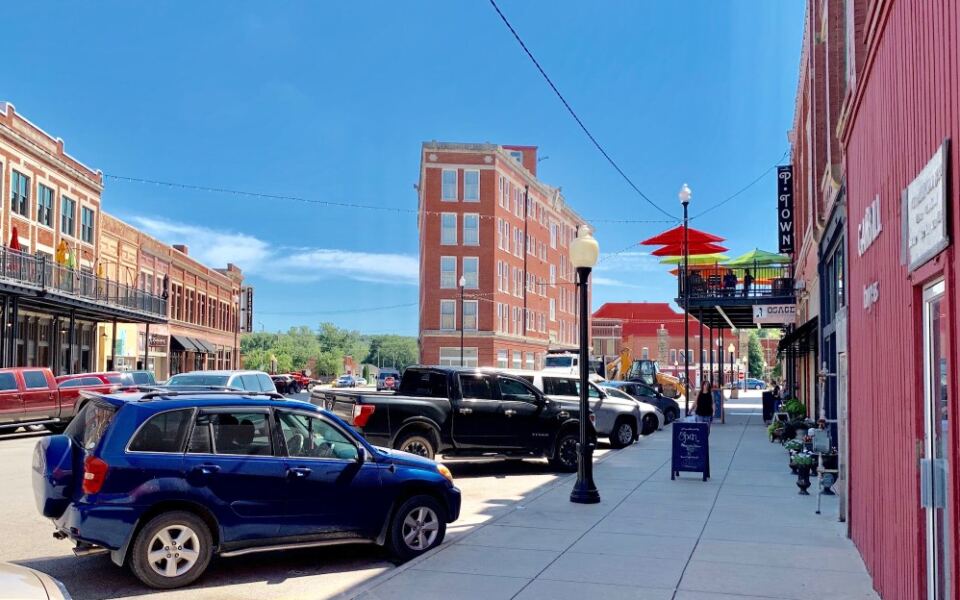
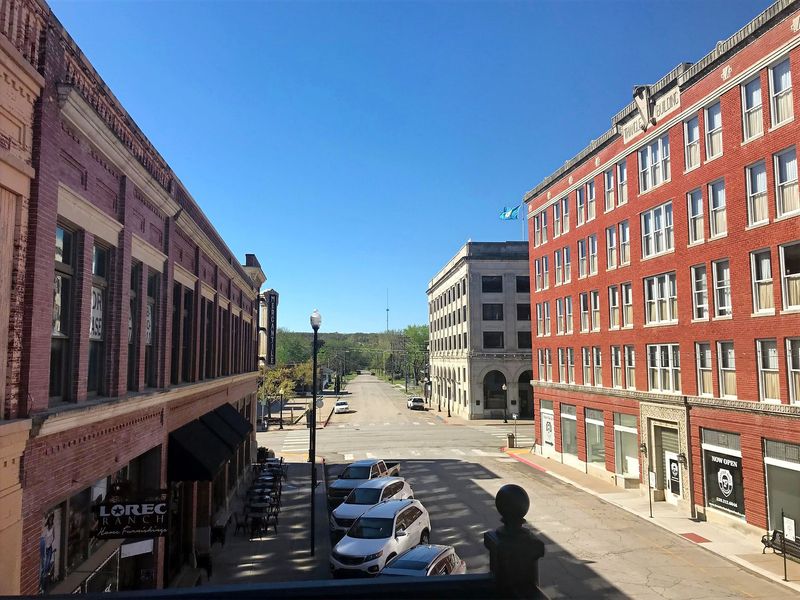
Downtown Pawhuska has the look of a town that kept its old clothes on purpose. Rows of brick commercial buildings from the early 1900s line the main streets.
Many date to the oil boom years, when money flowed and builders went big. Arched windows, carved stone details, and tall storefronts are common sights.
The streets themselves add character. Brick paving in parts of the historic district gives the area its uneven, old-time feel.
Strollers and wagons will notice it fast, so comfortable shoes are a smart move. Nobody here is in a rush anyway.
Shops, small businesses, and restored buildings fill many of the storefronts today. Window browsing is free, which keeps the budget happy.
The downtown is compact enough to cover on foot in an afternoon. Families can park once and wander without a strict plan.
History fans should look up as often as they look ahead. The dates and names carved near the rooflines tell their own quiet story of who built this town and when.
4. The Courthouse Watching From the Hill
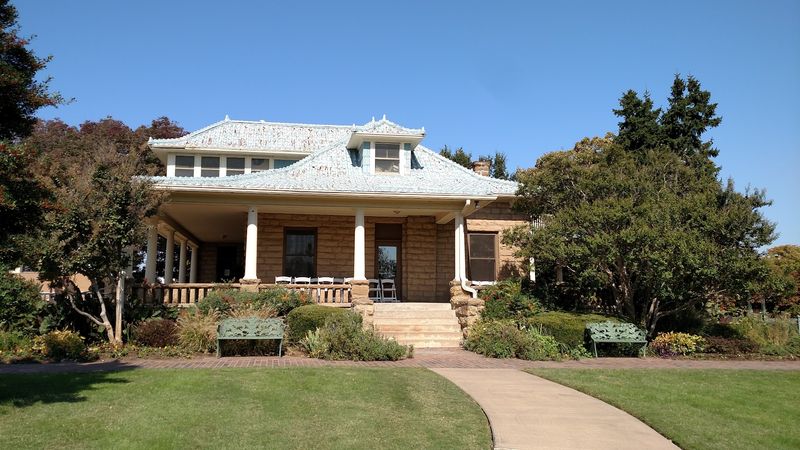
Every good frontier town needs a building that keeps an eye on things. In Pawhuska, that job belongs to the Osage County Courthouse, perched on a hill above downtown.
Its raised spot gives it a commanding look over the business district below. It has served as the seat of county government for generations.
The courthouse gained fresh attention in recent years when filming for Killers of the Flower Moon took place in the area. Many people now drive up simply to see it in person.
Nearby, the hill also holds other historic buildings tied to the Osage Nation. The setting makes clear how closely tribal and county history are linked.
Photographs from the top of the hill show off the downtown rooftops nicely. It is a quick stop that fits easily into a walking route.
Since it is a working government building, interior access depends on business hours. Checking ahead before planning a visit inside is a wise idea.
Even from the outside, it earns a spot on the list. Some landmarks just know how to hold a pose.
5. A Museum Run by the Nation It Honors
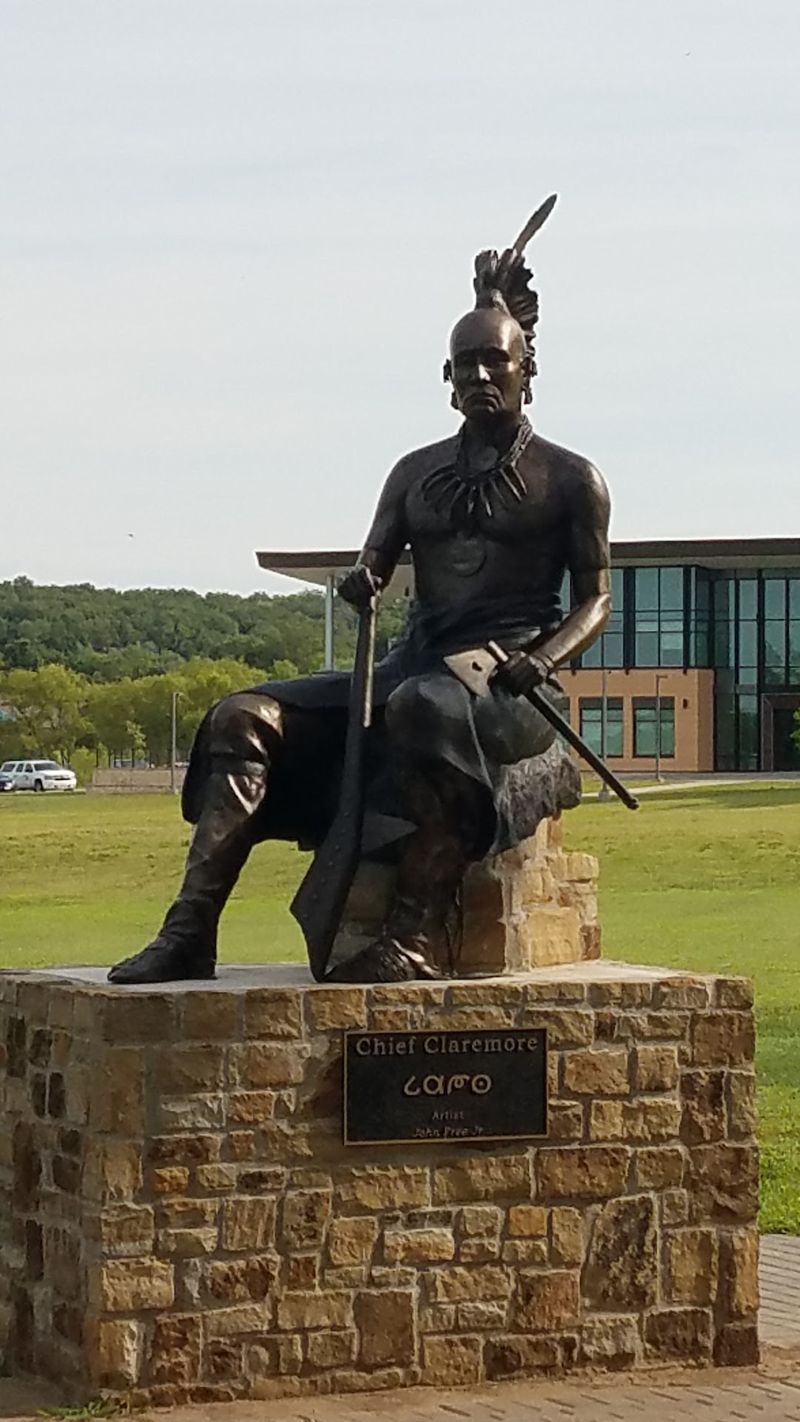
Here is a fact worth bragging about at school. The Osage Nation Museum in Pawhuska is widely recognized as the oldest tribally owned museum in the United States, dating to 1938.
That means the Osage people tell their own story here, in their own way. Exhibits cover history, art, and culture from the nation’s point of view.
Photographs, clothing, and artwork help bring generations of Osage life into focus. The museum also addresses the hard chapters of the oil era with honesty.
For families, it is a strong lesson in how Oklahoma’s history includes many voices. Kids often connect with the personal stories and family photos.
Admission has historically been free or low cost, which fits a budget-friendly day out. Hours and fees may change, so checking the museum’s current schedule before driving is smart.
Plan for at least an hour to look around without rushing. Questions are welcome, and staff knowledge adds a lot.
Of all the stops in the county, this one may matter most. It sets the tone for seeing the rest of the region with clearer eyes.
6. Bison Country Just North of Town
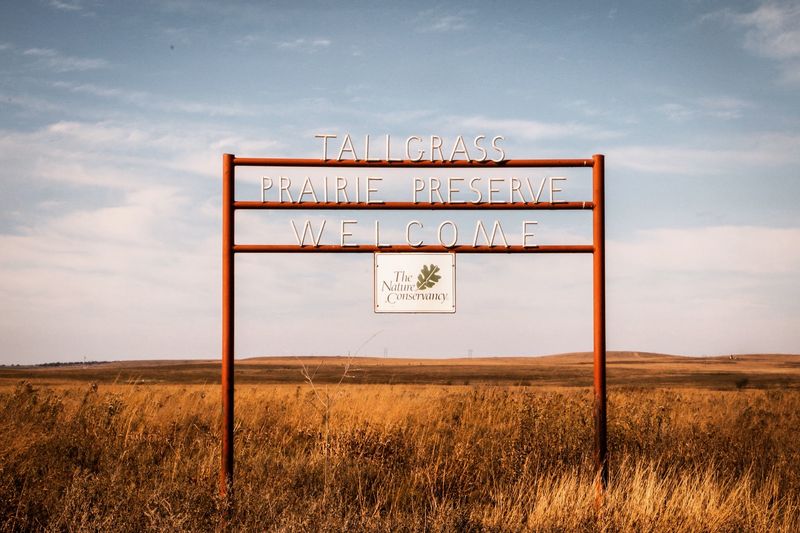
Anyone who thinks Oklahoma is just flat farmland has not driven north of Pawhuska. The Tallgrass Prairie Preserve, managed by The Nature Conservancy, protects one of the largest remaining stretches of tallgrass prairie in North America.
The headline act is a free-roaming bison herd. Spotting them from the road is a highlight for many families.
A scenic drive through the preserve lets travelers see the prairie from their car. There is also a visitor area and short trails for stretching legs.
Access has generally been free, which makes this an easy add-on to a downtown visit. Conditions and road access may change, so checking before heading out is a good habit.
Bison are wild animals, and they deserve space. Staying in vehicles near the herd keeps everyone safe.
The roads are often gravel, so slow driving is part of the experience. Patience usually pays off with better wildlife views.
It is proof that the county’s frontier spirit is not only stored in old buildings. Sometimes it is standing in the middle of the road, refusing to move.
7. Small Towns Worth the Side Trip
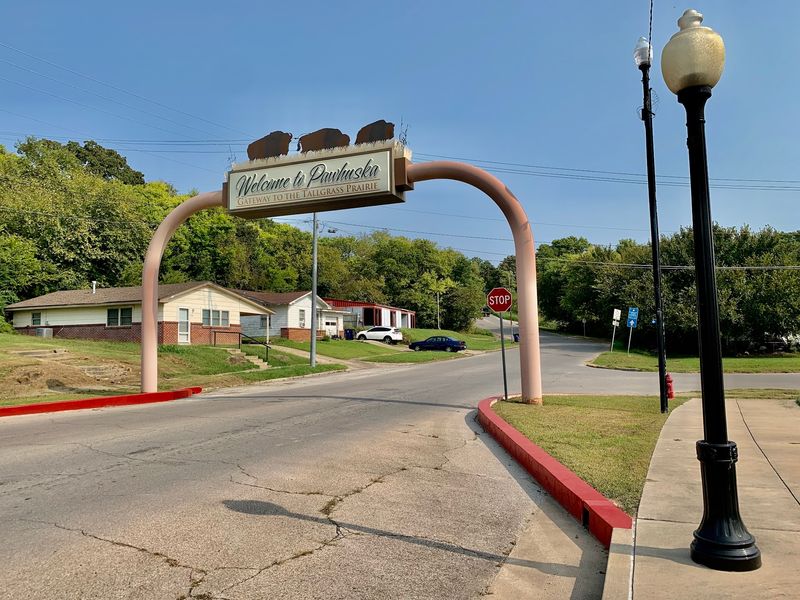
Pawhuska gets the spotlight, but the county has a supporting cast. Towns such as Fairfax, Hominy, Barnsdall, and Skiatook each carry their own slice of local history.
Fairfax drew attention as a filming area connected to Killers of the Flower Moon. Its older downtown buildings reflect the same boom era as Pawhuska.
Barnsdall is known for an unusual sight: an oil well standing right in the middle of Main Street. It is a quirky reminder of how oil shaped daily life here.
Hominy has a long connection to the Osage people as well. Murals and older buildings give it a distinct look.
Skiatook, on the eastern side, sits closer to the Tulsa area. It makes an easy entry point for families coming from that direction.
Stringing two or three towns together turns a simple outing into a full road trip. Distances between them are manageable on rural highways.
Each town is small, so a quick stop is often enough. The fun is in collecting them like stamps in a passport.
8. Getting There and Planning the Day
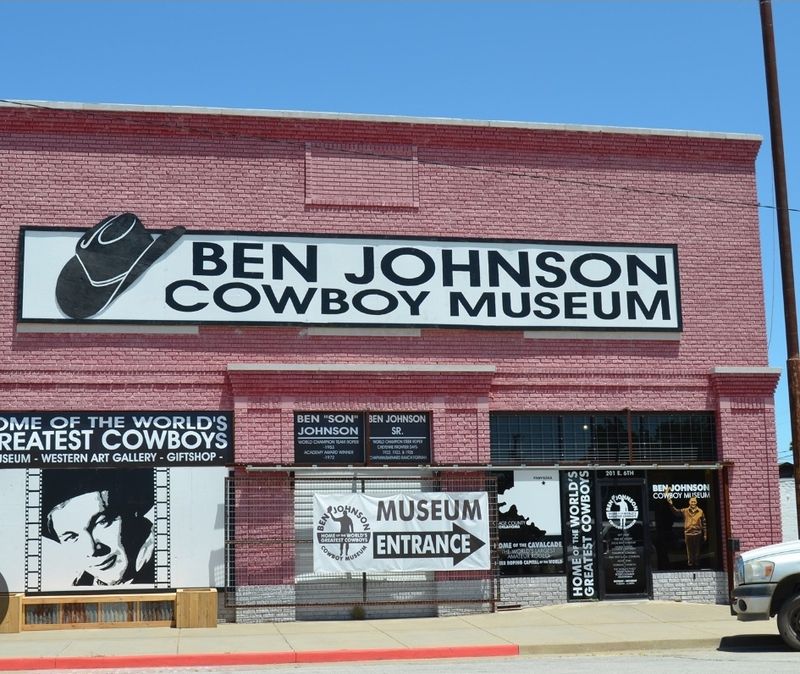
Good news for Tulsa families: this trip does not require an overnight bag. Pawhuska sits roughly an hour or so northwest of Tulsa by highway.
From Oklahoma City, the drive is longer, often around two and a half to three hours. That still works as a full day trip for early risers.
Many downtown attractions can be enjoyed for free. Walking the brick streets, viewing the courthouse, and driving the prairie preserve cost little or nothing.
Shop and museum hours vary, and some places close on certain days. Prices and schedules may change, so a quick check before leaving helps avoid surprises.
Weekends tend to bring more traffic to downtown Pawhuska. Weekday trips may offer easier parking and quieter sidewalks.
Spring and fall are popular for prairie drives. Summer can be hot, so plan outdoor stops earlier in the day.
Fuel up before long rural stretches, since stations can be spread out. A little planning keeps the adventure on schedule.
9. Why the Old Bricks Are Worth the Bumps
Not every road trip needs a theme park at the end of it. Osage County offers something steadier: a real place where history is still part of the scenery.
The uneven bricks, the courthouse on the hill, and the museum run by the Osage Nation all tell one connected story. Each stop adds a new piece.
Families get a mix of learning and wide-open space in a single day. History lovers get boom-era buildings that still stand tall.
Prairie fans get bison and big skies without paying much. Road trippers get a string of small towns with their own quirks.
Most of all, the county shows that Oklahoma’s story is bigger than any stereotype. It is tribal, it is frontier, and it is still being lived today.
Treat the trip with curiosity and respect, and it gives plenty back. Check hours before going, wear sturdy shoes, and leave room in the schedule for a slow walk.
The frontier’s rowdiest corner has calmed down a bit. Its bricks, though, are still holding their ground.
Share this story