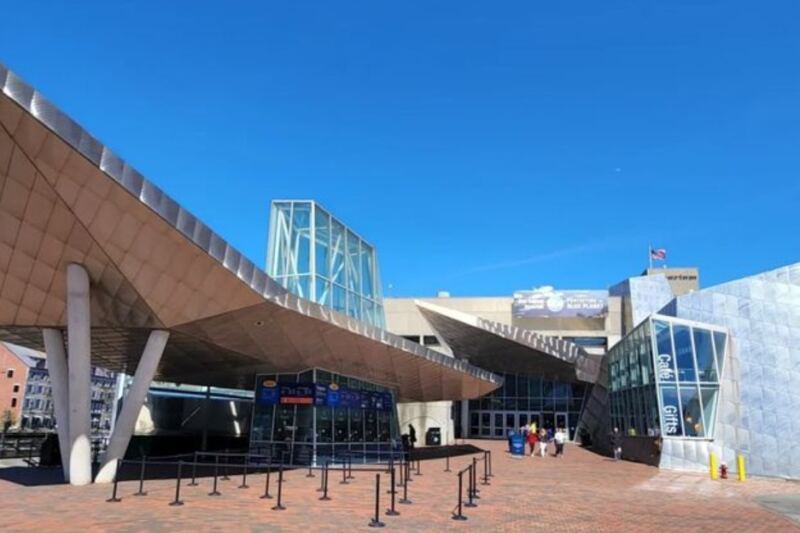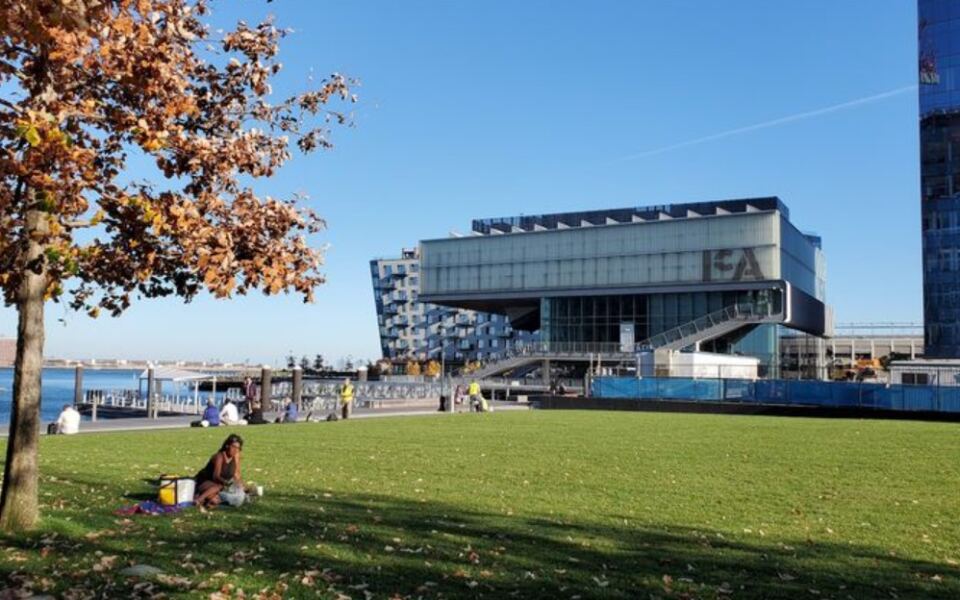
Imagine walking along Boston Harbor and looking up to see part of a museum hanging right over the water. I’d probably stop for a second just to figure out how that works.
It’s certainly not the kind of building you walk past without noticing.
And the inside sounds just as interesting. There’s a glass elevator, a room where the water becomes the main attraction, and galleries that keep changing as new exhibitions arrive.
I love that kids and teens can visit for free, and those free evenings make it even easier to stop by.
What I find most appealing is that you don’t have to know much about contemporary art to enjoy a place like this. You can wander around, find something you love, or stare at a piece for five minutes and still have no idea what to make of it.
I’d probably do a little of both. And who knows?
You might walk out with a new favorite artist, or at least a few good stories about what you saw.
The Building Itself Might Steal The Show Before You See Any Art
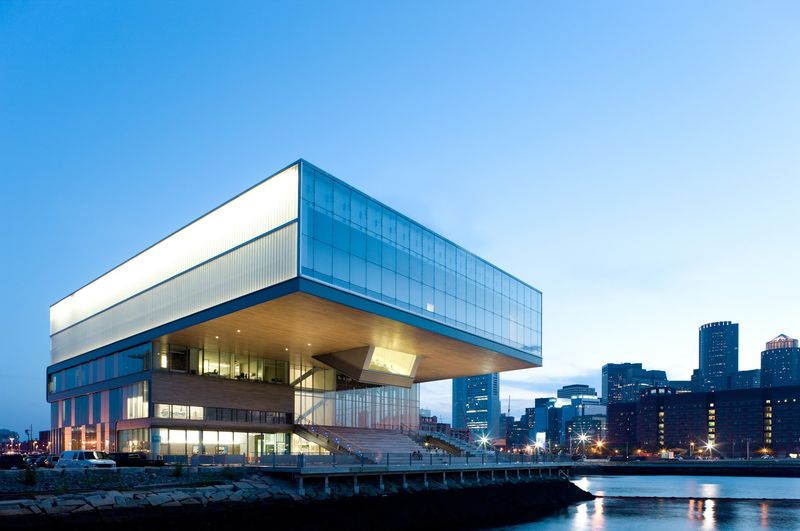
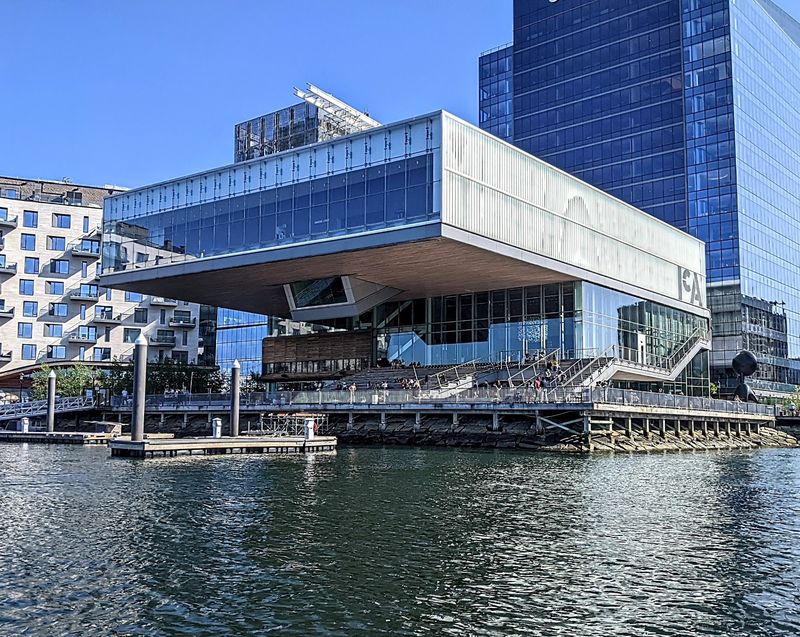
Most museums keep their best stuff inside. The Institute of Contemporary Art in Boston puts a showstopper right out front, because the building is a work of art all by itself.
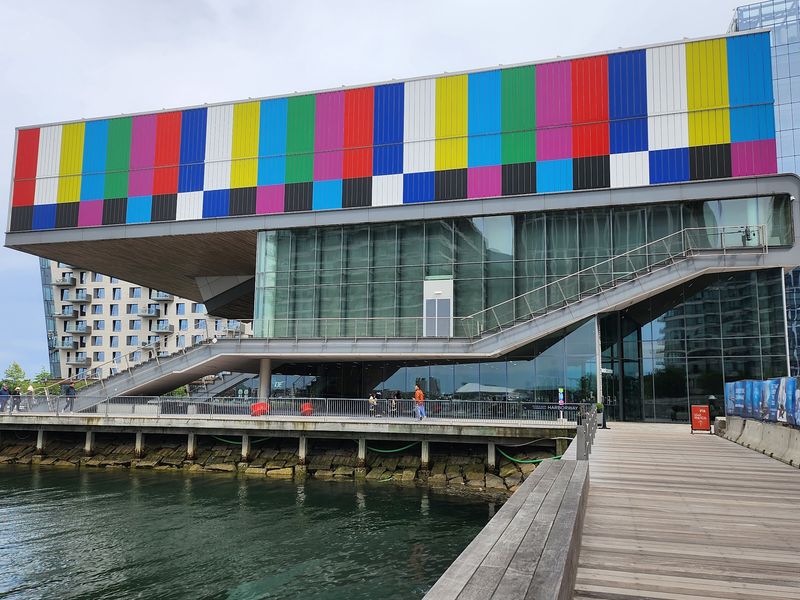
Architects Diller Scofidio + Renfro designed the structure, which opened on the waterfront in 2006. Its top floor juts out dramatically over the Harborwalk, like a diving board for an entire museum.
That overhang isn’t just for looks. It creates a sheltered spot below where you can stand, stroll, and stare at the harbor without leaving the museum’s footprint.
The outside mixes glass and sleek panels that catch the light off the water. On a sunny day, the whole thing seems to glow against the blue background.
Here’s a fun origin bit. The museum started back in 1936 as the Boston Museum of Modern Art, then took on its current name in 1948.
So the institution is older than its shiny home suggests. It simply moved into a building that matches its forward-thinking attitude.
Give yourself a few minutes outside before heading in. Walk around, look up, and notice how the structure seems to reach for the sea.
Ride The Glass Elevator And Feel Like Willy Wonka For A Minute
Elevators are usually boring boxes with bad music. At this museum, the elevator is a glass room big enough to feel like part of the tour.
The walls are clear, so you get to watch the building move around you as you rise. It’s a small thrill that turns a simple ride into a mini adventure.
Kids tend to love this kind of thing, and honestly, so do grown-ups. Nobody has to admit they pressed their nose against the glass.
The ride carries you up toward the main galleries on the fourth floor. That’s where the rotating exhibitions live, so the elevator works like a curtain rising before a show.
Some people prefer stairs, and that’s fine too. Still, I can’t imagine skipping the elevator on a first trip.
It sets the mood for everything that follows. You start the visit already looking at space, light, and design in a new way.
Plan to ride it more than once if you can. Going down gives you a different view than going up, and both feel worth the button press.
Fresh Exhibitions Keep Every Visit Feeling Brand New
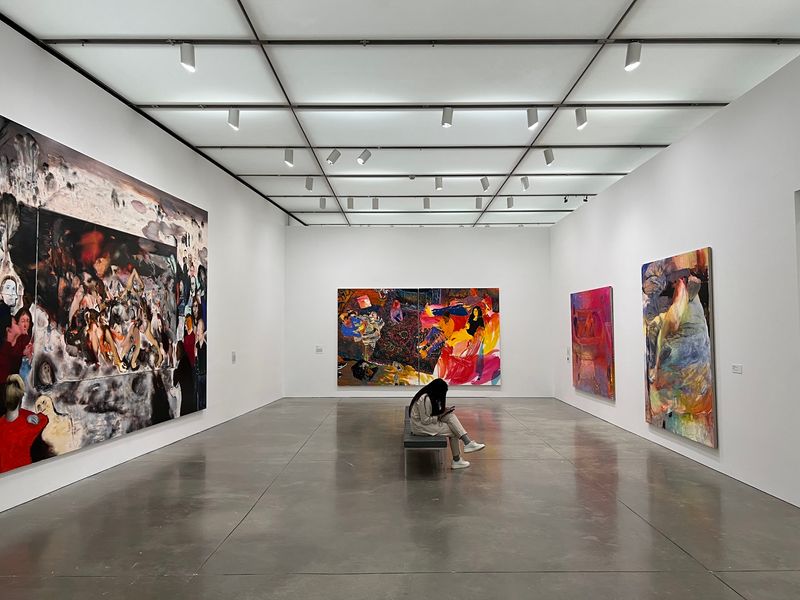
Contemporary art means art made by living artists, often about the world we’re living in right now. That focus gives this place a buzz you won’t get from rooms full of centuries-old portraits.
Exhibitions change regularly, so the galleries rarely stay the same for long. One season might bring bold paintings, and the next might bring video, sculpture, or something hard to name.
Recent shows have included a big exhibition of work by artist Derrick Adams. Pieces like that can be playful, colorful, and full of ideas about culture and everyday life.
The museum also keeps a permanent collection, which pops up in different displays over time. It means even repeat visitors can find something unfamiliar.
Not every piece will be your favorite, and that’s part of the fun. Contemporary art loves to start conversations, and sometimes those start with a puzzled face.
Try picking one work that confuses you and spending extra time with it. Read the wall text, look again, and see if your opinion shifts.
Check what’s on before you go. Knowing the current shows helps you plan your time and pace yourself.
A Room That Shows Nothing But Water Might Be Your Favorite Spot
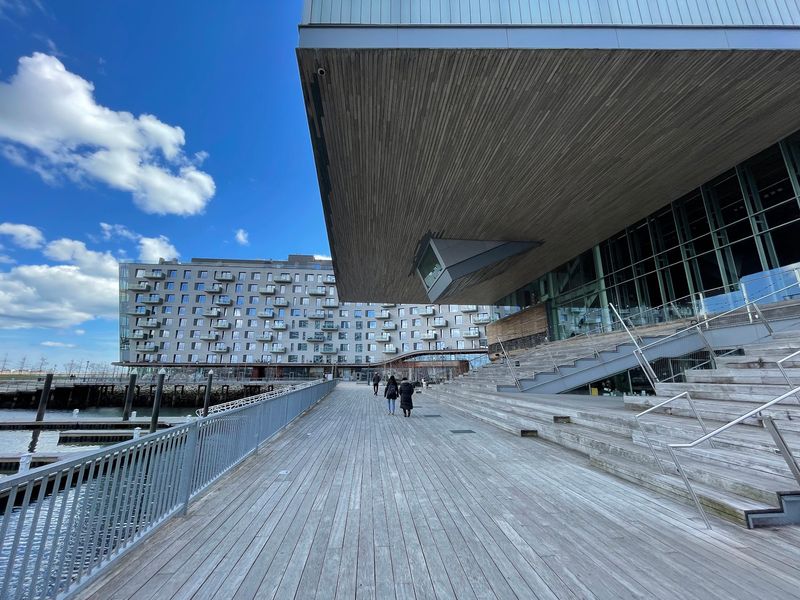
Tucked under the cantilever is one of the coolest rooms in Massachusetts. It’s called the Mediatheque, and it slopes down in steps toward a single big window.
That window is angled so you see only the water. No skyline, no boats in the frame sometimes, just shifting harbor surface and light.
It feels a bit like the museum hit pause for you. After looking at art for a while, staring at moving water can reset your brain.
The space has been used for digital media and screen-based work over the years. Even so, the view itself is the main attraction for many people who find it.
Stepped seating makes it easy to sit and linger. Bring patience, because the longer you stay, the more the water seems to change color and mood.
Families can use it as a calm break between galleries. Little ones get to rest their legs, and grown-ups get a moment of quiet.
Don’t rush this room. It’s proof that sometimes the simplest view in a building packed with ideas can be the most memorable.
Free Thursday Nights Make Art Easy On Your Wallet
Good news for anyone counting pennies. The Institute of Contemporary Art offers free admission on Thursday evenings from 5 to 9 PM, but advance tickets are required.
Thursdays and most Fridays are the late nights here, with doors open until 9. On the first Friday of each month, regular museum admission ends at 5 PM for a separate ticketed event.
Even better, admission is free for youth 18 and under every single day. So a family outing doesn’t have to turn into a math problem at the ticket desk.
Students and seniors can also find reduced pricing, so it pays to bring an ID. Rates can change, so look it up before your trip.
Evening visits come with a bonus. As the sun drops, the harbor outside the windows turns golden, then deep blue.
Free nights can bring bigger crowds, so arrive with a plan. Head to the exhibition you care about most first, then wander.
Remember that the museum is closed on Mondays. Showing up that day would be a bummer, and the harbor alone won’t fully make up for it.
Those Harbor Steps Out Back Are Basically Front-Row Seats To The Sea
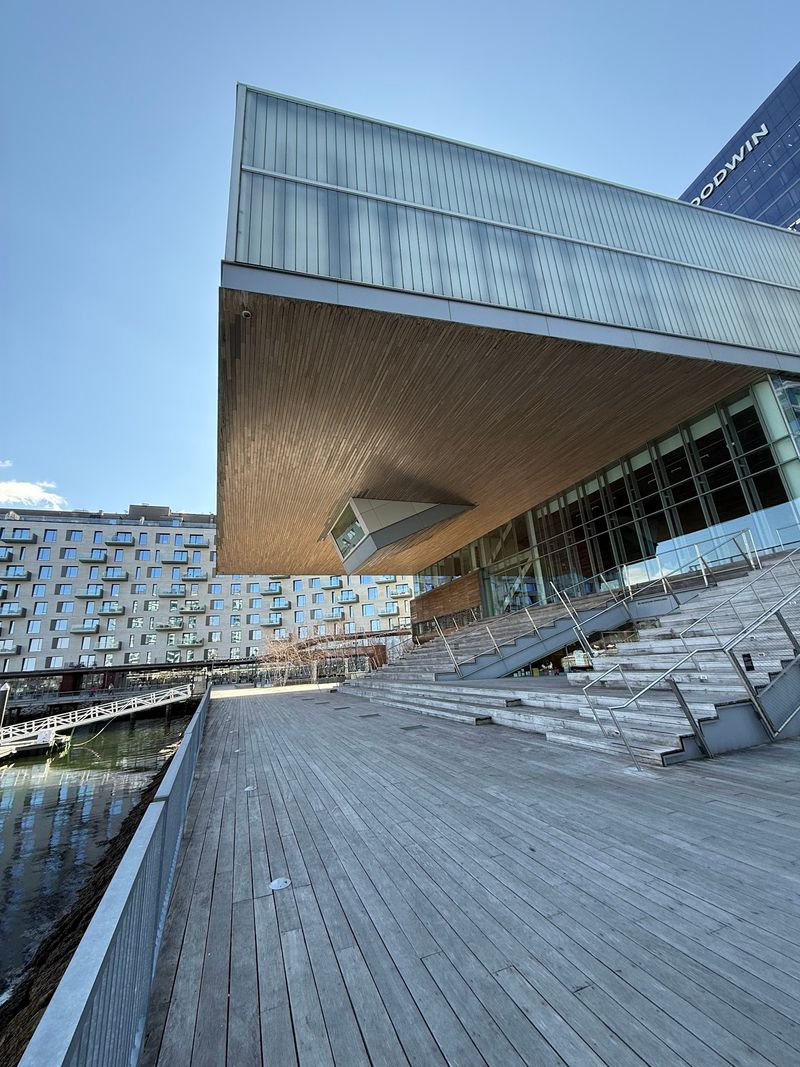
Behind the museum, a wide set of wooden steps faces the harbor like bleachers at a stadium. The show they’re watching is boats, birds, and the sky changing colors.
This outdoor seating connects to the Harborwalk, a public path that hugs Boston’s waterfront. You can sit, snack, or just people-watch without needing a ticket.
The spot shines in warm months. The museum has hosted summer concerts and outdoor performances here, turning the steps into a lively hangout.
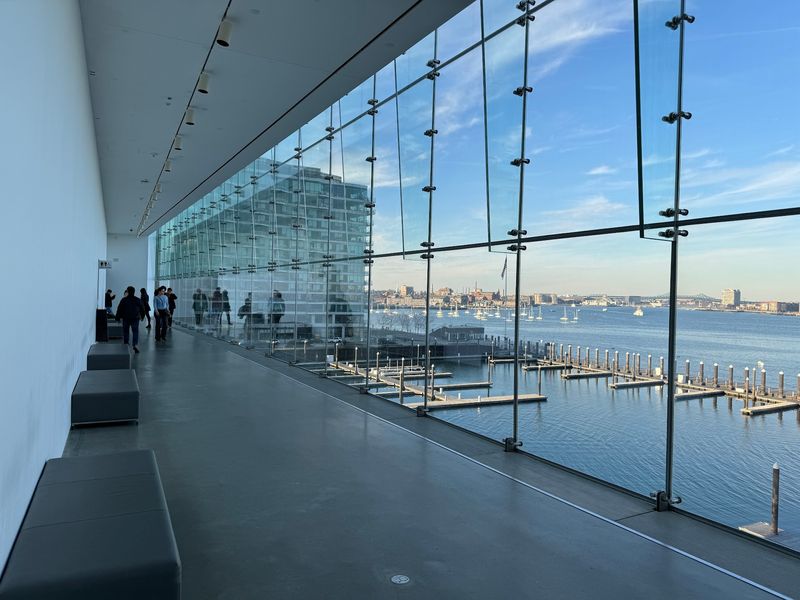
Inside, the fourth floor also has a long glass wall overlooking the water. It’s a lovely place to pause after finishing a gallery loop.
Sunset is a smart time to aim for if you can. The light on the harbor can be so pretty that it almost competes with the art.
Bring a light jacket, even on nice days. Breezes off the water can sneak up on you, especially later in the day.
Honestly, this might become your favorite part of the trip. Art plus ocean air is a combination that’s tough to beat.
Hop On A Boat To See The Museum’s Summer Sidekick
Plenty of museums have a second location. Few let you reach it by boat, which makes the ICA Watershed feel like a field trip with a splash.
The Watershed sits across the harbor in East Boston, inside a former shipyard building. It opened in 2018 and shows large art installations that need lots of room.
It’s a seasonal space, usually open during the warmer months. That timing makes it a fun summer add-on to your main museum visit.
Getting there by water taxi or ferry is part of the charm. You’ll cross the harbor and see the city skyline from a fresh angle.
The building has an industrial feel, with a huge open interior. Big, bold artworks get space to breathe in a way regular galleries can’t always offer.
Check the season dates and travel options before heading over. Schedules can shift, and you don’t want to be stranded staring longingly across the water.
Pairing both locations makes for a full day. One site gives you the sleek waterfront experience, and the other gives you raw, roomy wonder.
Save Some Energy For The Store, Cafe, And Stage
Art can make you hungry, and shopping can make you hungrier. Luckily, this museum covers both with a cafe and a well-stocked store.
The store carries art books, prints, cards, and creative gifts. It’s a great place to grab a souvenir that’s way more interesting than a keychain.
Families will find plenty of fun options too. Colorful books and art-inspired items can keep the creative spark going after you head home.
The on-site cafe gives you a spot to refuel between galleries. Grabbing a snack also gives your feet a break, which they will thank you for.
The building also has a theater for performances. Dance, music, and film programs show up here, adding another layer to what a museum can be.
Look at the event calendar before you go. Catching a performance can turn a regular visit into something you’ll talk about for weeks.
Leave a little time in your schedule for these extras. Rushing past the store or stage would mean missing part of what makes this place fun.
Plan Your Seaport Day Around This Waterfront Spot

Finding the museum is half the fun. It sits at 25 Harbor Shore Dr, Boston, MA 02210, right in the busy Seaport District.
The area has transformed a lot in recent decades. Today it’s packed with restaurants, shops, and new buildings lining the water.
The Institute of Contemporary Art makes a perfect anchor for a full Boston day. You can see art in the morning, then stroll the Harborwalk afterward.
Hours run 10 AM to 5 PM on most days, with later closing on Thursdays and Fridays. Remember, Mondays are closed, so plan around that.
Parking nearby can get pricey, which is common in this part of town. Public transit, walking, or biking might save you money and stress.
The Boston Children’s Museum is also in the neighborhood. Families could easily pair the two for a day packed with hands-on fun.
A visit here proves Massachusetts isn’t only about history and colonial landmarks. Sometimes the most exciting stories are being made right now, on a harbor, in a building that leans toward the sea.
Share this story