One of the most famous rocks in America sits in a sunken pit, and the year carved into it was added long after the event it honors. I love that kind of twist.
It tells you a lot about how legends grow.
That same rock cracked in half when people tried to move it in 1774. Folks later chipped off souvenir pieces, so the rock you see today is smaller than it once was.
Massachusetts is packed with places like that. They show up on every postcard, yet the real experience often feels different from the hype.
Some are better at quiet hours, and some have nearby options that steal the show.
I’m not telling you these spots are bad. I just think knowing the backstory, and the smarter alternatives, changes how you plan a trip.
Honestly, I find the workarounds more fun than the famous stops.
1. Plymouth Rock
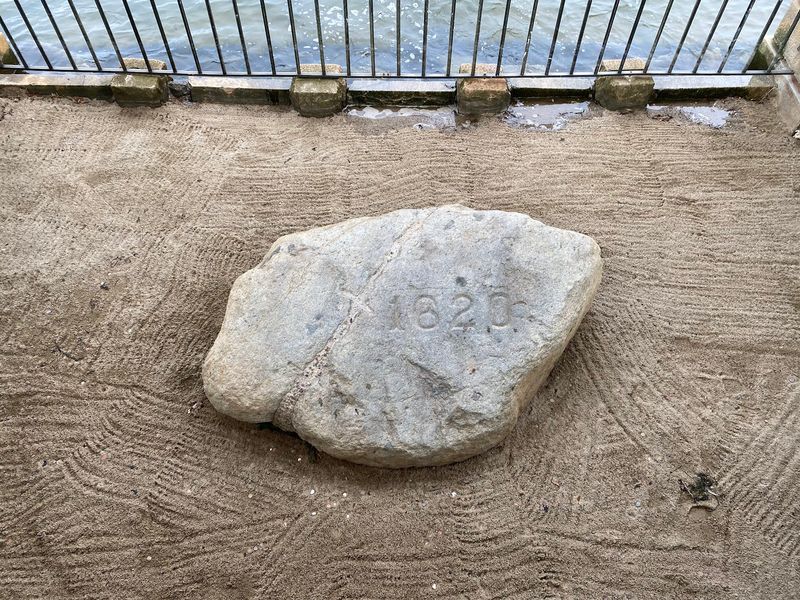
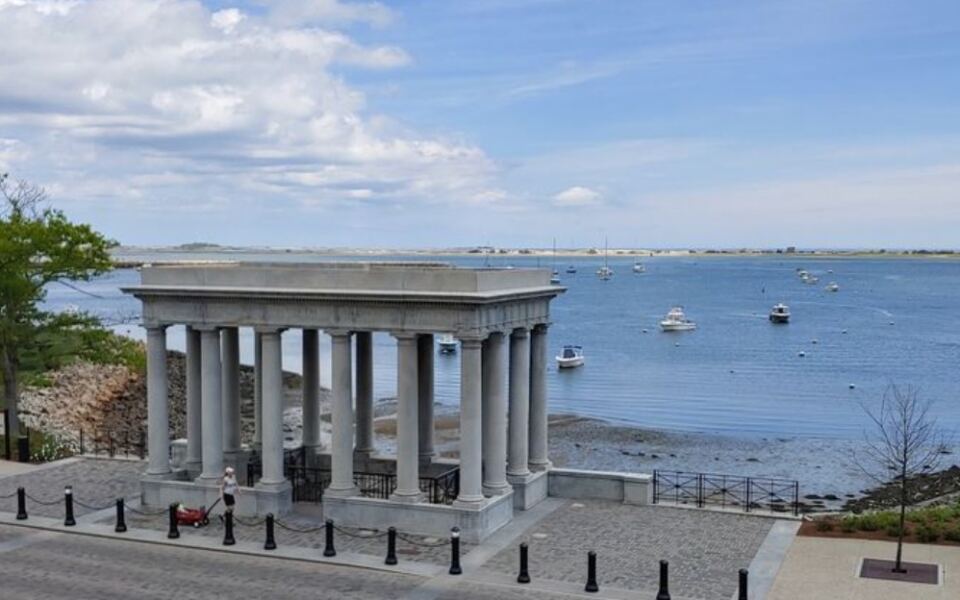
A boulder this famous should probably be bigger than a living room rug. Plymouth Rock sits low inside a granite portico, and many visitors peer down expecting something grand.
The date 1620 is carved into its face. Here’s the twist: that number was added long after the Pilgrims arrived.
No written record from the Pilgrims mentions landing on a rock at all. The story came in 1741, when a church elder named Thomas Faunce pointed it out.
He was in his nineties at the time. He said his father had told him about the rock years earlier.
Things got rocky, literally, in 1774. Townspeople tried to move it and cracked it in two.
Over the years, souvenir hunters chipped off pieces to take home. So the rock you see today is a smaller version of its former self.
The granite canopy over it was built in 1921 for the 300th anniversary of the Pilgrims’ arrival. It’s honestly more impressive to look at than the rock underneath.
So why skip it as a main event? You can see the whole thing in about two minutes, and that’s being generous.
Treat it as a quick photo stop rather than the reason for your drive. The waterfront in Plymouth has plenty more to offer once you snap your picture.
Pilgrim Memorial State Park surrounds the rock and makes for a pleasant stroll by the harbor. Pair your visit with nearby history spots to make the trip feel worthwhile.
Think of the rock as a story about how legends grow. That angle makes the tiny boulder a lot more fun to stand over.
Address: 79 Water Street, Plymouth, MA 02360
2. Faneuil Hall Marketplace
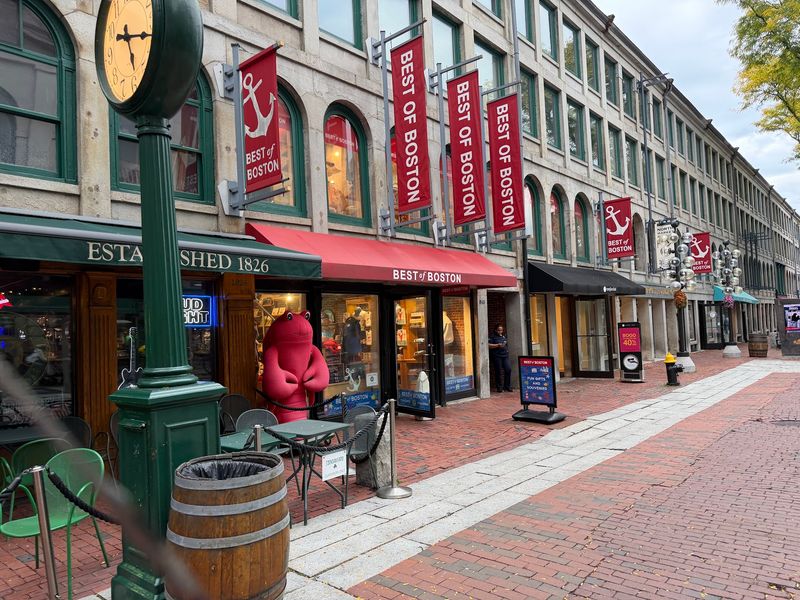
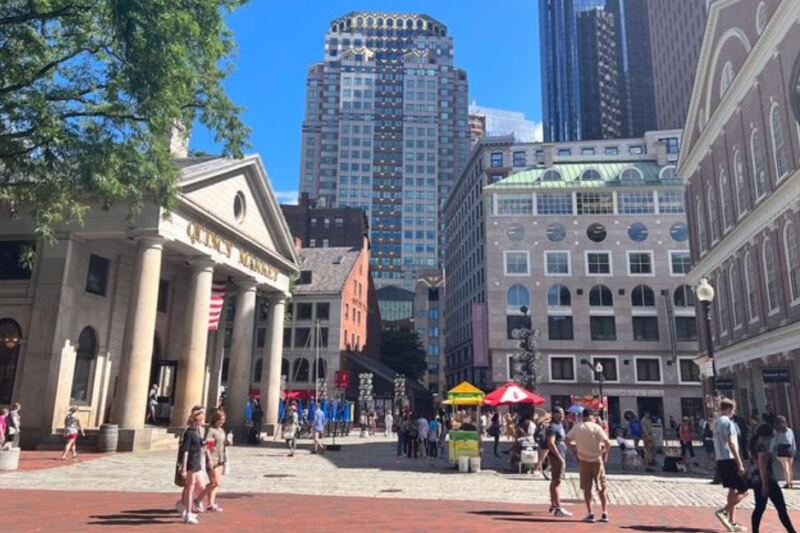
Tourists and pigeons both seem to know where the free snacks land in Boston. Faneuil Hall Marketplace draws huge crowds, especially on summer weekends.
The history here is real and worth knowing. Faneuil Hall dates to 1742 and hosted fiery speeches before the American Revolution.
Quincy Market, the long granite building with columns, opened in 1826. Today it holds a food colonnade packed with counters and quick bites.
So what’s the catch? Much of the shopping now feels like what you could find at any mall back home.
Chain stores and souvenir shops fill a lot of the space. If you want a true taste of the city, you may leave a little underwhelmed.
Street performers do add some fun to the cobblestone plaza. Kids especially love watching the acts, and the shows don’t cost a ticket.
Here’s a smarter plan. Visit the historic hall itself, which sits along the Freedom Trail, then wander somewhere else for food.
The North End is a short walk away and full of family-run Italian spots. Boston Public Market, also nearby, sells goods from local New England vendors.
Early mornings are much calmer if you still want the full marketplace experience. You’ll actually be able to read the plaques without dodging selfie sticks.
Faneuil Hall is still a key piece of Massachusetts history. You just don’t need to spend your whole afternoon there.
Give it an hour, grab a photo with the famous grasshopper weathervane above, and move on. Your feet and your wallet will thank you later.
Address: 4 South Market Street, Boston, MA 02109
3. Salem Witch Museum
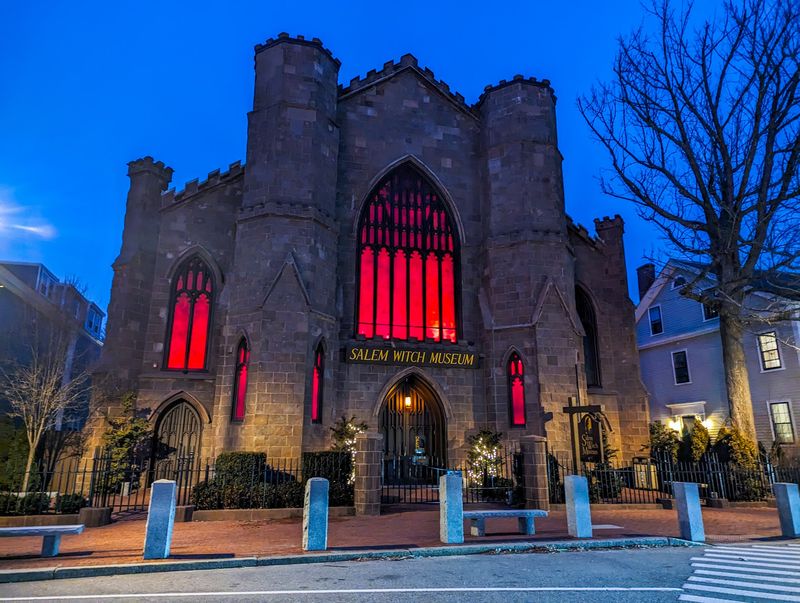
October in Salem can feel like a costume party that swallowed a whole city. The Salem Witch Museum sits right at the center of that seasonal frenzy.
Housed in a striking old stone building, the museum opened in 1972. Its main presentation uses life-size sets and narration to tell the story of the 1692 witch trials.
The topic is serious and deeply important. Twenty people were executed during the trials, and the museum helps explain how fear spread so quickly.
Now for the honest part. Visiting in October can mean big crowds, sold-out time slots, and heavy traffic downtown.
Salem draws visitors from around the world for its Haunted Happenings events each fall. That’s fun for some people, but stressful if you came mostly to learn.
My advice? Skip it in October and plan your trip for spring or early summer instead.
You’ll get the same history with far less elbow bumping. Booking tickets ahead online is a smart move any time of year.
While you’re in town, check out the Salem Witch Trials Memorial on Liberty Street. It’s a quiet, thoughtful space with stone benches honoring each victim.
The Peabody Essex Museum is another strong pick for a rainy afternoon. It holds a huge collection of art and cultural objects from around the globe.
Salem has much more going on than spooky shops. Its waterfront and maritime history are just as interesting as the witch lore.
Go when the leaves are green, not orange. The story hits harder when you can actually hear the narration.
Address: 19 1/2 Washington Square North, Salem, MA 01970
4. Union Oyster House
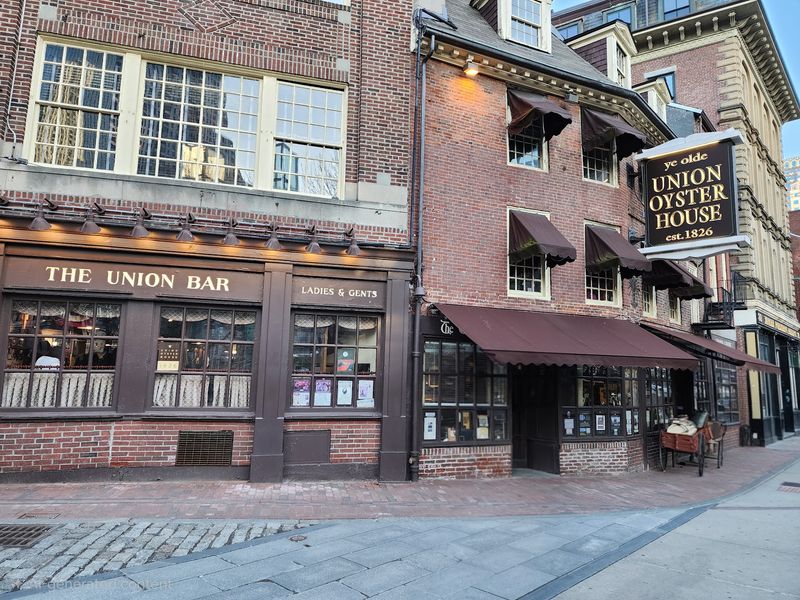
Few restaurants can brag that they started serving guests during the presidency of John Quincy Adams. Union Oyster House opened in 1826 and calls itself the oldest restaurant in the United States.
The building itself is even older. It dates back to before the American Revolution, which is wild to think about while reading a menu.
Its raw bar is the star attraction. Oysters, clam chowder, and lobster dishes headline the New England seafood menu.
A booth upstairs honors John F. Kennedy.
He was a regular customer, and the restaurant marks his favorite spot with a plaque.
So why put it on a skip list? Its fame along the Freedom Trail means it often fills with tour groups and out-of-towners.
You’re paying partly for history and partly for the name. For some diners, that trade feels totally worth it.
For others, the city offers fresher, newer takes on seafood. Boston has no shortage of options, from waterfront spots to casual chowder counters.
Here’s a fair compromise. Stop by for a cup of chowder or a few oysters rather than a full meal.
You’ll still soak in the old wooden booths and creaky floors. Then you can save room for dinner somewhere less crowded.
The location is easy to reach from Faneuil Hall and the Holocaust Memorial nearby. Union Street’s cobblestones make the walk feel like a time machine.
Treat it like a museum you can eat in. Just don’t expect it to be the only great seafood plate in town.
Address: 41 Union Street, Boston, MA 02108
5. Newbury Street
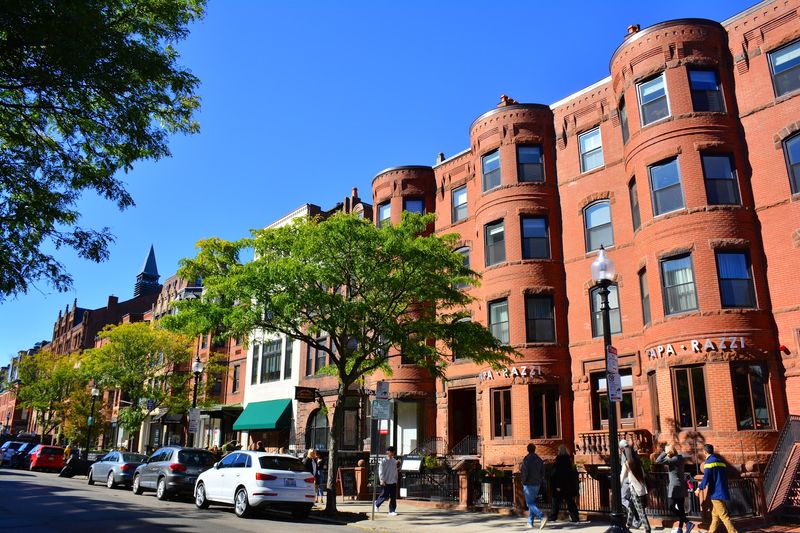
Eight blocks of brownstones lined with shops sounds dreamy until you try to walk it on a Saturday. Newbury Street stretches through Boston’s Back Bay from the Public Garden to Massachusetts Avenue.
The architecture is the real treasure here. Those Victorian brownstones went up in the 1800s, after the Back Bay was created by filling in tidal marsh.
Shops sit at street level, below it, and above it. You’ll see boutiques, salons, galleries, and plenty of big-name brands.
That mix is part of the problem. Many of the stores are national chains you can find anywhere.
Weekends can turn the sidewalks into a slow-moving parade. Parking nearby is famously tough, so driving in rarely makes sense.
Does that mean you should never go? Not at all, but timing changes everything.
A weekday morning lets you enjoy the brownstones without bumping shoulders. Taking the T to Arlington or Copley station beats hunting for a spot.
Start at the Public Garden end, where the shops tend to be fancier. The street grows a bit quirkier as you head toward Massachusetts Avenue.
For a calmer stroll, try the Commonwealth Avenue Mall just two blocks over. Its tree-lined path runs right through the neighborhood and feels like a hidden park.
The Boston Public Library in Copley Square is also close by. Its grand reading room is free to visit and stunning to see.
Newbury Street works best as a quick wander, not a full-day plan. Window shopping with a coffee in hand might be the best way to enjoy it.
Address: Newbury Street, Boston, MA 02116
6. Mike’s Pastry
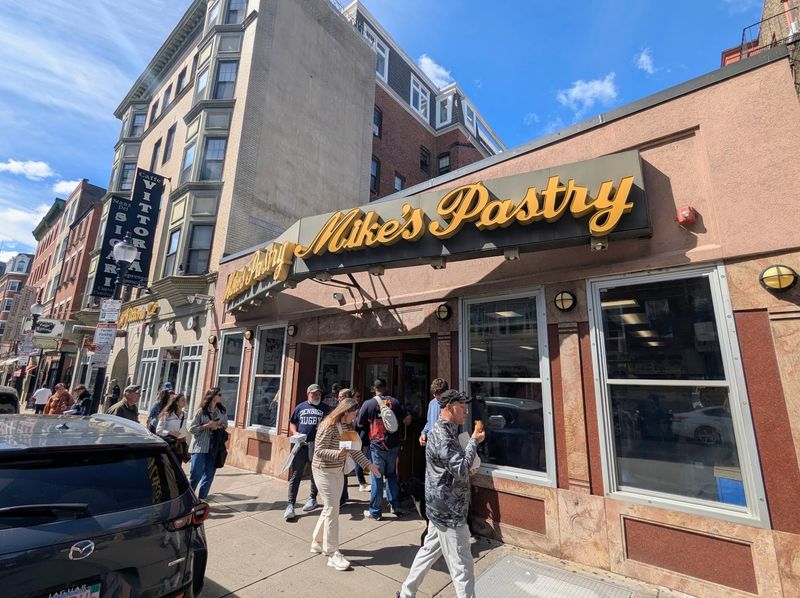
Those white boxes tied with string seem to follow tourists all over Boston. They come from Mike’s Pastry, a North End bakery known for its huge selection of cannoli.
Opened in 1946, Mike’s sits right on busy Hanover Street. The display cases hold flavors well beyond classic ricotta.
Choices include Oreo, pistachio, chocolate chip, and Nutella, among many others. It’s easy to stand there frozen by the options.
Fans and skeptics argue about it endlessly online. Some love the variety, while others say the experience feels more like a tourist ritual.
The lines are the biggest hurdle. On busy evenings, the crowd near the counter can feel more like a mosh pit than a queue.
So what’s the move? Many Boston residents point visitors toward other North End bakeries just a short walk away.
Modern Pastry, also on Hanover Street, is a popular alternative. Bova’s Bakery on Salem Street is another well-known spot that stays open around the clock.
Trying more than one bakery turns dessert into a fun taste test. You can compare shells, fillings, and sizes side by side.
If you still want Mike’s, go early in the day. You’ll have more room to browse the cases and pick a flavor without pressure.
The North End itself is a highlight of any Massachusetts trip. Its narrow streets, Paul Revere House, and Old North Church are all within walking distance.
Grab your cannoli, wherever it comes from, and keep exploring. The best part might be eating it on a bench near the harbor.
Address: 300 Hanover Street, Boston, MA 02113
Share this story