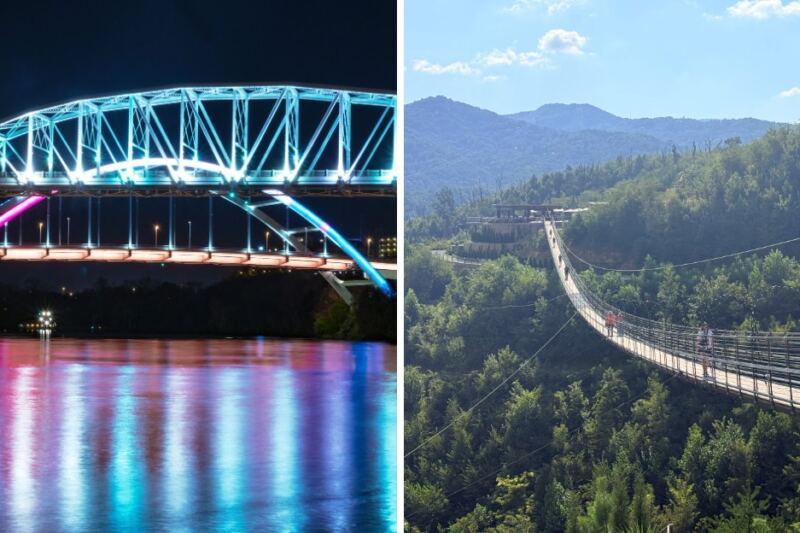
One earthen mound in Tennessee rises more than 70 feet into the air. You can climb 117 wooden steps to stand on top of it. Nobody asks you for a ticket.
That detail stopped me in my tracks. I started digging, and the free stuff kept piling up. There’s a reconstructed British fort from the 1750s.
There’s a stone fort ruin with views of a big city skyline. There’s even a giant cedar bucket waiting in a pioneer village.
I love that these places don’t hide history behind a pay booth. You can wander Civil War fields, read about Cherokee councils, and stand where early settlers gathered. Bring snacks, comfy shoes, and a curious kid or two.
So here’s my question for you. How much Tennessee history can you soak up in one road trip without opening your wallet? Let’s find out together.
1. Shiloh National Military Park
Two days in April 1862 turned a quiet patch of West Tennessee farmland into one of the most studied battlefields in America. Today, you can explore it at your own pace for free.
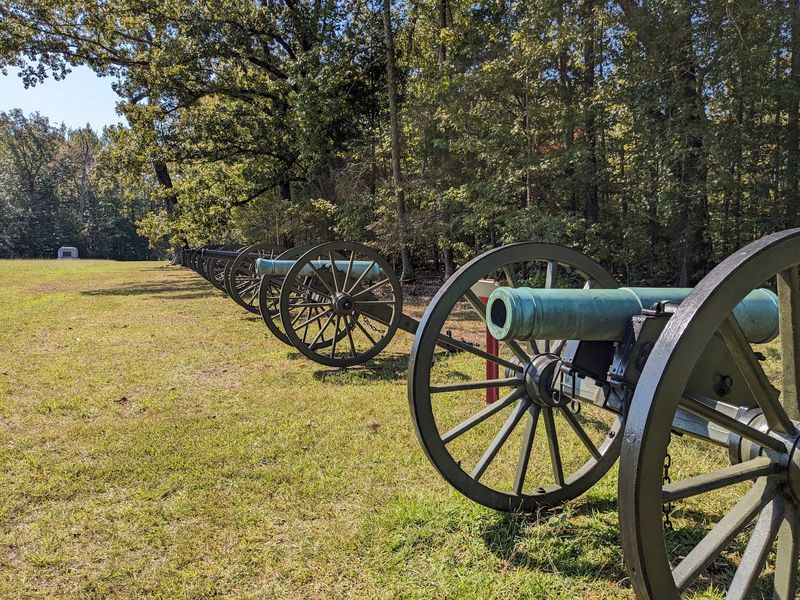
Shiloh is a huge park, so think of your car as part of the tour. A self-guided driving route carries you past fields, woods, and markers that explain how the fighting unfolded.
Those signs are a big deal here. They show troop movements, so you can stand in one spot and picture where each side lined up.
Monuments dot the grounds, and there are lots of them. Some are simple markers, while others are tall tributes from different states and units.
Start at the visitor area before you hit the road. A film in the auditorium tells personal stories from the battle, which makes the open fields feel much more real.
The museum adds even more context. You’ll get a clearer sense of who fought here and why this stretch of land mattered so much.
A national cemetery sits on the grounds as well. It’s a quiet, respectful stop, and a good moment to slow down and reflect.
Want to stretch your legs? Walking trails let you leave the car behind and see the battlefield up close.
The National Park Service keeps the grounds in great shape. Grass is trimmed, signs are easy to read, and restrooms are available for travelers.
Pack lunch before you arrive, since there’s no restaurant on site. A gift shop is there if you want a book or souvenir to take home.
Kids usually do well here because there’s so much space to explore. History buffs, on the other hand, may want to stay until closing time.
2. Pinson Mounds State Archaeological Park
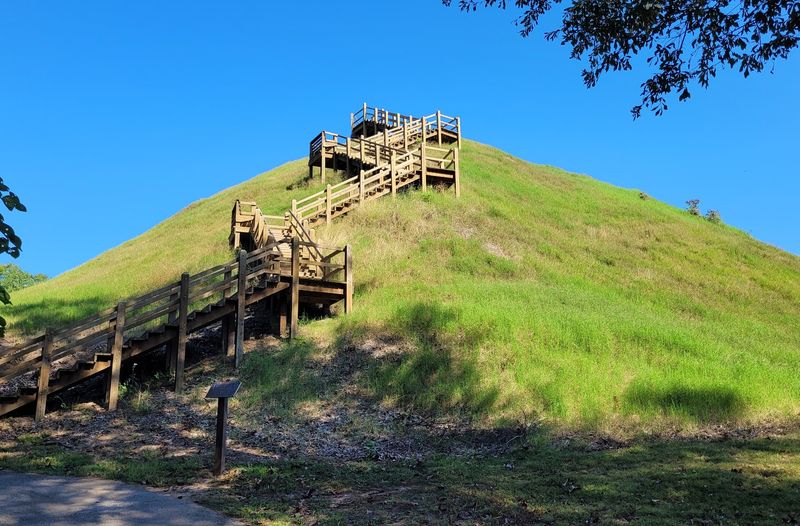
Got strong legs? Saul’s Mound waits with 117 wooden steps, and the view from the top is your reward.
That mound stands more than 70 feet tall. It’s often called the largest of its kind in the United States, which is a pretty wild claim to check off your list.
Pinson Mounds covers about 1,200 acres of West Tennessee land. Inside, you’ll find 17 Native American earthen mounds spread across the park.
Each one tells part of a long Indigenous story. Descriptive placards explain what the mounds are and how they fit into a wide timeline of history.
Getting around is easy. Miles of paved trails and a boardwalk wind through the grounds, so strollers and casual walkers can join in.
Bikes are welcome on the cycling lanes too. That makes it a fun option if your family likes to roll instead of walk.
Don’t skip the museum. It adds background on the people who built these mounds and helps the whole site make sense.
After the history lesson, the park turns into a picnic spot. You’ll find pavilions, picnic tables, and barbecue grills ready for a lunch break.
Little ones have their own reward waiting. A playground with slides and swings gives kids a chance to burn off extra energy.
Dogs are allowed, so your four-legged hiking buddy can tag along. Just keep them on the trails and away from the mounds themselves.
Public restrooms are on site, which helps on longer visits. Bring water, sunscreen, and plenty of patience for kids counting steps out loud.
Honestly, climbing an ancient mound for free beats most paid attractions. Your calves may complain, but your camera roll will thank you.
3. Stones River National Battlefield
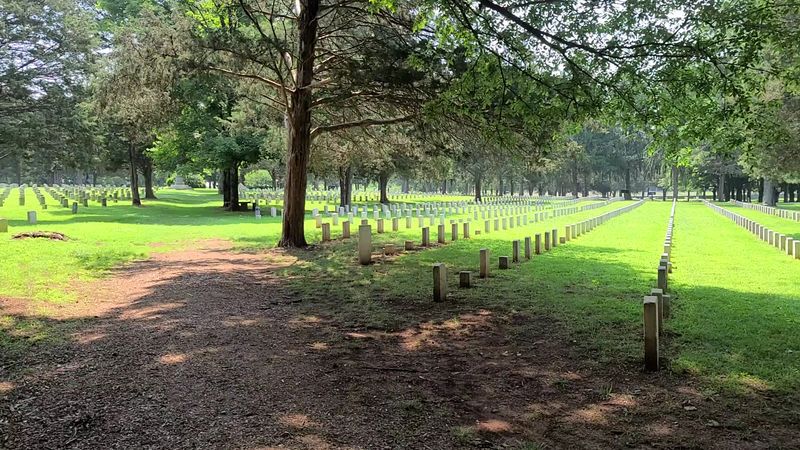
Some history lessons come with a pop quiz. Stones River comes with walking trails, a short driving tour, and free admission instead.
The battle here began on December 31, 1862, and lasted into early January 1863. Today, the park covers about 570 acres of preserved Civil War ground near Murfreesboro.
Head to the visitor center first. Its interpretive displays give you the big picture before you set off across the fields.
From there, you can choose your own pace. A short driving tour hits key spots, while marked trails let you explore on foot.
Paved walkways make the site friendly for many visitors. Accessible roads also help families with strollers or anyone who needs an easier path.
Craving a longer outing? A more rewarding hike waits for anyone who wants extra miles with their history.
A national cemetery is part of the park too. It’s a calm, respectful stop that adds weight to the stories you just learned.
Cyclists will be glad to know there are bike lanes. Rolling through the battlefield is a fun way to cover more ground.
Picnic tables give you a spot to refuel. Pack sandwiches and enjoy a meal with plenty of room around you.
Restrooms are kept clean, which matters more than people admit. Parking is free, with both a lot and street spaces available.
Kids tend to enjoy the easy trails here. They’re short enough for small legs but still feel like an adventure.
Because it sits so close to Nashville, it makes a great half-day trip. You can learn something, get some fresh air, and still be home for dinner.
4. Fort Loudoun State Historic Area
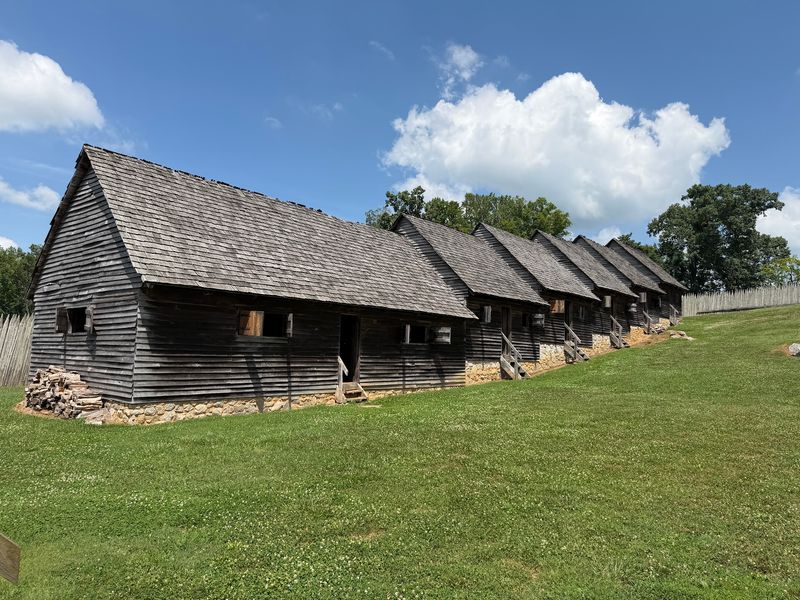
British soldiers in East Tennessee? It sounds like a history mix-up, but Fort Loudoun proves it really happened.
The British built the original fort in the 1750s, before the American Revolution. Today, a reconstructed version lets you step back into that frontier era for free.
Walking the fort grounds is the main event. The wooden walls and buildings help you picture daily life for soldiers stationed so far from home.
Next, swing through the museum. It’s well done and packed with background that explains why the fort was built and what happened here.
Timing matters if you love living history. Reenactments take place at the site, bringing the 18th century to life with costumes and demonstrations.
Those events are a hit with kids and adults alike. Check the park schedule before you go so you don’t miss one.
Nature gets a starring role here too. The site sits along a river, and the views can be downright breathtaking.
Trails wind around the area if you want a walk after your fort visit. They’re a pleasant way to enjoy the water and the scenery.
Plan for a full day if you can. Between the fort, museum, and trails, there’s plenty to keep a family busy.
Tennessee state parks don’t charge admission, and this one is a great example of that perk. You get a reconstructed fort and museum without paying a cent.
Bring a picnic and your curiosity. You’ll leave knowing a chapter of Tennessee history most people never learned in school.
5. Sycamore Shoals State Historic Park
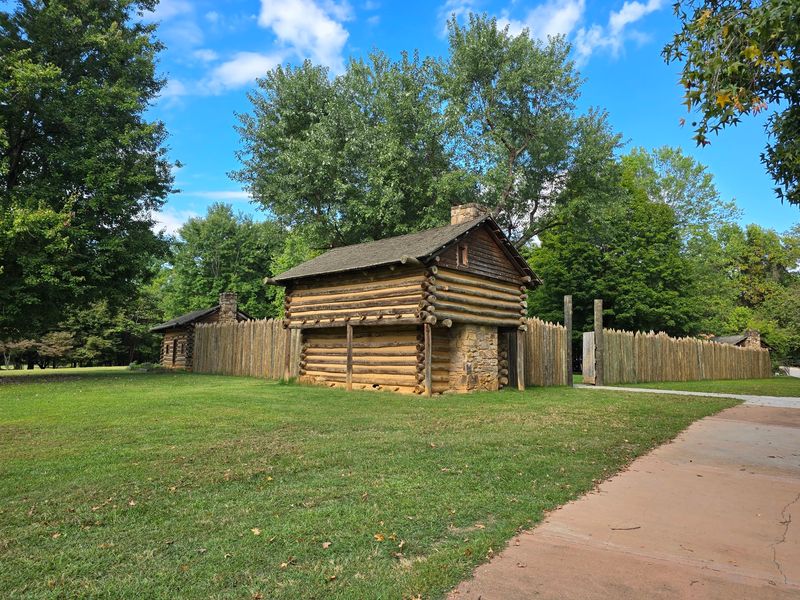
In 1780, a band of frontiersmen gathered by the Watauga River before marching over the mountains. Sycamore Shoals is where you can learn their story today.
Those settlers became known as the Over Mountain Men. The park tells their tale, along with the story of early settlers in Northeast Tennessee.
Start inside the museum, which has river views. A 15-minute movie sets the scene and makes the exhibits easier to follow.
The interpretive displays focus on 18th-century history. They help you understand why this riverside spot played such a big role in the region.
Then head outside to the star attraction. A replica of Fort Watauga stands on the grounds, and it’s a treat to explore.
Kids love poking around a frontier fort. It turns textbook history into something they can actually walk through.
A walking trail loops nearby with signs along the way. Each sign details events that happened in the area, so you learn while you stroll.
The path feels safe and easy for families. It’s a nice nature walk even for kids who think history is boring.
Need a break? Picnic tables and a playground sit on site, and so do tennis courts. That mix makes the park more than a museum stop.
You could spend a whole afternoon here without running out of things to do.
A gift shop offers souvenirs if you want a keepsake. Restrooms are also available, which every road-tripping parent appreciates.
Free admission makes the replica fort feel like a steal. Bring a picnic, and let the river and mountains handle the scenery.
6. Chester Inn State Historic Site and Museum
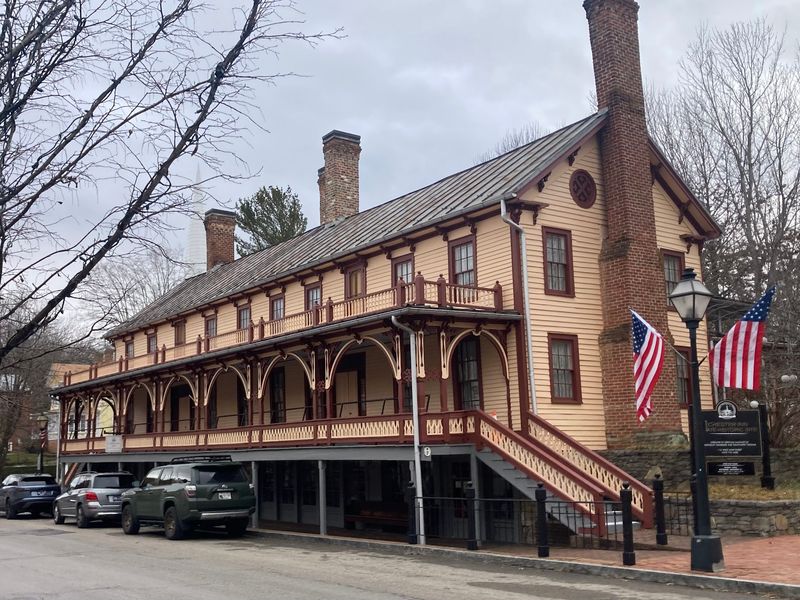
Long before hotels had free Wi-Fi, travelers on Main Street in Jonesborough stopped at an inn built in the 1790s. That building now hosts a free museum.
The Chester Inn is a preserved 18th-century inn. Inside, exhibits share the history of the area and the town of Jonesborough.
Jonesborough is known as Tennessee’s oldest town. That makes the inn a fitting home base for learning about early life in the state.
The museum is free to enter. A donation box helps keep it running, so drop in a few bucks if you enjoyed your visit.
Tours are available here. Visitors can explore the upstairs parlor, dining room, and lodging rooms, which have been restored to reflect the Victorian era of the late 1800s.
That upstairs space is a highlight. It helps you picture what travelers and townspeople experienced back then.
Kids can handle this stop easily. It’s small enough to hold their attention but still packed with interesting details.
On-site parking is available, and restrooms are there too. There’s no restaurant inside, but the historic downtown is right outside.
Pair your visit with a stroll down Main Street. The quaint town is full of history, so the museum is a great first stop.
A short visit here goes a long way. You’ll walk away with a better sense of how this corner of East Tennessee came together.
Best of all, it costs nothing to learn. That’s a deal even the most frugal frontier traveler would love.
7. Red Clay State Historic Park
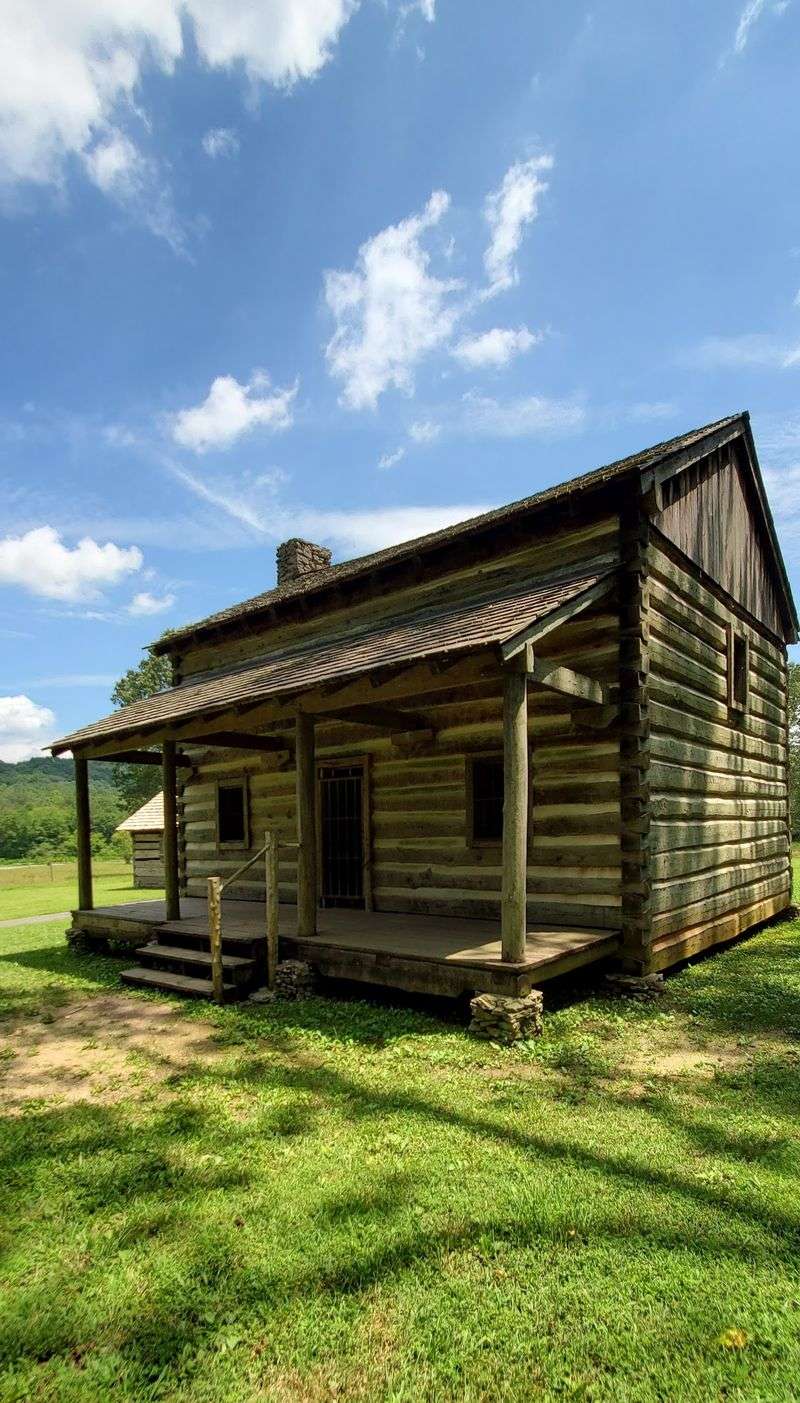
Quiet fields near the Georgia line hold a powerful piece of Cherokee history. Red Clay served as a seat of Cherokee government in the 1830s.
Councils met here during a hard chapter for the Cherokee Nation. The park preserves that story and shares it with visitors for free.
Begin with the exhibit room. Its displays cover local history and Native Americans, with a strong focus on the Cherokee people.
The museum is small, but it packs in meaningful details. You’ll leave with a clearer picture of what happened here and why it still matters.
Reconstructed 19th-century Cherokee buildings, including a council house, farmhouse, barn, and sleeping huts, help visitors understand life during that period.
Cultural activities are part of the park’s mission. An amphitheater gives the site space for programs and gatherings.
Nature lovers will feel right at home. Short hiking trails wind through peaceful woods, and wildlife is easy to spot.
The trails work well for kids. They’re short enough for little legs but still feel like a true outdoor adventure.
After your walk, grab a spot in the picnic area. It’s large, with tables and barbecue grills ready for a cookout.
Dogs are welcome too. Your pup can join you on the trails, as long as you follow park rules.
Admission to Red Clay State Historic Park is free, giving visitors an opportunity to learn about an important chapter of Cherokee history. It’s a calm, thoughtful place where history and nature share the stage.
8. Old Stone Fort State Archaeological Park
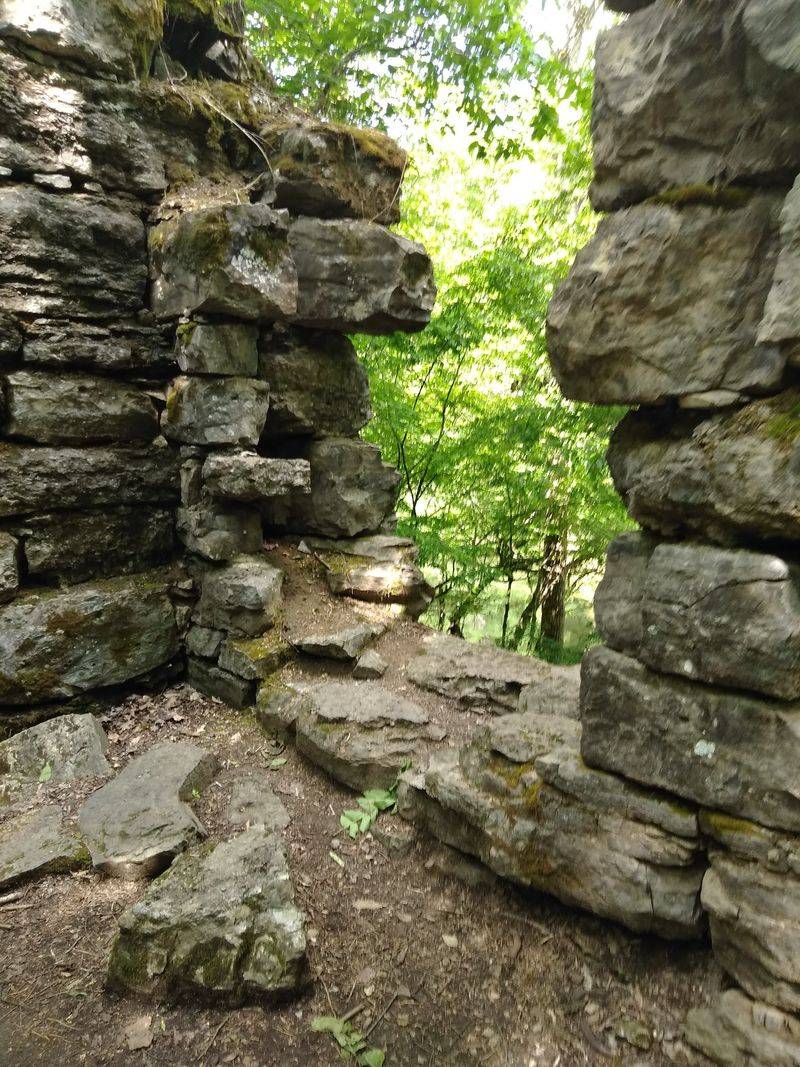
Despite the name, Old Stone Fort was never really a fort. It’s a Native American ceremonial site that dates back about 2,000 years.
The enclosure covers roughly 50 acres. Its walls were built by Indigenous people for sacred use, not for battle.
A small museum explains what happened here. It displays interesting artifacts and breaks down how these grounds were used.
The story doesn’t stop with ancient history. Later, the river powered mills on this land, including a gunpowder mill and an old paper mill.
Those layers make the park feel like a time machine. You can go from ancient ceremonies to early industry in one afternoon.
Then there are the waterfalls. Trails lead you past rushing water, and the scenery is a big reason people keep coming back.
Hikers can pick their challenge. Some trails are easy and family-friendly, while others ask a little more from your legs.
Look for the observation areas along the way. A nice observation deck gives you a great view of the landscape.
Kids get plenty of hands-on fun here. Between the trails, water, and artifacts, boredom doesn’t stand much of a chance.
A playground with slides adds another option for young explorers. Picnic tables and barbecue grills make lunch easy too.
Dogs are allowed on the grounds. Bring a leash and let your pup enjoy the trails with you.
Admission is free, and public restrooms are available. Wear good shoes, since some paths can be rocky near the water.
Few places let you mix waterfalls with 2,000 years of history. Manchester pulls it off without asking for a single dollar.
9. Sgt. Alvin C. York State Historic Park
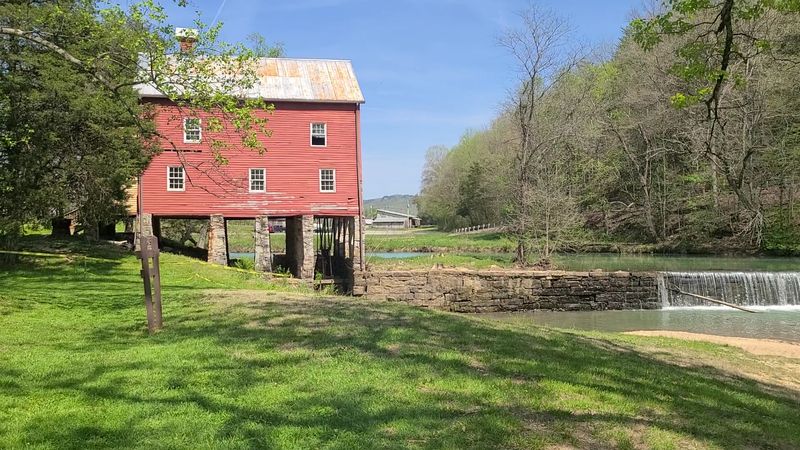
A humble farm boy from the Tennessee hills became one of the most famous soldiers of World War I. His hometown park in Pall Mall offers free access to the grounds, although guided tours of York’s historic home require a fee.
Alvin C. York earned the Medal of Honor for his actions in 1918. Back home, he became a local hero, and this park focuses on his life.
York’s home is part of the site. Seeing where he lived makes his story feel personal instead of distant.
Next, check out the historic grist mill. Guided tours are offered, and they add helpful background on the mill and the area.
Love an easy hike? A trail of about 5 miles includes a swaying suspension bridge and a waterfall.
That bridge is a crowd favorite. Kids think it’s an adventure, and adults secretly enjoy it just as much.
If you’d rather keep things short, there’s a nice walk near the mill. It’s a relaxed way to enjoy the pretty grounds.
Got a sweet tooth? There’s a fudge shop nearby, which makes a perfect reward after your walk.
Picnic tables and barbecue grills are ready for lunch. A playground with slides and swings keeps younger visitors happy too.
The scenery adds to the charm. Rolling hills and quiet countryside make the drive feel like part of the trip.
It’s a great place to learn a little history and stretch your legs. And yes, saving room for fudge counts as smart trip planning.
10. Fort Negley Visitors Center
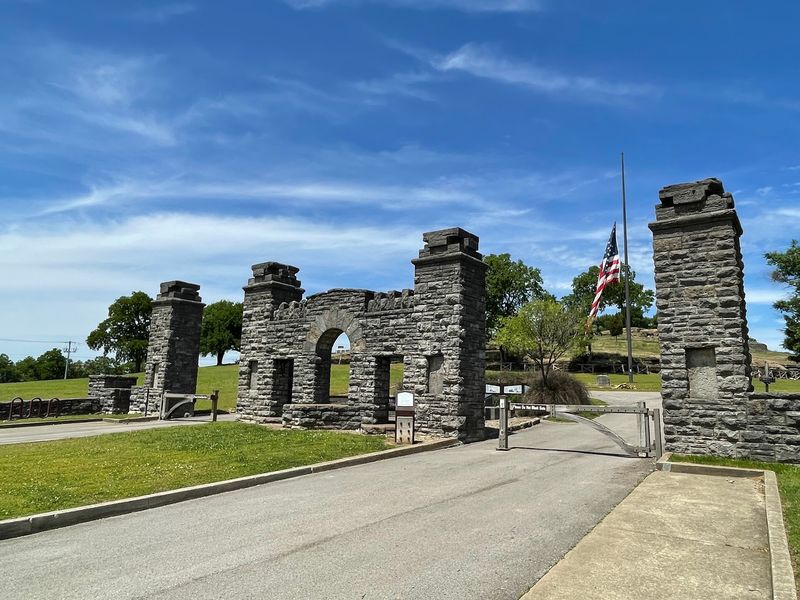
Nashville’s skyline looks especially good from the top of a Civil War fort. At Fort Negley, that view comes free.
Union forces built the fort in 1862 after taking the city. Much of the labor came from Black workers, both free and enslaved, a story the site works to share.
The historic stone fort remains a landmark overlooking Nashville, although access to the fort structure is temporarily closed during construction. The park’s half-mile walking trail remains open.
Start at the visitor center. It offers historical information that helps you understand what you’re looking at before you climb.
Then take the short hike up. It’s a nice little workout, and the payoff is a great view of Nashville.
Bring your camera for this part. The contrast between old stone walls and modern city buildings is pretty striking.
Families have an extra treat waiting. A fossil dig site gives kids a hands-on activity that can easily steal the show.
That makes this stop easy to sell to younger travelers. History plus digging is a winning combo for curious kids.
Some parts of the site show their age a bit. Still, the history and views make it well worth your time.
Pair your visit with other Nashville stops for a full day. You’ll get history, fresh air, and a skyline photo without spending a dime.
11. Tennessee State Museum

Millions of years of Tennessee geology and thousands of years of human history fit under one roof in Nashville. Admission costs exactly zero dollars.
The Tennessee State Museum sits near Bicentennial Capitol Mall State Park. It’s a great place to see the whole state’s story in one visit.
Exhibits trace Tennessee’s past from the very beginning. You’ll find Native American artifacts, replicas of pioneer buildings, and Civil War relics.
A timeline exhibit ties it together. Walking through it feels like flipping pages in a giant, hands-on history book.
Interactive displays keep things lively. Kids can touch, explore, and learn without feeling stuck in a stuffy hall.
That’s why so many school groups visit here. It works well as a field trip, but families get just as much out of it.
The museum covers culture and people too. You’ll learn about the folks who shaped Tennessee, not just the big events.
Accessibility is a strong point. The building offers wheelchair access, which makes visits easier for many guests.
Practical perks add up nicely. Free Wi-Fi, restrooms, and a gender-neutral restroom are available inside.
Tours are offered if you want a guide. A gift shop also sells souvenirs for history fans of any age.
There’s no restaurant inside, so plan meals nearby. Luckily, Nashville has no trouble filling hungry visitors.
Parking is free, with on-site spaces and street options. Saturday afternoons tend to be busiest, so arrive early if you like elbow room.
If you only have time for one stop, make it this one. It’s Tennessee’s greatest hits, no ticket required.
12. Cannonsburgh Village
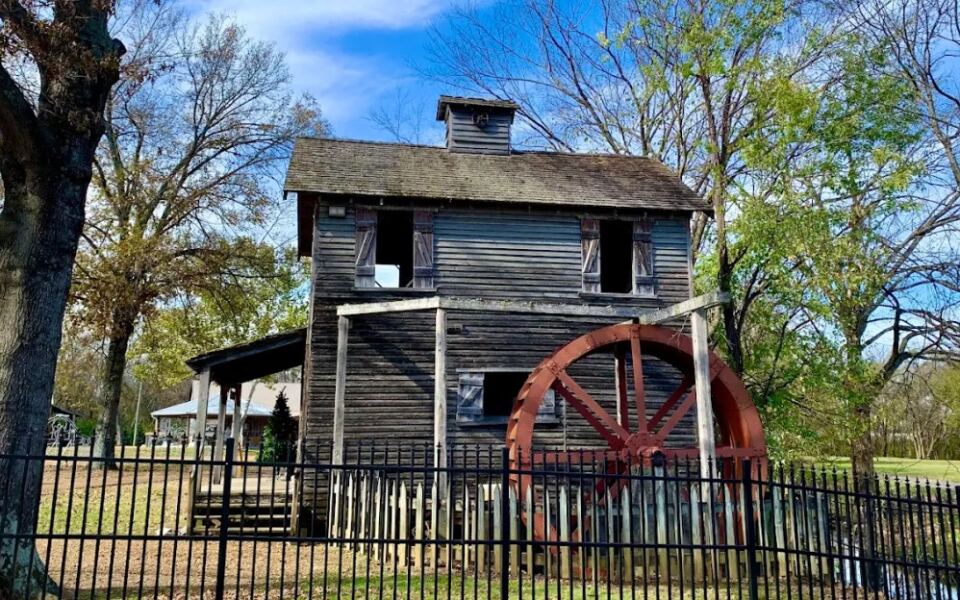
Where else can you pose next to the world’s largest cedar bucket? Cannonsburgh Village in Murfreesboro has one, and seeing it won’t cost you a thing.
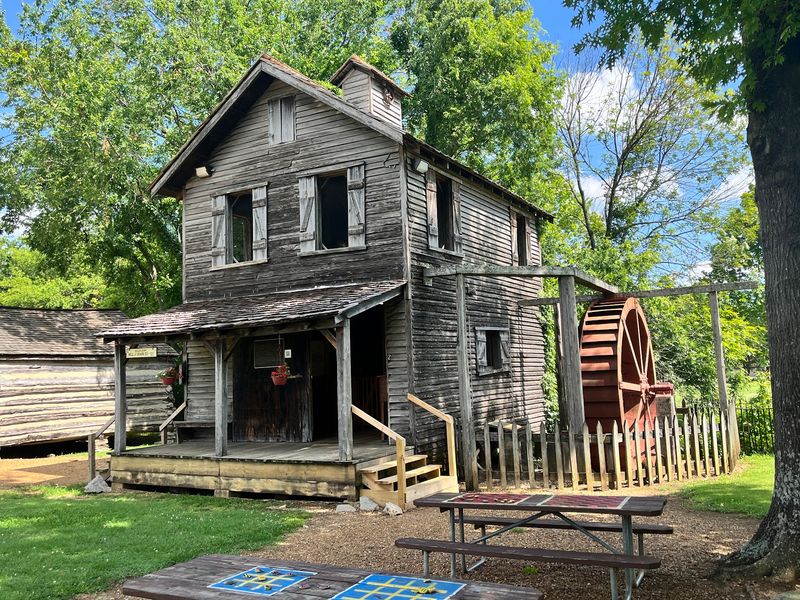
Cannonsburgh was the original name of Murfreesboro. This reproduction pioneer village shows what life looked like in the area long ago.
Old-fashioned buildings fill the grounds. You can walk right up to them and see how homes and businesses looked in the 19th century.
Highlights include a gristmill, a schoolhouse, and a general store. Each one gives you a peek into daily routines from another era.
Kids usually love the schoolhouse. It’s fun to imagine sitting at those old desks without a tablet in sight.
Then there’s that famous bucket. It makes a goofy, memorable photo op that nobody in the family will forget.
The tour is self-guided, so you set the pace. Wander slowly, or zip through on your way to lunch.
Admission is free, and the city runs the village. Donations are welcome if you want to help keep it going.
The gift shop deserves a stop. It sells souvenirs, trinkets, and ice cream, which is a strong closing argument for any kid.
A theater is part of the village too. Live performances take place here, so check the schedule for upcoming shows.
Stones River National Battlefield is also in Murfreesboro. Visit both for a full day of free history in one Tennessee town. Grab an ice cream, snap a bucket selfie, and call it a perfect finale.
History never tasted so sweet.
Share this story