A radio show that started in 1925 still broadcasts every week, and people travel thousands of miles just to sit in the audience. That’s the Grand Ole Opry, and it tells you a lot about this place.
Tennessee holds on tight to the things it loves. Graceland still welcomes fans of Elvis. Sun Studio still gives tours of the room where rock and roll found its voice.
I like how folks here will hold a door, wave from a porch, and call you honey within minutes. I also believe that warmth comes with a quiet rule. Respect what’s already here.
So what exactly do Tennesseans protect so fiercely? The list covers music, mountains, barbecue, and a few surprises. I can’t imagine anyone reading it without wanting to pack a bag.
Don’t Even Think About Moving The Opry’s Famous Wooden Circle
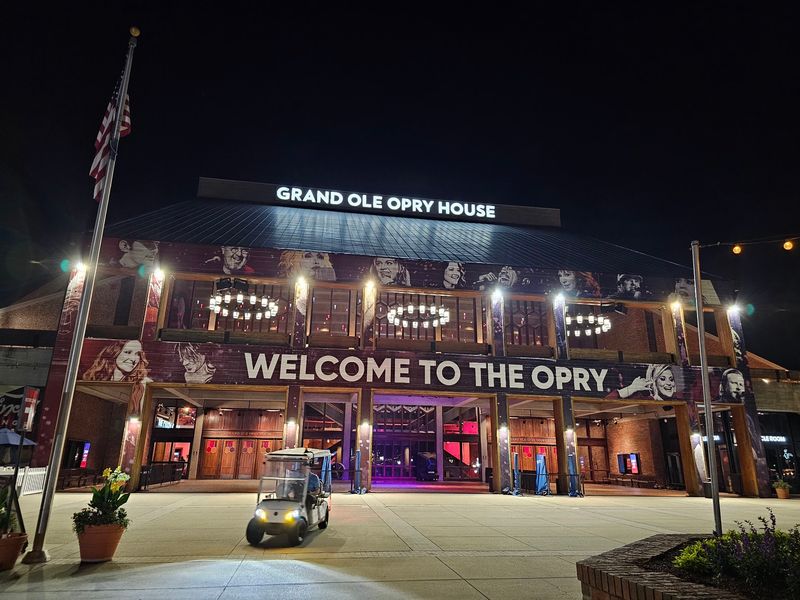
A six-foot circle of oak sits at the center of the Grand Ole Opry stage. It was cut from the old Ryman Auditorium stage and moved to the Opry House in 1974.
Performers stand on that same wood where country legends once sang. That’s the kind of detail Tennessee simply refuses to let go of.
The Grand Ole Opry first went on the air in 1925 as a radio broadcast. It has been broadcasting for more than a century, making it the longest-running radio show in the United States.
Today the Opry House sits at 2804 Opryland Drive in Nashville. You can catch a live show or book a backstage tour to see the dressing rooms up close.
Members of the Opry are invited, not hired, and the honor still means everything to artists. Plenty of stars have cried on that stage when they got the call.
My advice is simple. Buy tickets ahead of time, especially on weekends and holidays, and treat that circle with respect. Nobody will scold you out loud.
They’ll just give you a look that says plenty.
The Mother Church Still Runs The Show
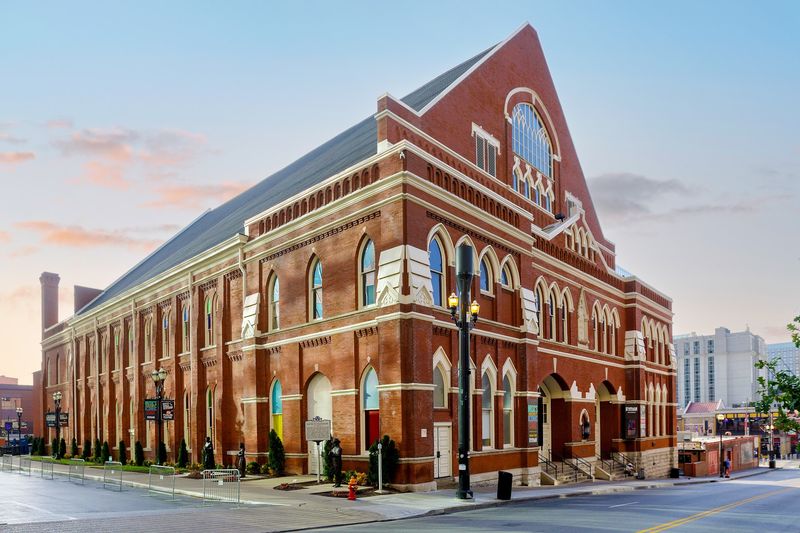
Long before it hosted concerts, the Ryman Auditorium was built as a church. It opened in 1892 as the Union Gospel Tabernacle, thanks to riverboat captain Thomas Ryman.
Later it became home to the Grand Ole Opry from 1943 to 1974. That stretch earned it a nickname you’ll still hear around Nashville: the Mother Church of Country Music.
Here’s what surprises first-timers. The seating is still made of long wooden pews, so you sit shoulder to shoulder like a Sunday crowd.
The building almost faced demolition after the Opry moved out. Tennesseans pushed back, and the Ryman was restored and reopened in 1994.
Now it hosts every kind of music, from bluegrass to rock. Daytime tours let you walk the stage and learn the stories behind its stained glass windows.
Pick up tour tickets early if you’re visiting in summer. And if you hear someone suggest swapping the pews for comfy chairs, smile politely and change the subject.
Elvis Has Not Left This Building, And Memphis Likes It That Way
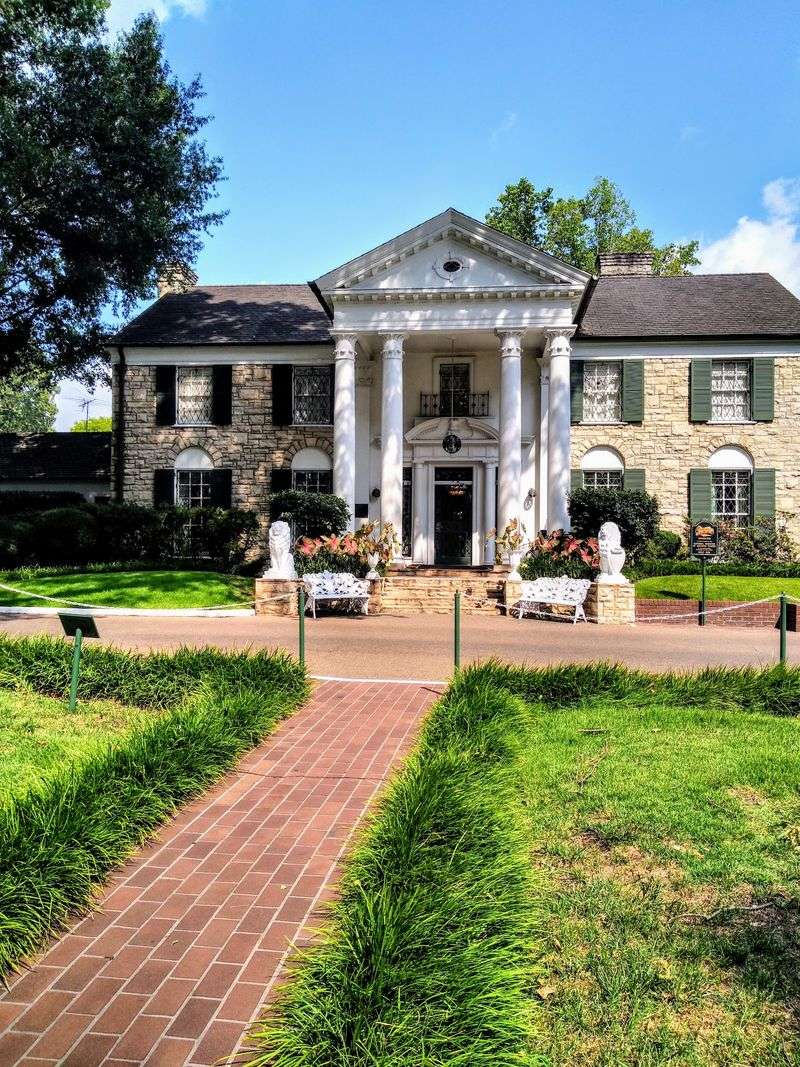
Graceland’s front lawn has greeted visitors since the mansion opened for tours in 1982. Elvis Presley bought the Memphis home in 1957 when he was just 22 years old.
The house is now a National Historic Landmark. Inside, rooms like the Jungle Room still look much as they did in the 1970s, shag carpet and all.
Elvis and members of his family rest in the Meditation Garden on the grounds. Fans leave flowers and notes there year after year.
Across the street, the Elvis Presley’s Memphis complex shows off his cars, costumes, and gold records. Two of his private jets are parked nearby too.
Every August, fans gather in Memphis for Elvis Week. The candlelight vigil is one of the most moving traditions in Tennessee.
Plan at least half a day here. The full experience takes time, and rushing feels a little rude to the King.
Wear comfy shoes, grab the tour tablet, and let the stories play out. You’ll leave humming a tune whether you meant to or not.
A Tiny Room On Union Avenue Changed Music Forever
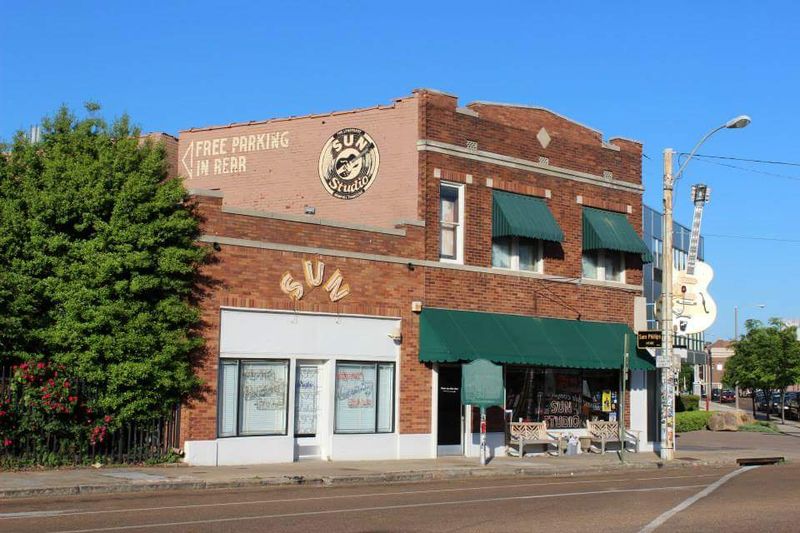
Small spaces can make big noise. Sun Studio sits at 706 Union Avenue in Memphis, and it’s barely bigger than a living room.
Sam Phillips opened it in 1950 as the Memphis Recording Service. Soon after, artists like Elvis Presley, Johnny Cash, Jerry Lee Lewis, and B.B. King recorded there.
Many music historians point to the 1951 song Rocket 88 as one of the first rock and roll records. It was cut right inside these walls.
Tours still run daily, and the studio still records music at night. You can stand on the marked spot where Elvis stood and hold a vintage microphone.
The guides tell the stories with real energy. Expect jokes, old recordings, and a crash course in how a small Memphis studio shaped the sound of the world.
Tours fill up, so check times before you go. A free shuttle has connected Sun Studio, Graceland, and other spots in the past, so ask about current options.
Just don’t suggest a modern makeover. The scuffed tiles are exactly the point.
Beale Street After Dark Sounds Like Pure Memphis
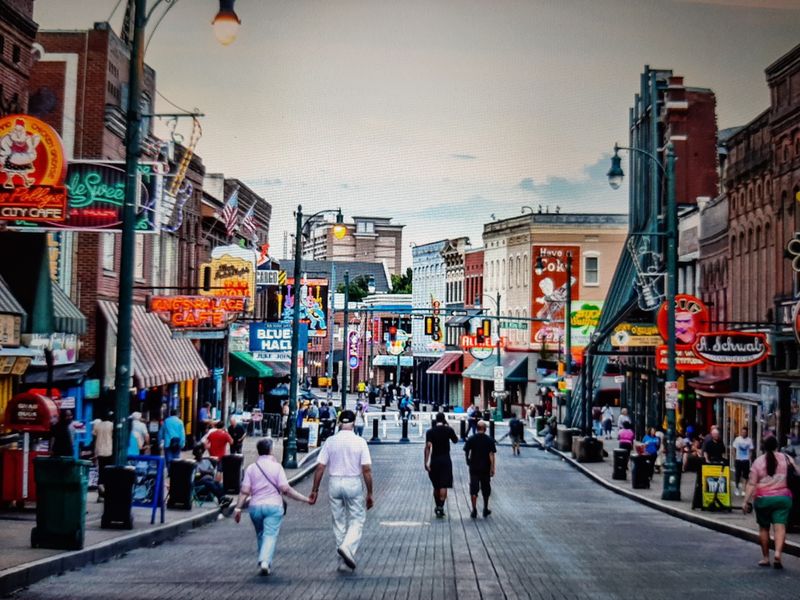
Neon signs flicker on and blues guitar drifts onto the sidewalk. That’s a normal evening on Beale Street in downtown Memphis.
W.C. Handy, often called the Father of the Blues, worked in this area in the early 1900s. A statue of him stands in W.C.
Handy Park on Beale Street today.
Congress named Beale Street the Home of the Blues in 1977. The name stuck, and Memphis guards it proudly.
Clubs line both sides of the street, and live music often spills out from open doors. Several spots serve barbecue and Southern plates, so you won’t go hungry.
The street closes to cars on many evenings, which makes strolling easy. Bring a friend and just follow whatever song pulls you in.
Families often visit in the daytime, when the street feels calmer. You can snap photos of the brass notes in the sidewalk honoring music greats.
A word of friendly warning. Tennesseans love Beale Street just as it is, loud and soulful, so leave the quiet-library expectations back at the hotel.
Smoky Mountain Mist Comes Free With Every Visit
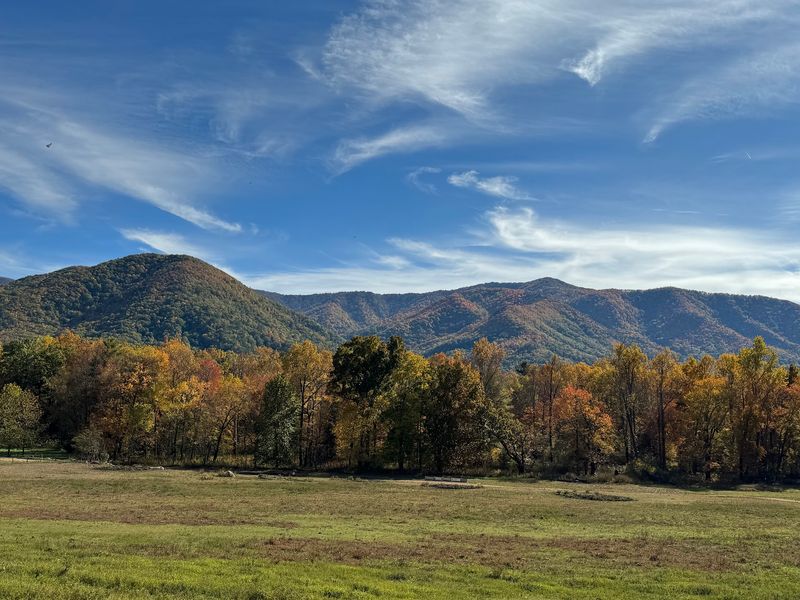
More people visit Great Smoky Mountains National Park than any other national park in America. Millions show up every year, and there’s no entrance fee.
That blue haze over the ridges gives the park its name. It comes from natural vapors released by the dense forests.
The park straddles the line between Tennessee and North Carolina. On the Tennessee side, Cades Cove offers an 11-mile loop road lined with old churches, cabins, and wide meadows.
White-tailed deer and black bears often appear in the cove. Keep your distance, though, and never feed the wildlife.
Kuwohi, formerly known as Clingmans Dome, is the highest point in the park.
One practical tip matters a lot. Parking in the park requires a paid parking tag if you stop for more than 15 minutes.
Locals care deeply about these mountains. Stay on trails, pack out your trash, and the Smokies will stay beautiful for the next family who comes along.
Hot Chicken Will Test Your Courage
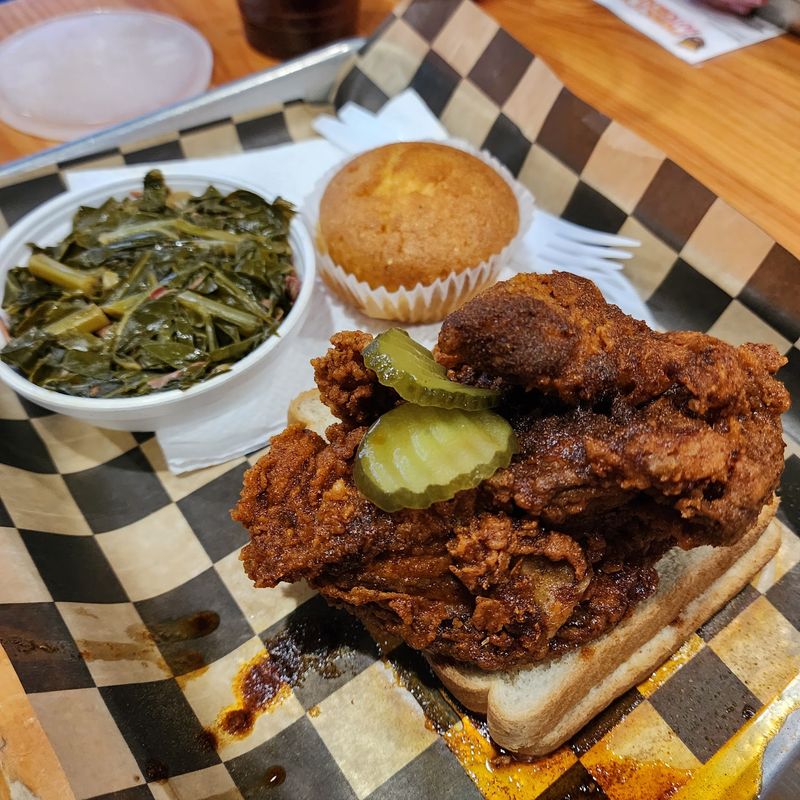
Nashville hot chicken looks harmless until the first bite. The fried chicken gets coated in a fiery cayenne paste and served on white bread with pickles.
Prince’s Hot Chicken Shack is widely credited with making the dish famous. The family story traces its roots back to the 1930s and Thornton Prince.
Restaurants usually offer heat levels from mild to wildly hot. Smart first-timers start low and work their way up.
The bread on the bottom soaks up the spicy oil. Those pickles aren’t decoration either, since they help cool things down between bites.
Nashville has hosted a Music City Hot Chicken Festival on the Fourth of July. It shows how much the city treasures its spicy claim to fame.
Try it at a long-running local spot rather than a chain copy. You’ll taste why Tennesseans get protective when outsiders call it just spicy chicken.
Grab extra napkins and a cold glass of sweet tea. Your lips will thank you later, even if your pride takes a small hit.
Dry Rub Or Wet? Memphis Has Strong Opinions
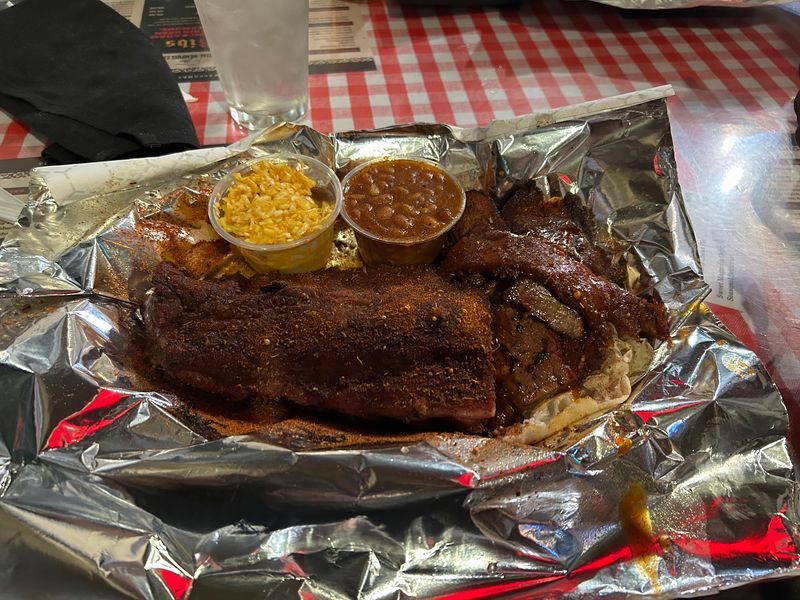
Ask a Memphian about barbecue sauce, then settle in for a long answer. Memphis is famous for pork ribs, and dry-rub ribs are a proud city specialty.
Dry ribs get coated with a blend of spices instead of sticky sauce. Wet ribs get brushed with sauce, and both camps have loyal fans.
Pulled pork sandwiches topped with coleslaw are another Memphis staple. Some folks even pile barbecue onto spaghetti or nachos.
Every May, the city hosts the World Championship Barbecue Cooking Contest. Teams from around the world compete at Liberty Park in Midtown Memphis.
That contest is part of Memphis in May, a month-long festival. It’s a fun window into how seriously Tennessee treats smoke and spice.
Visiting? Order ribs both ways and judge for yourself. Just keep your verdict quiet if you’re sitting near someone wearing a team apron.
Barbecue here is about patience. Pitmasters cook low and slow for hours, and nobody hurries the process for impatient guests.
Dollywood Proves Sweetness Can Run A Whole Theme Park
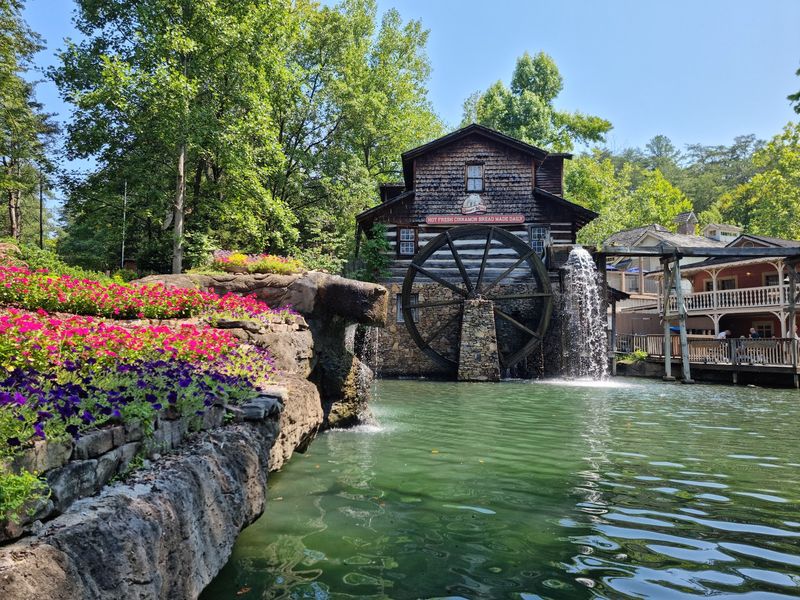
Dolly Parton grew up in the Smoky Mountains and never forgot home. In 1986, she partnered on a theme park in Pigeon Forge and named it Dollywood.
The park sits in the foothills of East Tennessee. It mixes roller coasters with craft demonstrations, mountain music, and Southern food.
Visitors can watch blacksmiths and glassblowers at work. The park also includes a replica of the tiny cabin where Dolly grew up.
Festivals change through the year. Smoky Mountain Christmas lights up the park with millions of holiday lights each winter.
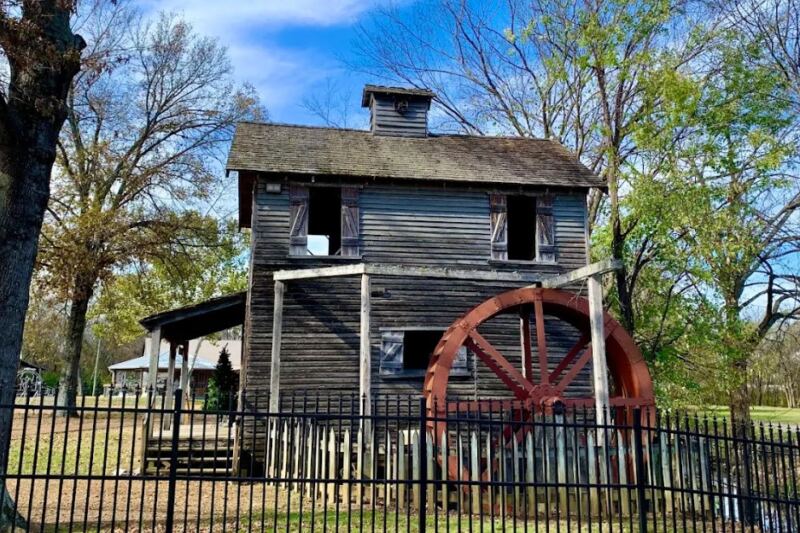
The cinnamon bread from the Grist Mill is a famous treat. Big loaves come warm and dripping with butter and cinnamon.
Dolly’s Imagination Library also started in Tennessee in 1995. It mails free books to young children, and it’s now grown far beyond the state.
That generous spirit sums up the whole place. Folks here will welcome anybody with open arms. Just don’t say a bad word about Dolly, because that’s one thing Tennessee will never let slide.
Share this story