Most museums put old machines behind velvet ropes and polite little signs. One spot in Tulsa does the opposite and pulls out a chair for you.
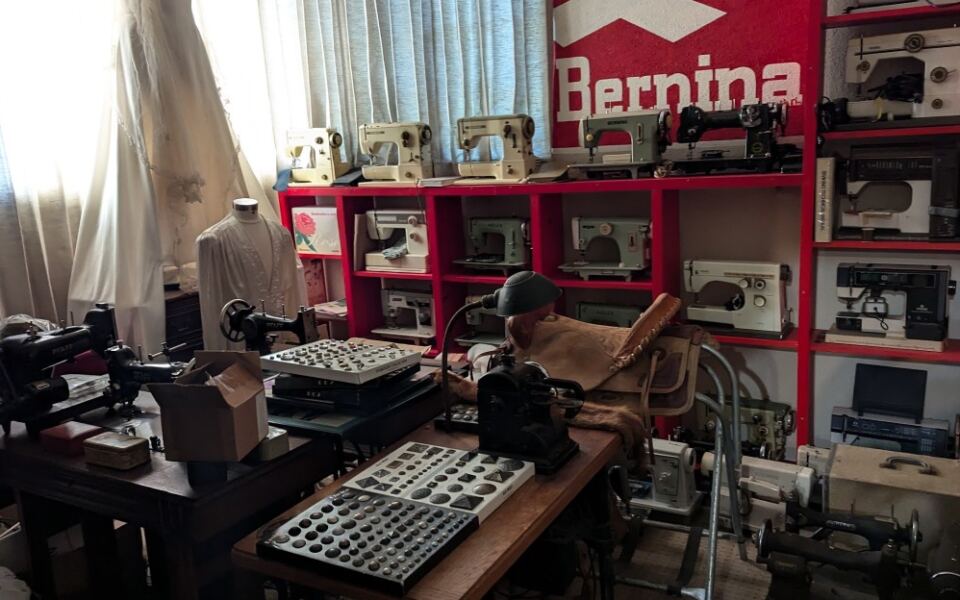
Here, you can sit at a sewing machine older than your great-grandparents and actually make it stitch. The collection runs into the hundreds, with treadle models, industrial giants, and odd machines built for jobs most people never think about.
A leather stitcher roughly the size of a small car is part of the lineup, and guests get to run it. There is also a founder with a story so unlikely it sounds invented, starting with a broken $99 machine and a boat that needed new seats.
Keep reading to learn how it all began, what to expect inside, and how to plan a stop that could easily stretch past an hour.
1. A Sewing Museum on South Peoria
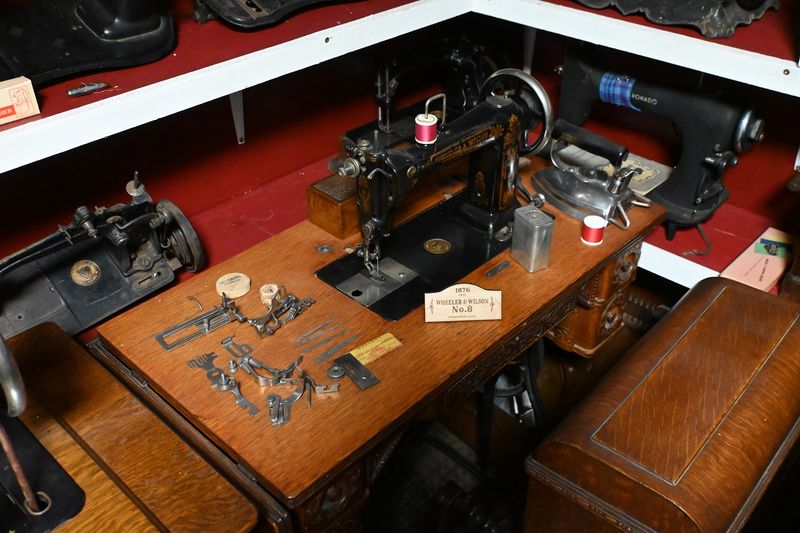
Tulsa has art museums, Route 66 stops, and plenty of history, but only one place where a century-old sewing machine waits for you to take a seat. The Vintage Sewing Machine Museum sits at 5528 S Peoria Ave, Tulsa, OK 74105, in the city’s south side.
It also goes by the Vintage Sewing Center and Museum, and fans sometimes call it simply the M. The name tells you the basics, yet it barely hints at the scale of what is packed inside.
The building holds hundreds of sewing machines plus a long list of related accessories. Some came from far-off countries, while others carry local family stories tied to the people who once owned them.
Unlike a typical museum, much of the collection is meant to be touched. Guests can sit at several machines and try them out, which turns a quick look into a hands-on lesson in how people made clothes, tents, and sails long before modern factories.
The place also works as a teaching space. Sewing classes, youth projects, and even machine repair help happen under the same roof, so the museum feels more like a working shop with a remarkable collection than a quiet gallery.
For Oklahoma families hunting for something truly different within a short drive, this stop on South Peoria is a strong candidate, and the story behind it is half the fun.
2. From Stump Grinder to Sewing Collector
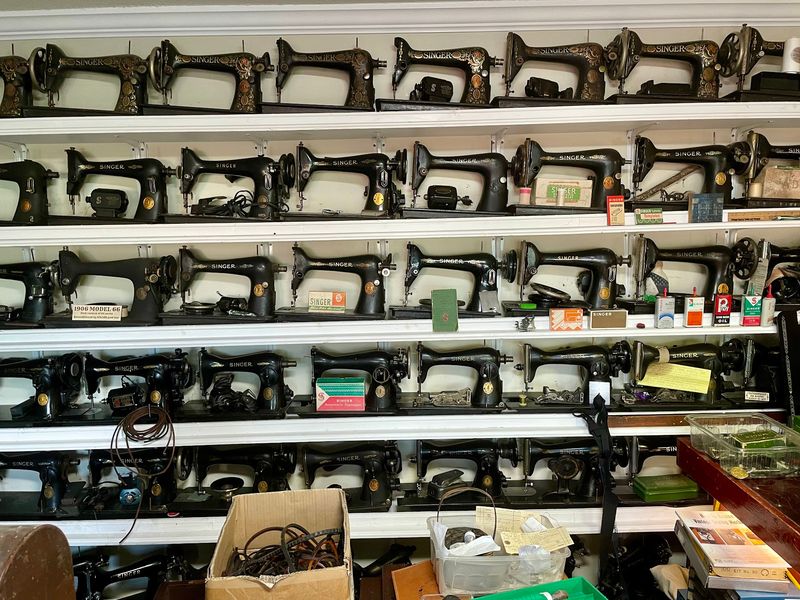
Every great collection needs an origin story, and this one begins with a fishing boat. Around 2016, W.
K. Binger, known to many as Wayne, wrapped up a 30-year career in stump grinding and tree trimming.
His plan for retirement sounded simple. He wanted to reupholster his boat and go fishing.
There was one small problem. He had never sewn anything before.
Undeterred, he bought a heavy-duty sewing machine for $99 and broke it within a couple of hours. Being an inventor who holds many patents, he figured he might replace a part or build his own.
Instead, staff at a fabric store pointed him toward someone who could help with a machine better suited to upholstery. That man turned out to be a past tree-trimming customer, and he handed over a machine on one condition: Binger had to take two more machines and find them good homes.
Those extra machines never left. More followed, and then more still, until the collection reached the thousands.
The museum opened around 2017, almost by accident. It is a fine reminder that one torn boat seat can stitch together an entirely new chapter of life.
3. Hundreds of Machines, One Organized Maze
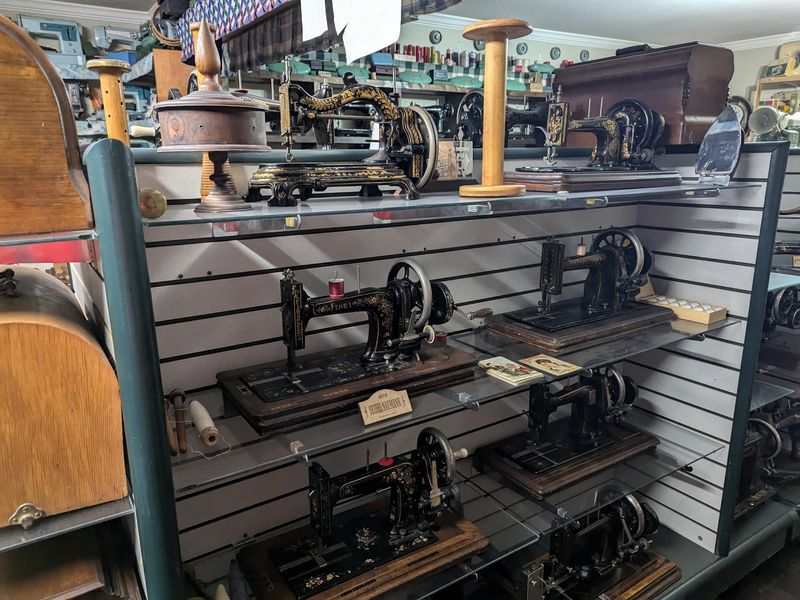
Hundreds and hundreds. That is the simplest way to describe the number of machines on display, and the count does not even include the accessories.
The collection spans roughly a century of vintage machines from around the world. Treadle bases, ornate cast iron models, and heavy industrial units share the floor space.
Despite the volume, the display is meticulously organized. It is full, no question, but it is arranged with care rather than tossed into piles.
The restoration work also stands out. Many machines have been brought back to a very high standard, making them some of the finest examples of their kind you are likely to find.
Variety is a big part of the appeal. Some machines were made to sew garments, while others had very specific jobs, such as a machine built just for hammocks, which tends to become a quick favorite.
Sewing machines were used for far more than clothing. Tents, sails, and book-binding all depended on them, and the collection helps show that wider industrial history.
Fun fact: more sewing machines have been built than any other machine in world history, according to the museum’s founder, with huge effort poured into their engineering. Seeing so many in one room makes that claim easy to believe.
4. Hands On the Treadle, Not Behind Glass
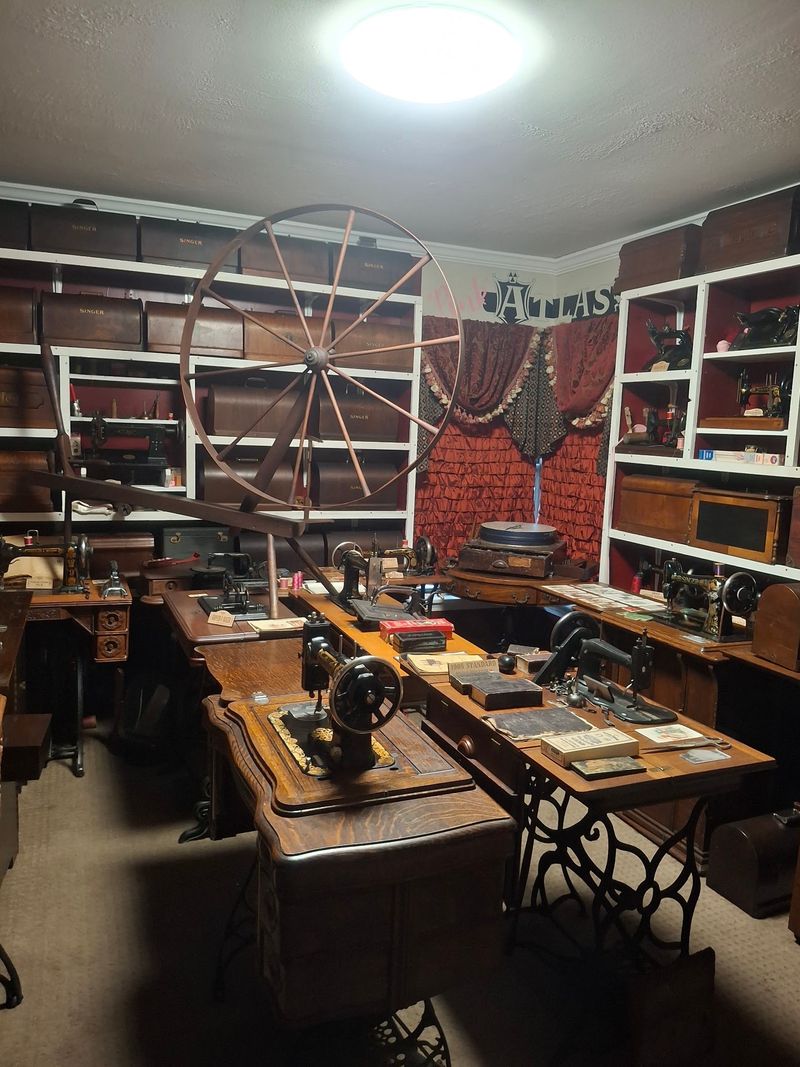
Here is the headline feature: you are allowed to touch things. At this museum, guests can handle and even try out the machines rather than just read about them.
That rule changes everything. A treadle machine makes far more sense once your own feet are working the pedal and the needle starts moving.
Groups often get the chance to sit at and use several different machines during a tour. Even those who walked in with zero sewing experience tend to get a turn.
The biggest showstopper is an industrial leather sewing machine roughly the size of a small automobile. Guests have taken turns operating it, which makes for a memorable photo and an even better story at dinner.
For kids, this is a rare museum where curiosity is rewarded instead of shushed. Parents who usually spend museum trips whispering reminders to keep hands to themselves may find the change a pleasant surprise.
Of course, it is wise to follow guidance on which machines to use and how. Some pieces are valuable, and the staff knows best how each one runs.
Sitting down at a machine built generations ago is a simple act. It just happens to be the kind of simple act that sticks with people long after the drive home.
5. The Storyteller Behind the Needles
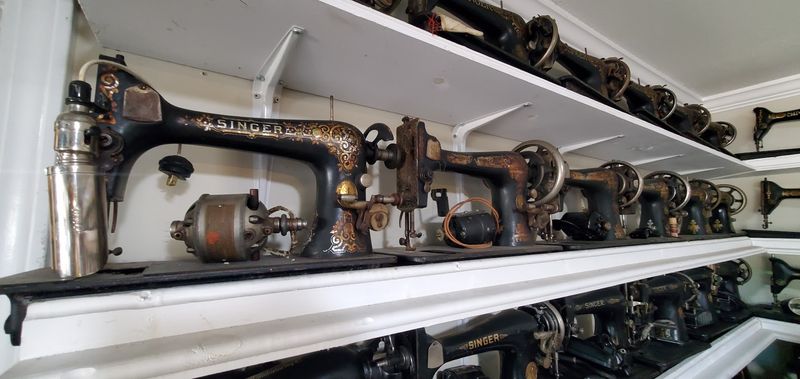
Ask almost anyone who has been, and the collection gets second billing. First place usually goes to Wayne himself.
Knowledgeable staff ranks among the most talked-about parts of a visit. Wayne tends to know the story of every piece, including who owned a machine before it arrived and sometimes even that person’s grandmother’s name.
He explains what each machine was made to sew and how the technology advanced over time. Without that context, a casual browser might admire the shapes without understanding what they are looking at.
That is why a guided tour is strongly worth considering. You can browse on your own, but the history and engineering come alive when someone walks you through it.
There are stories about famous people who donated machines, too. Those tales add a fun layer of personal history on top of the mechanical details.
A fair heads-up: the experience is very personal and conversation-driven. Wayne loves to talk, share his projects, and connect with guests, and some groups find the tour drifts away from the machines toward his work with kids and his views on creativity.
Most people leave charmed. Still, going in expecting a chatty, host-led visit rather than a quiet self-guided gallery helps set the right expectations.
6. Custom Tiles and a Laser Surprise
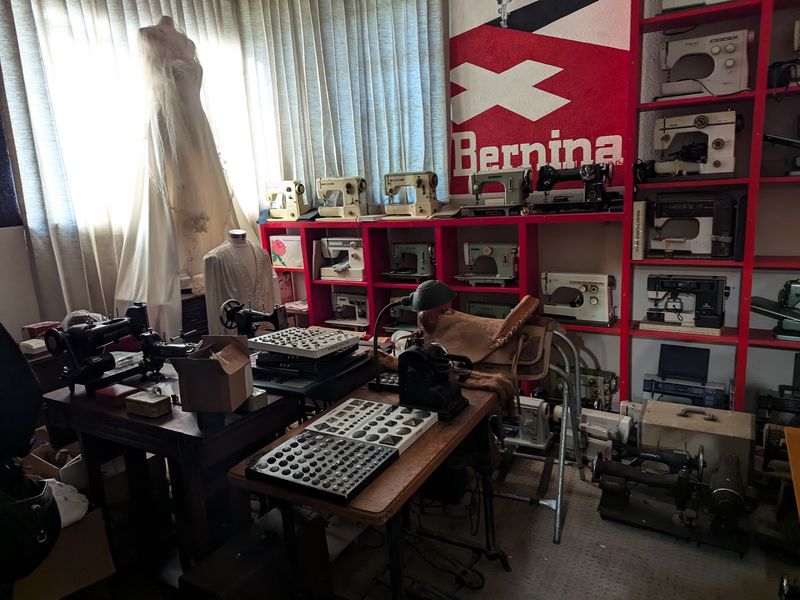
Not everyone who stops by sews, and the museum has an answer for that. Custom tile design is one of the quirkier extras that pops up during a visit.
Using a laser machine, Wayne can create a personalized tile, often in around 20 minutes. Guests have walked out with a tile, and sometimes a keychain, as a keepsake from the stop.
He usually shows off other designs first, so you can see what is possible. Then he helps settle on a pattern that fits your interests or hobbies.
Patches are sometimes made the same way. The laser work ties into the broader maker spirit of the place, where sewing is one tool among many for creating things.
It is a fun bonus, but it is not something every guest asks for. If you would rather spend your time on the machines, it is perfectly fine to say so politely and steer the visit back toward the collection.
Families with younger kids may want to keep an eye on laser safety. Asking for protective glasses before the machine starts is a sensible move.
Plenty of people treasure their tiles. A small handmade souvenir from a sewing museum is a lot more interesting than another refrigerator magnet.
7. Classes, Kids, and the Edge of Failure
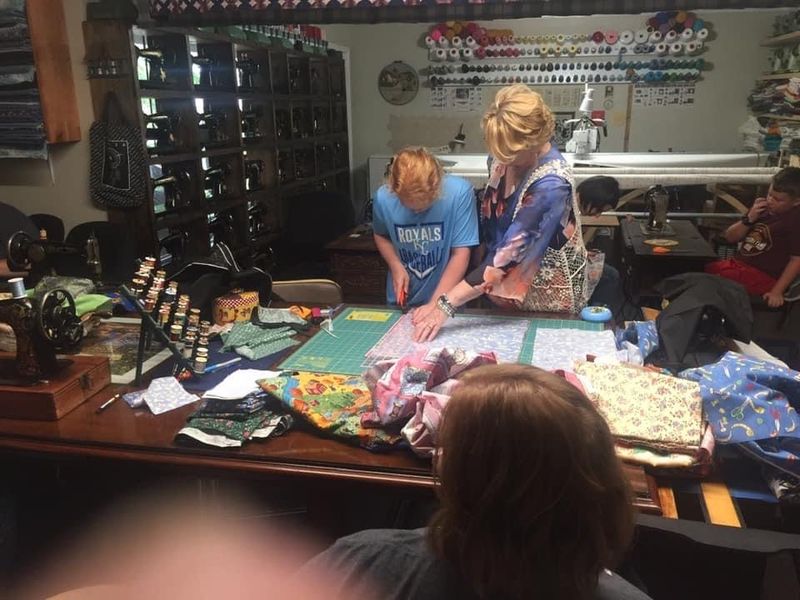
“If you’re not willing to live on the edge of failure, you’re not using all your creativity.” That line from Wayne sums up the teaching side of the museum.
Sewing classes run here for all ages, and a youth program is a big part of the mission. Displays of handiwork made by kids tend to impress guests who did not expect a museum to double as a classroom.
His approach is refreshingly hands-off. When a student has an idea, he lets them work it out instead of telling them a better way.
Mistakes are not tossed out either. He treats student failures as gifts, since they show a willingness to create, learn, and try again.
Students with autism and a student who is blind have been part of the program. Each gets room to work through projects at their own pace.
Current students describe it as a great way to learn and a fun getaway, even for beginners. Donations from guests often go toward supporting the kids’ projects.
Adults can benefit as well. Some people have learned how to service their own old Singer machines, oiling and adjusting them with clear, easy-to-follow guidance, which might be the most practical souvenir of all.
8. Who Will Love It, Sewing Skills Optional
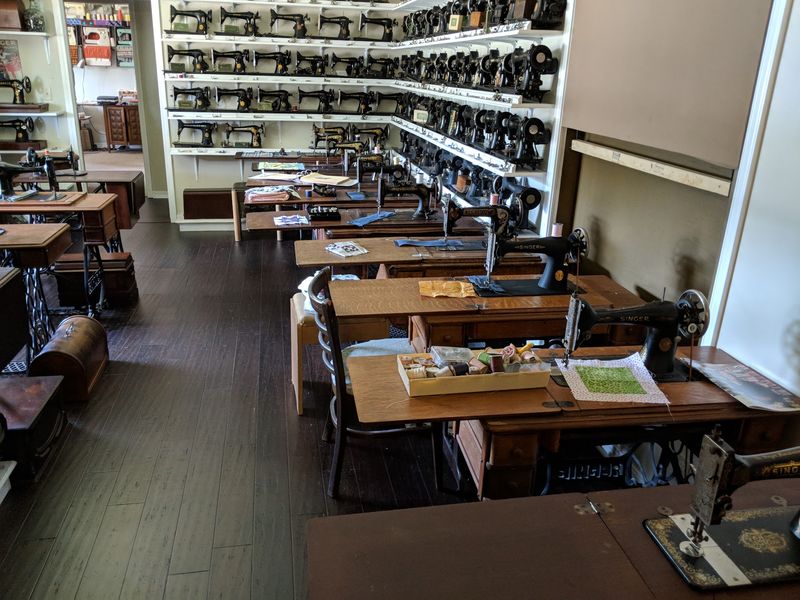
Here is a common pattern: one person drags a spouse along, fully expecting polite boredom. Then the spouse ends up enjoying it just as much, if not more.
No particular interest in sewing is needed. The industrial history and engineering appeal to tinkerers, history fans, and anyone who likes to know how things work.
Groups with one avid seamstress and a couple of non-sewers often report equal enjoyment. That makes it a solid pick for mixed families and friend groups.
Road trippers passing through Tulsa have made it a quick, rewarding detour. Couples have even built anniversary trips around it.
Kids who like making things will find plenty to spark ideas, especially after seeing the youth projects on display. The hands-on rule helps keep younger guests engaged.
The best fit is someone who enjoys conversation. Visits are personal, talkative, and shaped by the host, so travelers who prefer a silent, self-paced museum should plan to say so up front.
Time is the other factor. Many people plan for an hour and leave three hours later, so it suits a relaxed afternoon better than a tight schedule.
In short, curiosity matters far more than skill with a needle.
9. Hours, Admission, and a Worthwhile Detour
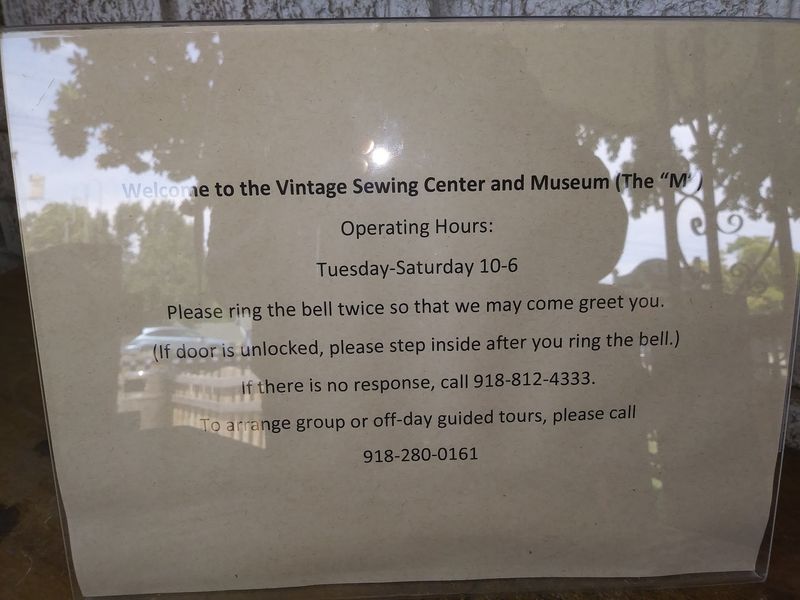
Planning ahead pays off, since the schedule is fairly specific. The museum is typically open Tuesday through Saturday from 12 PM to 6 PM, and closed Sunday and Monday.
Hours listed on some travel sites have not always matched the actual schedule. Checking the museum’s Facebook page before driving over is a smart habit, since hours may change.
Admission has been listed at $10 per person, with an option to pay extra for a guided tour. A donation box is also on site, and many guests happily give more after a great experience.
Prices can shift over time, so confirm current costs before you go. Even so, it remains an affordable outing for a family looking for something hands-on.
Budget at least an hour, and realistically more. Three-hour visits are common once the stories and machine demonstrations get rolling.
The museum holds a 4.8-star average from more than 130 Google users, a strong showing for a niche spot. That said, expect a host-driven experience rather than a quiet stroll.
For Oklahomans who think they have seen everything Tulsa offers, this place is a happy surprise. Pull up a chair, press the treadle, and let a little history run through your hands.
Share this story