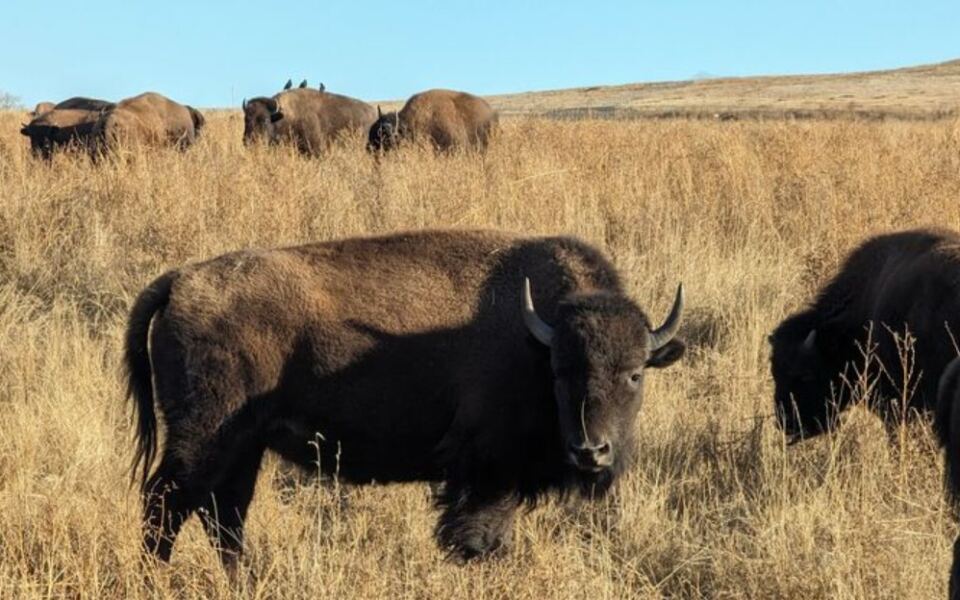
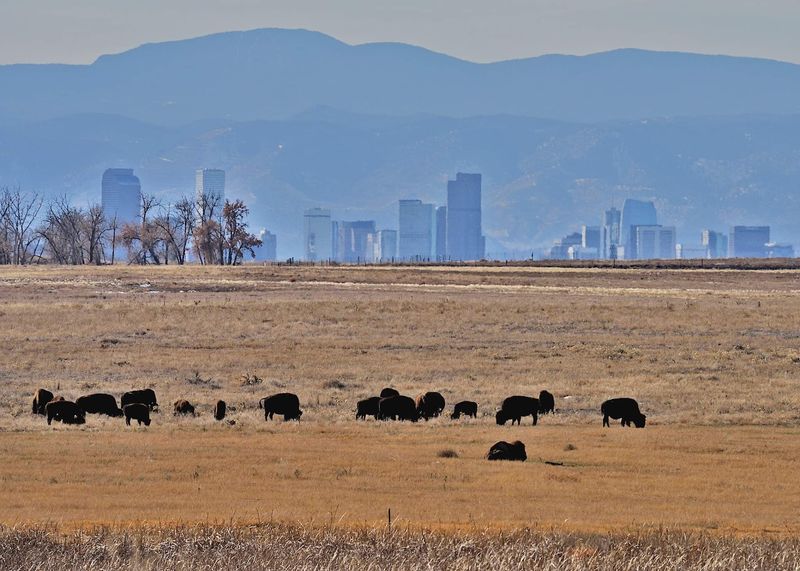
A herd of bison can block your view of the Denver skyline, and it happens closer to downtown than most people expect. There is no long mountain drive, no I-70 traffic, and no entrance fee standing between you and a shaggy, slow-moving traffic jam. Prairie dogs pop up beside the pavement, mule deer graze in the distance, and the whole loop can be done without ever leaving your seat.
Even better, the land itself carries one of the most surprising comeback stories in Colorado. Keep reading for the history, the best times to spot the herd, the free audio tour, and the schedule quirk that catches plenty of people off guard.
1. A Prairie Refuge Hiding in Commerce City
Few Front Range residents realize a full-blown prairie sits just northeast of the city. Rocky Mountain Arsenal National Wildlife Refuge is at 6550 Gateway Rd, Commerce City, CO 80022, in the Denver metro area of Colorado.
The refuge is an urban wildlife area known for eagles and much more. Its open lakes, wetlands, prairie grasslands and woodlands are home to more than 330 species.
That variety is the big draw for anyone who wants nature without a weekend road trip. The setting feels like the plains even though city neighborhoods are not far away.
The property is large, and the main attraction for many is the Wildlife Drive. Cars roll slowly through the grasslands, and animals often appear right along the route.
Bison are the headliners, with prairie dogs close behind in popularity. Mule deer, coyotes and plenty of birds round out the cast.
The refuge also has a visitor center, trails and fishing lakes. Still, the drive is what turns a short trip into a memorable afternoon.
For locals hunting a quiet outing close to home, it checks a lot of boxes. And the story behind this land makes the experience even richer.
2. From Wartime Factory to Wildlife Haven
History buffs, this part is for you. The ground beneath the bison once served as a World War II munitions and chemical production site.
Over the years, the land went through a major cleanup. It was eventually turned into a wildlife refuge in the early part of the 21st century.
That transformation is what makes the place stand out from other Colorado nature spots. A site once tied to weapons production now serves as a home for animals and a peaceful escape for people.
The visitor center lays out this journey through exhibits on the history of the area. It explains how the property changed from industrial use to protected habitat.
Plenty of people say the backstory changes how they see the landscape. A drive past grazing bison carries more weight once you know what came before.
It is a story about restoration, not just preservation. Colorado has many beautiful places, but not many with a second act this dramatic.
Spending a few minutes with the exhibits before heading out on the loop is time well spent. The animals make more sense once you know how hard their home was won.
3. The Herd That Steals the Show
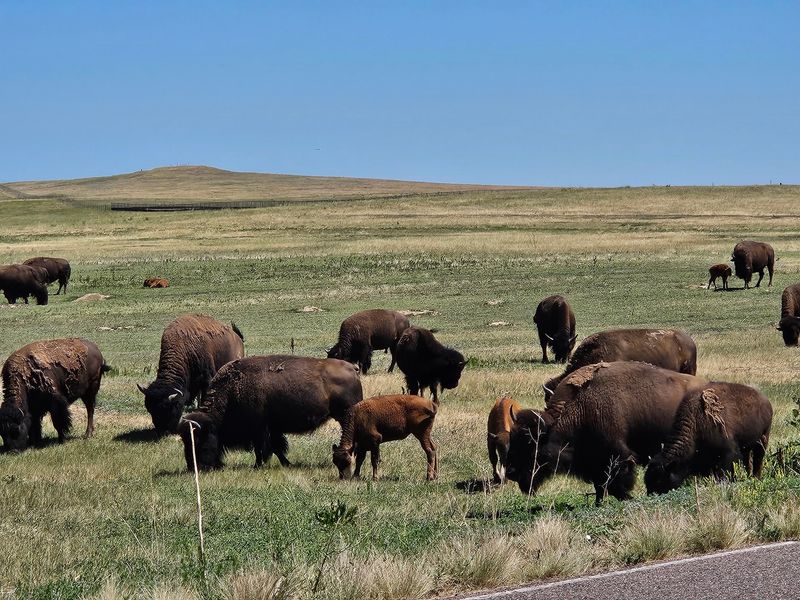
Bison do not care about your schedule, and that is half the fun. They wander where they please, and sometimes that means right near the road.
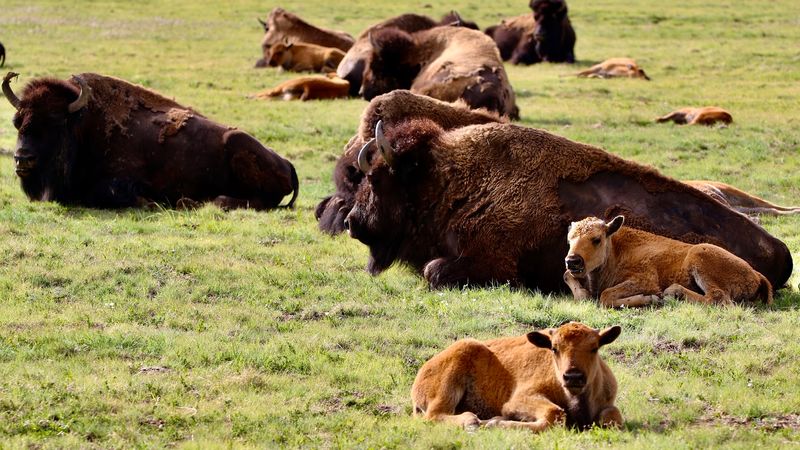
The bison herd is easily the most talked-about feature of the refuge. Many drivers see the animals scattered across the grasslands, while others catch the herd on the move.
Early morning tends to deliver the best results. A June morning trip timed with opening can mean watching the herd travel across the prairie.
Sunrise and sunset are often called the most active times for bison. Midday trips may still deliver sightings, though the big animals can be more relaxed or farther off.
Some days, the herd stays at a distance. One bison might be close while the rest require a zoom lens to see well.
That unpredictability is part of the appeal. Each loop can look completely different from the last.
Patience pays off here, so drive slowly and scan the horizon. A slow pace is required anyway, and a dark shape on the hill could turn out to be your best photo of the year.
4. Prairie Dogs With Something to Prove
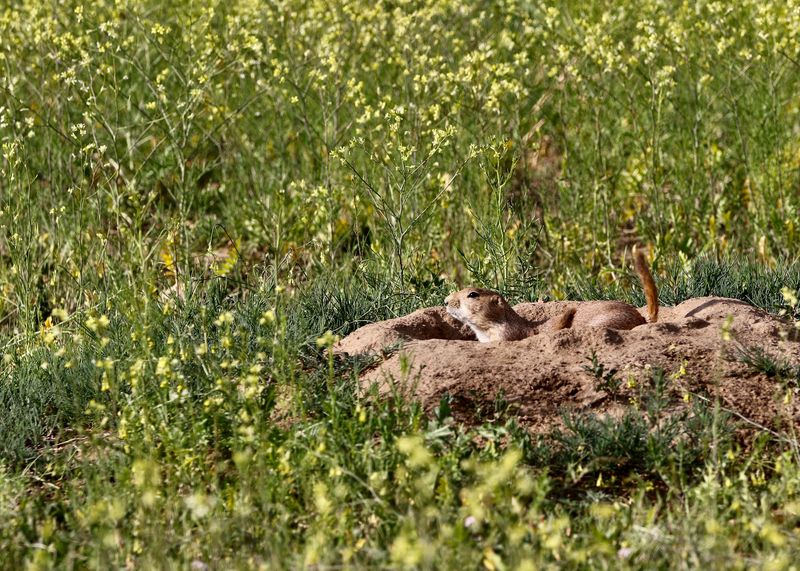
Bison may get top billing, but the prairie dogs have serious fan clubs. Thousands of them live across the refuge.
They can blend into the grass at first glance. Slow down or pull to the side, look at the ground, and movement seems to appear everywhere.
Watching them pop in and out of burrows can easily fill an hour. Their social antics make for a lively show, and kids tend to love them.
Pre-teens have turned the drive into a game of snapping selfies through the car window with a standing prairie dog in the frame. Success rates vary, which only adds to the entertainment.
These little critters also earn a warning. Some act like daredevils, darting across the pavement as if testing your brakes.
Driving slowly everywhere inside the refuge, and on the approach, is the smart move. Your brakes and the prairie dogs will both appreciate it.
Even on days when the bison route is closed, the prairie dogs can save the trip. Several people say they left completely satisfied after spending time with these small stars alone.
5. Rules of the Road and a Free Audio Guide
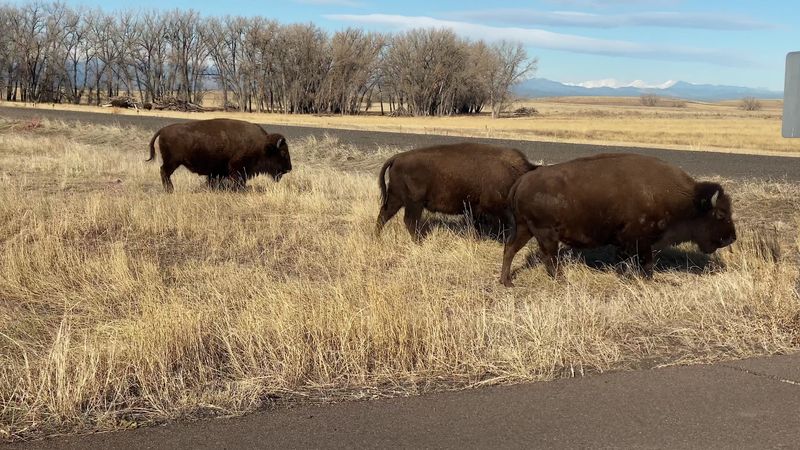
Here is the deal on the loop: once you are on it, you stay in your car. That rule keeps people and wildlife safe, and it makes the experience easy for nearly anyone.
The roads are simple to navigate. Plenty of pull-off spots let drivers stop for photos or simply watch the scenery for a while.
The loop is large and can take a good half hour or more. Many people circle it several times, especially when the animals are active.
An audio tour makes the drive far more interesting. It walks you through the route mile by mile with information about the wildlife and the land.
The audio guide can be streamed on your phone. It is available through the refuge website and has also been found on Spotify and YouTube.
Not every animal mentioned will appear on every visit, so keep expectations flexible. Still, the narration fills quiet stretches with useful context.
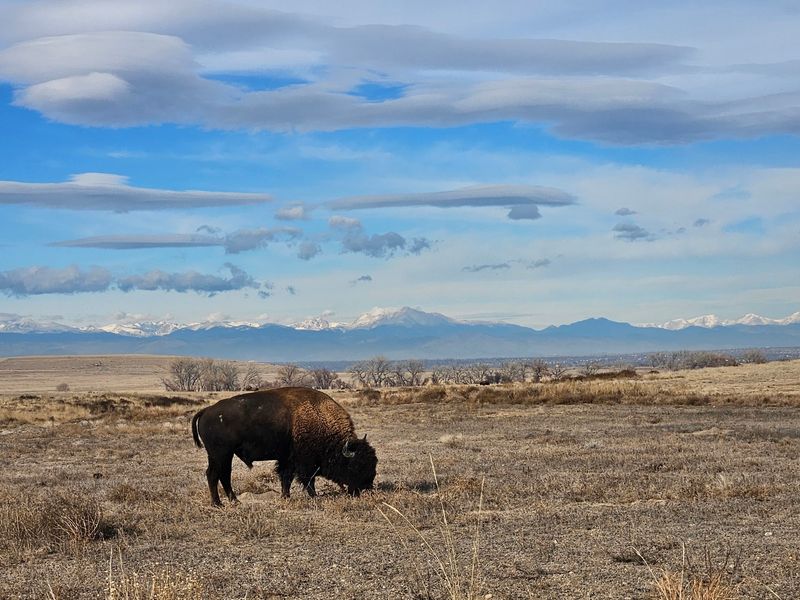
Some families even pack lunch to eat in the car while looping. It is a low-effort outing that suits grandparents, toddlers and everyone between, and the open prairie with mountains behind it makes the view hard to beat.
6. Exhibits, Crafts and an Elusive Ferret House
Ferrets are famous for playing hard to get. The black-footed ferret house at the refuge proves that point regularly.
Black-footed ferrets are endangered, and the refuge has an outbuilding featuring animals being introduced to the arsenal. Because ferrets are nocturnal, they often hide during daytime hours, though some people do get lucky.
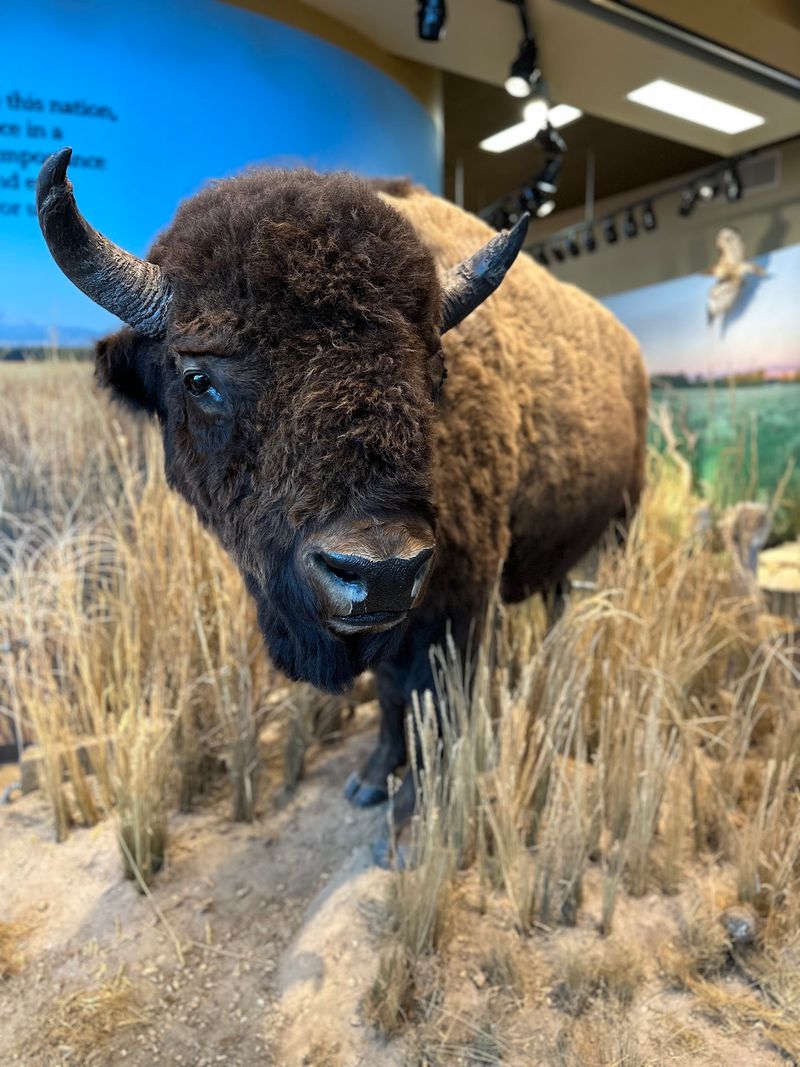
The modern visitor center makes up for any no-shows. It features multiple exhibits on local history and the animals of the refuge.
Families with younger kids get a lot out of the stop. There is a gift shop, and sometimes there are kid activities such as a room for painting and other crafts.
Outdoor exhibits have included a teepee that guests could walk inside. Plaques throughout explain what you are seeing.
Parking is plentiful, and the restrooms are generally kept clean. Occasionally, cleaning happens right at opening, so restrooms may be briefly unavailable first thing.
Staff and volunteers are known for being friendly and informative. Stopping in before the drive gives the whole outing a stronger foundation.
7. Skyline Views, Sunsets and Quiet Trails
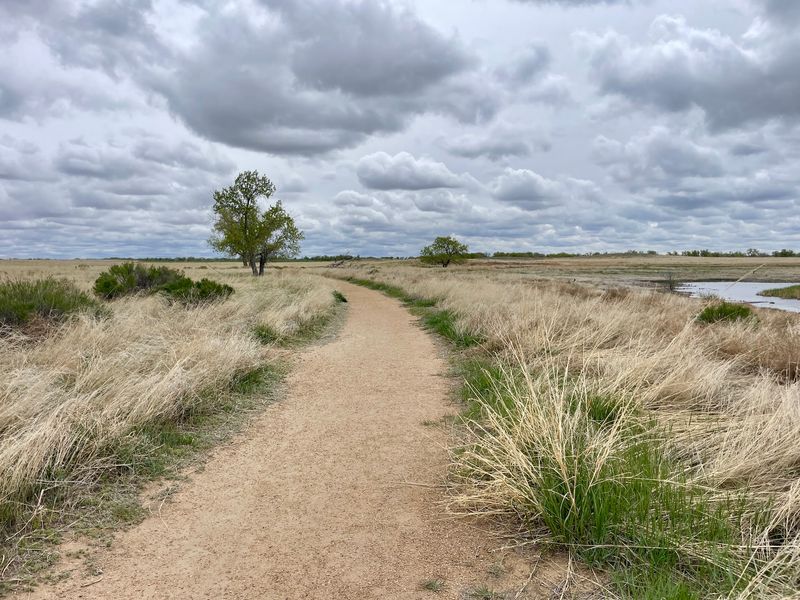
Photographers tend to fall hard for this place. Wide open prairie, distant mountains and the downtown Denver skyline all fit in one frame.
Sunrise and sunset are favorite times for photos. The skyline view in the far distance adds a striking city-meets-prairie contrast.
Serious wildlife shooters should bring a long lens. A 400mm lens may feel short, and some recommend going up to 800mm.
Birders have plenty to watch as well. Magpies, eagles and many other species call the refuge home, though bird sightings can vary from day to day.
Beyond the drive, there are trails for walking and lakes for fishing. These give visitors a chance to stretch their legs and slow down even more.
The atmosphere is calm and uncrowded. Many longtime locals treat the refuge as a personal reset button after a tough week.
It also works well for family photos and for showing out-of-town guests a different side of Denver. Anyone expecting Yellowstone-level drama may find it mellow, but the quiet is the point.
8. Hours, Cost and the Case for Going
Mark your calendar carefully, because Mondays and Tuesdays are off the table. The refuge is closed both days.
From Wednesday through Sunday, hours run 9 AM to 4 PM. That narrow window means arriving at opening is often the best strategy for wildlife sightings.
Now for the best part: admission is free. A no-cost outing with bison is a rare thing anywhere, let alone this close to Denver.
Note that government shutdowns have closed areas and the main auto tour route in the past. Checking the official refuge website at fws.gov before heading out is a smart habit.
Weekend mornings and Sunday afternoons both make easy outings. Crowds are typically light, and the parking lot has lots of space.
For retirees, busy parents and anyone watching the budget, the value is tough to top. You get history, wildlife and big views without long drives or entry fees.
So the next time someone says you need to head to the mountains to see Colorado’s wild side, consider pointing them toward Commerce City. The bison will likely be waiting, on their own schedule, of course.
Share this story