Some of the best afternoons in the Hudson Valley cost nothing at all. There is no ticket booth, no gift shop, and no line, just a tiny parking lot, a few marked trails, and a waterfall that drops right toward the Hudson River.
The walk is short enough for kids and grandparents, yet the river views make it feel like a much bigger trip. Families and dog owners from around Saugerties keep returning to this quiet patch of woods year after year.
Stick around to learn which trail leads to the falls, which one tests your ankles, where the old icehouse hides, and why arriving early matters more than you might think.
1. A Riverfront Preserve Off Dominican Lane
Tucked at the end of a quiet road, the trailhead is easy to miss and hard to forget. Falling Waters Preserve sits on Dominican Ln, Saugerties, NY 12477, in the Hudson Valley of New York State.
The property is a day-use nature preserve managed by Scenic Hudson, a group known for protecting land along the river. It offers hiking, fishing access, grassy fields, a waterfall, and the remains of an old icehouse.
Nothing here is flashy. That is part of the appeal.
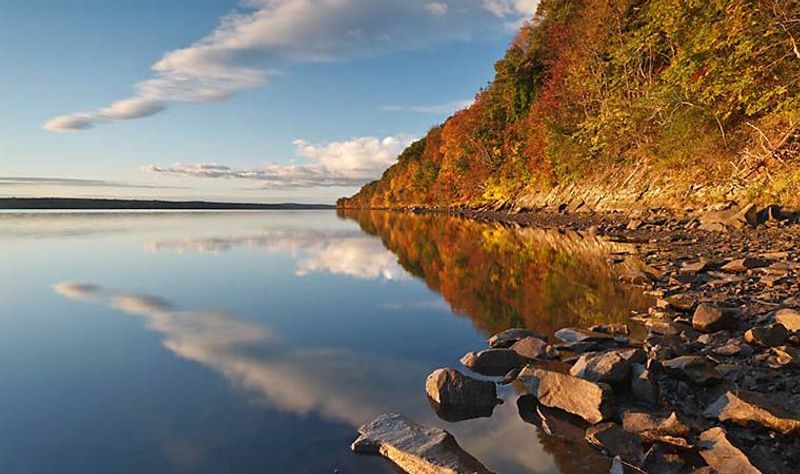
The preserve hugs the western bank of the Hudson River, so nearly every path eventually bends toward the water. Woods shelter most of the trails, which keeps walks comfortable even on breezy days.
For Upstate families and weekend drivers coming from Kingston, Albany, or farther south, it works as a simple, low-stress outing. Locals treat it as a reliable go-to rather than a once-a-year destination, and the steady return trips say plenty about its staying power.
The best way to understand the place is to start with what it protects and how it got here.
2. Land Kept Wild on Purpose
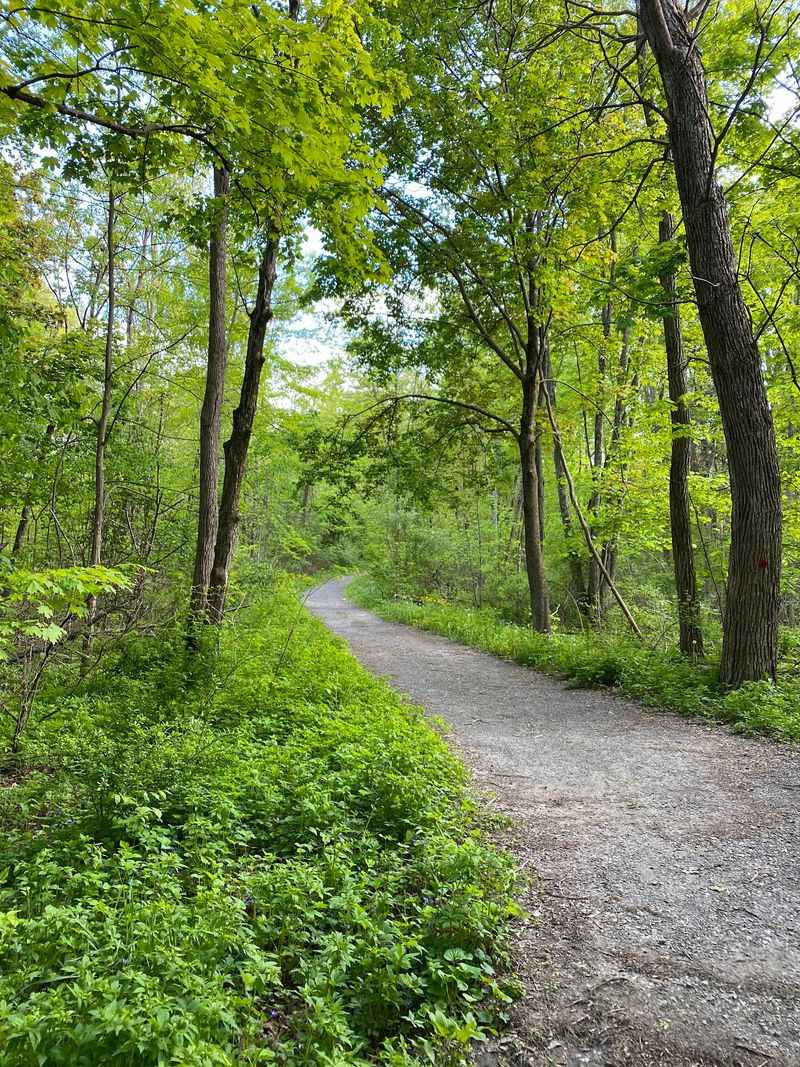
Plenty of riverfront land in New York has turned into houses, docks, and private lawns. This stretch went another way.
Scenic Hudson keeps the preserve open to the public as protected land, free of charge. The shoreline, the woods, and the small streams that feed the falls remain a shared space instead of a private backyard.
The preserve has reportedly carried a connection to religious land in the area, which helps explain the Dominican Lane address and a trail named for Father C. Jorn.
The blue trail carries that name, a small nod to the people tied to this ground before it became a public preserve.
What has not been lost here is the simple idea of a walk in the woods that anyone can take. No membership card is needed.
That old-fashioned generosity fits right into the rhythm of Saugerties, a town that still values its river and its open spaces. The trail system itself, with its three colors, tells the next part of the story.
3. Three Colors, Three Personalities
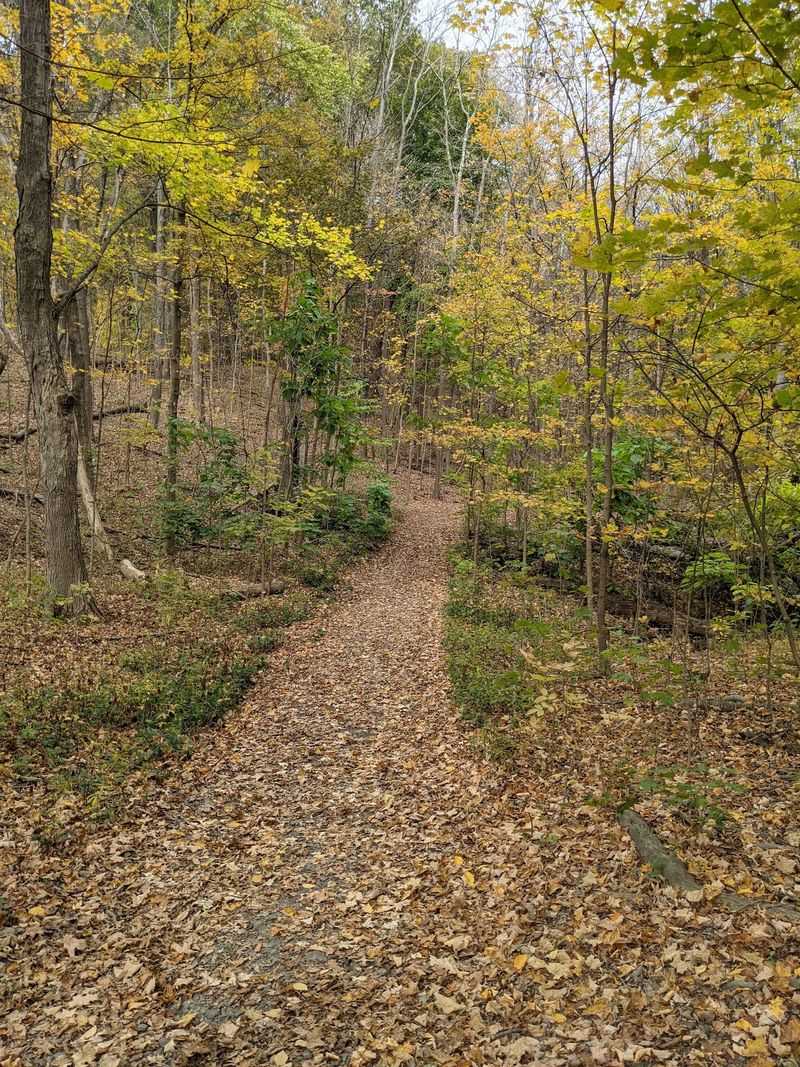
Red, white, and blue. The trail colors look patriotic, but each one has its own mood.
The red trail is the main route, running roughly a mile through gently sloping woods. It leads to a waterfall and is the most relaxed of the three.
The white trail branches off red and drops about three-quarters of a mile down to the Hudson. It follows the shoreline before climbing back to meet red again.
The blue trail, also called the Father C. Jorn trail, runs about half a mile down toward the river.
It passes another waterfall and the ruins of the old icehouse.
Paths are clearly marked with blazes, and the trails connect, so hikers can head out on one route and return on another. Combining them adds up to roughly two miles from start to finish.
Mixing and matching is half the fun. A family might stroll red only, while a restless hiker strings all three together for a fuller loop.
Every color has a reason to exist, and the red route deserves a closer look first.
4. The Red Trail to the Falls
Just under nine-tenths of a mile. That is roughly how far the red trail runs from the parking area to its end at a waterfall.
The route is widely considered an easy walk. Mostly flat sections are broken up by a few modest inclines, and rocky patches show up here and there.
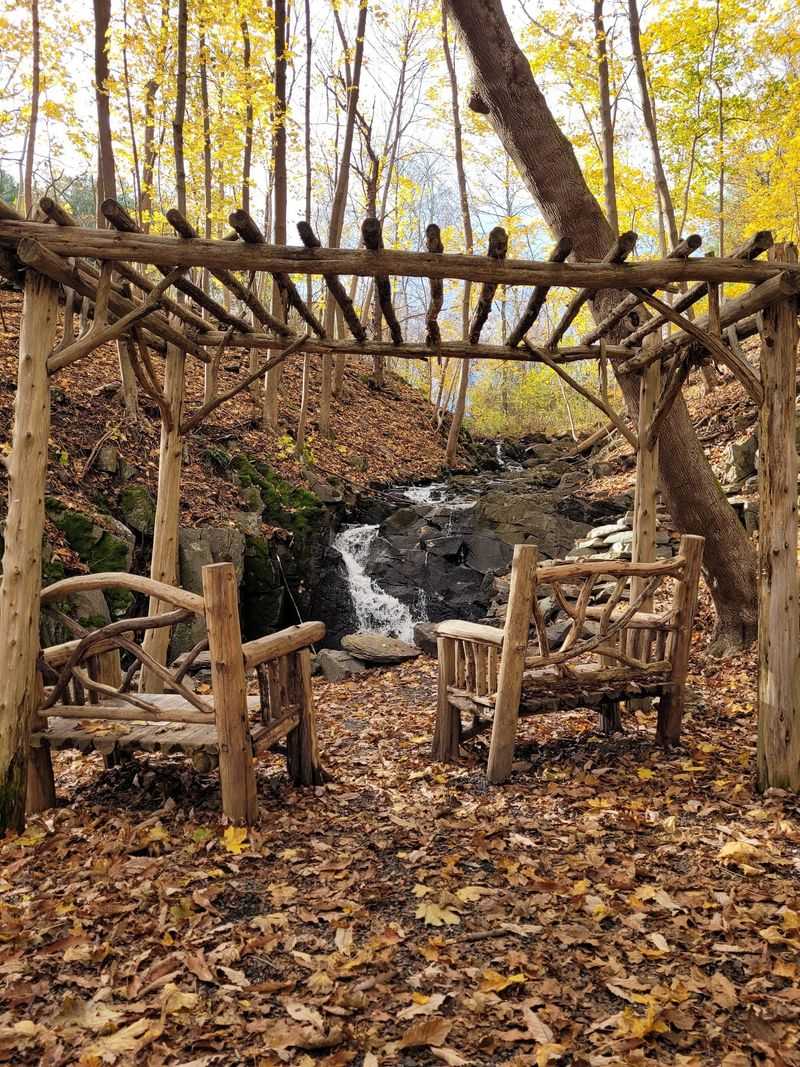
Benches appear at fairly frequent intervals along the way. Tired legs get a break without much waiting.
Woods line the path the entire time, which means shade in summer and shelter from wind on blustery afternoons. The upper part of the red trail also passes a flower field that draws attention in fall and likely shines even more in spring and summer.
One section climbs a steep hill that can get a heart rate going. It is short, though, and the payoff at the top makes it worthwhile.
For first-timers, red is the smart starting point. It delivers the headline attraction with the least fuss, and the falls waiting at the end are the reason many people come back.
5. A Small Waterfall With a Big Following
Expectations matter here. Niagara this is not.
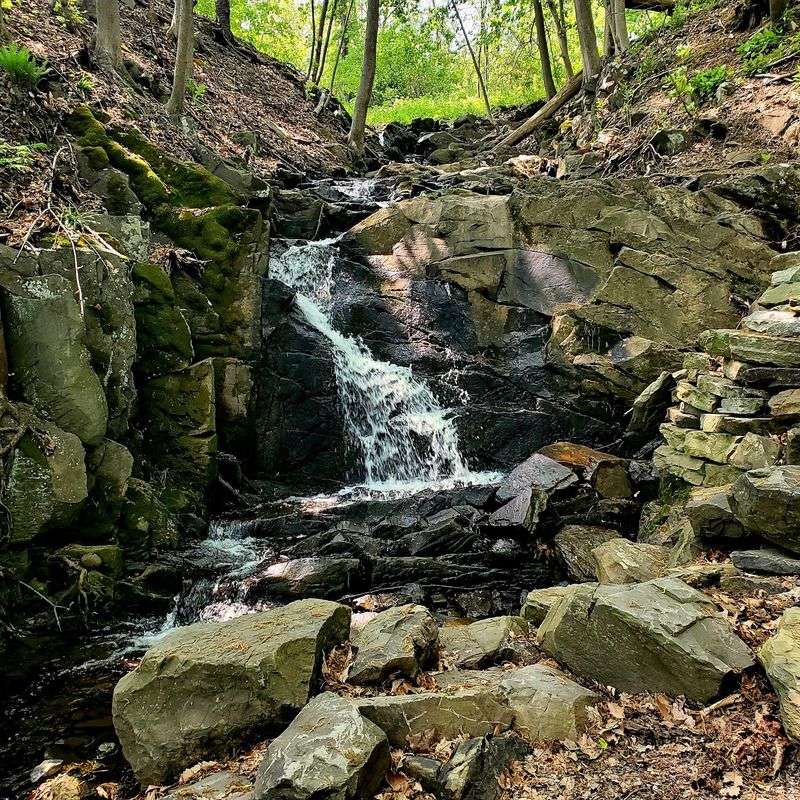
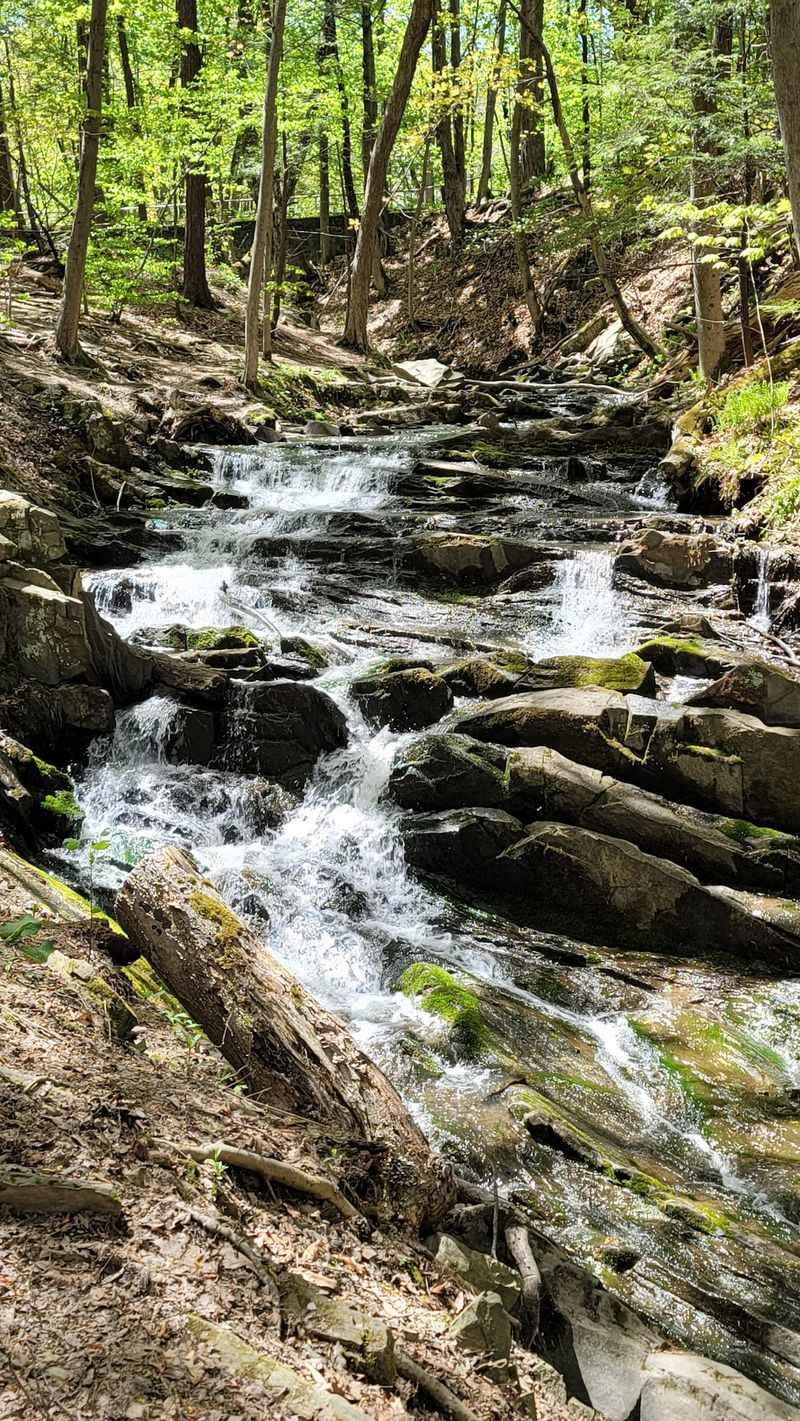
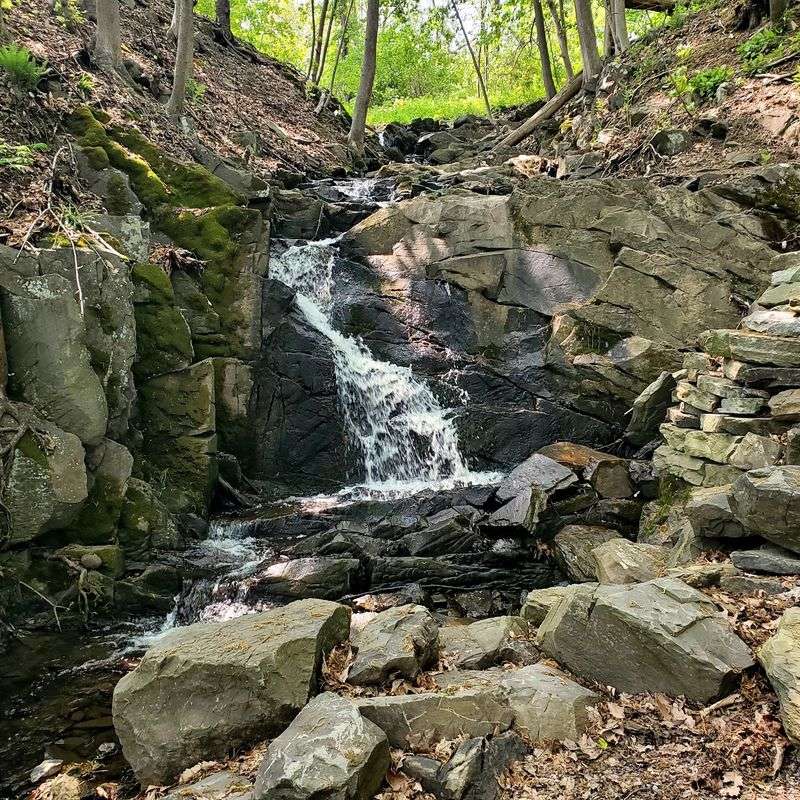
The falls at the preserve are small, more charming than dramatic. Regulars describe them as a cute little spot rather than a towering spectacle.
What makes them special is the setting. The water tumbles down toward the Hudson River, so the stream and the big river meet in one frame.
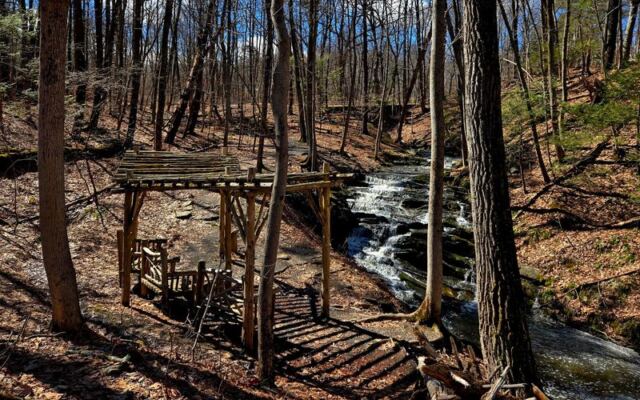
A seating area near one of the falls makes a natural midpoint for the hike. There are two such resting spots near the waterfalls, and both invite a long pause.
Some hikers pack a small lunch and eat beside the falling water before heading back. It turns a short walk into a proper outing.
Water levels vary with the seasons and recent rain. After wet weather, the falls tend to run fuller, though the trails can get muddier too.
Modest in size and generous in calm, the waterfall earns its loyal crowd honestly. For anyone who wants more river and less shade, the white trail is calling.
6. The White Trail Along the Shore
Ankles, consider yourselves warned. The white trail is the preserve’s tougher side.
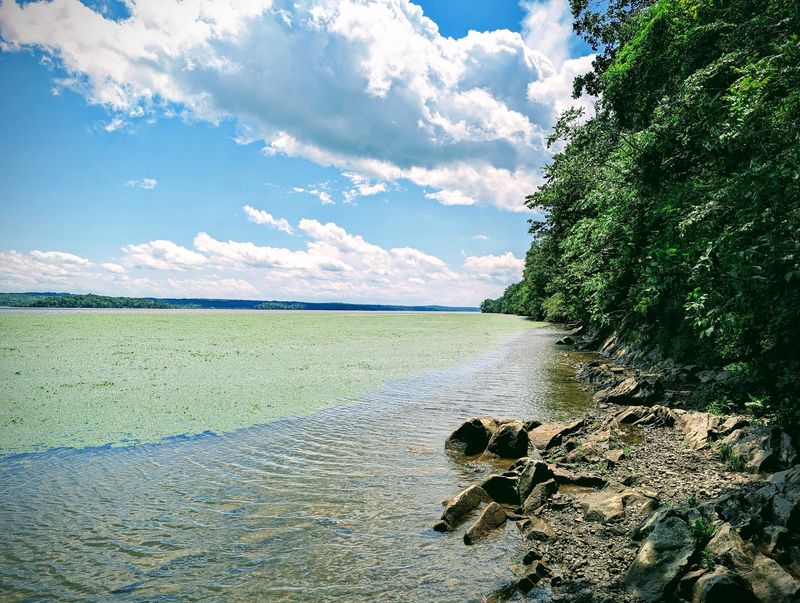
Also called the riverside trail, it runs right along the Hudson. The views are the best in the preserve, and many hikers rank it as their favorite stretch.
The terrain earns a moderate label. Expect narrow single-file sections, loose stones, tree roots, and steep rocky hills.
Some spots slope toward sheer drop-offs with no rails or barriers. Kids may complain, and this trail has no benches.
Still, the payoff is real. A little beach at the river’s edge gives dogs a spot to splash, and quiet coves offer good spots for bird watching.
After the shoreline, the white trail climbs back up to meet the red trail. The return on red feels level and easy by comparison.
It is the trail for people who like a little challenge with their scenery. Sturdy shoes are not optional, and neither is paying attention, which brings up the blue trail and its ruins.
7. Icehouse Ruins on the Blue Trail
Long before refrigerators, the Hudson River supplied ice. The blue trail leads to a reminder of that era.
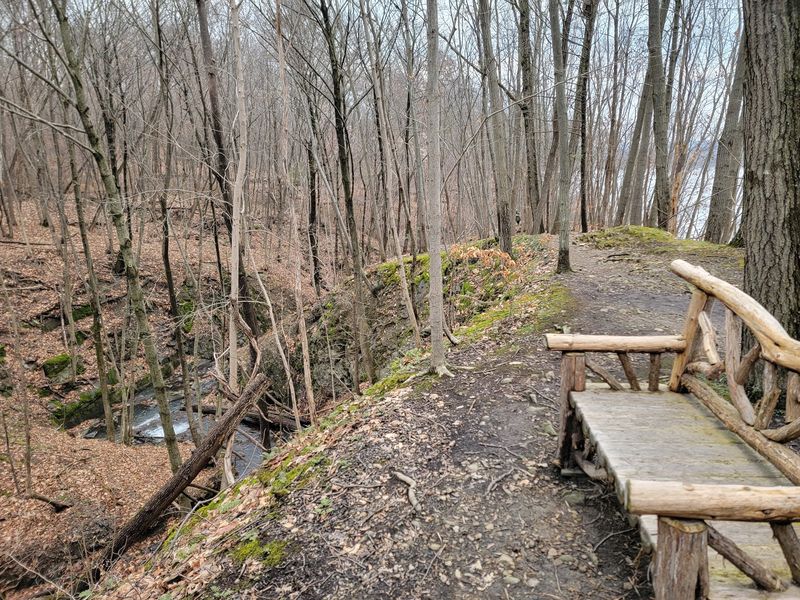
Remains of an old icehouse sit along this route. Ice harvesting was once a major industry along the Hudson, and ruins like these are scattered traces of it.
The blue trail, named for Father C. Jorn, runs about half a mile down toward the river.
It passes more water and a second waterfall on the way.
Families with young kids and older walkers tend to find it very manageable. Benches and viewing spots let people stop and take in the scene.
One note of caution: the blue trail has at times been closed, cutting off access to the other falls. Checking the Scenic Hudson website before a visit can save a disappointing turnaround.
History buffs will want to pair this route with the red trail for a full picture of the preserve. A little past, a little present, and a couple of waterfalls in between makes a fine afternoon plan.
8. Handmade Benches and Rest Stops
Benches might not sound exciting. At this preserve, they are a quiet highlight.
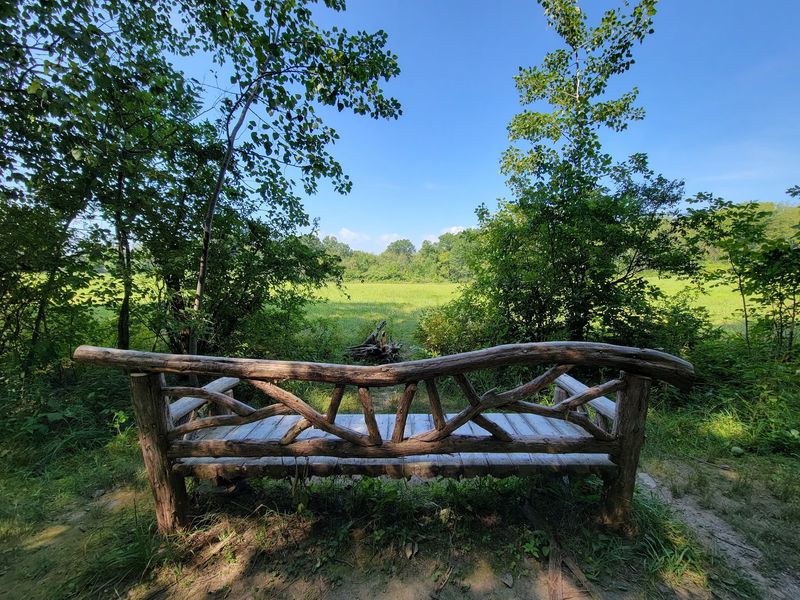
Wooden handmade benches dot the red and blue trails. They show up at regular intervals, often at observation points looking toward the water.
For older hikers or kids with short legs, those seats change the whole experience. A two-mile walk becomes a series of small, easy chunks.
Several spots double as viewing areas over the river. Others sit near the falls, perfect for a snack break.
The craftsmanship adds a personal touch. Handmade seats in the woods signal that someone cared enough to build them for strangers.
The white trail is the exception, with no benches along its rougher shoreline sections. Plan rest breaks accordingly.
In a world of quick everything, a spot that encourages sitting still feels a little old-school in the best way. Plenty of people visit as much for these pauses as for the walking, and the wildlife nearby makes those pauses even better.
9. Birds, Ducks, and River Life
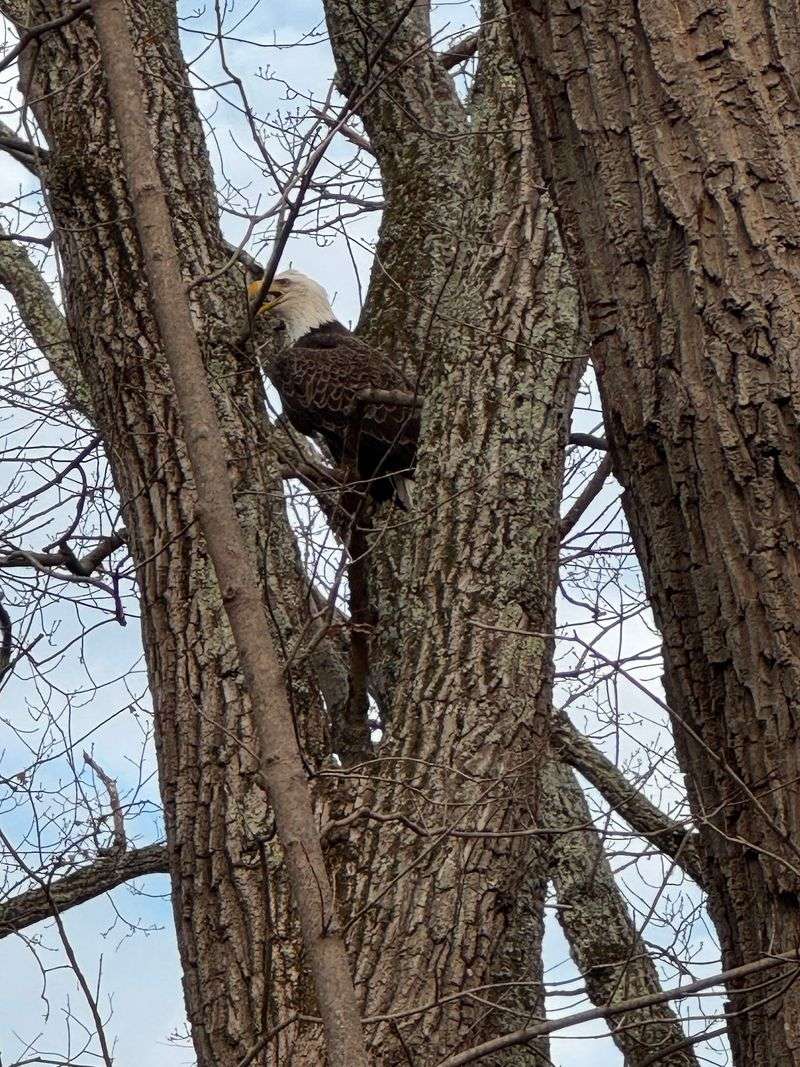
Binoculars earn their spot in the daypack here. The preserve is a solid place for bird sightings.
Woods, streams, and open river create a mix of habitats in a small area. Ducks sometimes paddle along the stream that runs through the trails.
The Hudson itself adds another layer. At low tide, hikers can reportedly descend to the water’s edge and spot water chestnuts floating near shore.
Fishing is also listed among the activities at the preserve, making it a quiet stop for anglers who prefer shoreline access to crowded docks.
Grassy fields and the upper flower field round out the scene. Each season brings changes, from summer greenery to autumn color to the bare branches of winter.
Patience pays off. The slower the walk, the more there is to spot, and a bench near the river makes a fine lookout post.
Wildlife is not the only company on these trails, though. Four-legged hikers show up in big numbers.
10. A Favorite for Leashed Dogs
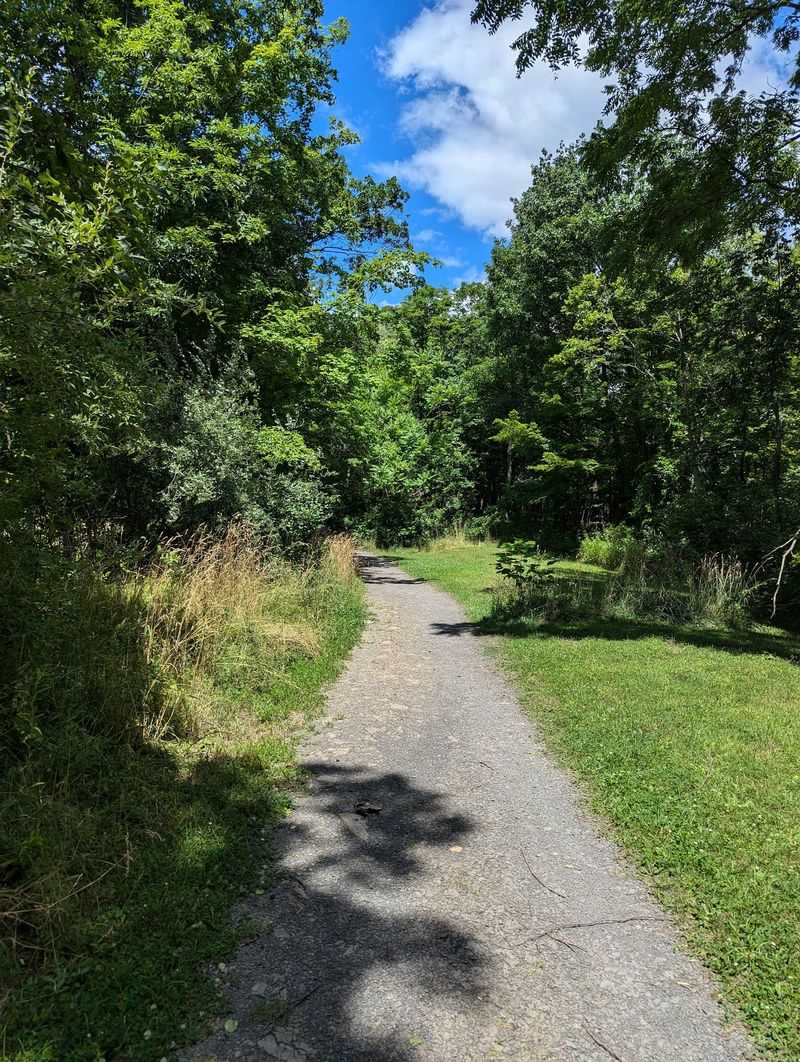
Tails wag often on these trails. Leashed dogs are welcome throughout the preserve.
On a typical day, a good share of hikers bring a dog along. The crowd tends to be considerate, and the pups are generally well-behaved.
The little beach at the river’s edge on the white trail is a canine favorite. Shaded woods keep walks comfortable on warmer days.
Owners should still pack water and a waste bag. The preserve is carry in, carry out, so anything brought in should leave with its owner.
Ticks are a known concern in the area, and a warning is posted. Staying on the trail and doing a check afterward is smart for people and pets alike.
Bikes are not permitted, which keeps the paths calm for walkers and their dogs. No one needs to dodge a speeding wheel around a blind corner.
A free, shaded walk with a river at the end is a pretty good deal for any dog. The people holding the leashes seem to agree, and families follow close behind.
11. Who the Trails Suit Best
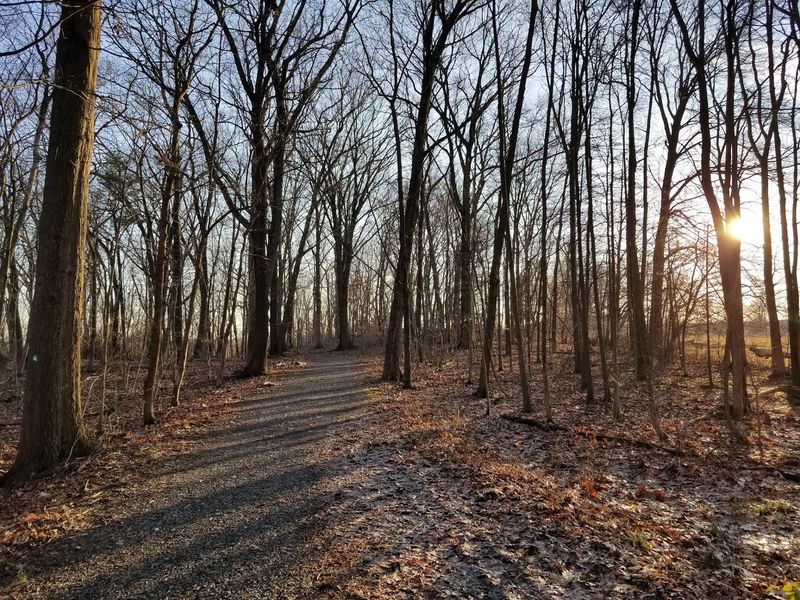
Grandparents, toddlers, and casual walkers all fit in here. That range is rare on a riverfront trail.
The red and blue trails work well for young kids and older folks. Gentle grades and frequent benches keep things manageable.
More experienced hikers can add the white trail for rocks, roots, and steeper climbs. The variety lets a mixed group split up and reunite at the falls.
Strollers are a different story. Paths are fairly flat but very bumpy, so a baby carrier is the better choice.
The overall atmosphere stays quiet and peaceful. People tend to walk slowly, stop often, and keep their voices low.
A full loop can take about an hour with stops. That makes it an easy add-on to a fall drive or a weekend errand run through Saugerties.
Simple, free, and welcoming, it suits nearly anyone willing to wear the right shoes. Speaking of shoes, the trail conditions deserve their own warning.
12. Mud, Roots, and Winter Ice
Good shoes make or break this hike. Roots love to catch ankles.
Even the easy red trail has rocky stretches. The white trail adds loose stones and tree roots across narrow sections.
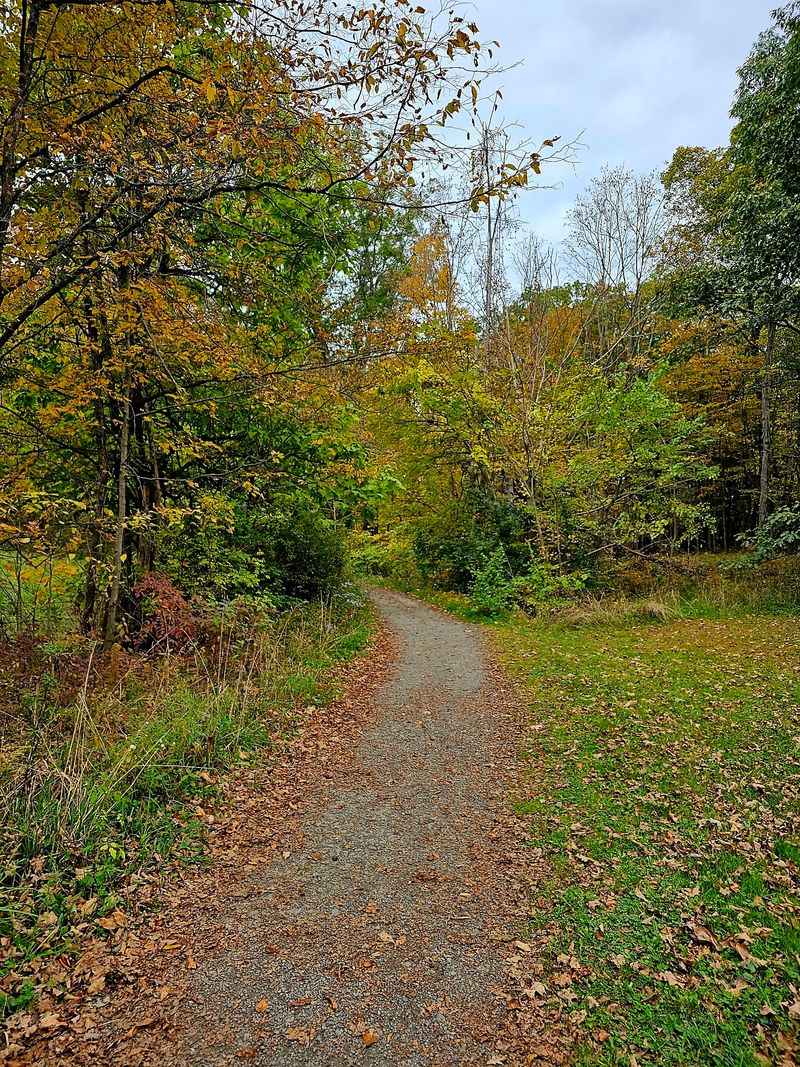
After rain, parts of the trails turn muddy. In autumn, wet leaves can make slopes slippery, especially along the river.
Winter brings the biggest surprise. The trails can become completely iced over, and hikers without traction devices have had to turn back.
Ice spikes or microspikes are a must in the colder months. Warmer seasons are far more forgiving.
Spring and summer bring the flower field to life, and fall paints the woods in color. Each season offers its own version of the preserve, as long as footwear matches the conditions.
Preparation turns a slippery slog into a pleasant walk. Next comes the practical stuff that trips up more people than any root: the parking lot.
13. Hours, Parking, and Free Admission
Ten cars, give or take. That is roughly all the parking lot holds.
On mild weekend days, the lot fills quickly. Late afternoons and weekdays are often easier, and arriving early helps.
The preserve is open daily from 7 AM to 7 PM. Entry and parking are both free.
There are no bathrooms on site. Plan a stop in town before heading to the trailhead.
Bikes are not allowed, and leashed dogs are welcome. Everything is carry in, carry out, so bringing a trash bag is a thoughtful move, and some regulars even pick up litter they find.
Scenic Hudson posts updates on its website, scenichudson.org, including any trail closures. A quick check can prevent a wasted drive.
Free access and posted hours make planning simple. The only real cost is the gas to get there, and with all the practical boxes checked, one question remains: is it worth the trip?
14. Why the Return Trips Keep Coming
Some places win people over with size. This one does it with steadiness.
The preserve holds a 4.7-star standing across nearly 500 opinions, a strong sign of how much people enjoy it. Hiking comes up again and again, along with the waterfalls, the benches, and the easy pace.
Nothing about it is overhyped. The waterfall is small, the lot is tiny, and the trails ask for decent shoes.
Yet the combination works. River views, shaded woods, an old icehouse, and handmade benches add up to a calm hour or two that costs nothing.
In a time of crowded attractions and ticket fees, a free riverside walk kept open for everyone feels like a small piece of old New York that survived.
Saugerties has plenty to offer, but this patch of woods quietly earns its place on the list. Pack water, lace up, and let the Hudson do the rest.
Share this story