The headline you clicked promised a Buffalo Polish market, but the place behind this story sits in Manhattan’s Chinatown, and we would rather tell the truth than invent pierogi that do not exist. The real tale is still about the same thing: an old-school spot that refuses to disappear.
It is a multilevel mall tucked beneath one of New York’s most famous bridges. Many of its stalls have gone quiet, yet people keep heading downstairs for cheap, filling plates that cost about five or six dollars.
There is a barber, a tea counter, and once even an art gallery hiding in the corners. Keep reading to learn where it is, what still works, what to skip, and how to plan a quick visit that pays off.
1. An Address Beneath the Bridge
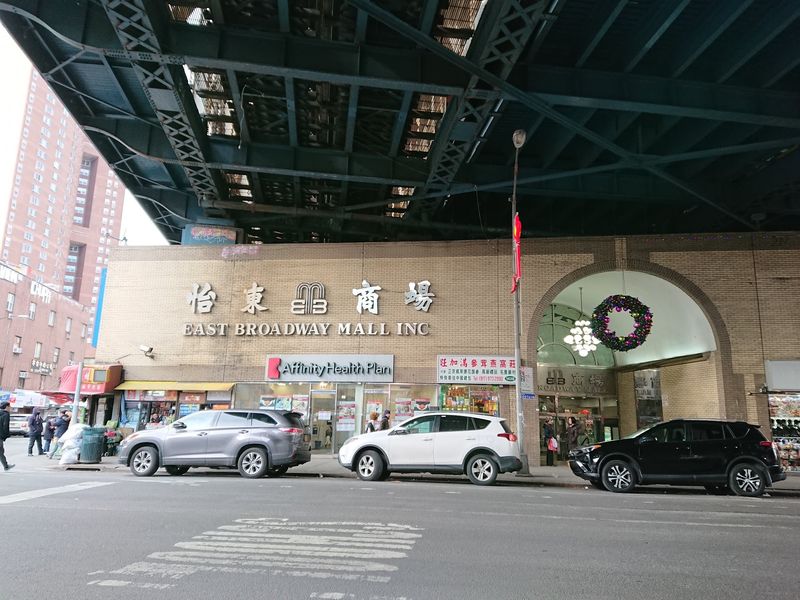
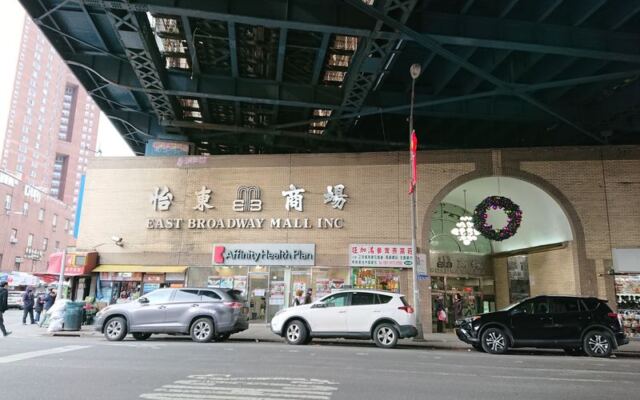
Some of New York’s most loyal lunch crowds start their trip under steel girders. East Broadway Mall sits at 88 E Broadway, New York, NY 10002, in the Chinatown section of Lower Manhattan, New York.
The building is tucked directly underneath the Manhattan Bridge. That alone makes it one of the more unusual shopping addresses in the five boroughs.
On paper, it is listed as an outlet mall. In practice, it is a no-frills, multilevel Asian mall with services, casual eateries, and an eclectic mix of stalls and vendors.
The word mall might suggest food courts and escalators with chain stores. That is not the story here.
This is a neighborhood building, made for quick errands, cheap meals, and the kind of small businesses that once filled entire blocks of Chinatown. Many of those businesses are gone now, and the halls are far quieter than they used to be.
Still, the doors open every morning. A few determined tenants keep the lights on, and a basement restaurant keeps people coming back.
For New Yorkers who love places with a past, that mix of survival and grit is exactly the draw.
2. A Mall That Remembers Busier Days
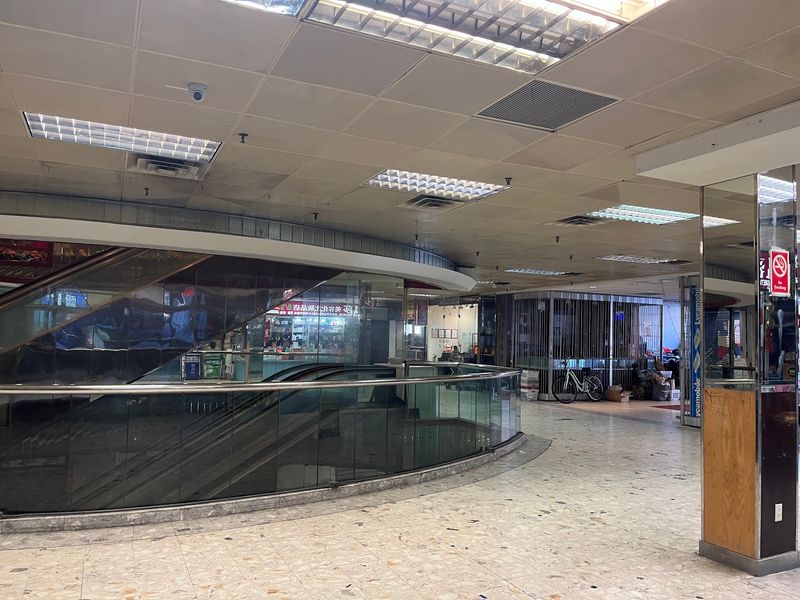
Ask longtime locals about this building and the phrase you will likely hear is in its prime. The mall reportedly used to be bustling with shops and activity.
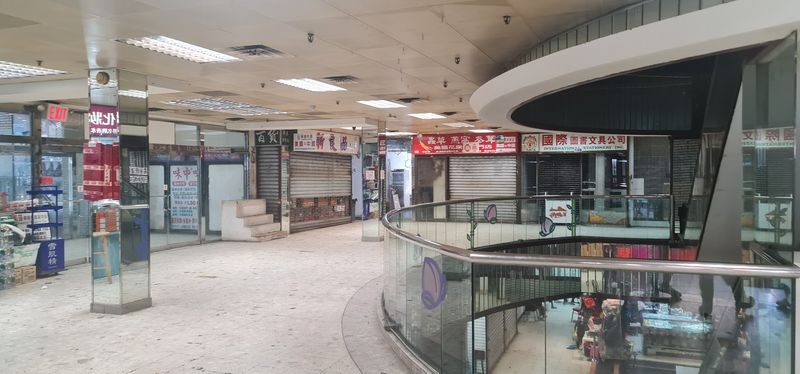
Over the last several years, most stores went out of business. Many stalls now sit empty, and some walls carry spray paint.
That decline is the honest part of the story. Plenty of regulars describe the place as old and run down, and some call it mostly empty.
Yet there is real affection mixed in with the frustration. People remember a favorite dim sum place that once operated here.
Others feel the community should not give up on the building. A common hope is that someone will renovate and bring it back to life.
The location helps that argument. More than one regular has pointed out that a spot under the Manhattan Bridge in Lower Manhattan is prime real estate.
So the mall lives in a kind of in-between moment. It is not what it was, and it is not what it could become.
For now, it holds onto a handful of tenants who never left. Those holdouts are the reason this piece exists.
3. Downstairs to the Fuzhou Kitchen
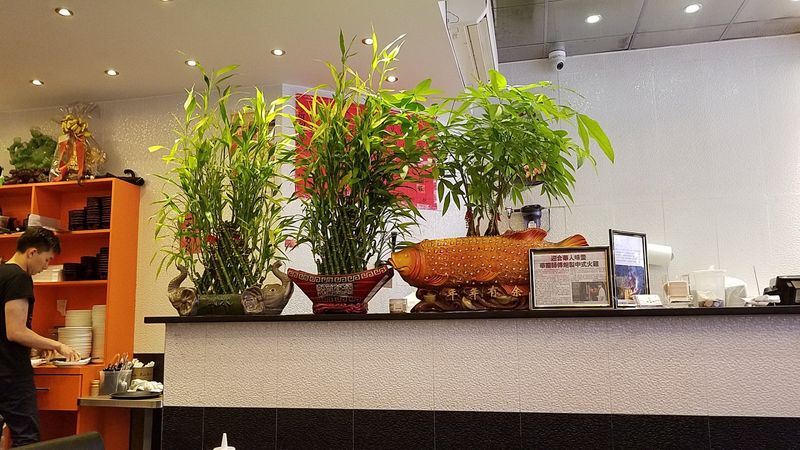
Here is the twist that keeps the building relevant: the busiest corner is underground. The basement level holds a Fuzhou bakery and restaurant that regulars praise again and again.
Finding it takes a little nerve. People describe hesitating at what used to be the main entrance, then pushing ahead because a hidden Fuzhou spot was supposedly waiting downstairs.
The payoff, according to regulars, is a simple menu and ample seating. Nothing fancy, nothing trendy, just a counter that does its job.
The basement comes up in conversation more than almost anything else about the mall. That is not surprising, since for many people it is the only reason to visit.
Some call it the one restaurant still serving inside the building. Others describe its food as authentic Chinese cooking from the Fuzhou tradition.
It is worth going in with clear eyes. Opinions on cleanliness are mixed, and a few people have raised concerns about uncovered food and pests.
Plenty of others shrug that off and keep returning anyway. The consensus among fans is short and simple: the setting is rough, but the kitchen delivers.
That gap between the room and the plate is the whole personality of this basement.
4. Five Dollars and a Full Tray
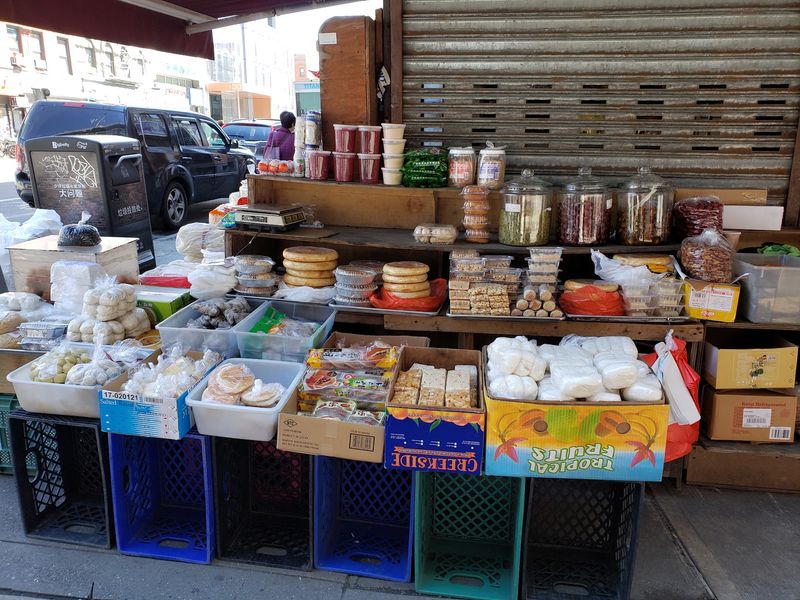
Five or six dollars. That is reportedly what a meal costs at the basement dumpling counter, and in Manhattan that number feels like a time machine.
Regulars mention fried dumplings with generous fillings and crisp skin. The steamed buns get even more attention, with some calling them among the best they have ever had.
One fun detail keeps coming up. The xiaolongbao here are not exactly small, even though xiao means small in Mandarin.
They are reportedly closer in size to a full bun. Paired with the house sauce, they become a filling, unique bite rather than a dainty one.
Wontons also get a mention, and the broader Chinese menu draws steady praise. People describe it as cheap and good, which is a rare combo in this part of town.
Is it gourmet? Nobody is claiming that.
What it offers instead is the old Chinatown promise of a fair price and a big portion. That promise has quietly vanished from a lot of blocks.
Down here, it reportedly still holds. For a city full of fifteen-dollar snacks, that alone deserves a little respect.
5. Tea, Trims, and Rare Finds
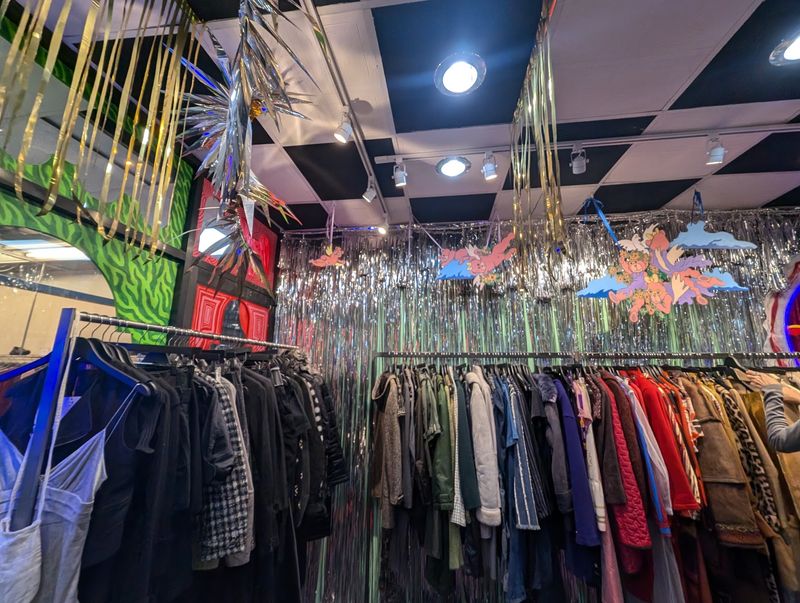
Not everything worth finding here comes on a plate. A handful of other tenants still keep the halls from going completely silent.
A barber shop remains open, serving as one of the steady neighborhood services in the building. Haircuts and errands have long been part of what made malls like this useful to locals.
There is also a tea spot that fans say is worth trying. It tends to get mentioned right after the basement restaurant.
Shoppers have also come across clothing, jewelry, and a mix of rare and cool items over the years. Some describe leaving with finds they did not expect.
Deals come up too. In earlier years, the area under the bridge was known for bargain shopping alongside good food.
The catch is that you almost have to know where you are going. With so many stalls closed, the open ones do not exactly announce themselves.
Give yourself a few extra minutes to wander. A slow loop through the floors is the best way to see what is still running on a given day.
Treat it like a scavenger hunt rather than a shopping spree, and the building makes more sense.
6. An Art Gallery in an Unlikely Place
Few people would guess that a quiet Chinatown mall once doubled as an art destination. Yet that is part of its record.
The building has been home to Tramps Gallery, a space described as an offshoot of the Michael Werner Gallery. Fans of the shows there called them fabulous.
The same fans also noticed something odd. They rarely saw anyone else inside.
That detail says a lot about this place. Interesting things have always been tucked into its corners, often without much fanfare.
It is not clear whether the gallery is still active today, so check ahead before making a special trip for art. The point here is less about one exhibit and more about the building’s range.
In one structure, you have had dim sum, jewelry stalls, a barber, a tea counter, a dumpling kitchen, and contemporary art. That is a strange and very New York lineup.
Some people even come just to look around and take photos. They are drawn by the empty halls and the sense of a place frozen between eras.
Curiosity, it turns out, has been one of this mall’s most reliable customers.
7. Who Should Make the Trip
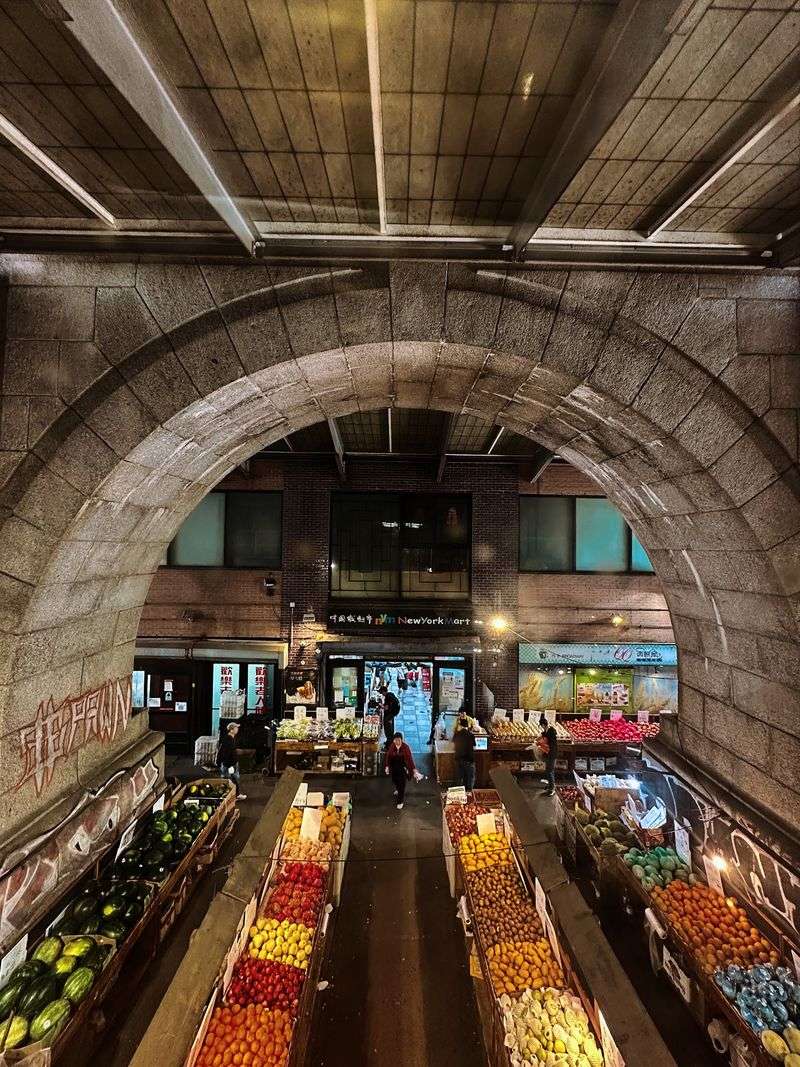
Honesty first: this stop is not for everyone. Some people walk in, feel uneasy, and walk right back out.
The building is old and can get warm. Many call it dirty, and the public restrooms are widely advised against.
There have also been complaints about pests and a slippery floor in the past. Watch your step and keep expectations grounded.
So who is the right match? Budget eaters who care more about the food than the room tend to leave happy.
Chinatown regulars who remember the old days often feel a pull to support what remains. Urban explorers and photographers enjoy the unusual setting under the bridge.
Families looking for a polished mall outing will probably want to look elsewhere. The same goes for anyone hoping for a wide shopping selection.
A good mindset is quick bite, quick look, then on to the rest of the neighborhood. Plenty of fans say they would only come for a fast meal, and that approach works.
Go in curious, not picky, and the basement may win you over.
8. Hours, Tips, and a Fair Verdict
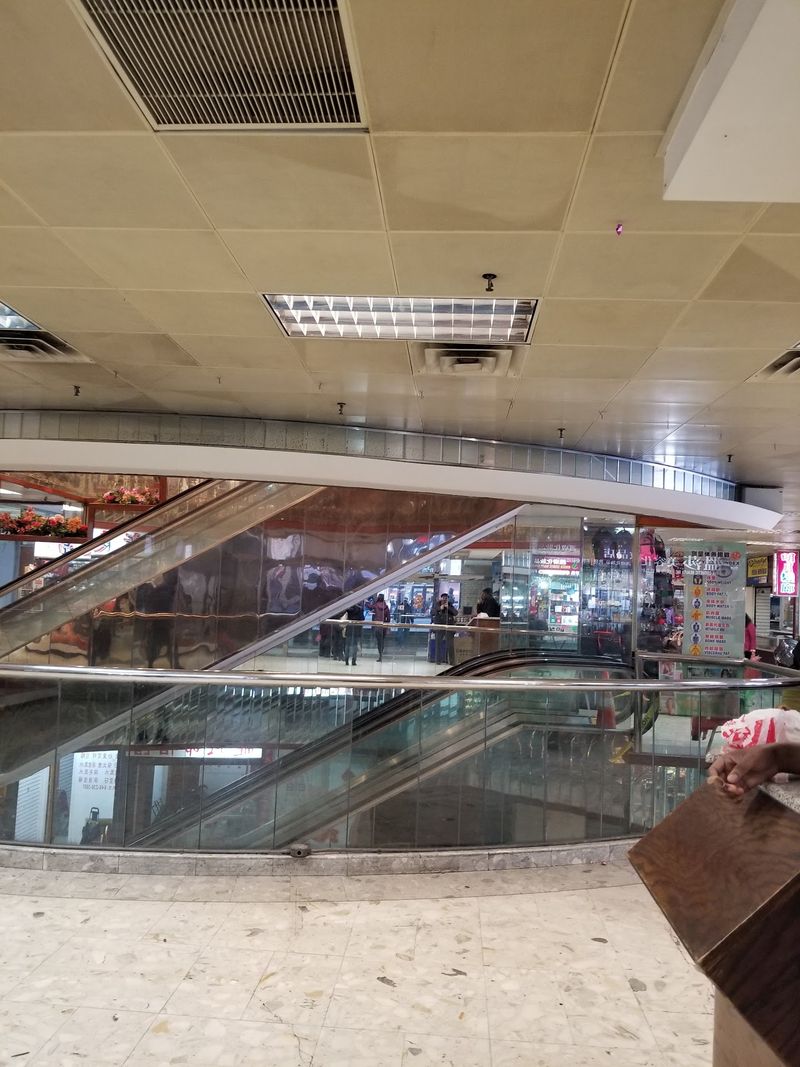
Good news for planners: the schedule is easy to remember. East Broadway Mall is listed as open every day of the week from 9 AM to 9 PM.
Individual tenants may keep their own hours, though. Since so many stalls are closed, it is smart to arrive with the basement restaurant as your main goal.
Bring cash-friendly expectations and a small budget. A filling meal reportedly runs around five to six dollars.
Skip the restrooms if you can, and head straight downstairs. Fans say it is easy to take a wrong turn, so follow the signs or ask a tenant for directions.
Around Lunar New Year, the neighborhood gets especially busy. Plan for crowds outside if you visit then.
So, is it worth it? For a polished mall day, no.
For a cheap, hearty plate from a family-style Fuzhou kitchen hanging on in a fading building, many people say yes. That small kitchen proves the old Chinatown habit of feeding people well for little money has not vanished.
The halls may be quiet, but the basement still has something to say, and it is worth hearing before the next chapter arrives.
Share this story