Plenty of Valley folks have driven past the turnoff near Superior a dozen times without ever slowing down. Tucked against the mountains is a 1920s-era garden spread across 323 acres, with trails, a canyon creek, old houses, and plants gathered from deserts around the world. Some people spend four hours there and still feel like they saw only a slice of it.
Here is what waits on those paths, plus the practical details that make an easy weekend trip out of it.
1. A Mountain Hideaway Outside Superior
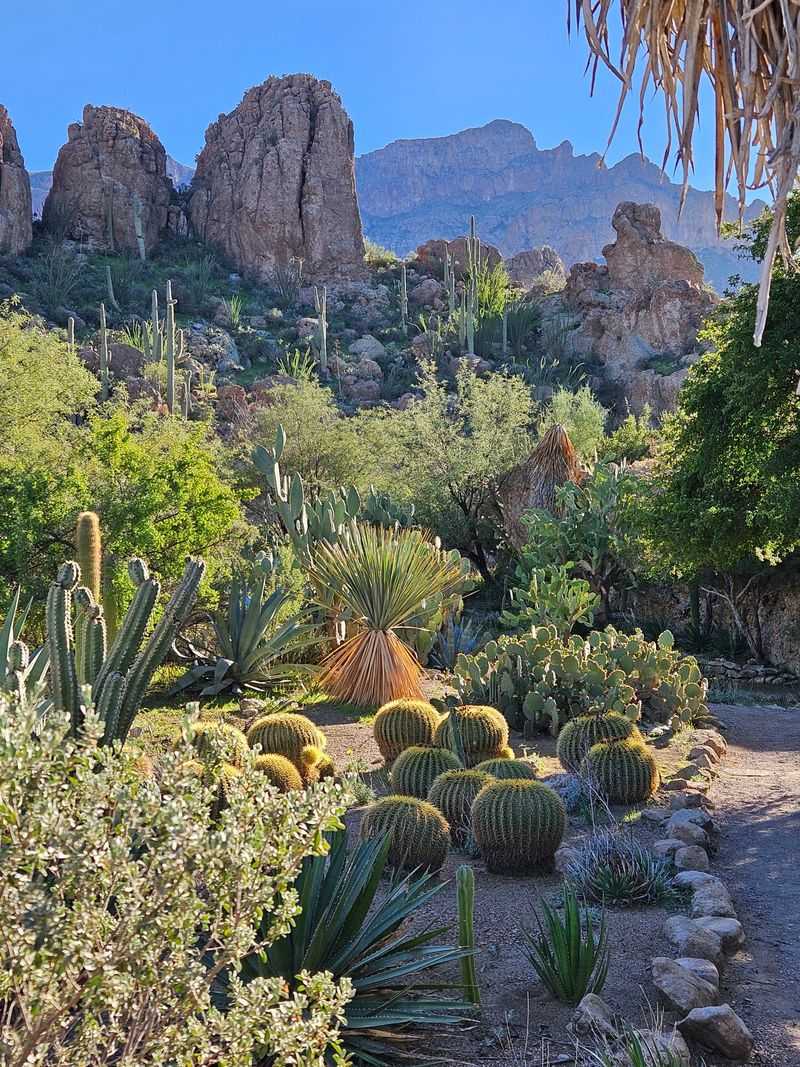
Some of the best spots in Arizona hide in plain sight. Boyce Thompson Arboretum sits at 37615 E Arboretum Way, Superior, AZ 85173, in the United States.
It is a botanical garden and state park covering 323 acres. The grounds date back to the 1920s, which gives the place a long story for a weekend outing.
Many first-timers say they never knew it existed. The garden tucks into the landscape near a mountain, so it stays out of view until you arrive.
For Phoenix residents, it works as a day trip east of the Valley. Tucson folks can make the run too, and the small town of Superior sits close by for shopping and dining.
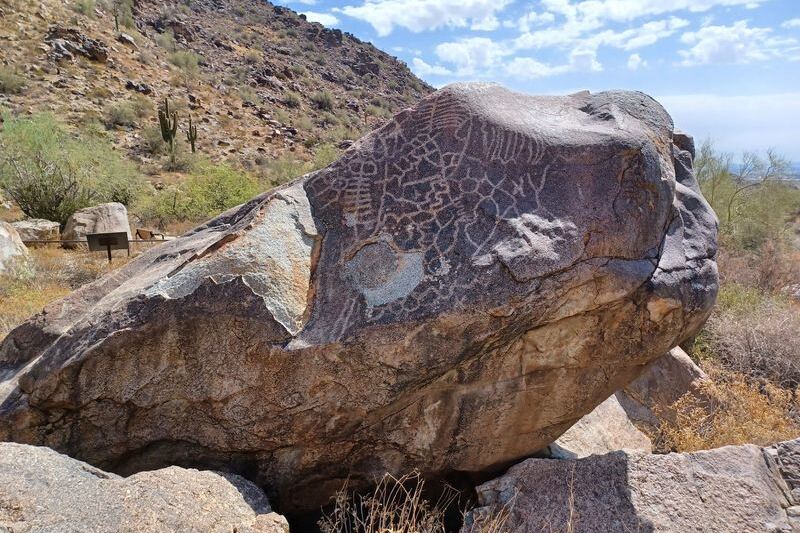
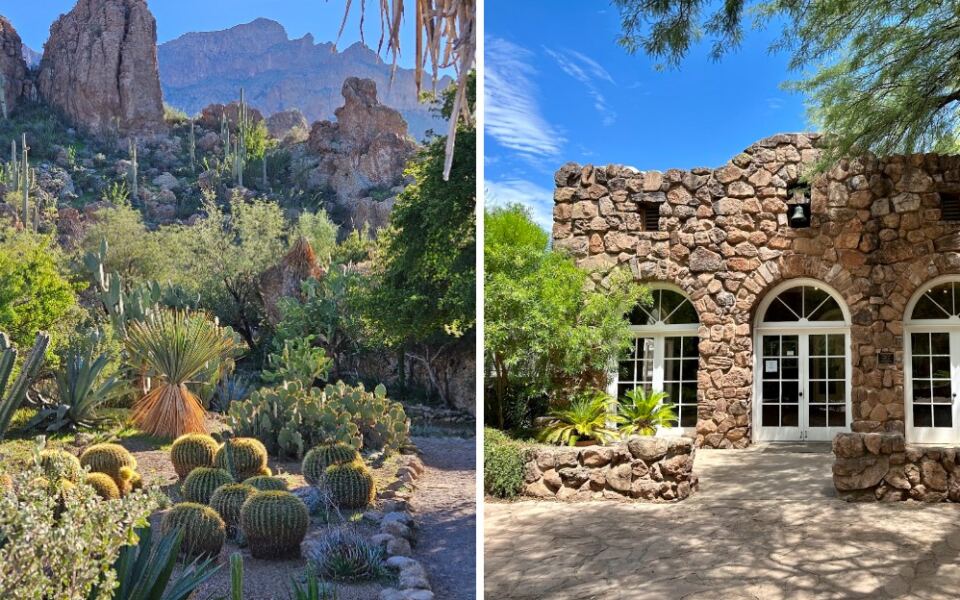
The setting mixes cultivated gardens with wild desert terrain. Trails wind past cacti, towering trees, and rugged rock faces.
It is also wildly popular with those who do go, holding a 4.9-star standing from nearly 5,000 people. That is a lot of happy hikers for a place so many locals still skip.
So the secret is only half kept.
2. Roots Planted in the 1920s
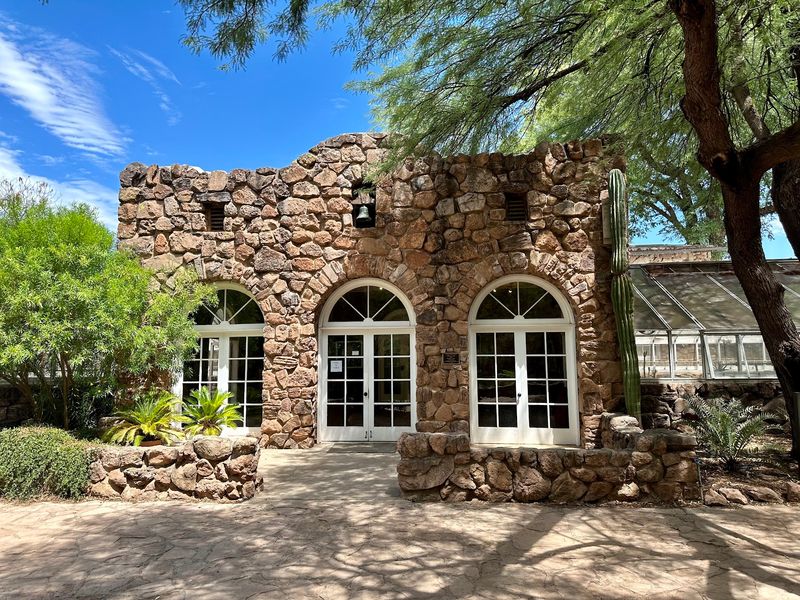
Long before Instagram found desert gardens, this one was already growing. The arboretum took shape in the 1920s, making it one of the more venerable green spaces in the state.
That age shows up along the trails. Old houses still stand on the property, adding a layer of history to the walk.
Giant trees that have had decades to stretch upward now shade parts of the paths. Many people describe the grounds as a place that feels lost in time.
History here is not locked behind glass. It is mixed right into the gardens, so a stroll past cacti can turn into a stop at a historic structure without any detour.
Educational signs help connect the dots. Plants carry labels, and the layout guides you through themed collections.
For anyone who likes their nature with a side of backstory, that combination is the draw. The arboretum gives you a century-old setting to explore on foot, at your own pace, with no tour schedule to follow.
3. Miles of Trails and One Main Loop
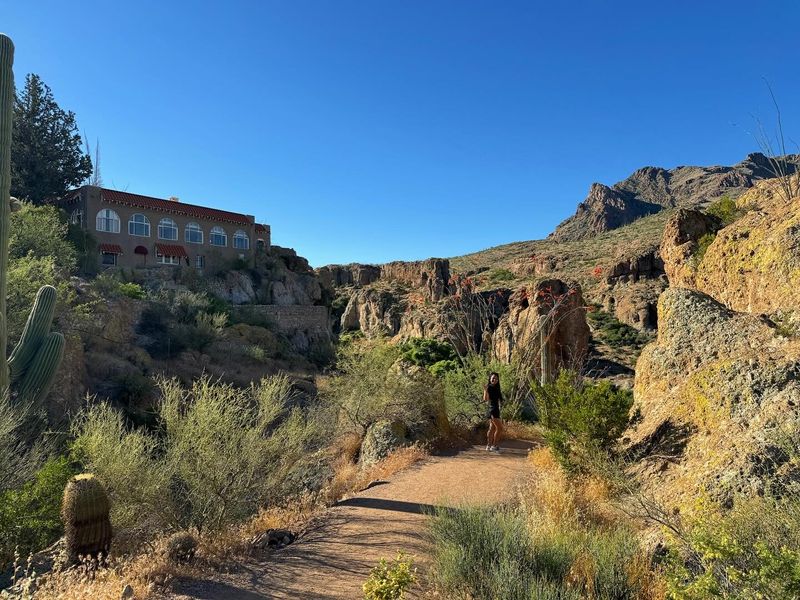
Bring the step counter. Trails are the single biggest topic people talk about here, and for good reason.
The main loop is the backbone of most visits. Side trails branch off it, so you can stretch a short walk into a long one.
Plenty of walkers log around 4 to 5 miles and still leave paths unexplored. Plan for at least 2 to 3 hours if you want to cover a good chunk.
Most of the routes are easy and well maintained. The layout is simple to navigate, even on a first trip.
That said, one trail adds a bit of challenge. Sturdy shoes or hiking boots make sense if you want to tackle it, and many say the effort pays off.
Benches dot the paths for breaks. You can rest, take in the views, and then keep going.
It is the kind of trail system that rewards repeat trips, since each visit can follow a different branch.
4. Cacti From Every Corner of the Globe
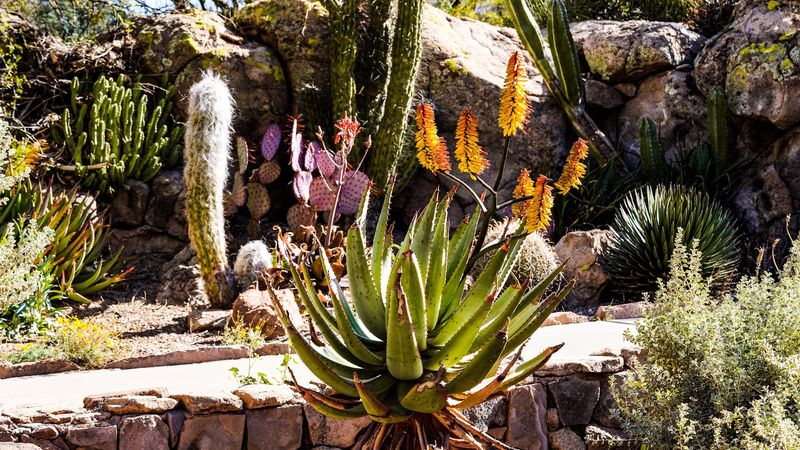
Saguaros are old news to Arizonans, but the collection here goes far beyond the backyard classics. Cacti come up more than almost anything else when people describe their visit.
The gardens gather desert plants from Latin America, Australia, and Africa. Different cultural exhibits group these plants so you can compare regions side by side.
The old man cactus tends to get laughs. Its shaggy look makes it one of the more memorable stops.
Labels throughout help identify what you are seeing. That is handy for gardeners, since you can spot species from around the world that grow well in the Southwest.
Plant enthusiasts with many botanical gardens under their belts still rank this one highly. The variety and the signage tend to win them over.
Even casual walkers can leave with a new appreciation for desert flora. It is a crash course in prickly plants, minus the textbook.
5. Queen Creek and the Shady South Side
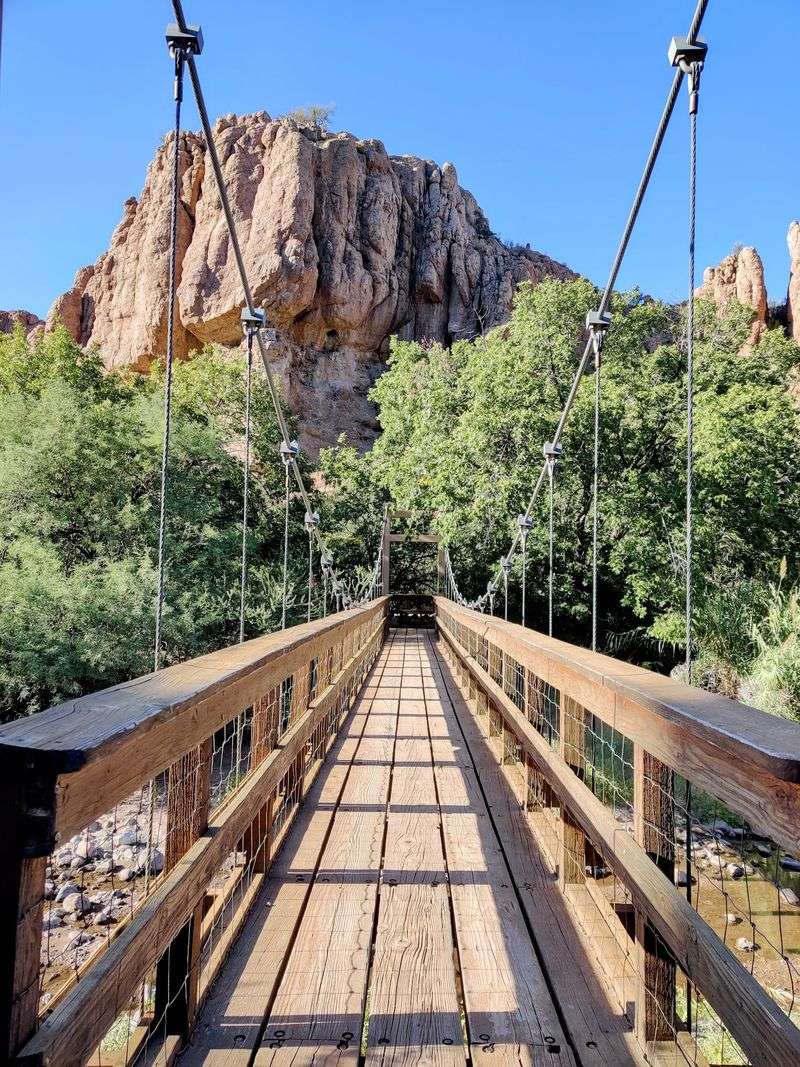
Water in the desert always draws a crowd, and Queen Creek is no exception. A little creek runs around the back side of the grounds.
The south side path leads to the Queen Creek riparian area. It is shaded and flat, making it a welcome break on warm days.
Tall eucalyptus trees also show up in the mix. They are among the giants people mention most.
A bridge along the route is a favorite spot. Queen Creek Canyon adds dramatic scenery behind it.
One smart strategy is to hit the path to Ayer Lake on the north side first. That side has little shade, so tackling it early leaves the cooler south side for later.
Thanks to the shade, some people even visit in early summer. Arriving at opening time helps a lot if the forecast runs hot.
The creek corner proves the desert can still surprise longtime residents.
6. Hummingbirds, Butterflies, and a Surprise Coatimundi
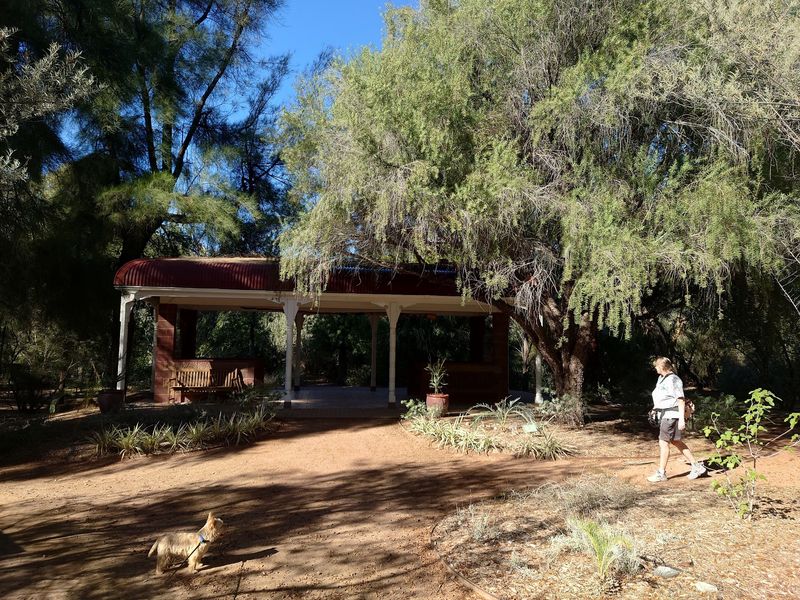
Keep your eyes up and down at the same time. Wildlife is a big part of the fun here.
Hummingbirds are a common sight along the paths. Butterflies show up in good numbers too.
Bird watching ranks high among the activities people enjoy. Cardinals have made appearances for lucky walkers.
The headline act, though, might be the coatimundi. This raccoon relative sometimes wanders through, and many people see one for the first time here.
Plenty of benches and quiet spots let you sit and wait for the action. Patience often pays off.
Birders even find kindred spirits among the staff. Some team members share a real enthusiasm for the feathered residents.
Wildlife sightings are never guaranteed, of course. Still, the odds feel good on a calm morning, and a quick sighting can become the story of the whole trip.
7. Picnics, Pups, and Peaceful Afternoons
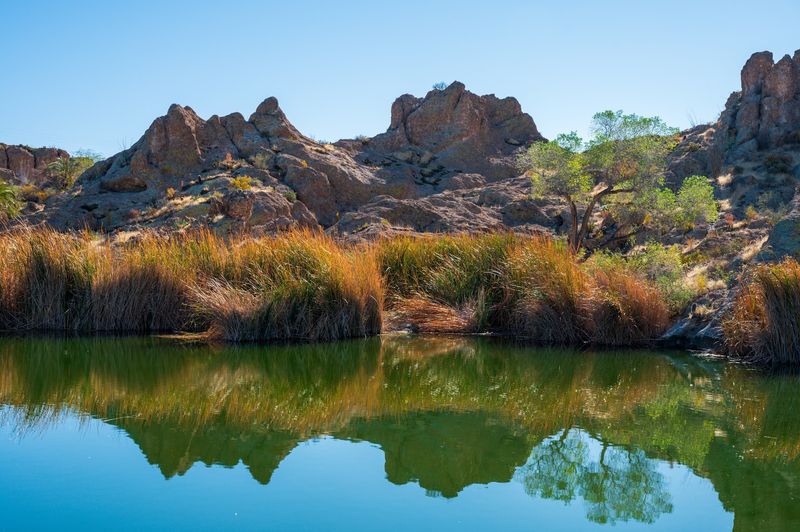
Pack a lunch and slow down. A picnic area makes it easy to turn a hike into a full day.
Many people plan return trips just to eat outdoors there. It fits family outings and friend groups alike.
Dogs are welcome on leashes. That makes it a solid pick for locals who never leave home without their four-legged sidekick.
The pace stays calm. People describe it as relaxing and quiet, with entertainment that never feels overstimulating.
Groups come for birthdays and casual get-togethers. Some even plan fall photo sessions in costume.
Artists and photographers find plenty to work with. Late afternoon is a favorite time for catching good light.
Restrooms sit at the visitor center, and water bottle filling stations appear around the grounds. Those small comforts help a long visit stay easy.
Bring a hat and some patience for slow strolling.
8. Hours, Parking, and Smart Timing
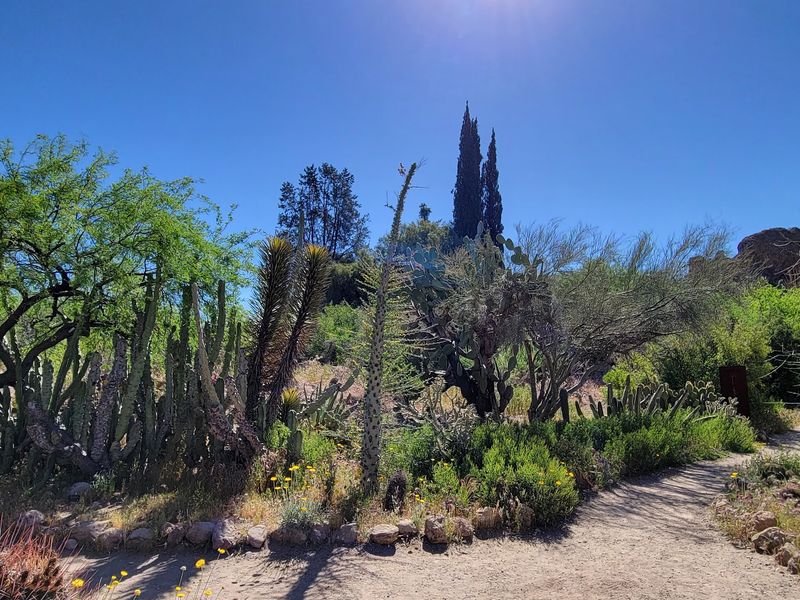
Good news for flexible planners: the gates keep the same schedule all week. The arboretum is open daily from 8 AM to 5 PM.
Parking is plentiful. Even so, arrive early if you would rather not end up at the back or in the overflow lot.
Cooler months are prime time. January gets high marks, and fall and winter generally suit the full loop best.
Warm days are doable with planning. A hat, water, and decent shoes go a long way.
The visitor center handles restrooms. Refill stations on the trails help you stay hydrated.
Current admission prices are listed on the official website, btarboretum.org. Checking before you go is wise, since details can change.
Superior sits close by for food and supplies afterward. That makes it simple to round out the drive with a small-town stop.
9. Gift Shop Finds and a Worthwhile Verdict
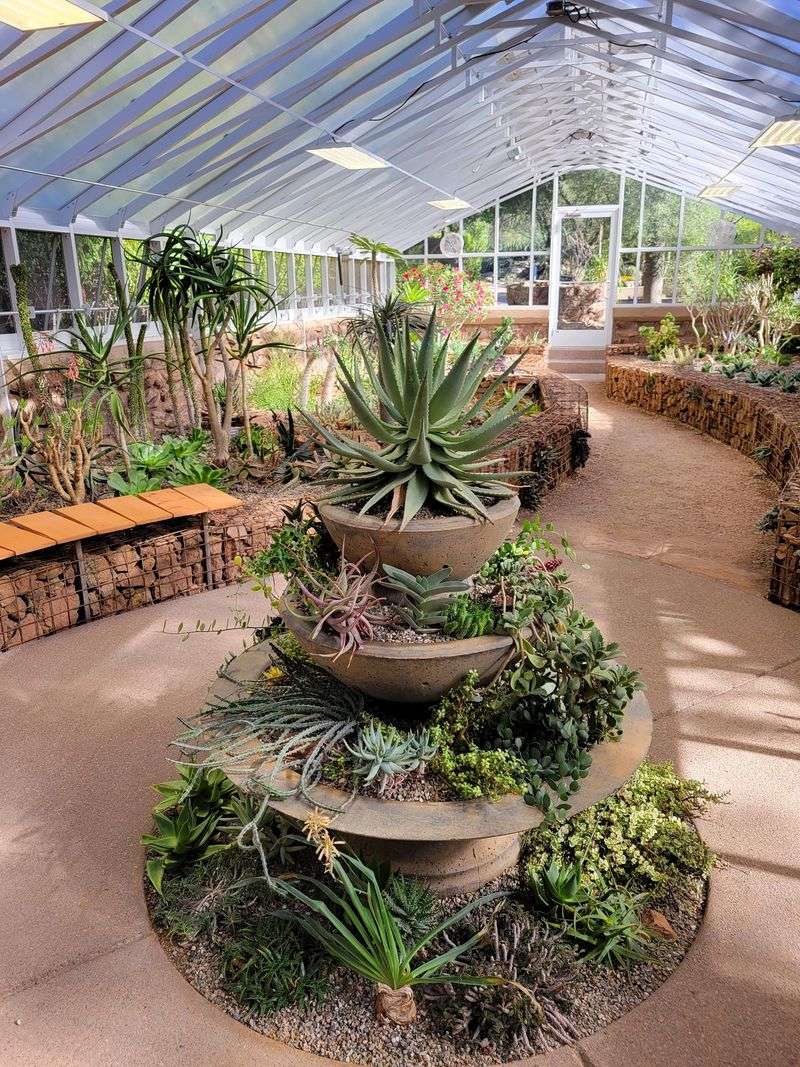
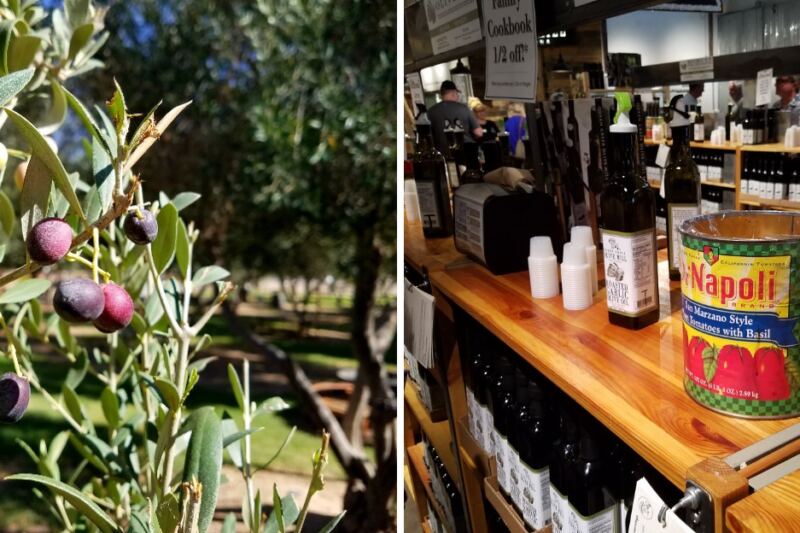
Leaving empty-handed is harder than it sounds. A charming gift shop waits near the end of most visits.
Items there tend to be reasonably priced. Plants for sale give gardeners a way to take a bit of the arboretum home.
Friendly staff and knowledgeable volunteers round out the experience. Many people leave having learned more about desert plants and wildlife than they expected.
So is it worth the drive from Phoenix or Tucson? For anyone who enjoys gardens, trails, or birds, the answer leans toward yes.
The mix of history, global plant collections, and canyon scenery is hard to match. It also rewards repeat trips, since few cover everything in one go.
Plenty of longtime residents admit they cannot believe they waited so long. Consider this your nudge to finally take the turnoff.
Share this story