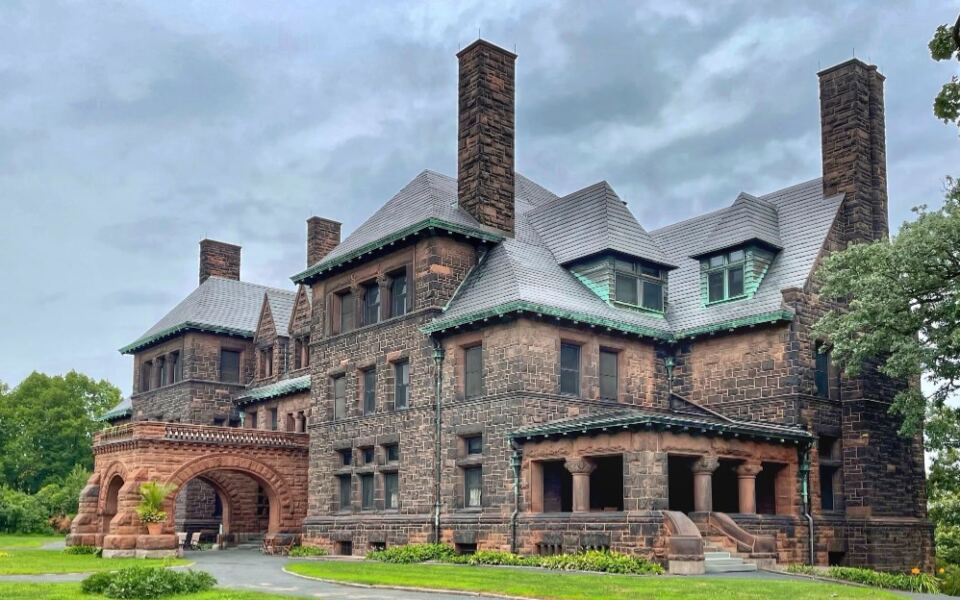
Plenty of St. Paul drivers cruise along Summit Avenue every week without ever pulling over. That habit means they miss one of the most impressive homes in the entire state, hiding in plain sight behind a wall of rugged stone.
Inside sit 36,000 square feet of hand-carved woodwork, colorful glass windows, and stories about a family who helped shape how America moved. The house was wired for electricity and plumbed with hot and cold running water at a time when most homes had neither.
Guides here know the place inside and out, and many of them seem genuinely thrilled to share it. Keep reading to learn about the tours, the hidden spaces most people never see, the holiday magic, and the practical tips that make a visit smooth and rewarding from start to finish.
A Stone Giant on Summit Avenue
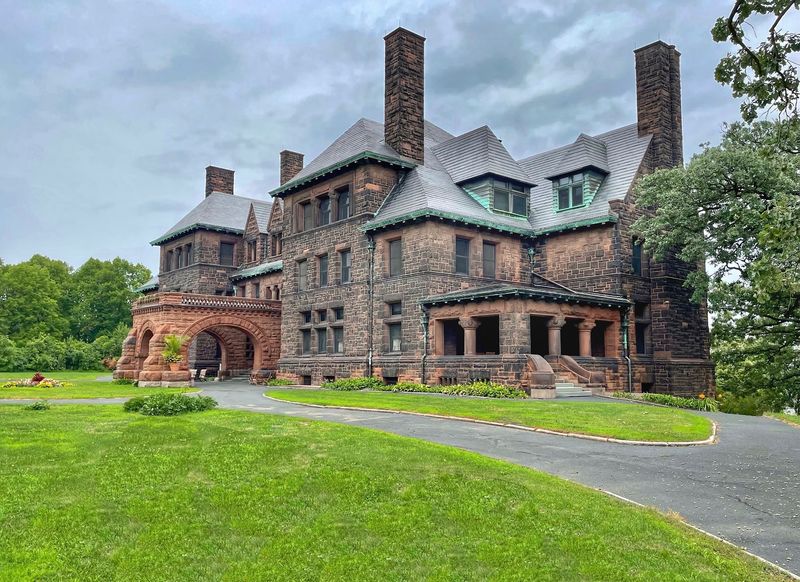
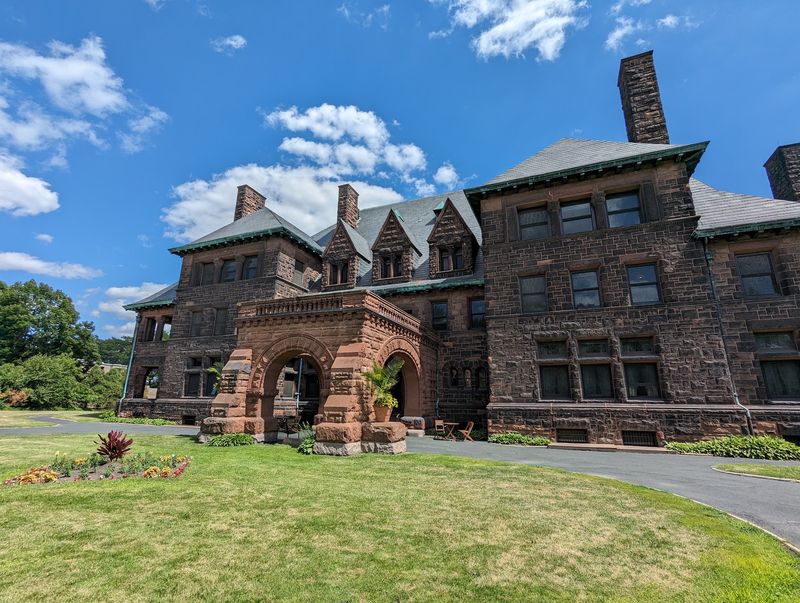
Railroad money built a lot of things in the 1800s, but few are as solid as the James J. Hill House at 240 Summit Ave, St Paul, MN 55102, in the United States.
The rugged stone mansion was completed in 1891 for James J. Hill, the railway magnate behind the Great Northern Railway.
Today it operates as a history museum, open for guided and self-guided tours.
The location is part of the appeal. Summit Avenue is one of the best-known streets in St. Paul, and the house sits very close to the Minnesota State Capitol.
The Cathedral of Saint Paul is also nearby, so the mansion fits neatly into a larger day spent exploring the neighborhood. History lovers can easily stack several stops into one outing.
From the street, the building can look a bit imposing. Its heavy stone walls and serious profile do not exactly shout “come on in.”
That first impression is part of why so many people pass it by. Behind the stern face, though, waits a home that rewards anyone curious enough to buy a ticket and climb the front steps.
The Railroad King Behind the Doors
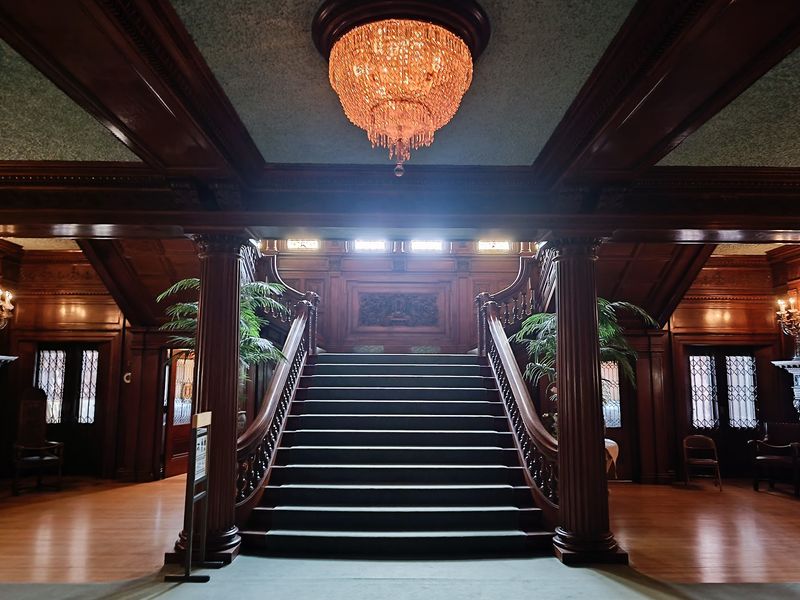
Long before anyone tracked shipments on a phone, James J. Hill was moving goods across the country by rail.
His story sits at the center of every tour.
Hill was the man behind the Great Northern Railway, and the house reflects how much his work changed the region. Guides explain how his railroads tied into the bigger story of American progress during the industrial era.
The tour is not only about him, though. His wife Mary gets plenty of attention too, and the family story feels personal rather than dusty.
The Minnesota Historical Society has staged rooms, laid out artifacts, and hung old family photos throughout the house. Small info placards on the walls fill in details between rooms.
The result is a sense of having spent an afternoon with the Hills themselves. Many guests leave knowing far more about Minnesota railroad history than they expected.
One honest note: much of the original furniture left with the family years ago. A few pieces have come back, but many rooms are shown fairly empty, which actually puts the spotlight squarely on the architecture.
Woodwork That Steals the Show
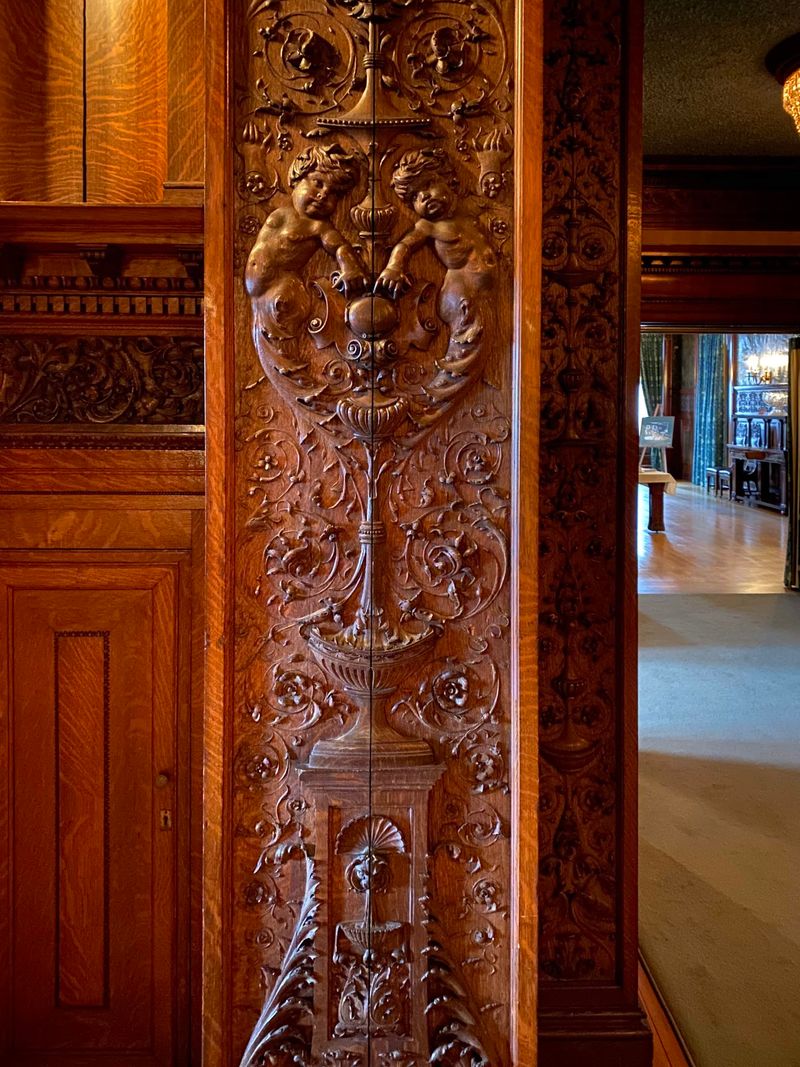
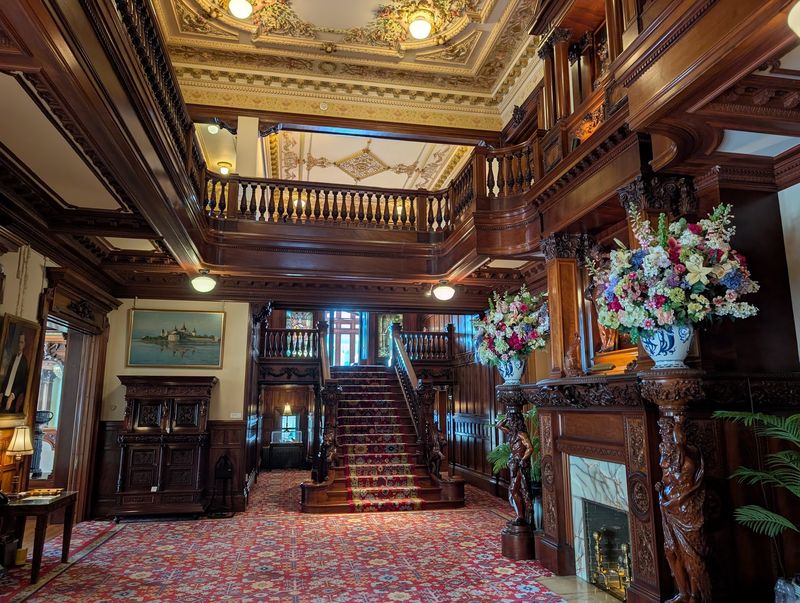
Carpenters today might want to bring a notebook. The hand-carved woodwork inside this mansion is the detail people mention again and again.
Intricate carvings appear in almost every room. Railings, doorways, and wall panels all carry the kind of fine detail that took serious skill and time to create.
Crafters and makers tend to love this part of the visit. It is a chance to study real Gilded Age craftsmanship up close instead of in a book.
The interiors are on the darker side, thanks to all that rich wood. That mood suits the era and makes the carved details stand out even more.
A helpful tip is to slow down in each room and look at the edges and corners. Some of the best details hide in places that are easy to skip on a quick walk-through.
As the saying goes, they truly do not build them like they used to. Here, that phrase feels less like a cliché and more like a plain fact carved into every banister.
Glass, Light, and Gilded Age Style
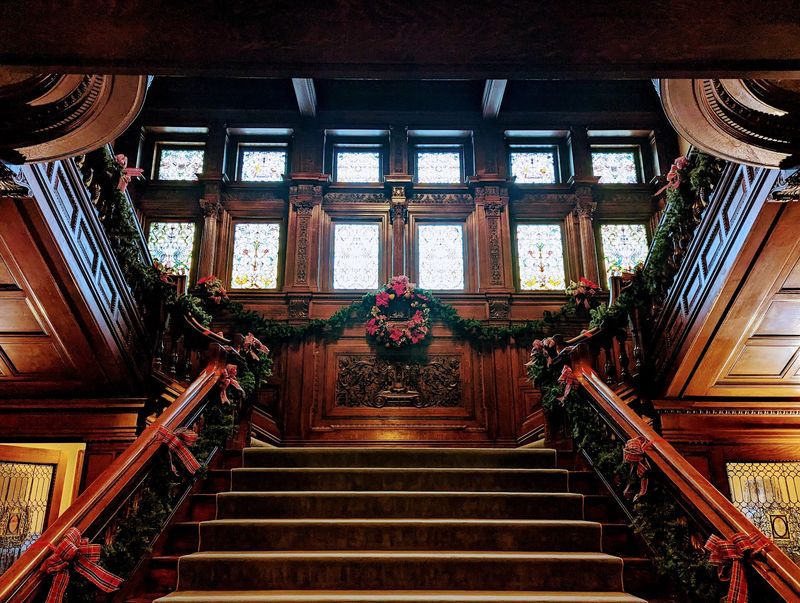
Wood may get top billing, but the windows deserve their own round of applause. Gorgeous glass windows appear throughout the house.
These pieces add color and personality to rooms that are otherwise dominated by deep wood tones. They also show how much attention the Hills paid to every part of the design.
The house is filled with trinkets of the past, too. Small objects, displays, and photos give each space a story beyond its walls.
Fans of the Gilded Age will feel right at home. The mansion is a full display of extravagance, craftsmanship, and history packed under one roof.
Even experienced fans of historic homes say this one holds its own against other grand mansions from the same period. It is a little unusual in style, which makes it memorable.
Vintage collectors often find themselves lingering here. The details invite a closer look, and the gift shop at the end offers a chance to take a small piece of the visit home.
High-Tech Living in 1891
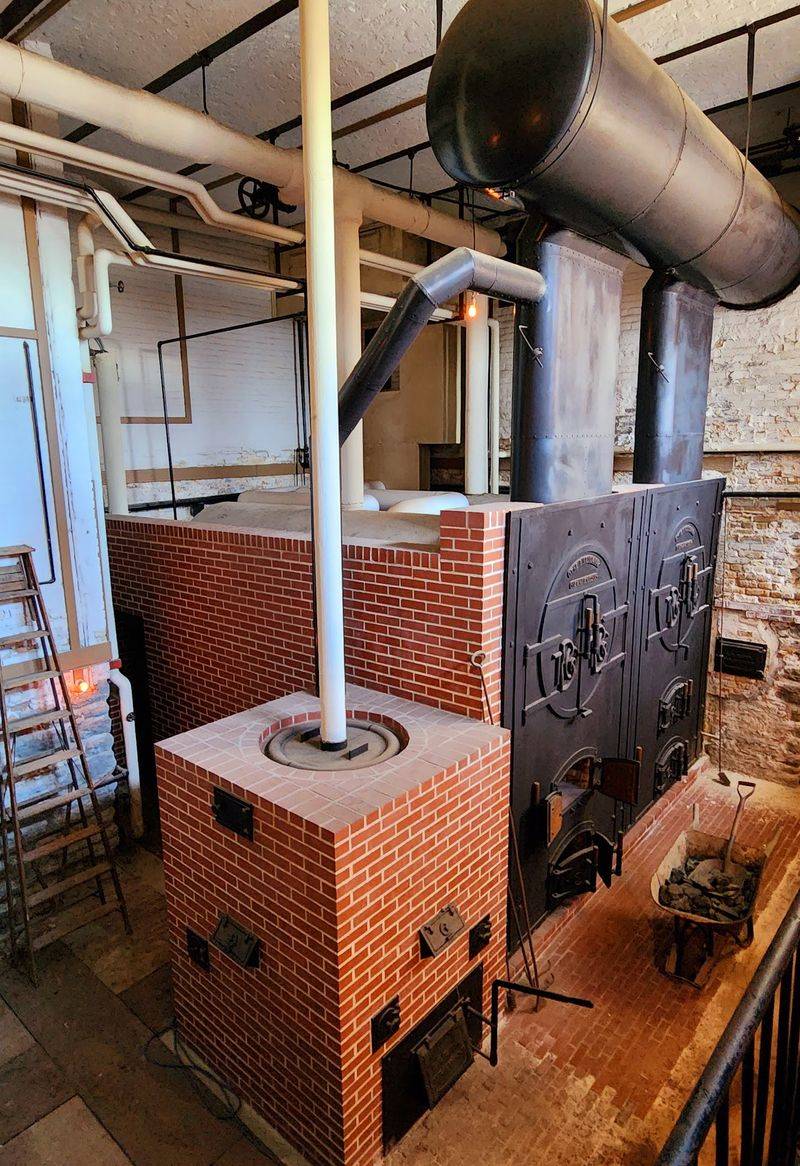
Modern homeowners complain about smart thermostats. The Hills, meanwhile, were already living with tech that would have amazed their neighbors.
The mansion was fully electrified and had hot and cold running water. For a house finished in 1891, that was remarkably forward-thinking.
Guides point out unique heating and electrical systems built into the home. These features show that the Hill family wanted comfort and innovation, not just good looks.
Hearing about these systems changes how the whole house feels. It stops being only a fancy showplace and becomes a working machine designed for daily life.
Engineers, tinkerers, and anyone who likes knowing how things work will enjoy this angle. It adds a practical layer to a tour that could otherwise focus only on décor.
Fun fact for the road: the mansion covers roughly 36,000 square feet. Keeping that much space powered, heated, and supplied with water was a big job, which leads straight into the next part of the story.
The Staff Who Kept It Running
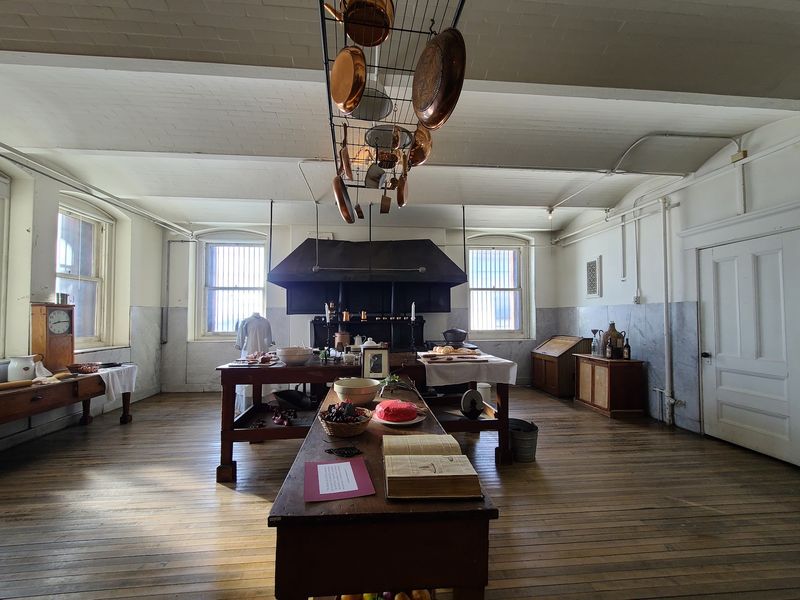
Grand homes rarely run themselves, and this tour makes sure nobody forgets it. The behind-the-scenes work of the domestic staff gets real attention.
Guides talk about the opulence the Hills enjoyed. They also explain the grueling labor that made that lifestyle possible every single day.
That balance gives the visit more depth. Guests come away understanding both the family upstairs and the workers who kept the household moving.
The house itself makes those stories easy to follow. It is one of the few historic homes where the logistics of running such a huge place feel clear and concrete.
Keeping a property this size spotless is no small feat even now. The mansion looks immaculate today, which says a lot about the care the historical society puts into it.
People who enjoy social history, family genealogy, or simply the everyday side of the past will find this part especially rewarding. It turns a pretty house into a full human story.
Guides With Serious Passion
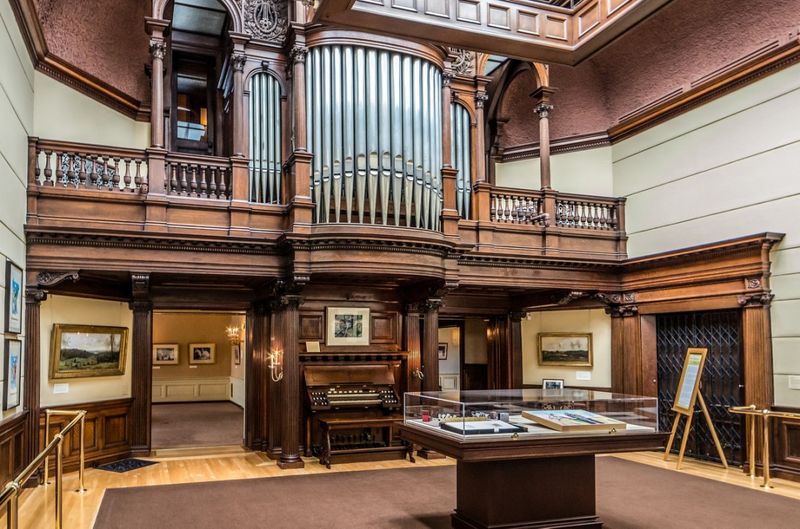
Tour guides are the beating engine of this place. Mentions of them outnumber nearly every other topic connected to the house.
The standard guided tour runs about 60 minutes. With so many rooms, having someone lead the way helps make sense of the massive layout.
Guides are known for being knowledgeable, friendly, and happy to take questions. Some even admit openly when they are unsure of an answer, which builds trust.
Their enthusiasm shows. Several staff members clearly love the house, and that energy makes the history feel lively rather than stiff.
There are plenty of guides on hand, too. Self-guided wanderers are often welcomed to pause and listen to part of a nearby group’s talk.
A fair heads-up: the hour can feel a bit brisk in spots. The good news is that most areas can be revisited afterward for a closer look, photos, and extra reading at your own pace.
Secrets of the Nooks and Crannies Tour
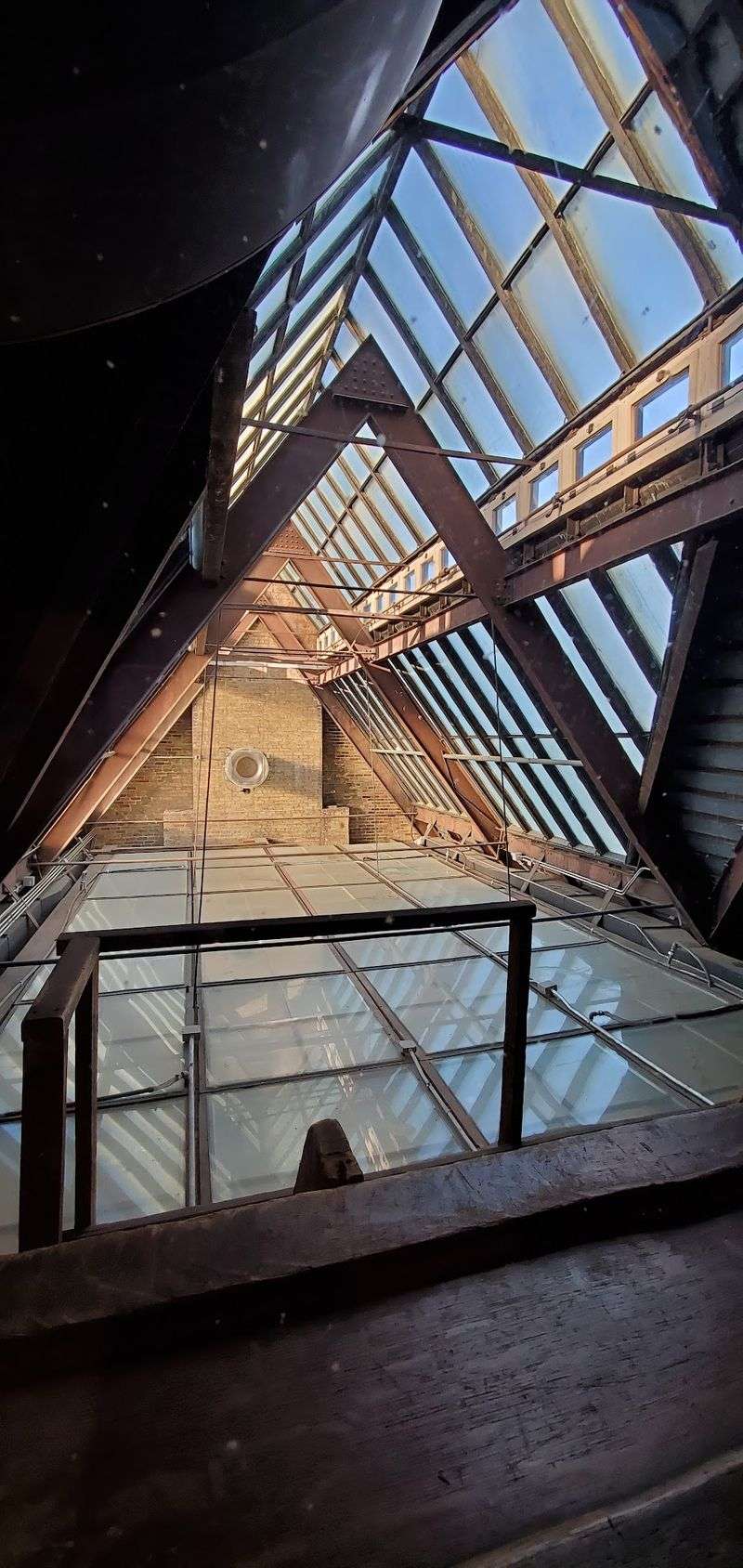
Some doors on the regular tour stay closed for a reason. They are saved for a special experience called the Nooks and Crannies tour.
The name is a bit of an understatement. It is not just the standard tour with a few extras but an entirely different route through the house.
Guests on this tour see many more areas that are normally off-limits. It also includes a chance to hear the house organ played, which ranks among the oldest working organs around.
Fans call it a blast and a must for repeat visits. The guides keep the group engaged and answer the flood of questions that naturally comes up.
A smart approach is to start with the standard guided or self-guided visit first. Once the main story makes sense, the hidden spaces become even more fun to explore.
Collectors of odd details and fans of hidden history will find this the most satisfying way to see the mansion. Consider it the director’s cut of the house.
Holidays on the Hill
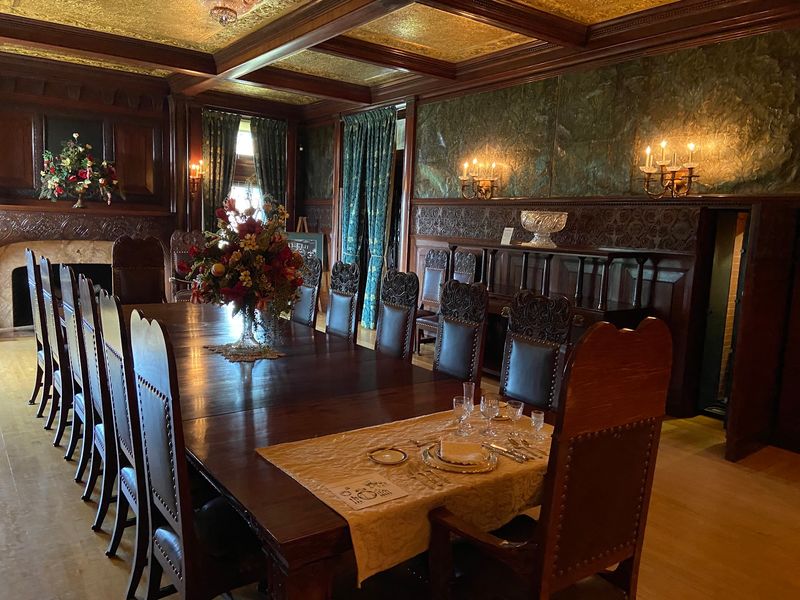
December brings a different personality to the mansion. Christmas decorations are among the most talked-about features of the house.
The seasonal program, known as Holidays on the Hill, offers a one-hour tour focused on life in the house during the holidays in 1910. It shows how the family and staff celebrated the season.
Many groups book these tours together. A morning tour often turns into an extra hour of wandering the open rooms and browsing the gift shop afterward.
First-time guests often leave planning a return trip. Some come back later to try a tour centered on the building and its architecture.
The holiday theme makes the house especially welcoming. The festive touches soften its serious stone image and give the rooms a lived-in feel.
Families looking for a fresh December tradition could do far worse. Booking early is wise, since a holiday outing here tends to become an annual habit.
Planning Your Visit
Timing matters here, because the doors are not open every day. The house welcomes guests Thursday through Sunday from 10 am to 5 pm and stays closed Monday through Wednesday.
Tickets can be bought ahead of time online or at the front desk. Booking in advance is smart, since walk-ins sometimes wait a while for an open guided tour slot.
The last tour on a typical Saturday starts around 3:30 pm. Check-in is simple, and the front desk staff are known for being helpful.
Street parking is usually easy to find. Big events at the nearby cathedral can fill the curbs, though, so plan to walk a little on busy days.
The building has no air conditioning. Summer days can feel warm inside, so dress lightly when temperatures climb.
Accessibility is better than many historic homes offer. There is an elevator, and chairs are placed around the house for resting, which helps on such a large property with plenty of steps.
For details on current ticket costs, the Minnesota Historical Society website at mnhs.org/hillhouse is the best source.
Worth the Detour
So is it time to stop driving past? With a 4.7-star standing from more than 1,400 guests, the answer leans strongly toward yes.
Families will appreciate how kid-friendly the visit can be. Children often receive a scavenger hunt at the front desk, which keeps them moving happily from room to room.
Architecture fans get carved wood, glass, and early technology to study. History buffs get a full story about railroads, family life, and the people who worked behind the scenes.
Not every room is open, and some spaces serve as storage or stay reserved for special tours. Still, there is plenty to see on a standard visit.
The mansion also pairs nicely with other stops nearby, including the State Capitol and the cathedral. That makes it an easy anchor for a St. Paul day trip.
Minnesotans have a world-class Gilded Age home in their own backyard. The next time Summit Avenue comes into view, it might be worth tapping the brakes and finally heading inside.
Share this story