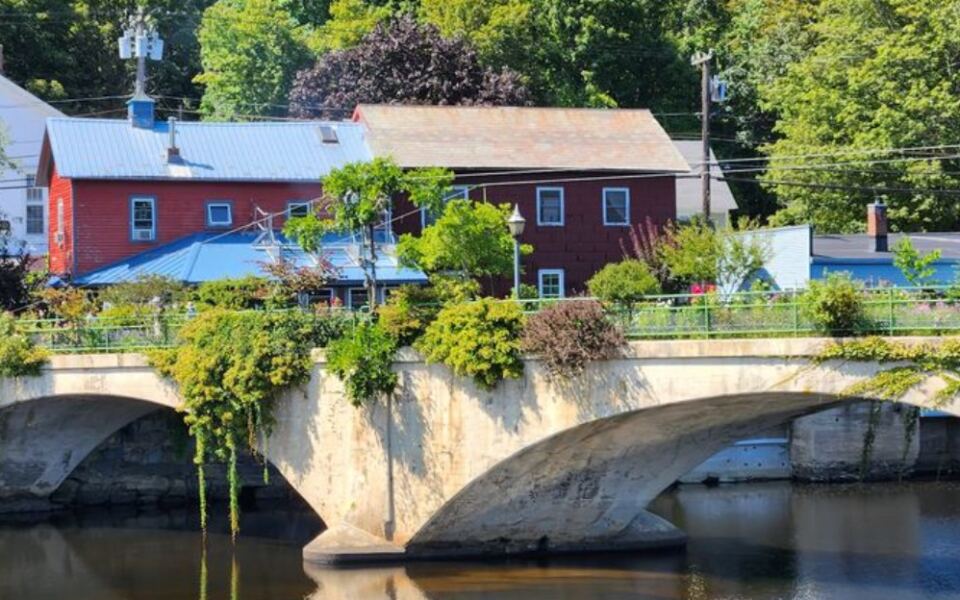
Most bridges are built to get you from one side to the other. This one gives you a reason to slow down in the middle.
In western Massachusetts, an old trolley bridge over the Deerfield River traded tracks for flowers nearly a century ago. After trolley service ended in 1928, local residents transformed the span into a garden, and today the path is lined with seasonal blooms, shrubs, and small plant markers that make the walk feel part stroll, part outdoor classroom.
I love that the idea is so simple. Instead of tearing down an unused bridge, the community turned it into something people still cross just for the pleasure of it.
From spring through fall, the colors keep changing, and there is no admission fee waiting at either end. For a short walk between two towns, this one packs in an impressive amount of beauty and history.
A Trolley Line Got A Second Life As A Garden Path
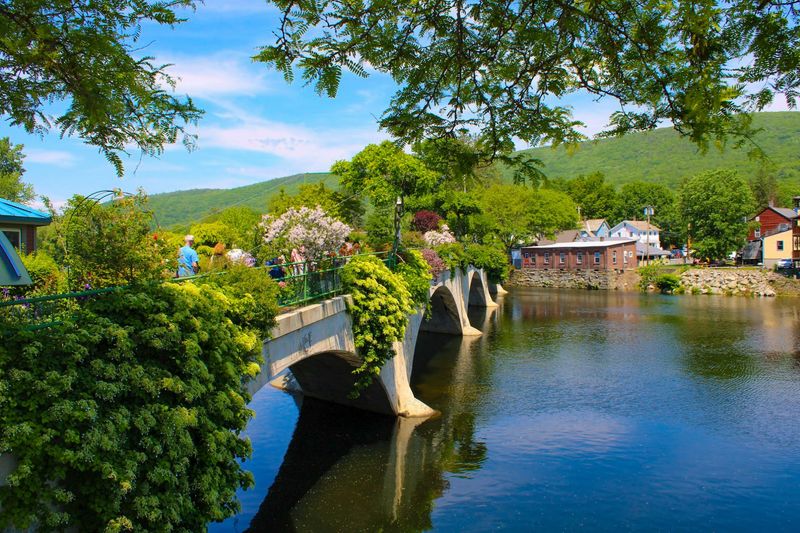
Back in 1908, workers finished a five-arch concrete bridge across the Deerfield River. The Bridge of Flowers started life as a trolley crossing for the Shelburne Falls and Colrain Street Railway.
The trolleys carried freight and passengers between the villages for years. Then trucks and cars took over, and the railway shut down in 1927.
That left the town with a sturdy bridge and nothing to run on it. Tearing it down would have been costly, and it also carried a water line between Shelburne and Buckland.
So the bridge stayed, but it sat empty and weedy for a while. Antoinette Burnham, a local resident, suggested turning the span into a garden.
The Shelburne Falls Area Women’s Club took on the project in 1929. Volunteers hauled in loads of soil and started planting.
Nearly a century later, the idea still works beautifully. It’s a great example of recycling on a grand scale, long before recycling was trendy.
Keep that history in mind as you walk across. Every flower bed sits right where trolley tracks once ran, which makes the stroll feel a bit like time travel.
Your Camera Roll Is About To Fill Up Fast
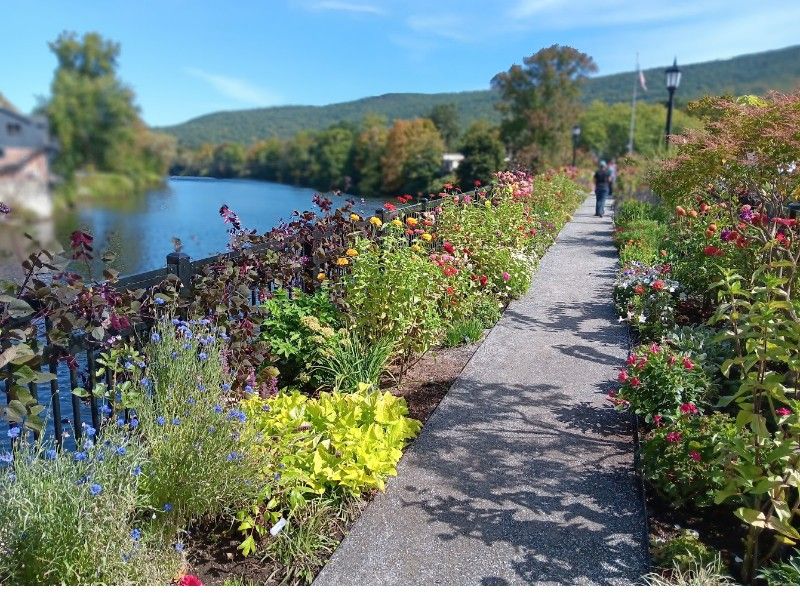
Hundreds of plant varieties fill the beds along the 400-foot walkway. Expect colors to shift as the season moves along.
Spring brings early bulbs and flowering shrubs. By summer and early fall, dahlias and zinnias put on a bold, cheerful show.
Bees and butterflies love the place too. If you’re allergic to stings, keep that in mind and walk with a little extra care.
Photographers will find plenty to frame here. Macro shots of single blossoms work great, but so do wide views with the river below.
The path is somewhat narrow, so be kind with your tripod. Stepping aside for others keeps everyone happy and moving.
Early morning and late afternoon often bring softer light for pictures. Midday can be bright, which makes colors pop but adds harsh shadows.
Don’t rush the walk just because it’s short. The Bridge of Flowers rewards people who slow down, lean in, and notice the small stuff.
Honestly, a quick lap rarely feels like enough. Plan to go across, then come right back for a second look from the other direction.
Little Signs Turn A Stroll Into A Free Botany Lesson
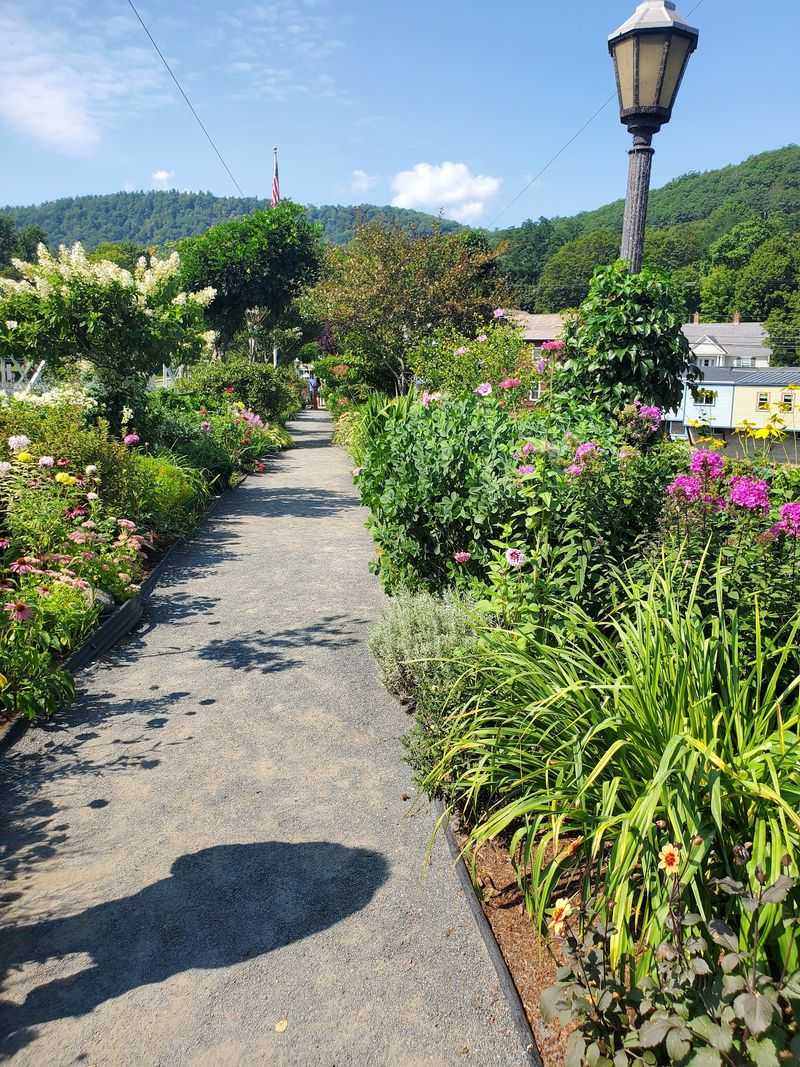
Ever admired a flower and had no clue what it was called? Here, that problem mostly solves itself.
Identification markers sit among the plantings across the bridge. You can match names to blooms as you go.
Home gardeners will love this feature. It’s an easy way to collect ideas for your own yard back home.
Bring your phone and snap the signs with the plants. Later, you’ll remember which pretty purple thing caught your eye.
Kids can turn it into a game, too. Challenge them to find the longest plant name or the strangest one.
The garden is cared for by a dedicated head gardener and volunteers. Their work shows in the tidy beds and thoughtful variety along the walkway.
Plant choices change from year to year, so repeat visits stay interesting. What you see in May won’t match what you spot in September.
Think of it as a living catalog that refreshes itself every season. No textbook needed, and the classroom has a river view.
Fair warning, though. You may head home with a long list of plants you suddenly need.
The Garden Recently Got A Fresh Start
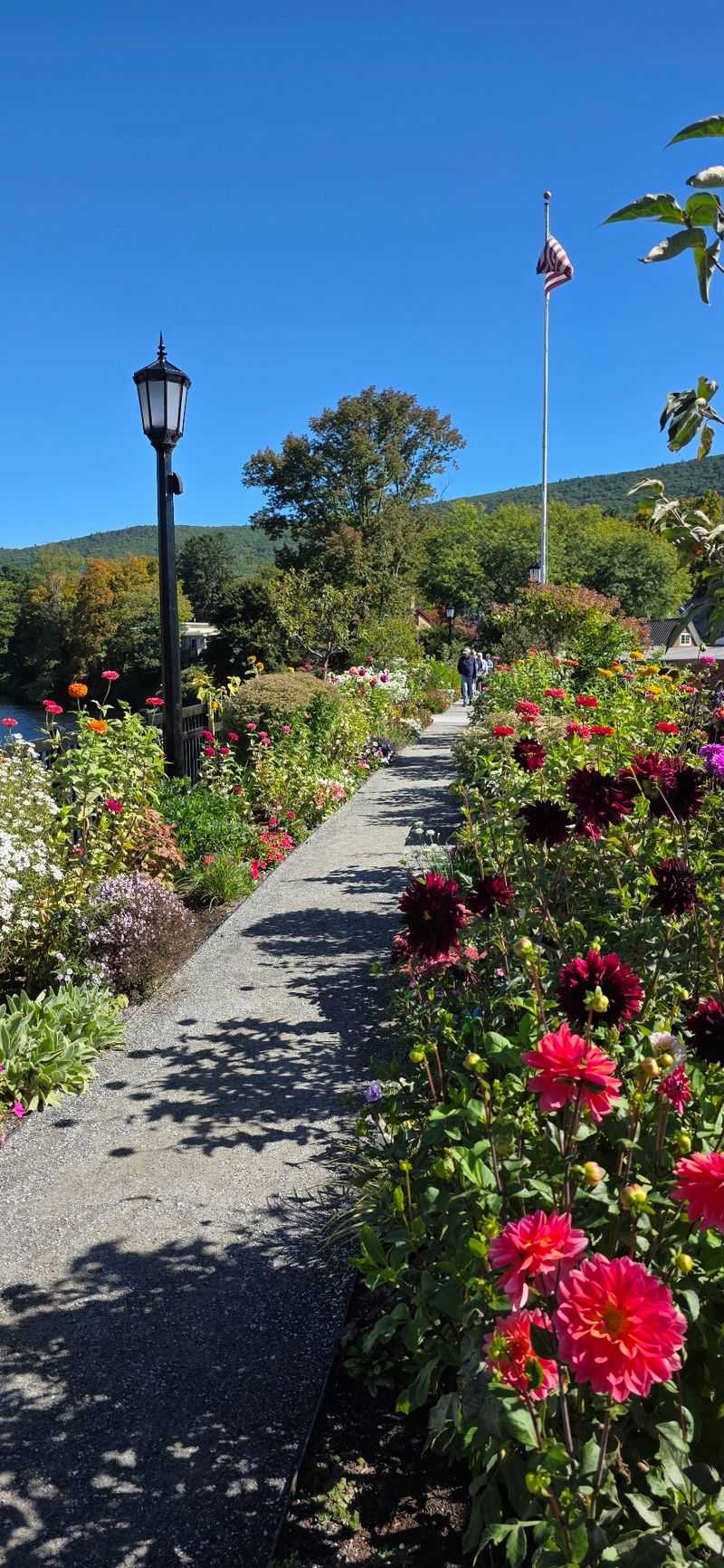
Old bridges need care, even ones covered in petunias. In recent years, the Bridge of Flowers went through a major repair project to keep the structure safe.
The work meant the gardens had to be cleared. Many established plants could not handle the construction process.
So the gardeners started over with new plantings. Signs on the bridge explain the replanting effort to curious walkers.
That means some beds are younger and still filling in. Even so, the colors already look lively and cheerful.
I like that this gives visitors a rare chance to watch a garden grow up. Come back in a year or two, and you’ll see real changes.
Repairs like this help make sure the bridge lasts for future generations. A garden that’s lasted since 1929 deserves a solid foundation.
Patience is part of gardening, after all. Shrubs and perennials need a few seasons to reach their full size.
Consider this the bridge’s fresh chapter. Being there early in that story feels a little special, like seeing a band before they get famous.
Free Admission Means Zero Excuses
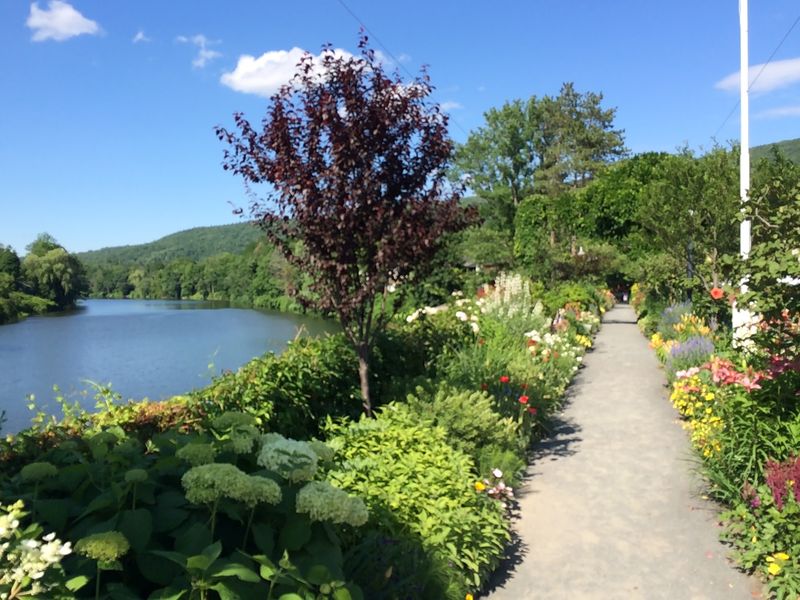
Good news for your wallet. Walking the Bridge of Flowers costs nothing at all.
The garden runs on donations and community support. You’ll find donation boxes at the entrances to help keep things blooming.
Tossing in a few dollars is a nice way to say thanks. Plants, soil, and upkeep add up quickly on a bridge this full.
The Bridge of Flowers Committee oversees the gardens today. Volunteers and gardeners handle the planting, weeding, and watering.
Keeping a garden alive on concrete takes steady attention. Hot summer days can dry out raised beds fast.
That’s why the care here feels so impressive. Beds look tidy and well kept, which takes real effort behind the scenes.
The garden welcomes walkers from spring into fall, with the 2026 season scheduled to end on October 30. In winter, the flowers rest and the bridge takes a quiet break.
Plan your trip within that window for the best experience. A sunny day in Massachusetts plus free flowers sounds like a pretty great combo.
Just remember to bring a little cash for the box. Good gardens deserve good friends.
Two Towns Share One Very Pretty Handshake
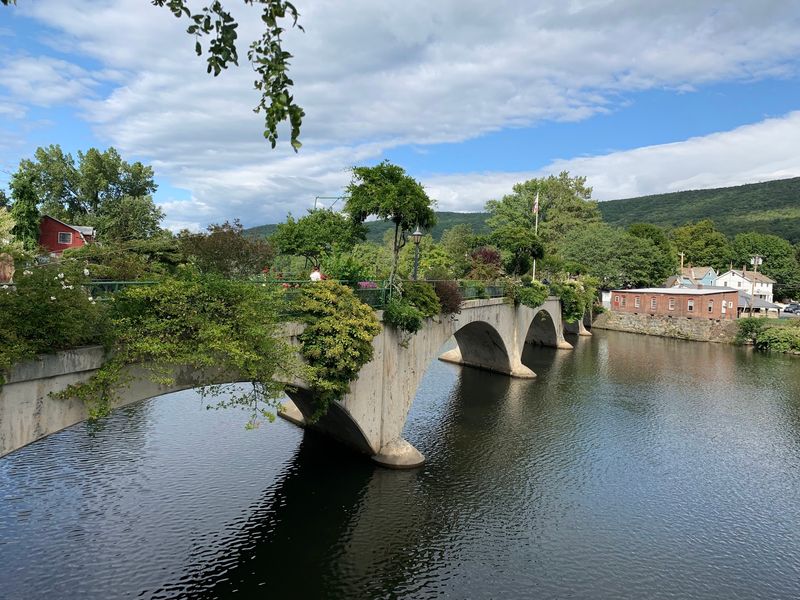
Here’s a fun detail most bridges can’t claim. This one connects two different towns at once.
Shelburne sits on one side of the Deerfield River, and Buckland sits on the other. Together, the area forms the village of Shelburne Falls.
The official address is 22 Water St, Shelburne Falls, MA 01370. That puts you right near the village center, with shops and places to eat close by.
Walking across feels like stepping between neighborhoods. Both ends offer brick storefronts and a small-town Massachusetts feel.
The view from the middle is a highlight. Look down at the river and out toward the surrounding hills.
Fall adds another layer of color. Changing leaves on the hills can frame late-season blooms nicely.
Right nearby, the Iron Bridge carries cars across the river. It gives you a great angle for photos of the flower-covered span.
Snap a shot from there before or after your walk. Seeing the whole bridge from the side shows off those graceful concrete arches.
Two towns, one garden, and a view that does most of the talking.
Giant Stone Potholes Are Waiting Just Downstream
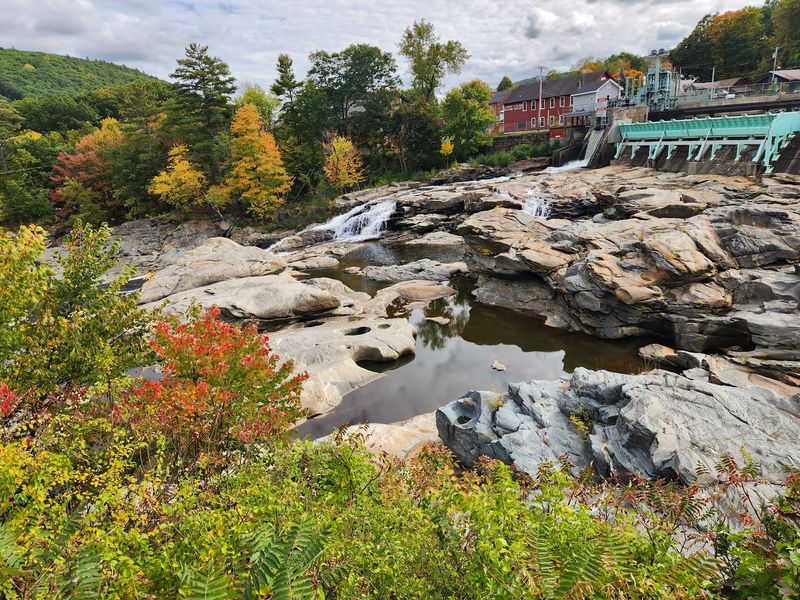
Mother Nature left her own art project a short walk away. The Glacial Potholes sit in the Deerfield River near the bridge.
These round holes formed in the rock thousands of years ago. Swirling water and stones ground them out after the last Ice Age.
Some are surprisingly large. Geologists consider them an impressive collection of potholes.
You can view them from an overlook near Deerfield Avenue. It’s an easy add-on to your flower walk.
Swimming and climbing on the rocks are not allowed. The river levels can change quickly because of the dam upstream.
So stay on the viewing area and enjoy the shapes from above. The curves and smooth stone make terrific photos.
Pairing the potholes with the bridge makes a great half-day outing. You get human creativity and ancient geology within minutes of each other.
Kids especially love the potholes. Telling them glaciers helped carve them usually earns a wide-eyed reaction.
Give yourself time for both stops. Skipping the potholes would be like ordering pie and leaving the crust.
Turn A Quick Walk Into A Whole Village Day
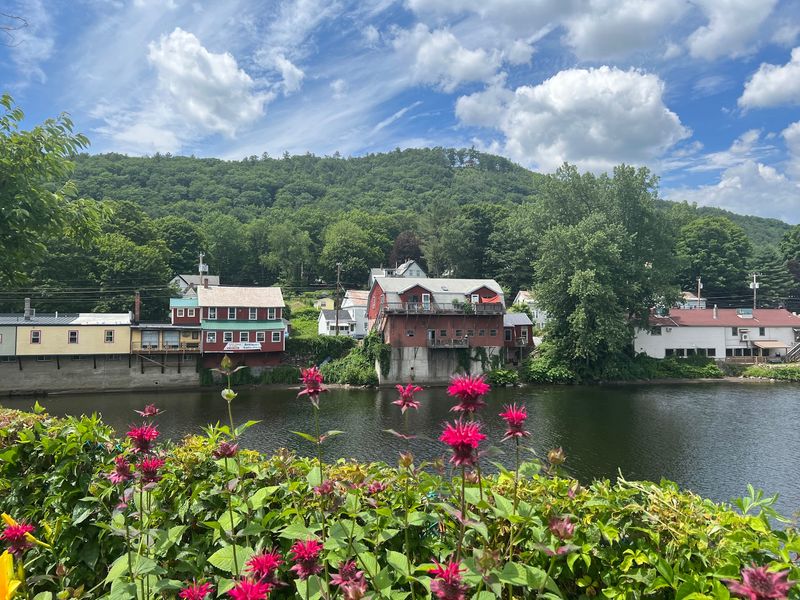
A walk across the bridge takes just minutes. The surrounding village gives you plenty of reasons to stick around.
Shelburne Falls has small shops, galleries, and cafes near both ends of the bridge. Strolling the streets feels relaxed and friendly.
The local visitor center is a smart early stop. Staff there can point you toward other spots to explore in the area.
Hungry after all that sniffing? Several restaurants sit within easy walking distance.
The Shelburne Falls Trolley Museum is close by too. It’s a fitting add-on, given the bridge’s railway roots.
The museum focuses on the old trolley line that once used this route. Seeing a restored trolley car helps the bridge’s story click.
Western Massachusetts also offers scenic driving nearby. The Mohawk Trail passes through the region and makes for a lovely road trip.
Parking can get tight on busy days. Street parking and a municipal lot nearby help, so arrive a little early.
By the end, you may wonder why you planned only an hour.
Timing Your Visit Makes All The Difference
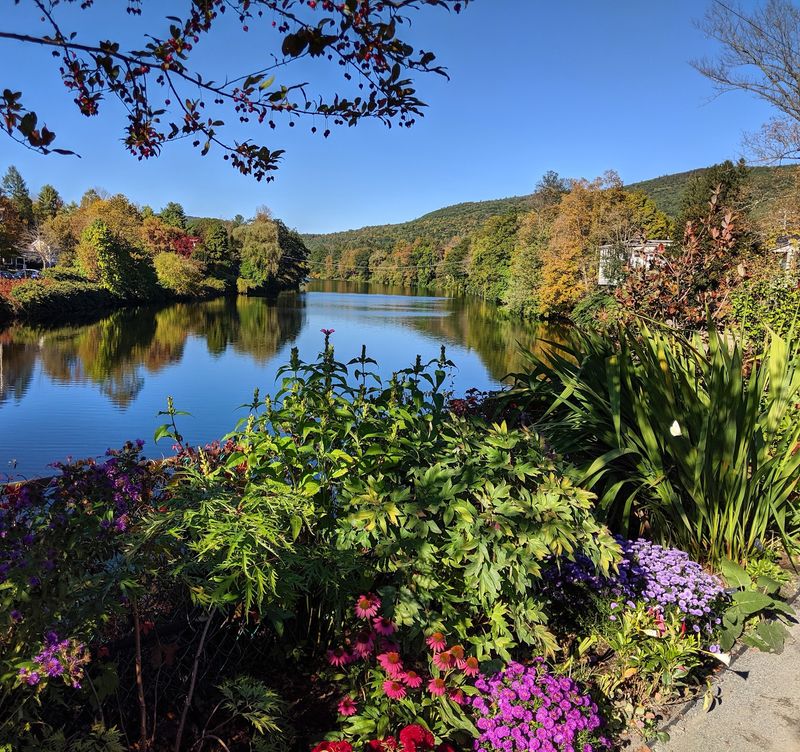
Spring, summer, or fall? Each one gives the Bridge of Flowers a different personality.
Spring visits bring early bloomers and fresh green growth. Gardens wake up and new color appears almost weekly.
Summer is lush and bright. Bees and butterflies get busy, and the beds look their fullest.
Early fall surprises many people. Dahlias often keep putting on a show, and nearby hills start turning gold and red.
The flowers rest from November through March. Plan around that window so you don’t arrive to bare beds.
Weekdays often feel calmer than weekends. Morning visits also leave more room for photos.
Wear comfortable shoes, even though the walk is short. You’ll likely wander the village afterward.
Bring water on hot days, plus sunscreen. A hat helps, since shade on the bridge is limited.
The Bridge of Flowers is a gift from Massachusetts volunteers to anyone who stops by. Pick your season, slow down, and let the flowers do their thing.
Then go home and try growing a dahlia yourself.
Share this story