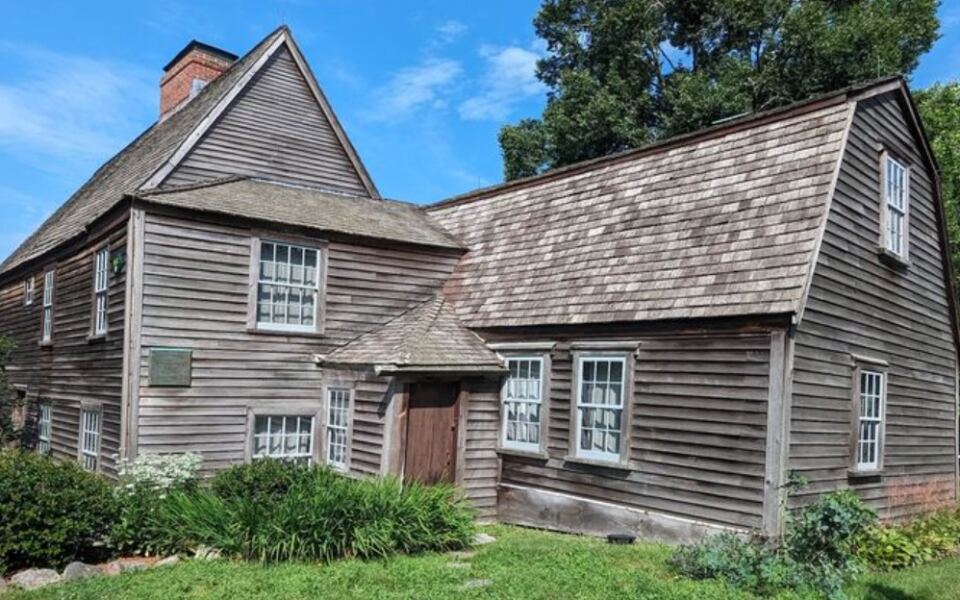
Scientists counted the tree rings in this house’s oak beams and traced them back to the late 1630s. That detail alone makes the place feel almost unreal, because it is now recognized as the oldest timber-frame house in North America confirmed by science.
The story gets even more remarkable inside. The same family owned the home for about eight generations, and many of their possessions still fill the rooms, from furniture to everyday household items that make the past feel unusually close.
What I love most is where the house stands. It sits in an ordinary Massachusetts neighborhood beside a ballfield, with modern life carrying on just a few steps away from a home that has survived for nearly 400 years.
The low ceilings and harsh winters are hard enough to imagine. Knowing one family made this place work for nearly three centuries makes you want to step inside and see how they did it.
Tree Rings Proved This House Is Older Than Almost Anything Around It
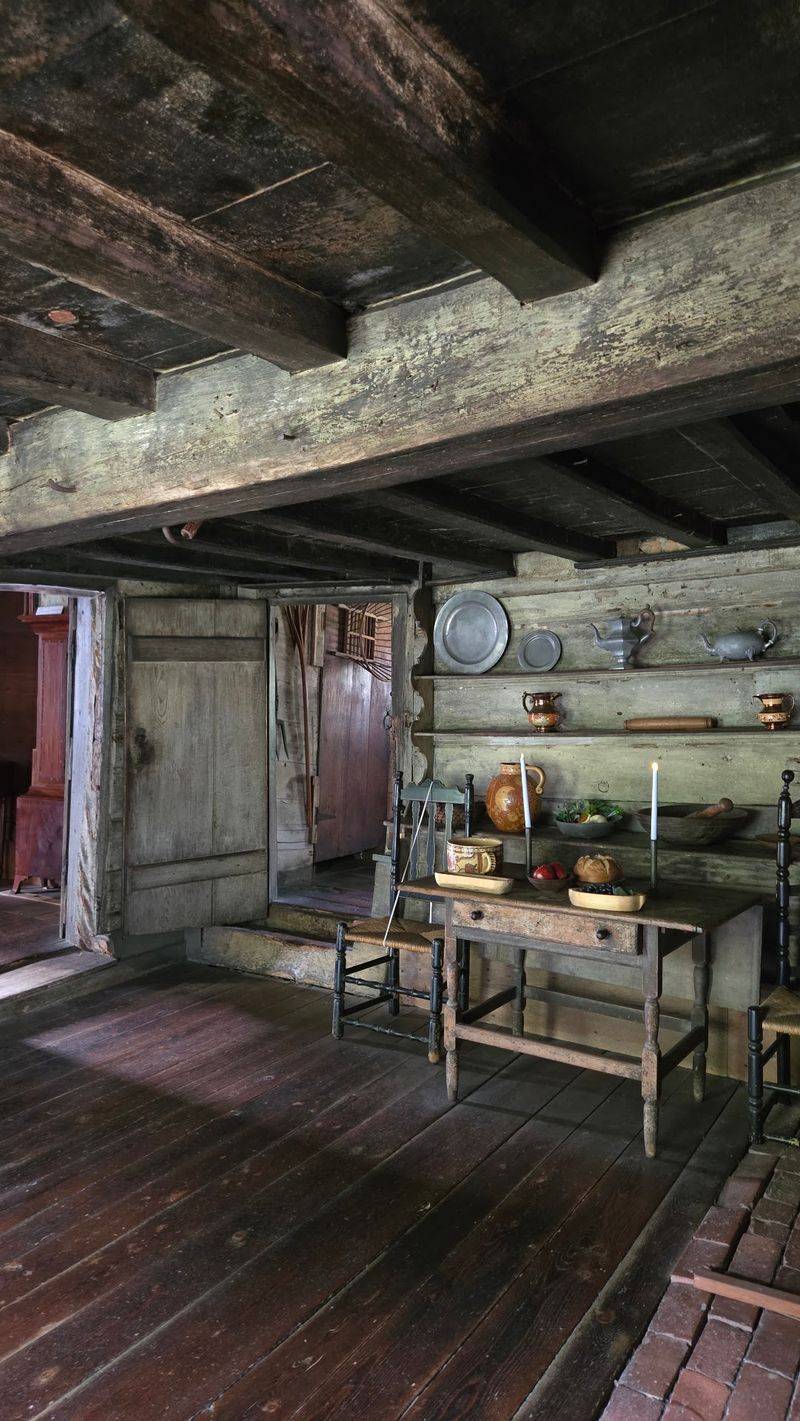
Wood keeps a diary, and scientists know how to read it. The Fairbanks House in Dedham, Massachusetts, earned its fame through a study of tree rings called dendrochronology.
Researchers sampled the oak timbers inside the oldest part of the home. The rings showed the trees were cut around 1637 to 1641, which lines up with when Jonathan Fairbanks arrived in town.
That result is a big deal. Plenty of old houses claim early dates based on family stories or guesswork, but this one has science backing it up.
Because of that testing, the house is known as the oldest timber-frame house in North America confirmed by tree-ring dating. It’s also a National Historic Landmark, which is a serious honor in the history world.
So what does that mean for you? Every beam you see in the original section came from trees growing before the Pilgrims’ grandkids were born.
That’s a wild thought while standing in a small room.
Kids especially tend to get hooked on this detail. Bring up the tree-ring idea before your trip, and they’ll be hunting for those ancient beams the second the tour begins.
One Family Kept The Keys For About Eight Generations
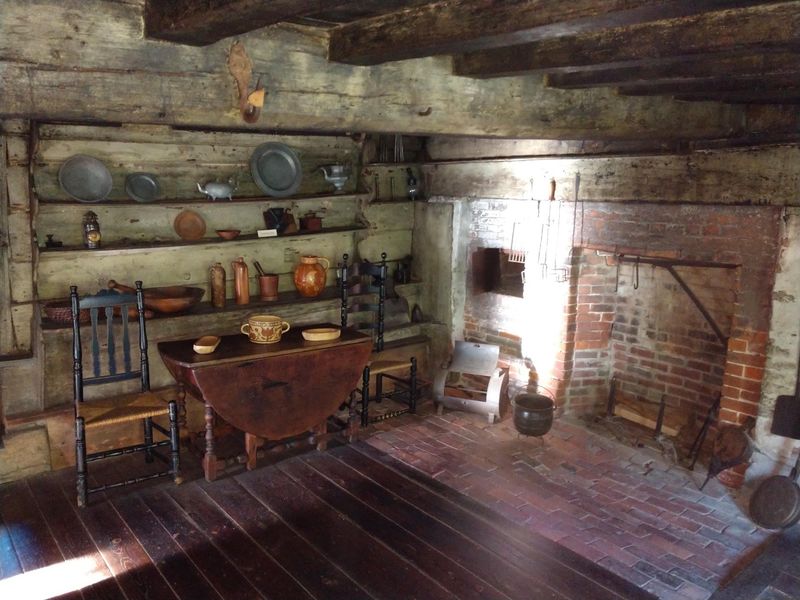
Jonathan Fairbanks and his wife Grace built the first part of the house. After that, their descendants kept living there for roughly eight generations.
That kind of loyalty to one home is rare. Most families today move every few years, so a nearly three-century stay feels almost unbelievable.
The long ownership is the reason so much survived. Instead of tossing old things, the family held on to furniture, tools, and household items that stayed with the house.
The Fairbanks Family in America, a family association, now owns and cares for the property. Its members work to protect the building and share its story with visitors.
Some guests even discover they’re related to Jonathan and Grace. With so many descendants spread across the country, your own family tree might lead right back to this Massachusetts doorstep.
If you enjoy genealogy, this is a fun place to dig into. Do a little family research before you go, because finding a surprise branch could make the tour feel personal in a way few museums can match.
Watch Your Head Because These Ceilings Mean Business
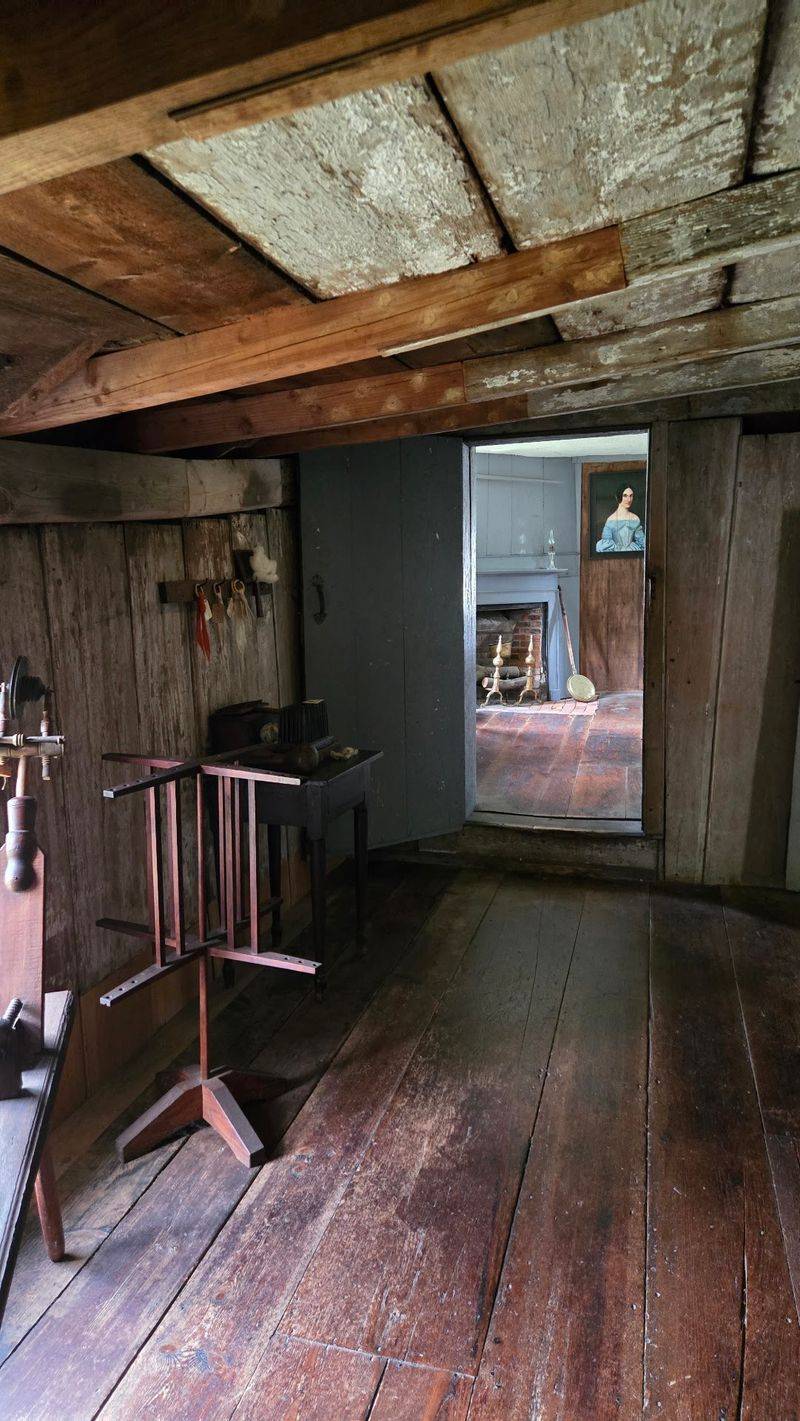
Tall folks, consider this your friendly warning. The ceilings in this old home are low, and ducking becomes part of the experience.
Why so short? Lower ceilings helped trap heat, which mattered a lot when a fireplace was the main way to stay warm through a New England winter.
Look up, and you’ll spot hand-hewn beams that carry the weight of centuries. Look down, and you’ll notice wide original floorboards that have handled nearly 400 years of footsteps.
Those details make the house feel real instead of staged. Nothing here was built to impress a crowd, since it was built to keep a family dry, warm, and sheltered.
The rooms grew over time too. Family members added sections as needs changed, so the house tells its story room by room, like chapters in a book.
A smart tip is to wear comfy shoes and move slowly. There are a few steps here and there, and taking your time lets you catch the tiny marks and joints that show how builders worked without power tools.
Spooky Marks On The Chimney Had A Serious Job
Witches were a real worry for many colonists. So families sometimes carved protective symbols near openings like fireplaces, hoping to keep bad spirits out.
At the Fairbanks House, you can see marks like these near the chimney. Historians often call them apotropaic marks, which is a fancy way of saying good-luck protection charms.
The idea was simple. A chimney was a big open hole to the outside world, so people felt it needed extra guarding.
Guides also share a story about old shoes tucked inside the walls. Hiding worn shoes in a house was another folk custom meant to bring protection.
Honestly, it’s one of the most surprising parts of the visit. These people were practical farmers, yet they also held beliefs that blended faith, tradition, and a little superstition.
Keep in mind that this home was standing decades before the Salem witch trials of 1692. That timing makes these markings feel even more fascinating, since fear of unseen forces was already part of daily life here long before Salem made headlines.
Daily Chores Left Clues All Over The House
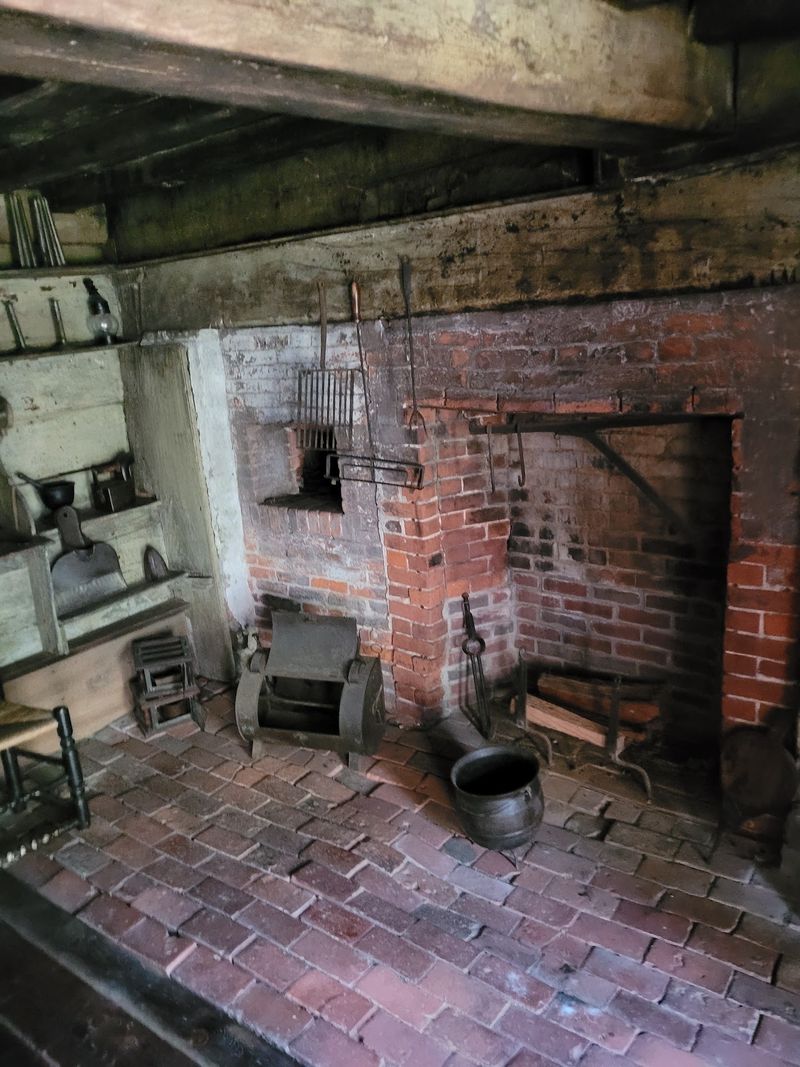
Cooking dinner meant tending a fire for hours. The big central chimney was the heart of the home, providing heat for cooking and warmth for the family.
Built into the hearth area is a small bread oven. Colonial cooks heated these ovens with fire, cleared out the ashes, and then baked using the stored heat.
No timer, no thermometer, no backup plan. Getting it right took skill, and a burned loaf meant starting the whole process over again.
Tours also point out clues about farm life. A small door connected to where animals were kept, a reminder that cows and chores were never far from the kitchen.
Little details like these make history easy to picture. Instead of reading dates in a textbook, you see the real spaces where people baked, stored food, and kept their household running.
Families with curious kids will find plenty to talk about here. Ask them how long they’d last without a fridge or microwave, and watch them gain new respect for the folks who lived in these rooms.
Guided Tours Turn Old Wood Into Great Stories
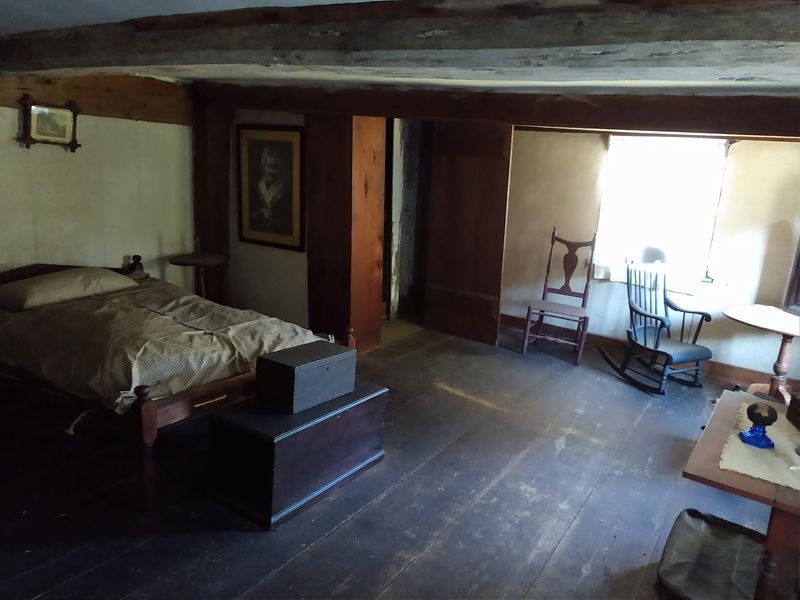
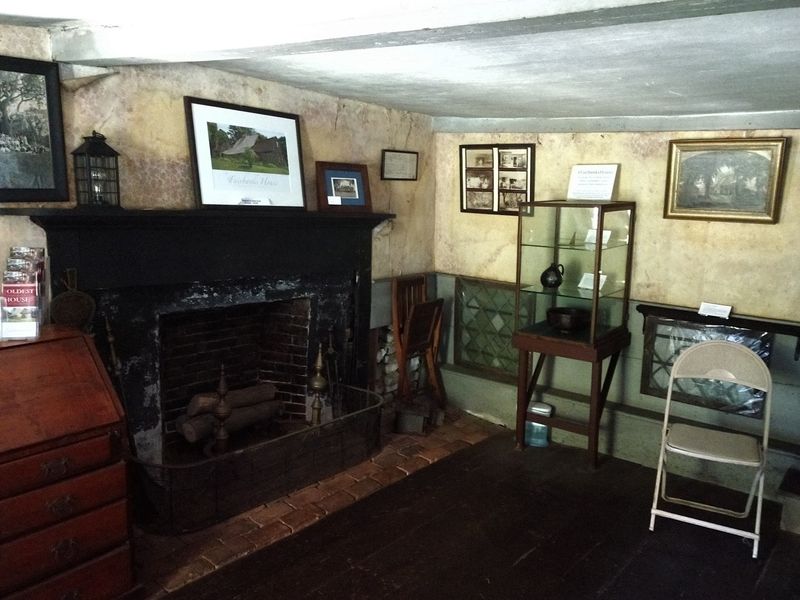
A good guide can make a simple beam sound thrilling. That’s the magic of the guided tours here, which lead small groups through the historic rooms.
Tours usually last about an hour. Guides cover how the house was built, how it changed over time, and who the Fairbanks family members were.
You’ll also hear about early Dedham and how the town grew. The house and the community share a long history, so the stories naturally overlap.
Photos are generally allowed, which is a nice bonus. Many of the most interesting original features are inside, so you’ll want your camera ready.
Bring questions, because this is the right crowd to ask. Whether you’re curious about building methods, colonial food, or family records, guides are there to share what they know.
One helpful idea is to jot down a few questions before you arrive. Kids can make a list too, which keeps them engaged and turns the hour into a fun treasure hunt for answers instead of a quiet walk-through.
Plan Ahead Because Walk-Ins Might Not Work
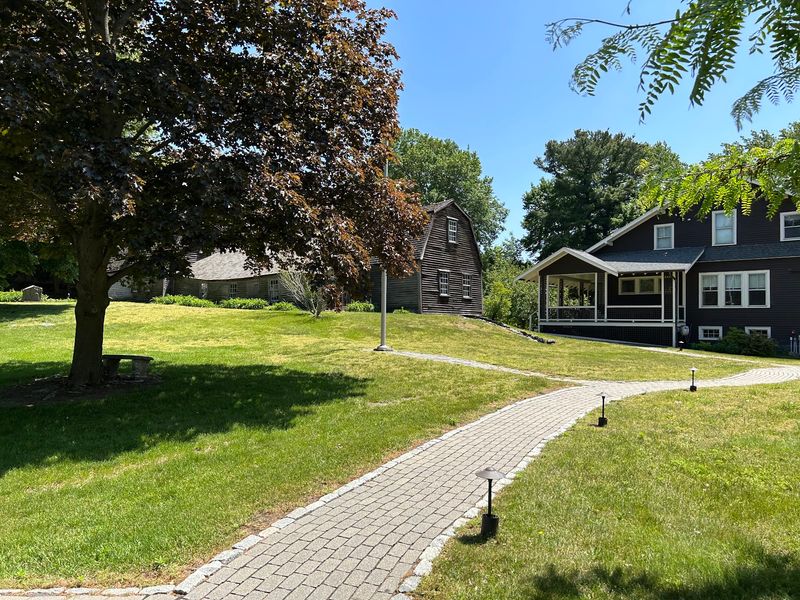
Showing up on a whim sounds fun, but it can backfire here. The museum operates seasonally, and tours typically run on scheduled days and times.
Tickets are usually purchased online in advance. That small step can save you from staring at the outside of a 400-year-old house while wishing you’d checked first.
The museum’s season generally runs from spring into fall. Hours can change, so check the official schedule before you plan your day around a visit.
Groups may be able to arrange special visits by appointment. That can be handy for school trips, family reunions, or history clubs looking for a deeper experience.
Parking is available near the house, which is helpful in a residential area. Accessibility can be limited in spots, since this is a very old building with steps and narrow spaces.
Bottom line, a little planning goes a long way. Book your spot, arrive a few minutes early, and you’ll be ready to enjoy the house without any last-minute stress.
Find It On A Friendly Street Next To A Ballfield
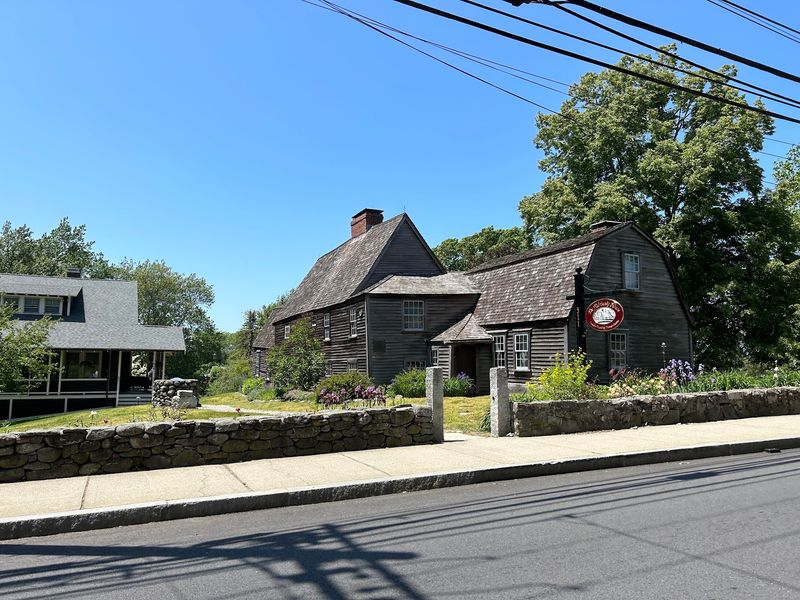
Most landmarks this old sit behind big gates. Not this one, because it rests at 511 East St, Dedham, MA 02026, right in a regular neighborhood.
That setting is part of the charm. A ballfield sits nearby, and modern homes line the streets around this ancient survivor.
Dedham itself is a historic Massachusetts town just southwest of Boston. It was founded in 1636, which means the Fairbanks family arrived very early in its story.
Getting there is fairly easy if you’re already exploring the Boston area. The short trip makes it a great add-on for a weekend of history hopping.
Even when the house isn’t open, the outside is worth a look. The weathered wood and rambling shape show how the home grew as the family needed more space.
Please remember that neighbors live close by. Keep voices friendly, park in proper spaces, and treat the area with respect so this special corner of town stays peaceful for everyone.
Your History Day Can Keep Going Around Dedham
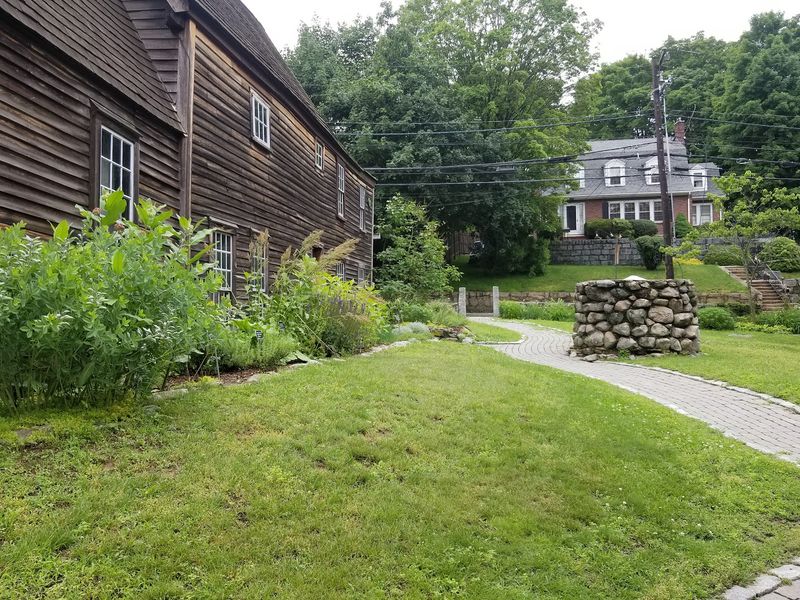
After touring a house from the 1630s, you might be in a history mood. Good news, because Dedham has more to offer nearby.
The Dedham Museum and Archive, run by the Dedham Historical Society, sits in the town’s historic center. It shares local stories, artifacts, and records that help explain the community the Fairbanks family helped build.
Dedham Square is also nice for a stroll. Older buildings and a classic New England feel give you a chance to stretch your legs after ducking under all those low ceilings.
Boston is also close by, with famous sites like the Freedom Trail. Pairing the Fairbanks House with a Boston day trip creates a timeline of early Massachusetts life.
Here’s a fun way to think about it. The Fairbanks House shows how one family lived, while bigger city sites show how a whole region changed over time.
Leave time to talk about what you saw. Sharing favorite details over a meal can help everyone remember the trip, especially those spooky chimney marks and the low ceilings that kept everyone humble.
Share this story