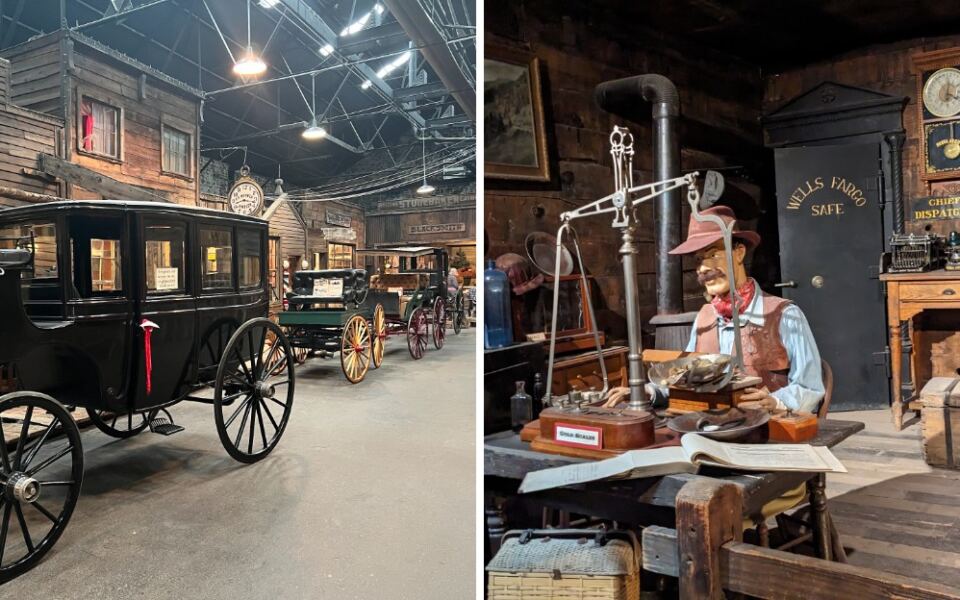
Somewhere on the west side of Colorado Springs, a whole Old West town sits tucked under one roof, ready for a Tuesday afternoon visit. There are carriages you can climb into, a pharmacy full of old bottles, and a back area where kids swirl pans of dirt hoping to find a nugget they get to keep. Grandparents tend to like it as much as the grandkids, and that is not always true of family outings.
It is affordable, open every day of the week, and small enough to finish before anyone gets cranky. Bring a pocket full of quarters, because the old machines inside are half the fun. Keep reading to learn where it is, what is inside, and how to plan an easy, low-cost day with the whole crew.
1. An Old West Town on 21st Street
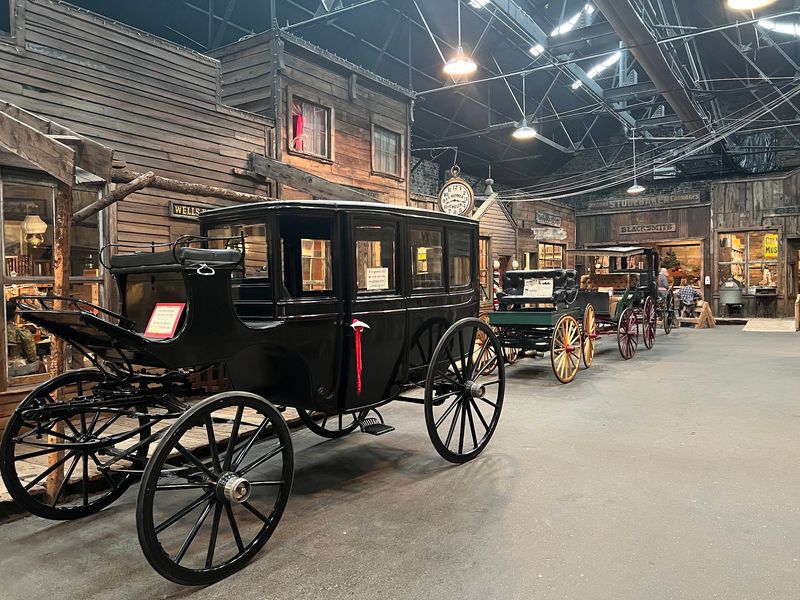
Tucked just off Highway 24 on the west side of Colorado Springs, the Ghost Town Museum hides a full frontier town behind its walls. The address is 400 21st St, Colorado Springs, CO 80904, a short hop from Manitou Springs and Garden of the Gods.
For Front Range families, that location is a quiet win. You can combine it with a stroll in the nearby red rocks or a lunch in Old Colorado City without ever touching the I-70 crawl.
The museum is a hands-on place set up as a model town of historic structures and artifacts. Instead of glass cases and long placards, the setup lets you wander from storefront to storefront like you just rode in on a stagecoach.
It is not a giant complex. Most groups find it takes about an hour, maybe ninety minutes if you linger, which makes it an easy fit for a half-day outing.
That size is part of its charm for grandparents. Nobody needs to hike miles or wait in long lines to feel like they got their money’s worth.
So where did all these old buildings and objects come from, and what can you actually do with them? That is where the real fun starts.
2. A Short Film and a Long Story
Before you start poking around the general store, it helps to know how the West got settled in the first place. The museum handles that with a short video that gives a clear overview of the region’s frontier history.
It runs as an informational show inside the building. Families with little ones may only catch part of it, but older kids and grownups tend to find it worth a seat.
The story it tells ties straight into what you see next. The collection covers life in the late 1800s and early 1900s, the same stretch when mining camps popped up across Colorado and some later faded into ghost towns.
That heritage angle is what makes the place feel more meaningful than a typical rainy-day stop. Many Colorado families have roots in those mining and homesteading years.
Grandparents often find themselves explaining things to grandkids here. A carriage or a washboard can spark a conversation about how great-great-grandma did laundry.
Once the film wraps up, the town itself is waiting. The buildings ahead are where history stops being a story and becomes something you can walk right into.
3. Storefronts Built Room by Room
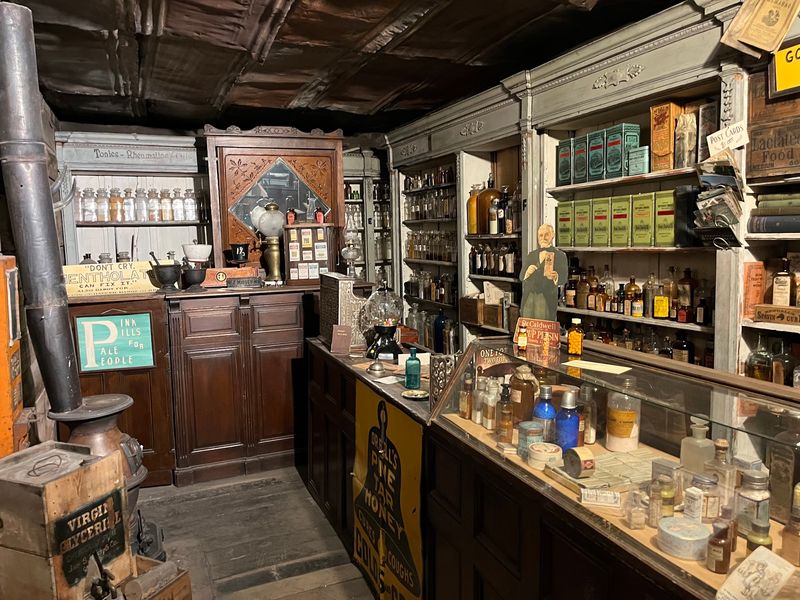
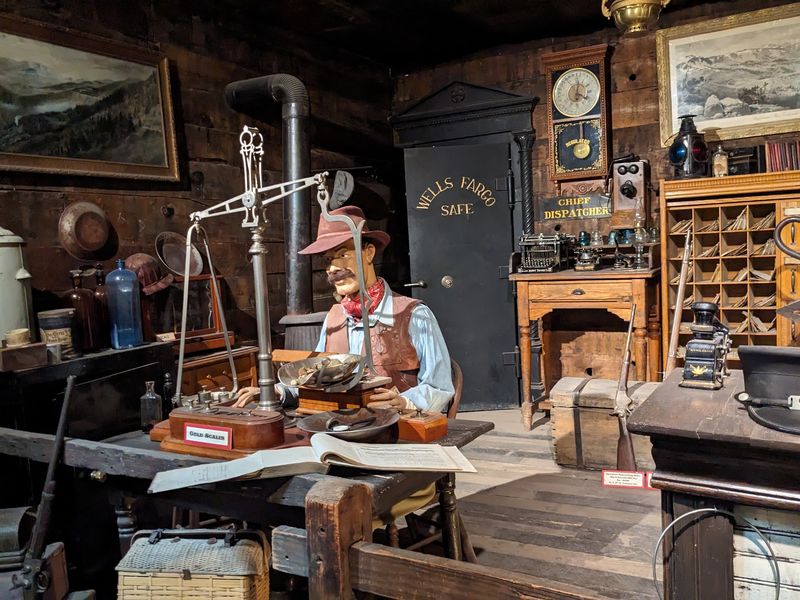
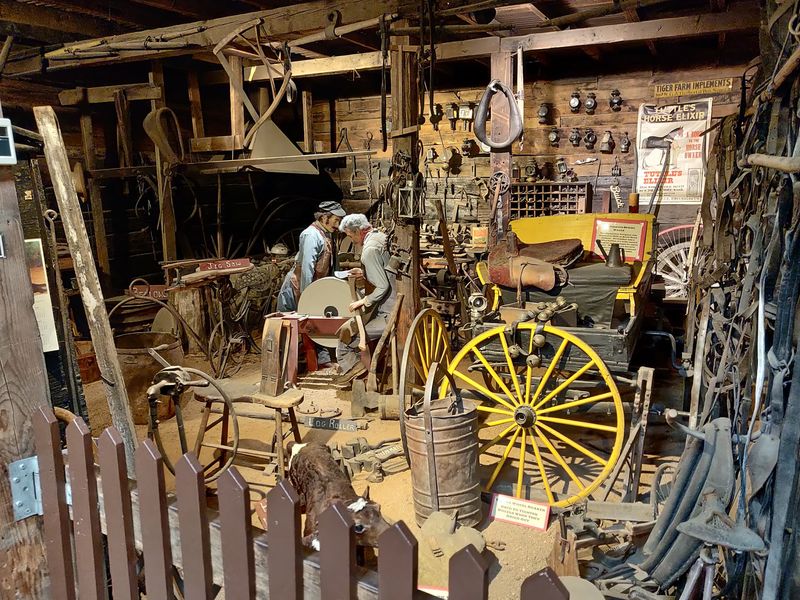
Each room in the museum is built and filled to match its purpose. One space is a blacksmith shop, another is a pharmacy, and others show how ordinary households ran more than a century ago.
The blacksmithing materials date to the late 1800s and early 1900s. Nearby, you can spot some of the first washing machines, which tend to impress anyone who has ever complained about laundry day.
What stands out is how much everyday stuff is on display. It is less about famous outlaws and more about how real people cooked, worked, shopped and got around.
The amount is honestly hard to list. Tools, furniture, household gadgets and shop goods fill nearly every corner.
Kids who rush through may get bored quickly. The real payoff comes from stopping at each building, peeking inside, and taking time to appreciate what has been preserved.
There is also not a ton of reading required. Mostly you look and explore, which keeps the pace moving for younger guests and anyone who prefers browsing to studying.
Of course, looking is only half the experience. Some of the best displays actually want your participation, and they come with a coin slot.
4. Gold Panning Out Back
Ask any kid what they remember most, and the answer is usually the gold. The museum’s panning area sits in the back, outside the main building.
Kids swirl water and sediment in a pan, watching for flecks that sink to the bottom. Families have found small nuggets, and you get to keep what you find.
It is the kind of activity grandparents can do right alongside the little ones. No special skills are needed, just patience and a willingness to get a bit wet.
One timing tip matters a lot here. The gold mining area opens in May, so winter and early spring trips may miss it.
That makes late spring a smart window for Colorado families. You can catch the panning season before peak summer travel fills up the Pikes Peak region.
The museum is still worth a stop in colder months, since everything else is indoors. But if gold is the main reason the grandkids are begging to go, plan around that May opening.
Panning gets the spotlight, yet the indoor town has its own set of games waiting, and they are surprisingly old-school.
5. Quarters, Player Pianos and Picture Shows
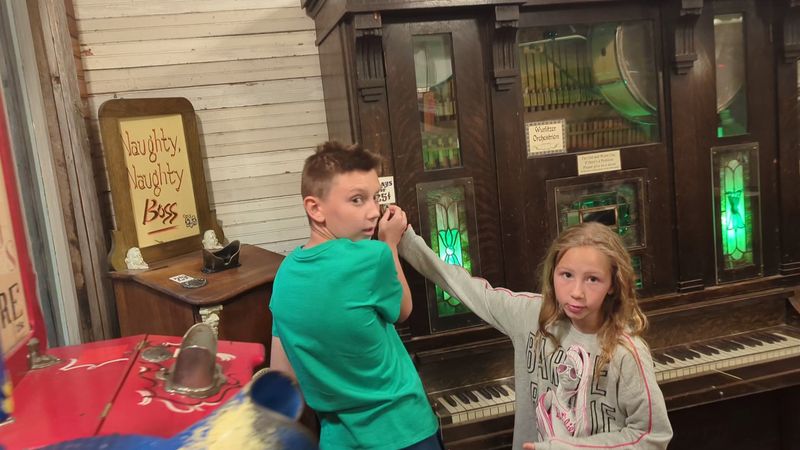
Here is the single best piece of advice for this trip: bring quarters, and lots of them. Many of the interactive displays run on coins, usually 25 to 50 cents each.
The machines include player pianos and old picture shows that bring the displays to life. A few activities are free, but the coin-operated ones are a big part of the experience.
Groups who skip the coins often wish they had not. Grabbing a stack from the bank or a handful of dollar bills ahead of time saves some frustration.
These little machines tend to win over every age. Teens and grandparents both seem to get pulled in once the first piano starts playing.
It is also an easy way to stretch a visit without spending much. A few dollars in quarters can keep a group busy for a good while.
Budget-minded families appreciate that kind of control. You decide how many machines to try, and nobody is pushed into a pricey add-on package.
Coins also unlock one more popular stop, and it lets the kids test their aim like a frontier sheriff.
6. Carriages and a Mini Shooting Gallery
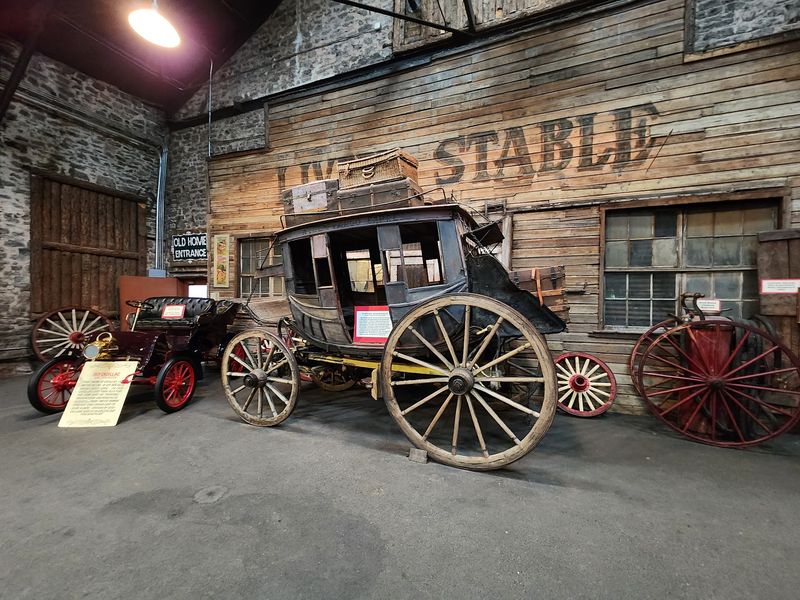
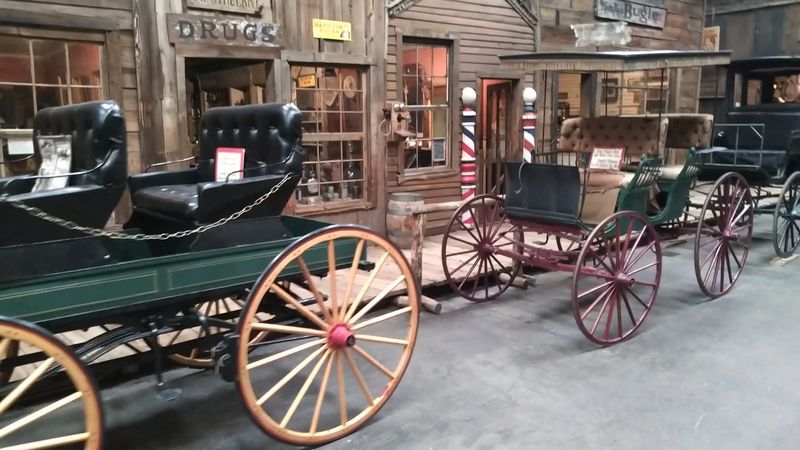
Few museums actually invite you to sit on the exhibits. At this one, there are carriages you can climb into, which makes for some great family photos.
The carriage collection gives kids a sense of how people traveled before cars. Grandparents can point out how bumpy a ride across the prairie must have been.
Not far away, a mini shooting gallery adds some Wild West flair. It is a small, friendly setup that fits the theme without getting rowdy.
Activities like these are what set the place apart from a quieter history museum. The building rewards curiosity and a little playfulness.
Even older teens tend to enjoy themselves here. Families with kids in their late teens have still found that an hour felt too short.
That mix of sitting, aiming and exploring keeps energy levels steady. Kids get to move around instead of standing still in front of displays.
After all that frontier action, there is one keepsake worth grabbing before you head out, and it comes with the grandkids’ names on it.
7. Your Name on a Wanted Poster
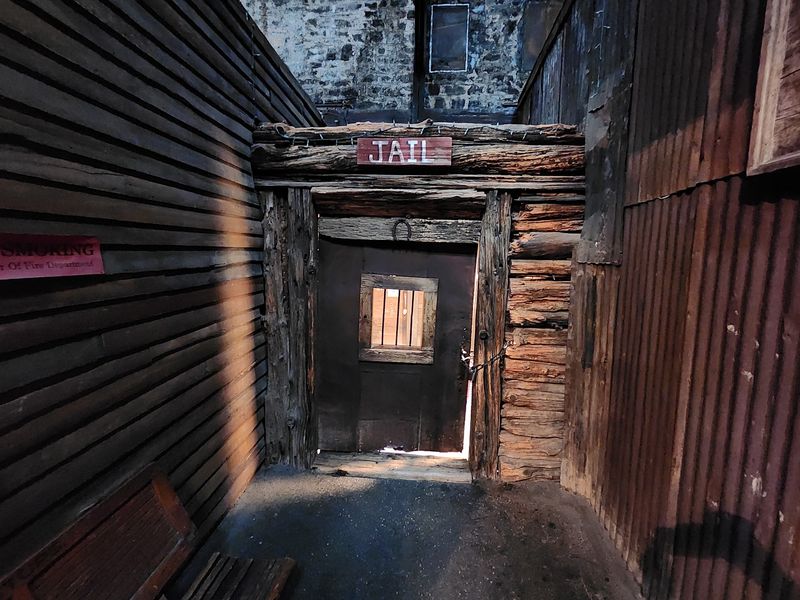
Every outlaw needs a reputation, and the museum is happy to help. You can get a wanted poster printed with your name as a take-home bonus.
It is a small touch, but it lands well with kids. A poster on the bedroom wall keeps the trip alive long after the car ride home.
For grandparents, it doubles as a simple, low-cost souvenir. It is personal, fun and fits the theme without filling the house with clutter.
Little extras like this are part of why the museum feels thoughtful. The place is full of nice small touches that make a visit memorable.
Some adults who grew up in the Springs remember coming here as kids. Now they return with children of their own, which says a lot about its staying power.
That multigenerational loop is a big part of its appeal. A grandparent who toured it decades ago can now watch a grandchild find the same delight.
Of course, the poster is not the only thing people carry out the door. The gift shop at the end has built quite a following of its own.
8. A Gift Shop Worth the Stop
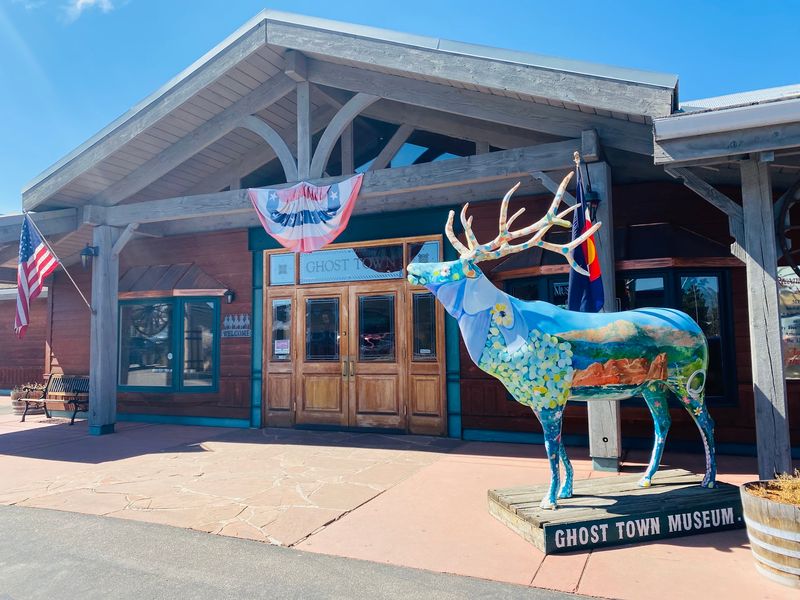
Some gift shops feel like an afterthought. This one is a highlight, and it gets mentioned more than almost any other part of the museum.
The shop carries Colorado-themed clothing, souvenirs and toys. It is clean, well organized and laid out in a way that makes browsing easy.
Prices are a pleasant surprise. A Colorado hoodie here sold for about $35, while a similar one at a nearby attraction ran close to double.
The staff behind the counter are known for being friendly and patient. They have even helped callers track down popular toys and set items aside.
You do not have to tour the museum to shop. The store is open to anyone looking for souvenirs, which is handy when out-of-town relatives visit.
Colorado residents can use that to their advantage. It is a solid place to pick up gifts for family elsewhere without paying resort-town markups.
Between the shop and the museum, the place suits plenty of groups. But who tends to enjoy it most may not be who you expect.
9. Built for Ages 7 to 73
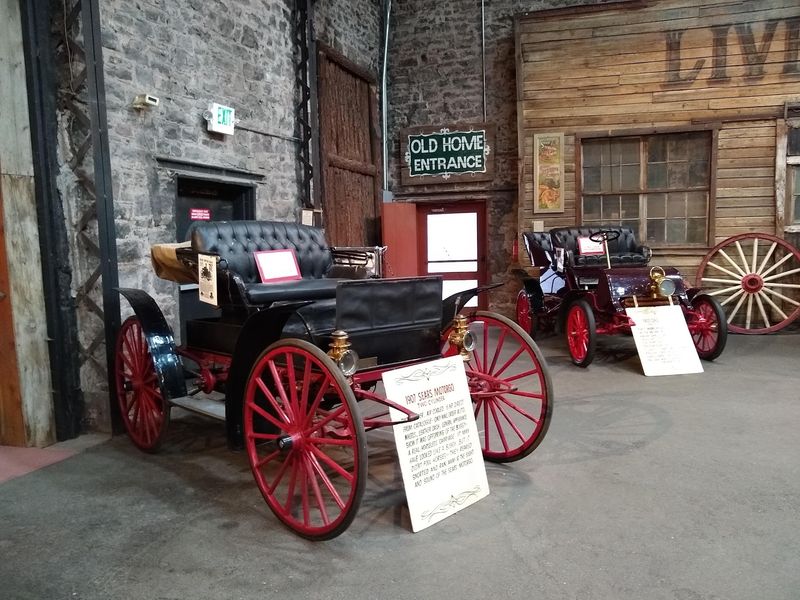
One group that toured together ranged in age from 7 to 73, and every one of them had a good time. That range sums up the museum’s appeal pretty well.
Kids enjoy the old gadgets and the hands-on games. Adults tend to get hooked on the history and want to learn more about each object.
The museum is handicap accessible, which matters for grandparents with mobility needs. Parking is convenient too, so there is no long walk from the car.
It also works as an indoor escape. On a rainy summer afternoon or a hot day, it gives families a comfortable place to explore.
Showing up right at opening can mean having the place nearly to yourselves. That is a nice perk for anyone who prefers a calm visit without crowds.
A ten-year-old might even ask to go back more than once. Kids who love little curiosities seem to find something new on each trip.
With so much going for it, the next question is the practical one. When can you go, and what will it cost?
10. Hours, Cost and Easy Planning
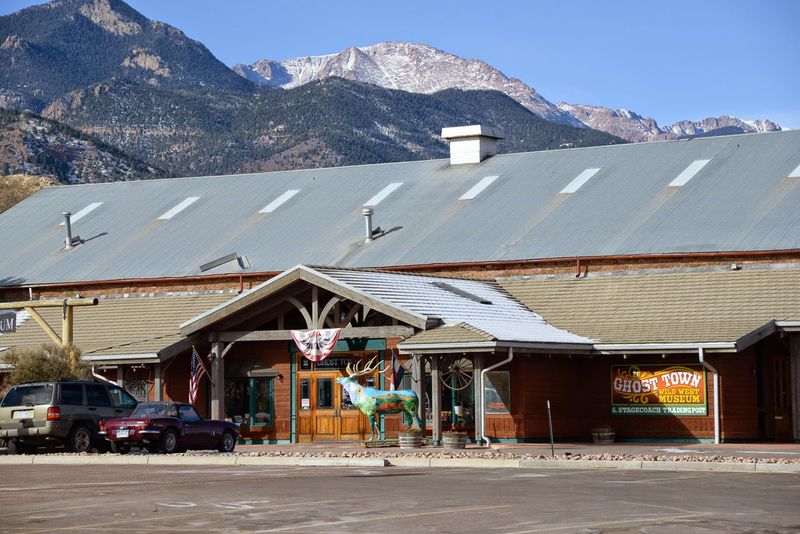
Planning this outing takes very little effort. The museum is open seven days a week, from 10 am to 5 pm every day.
That steady schedule makes it easy to fit around school, work or a grandparent’s weekly routine. Weekday mornings can be especially quiet.
Admission is affordable and generally considered worth the price. Plan to bring extra cash or quarters for the coin-operated activities inside.
Time-wise, most groups spend about an hour. If you watch the film, try the machines and pan for gold, ninety minutes is a safer estimate.
From Denver, the drive to the west side of Colorado Springs is roughly an hour and a half, depending on traffic. Pueblo and Castle Rock residents have an even shorter trip.
Pairing the museum with nearby Garden of the Gods or a walk in Manitou Springs turns it into a full, low-cost day. For the latest admission details, check the museum’s website before heading out.
With the logistics handled, all that is left is deciding whether it belongs on your family’s list.
11. Why It Earns a Spot on the Family Calendar
Plenty of attractions promise fun for all ages. Few actually deliver it as simply as this one does.
The Ghost Town Museum gives Colorado families a real slice of frontier life, a gold pan in the hands of a grandchild, and a gift shop with fair prices. It does all that without the crowds or costs of bigger tourist stops.
It is not huge, and that works in its favor. You can finish in an afternoon and still have energy left for ice cream or a scenic drive.
For grandparents, it offers a rare chance to share stories that connect to what the kids are seeing. A washing machine or a carriage can open up a conversation about family history.
For kids, it is coins, nuggets and wanted posters. For parents, it is a stress-free plan that does not require weeks of preparation.
Go in late spring if gold panning is the goal, arrive early if you like it quiet, and never forget the quarters. The West may be long settled, but this little town still has plenty of treasure left for the next generation.
Share this story