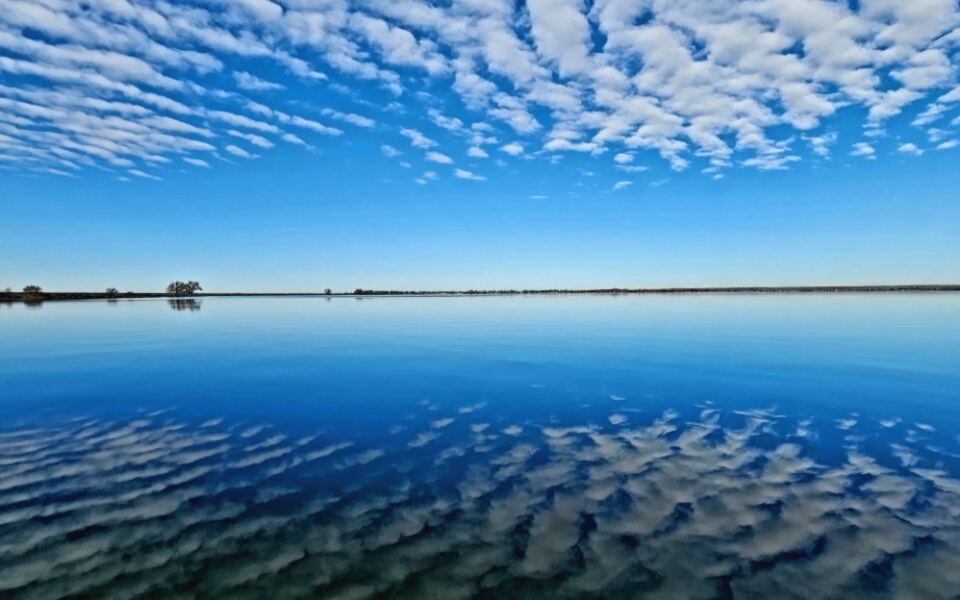
Out on the Eastern Plains, far from the I-70 traffic jams, there is a lake with soft sand beaches that many Front Range folks drive right past. It sits in farm country northeast of Denver, and it stays open around the clock. You can swim, paddle, camp, fish and watch pelicans glide over the water, all without paying resort prices.
The night sky is dark enough to spot the Milky Way. There are a few quirks too, like the wind, the bugs and water levels that rise and fall with the farm season. Keep reading to learn which campground loops work best, when the beach is at its finest, and how to plan a cheap, easy getaway close to home.
1. A Prairie Reservoir With Beach Credentials
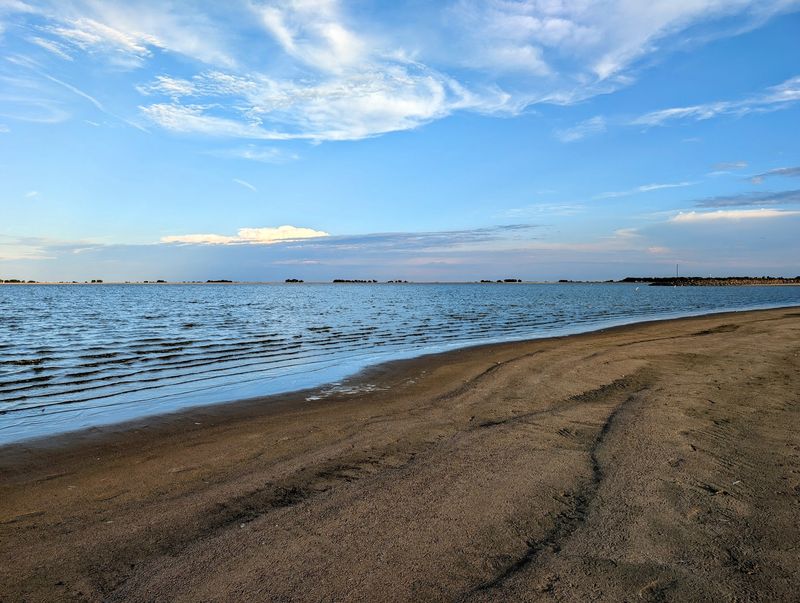
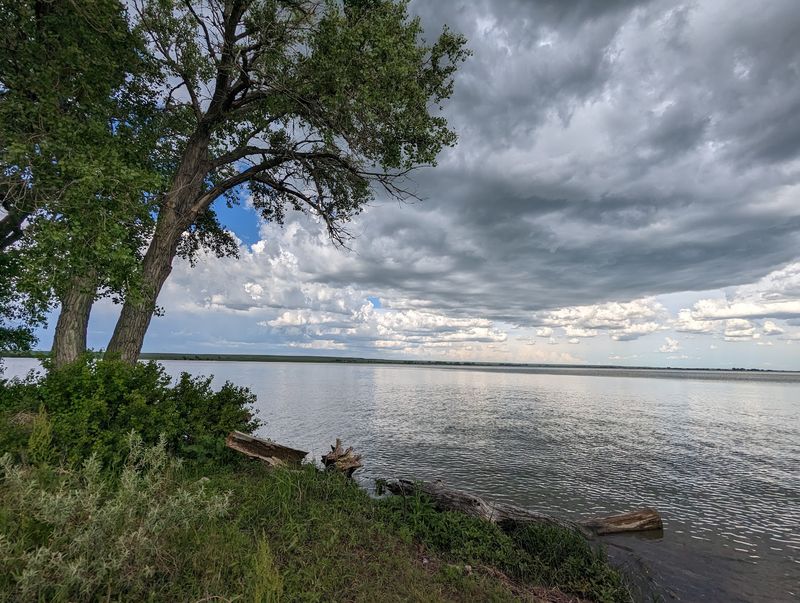
The surprise of the Eastern Plains is a lake with real sand. Jackson Lake State Park sits at 26363 Co Rd 3, Orchard, CO 80649, in the farm country of northeastern Colorado.
It is a Colorado Parks and Wildlife state park built around a reservoir. The park is known as a water-sports beachfront, with swimming, boating, fishing and bird-watching all in one spot.
For Front Range residents, the location is the selling point. It is far from the mountain corridors that clog up every summer weekend, yet it still delivers a beach day.
The park keeps its gates open 24 hours a day, every day of the week. That makes it easy to arrive early, stay late, or roll in after work for a night of camping.
The park earns a solid 4.2 stars across more than 1,700 opinions, which says a lot for a place many locals forget exists. Regulars treat it like a well-kept secret, and newcomers often wonder why they waited so long.
Nearby Wiggins is the closest small town for errands, such as tire repairs or quick supplies. Beyond that, the park mostly runs on its own little rhythm of sand, water and sky.
So what makes the shoreline worth the drive? The answer starts with the sand itself.
2. Two Swim Beaches and Plenty of Sand
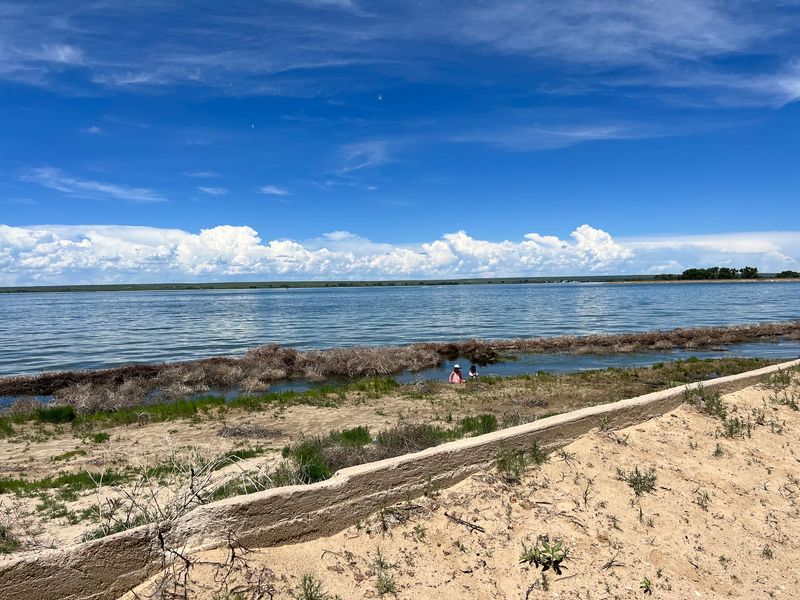
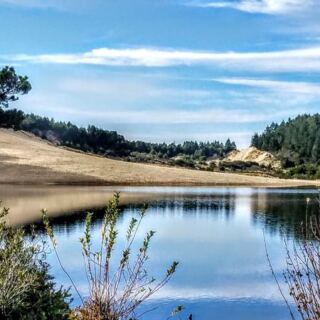
Most Colorado lakes come with rocky edges and cold toes. Here, the shoreline swaps boulders for soft sand.
The park has two swim beaches to choose from. That gives families room to spread out, and it means a crowded beach is rarely the only option.
When the water drops later in summer, both beaches can gain a lot of extra sand. That can be great for building castles, though it also means a longer walk to reach the water.
Floaties are allowed, which makes the beaches popular with kids. Paddleboarding is also a common sight, especially on calm mornings.
Weekday trips tend to be the quietest. A midweek beach day can feel almost private, with only a handful of families sharing the sand.
People who come for the day often say the beach stays fairly tidy. Many folks pick up after themselves, which helps keep the shoreline pleasant.
The beach is the headline act, but timing matters more than most people expect. That timing comes down to farming.
3. Why the Water Level Moves
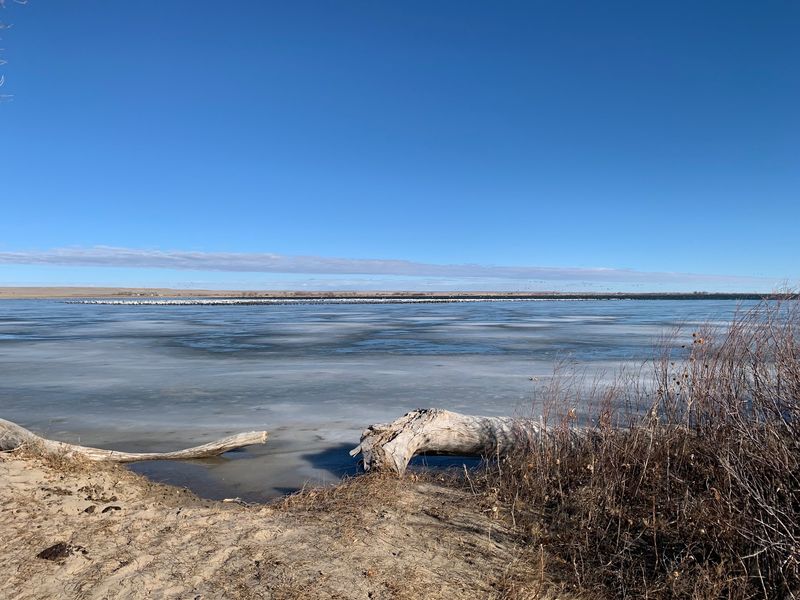
Here is a fun fact many first-timers miss. Jackson Lake is an irrigation reservoir, so local farmers draw water from it during the growing season.
As crops need more water, the lake level drops. By August, the shoreline can stretch far out, and wading in may take a long walk across sand.
Some years the reservoir gets drained earlier than expected. When that happens, mud can connect the beach to the lake bottom, and the beach mood fades.
The best advice from regulars is simple. Plan your beach trip before Labor Day to enjoy the full beach setting.
Early summer has the opposite situation. In June, high water can leave only a limited strip of shoreline, but the lake looks full and blue.
Low water can also close the boat ramp, even when the lake itself stays open. Checking conditions with the park before towing a boat may save a wasted trip.
Water quality also deserves a quick check before you go, and that topic needs its own section.
4. Algae Warnings and Smart Swim Planning
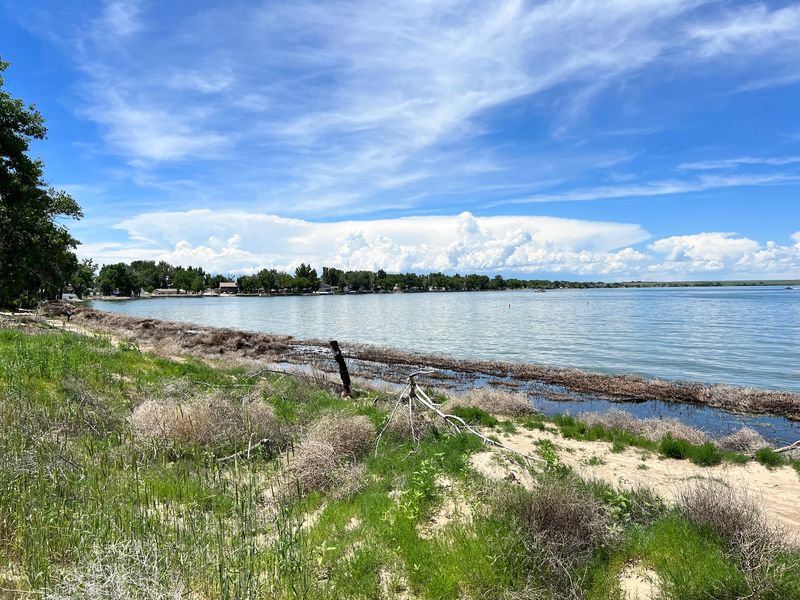
A clear lake is never guaranteed on the plains. Warm summer weather can bring algae blooms to Jackson Lake, especially when the water is low.
During some seasons, the park has posted algae warnings. Signs have advised no swimming, and no kids or pets in the water.
Those signs are posted widely across the park when advisories are active. It is wise to read them before anyone heads into the water.
Late summer can also bring fish washing up along the beaches. Carp have been found along the shoreline during warning periods.
The good news is that the park still works well when swimming is off the table. Camping, walking paths, bird-watching and stargazing all continue.
The easiest move is to check the Colorado Parks and Wildlife website before leaving home. A quick look can help you decide between a swim day and a camping-and-stars trip.
Speaking of camping, that is what most people come here to do.
5. Campground Loops Worth Knowing by Name
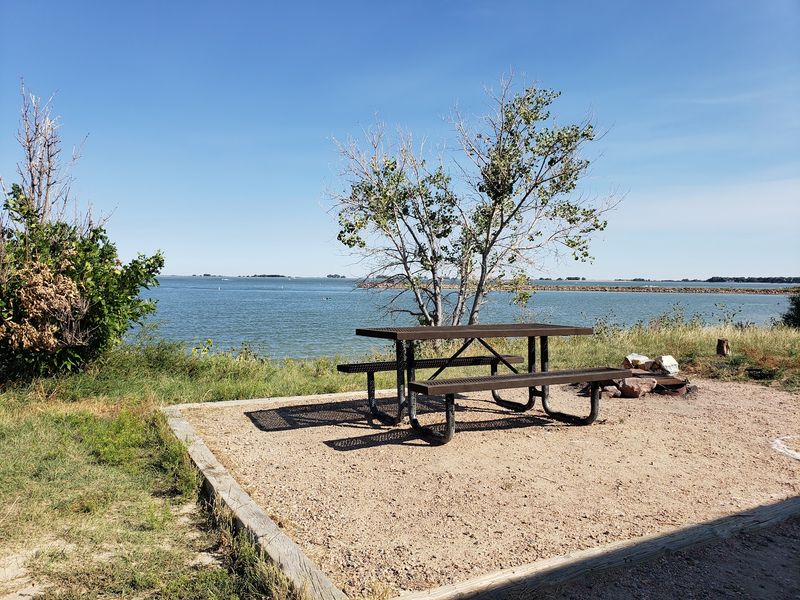
Camping is the big draw here, and the loops each have a personality. Lakeside, Cove, Pelican and Sandpiper tend to be the most popular.
Sandpiper sits very close to the water. The tradeoff is exposure, since evening winds can hit that loop hard.
Lakeside and Pelican get recommended for being near the lake while offering more cover from wind. That can make a big difference after dark.
There is also a group campground called Dunes. It has power at each pull-through site, a shared water faucet, and an easy walk to a sandy beach.
Many sites have electricity and water, and the RV spots are roomy. Some waterfront sites have rocky banks, so launching a paddleboard may take effort.
All campsites are reservation only. Sites can sit close together, though some offer nice privacy and good parking.
A dump station and fresh water for RVs are included for campers. That makes longer stays easier on a budget.
6. Showers, Restrooms and the Marina Store
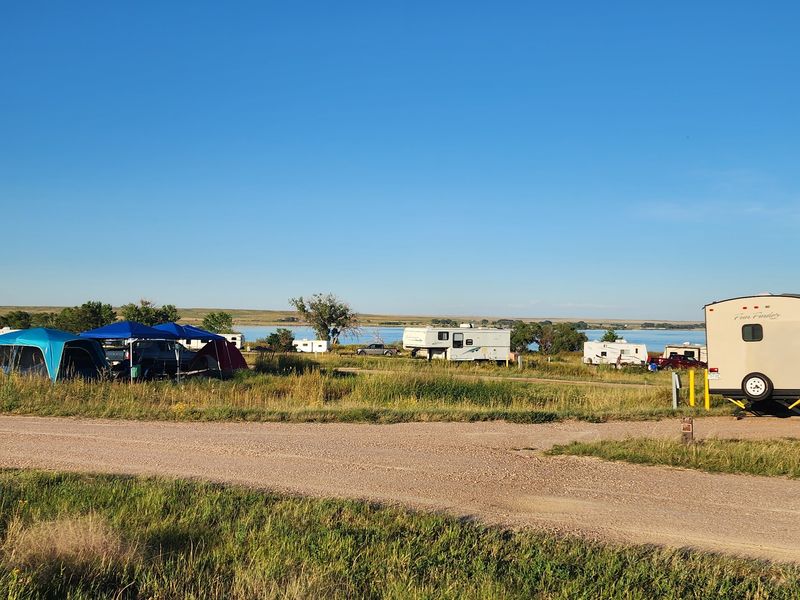
Good facilities can turn a decent trip into an easy one. The bigger restrooms here have running water and showers.
Showers are often free, and the restrooms are frequently described as clean and spacious. If one shower building lacks hot water, signs point you to another that has it.
The Lakeside showers have a reputation for being warm and clean. It helps to know your options before you settle into a site.
One handy tip involves lighting. In at least one women’s restroom, the timer light can shut off quickly, so daytime showers may be easier.
The marina store carries many basics, which is a relief if something gets left at home. Staff there are known for being friendly and helpful.
Store hours can vary, so do not count on it for every need. After storms, it has sometimes run on cash only.
Wi-Fi is offered in certain areas, but it can be spotty. Phone carriers like AT&T and Verizon have shown strong signals.
7. Pelicans, Turkeys and Other Neighbors
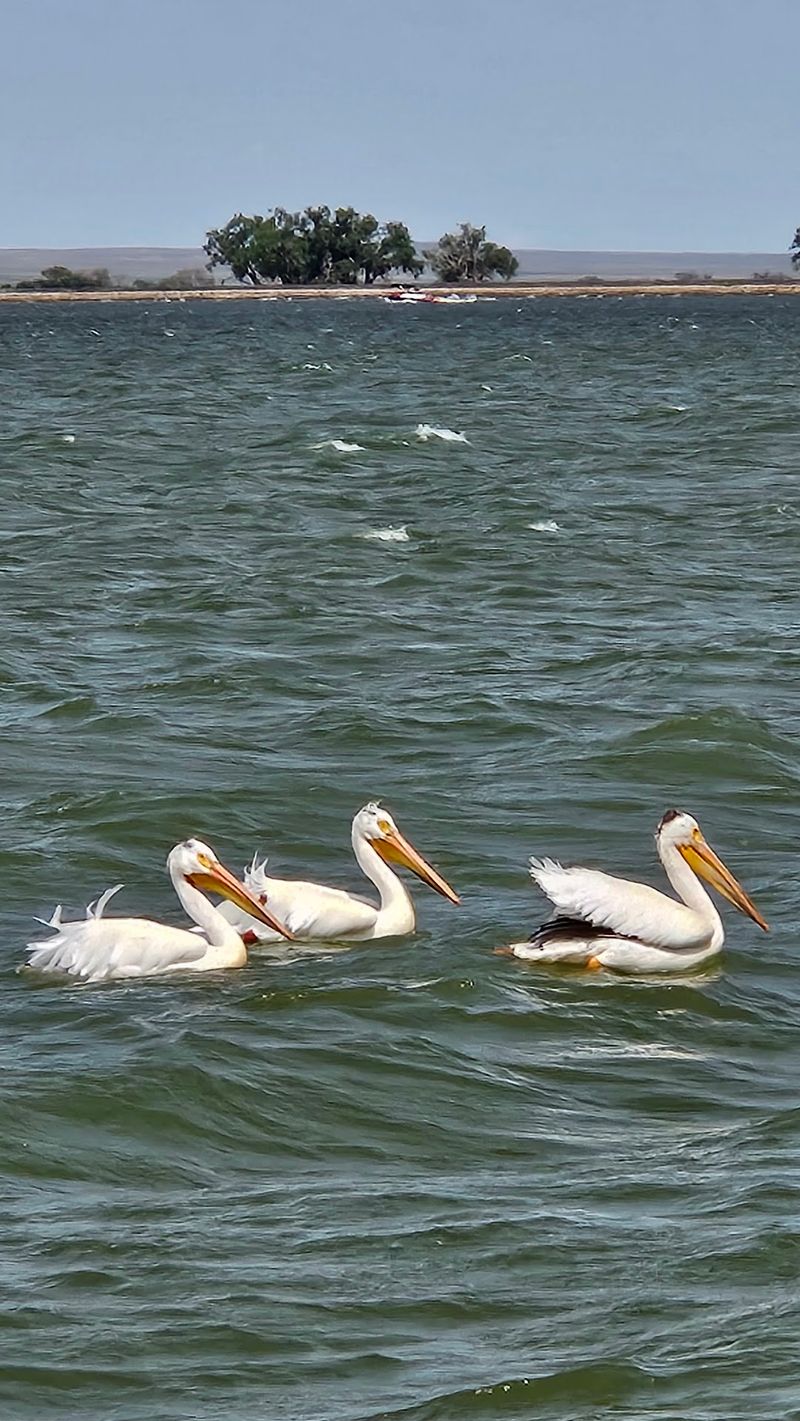
Pelicans on a Colorado lake sound unlikely, yet they are one of the park’s most talked-about residents. These big white birds often show up near campsites and along the water.
Bird-watching is part of the park’s official appeal. The reservoir attracts plenty of waterbirds through the warm months.
Wild turkeys wander through the campgrounds too. Bunnies and tiny lizards are common sightings as well.
Then there are the raccoons. A few families live in the brush and have learned how to open totes and tents, so store food carefully.
Anglers also come for carp fishing, which gets frequent mention. Shore fishing can be hit or miss, and a boat may improve your odds.
Wildlife viewing costs nothing beyond park entry. That makes it an easy activity for retirees, kids and anyone on a budget.
The daytime critters are fun, but the nighttime show is where the park really stands out.
8. Dark Skies Over the Plains
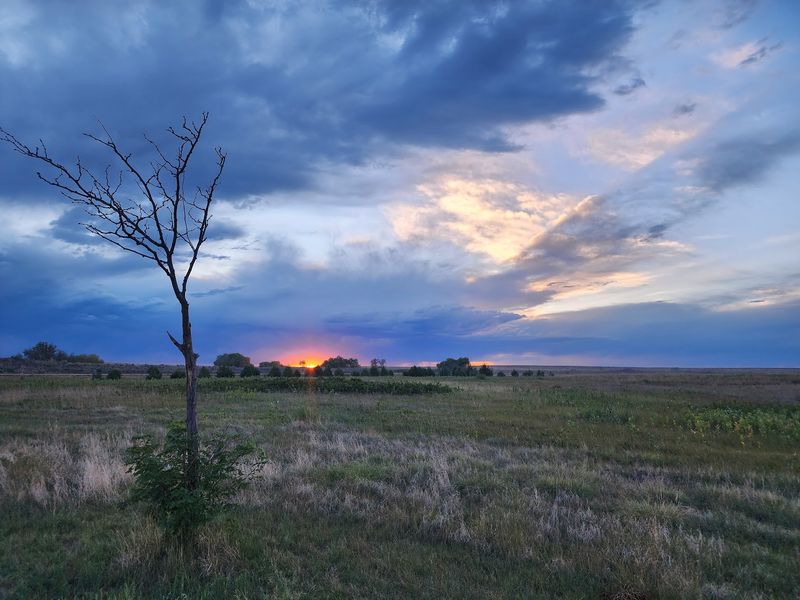
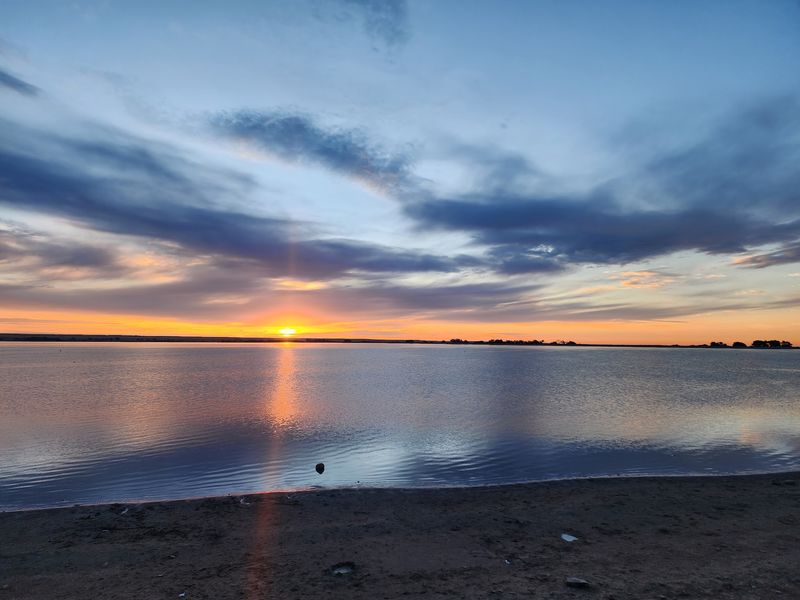
When the sun drops, the sky takes over. Jackson Lake is known for excellent dark night skies.
With little light around, the Milky Way can be visible on clear nights. Planets like Mars can stand out brightly too.
Meteor showers bring stargazers out to the park. Clouds can spoil the plan, so keep a flexible attitude.
Rangers make regular rounds at night, which many campers appreciate. It adds a sense of security when you are out with a telescope or camera.
The 24-hour access helps here. There is no need to rush out at dusk when the best views are just starting.
For Denver families who rarely see stars at home, this is a cheap and easy upgrade. A blanket and a clear forecast are about all you need.
Of course, nights on the plains bring a few uninvited guests, and those deserve an honest look.
9. Bugs, Wind and How to Prepare
Every paradise has its fine print, and this one is written by flies. Bugs are the most common complaint among campers.
Flies and mosquitoes can be heavy in summer, especially at night. Some evenings bring mostly small flying insects rather than mosquitoes.
A screened canopy is a smart purchase. Fly traps, bug spray and a steady campfire can help too.
Red ants show up on the beaches and at campsites. Ticks have also appeared, so check after hikes.
Wind is the other big factor. Strong gusts can blow overnight, and big storms, even hail, can roll through quickly.
Stake tents well and watch the forecast. Choosing a sheltered loop like Lakeside or Pelican may help on windy nights.
Many campers have a joke for it: bugs or wind, pick one. With the right gear, the trade can be well worth it.
Shade is limited at some sites, and summer days can run very hot, so pack accordingly.
10. Costs, Timing and the Final Word
Cheap thrills are hard to find in Colorado, but this park comes close. Day parking has run about $10, and a state parks pass is required at entry.
Camping costs are considered fair for the amenities. Showers, electricity, water and the marina store add real value.
Timing is everything. Weekdays are calmer, while weekends can fill fast, even on a Thursday.
Before Labor Day is the sweet spot for a full beach. Later in summer, low water and algae can change the plan.
Hours are simple, since the park is open 24 hours daily. Reservations are a must for camping, and phone the park or check the CPW website for current conditions.
The park is not perfect. Bugs, wind and changing water levels keep it honest.
Still, a sandy beach, pelicans and a star-filled sky make a strong case. For Front Range locals wanting a low-cost escape without the mountain traffic, this prairie lake might just become your new summer habit.
Share this story