Fried siopao. Yes, a fluffy Filipino steamed bun gets a trip through the fryer here, and that alone earns a spot on my list.
The menu doesn’t stop there. Fish balls, squid balls, kwek-kwek, and grilled pork isaw sit right beside bangus sisig, pancit, and lumpia. That’s a serious lineup of the snacks people grab from carts and grills on busy streets in the Philippines.
All of it lands in a small, family-run spot in the Chicago suburbs of Illinois. The same crew also rolls out a food truck, so the flavors travel beyond the front door.
I like how a strip of suburban road can suddenly smell like charcoal-kissed pork skewers. With that many Filipino street food favorites on the menu, I’d probably order a little too much and still save room for halo-halo.
Your First Stop Should Be The Street Food Counter Of Your Dreams
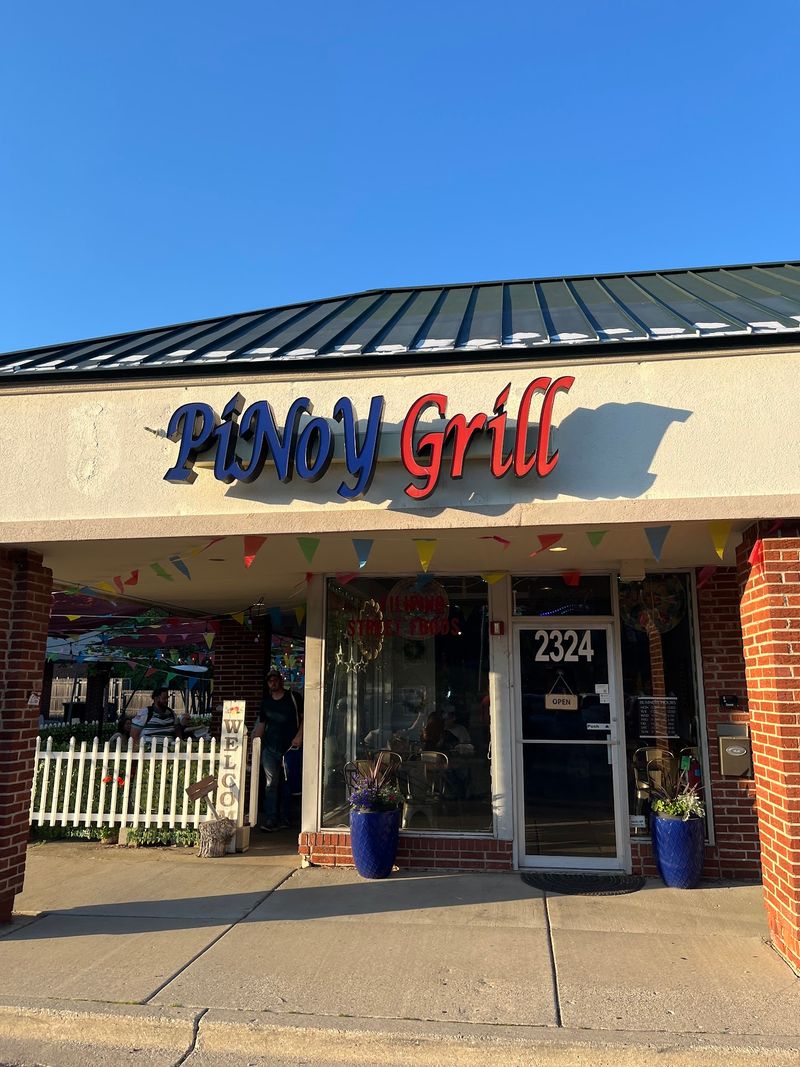
Pinoy Grill Authentic Filipino Street Foods takes its name seriously. The menu leans hard into the snacks sold from carts and sidewalk grills across the Philippines.
Fish balls and squid balls show up here, ready for dipping. Kikiam joins them, offering a savory, rolled bite that pairs nicely with a tangy sauce.
Then there’s kwek-kwek, which might be the most fun item on the whole menu. Quail eggs get dipped in a bright orange batter and fried until they look like little edible sunsets.
A street food sampler makes life easier for anyone who can’t choose. It lets you try several bites at once without committing to a giant order of any single thing.
Newcomers should lean on the staff for guidance. The team is known for suggesting dishes to first-timers, which helps when the menu reads like a foreign adventure.
My advice is to order more than one snack per person. These bites are small, social, and built for sharing across the table.
Grab some vinegar or sauce for dunking, too. Street food in Manila rarely goes plain, and these snacks taste like they know it.
Somebody Fried The Siopao, And Nobody Is Complaining
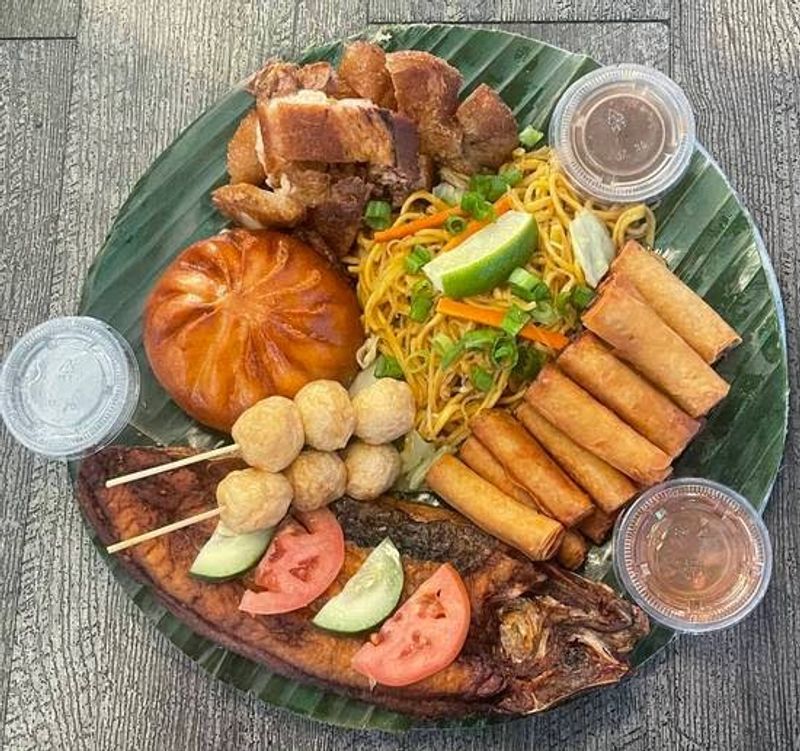
Most people know siopao as a soft, steamed bun with a savory filling inside. Here, the kitchen sends it through the fryer and turns it golden.
The result looks a bit like a Chinese char siu bao that took a detour. It’s crisp on the outside and still bun-like underneath, which makes it a strong conversation starter.
Siopao itself has deep roots in Filipino snack culture. It came from Chinese influence and became a favorite at bakeries, school lunches, and road trips across the islands.
Frying it is a playful twist that fits a street food menu perfectly. It feels like a snack you’d grab hot from a vendor and eat while walking.
Order one early, before the bigger plates arrive. It works as a fun warm-up and gives the table something to split while you study the rest of the menu.
Splitting one is smart if you plan to try lots of dishes. Of course, ordering two so nobody has to share is also a perfectly reasonable life choice.
Grilled Skewers Bring That Smoky Manila Sidewalk Mood
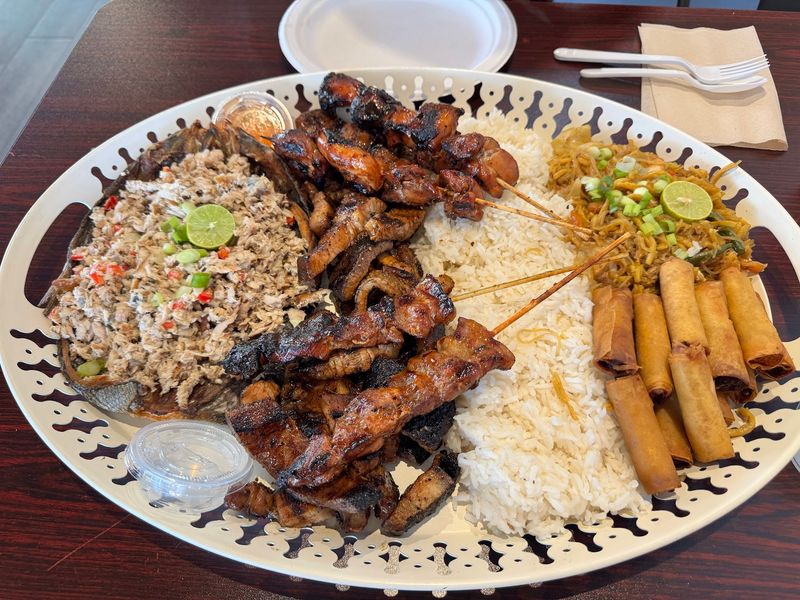
Grill is right there in the name, so the skewers deserve their own spotlight. Pork barbecue sticks and chicken barbecue both appear on the menu.
Filipino barbecue usually carries a sweet, savory marinade that caramelizes over the heat. That sticky glaze is the reason so many people back home line up at roadside grills.
Feeling brave? Pork isaw is grilled intestine, a true street classic in the Philippines.
It sounds bold to first-timers, yet it’s a beloved snack for good reason. Chicken gizzard skewers are also available for anyone who wants another authentic option.
A Pork BBQ Combo offers an easy path for anyone who wants a full meal. It pairs the skewers with sides, so you’re not just nibbling sticks for dinner.
Try at least one skewer you’ve never had before. Street food is about curiosity, and a single stick is a low-risk way to explore.
Save some dipping vinegar for the end. A splash of sour cuts through grilled pork beautifully and resets your taste buds for the next bite.
Bangus Sisig Is The Dish That Makes Filipino Food Fans Do A Double Take
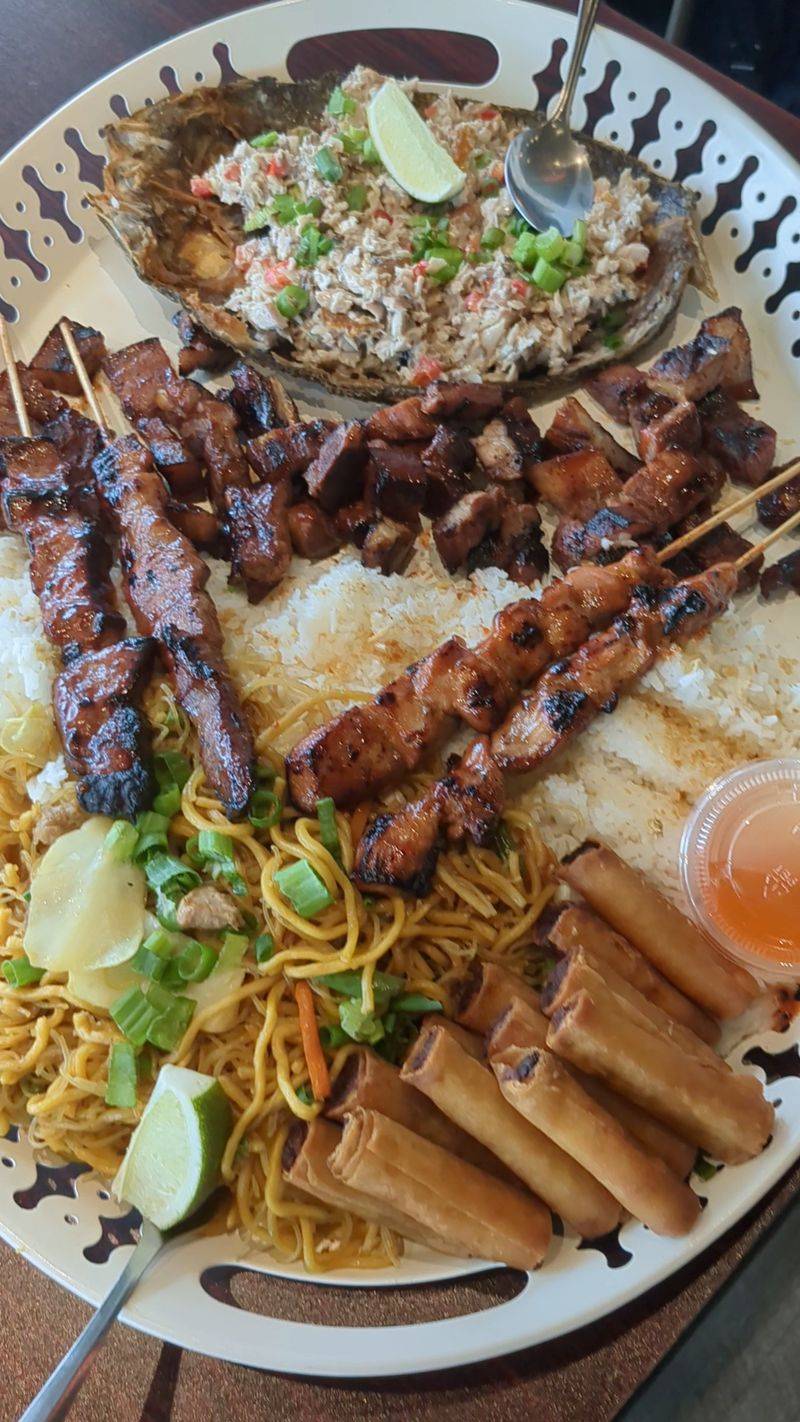
Sisig usually means chopped pork, but this kitchen also serves a version made with bangus. That’s milkfish, the national fish of the Philippines.
Not every Filipino restaurant offers bangus sisig, which makes it a fun find in the Chicago suburbs. It gives you the savory, tangy flavor of sisig with a lighter seafood base.
Sisig traces back to Pampanga, a province known as a culinary capital of the Philippines. The dish has grown into a nationwide favorite eaten at parties, family dinners, and late-night hangouts.
Fish lovers should put this near the top of the list. It’s also a smart pick for anyone who wants something bold that isn’t another pork dish.
Pair it with plain rice to soak up all that flavor. Rice is the quiet sidekick that makes every Filipino meal feel complete.
Squeeze any citrus that comes along over the top, too. A little brightness really wakes up the whole plate.
Honestly, ordering it is the easy part. Not stealing your friend’s last spoonful is the real challenge.
Comfort Plates That Taste Like A Filipino Family Kitchen
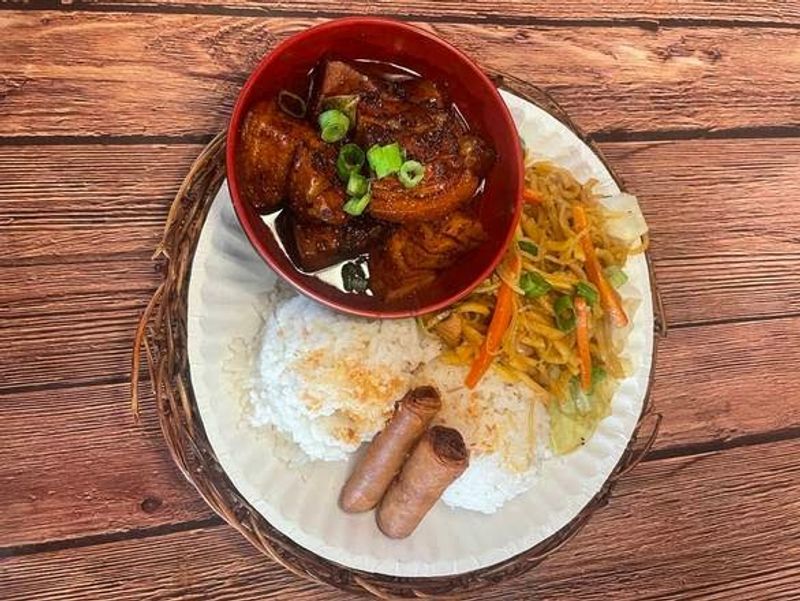
Street snacks get the spotlight, but the home-style dishes carry plenty of weight. Pancit, lumpia, chicken adobo, and bistek tagalog all appear on the menu.
Pancit is a noodle dish often served at birthdays for long life. Lumpia are crispy rolls, and they tend to disappear from a plate shockingly fast.
Adobo is often called the unofficial national dish of the Philippines. Meat simmers with vinegar, soy sauce, and garlic until it turns tangy and savory.
Bistek tagalog is a Filipino take on beef steak with onions. Tokwa’t baboy, a mix of tofu and pork, rounds out the comfort options nicely.
Soup fans can look for sinigang, a sour tamarind-style broth. Arroz caldo, a cozy rice porridge, works wonders on a chilly Illinois afternoon.
Combo meals keep things simple for beginners. A chicken adobo combo is a friendly starting point if the menu feels overwhelming.
Bring a group and order family style. These dishes taste best shared, the way they’re served at Filipino dinner tables everywhere.
Platters Solve The Great What-Should-We-Order Debate
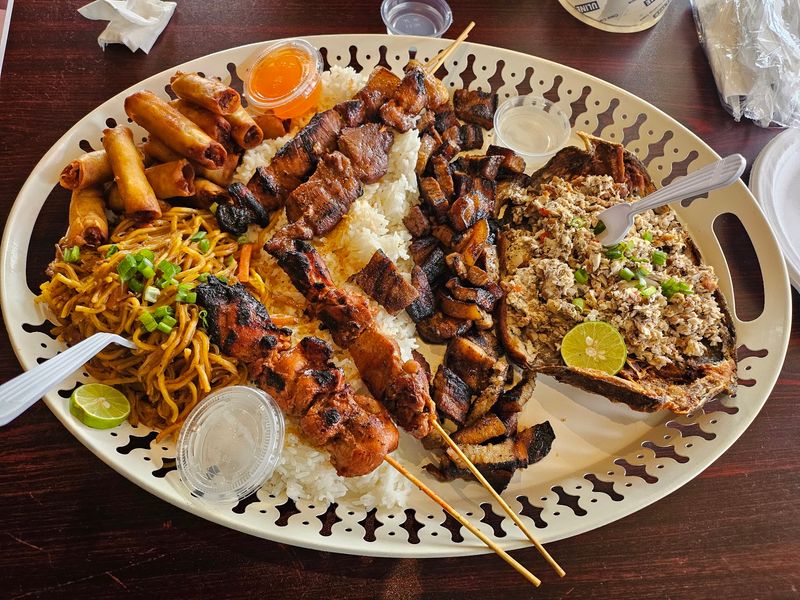
Decision fatigue is real when every item sounds good. Pinoy Grill Authentic Filipino Street Foods handles that problem with platters.
A Pinoy favorites platter, a crispy favorites platter, and a family platter all appear on the menu. Each one bundles several dishes so the table can sample widely.
Grilled pork belly is another popular item that fits right in. Its rich, smoky edges make it a natural centerpiece for a shared spread.
Platters are a smart move for first visits. You get a quick tour of the menu without ordering a dozen separate plates.
Groups should still keep seating in mind. The dining room is on the smaller side, so very large parties may need to plan ahead.
Celebrations work here, too. Small birthday get-togethers have been held at the restaurant, which says a lot about its welcoming feel.
One tip: pace yourself. A platter looks manageable at first, then suddenly you’re wondering how you’ll fit dessert. Spoiler, you will find a way.
Save Room, Because The Desserts Are Not Messing Around
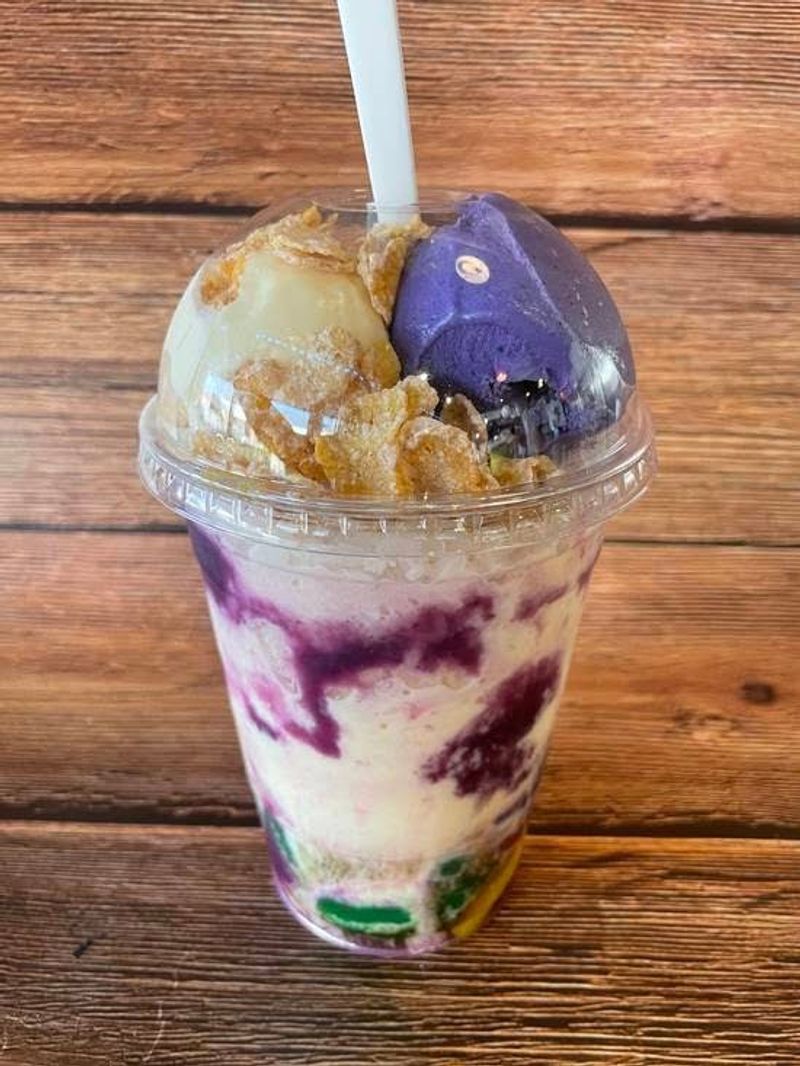
Halo-halo means mix-mix in Tagalog, and that’s exactly what you do. Shaved ice, milk, sweet toppings, and often ube come together in one glorious glass.
Stirring it all up is half the fun. Every spoonful lands a little differently, which keeps things exciting until the very bottom.
Turon also makes an appearance. Bananas get wrapped and fried into crisp, sweet rolls that taste great while still warm.
Mais con yelo is another treat on the list. It’s sweet corn served over shaved ice with milk, and it’s more refreshing than it sounds.
Taho rounds out the sweet side with soft tofu, syrup, and pearls. In the Philippines, vendors sell it in the morning, calling out as they walk the streets.
Ube ice cream deserves a mention, too. That bright purple yam flavor has become a star far beyond Filipino kitchens.
Order dessert even if you feel full. Shared spoons make it easy, and leaving without halo-halo would feel like skipping the best chapter.
A Friendly Owner And A Food Truck Keep The Good Vibes Rolling
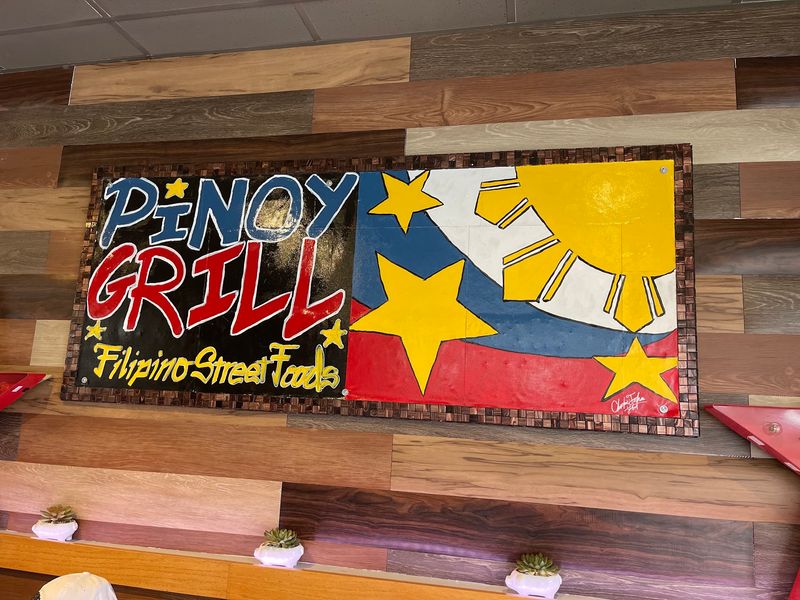
Chris, the owner, is a big part of the personality here. He’s known for greeting guests, explaining dishes, and helping newcomers find something they’ll enjoy.
That kind of hands-on care fits a family-run spot. It turns a quick meal into a small lesson in Filipino food culture.
Staff members check in with tables and offer suggestions. If you’re unsure about isaw or sisig, just ask, because guidance is part of the experience.
The restaurant runs a self-serve setup. You order, grab what you need, and enjoy a relaxed, casual meal.
The business also operates a food truck. It shows up at different spots around the Chicago area, including events like hospital pop-ups.
Following the business on social media is the easiest way to track the truck. That way, you can catch lumpia and adobo combos without driving to the dining room.
Restaurant week has featured the spot, too. Keep an eye out, since special menus are a great chance to try new dishes.
Plan Your Visit Around These Hours And Skip The Hungry Surprise
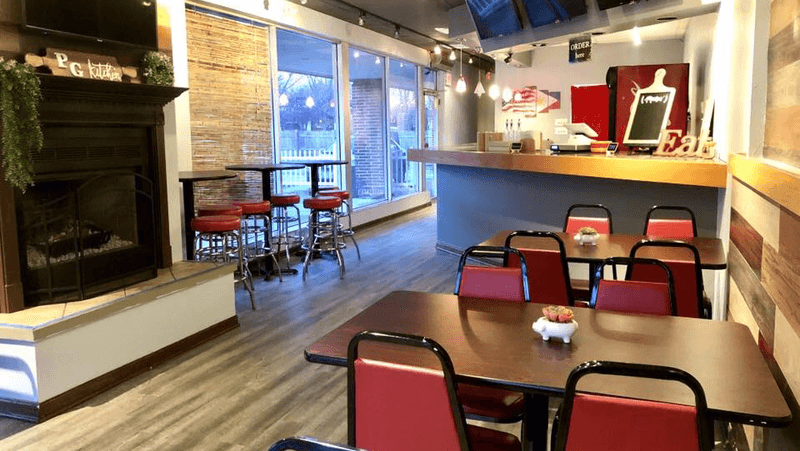
Mondays and Tuesdays are off days, so don’t make the drive then. Pinoy Grill Authentic Filipino Street Foods opens Wednesday through Sunday from 11:30 AM to 8 PM.
You’ll find it at 2324 E Rand Rd, Arlington Heights, IL 60004. That puts it in the northwest suburbs, an easy trip from much of the Chicago area.
Outdoor seating is available, which is a treat during warm Illinois months. Eating skewers outside just feels right somehow.
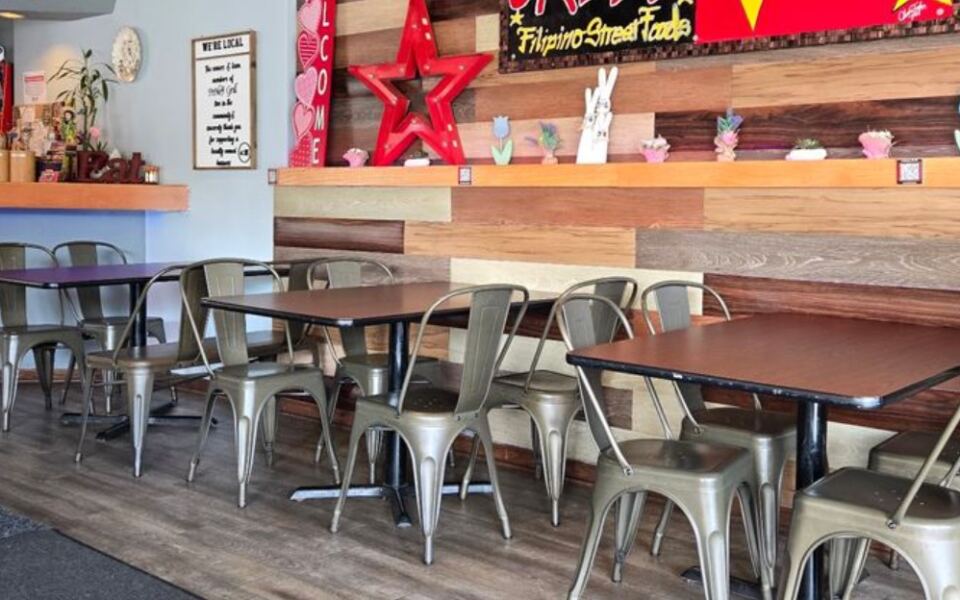
Inside, the decor adds color and a cozy feel. The space is small, so timing matters on busy days.
Arrive well before closing if you want to relax. Showing up late leaves little time to enjoy everything without rushing.
Busy stretches can mean longer waits for food. Calling ahead for pickup or visiting at off-peak times can help.
Bring patience and a hungry crew. A table full of street snacks, skewers, and halo-halo is worth a little planning, and I’d happily make the trip for that fried siopao alone.
Share this story