Ancient Egyptian treasures sit inside a museum on an Illinois college campus, and you can see them without paying a cent. Nobody hands you a ticket. Nobody asks for your wallet at the door.
The mummy shares the building with Roman statues, Greek sculpture, and art from nearly every corner of the globe. Two floors of galleries cover thousands of years of human history. A donation box sits nearby, but admission stays free for everyone.
I love that a world-class journey like this sits in the middle of Illinois. Most people expect cornfields here, not coffins from the Nile. Yet the galleries quietly prove that curiosity has no zip code.
I believe the best adventures are the ones that cost nothing but time. This one might take an hour or an entire afternoon. It’s a perfect excuse to slow down.
Ancient Egyptian Treasures Are Waiting Upstairs, No Ticket Required
Ancient Egypt is a major attraction at the Spurlock Museum, and it earns the spotlight. The museum belongs to the University of Illinois Urbana-Champaign, and its Egyptian gallery sits on the second floor.
You’ll find objects connected to Egyptian royalty, everyday life, and burial traditions. One remarkable piece is a floor panel from the palace of Akhenaten, dating back to around 1370 BCE.
The museum also cares for the remains of a mummified child, but those remains were removed from public display in 2023. Visitors can still explore the civilization’s fascinating history through the artifacts exhibited in the gallery.
The gallery also covers daily life, beliefs, and the careful rituals Egyptians followed. You’ll see objects tied to burial customs and religious practice. Each piece adds another layer to a civilization that lasted thousands of years.
Plan to read the signs instead of rushing past. The descriptions are clear and written for curious visitors, not just scholars. You’ll leave knowing more than you expected.
Best of all, this whole experience costs nothing. Museums in big cities often charge steep fees for similar collections. Here, you can visit the mummy as often as you like and never feel guilty about the bill.
Your Wallet Gets the Day Off
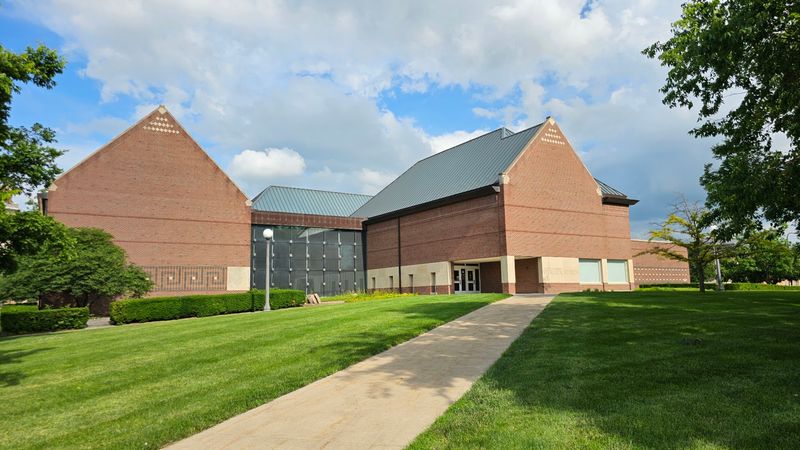
Free admission sounds almost too good, so let’s clear that up right away. Entry to the Spurlock Museum costs nothing for anyone, whether you’re a student, a local, or a road-tripper passing through.
There is a suggested donation, and a box sits near the entrance. If you can spare a few dollars, it’s a kind way to say thanks. It also helps the museum keep its galleries running for future visitors.
Parking can be friendly too. Street parking and campus lots sit close by. On weekends, parking in many permit areas is free, which makes Saturday and Sunday visits extra easy on the budget.
That combination is rare. A family can spend an afternoon among ancient treasures and still afford lunch afterward. Students can pop in between classes without a second thought.
Free also means freedom. You can stop in for twenty minutes, leave, and come back another day. There’s no pressure to squeeze every dollar out of a ticket.
So relax and wander. Linger by the pieces you love and skip the ones that don’t grab you. Nobody is timing you, and nobody is charging by the minute.
Mesopotamia Lives Right Next Door to the Pharaohs
Clay tablets covered in tiny wedge-shaped marks might not sound thrilling. Then you realize they’re among the oldest forms of writing on Earth, and suddenly they look a lot cooler.
The Ancient Mesopotamia gallery shares the second floor with Egypt. That placement makes it easy to compare two of the world’s earliest civilizations in one trip. Think of it as a history double feature.
Mesopotamia grew between the Tigris and Euphrates rivers, in the area of modern Iraq. People there developed cuneiform writing, early cities, and record keeping. Some of their ideas still shape how we organize information today.
Spend a moment with the tablets and imagine someone pressing a reed into wet clay. They may have been tracking grain, payments, or school lessons. Ancient homework, basically, and it survived far longer than yours did.
The gallery makes a great follow-up to the mummy. Egypt grabs attention with drama, while Mesopotamia rewards patience. Both help you understand how people first built complex societies.
Bring a curious kid here and ask them to spot patterns in the writing. It turns a quiet case of artifacts into a fun puzzle.
Greek and Roman Statues Steal Plenty of Attention
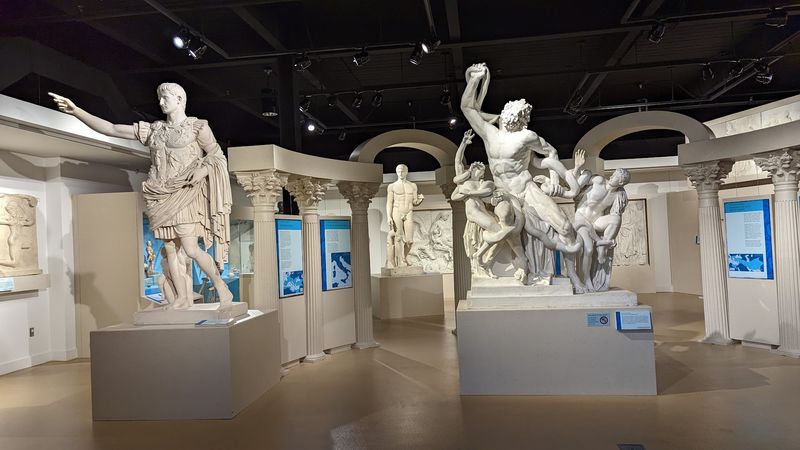
Marble gods and emperors fill the Ancient Mediterranean gallery on the first floor. For many visitors, this space feels like one of the largest and most developed areas in the building.
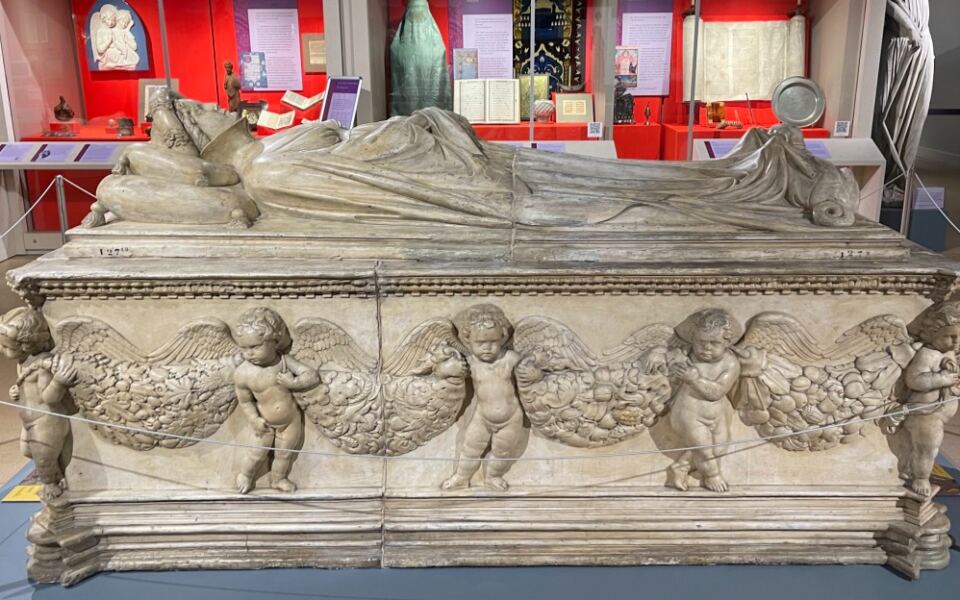
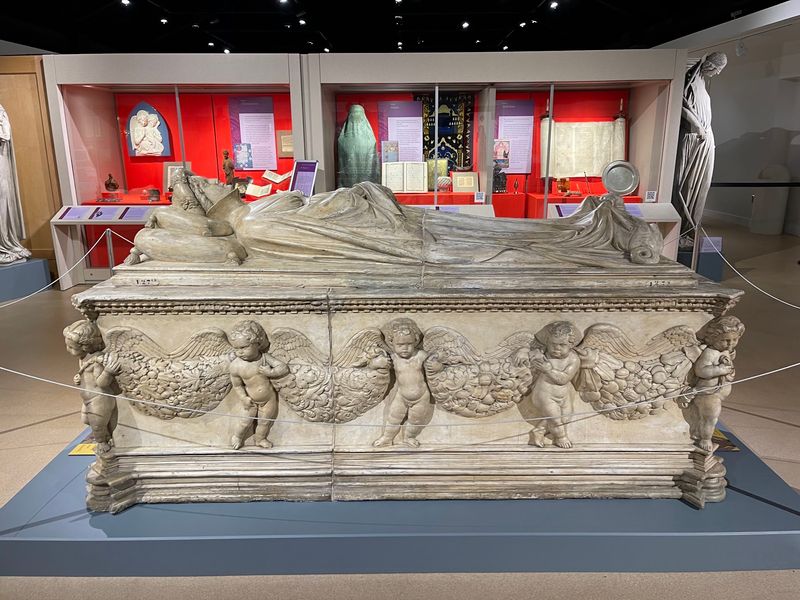
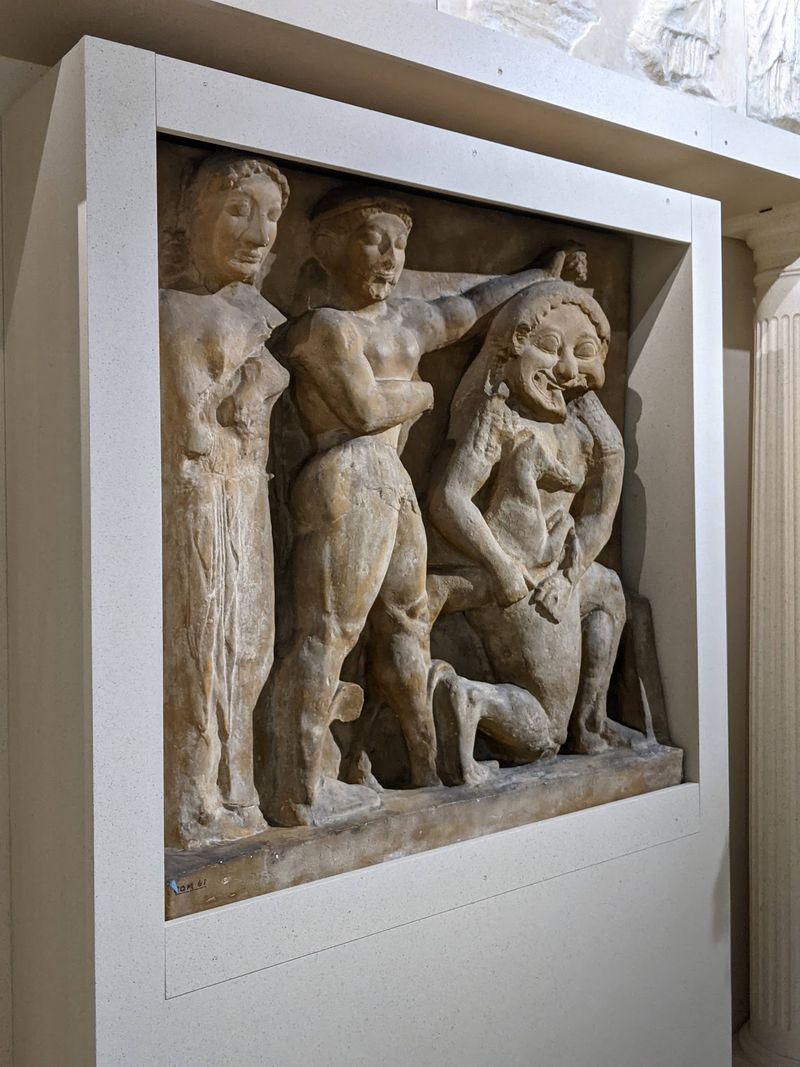
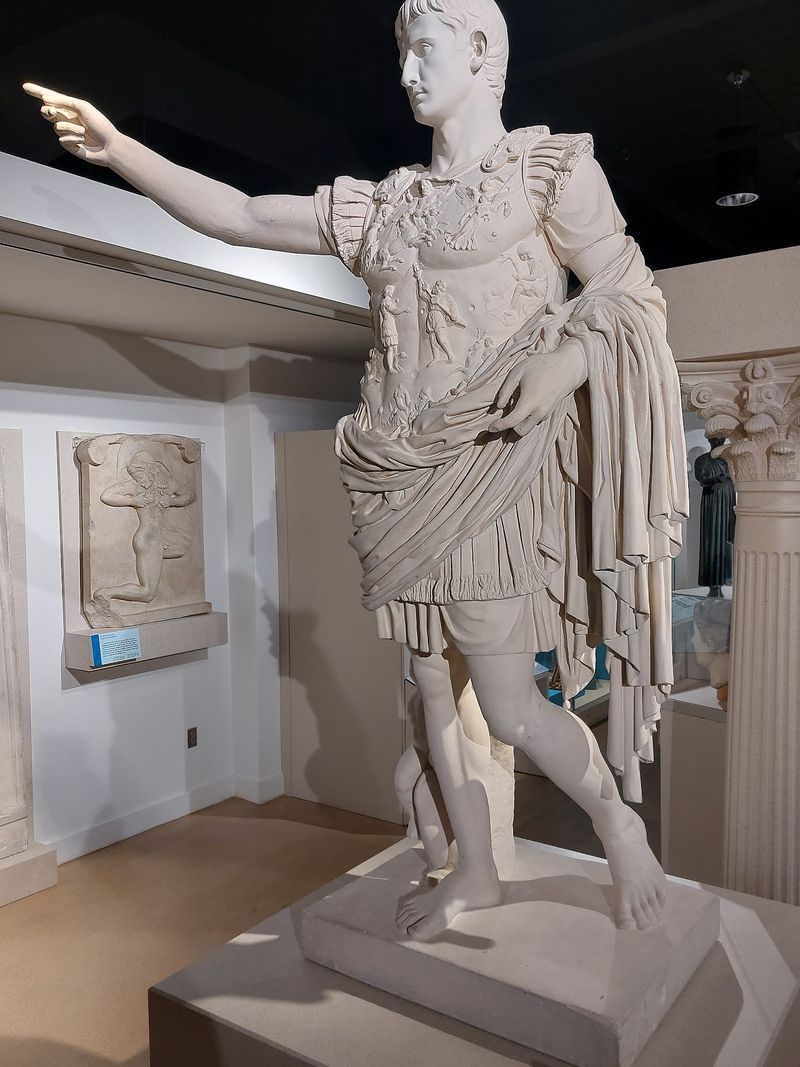
You’ll find statues from ancient Greece and Rome, along with carefully made plaster casts. Some pieces are castings taken from famous originals housed elsewhere. That lets you see major works up close without flying to Athens or Rome.
Replicas sometimes get a bad reputation, but they serve a real purpose. Casts show shape, scale, and detail in a way photos never can. Art students have studied them for centuries.
The gallery also includes real objects from daily life in the ancient Mediterranean world. Pottery, tools, and other items show how ordinary people lived. It balances the grand statues with something more personal.
Take time to walk around the larger sculptures. Different angles reveal muscles, folds of fabric, and expressions you’d miss from the front. It’s a little like meeting someone and finally seeing their good side.
Interactive screens in the museum also share deeper insights into rare objects. Look for them if you want extra background on what’s in front of you.
Nine Galleries Turn One Building Into a World Tour
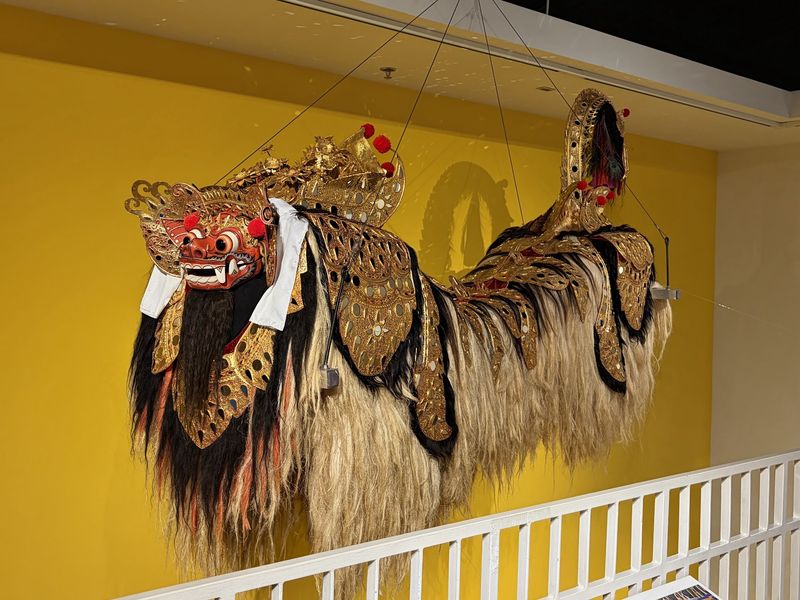
Egypt may draw the crowd, but the passport stamps keep coming. The Spurlock Museum features nine permanent galleries organized mostly by region.
The first floor covers the Americas and the Ancient Mediterranean. The second floor holds East Asia, Southeast Asia, Oceania, Europe, Africa, Ancient Mesopotamia, and Ancient Egypt. That’s a lot of ground for one building on Gregory Street.
The Americas gallery includes art and objects from North, Central, and South America. Native American traditions and Latin American pieces are part of the mix. Some displays even include sensory touches that add surprise to your visit.
Upstairs, traditional clothing and textiles bring different cultures to life. Colors, patterns, and craftsmanship tell stories about identity and community. It’s easy to lose track of time comparing them.
The museum also displays only a small slice of its full collection. That means there’s far more behind the scenes than what you see on any one visit. Special exhibitions rotate as well.
A smart plan is to pick two or three galleries for a deep look. Then breeze through the rest. You’ll avoid museum fatigue and still leave impressed.
Comfy Cushions Make Slow Looking Easy
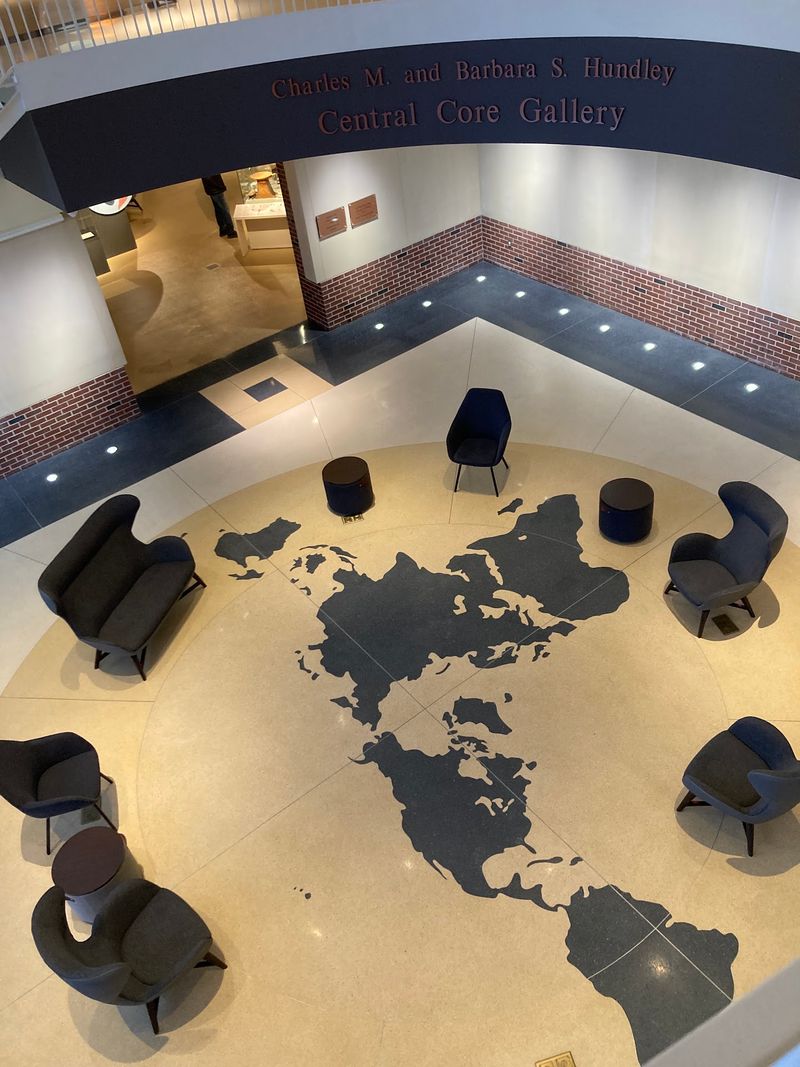
Tired feet ruin more museum trips than boring exhibits ever could. Thankfully, this place planned ahead with seating areas spread throughout the galleries.
Some galleries even have poufs and cushions for a quick rest. You can sit, catch your breath, and keep looking at the art around you. It’s a small detail that makes a big difference.
The overall mood tends to be calm and quiet. That makes it a peaceful spot for reading displays or just thinking. It’s a nice break from busy campus life outside.
Accessibility is another strong point. The entrance has no steps, the floors are smooth, and elevators connect both levels. Wheelchairs, walkers, and strollers can move around comfortably.
Restrooms are modern and accessible too. Those practical touches matter, especially for families or older visitors. Nobody wants to cut a trip short because of a staircase.
One helpful tip involves lighting. Some galleries are fairly bright, so visitors with light sensitivity may want sunglasses handy. It’s an easy fix that keeps the experience comfortable.
Go slowly here. The museum rewards visitors who pause, sit, and really look.
Kids Can Hunt Treasures With a Clipboard
Bingo might be the secret weapon for families. Clipboards with gallery bingo cards have been available near the entrance, turning the visit into a scavenger hunt.
Kids search the galleries for specific objects and mark them off. Suddenly the ancient artifacts, statues, and masks become clues. Even reluctant young explorers start paying attention.
The museum is mostly about looking and reading rather than pressing buttons. Younger children may need an engaged adult to keep things fun. Ask questions, point out details, and make up stories together.
Some displays invite visitors to write responses to prompts. It’s a simple way for kids to share their thoughts. Interactive screens and music from ancient-style string instruments add more variety.
Older kids who love history will probably be in heaven. Ancient Egypt and Rome are classroom favorites for good reason. Seeing related objects in person makes those lessons feel real.
Keep the visit short for little ones, maybe an hour. You can always come back since admission is free. Leaving them wanting more beats dragging them through every gallery.
Special Programs Go Way Beyond the Glass Cases
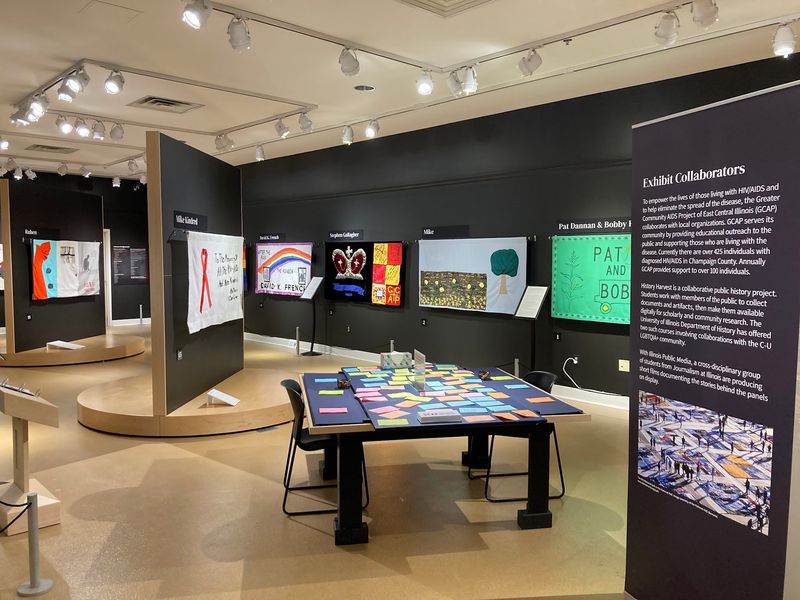
Some of the best moments here happen outside the display cases. The Spurlock Museum hosts programs, presentations, and special exhibitions throughout the year.
Past events have included a Pow-wow 101 presentation. Audience members learned about the tradition and even joined dancers on stage. That’s the kind of learning nobody forgets.
The museum has also offered mindful meditation sessions on select Fridays. Quiet galleries make a surprisingly good place to slow your thoughts. Who knew Southeast Asian art could double as a stress reliever?
Temporary exhibitions add fresh reasons to return. Past shows have explored personal stories and important parts of history. Each one brings a new angle to the permanent collection.
Because programs change, check the museum’s event calendar before your trip. Timing a visit with a talk or performance can turn a good afternoon into a great one. Many programs are designed for the whole community.
As part of a major university, the museum connects scholars and everyday visitors. You get expert knowledge without a lecture-hall vibe. It feels welcoming, curious, and refreshingly open to everyone in Illinois and beyond.
Plan Your Campus Visit Around These Hours
Mondays are the one day this museum rests. Every other day offers a chance to visit, though hours vary a bit.
The Spurlock Museum opens Tuesday from noon to 5 p.m. Wednesday through Friday, hours run from 9 a.m. to 5 p.m. Saturday runs 10 a.m. to 4 p.m., and Sunday runs noon to 4 p.m.
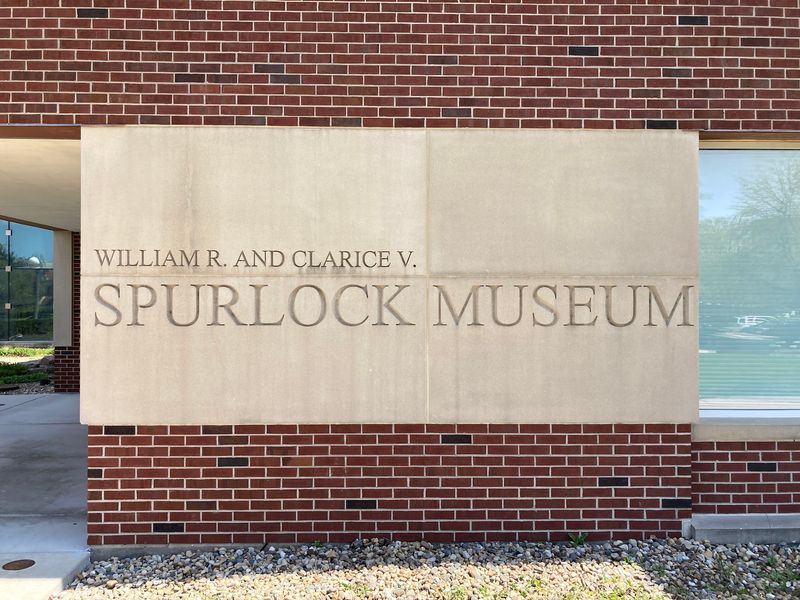
You’ll find it at 600 S Gregory St, Urbana, IL 61801, on the University of Illinois Urbana-Champaign campus. The location makes it easy to pair with a campus stroll or a meal nearby. Students practically have a world museum in their backyard.
Most visitors spend about one to two hours inside. History lovers who read every sign could easily stay longer. A quick walk-through still offers plenty of highlights.
Weekend visits come with a bonus of free parking in many permit areas. Street parking is also nearby. Short walks from car to door make arrival simple.
For Illinois families, it’s an easy day trip with zero admission cost. For travelers, it’s a smart detour off the highway. Either way, the pharaohs will be waiting.
Share this story