Tennessee is home to some of the most scenic roads in the Southeast, with winding mountain highways, peaceful forest routes, and breathtaking views around nearly every bend. But behind all that natural beauty lies a danger drivers sometimes overlook: unexpected wildlife encounters.
From deer crossing busy highways to black bears wandering along mountain roads, animals can appear suddenly, leaving motorists with little time to react.
Whether you’re exploring Great Smoky Mountains National Park, traveling through the Cumberland Mountains, or simply taking a familiar route home, staying alert can make all the difference. Wildlife is especially active around dawn and dusk, when limited visibility makes spotting animals even more challenging.
Sharp curves, thick roadside vegetation, and changing weather conditions can add to the risks.
Some Tennessee roads deserve extra attention because they pass through habitats where wildlife is commonly seen. Knowing what to expect along these routes can help you prepare for unexpected encounters and make safer decisions behind the wheel.
Before your next road trip, take a closer look at seven Tennessee roads where drivers should be especially cautious. A little awareness and preparation can help protect you, your passengers, and the animals that call these landscapes home.
1. Interstate 40 in the Pigeon River Gorge near Hartford
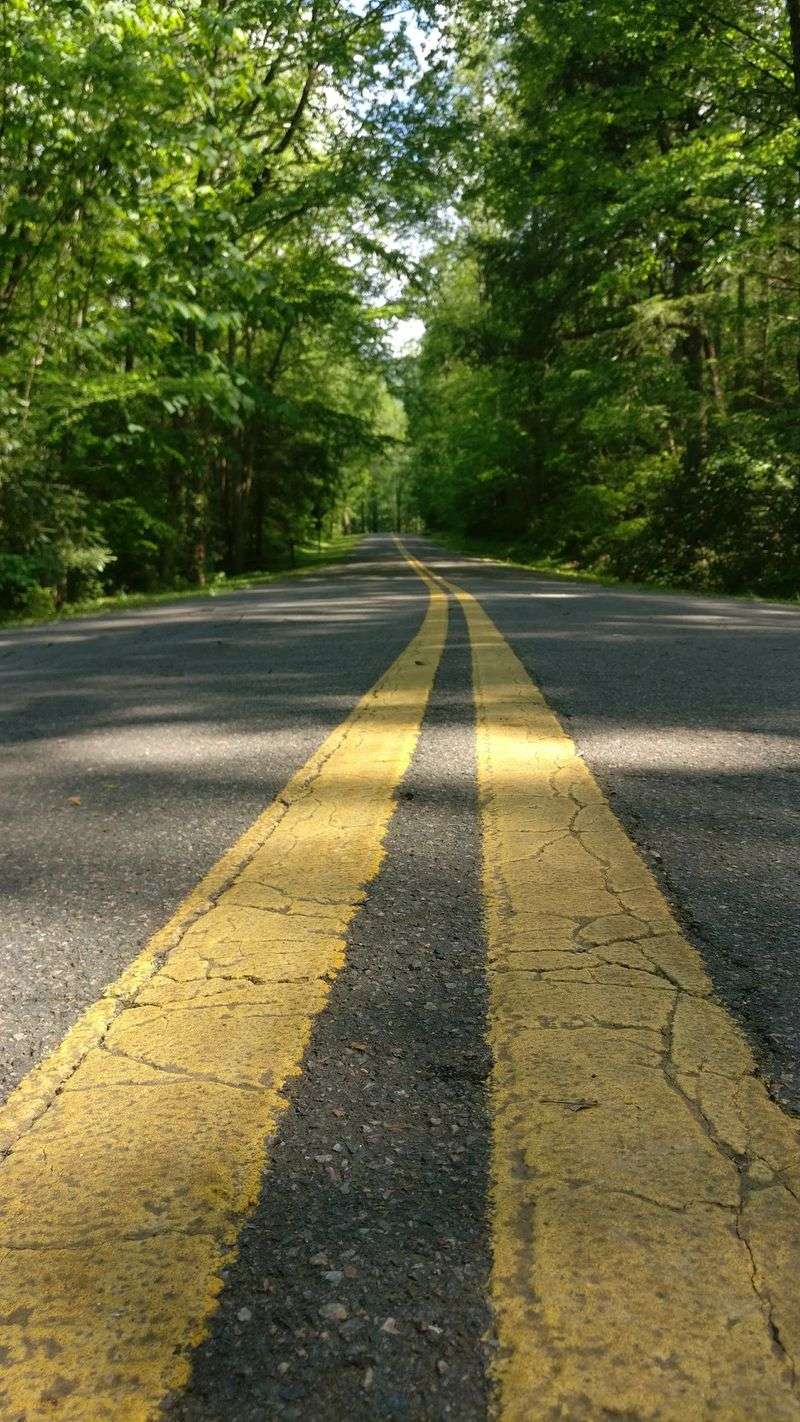
Picture this: you are cruising along at highway speed, the river flashes past on your right, and a shape steps out from the trees. That is the kind of surprise the Pigeon River Gorge can serve up.
Interstate 40 squeezes through a narrow mountain corridor here, and the forest crowds right up to the road.
Because the gorge is narrow and forested, animals may emerge from roadside vegetation with little warning. Deer and other critters that come down to drink from the river may end up near the pavement. Curves also limit how far ahead you can see, so there is less time to react.
Many drivers treat an interstate like a place where nothing unexpected happens. The gorge breaks that rule. Trucks, tourists, and commuters all share these lanes, and sudden braking can cause trouble for everyone behind you.
So what can you do? Start by keeping a steady, reasonable speed and leaving a generous gap between you and the car ahead. That extra space gives you room to slow down smoothly if something appears.
Keep your eyes sweeping from one side of the road to the other instead of staring at one spot.
Dawn and dusk are the busiest times for wildlife movement. Light is low, shadows are long, and dark-colored animals can blend into the roadside. If you can plan your trip for mid-day, you may have an easier time.
If not, turn on your headlights early and keep your windshield clean so glare does not hide a surprise.
If you do see an animal, brake firmly in a straight line. Swerving may send you into another lane or off the edge of the road, which is usually worse than the animal encounter itself. Remember too that animals often travel in groups, so when one steps out, watch for a second one right behind it.
Here is a small local tip. Pay attention to the signs along the gorge, since they are placed where trouble tends to show up. Treat them like friendly nudges from folks who know the stretch well.
Finally, if you pull over to rest, use an official pullout and not a shoulder on a blind curve. The views are lovely, but your safety matters more than a photo. Drive smart, stay patient, and the gorge will reward you with a beautiful ride.
2. Cades Cove Loop Road near Townsend
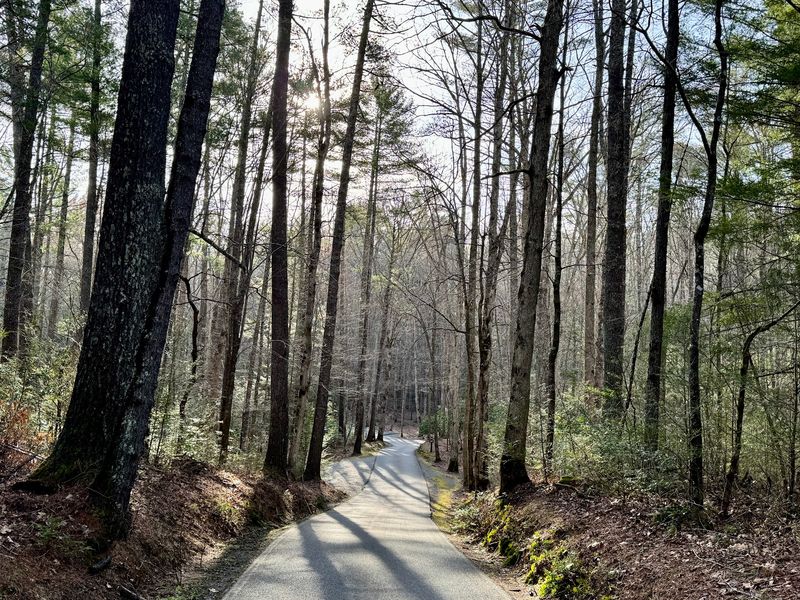
Cades Cove is basically a slow-motion safari with a mountain backdrop. The eleven-mile loop is famous for open fields, old cabins, and animals that seem to enjoy the scenery as much as you do. Deer graze right along the edge of the road, and black bears sometimes wander out for a look around.
The trick here is that nobody is going fast, yet trouble can still happen. Traffic often crawls, and drivers stop in the middle of the lane the moment they spot something furry. That sudden stopping creates a chain reaction behind them.
If you want to avoid being part of the problem, pull completely off the pavement when you stop for a look. Use the small pullouts that are spaced along the loop. Leaving the lane open helps everyone keep moving and keeps people from stepping into the road.
Distance is your best friend around the animals. Park rules ask visitors to stay well back, and for good reason. A bear that feels crowded may change its mood quickly, and a deer with a fawn nearby can be very protective.
Use a zoom lens or binoculars and let the animals stay relaxed.
Morning and evening are the golden hours for sightings, which also makes them the busiest. Expect a line of cars and plenty of brake lights. Bring snacks, patience, and a sense of humor, because a wild turkey crossing can take its sweet time.
Cades Cove Loop Road is closed to motor vehicles on Wednesdays from May through September, allowing pedestrians and cyclists to enjoy the route without car traffic. People can pop up around bends just like wildlife. Drive slowly, keep your windows down when it is safe, and listen for sounds around you.
Never feed any animal, and keep food sealed inside your car. Even a stray crumb can teach a bear to look for people. A wild animal that gets used to humans often ends up in more danger, not less.
Treat the loop like a visit to someone else’s living room. Be polite, move quietly, and leave no trace. You will go home with great memories, and everyone will stay safe.
3. Newfound Gap Road (US 441) near Gatlinburg
“Keep your eyes up and your foot light.” That could be the motto for Newfound Gap Road. US 441 climbs from Gatlinburg over the Smoky Mountain crest, and it twists and turns the whole way.
The road crosses a range of elevations, so the scenery shifts as you go. Lower down you may find deer near the trees, while higher up the forest feels cooler and thicker. Animals use this changing landscape the same way people do, moving around to find food and shelter.
Curves are the big challenge here. Many bends are tight, and the trees press close to the pavement, so your view ahead can vanish in a blink. If an animal stands just past a turn, you may not see it until you are almost on top of it.
Slow down before the curve, not in the middle of it. Staying in your own lane matters too, since a car coming the other way may have the same limited view. Gentle braking keeps your tires gripping and your passengers comfortable.
Overlooks are the usual places where people stop, and they are also places where animals sometimes appear. Look carefully before opening your door. Check the edges of the parking area, especially in the early morning when the crowds are thin.
Weather adds another layer. Fog can roll in without warning, and rain makes the road slick. Use your low beams in fog, because high beams bounce off the mist and make it harder to see.
If visibility drops a lot, find a safe pullout and wait for it to clear.
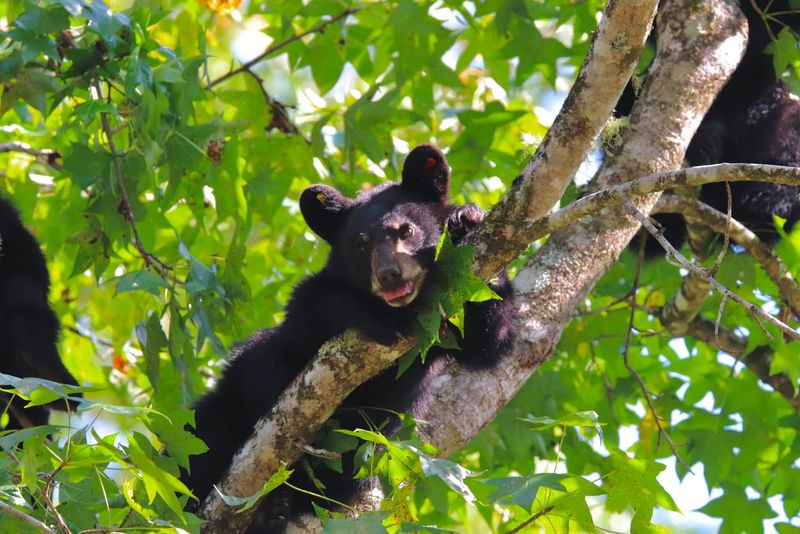
If a bear is near the road, stay in your car and drive on when it is safe. Do not stop for photos in the lane. Bears can be unpredictable, and a crowd of people only makes things more stressful for the animal.
A fun fact for the road: the elevation change means a drive that starts in warm sun may end in chilly air. Pack a jacket, take your time, and let the mountain set the pace.
4. Little River Road near The Sinks
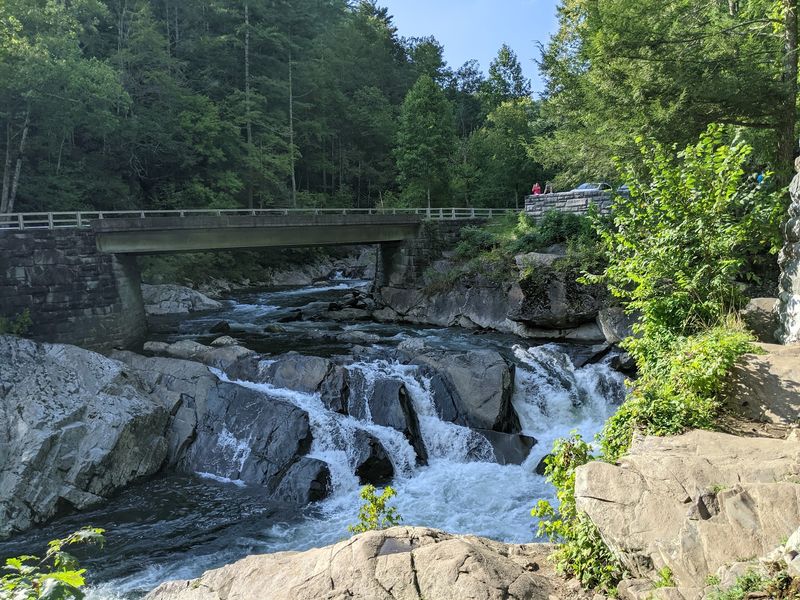
Few roads hug a river as closely as Little River Road does. The water rushes along beside you, and the forest leans in from the other side. It is gorgeous, and it is also the perfect setting for a sudden animal appearance.
The area around The Sinks is popular, which means plenty of cars, plenty of walkers, and plenty of distraction. The waterfall is just steps from the road, and visitors often park fast and hop out. Animals moving along the river bank may cross the road right where people are busy looking the other way.
Because the road follows the water, animals have good reasons to be nearby. Deer come for a drink, and small critters search for food along the banks. Bears also use the river corridor to travel from place to place.
One smart habit is to keep your speed lower than the posted limit when the road is crowded. Pedestrians and wildlife can both step out with very little notice. A slower pace shortens your stopping distance and makes the whole drive more relaxed.
Pullouts here can be tight and busy. Take a moment to scan the area before pulling in, and look for people crossing between cars. If a spot is full, keep going rather than squeezing into a bad space on the shoulder.
Fall and spring bring extra movement. In fall, animals are bulking up for winter, and in spring they are active after the cold months. Either way, the roadside is a lively place, so keep your guard up.
Watch for brake lights ahead as a clue. If the car in front of you slows for no obvious reason, something may be up. Ease off the gas early and let the situation reveal itself.
Finally, resist the urge to lean out the window for a photo. Take your pictures from a safe pullout with the engine off. The river will still look amazing, and you will be able to enjoy it without any near misses.
5. Roaring Fork Motor Nature Trail near Gatlinburg
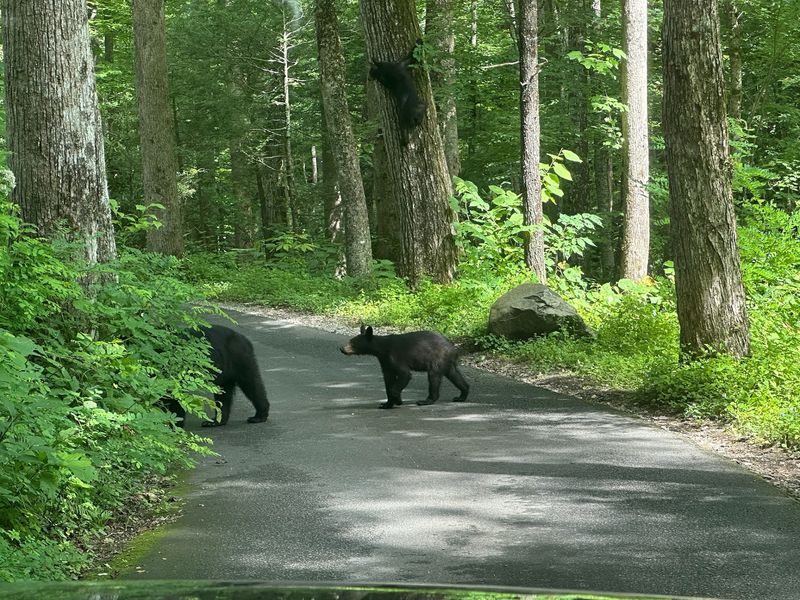
Ever driven a road that feels like a storybook path? Roaring Fork Motor Nature Trail is that kind of place. It is a narrow, winding, one-way loop that threads through thick forest, past old cabins and splashing streams.
The road is slim, and the woods sit right at the edge. That means an animal can be at your bumper in a heartbeat. Black bears are known to roam this area, and drivers sometimes round a bend to find one ambling along.
Because the trail is one-way, you cannot just turn around if you spot something. You have to keep moving forward, so plan on taking it slowly. Give yourself plenty of time, and leave any rush behind at the entrance.
The posted speed is low for a reason. Tight turns, rocks, and overhanging branches all demand your attention. Add a curious animal, and you want every second of reaction time you can get.
Buses, trailers, and motor homes are prohibited on Roaring Fork Motor Nature Trail because of its narrow, winding roadway. A small car or SUV handles the twists much better. It also lets you pull a little to the side if another vehicle needs to pass.
Stops are common, as people love to get out and peek at the old homesteads. Watch for families walking along the roadside, especially kids who may dart ahead. Keep your windows cracked so you can hear footsteps, voices, or the snap of a branch.
Remember that bears follow their noses. Never leave open food or trash in your car, and do not toss anything out the window. Keeping smells under control helps keep these animals wild.
If you meet a bear on the road, stay calm and stay inside. Let it pass at its own pace. Patience is the best tool you have here, and the trail rewards those who take their time.
6. US Highway 25W near LaFollette
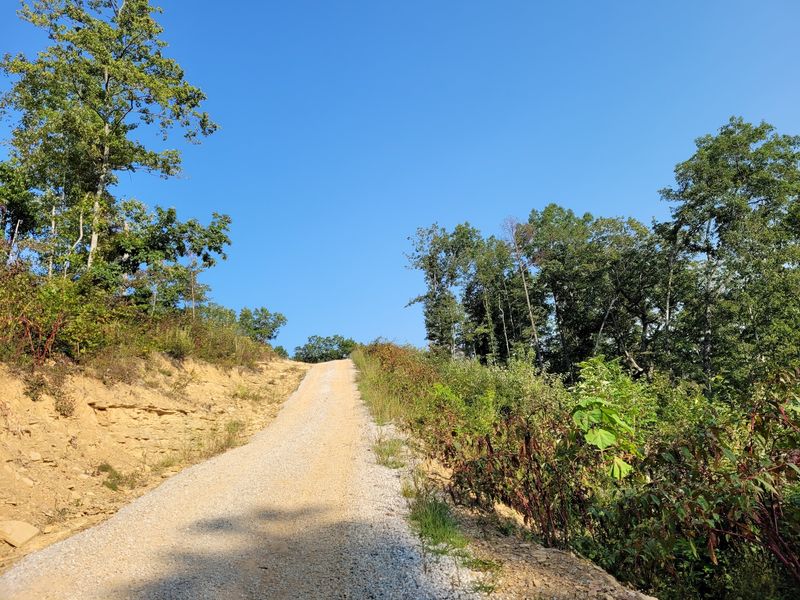
Not every wildlife hotspot sits inside a national park. US Highway 25W near LaFollette is a busy everyday road, and that is exactly why a deer can catch people off guard. Commuters are on autopilot, thinking about dinner, and then a pair of eyes glows in the headlights.
The mix of woods, fields, and hillsides around LaFollette makes great habitat for deer. They move between cover and open ground, and the highway cuts right across their paths. Fall brings the most action, when deer are on the move during mating season.
Many drivers know the road well, and that can work against them. Familiar routes feel safe, so people relax and glance at their phones more often. Wildlife does not care how many times you have driven this stretch.
Try to treat every trip as if it were your first. Keep both hands on the wheel, and scan the ditches and tree lines as you go. Look for the glint of eyes, since they often show up before the shape of the animal does.
Here is a handy rule of thumb. Where there is one deer, there is usually another nearby. When one crosses, slow down and expect more to follow.
Night driving takes extra care. Use your high beams when no cars are coming, and switch to low beams as soon as traffic appears. That simple habit can give you much more time to spot a problem.
What if a collision seems unavoidable? Brake firmly while maintaining control of your vehicle, and avoid swerving into another lane or off the road. Then pull over safely, turn on your hazards, and call for help if needed.
Check your car after any encounter, even a small bump. Damage is not always obvious. A quick look and a call to the right authorities can save you trouble later.
7. Tennessee Highway 63 near Royal Blue
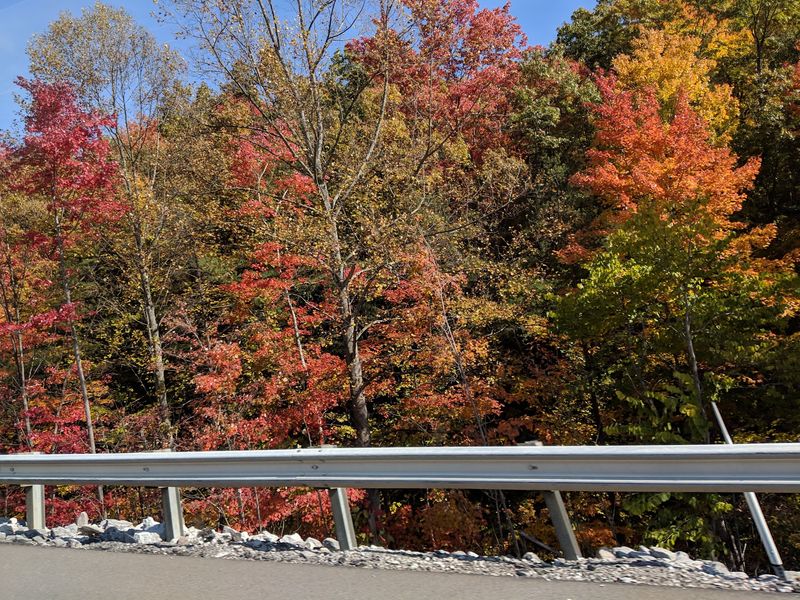
Out near Royal Blue, the Cumberland Mountains feel wide open and a little wild. Tennessee Highway 63 passes through country where forest, ridges, and managed wildlife lands stretch for miles. Cell service can be spotty, and the road can feel lonely, which is all the more reason to stay sharp.
This region is known for elk, and many visitors come hoping to see them. Elk are far bigger than deer, and a collision with one can be very serious. Even if you never spot one, deer, turkeys, and other animals use the same landscape.
Quiet roads tempt drivers to speed up. Fewer cars on the road means fewer reminders to slow down. But when a large animal steps out, there is no room for a mistake.
Keep a calm, steady pace and remember that the shoulder may hide animals in tall grass. Early morning and late evening are the prime times. Wildlife often rests during the middle of the day, so those twilight hours need extra attention.
Plan ahead before you head out. Fill your gas tank, download your map, and tell someone your route. If something goes wrong, you will want help to be easy to find.
Hunting seasons also bring more people to the area. You may see trucks parked on the roadside and hunters walking near the woods. Slow down when you see them, and give plenty of space.
If you do spot elk, enjoy the moment from your car. Pull off the road only where it is safe, and keep far back. Never approach, because these animals are strong and can be unpredictable.
A road like this is a reminder that Tennessee still has wild corners. Treat it with respect, drive like the forest is watching, and you will leave with a story instead of a repair bill.
Share this story