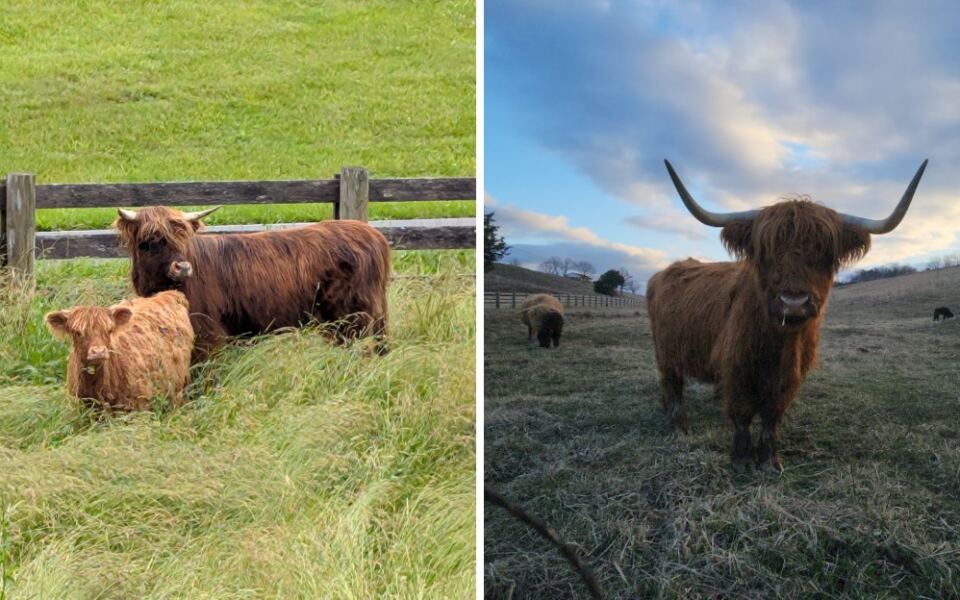
One of the farm’s former herd sires went by the unforgettable name Big Ridge Voodoo Magic. With a name like that, I can’t imagine a calf from this family being anything less than charming.
This small cattle farm in East Tennessee raises registered Highland cattle. Those are the shaggy, long-horned cows with bangs that look like they skipped a haircut on purpose. The calves are basically walking teddy bears with hooves.
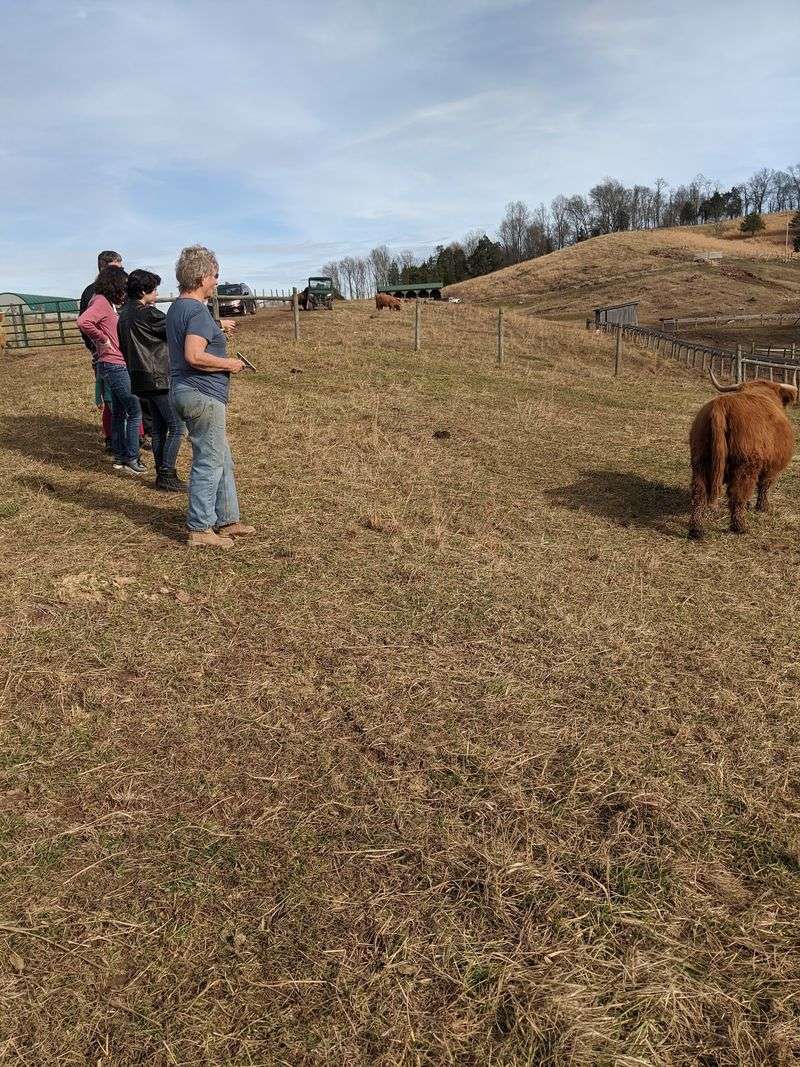
Tours give you a chance to get up close with the herd and see how the animals are cared for. I like how the owners treat their cows like family, even calling them coos.
So what happens when a fuzzy calf spots a visitor holding a brush? I believe you already know the answer, and it probably involves a lot of leaning.
These Shaggy Calves Will Melt Your Heart Faster Than You Expect
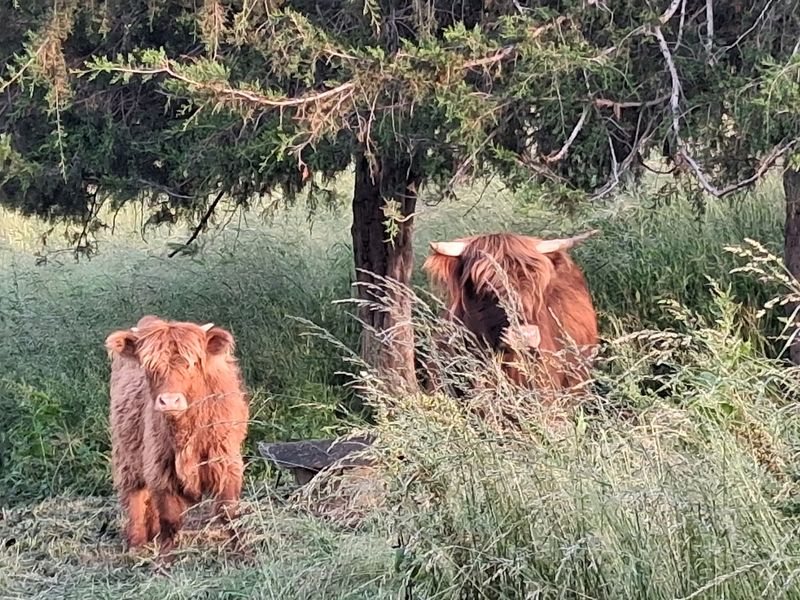
Fluffy bangs, tiny horns, and coats like a winter blanket. Highland calves at Elm Hollow Farm in Treadway, Tennessee, look like they wandered out of a storybook.
The farm raises registered Highland cattle, a breed famous for its long, shaggy hair. That thick coat helped the breed handle the cold, rainy hills of Scotland, where it began.
On a calf, all that fluff looks extra silly in the best way. Their bangs often hang right over their eyes, so they seem to peek at the world through a curtain.
Calves are a big part of life here, since the farm breeds and raises its own young stock. That means the herd has a steady supply of little faces ready to steal your attention.
Highlands are also known as a calm, friendly breed. That easygoing personality makes them a great match for curious visitors who have never stood near a cow before.
Bring your camera and plenty of patience. Calves move on their own schedule, and they rarely hold still for a perfect photo.
Honestly, a blurry picture of a fuzzy calf is still a pretty great souvenir. Nobody ever complained about too many cow photos.
A Farm Tour Puts You Right Next To The Herd
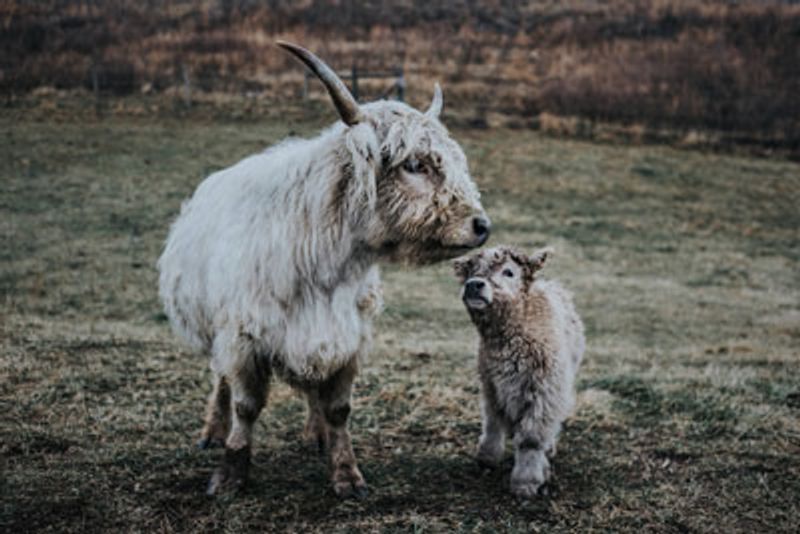
Getting close to a Highland cow is easier than you might guess. The farm offers tours that bring guests right up to these big, gentle animals.
Tours also show off the facilities used to care for the herd. That behind-the-scenes look helps you understand what goes into raising healthy cattle every day.
Owner Nancy leads visits and knows her animals well. Questions about breeding, feeding, or daily care are welcome, so come curious.
Kids and grown-ups can both learn a lot here, though children under 12 aren’t allowed inside the pastures. Many people only see cows from a car window, and this is a whole different experience.
Watching a calf near its mother can teach you more than any textbook. You notice how they move together, how they rest, and how they react to new faces.
Plan ahead before you go. The farm is a working operation, so reaching out to arrange a visit is the smart move.
Wear rubber boots that the farm can sanitize if you want to enter the pastures, since its current biosecurity rules require them. Farms are farms, after all, and the cows will not tidy up for company.
Leave the fancy sneakers at home. Your future self will thank you for that choice.
Feeding Time Turns Fuzzy Faces Into Instant Celebrities
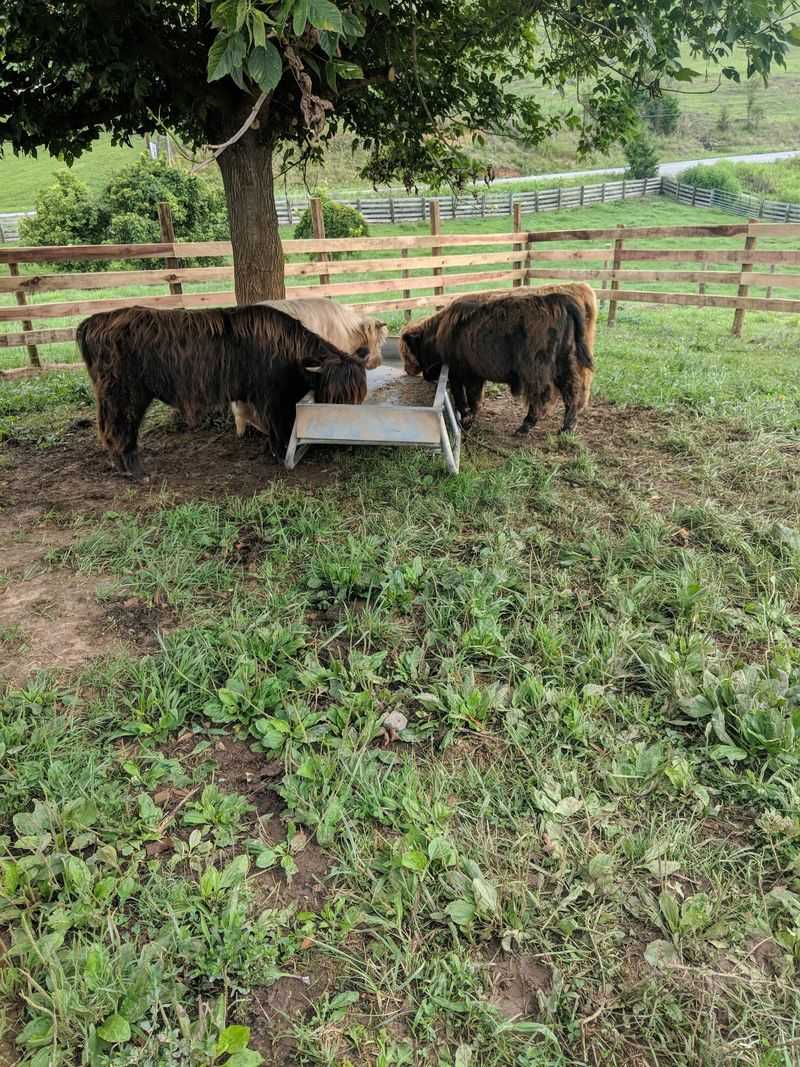
Nothing gets a herd moving like the promise of a snack. Feeding time is when the shaggy crowd gathers, and the calves become the stars of the show.
Elm Hollow Farm uses management intensive grazing, which means the cattle eat mostly fresh pasture. The herd moves between grassy areas so the land can rest and regrow.
That system keeps the grass healthy and the cows well fed. It also gives the animals plenty of room to roam and graze naturally.
Young calves learn by copying their mothers. Watching them nibble alongside the adults is a sweet reminder that everyone starts small.
Highlands are hardy grazers that do well on grass. Their history in rough Scottish hills made them experts at finding a good meal outdoors.
During a visit, always follow your host’s rules about treats. Never feed the animals anything without permission, even if those big eyes beg.
Cows can be pushy around food, even friendly ones. Standing where your guide tells you keeps everyone safe and happy.
Good manners matter, even in a pasture. The calves may not say thank you, but their owners will.
Pack A Brush Because These Coos Love A Good Scratch
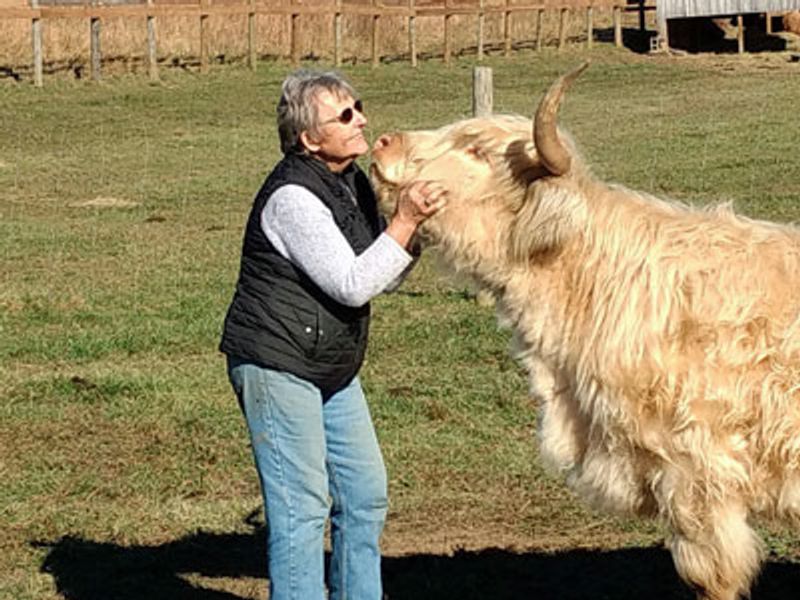
Here’s a fun tip straight from the farm itself. After one visit, the owner joked that the coos wanted the guest to come back and bring that brush into the pasture.
Highland cattle carry a lot of hair. A good brushing feels great to many of them, a bit like a back scratch you cannot reach yourself.
Socialized cattle often lean right into the bristles. That relaxed lean is one of the sweetest things a big animal can do.
The farm works on halter training and socializing its young animals. That steady handling helps the cattle feel comfortable around people.
Brushing also teaches visitors to read cow body language. A calm cow stands still, while a nervous one may step away.
Always ask before you touch any animal. Your host knows which cows enjoy attention and which ones prefer space.
Move slowly and speak in a soft voice. Sudden movements can startle even the friendliest calf.
A simple livestock brush works well if brushing is allowed. Just remember that the cows get final say on how long the spa day lasts.
Fancy Family Trees Run Through This Pasture
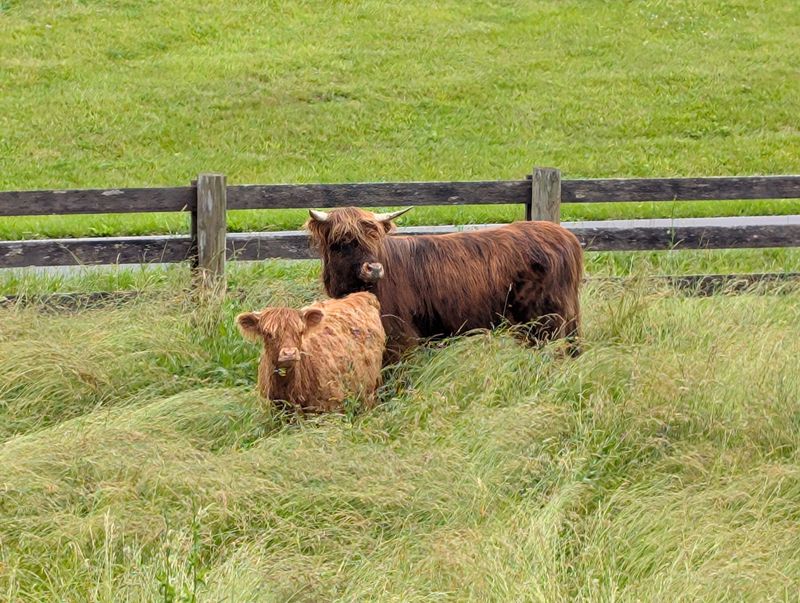
Big Ridge Voodoo Magic and Big Ridge Fergus sound like wizards, but they’re actually two former breeding bulls from the farm. Both bulls came from the well-known Big Ridge line and left their mark on the farm’s breeding program.
About a third of the cows here also carry Big Ridge heritage. Others come from respected herds like LEA White, LiTerra, Windemere, Climbing Stump, and Legacy Livestock.
All of this matters because the cattle are registered. Registration tracks an animal’s family history, much like a detailed family tree.
Good breeding can shape a calf’s build, temperament, and health. Careful choices today help create strong herds years down the road.
For cattle fans, these names carry real weight. For everyone else, they make fun trivia to share on the drive home.
Fun fact: a group of Highland cattle is often called a fold instead of a herd. The term comes from old Scottish stone shelters where cattle stayed at night.
So the next time you see a fuzzy calf, think about its ancestors. That little face might come from a long line of champions.
Pretty impressive for an animal with hair in its eyes.
You Could Bring Home A Halter-Trained Yearling
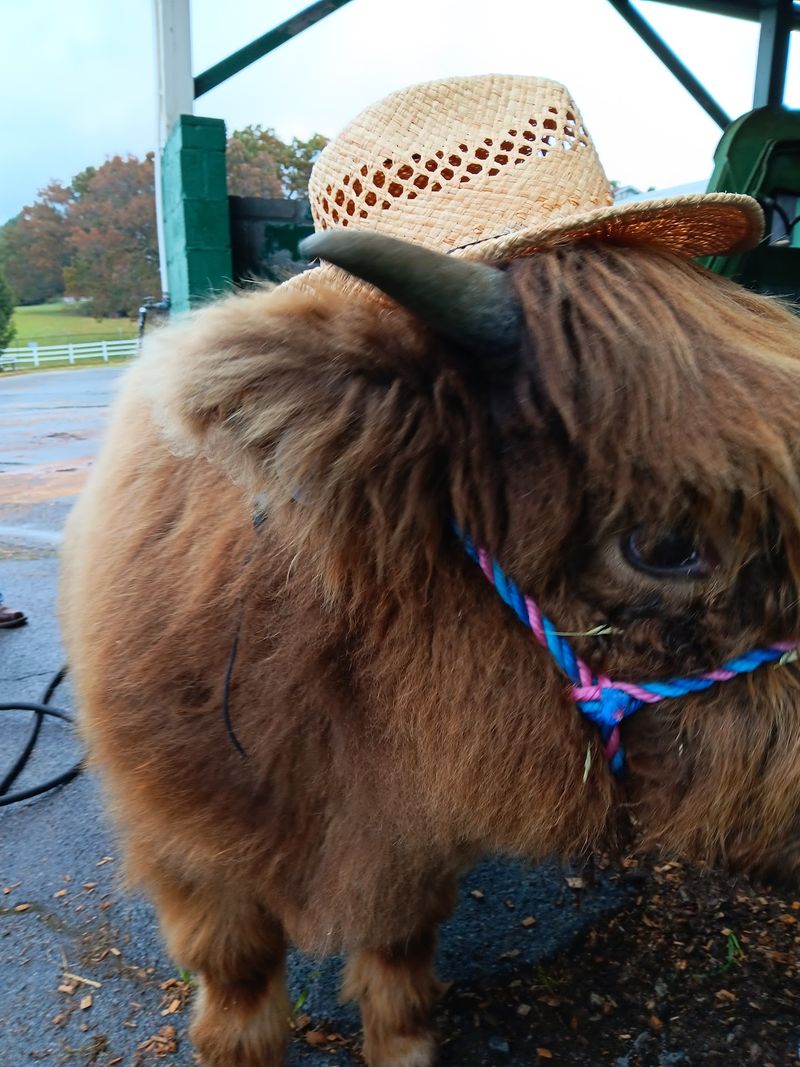
Falling for a calf is easy, and at this farm, that crush can turn into a plan. Elm Hollow Farm offers Highland calves that receive basic halter training before sale, while yearlings are available only occasionally.
Halter training means the young cattle have learned to walk on a lead. That makes them much easier to handle, move, and care for at a new home.
Socialization matters just as much. Calves raised around people tend to be calmer and more trusting.
The farm also offers straws from registered, proven bulls. Those are used by breeders who want to add strong genetics to their own herds.
Buying livestock is a big decision, so do your homework first. Cattle need space, shelter, fresh water, good grazing, and regular care.
Highlands also do best with company, since cattle are herd animals. One lonely cow is rarely a happy cow.
Nancy is known for helping buyers with questions about her cattle. Ask about care, feeding, and what to expect in the first year.
Even if you are only dreaming for now, learning the basics is fun. Someday that dream might come with bangs and horns.
Green Grazing Keeps The Land As Happy As The Cows
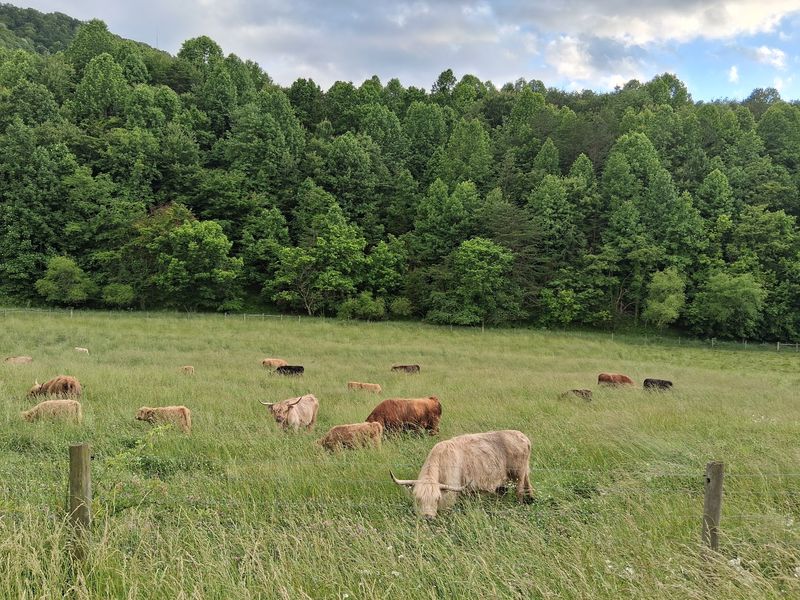
Grass might not seem exciting until you learn how much planning goes into it. The farm uses management intensive grazing to keep pastures healthy and productive.
In this system, cattle graze one section for a short time. Then they move to fresh grass while the old section rests and regrows.
That rotation helps protect the soil and roots. Healthy pastures mean better meals for the herd and less waste overall.
The farm also uses eco-friendly tools to keep things as natural as possible. That approach shows real respect for both the animals and the land.
Highlands fit this style of farming nicely. They are rugged grazers that thrive outdoors in many kinds of weather.
For visitors, this is a great chance to learn where good farming starts. Hint: it starts from the ground up, literally.
Notice the fences, the grass height, and how the cattle spread out. Each detail tells part of the story.
You may leave with a new appreciation for every green field you pass. Grass suddenly looks a lot more interesting with a smart plan behind it.
Friendly Hosts And Happy Pups Complete The Welcome
Cows get top billing, but the farm dogs have their own fan club. A former delivery driver even sent love, scratches, and treats to the puppies in a review.
The owners replied that the pups love seeing him coming. They even invited him back for a visit without a package.
That kind of warmth says a lot about this place. The farm welcomes visitors by appointment, with safety rules in place to protect both guests and animals.
Nancy and Schuyler are part of the team you may meet. Nancy is known for sharing her knowledge and answering questions with care.
Small farms often feel personal, and this one leans into that. You are not just a ticket number in a long line.
Good hosts make learning easy for first-timers. Nobody expects you to know a heifer from a steer on day one.
If dogs are around during your visit, ask before petting them. Working farm dogs sometimes have jobs to focus on.
Still, a friendly tail wag is a nice bonus after meeting the herd. Cows and pups together make for one cheerful afternoon.
Plan Your Trip To This Quiet Clinch Valley Corner
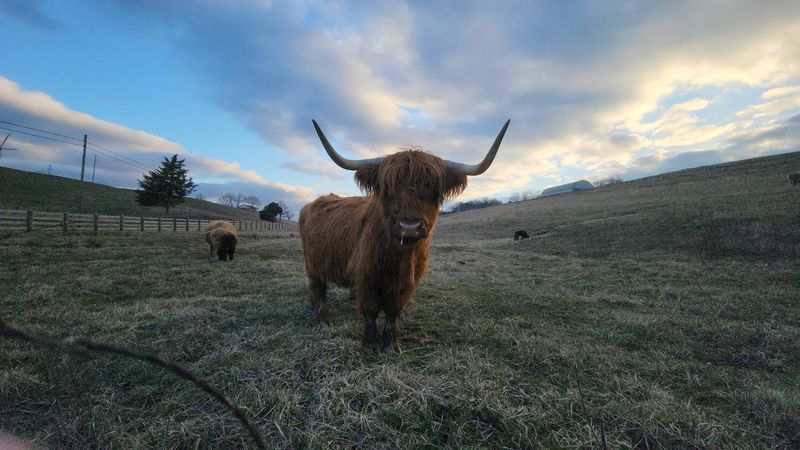
Country roads, rolling hills, and shaggy cows waiting at the end. The drive is part of the fun when you head to this corner of East Tennessee.
You’ll find Elm Hollow Farm at 2825 Clinch Valley Rd, Treadway, TN 37881. The area sits in Hawkins County, surrounded by scenic farmland and ridges.
The farm accepts tour appointments arranged in advance, and Nancy takes calls from 10 AM to 6 PM Monday through Friday. Weekend visits must also be arranged in advance, so contact the farm to confirm availability.
Since this is a working cattle farm, contact the owners before visiting. Scheduling ahead makes sure someone is ready to show you around.
Rural roads can be winding, so give yourself extra travel time. Cell service may also be spotty in parts of the countryside.
Download directions before you leave home. That small step can save a lot of guessing at quiet crossroads.
Pack water, snacks, and a light jacket for changing weather. Hills can feel cooler than you expect, even on sunny days.
Then sit back and enjoy the view. Somewhere ahead, a fluffy calf is probably hiding behind its bangs.
Share this story