Some shoppers walk in needing one zipper and walk out with three projects’ worth of fabric tucked under each arm. That happens a lot at one big fabric shop in Beaverton, Oregon. Since the big chain closures left many sewists without a go-to spot, a familiar local store has become even more important to people who still make, mend, and quilt at home.
It carries silk, wool, linen, bridal fabric, upholstery yardage, yarn, and a deep wall of notions, all under one roof. Staff members measure, calculate yardage, and even help cosplayers turn a single inspiration photo into a full shopping list. There are honest trade-offs too, from a strict return policy to a smaller button selection.
Keep reading for the full picture, including when to go, what to grab, and how to make the most of a single trip without blowing the monthly budget.
A Fabric Emporium on Western Avenue
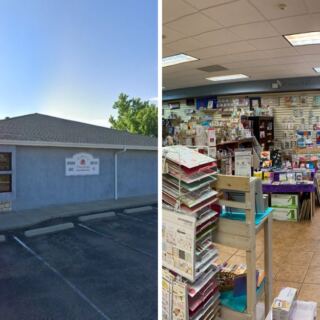
Sewists in the Portland suburbs have a well-worn route to one particular storefront. Mill End Store – Beaverton sits at 4955 SW Western Ave, Beaverton, OR 97005, in the state of Oregon, United States.
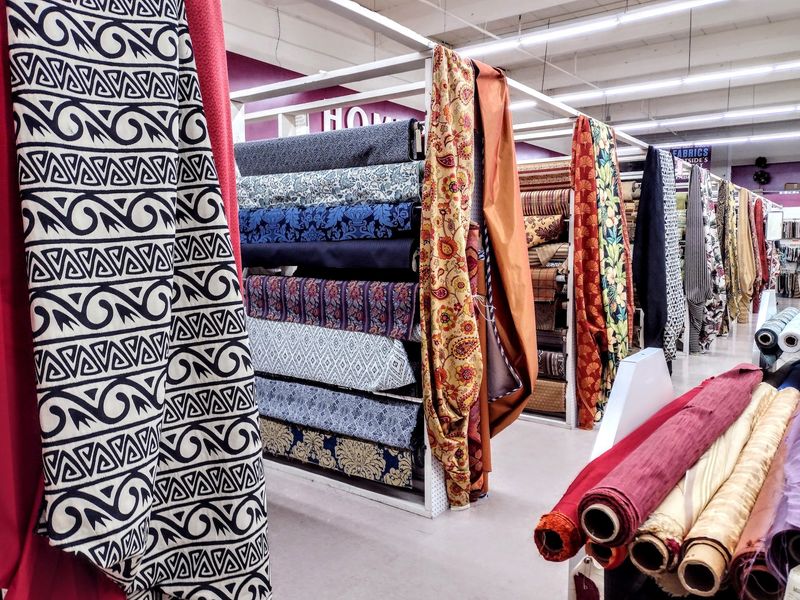
The shop is classified simply as a fabric store, but that label undersells it. It is a large, spacious emporium stocking fabric, findings, and yarn in serious quantity.
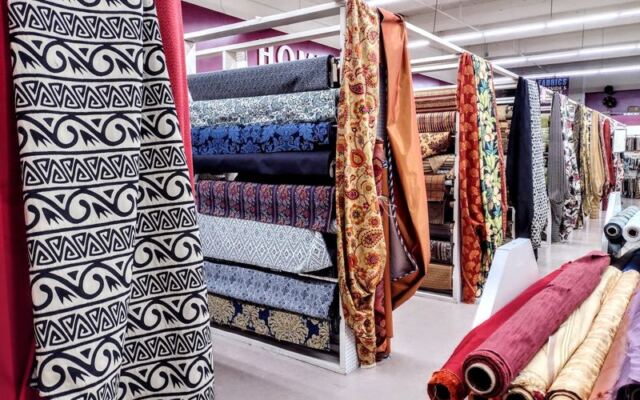
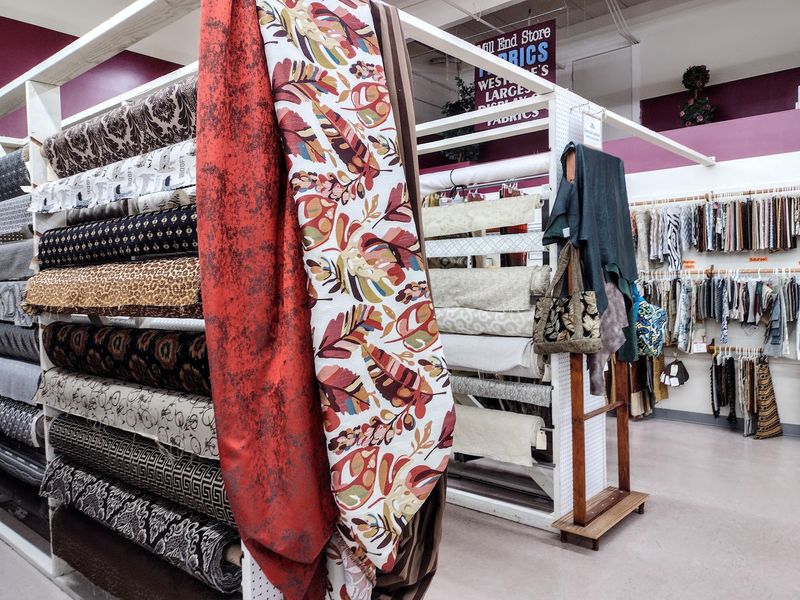
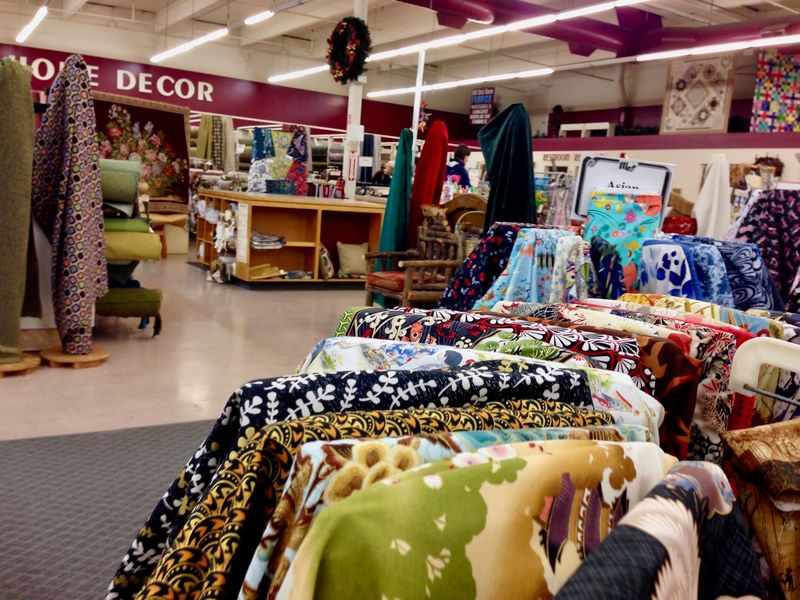
Shelves hold cotton, silk, wool, and linen, along with wedding fabrics, buttons, and patterns. Upholstery yardage and trims round out the mix, so home decorators have reason to show up alongside garment makers.
The Beaverton location is the west side branch of a locally owned Oregon business, with a larger store over in Southeast Portland. For people living in the southwest suburbs, the shorter drive matters a lot.
It has also become something of a ritual stop for out-of-towners. Some shoppers make a point of coming every single time they visit the Portland area, which says plenty about its pull.
The store holds a 4.3-star standing across more than 200 opinions, a solid mark for a shop this size. Most of that goodwill traces back to two things, the selection and the people working the cutting tables.
So what exactly fills those aisles? The answer takes a few sections to unpack.
Why a Local Fabric Shop Matters Right Now
Ask any home sewist in Oregon about the last couple of years, and the conversation drifts toward chain store closures fast. When the big JoAnn locations shut down, many people lost their nearest source of yardage overnight.
That is part of why a locally owned shop like this one carries extra weight. Familiar places that survive become anchors for whole hobbies.
Regulars describe it as their go-to for fabric, plain and simple. Others say they are just glad such a useful store exists in their area.
The shift has not been seamless for everyone. Some former chain shoppers miss the deep coupon discounts and notice the price difference at the register.
One shopper even found a flannel with the old JoAnn name still printed on the selvage, priced higher than they used to pay. That kind of moment stings for budget sewists, and it is fair to mention.
Still, the bigger story is availability. A store with this much range keeps sewing, quilting, and mending possible for people who would otherwise be ordering blind online.
For a community that values keeping things local, that is not a small detail.
Silks, Wools, and Bridal Yardage
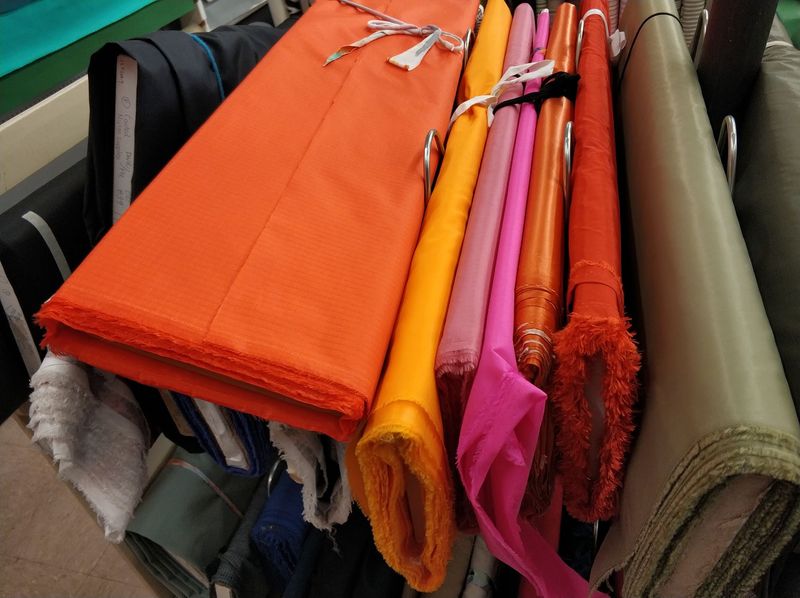
Fashion sewists tend to light up when they spot a wall of real silk. Here, that wall exists, along with plenty of company.
The store carries a large selection of fashion fabric, including silks, wools, linens, and cottons. Shoppers have found organic cotton and designer deadstock on the shelves, two finds that serious garment makers hunt for.
Wedding fabrics have their own presence too. Bridal yardage is a niche many smaller shops skip, so having it nearby saves a lot of mail-order guesswork.
Quality comes up again and again among regulars. People describe the fabrics as well chosen rather than filler, which matters when a project eats several yards.
There is one gap worth flagging. Knit lovers mention they wish the knit variety were wider, even though the store stocks the specific notions knits require.
So a woven dress, a wool coat, or a silk blouse is well within reach. A closet full of stretchy tees might need a backup plan.
Either way, browsing these bolts is a reminder of why in-person fabric shopping still beats a tiny online swatch photo.
The Notions Wall and Its One Weak Spot
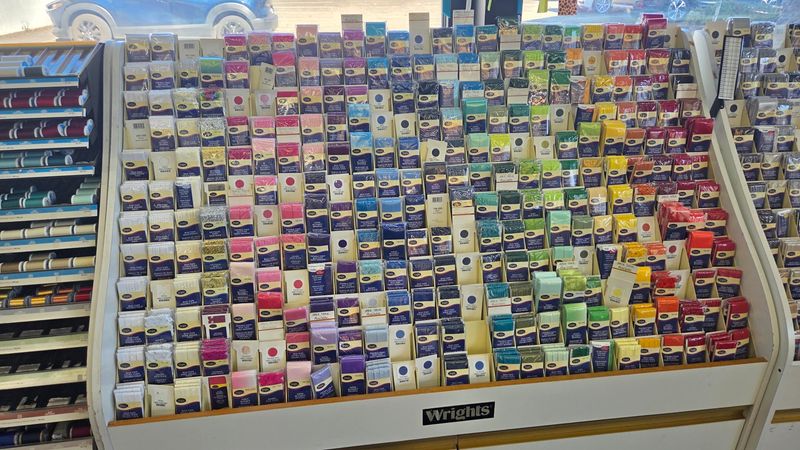
Thread, zippers, interfacing, and that one weird presser foot tool nobody can name. Notions are the small stuff that make or break a project, and this store takes them seriously.
The notions selection is among the most talked-about features. Quilting notions get special attention, and sewing notions for garments show up in good supply as well.
Trims are another bright spot. Garment makers mention leaving with great trims that finished off a piece nicely.
Knit sewists can find the specific notions that stretchy fabric demands. One shopper came in looking for exactly those and found them.
Then there are buttons. The Beaverton store has a limited button selection, according to its own fans, so anyone hunting a very particular style may need to plan ahead.
That is the honest trade-off in an otherwise well-stocked section. A good rule is to bring the fabric swatch and check buttons early in the trip.
Small items add up quickly in a cart, which brings up the next big topic, upholstery.
Upholstery Fabric for Home Projects
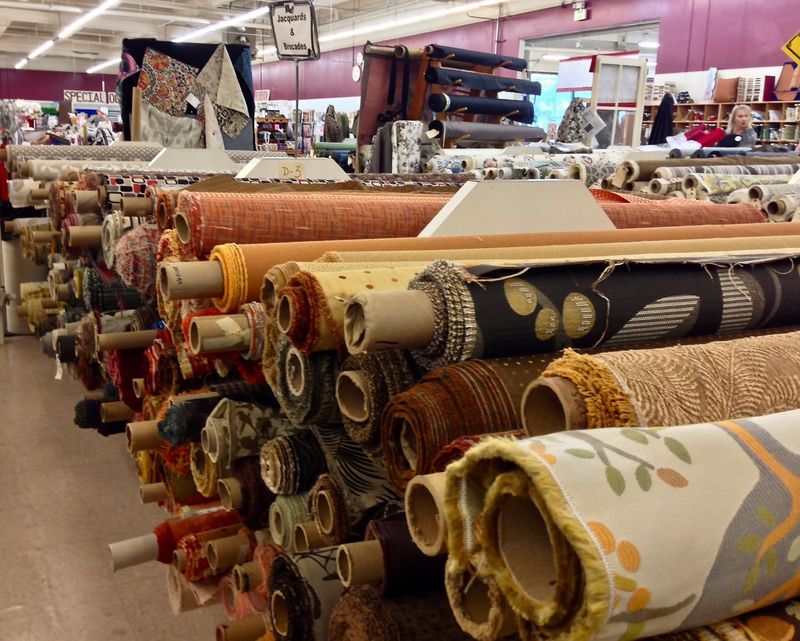
Re-covering a chair costs far less than buying a new one, and plenty of Oregon households know it. That makes the upholstery section here quietly valuable.
The store stocks upholstery fabric alongside its fashion yardage. Shoppers point out that silks and upholstery share the floor, so one trip can cover a dress and a dining chair.
Home projects are a classic way to stretch a budget. Swapping cushion covers or refreshing a worn ottoman keeps familiar furniture in use for years.
Having heavier fabric in person helps with those choices. Weight, weave, and durability are hard to judge from a screen.
Staff can also help figure out how much yardage a piece needs. That alone can save money, since overbuying upholstery fabric gets pricey fast.
Not every project needs fancy material, either. Some shoppers simply need something practical for a table covering or a repair.
For anyone keeping a home together on a careful budget, this corner of the store deserves a slow lap.
Staff Who Do the Math for You
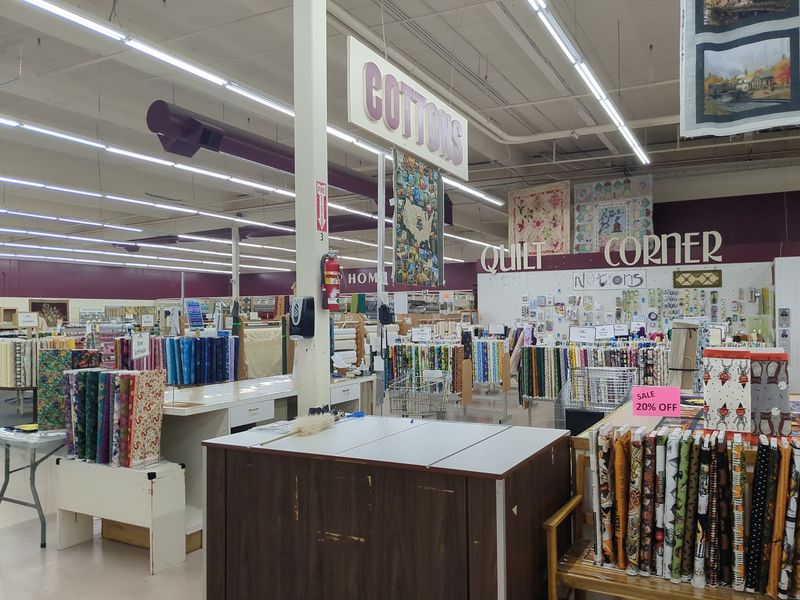
Helpful staff is the single most praised thing about this shop, by a wide margin. More people mention the employees than the fabric itself.
Yardage math is a common rescue. Staff members have calculated how much fabric a shopper needed, taking the guesswork out of a costly purchase.
Cosplayers get particular help. One maker building large head-to-toe fantasy costumes, working from a single inspiration photo, had staff measure them, estimate fabric, and suggest techniques.
Some help goes beyond hobbies. A shopper with a health need searching for material for a medical drain bag found an employee who went above and beyond.
People who work there are described as committed to the art of sewing. They tend to have good ideas and suggestions ready.
That expertise has real budget value. Buying the right amount the first time beats a second trip or wasted yards.
It is not a perfect record, though, and the next section covers the other side fairly.
Mixed Moments at the Counter
No store pleases everyone, and an honest guide should say so. Some shoppers describe experiences that felt chilly.
A few people felt brushed off as beginners. One novice asked for fabric advice and felt talked down to, which is a rough start for a new hobby.
Others have mentioned feeling uncomfortable or finding certain cashiers short with them. These comments are in the minority, but they show up more than once.
Cutting accuracy has also come up. A shopper buying small quarter-yard cuts found some uneven or jagged, and the operations manager responded by inviting them back to fix it.
That response matters. Management does reply to problems and offers to make things right through the rewards program records.
The practical takeaway is simple. Check cuts at the counter before leaving, and do not hesitate to ask a different staff member if the first one seems rushed.
Most shoppers still walk out happy, but going in with clear expectations makes the good days even better.
Sewing Machines Next Door and a Craft Stop Nearby
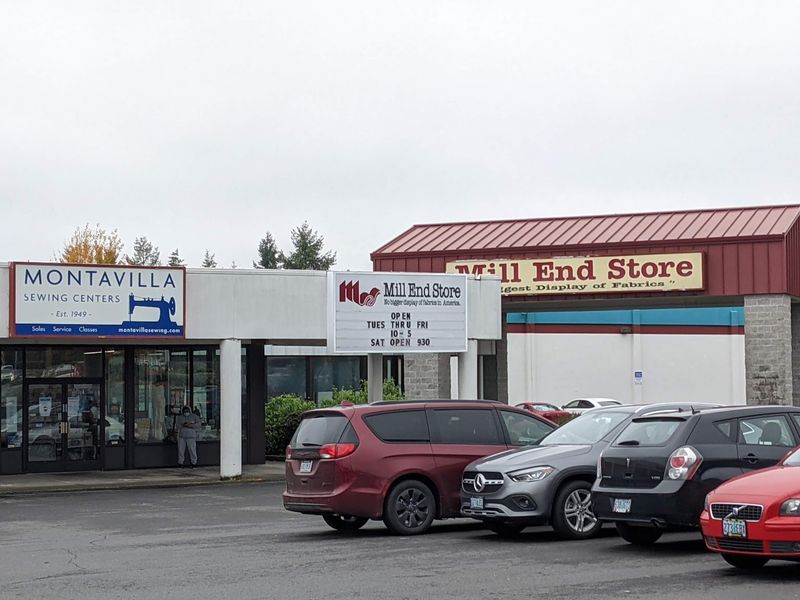
One parking spot can cover an entire hobby here. The fabric store is connected to Montavilla Sewing Center, a sewing machine shop right next door.
That neighbor leans toward quilting notions and sells machines and embroidery supplies. Shoppers describe its staff as very helpful too.
It means a broken bobbin case and a new quilt backing can be handled in one outing. That kind of convenience saves gas and time.
There is also a Michaels close by. Anyone missing a specific craft accessory has a quick backup without crossing town.
For budget sewists, clustering errands like this is a quiet win. Fewer trips usually means fewer impulse stops along the way.
Machine shoppers benefit from seeing models in person before committing. A major purchase deserves hands-on questions.
Plan an extra half hour if machines are on the list, because two well-stocked stores side by side can swallow an afternoon fast.
A Shop That Welcomes Browsers
Some shoppers arrive with a list. Others arrive with a vague idea and leave with a full bag, and this store seems built for both.
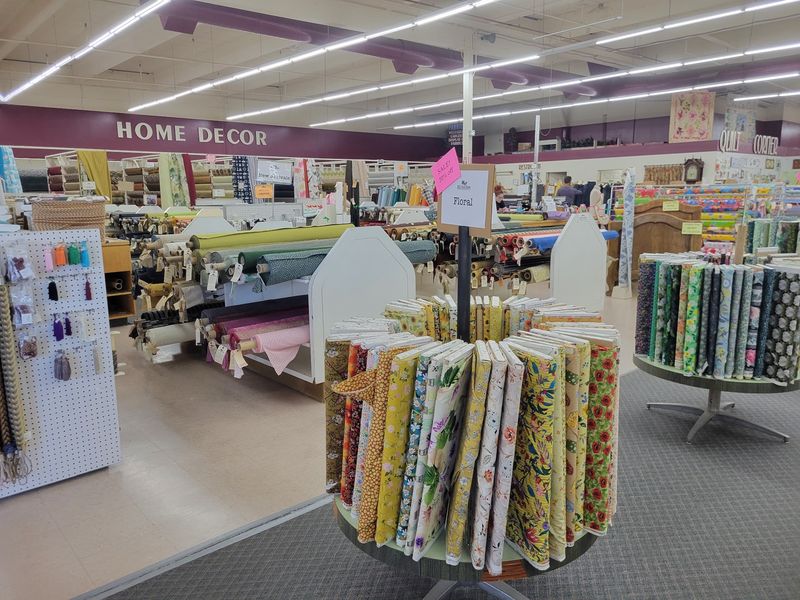
Regulars admit they walk in with an open mind and always buy more than planned. The spacious layout makes long browsing easy.
Here is a detail that earns a grin. The store has chairs where patient partners can sit while the sewist in the family takes their time.
The shop is described as very clean, which helps when hunting through bolts for an hour. It also appeals to a wide crowd, from quilters and fashion sewists to cosplayers and people fixing a hem.
Even someone who just needs a table covering can find something useful. That range keeps the place from feeling exclusive.
Beginners may want to come with a project in mind, given the mixed experiences some newcomers mention. A photo or pattern helps start the conversation.
Set a spending cap before going in. Those comfy waiting chairs exist for a reason.
Hours, Returns, and Parking Basics
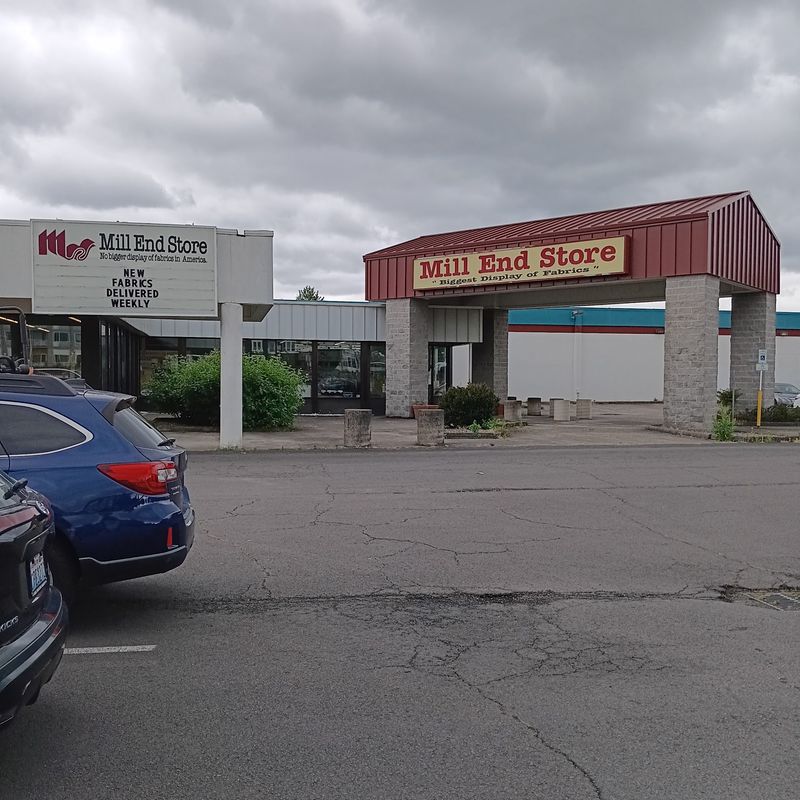
Timing is everything here, because the doors close earlier than many shops. Hours run 10 am to 5 pm Tuesday through Friday.
Saturday opens a bit earlier at 9:30 am and also closes at 5 pm. The store is closed Sunday and Monday.
Regulars advise not running late on weekdays. Arriving after work can be tricky with that 5 pm close.
Parking is plentiful, which is a relief with heavy bolts or upholstery rolls. The lot makes loading up simple.
Returns need attention. Exchanges and returns require a receipt and must happen within 30 days, a rule that frustrated at least one gift recipient.
Keep receipts tucked somewhere safe, especially for gifts. Ask the giver for a gift receipt if possible.
The store runs a rewards program as well, and staff can look up past transactions through it. Signing up is a smart move for frequent shoppers.
The website at millendstore.com is a handy check before heading out.
The Cart-Filling Verdict
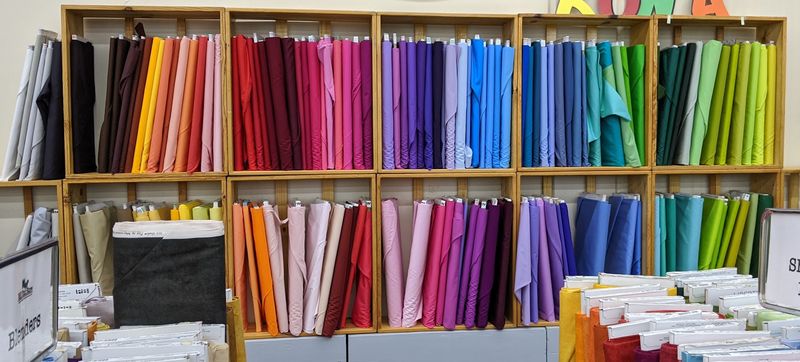
Prices land somewhere in the middle, depending on who is talking. Many shoppers call them reasonable or even very affordable, while others find them a little pricey without old chain coupons.
Both views can be true. Quality silks and deadstock cost more than bargain flannel, and value depends on what goes in the cart.
What tips the scales is the full package. Expert yardage help reduces waste, the selection cuts down on extra trips, and a machine shop next door handles repairs.
There are real drawbacks to weigh. Buttons are limited, knit choices could be wider, and returns are strict.
Service is mostly warm, with occasional rough patches. Checking cuts and asking questions keeps surprises low.
For Oregon sewists who want a familiar local fabric store to stick around, shopping here is also a vote for keeping it open. That matters more than ever after recent closures.
Bring a list, a budget, and a little patience. The cart will probably fill anyway, and that is part of the fun.
Share this story