Tanks now rumble across land where farm kids once walked to one-room schoolhouses. Whole towns with names like Sugar Loaf and Antelope simply vanished from the map in 1942. I can’t imagine packing up a family farm in a matter of months.
The Army needed room to train fast, and it chose a quiet corner of central Texas. Hundreds of families left behind homes, churches, and stores. Some of their graves still rest inside the fence line today.
I like how this story hides in plain sight. Most people drive past the gates and see only a modern base. Few realize a whole rural way of life sits underneath the training fields.
The place even changed names twice in recent years. So what exactly stands there now, and what remains of the people who came first?
Whole Towns Packed Up So An Army Post Could Grow
Back in early 1942, Fort Hood, Texas did not exist yet. The Army picked this rolling stretch of central Texas for a new training camp, and things moved fast.
Families living there got the news and had limited time to leave. Farms, general stores, and church buildings were bought up by the government for the new post.
Small communities such as Clear Creek, Antelope, Sugar Loaf, Brookhaven, and Elijah disappeared almost overnight. Many had been around since the 1800s, built by settlers who farmed cotton and raised cattle.
Hundreds of families made the move. Some relocated to nearby towns, while others scattered across the state to start over.
That sacrifice shaped the entire region. The land they gave up became one of the largest Army installations in the country, covering well over 200,000 acres.
It helps to remember those names whenever the base comes up in conversation. Behind every training range sits a story of a family that once called that hill home.
Knowing that history makes the place feel far more human. It turns a huge military map into a patchwork of lost neighborhoods.
Quiet Cemeteries Still Hold The Old Neighbors
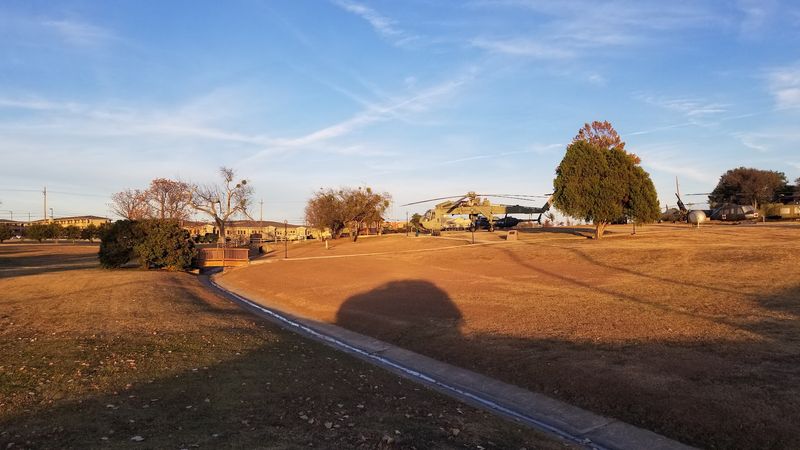
Here is a detail that surprises a lot of people. Old family cemeteries from the vanished communities still sit inside the boundaries of the base.
Fort Hood keeps track of dozens of these historic burial grounds scattered across its training lands. Many date back well before the Army arrived in 1942.
Descendants of the original families have long returned to visit these spots. The base has supported access for relatives who want to honor ancestors and tidy up the grounds.
Those weathered headstones tell stories that history books often skip. You’ll find old family names that once filled school rolls and church pews across the area.
Respect matters here, of course. These are active military grounds, so visits happen through proper channels rather than casual wandering.
Still, it’s comforting that the land never fully forgot its first residents. The cemeteries act like bookmarks, marking where each community once stood.
If your own family has roots in Bell or Coryell County, it might be worth digging into old records. You could discover a great-great-grandparent resting quietly on base property.
Three Names In Just A Few Years Keeps Everyone Guessing
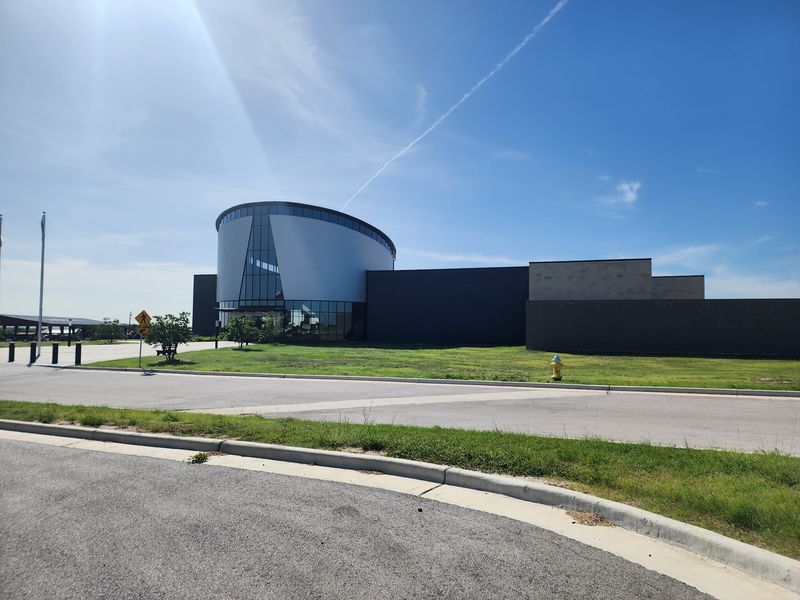
Name changes? This post has collected a few. It opened in 1942 as Camp Hood, honoring Confederate general John Bell Hood, then became Fort Hood in 1950.
In May 2023, the Army renamed it Fort Cavazos. That name honored General Richard E. Cavazos, a Texas native and the first Hispanic four-star general in the Army.
Then came another twist in 2025. The name returned to Fort Hood, but this time it honors Colonel Robert B. Hood, a different man entirely.
Colonel Hood earned the Distinguished Service Cross for bravery during World War I, following his actions under enemy fire in France in September 1918. So the sign looks the same as before, yet the story behind it changed.
That back-and-forth has kept road signs, maps, and mailing labels busy. Some locals probably still say all three names depending on the day.
For visitors, the simple tip is this. Fort Hood is the current official name, so use it when searching directions or booking nearby stays.
Either way, the land underneath stays the same. It’s the same ground those early farm families once worked by hand.
Size Is The First Thing That Will Blow Your Mind
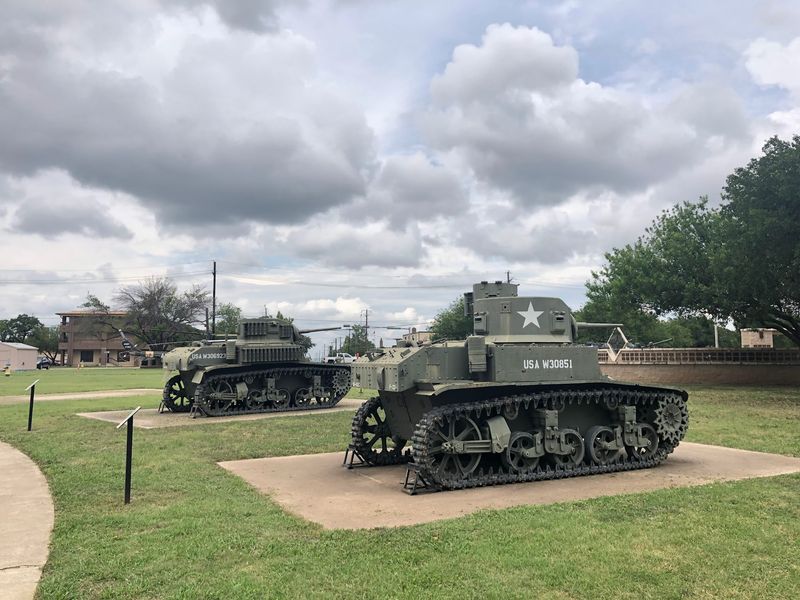
Over 200,000 acres. That’s roughly the footprint of Fort Hood, Texas, and it makes many small cities look tiny by comparison.
The post spreads across Bell and Coryell counties in central Texas. Copperas Cove sits along one edge, and Belton Lake borders part of the eastern side.
All that space has a purpose. Armored units need wide-open ground to practice moving tanks, trucks, and helicopters across real terrain.
Fort Hood ranks among the largest active-duty armored posts in the nation. Tens of thousands of soldiers are stationed here, along with their families and many civilian workers.
Picture the old communities spread across that same acreage. Clusters of farms, a store or two, maybe a cotton gin, all connected by dusty county roads.
Now those roads have turned into tank trails and training lanes. The scale helps explain why so many towns had to go.
Next time you see it on a map, zoom out. The gray blob covers a staggering chunk of Texas, and every acre once belonged to somebody.
Home Of The Famous 1st Cavalry Division
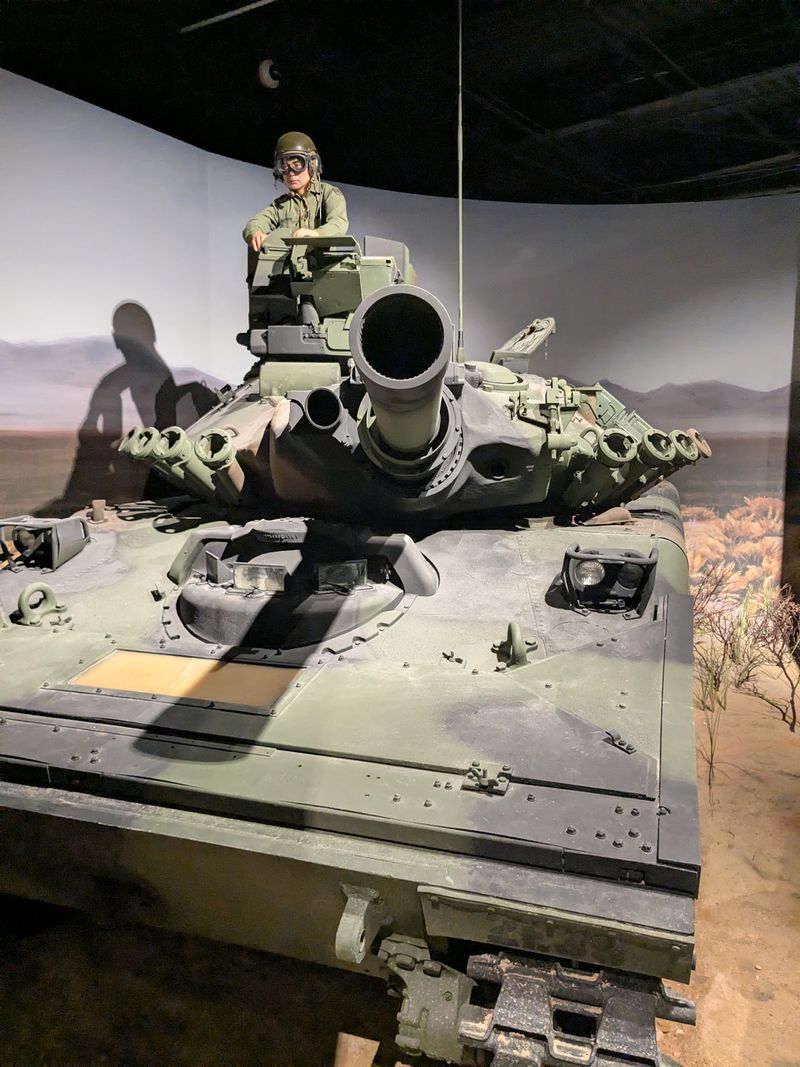
Horses at an armored base sound like a mix-up. Yet the 1st Cavalry Division, headquartered at Fort Hood, keeps a ceremonial Horse Cavalry Detachment.
Riders wear vintage-style uniforms inspired by the 1880s cavalry. They appear at ceremonies and events, adding a dose of old-school charm.
The division itself is one of the Army’s best-known units. Its big yellow shoulder patch with a black stripe and horse head is easy to spot.
Fort Hood also hosts III Armored Corps, a major headquarters overseeing thousands of soldiers. Together, these units make the post a true heavyweight in the Army.
It’s a little poetic, honestly. Ranch families once rode horses across this same land, and now cavalry riders still trot across it.
If you catch a public ceremony, the horse detachment is a highlight worth seeing. Check event schedules through the base’s public affairs channels before planning a trip.
Kids especially love it. Shiny sabers, dusty boots, and well-trained horses beat a textbook lesson any day of the week.
Free Museums Pack In A Surprising Amount Of History
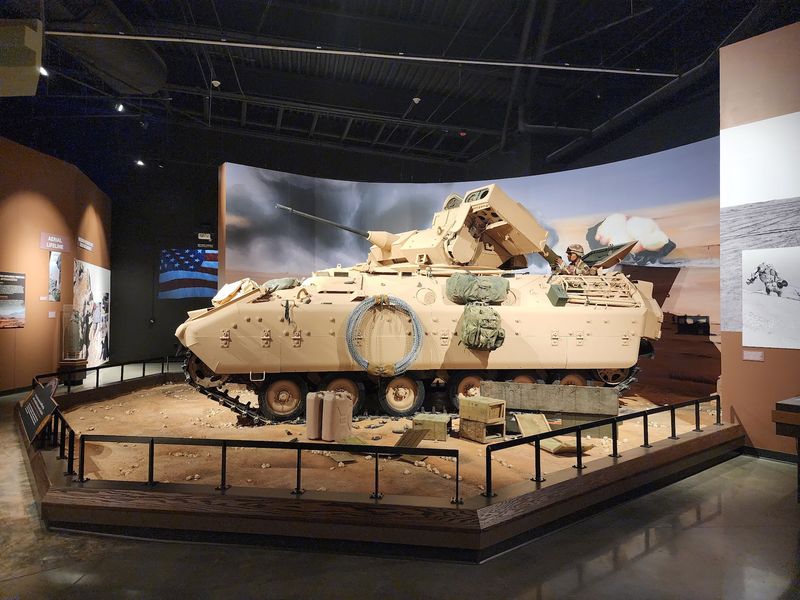
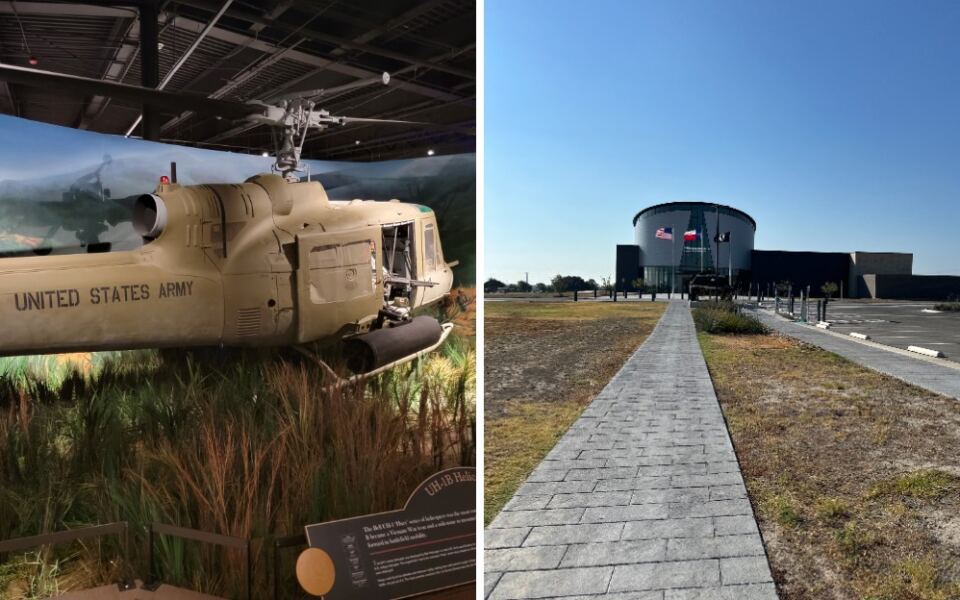
Fort Hood’s former 1st Cavalry Division Museum and 3rd Cavalry Regiment Museum closed in October 2021, with their collections incorporated into the National Mounted Warrior Museum, which opened in September 2024.
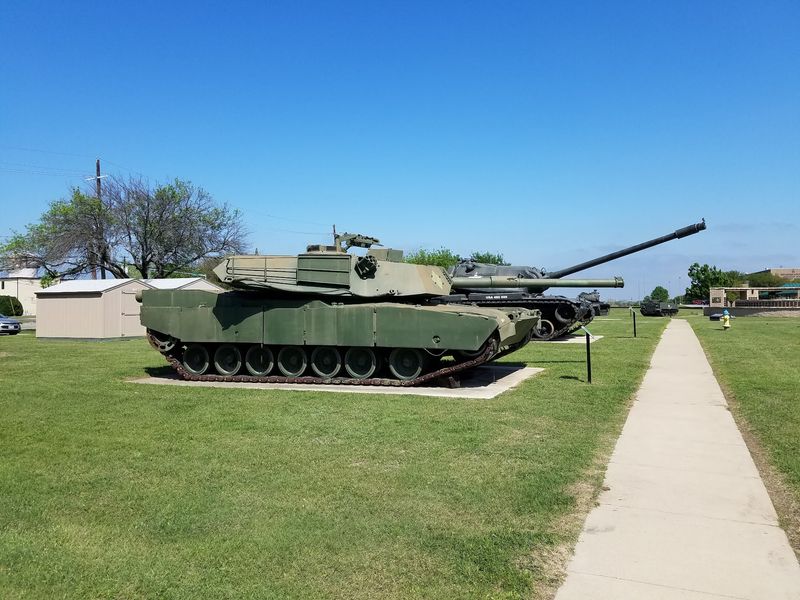
Outdoor displays feature tanks, artillery, and helicopters you can see up close. Indoor exhibits cover uniforms, equipment, and the long story of each unit.
Admission is free, which makes for an easy family outing. Hours can shift, so confirm before you go.
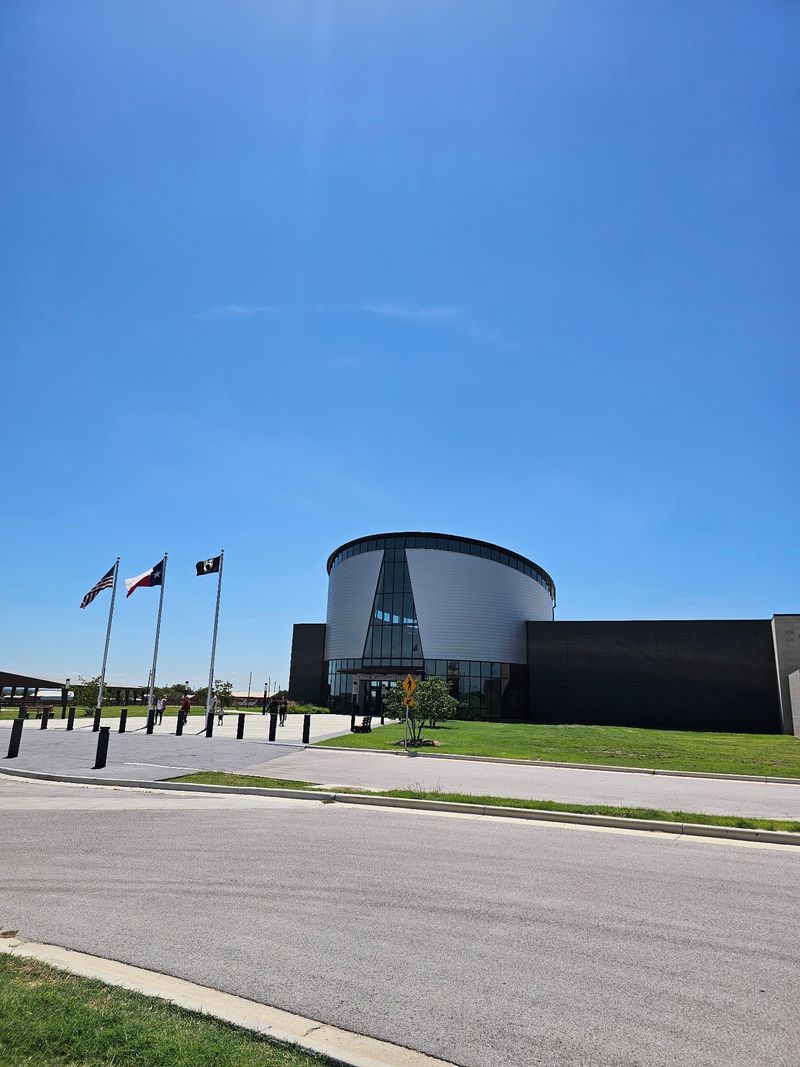
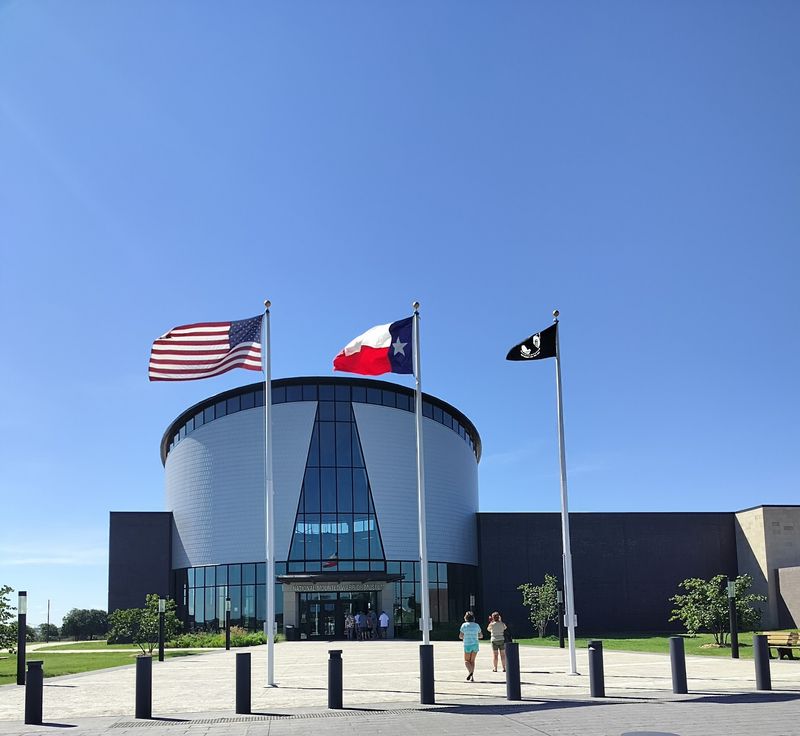
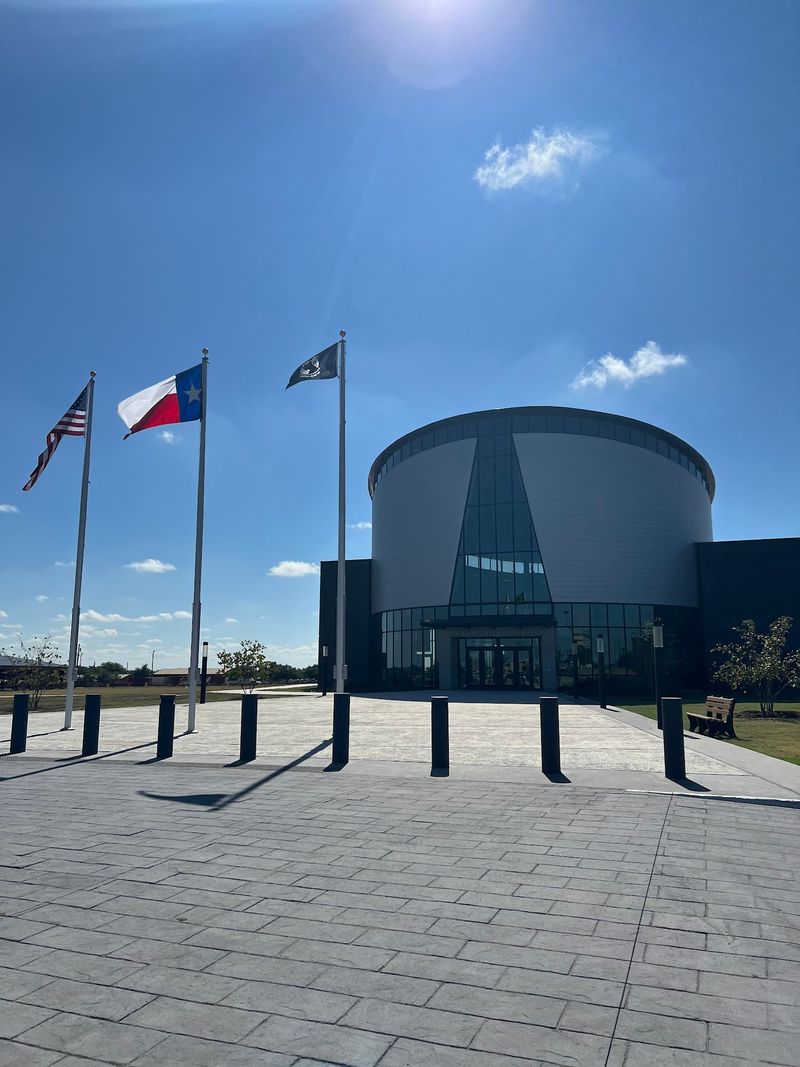
The National Mounted Warrior Museum is located outside Fort Hood’s main gate, allowing the general public to visit without entering the military installation. Visitors to the National Mounted Warrior Museum do not need a military installation pass, although entering Fort Hood itself requires appropriate identification and authorization.
Bring a valid photo ID and vehicle paperwork. A little prep saves a lot of waiting around.
The museums focus mainly on military history rather than the lost communities. Still, walking these grounds hits differently once you know what came before.
Plan an hour or two for each museum. Wear comfy shoes, because those outdoor vehicle rows stretch farther than you’d expect.
A Lakeside Escape Hides Right On Post
Sandy shoreline on an Army base sounds like a tall tale. Belton Lake Outdoor Recreation Area, better known as BLORA, makes it real.
The recreation area sits on Fort Hood property along Belton Lake. It offers camping, RV sites, cabins, and lake access for fishing and boating.
BLORA reopened to the general public in July 2026, with additional security measures and an online registration system for visitors. Eligibility rules apply, so check before packing the cooler.
Belton Lake itself formed after a dam on the Leon River was finished in the 1950s. The water now covers ground that once held creeks, bottomland, and farm fields.
So you’re boating over even more forgotten countryside. Kind of wild to think about while waiting for a fish to bite.
For military families stationed here, BLORA is a weekend lifesaver. It’s a place to swap uniforms for flip-flops without leaving base.
Sunscreen is a must in central Texas summers. The heat shows up early, and shade can be scarce along the water.
Finding It On A Map Is Easier Than Pronouncing Copperas Cove
Central Texas makes a handy home base for exploring. Fort Hood sits roughly an hour north of Austin and about the same distance southwest of Waco.
U.S. Highway 190 runs right along the southern edge of the post. Interstate 14, a newer designation, overlaps that same corridor through the area.
For mail and GPS, the general address is Fort Hood, TX 76544. Use the visitor center as your first stop if you lack military ID.
Nearby towns like Copperas Cove, Harker Heights, Belton, and Gatesville grew alongside the base. Many restaurants, hotels, and shops cater to military families and visitors.
Some of those towns also absorbed families who left the old communities in 1942. Their roots quietly spread into the surrounding counties.
Road trippers can easily pair a base visit with Texas Hill Country stops. Lakes, small-town squares, and wide-open views fill the drive in every direction.
Just keep an eye on the speed limits. Military towns tend to take traffic rules very seriously.
Remembering The Lost Towns Makes Every Visit Richer
History has a sneaky habit of hiding under pavement. At Fort Hood, it hides under tank trails, ranges, and barracks.
Local historians and county archives in Bell and Coryell counties have worked to preserve stories of the displaced families. Old photos, letters, and land records keep those memories alive.
Families of the original residents have organized reunions over the years. Those gatherings help younger generations learn where their people came from.
Want to learn more yourself? Libraries and historical commissions in nearby towns are great places to start.
It’s also worth sharing these stories with kids. A military base becomes far more interesting when they know a schoolhouse once stood nearby.
The Army post today supports the nation in big ways. The communities before it supported Texas through farming, faith, and plain hard work.
Both chapters deserve a spot in the story. Next time you pass those gates, give a little nod to Sugar Loaf, Antelope, and every vanished neighborhood that came first.
Share this story