Great Smoky Mountains National Park logged more than 13 million recreation visits in 2023. That’s more than any other national park in America, and those visitors have to sleep, eat, and shop somewhere.
That pressure spills into the small towns around the park and far beyond it. Quiet main streets turned into traffic jams. Farm roads picked up gift shops, galleries, and attractions that older residents never pictured.
I find that kind of change fascinating. Some towns embraced the crowds with roller coasters and sky bridges. Others are still trying to protect their old personality while the visitors keep coming.
Tennessee has plenty of these stories, from mountain gateways to tiny railroad stops. A few places changed fast and loud. Others changed so slowly you’d miss it unless you grew up there.
Here are ten Tennessee communities experiencing different forms of tourism-related growth and change.
1. Gatlinburg
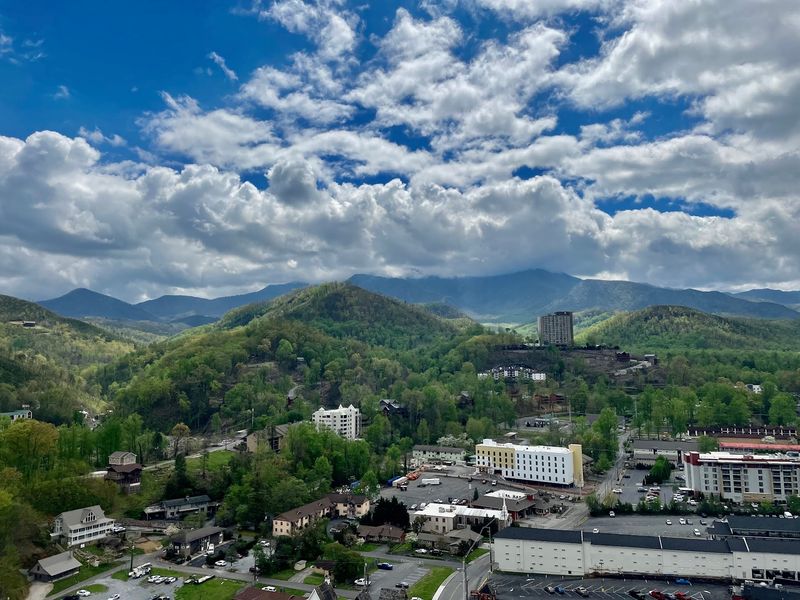
Few towns in America have a national park practically in their driveway. Gatlinburg sits right at a main entrance to the Great Smoky Mountains, and that location changed its story forever.
Long before the crowds, this was a small mountain community tied to farming and crafts. Once the park opened in the 1930s, visitors started arriving and never really stopped.
Today the Parkway is the heart of the action. You’ll find candy shops, attractions, restaurants, and souvenir stores lined up block after block.
Then there are the big-ticket thrills. The Gatlinburg SkyBridge stretches across a valley high above town, and Anakeesta sits on a mountaintop overlooking it.
Ripley’s Aquarium of the Smokies adds sharks and penguins to a mountain town. That combination still surprises plenty of first-time visitors, and honestly, it’s a little delightful.
Ober Mountain also draws folks up the slopes. Its aerial tramway has carried riders from downtown for decades.
So what do longtime residents notice most? Traffic is the easy answer, especially on busy weekends and in October.
Hotels, cabins, and rentals have climbed farther into the hills over the years. The skyline looks very different from the quiet valley of the early 1900s.
Still, the old Gatlinburg isn’t totally gone. The Great Smoky Arts and Crafts Community runs along a loop road outside downtown, with artists making and selling their work.
That loop is worth your time if you want a calmer side of town. You can browse pottery, woodwork, and handmade goods away from the Parkway buzz.
Want to beat the crowds? Try arriving early in the morning, when the sidewalks are quieter and the mountain air feels crisp.
Parking downtown can fill up quickly, so consider the town trolley. It’s an easy way to hop around without circling the same block five times.
Gatlinburg proves a tiny mountain town can become a major Tennessee destination. Whether that’s progress or loss depends on who you ask.
2. Pigeon Forge
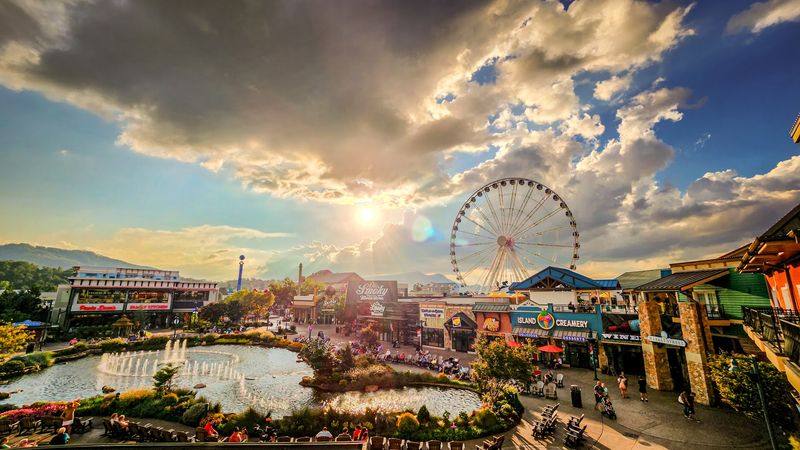
A Ferris wheel now spins where farm fields once stretched along the river. That image sums up Pigeon Forge better than any brochure could.
The town takes its name from the Little Pigeon River and an old iron forge. The Old Mill, dating to 1830, still stands as a reminder of those working roots.
Fast forward a bit, and things got loud. Dollywood opened in 1986 on the site of an earlier theme park, and Dolly Parton’s name brought visitors from everywhere.
That park is now one of the biggest draws in the region. Roller coasters, music shows, and seasonal festivals keep people coming back year after year.
Meanwhile, the Parkway kept growing. Dinner theaters, go-kart tracks, mini golf, and themed attractions stack up for miles.
The Titanic Museum might be the wildest sight of all. A giant replica ship sits beside the road in the Tennessee foothills, which feels gloriously unexpected.
Then there’s The Island, a shopping and dining complex built around The Great Smoky Mountain Wheel. Its fountain shows add a splash of fun at night.
For residents who remember a sleepy farm town, the transformation is huge. A drive that once took minutes can stretch much longer during summer and holiday weekends.
Still, the town hasn’t lost its sense of humor. Bright signs, oddball buildings, and nonstop entertainment are part of the charm now.
Here’s a practical tip. Use the back roads that run parallel to the Parkway when traffic stalls, and you’ll save yourself some headaches.
The Old Mill area is a great stop if you want something slower. You can stroll near the river and see a piece of town history still standing.
Pigeon Forge didn’t just change a little. It practically reinvented itself, one attraction at a time. Love it or roll your eyes at it, you can’t call it boring.
That’s a fair trade for plenty of visitors.
3. Jonesborough
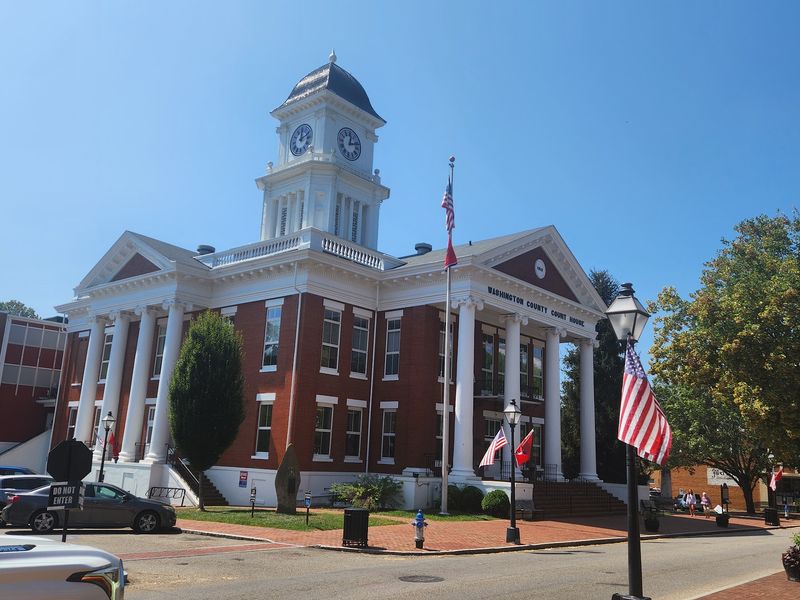
Founded in 1779, Jonesborough holds the title of Tennessee’s oldest town. Yet these days, plenty of people know it for something else entirely: stories.
Back in 1973, the first National Storytelling Festival took place here. It started small and grew into a celebration that pulls storytellers and fans from across the country.
The festival happens each October. Big tents pop up around town, and listeners pack in to hear tales funny, spooky, and touching.
That success helped create the International Storytelling Center on Main Street. It hosts storytellers through much of the year, not just during the festival.
So how did tourism change things? The historic downtown became a destination instead of just a place for errands.
Shops, eateries, and inns filled the old brick buildings. Visitors now wander the sidewalks with cameras, admiring architecture that residents once passed without a second look.
The good news is that the town leaned into preservation. Many historic buildings were saved and restored instead of torn down.
Walking Main Street feels like flipping through an old history book. The Chester Inn, built in the late 1700s, is one of the oldest buildings in town.
During festival weekend, expect a very different Jonesborough. Hotels in the area book up early, and the small streets fill fast.
A smart plan is to reserve lodging months ahead. You might also stay in nearby Johnson City and make the short drive over.
If crowds aren’t your thing, come in the off-season. The town is quieter, and the brick sidewalks feel made for slow strolling.
I love that a town this old found new life through something as simple as telling tales. It’s a clever twist on history.
Jonesborough changed, sure. But it changed in a way that kept its past in plain view.
4. Townsend
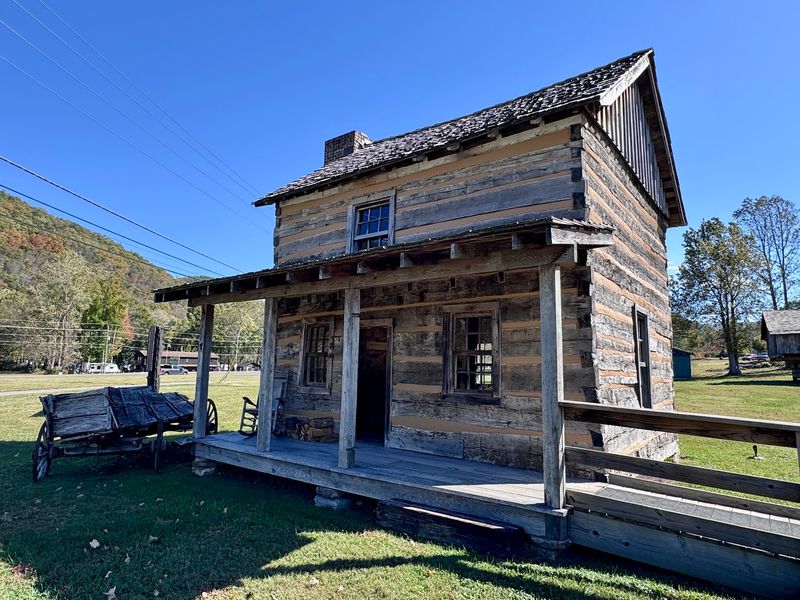
Townsend calls itself the Peaceful Side of the Smokies. That nickname is a gentle little jab at its busier neighbors, and it works.
Located in Blount County, the town sits near an entrance to Great Smoky Mountains National Park. It’s also the closest town to Cades Cove, one of the park’s most popular areas.
Cades Cove draws huge numbers of visitors with its wildlife, old cabins, and churches. Many of those visitors pass right through Townsend on the way.
The Little River also plays a big role here. In summer, tubing down the river is a classic local pastime that visitors love to copy.
So what has changed? More cabins, campgrounds, and rental homes have appeared in the hills over the years.
Traffic on the main road picks up during peak seasons. For a town built on calm, that shift is easy to notice.
Still, Townsend hasn’t gone the flashy route. You won’t find giant roller coasters or rows of neon signs along the highway.
Instead, the town leans on nature and history. The Great Smoky Mountains Heritage Center tells the story of the people who lived in these mountains.
Bike lovers can enjoy a paved path that runs through town. It’s a relaxed way to explore without hopping back in your car.
For the best experience, visit Cades Cove early in the day. The loop road gets crowded, and slow traffic is common when animals appear.
Bring patience and a snack. A bear sighting can stop cars for a long time, and nobody’s moving until it wanders off.
Townsend shows how a place can grow without losing its personality. The crowds came, but the quiet charm mostly stayed.
That balance is rare in the Smokies. Here’s hoping it holds.
5. Lynchburg
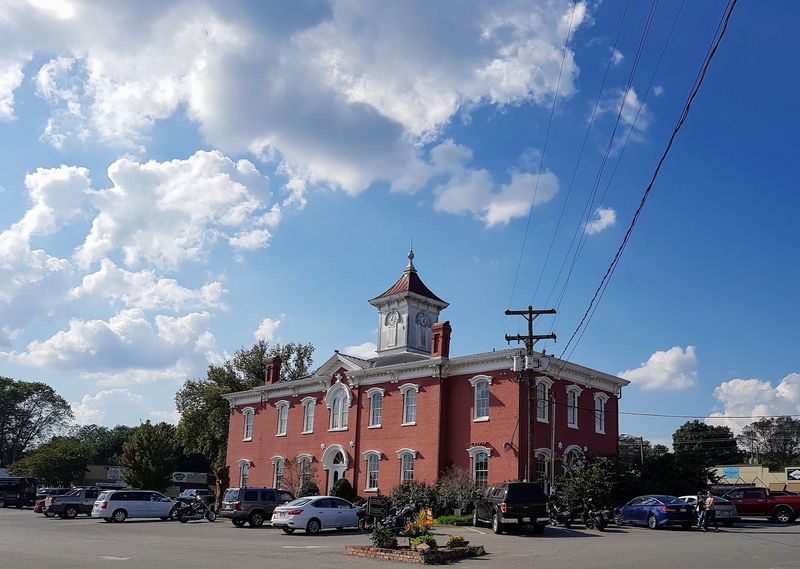
Lynchburg is a tiny town with a name recognized around the world. Its population is small, yet visitors arrive by the busload.
The town serves as the seat of Moore County, one of the smallest counties in Tennessee. Lynchburg and Moore County share a combined metro government, which is unusual for such a small place.
At the center sits a classic courthouse square. The brick Moore County Courthouse anchors the scene, surrounded by shops and old storefronts.
Much of the attention comes from a world-famous brand headquartered nearby. Tour groups pour in, and the square often hums with out-of-town license plates.
That steady flow changed the feel of downtown. Many storefronts now cater to visitors with souvenirs, gifts, and local crafts.
Lynchburg Hardware and General Store is a favorite stop on the square. It offers a nostalgic shopping trip with plenty of branded goods and keepsakes.
For residents, the change is a mix of pride and adjustment. Few towns this size see so many visitors from across the globe.
Still, the country setting remains. Rolling hills and farmland surround the town, so the drive in feels peaceful and green.
Here’s a tip for your trip. Give yourself time to slow down and wander the square instead of rushing through.
Small shops and old buildings reward a little patience. You might spot details in the brickwork and signs that most people walk right past.
Weekends can be busier, especially in good weather. A weekday visit often feels calmer and more relaxed.
Lynchburg proves a town doesn’t need to be big to be busy. It just needs one famous reason for people to show up.
The square still feels like small-town Tennessee. It just has a lot more company than it used to.
6. Bell Buckle
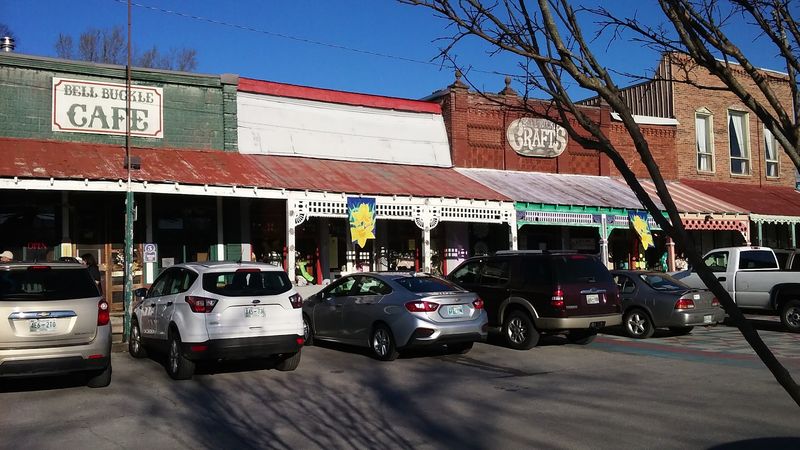
A town of only a few hundred people throws a festival for snack cakes and soda. Bell Buckle has a sense of humor, and visitors absolutely love it.
The RC Cola and MoonPie Festival started in 1994. It’s held each June and features a parade, live music, and a giant MoonPie cut for the crowd.
That festival put this little Bedford County town on the map. Thousands of people now show up for a single day of Southern silliness.
Outside festival day, Bell Buckle is known for its historic downtown. Antique shops, art galleries, and crafts fill the old buildings along Railroad Square.
The town grew up around the railroad in the 1800s. Those roots still shape its layout and its old-fashioned look.
Bell Buckle is also home to The Webb School, founded in 1870. The respected boarding school has long been part of local life.
So how have visitors changed things? Shops that once served farmers now welcome day-trippers hunting for antiques and quirky souvenirs.
On festival day, the streets get completely packed. For a town this small, that’s a dramatic change from a quiet Tuesday.
Here’s a practical idea. Visit on a regular weekend if you’d rather browse shops without bumping elbows.
If you go for the festival, arrive early. Parking fills quickly, and the best parade spots disappear fast.
Bring cash for small vendors and comfy shoes for walking. You’ll likely be strolling more than you expect.
I adore that a town decided snack cakes deserved a party. It’s the kind of idea that only works in small-town Tennessee.
Bell Buckle changed, but it kept its playful spirit. That might be its smartest move of all.
7. Leipers Fork
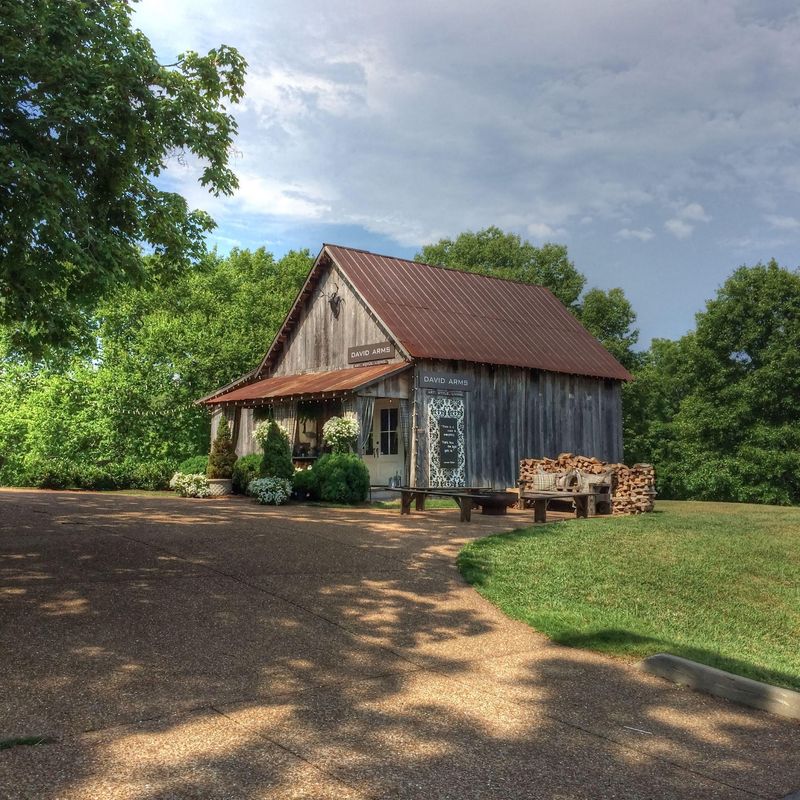
Leipers Fork looks like a quiet country crossroads. Then you notice the art galleries, the boutiques, and the steady stream of visitors.
This small rural village sits in Williamson County, not far from Franklin. It’s also close to the scenic Natchez Trace Parkway, which brings in plenty of drivers and cyclists.
For generations, the area was mostly farmland. Old wooden buildings and rolling hills still give the village its rustic look.
Over the years, artists and musicians found their way here. Galleries and shops began filling the historic buildings along the main road.
Some well-known names in music have homes in the area too. That attention helped boost the village’s reputation as a stylish country escape.
So what changed? Property values climbed, and land that was once farmland became highly sought after.
On weekends, the small road through the village can get busy. Visitors come for shopping, live music, and the scenery.
Still, the village works hard to keep its rural feel. There are no huge chain stores crowding the area.
That balance is part of what makes it special. You get country charm with a creative twist.
A great way to visit is to pair it with a drive on the Natchez Trace Parkway. The parkway offers peaceful views and a slower pace.
Try a weekday visit if you want quieter browsing. Weekends bring more energy but also more traffic.
Leipers Fork shows how fast a rural spot can turn trendy. It’s a Tennessee crossroads that became a destination almost overnight.
I find that shift fascinating. Locals have watched hayfields share space with art openings, and the mix somehow works.
Just remember to slow down on those curvy roads. The village rewards anyone who takes their time.
8. Tellico Plains
Motorcycles rumbling through a tiny mountain town tell you something big is nearby. In Tellico Plains, that something is the Cherohala Skyway.
The skyway opened in 1996 and stretches approximately 43 miles from Tellico Plains, Tennessee, to Robbinsville, North Carolina. Its sweeping curves and high mountain views draw drivers and riders from far away.
Before the road opened, Tellico Plains was a quiet spot in Monroe County. Logging and farming shaped much of its history.
Now the town works as the skyway’s Tennessee gateway. Visitors stop for food, fuel, and a stretch before or after the big drive.
That steady traffic changed downtown. Shops and eateries now cater to travelers, especially motorcyclists and sports car fans.
The Cherohala Skyway Visitor Center sits near the start of the route. It’s a handy stop for maps and information.
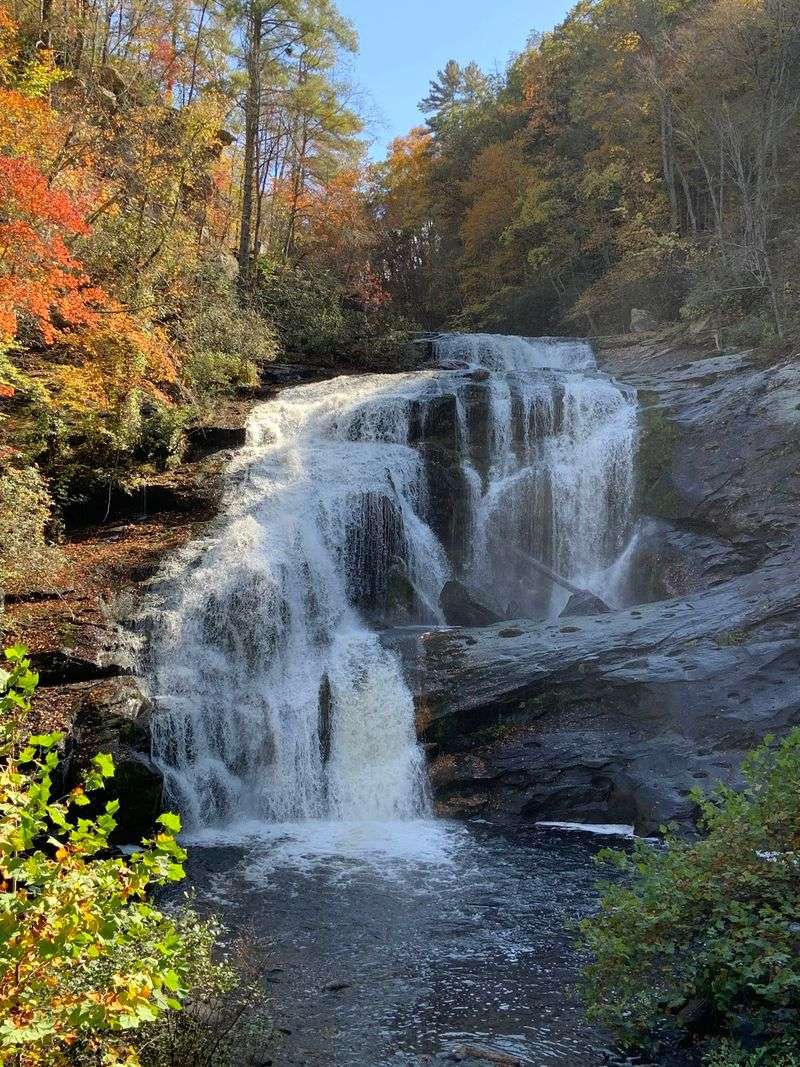
Nature lovers have plenty to enjoy too. Bald River Falls is a popular waterfall you can see right from a roadside bridge.
The Tellico River also draws anglers looking for trout. Its clear water and rocky banks make the area feel wild and fresh.
Here’s a helpful tip. Fill your tank in town before heading up the skyway, because services along the route are limited.
Weather can change quickly at higher elevations. Bring a jacket, even if it feels warm down in town.
Fall is an especially popular time to visit. Colorful leaves turn the mountains into a painted backdrop.
Tellico Plains shows how one road can transform a whole town. The skyway brought new life and a lot more engine noise.
For many travelers, the town is the starting line of an adventure. That’s quite a promotion for a sleepy logging community.
9. Sewanee
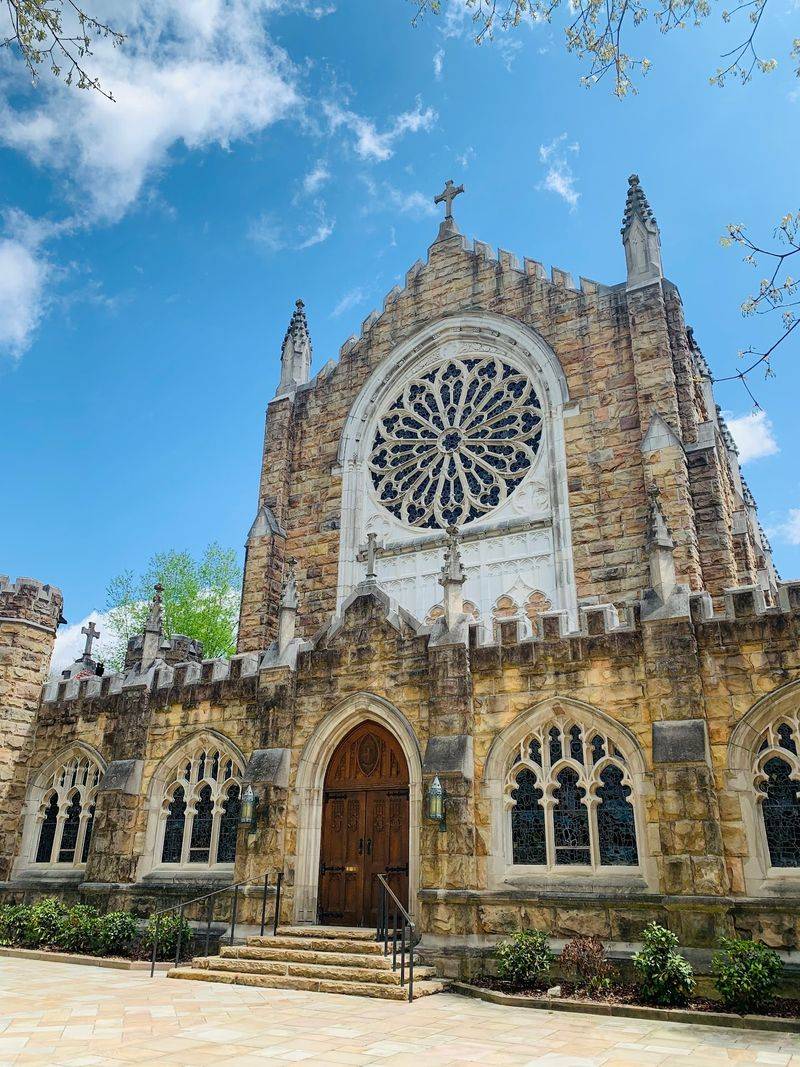
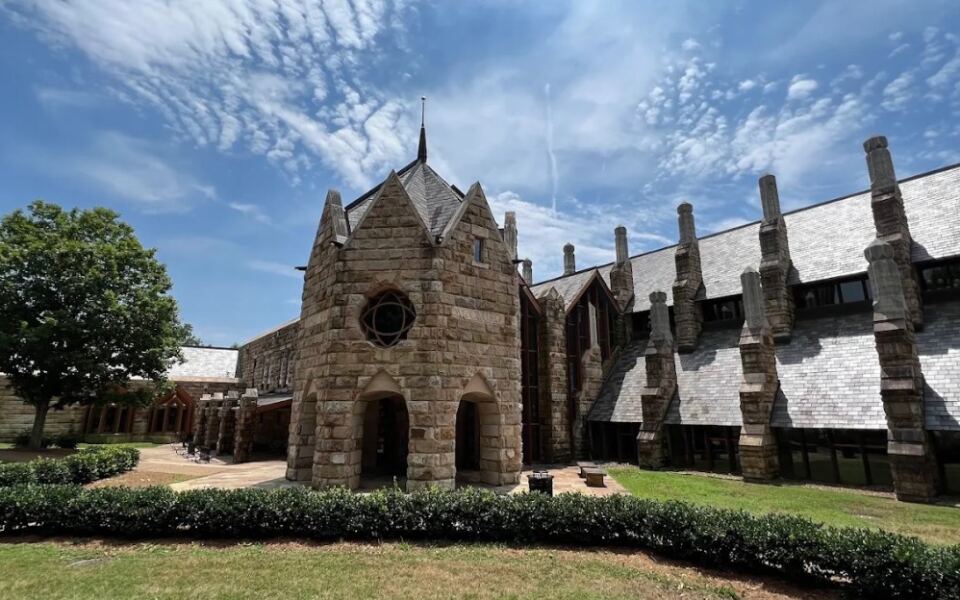
Stone Gothic buildings on top of a Tennessee mountain might look borrowed from England. In Sewanee, they’re home to The University of the South.
The university was founded in 1857. Its campus sits on the Cumberland Plateau and is known for its striking architecture.
The school’s land, called the Domain, covers about 13,000 acres. Forests, trails, and scenic overlooks make up much of that space.
For a long time, Sewanee felt like a private world for students and faculty. The mountaintop location kept it fairly tucked away from big crowds.
Over time, word spread about its beauty. Hikers, photographers, and day-trippers began showing up in larger numbers.
The Perimeter Trail is a big draw. It loops around the campus and offers bluff views and peaceful woods.
Overlooks like Morgan’s Steep give sweeping views of the valley below. Sunsets from these spots are a favorite reason to make the drive.
So how has the town changed? Weekend traffic and trail use have grown, especially in fall when the leaves turn. Still, Sewanee keeps its academic charm.
The campus stays the heart of the community.
Here’s a practical tip. Respect campus life and stick to marked trails, since this is still a working university.
Visit on a weekday if you want quieter paths. Weekends bring more visitors, especially when the weather is pleasant.
I love that a college campus doubles as a nature escape. It’s a rare combination in Tennessee.
Sewanee didn’t transform into a tourist town. But more people now know its secret, and that’s a big change for a mountaintop retreat.
10. Tennessee City
A place named after an entire state sounds like it should be huge. Tennessee City is actually a small rural community in Dickson County.
That name surprises plenty of people driving through. They expect a big city and instead find quiet roads and wooded hills.
Tennessee City is a small rural community in Dickson County, a region shaped by railroad development and agriculture.
So why is it on this list? Change here looks different than in the Smokies or Leipers Fork.
Growth from the Nashville area keeps creeping west. Dickson County has seen more new residents and more traffic over the years.
For a tiny community, even a few new homes and busier roads feel noticeable. The pace isn’t flashy, but it’s real.
Visitors heading to nearby spots often pass through. Montgomery Bell State Park sits a short drive away and draws campers and hikers.
That park offers lakes, trails, and plenty of green space. It’s a great reason to explore this corner of Middle Tennessee.
Here’s a helpful tip. Treat Tennessee City as a peaceful pass-through on a day trip rather than a big destination.
There aren’t rows of shops or attractions here. The charm comes from the quiet countryside and that wonderfully big name.
If you enjoy back roads, this area rewards slow driving. Rolling hills and small farms make the trip relaxing.
I love how a modest community carries such a grand title. It’s a fun little piece of Tennessee trivia.
Tennessee City illustrates a different kind of change, as development in the broader Nashville region creates potential pressures on smaller rural communities.
Share this story