In 1925, a small-town courtroom near the Tennessee River became the stage for one of the most famous trials in American history. The town later held onto that courthouse, and you can still visit it today.
That story surprised me. Then I learned another river town gave the world a famous line of cast iron skillets. A third grew from an old steamboat landing that once buzzed with river traffic.
Tennessee is full of places like this along its big, winding river. Brick storefronts sit a short stroll from quiet shorelines. Courthouse squares still act like the heart of town.
I love that mix of slow water and old stories. It feels like the kind of place where you could stop for an afternoon and stay a week. So which one would you pick first?
1. Clifton
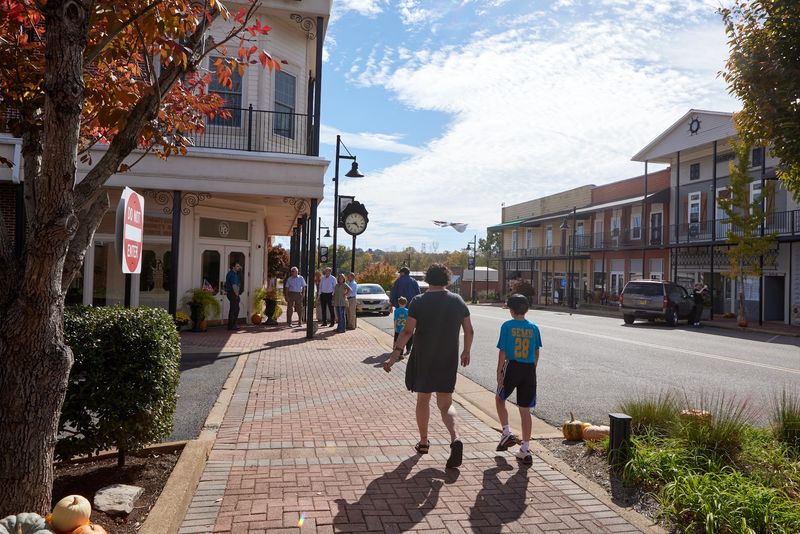
Some towns make you hunt for the water, but Clifton practically walks you right to it. Its historic Main Street runs straight toward the Tennessee River, which feels like a pretty good design choice.
Clifton sits in Wayne County, along a winding stretch of the river. Only about 2,600 people live here, so the pace stays easygoing.
That small size is part of the appeal. You can see the town without a map, a schedule, or a pile of stress.
Start downtown and take your time. The commercial district keeps preserved buildings from the 19th and early 20th centuries.
Old brick and storefront details give the street real character. You’ll notice how the buildings frame your path toward the riverbank.
Once you reach the water, slow down even more. Clifton has a river landing park where you can soak up broad, calm views.
It’s a great spot for a quiet picnic or a long sit. Bring a book, and maybe forget to open it.
Boaters have another reason to love this town. Clifton Marina offers access to the Tennessee River for folks who’d rather see it up close.
Even if you don’t own a boat, watching the river traffic can be relaxing. There’s a simple pleasure in seeing the water move at its own speed.
Plan your visit for a clear day if you can. The river views look best when the sky cooperates and the light hits the water.
Wear comfortable shoes for the walk between downtown and the landing. You’ll want to wander, not rush.
Clifton works well as a stop on a longer West Tennessee road trip. It also makes a fine destination on its own when you need a reset.
Small towns can sometimes feel like time slowed down on purpose. Here, the river seems to have set the clock, and nobody minds.
Address: Clifton, Tennessee 38425
2. Savannah
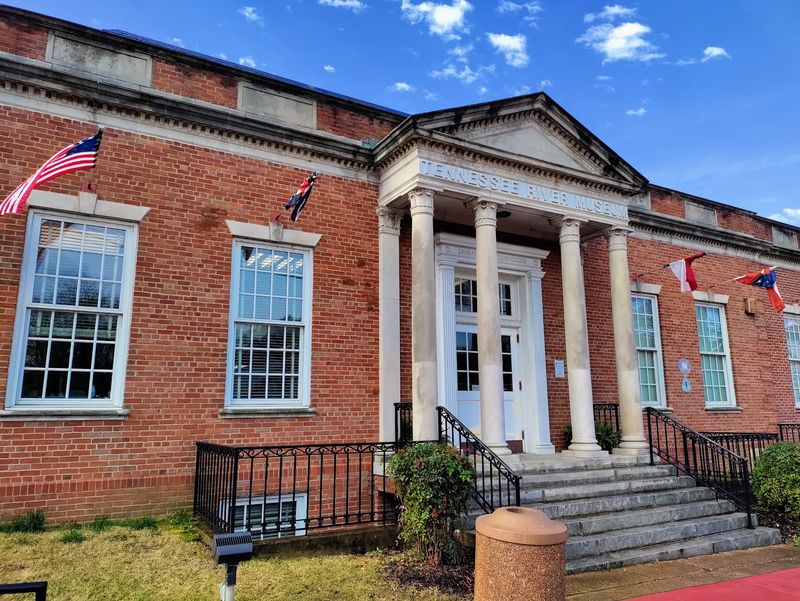
A whole museum about the river sits right downtown, which tells you how much Savannah loves its water. The Tennessee River Museum gives the town a natural starting point.
Savannah serves as a county seat with roughly 7,200 residents. It feels lively enough to explore, yet still relaxed and rural around the edges.
The museum is a smart first stop. It helps you understand the river before you go stare at it for an hour.
Kids and grownups both tend to enjoy places like this. Learning the backstory makes the scenery feel more meaningful later.
After that, stroll the historic downtown Main Street district. Classic storefronts line the walkable streets, so slow browsing comes easy.
Take your time looking up at the buildings. Older downtowns often save their best details for the folks who notice the top floors.
Now head for Riverside City Park. This is where Savannah shows off its peaceful Tennessee River frontage.
Scenic overlooks give you wide views across the water. It’s an easy place to stretch your legs or simply sit and breathe.
Morning is a lovely time for a quiet walk here. Evening works too, especially if you like watching the light fade over a river.
Pack snacks and water for the park. A simple picnic can turn a short stop into a memorable afternoon.
Savannah also makes a handy base for exploring nearby parts of southwest Tennessee. You can wander out during the day and come back to a familiar Main Street.
Here’s a fun way to plan your trip. Do the museum first, the downtown second, and the river last, saving the calmest part for the end.
That order lets the town unfold like a good story. By the final chapter, you’re sitting by the water, wondering why you don’t do this more often.
Address: Savannah, Tennessee 38372
3. Loudon
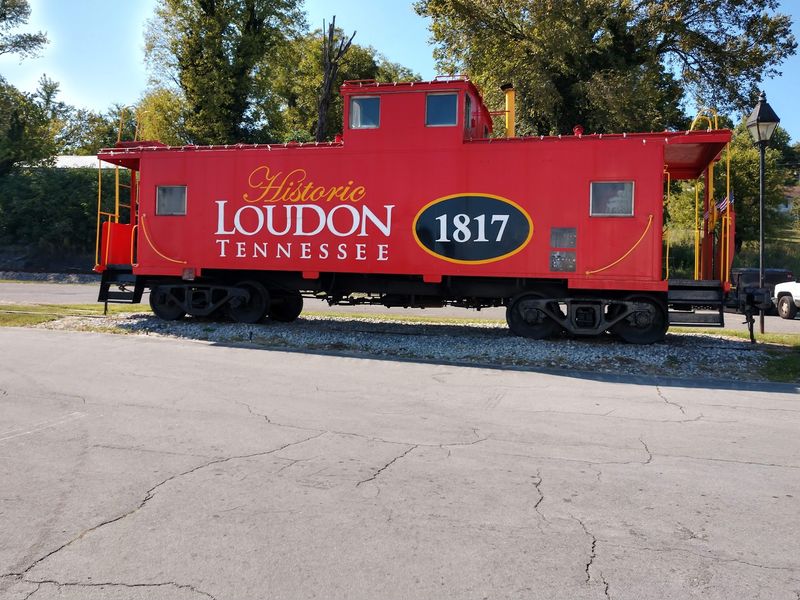
Rivers love a good curve, and Loudon sits right on one of the Tennessee River’s bends. That spot puts the town along the Watts Bar Lake reservoir in East Tennessee.
About 6,000 people call Loudon home. The town has held onto its riverside heritage, and you can feel it in both the downtown and the shoreline.
Let’s begin with the water. Loudon Riverside Park offers peaceful parkland, public boat docks, and spots for shoreline walking.
It’s a flexible kind of place. You can launch a boat, take a stroll, or just park yourself on a bench and watch the ripples.
Bring a light jacket in cooler months. Breezes near open water can surprise you.
Downtown deserves its own slice of your day. The historic Main Street and Grove Street district features restored brick storefronts and historic civic buildings.
Local cafes add a nice reason to linger. A coffee break between window shopping and the riverfront sounds about right.
Restored buildings tell you a town cares about its past. They also make downtown photos look like postcards without much effort.
Try pairing a downtown walk with a slow loop at the park. The two areas give Loudon a balanced feel, part history and part nature.
Families can make an easy half day of it. Couples might stretch it into a full day with a long lunch.
Loudon also sits within reach of other East Tennessee spots. That makes it a handy stop if you’re touring the region by car.
The best part may be how calm it feels. You don’t need a packed itinerary here.
Walk, look around, and let the river set your pace. Loudon seems built for people who enjoy a slower kind of fun.
Address: Loudon, Tennessee 37774
4. Kingston
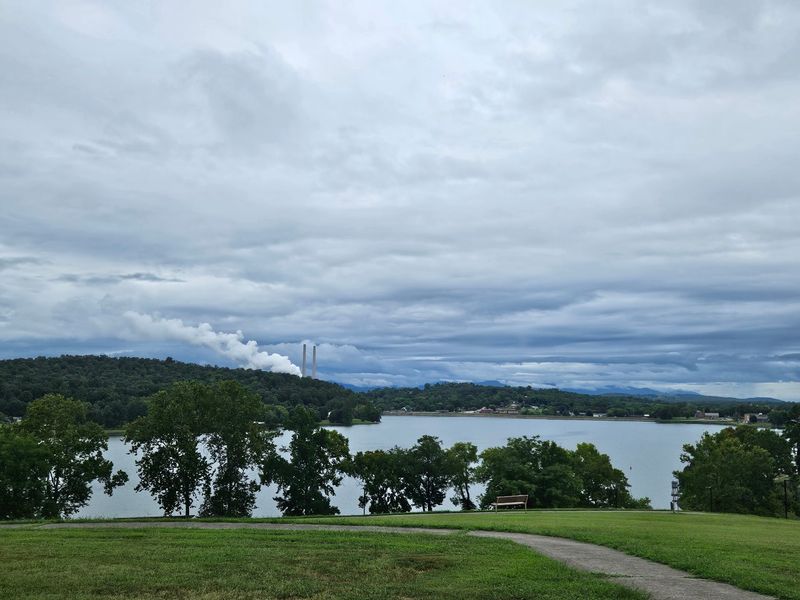
Two rivers meet here, and Kingston got the best seat in the house. The Clinch and Tennessee Rivers come together at this historic spot.
That meeting point shapes the whole mood of town. Around 6,000 people live in Kingston, surrounded by lakeside scenery.
Water views are the headline. Southwest Point and Kingston City Park offer wide, calm shoreline access along Watts Bar Lake.
The views stretch out in a way that makes you exhale. It’s hard to stay grumpy while staring at that much open water.
Kingston City Park is great for a laid-back stroll. You can also find a spot to sit and watch boats drift by.
Southwest Point adds another angle on the lake. Visiting both gives you a fuller picture of how the town hugs the water.
Then switch gears and head downtown. The historic corridor runs along Court Street and Cumberland and Main Street.
The anchor is the Roane County Courthouse, built in 1855. That’s a long time for one building to keep watch over a town.
Historic courthouses often sit at the center of small-town life. This one gives downtown Kingston a sense of place that newer buildings can’t fake.
Take a few photos of the courthouse from different sides. Morning light can make old brick look especially handsome.
Here’s a simple plan for your day. Spend the morning downtown, then wander to the shoreline for lunch outdoors.
Kingston also fits nicely into a wider East Tennessee trip. You’ll be near other lake towns and plenty of back roads.
Some places feel busy and loud. Kingston feels like it already knows what matters, mostly water, history, and a good bench with a view.
Address: Kingston, Tennessee 37763
5. Dayton
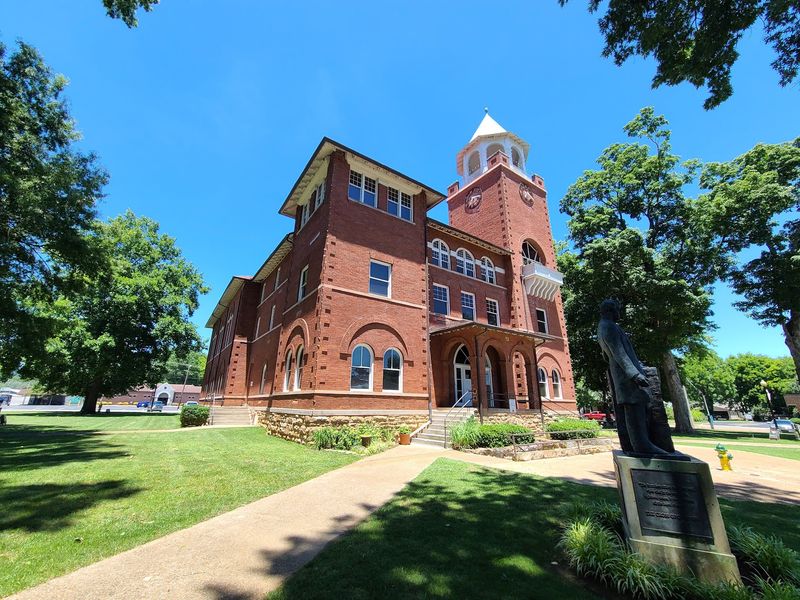
History buffs, this one is for you. Dayton’s Rhea County Courthouse hosted the famous Scopes Trial back in 1925.
That trial grabbed attention across the country. Today, the courthouse still stands at the center of Dayton’s historic downtown square.
Standing near it, you can almost feel the weight of that summer. It’s a rare chance to see a real piece of American history in a small town.
Dayton has around 7,500 residents. The town sits against the foothills of the Cumberland Plateau, which adds a lovely backdrop.
Main Street and the square are well preserved. Walking around them gives you a strong sense of how the town grew.
Spend some time circling the square slowly. Old downtowns reward people who don’t rush.
Then trade history for water. Dayton sits on the Chickamauga Lake section of the Tennessee River.
Dayton Boat Dock and nearby waterfront parklands offer relaxing recreation. There are shoreline docks too, which makes getting on the water easier.
Boaters will feel right at home. Non-boaters can still enjoy the views and a peaceful walk.
Try planning a split day here. Visit the courthouse in the morning, then head to the lake in the afternoon.
That combo works well for families. Kids may enjoy the dock more than the history, and that’s perfectly fine.
The foothills nearby make the drive into town pretty too. Keep your camera handy as you roll in.
Dayton proves a small town can carry a big story without losing its calm. You get courtroom drama and lakeside quiet in one stop.
Not many places can say that. Fewer still can serve it up with mountain views on the side.
Address: Dayton, Tennessee
6. South Pittsburg
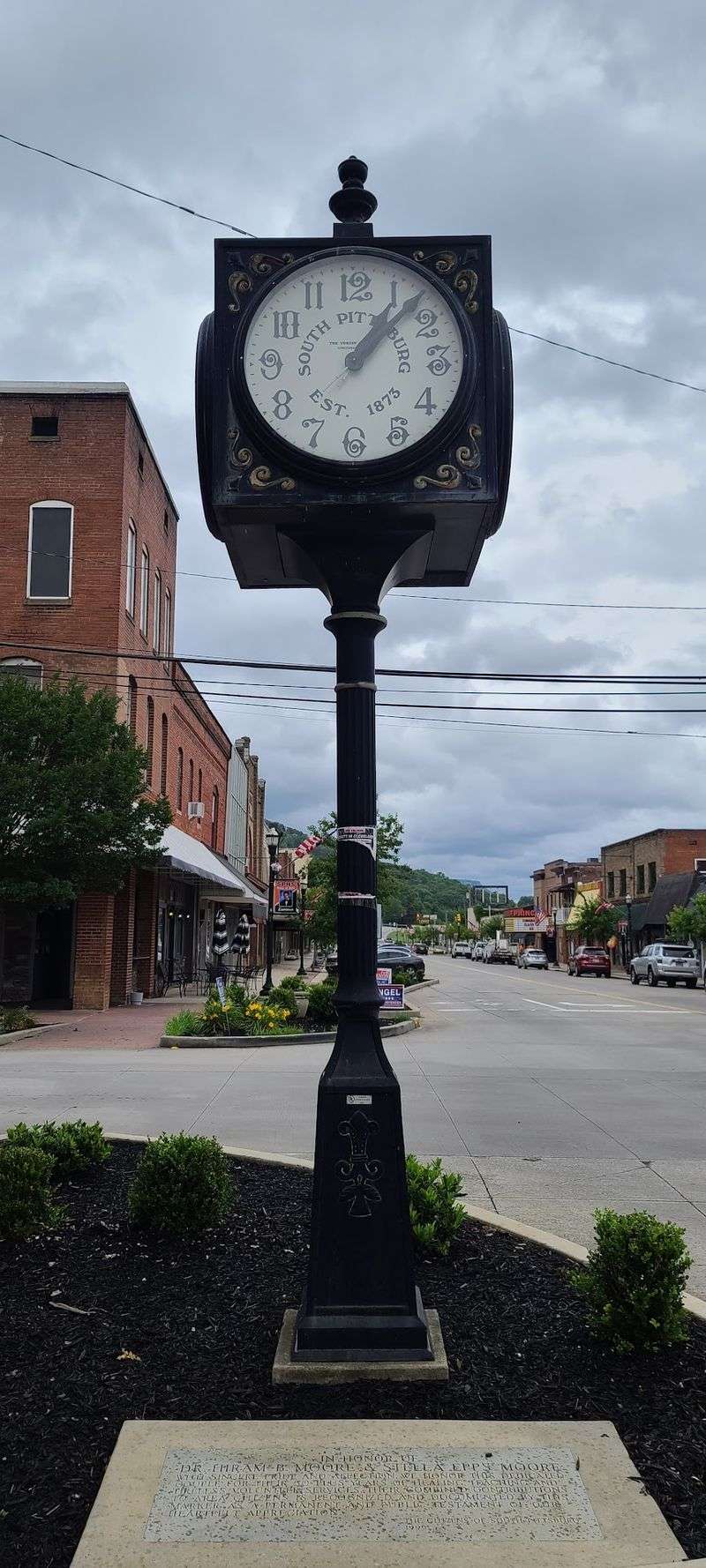
If your favorite skillet has a little history baked in, South Pittsburg might feel familiar. This small town is the home of Lodge Cast Iron.
That heritage fits the town’s strong industrial roots. South Pittsburg has roughly 3,100 residents and a proud river-valley character.
The setting is gorgeous. The town sits in the Sequatchie Valley along the Tennessee River, near Nickajack Dam and the upper reaches of Guntersville Lake.
Mountain ridges rise around the water. That mix of lake and ridgeline makes for some seriously calm views.
Bring a camera and some patience. Lighting changes on the ridges can shift the whole scene in minutes.
Downtown has plenty to see too. Main Street and 3rd Avenue form an active historic commercial district.
Classic brick buildings give the area its look. It’s a satisfying place for a leisurely walk with no particular goal.
Cast iron fans will enjoy simply being in the town tied to that famous name. It’s a fun bit of trivia to share around your own dinner table.
Did you know cast iron cookware can last for generations with good care? That’s a nice match for a town that has kept its own heritage going.
Make time for the waterfront after exploring downtown. Lakefront access lets you trade sidewalks for quiet shoreline.
A slow afternoon here feels well earned. Find a view, sit down, and let the ridges do the talking.
South Pittsburg sits near the southern edge of Tennessee. That makes it an easy stop on a scenic valley drive.
Some towns are known for one thing. This one has a famous skillet, a historic downtown, and mountain-framed water, which seems a bit greedy, honestly.
Address: South Pittsburg, Tennessee 37380
7. Spring City
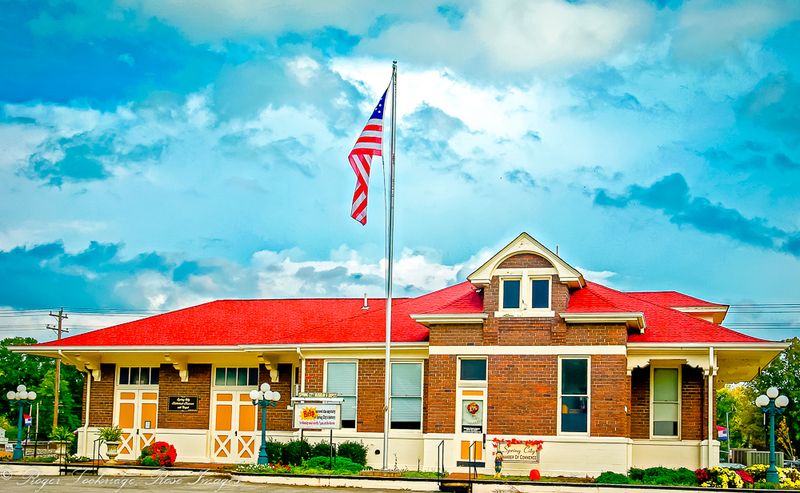
Trains built this town’s Main Street, but today the lake steals plenty of attention. Spring City blends railroad heritage with quiet water in a charming way.
Roughly 2,000 people live here in Rhea County. The town sits along Watts Bar Lake, part of the Tennessee River system.
Downtown centers on the restored Spring City Depot. The depot dates to 1908 and anchors the town’s railroad story.
Restored depots are fun to explore with your eyes. They remind you how much towns once depended on the rails.
Take a slow walk along Main Street around it. The historic core feels compact and easy to enjoy on foot.
Then follow the water. Spring City sits on calm inlet waters of Watts Bar Lake.
Public boat launches and marinas make it easy to get out on the lake. If you’d rather stay dry, lakeside park benches offer a front-row seat.
Inlet water tends to look extra peaceful. It’s a good place to slow your breathing and your plans.
Anglers and boaters may want to start early. Morning hours on the water can feel especially quiet.
Families might enjoy a mix of depot photos and lakeside snacks. That’s a simple day kids can actually handle.
Spring City is also close to Dayton and other Rhea County spots. You can easily pair them on one trip.
Rural and lakeside, the town never tries too hard. It just offers water, history, and room to breathe.
Train fans get their depot. Lake lovers get their inlets, and everyone gets to leave a little calmer than they arrived.
Address: Spring City, Tennessee 37381
8. Saltillo
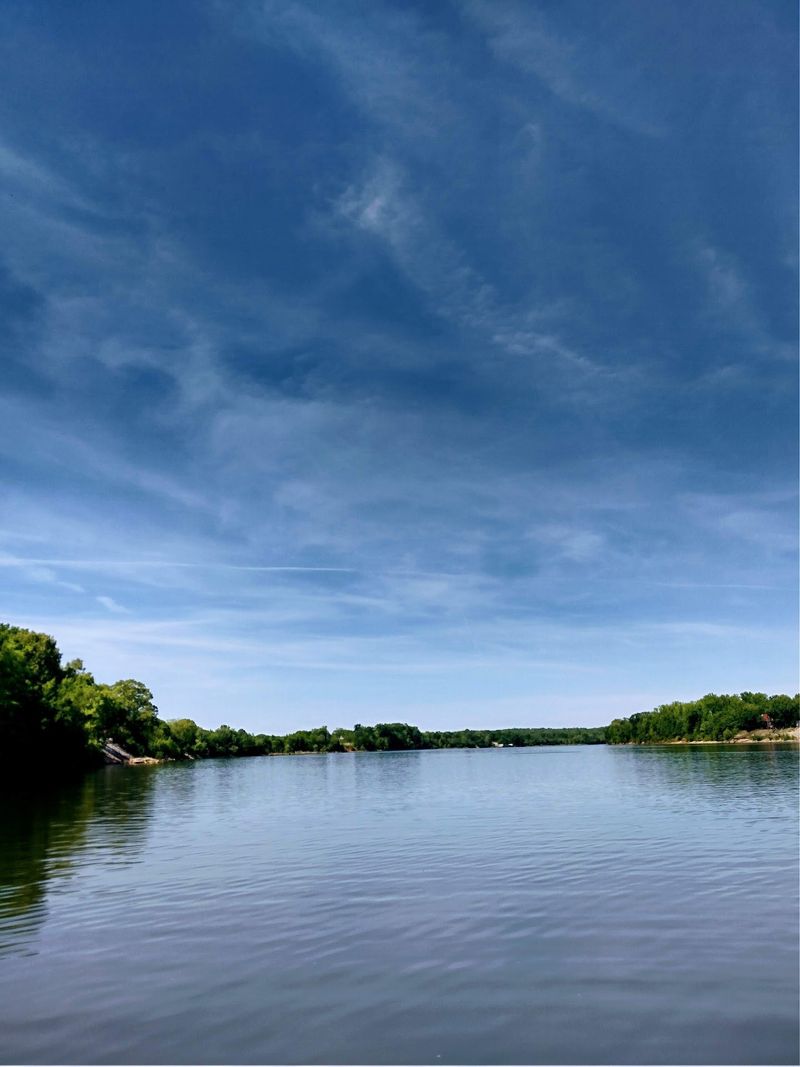
Around 420 people live in Saltillo, which might make it the quietest stop on this list. Small? Absolutely. Boring? Not even close.
Saltillo sits right on the western banks of the Tennessee River. The water here looks wide and open.
Back in the 19th century, this was a busy steamboat landing. Boats came and went, and the riverfront was a hub of activity.
Main Street still holds historic buildings tied to that era. Walking it gives you a peek at the town’s busier past.
It’s fun to picture how different things looked then. Today the pace is gentler, but the river is still the star.
Head to the public river landing and park. It offers serene views across the water, the kind you can stare at for a while.
Bring a folding chair if you plan to stay. A thermos of something hot helps on cool mornings.
Photographers may love the wide river scenes. Sunrise and sunset can make the water glow.
Saltillo works best for travelers who like quiet. You won’t find a long checklist of attractions.
Instead, you’ll find room to slow down. Sometimes that’s the best attraction of all.
Pair your visit with other West Tennessee river towns nearby. Clifton and Savannah make good companions on a road trip.
Plan ahead for snacks and supplies. In a town this small, it helps to pack what you need.
Steamboats may be gone, but the landing still welcomes visitors. These days, the cargo is mostly peace and quiet.
Address: Saltillo, Tennessee
9. New Johnsonville
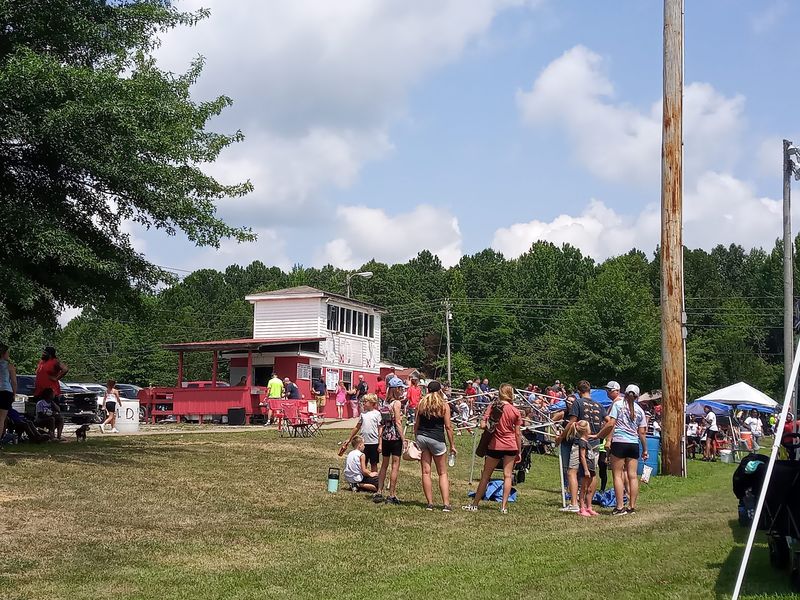
Civil War history and calm coves make an unusual pair. New Johnsonville pulls off that combo with surprising ease.
The town sits along Kentucky Lake, part of the Tennessee River. About 1,850 people live here, and the lakeside rhythm stays relaxed.
Johnsonville State Historic Park is the big draw. It protects quiet shoreline, peaceful coves, and long river views.
The park ties into the area’s Civil War-era river crossing. History and scenery share the same ground here.
That makes a visit feel layered. You can learn a bit, then wander toward the water and simply enjoy it.
Wear good walking shoes for the park. Exploring the grounds is half the fun.
Coves are great spots for slowing down. Look for calm water and shady places to pause.
Back in town, the story of Old Johnsonville adds another layer of history, from its days as a riverfront community to its flooding in the 1940s. It’s a reminder that this stretch of the Tennessee River has mattered for a long time.
Plan a visit in spring or fall if you like milder weather. Summer can get hot along open water in Tennessee.
Families may like turning the park into a mini history lesson. Kids remember stories better when they can see the actual place.
Kentucky Lake also draws people who love boating and fishing. If that’s your thing, the area makes a natural base.
New Johnsonville proves that quiet doesn’t mean dull. The town carries big stories while keeping its pace easy.
Come for the history, stay for the coves. Or flip that order, the lake won’t mind either way.
Address: New Johnsonville, Tennessee
10. Soddy-Daisy
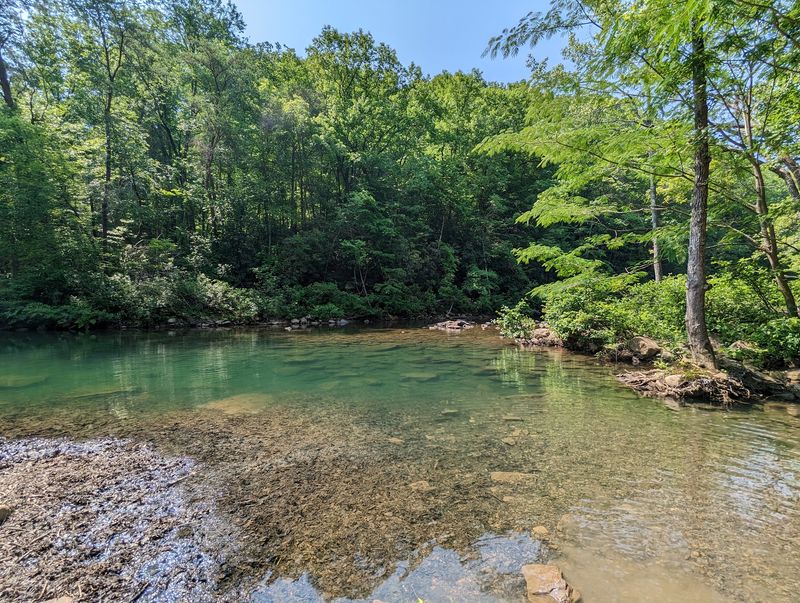
Two communities joined forces, and the name kept both. Soddy-Daisy still shows off that double heritage in its old town centers.
Wall Street and the old Dayton Pike commercial district preserve the historic hearts of those merged communities. It’s a neat bit of local history hiding in plain sight.
With roughly 13,000 residents, Soddy-Daisy is the largest town on this list. Even so, it spreads out along rural lakefront coves and keeps a small-town feel.
The water side of town centers on Soddy Lake Park. It sits on the Soddy Lake embayment of Chickamauga Lake on the Tennessee River.
The park offers peaceful waterfront access and walking trails. There are boat launching facilities too, which makes lake days simple.
Walkers can enjoy the trails at their own pace. Boaters can get on the water without a long hunt for a ramp.
An embayment is basically a sheltered arm of a lake. That often means calmer water and nice views.
Try visiting the park early in the day. Quiet mornings on the trail can feel like a reset button.
Afterward, swing by the historic commercial areas. Looking at both old centers helps the town’s name make sense.
Soddy-Daisy also sits close to Chattanooga. That makes it handy if you want city options with a lakeside retreat nearby.
Families can easily make a day of it. Trails, water, and a little history lesson cover lots of interests.
Some towns have one main street. Soddy-Daisy has two historic centers and a lake, so it’s basically winning at small-town life.
Address: Soddy-Daisy, Tennessee
11. Decatur
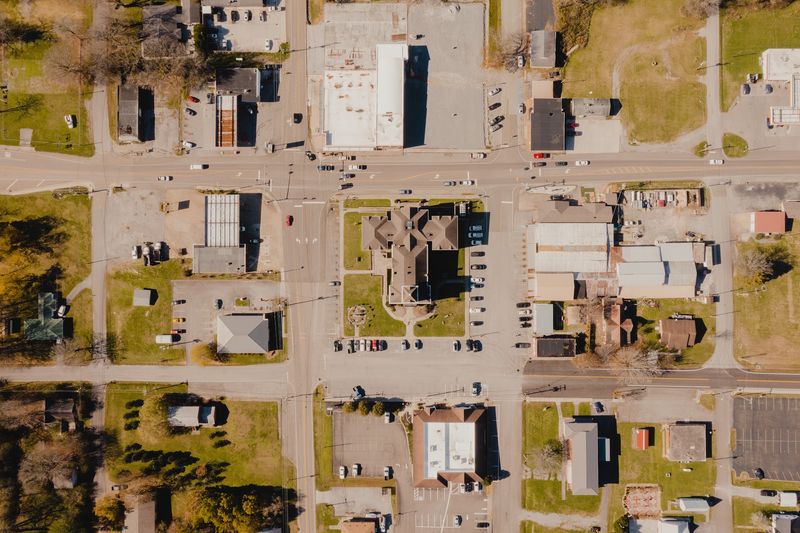
Courthouse squares used to be the living room of small-town America. In Decatur, that tradition still holds strong.
The town sits in Meigs County with around 1,600 residents. Its intact historic square centers on the Meigs County Courthouse.
That square gives Decatur a classic look. Main Street stretches out from there with an unhurried feel.
Walking the square is the best way to start. Take your time and notice how the town arranges itself around the courthouse.
Historic squares like this are becoming less common. Seeing one still intact feels a little special.
Water is nearby too. Decatur sits close to the Tennessee River and Watts Bar Lake.
Quiet public access points along the lake make it easy to reach the shoreline. You can fish, launch a boat, or just enjoy the view.
Bring a picnic and look for a calm spot by the water. Few things beat lunch with a lake view.
Decatur works well for travelers who prefer rural places. It’s authentic, simple, and easy to enjoy.
Pair it with nearby towns like Dayton or Spring City. Together they make a great East Tennessee loop.
Pack what you need before heading out. Smaller towns may have fewer options than big cities.
Take back roads if you have time. The drive itself can become part of the fun.
The river towns of Tennessee each offer something a bit different. Decatur wraps up this list with a courthouse, a lake, and a quiet invitation to stay a while.
Address: Decatur, Tennessee 37322
Share this story