Some places in New York still let a monthly budget breathe a little. Tucked into the wooded hills of the Southern Tier, one small village has quietly become the main stop for shopping, services, and everyday errands for miles around.
Retirees talk about it as a spot where a modest income can stretch further than it would in the bigger cities. Here is a closer look at what makes this village tick, who it suits, and what to know before packing up the moving boxes.
1. A Village at the Center of Its Own Map
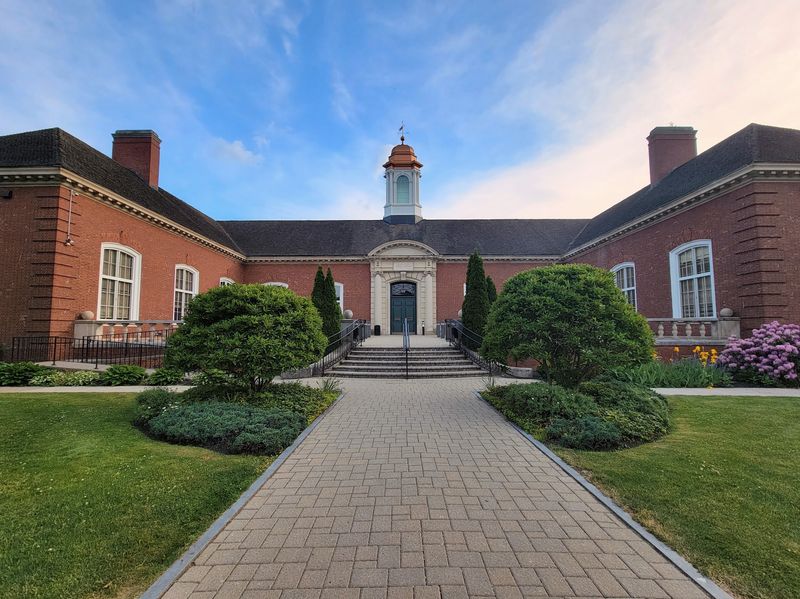
Every region needs a place where the roads seem to meet, and in this corner of the state that place is Wellsville, NY 14895, USA. The village sits in south-central Allegany County, in the western part of New York.
Wellsville is described as the largest population and business center within a 30-mile radius. That single detail explains a lot about daily life here.
For people living in the smaller hamlets nearby, the village is where errands get done. Groceries, appointments, and everyday shopping tend to point in its direction.
That role matters for retirees. Living in the hub reportedly means shorter drives for the things people need most, which can trim both fuel costs and time spent on the road.
It is not a city, and it does not pretend to be one. It is a working village with a clear job in its region, and that job happens to make it practical.
2. Small Numbers, Steady Community
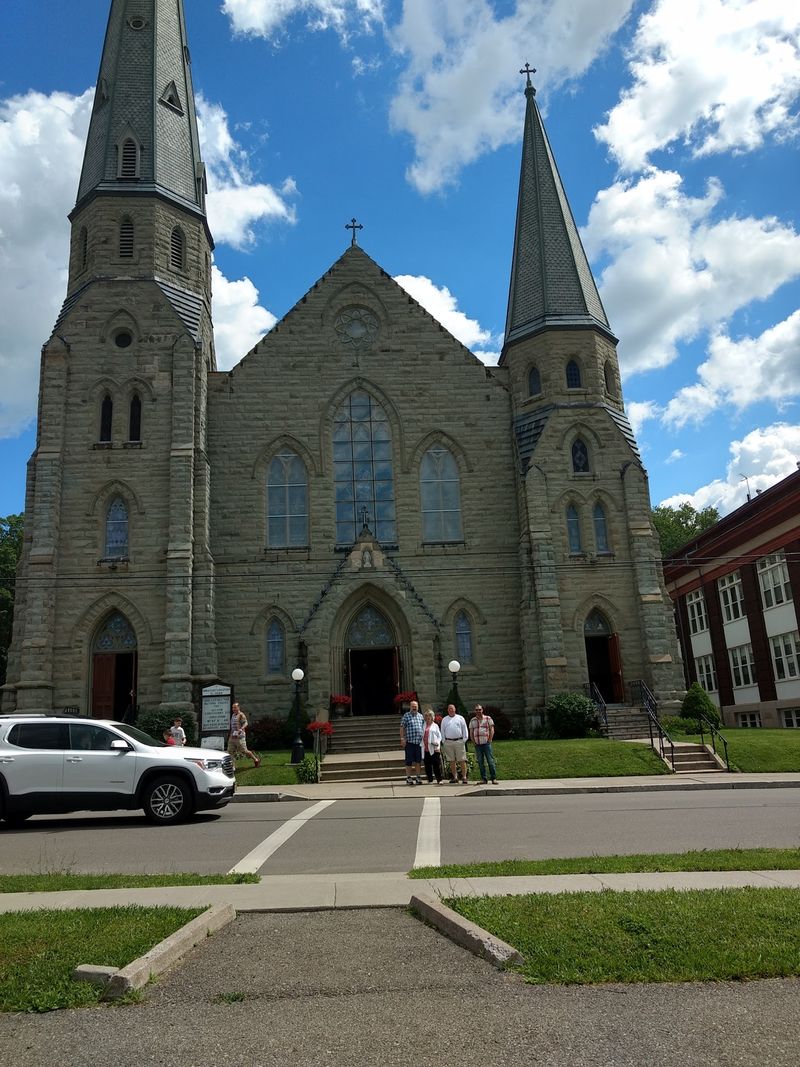
Here is a number worth keeping in mind: 4,587. That was the population of Wellsville at the 2020 census.
A count like that lands in a sweet spot. The village is big enough to support businesses and services, yet small enough that familiar faces show up at the same places week after week.
For many retirees, that scale is the whole point. Crowds thin out, traffic stays manageable, and the pace of the day tends to follow residents rather than the other way around.
Smaller communities also tend to keep their routines. Regulars reportedly recognize one another at local shops, and that kind of continuity is something plenty of New Yorkers feel has slipped away elsewhere.
Nobody should expect big-city options on every block. What the village offers instead is a manageable size where daily life feels organized and within reach.
3. Why the $2,500 Figure Keeps Coming Up
Budget talk in retirement circles often circles back to one question. How far does a fixed income actually go?
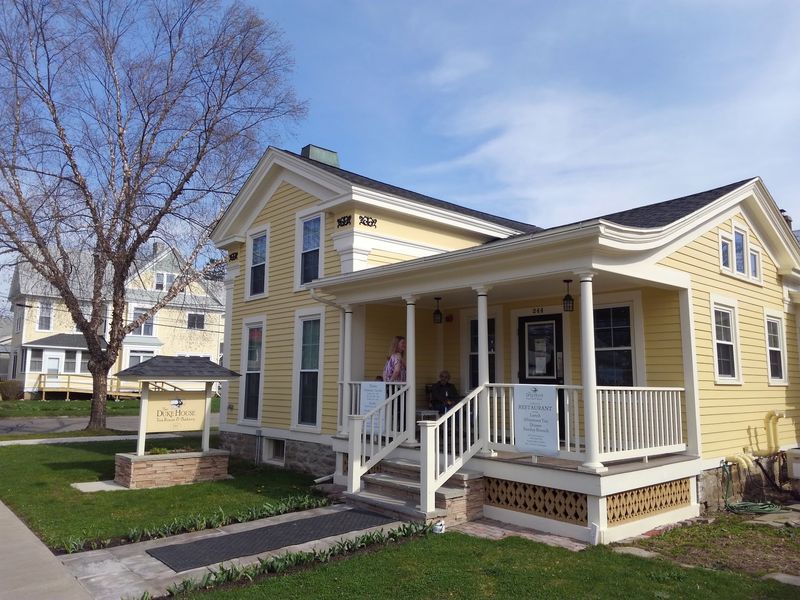
In Wellsville, the answer retirees reportedly give is about $2,500 a month for a comfortable life. That figure is a general sense shared by residents, not an official calculation, so individual costs may vary a lot.
Housing, health needs, and personal habits all shift the math. Someone who owns a home outright will likely land in a different place than someone renting.
Still, the claim says something about the region. Rural Allegany County is not known as a high-cost area, and a village serving as the local business center can keep many expenses close to home.
Anyone weighing a move should run their own numbers carefully. The $2,500 idea works best as a starting point for planning, not a promise.
4. Wooded Hills All Around
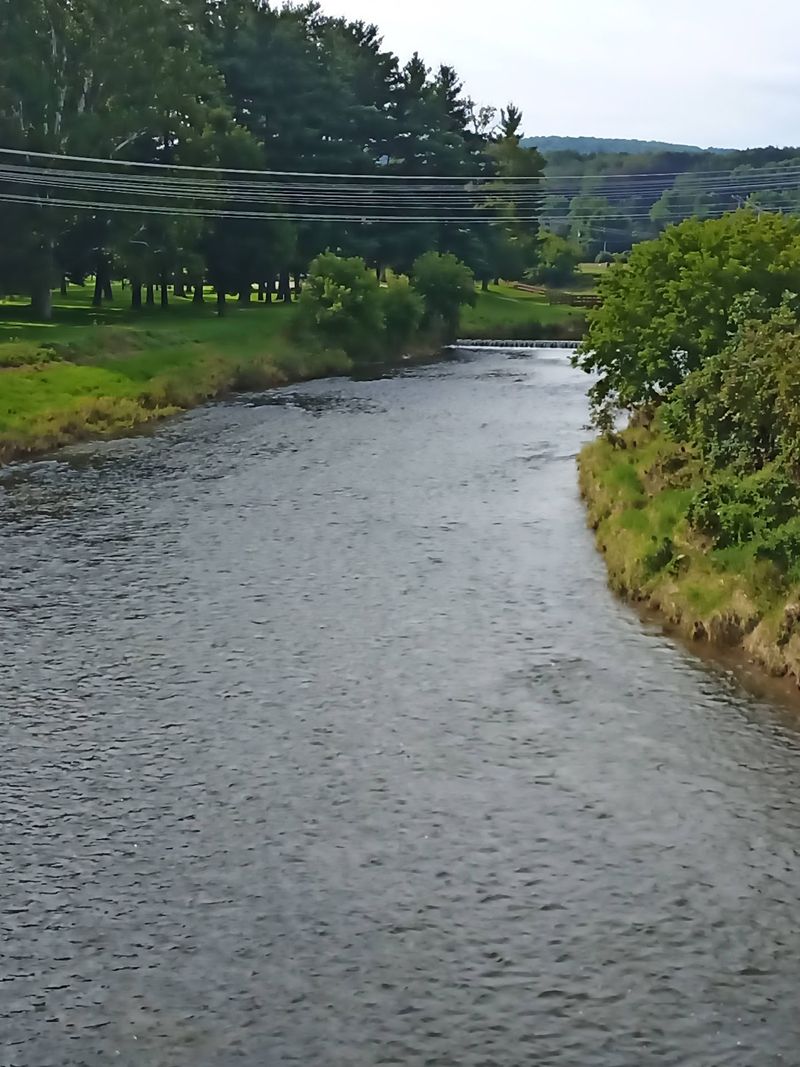
Allegany County wears its trees proudly. Wellsville sits in the wooded and rural south-central part of the county, and that setting shapes the whole feel of the place.
Open land and forest stretch out beyond the village edges. For retirees who want space without isolation, the balance is hard to beat.
The village supplies the services. The surrounding countryside supplies the elbow room.
Seasonal change is part of the deal in western New York. Fall brings color to the hills, and many residents reportedly enjoy scenic drives through the area once the leaves turn.
That scenery comes at no extra charge. For people watching every dollar, a backyard view of the hills may be one of the best bargains around.
5. The Errand Run That Stays Local
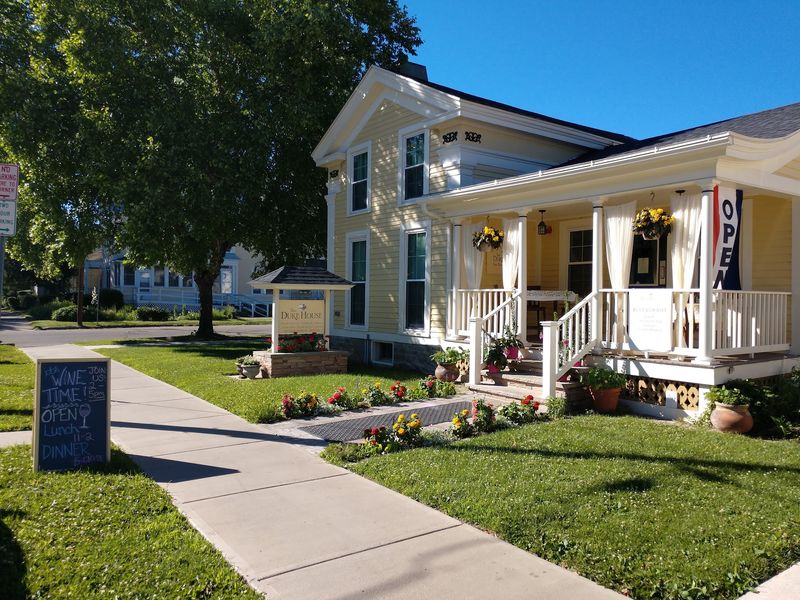
Ask anyone in a rural county about their week, and the drive to the store usually comes up. In this part of Allegany County, many of those drives end in Wellsville.
As the main business center for roughly 30 miles, the village gathers shops and services that smaller neighbors cannot support on their own.
For residents of the village itself, that is a quiet advantage. Errands that might take half a day for people farther out can often be handled with a short trip.
Less time behind the wheel adds up. Fuel, vehicle wear, and plain energy all get saved over a month.
Specific stores change over time, so newcomers should check what is currently open. The bigger point stands, though: living in the hub keeps the essentials within a short reach.
6. Housing With Room to Breathe
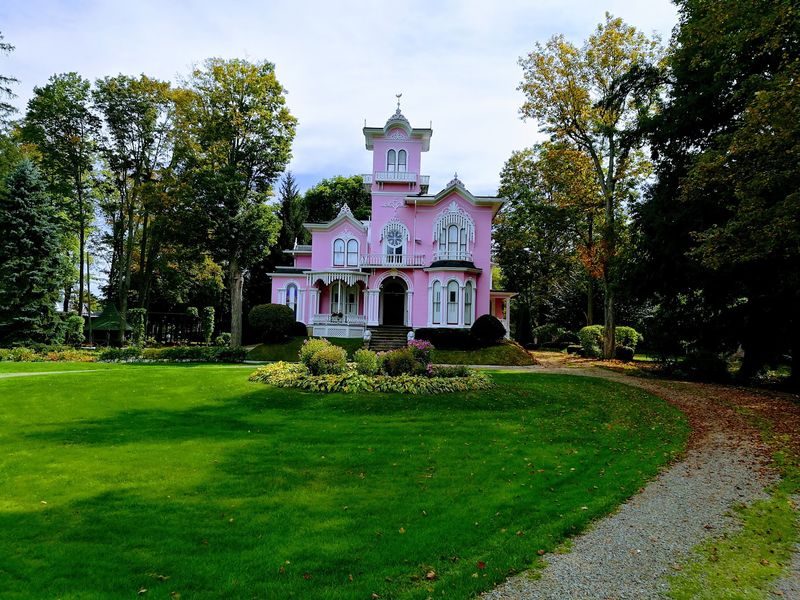
Housing usually eats the biggest bite of any retirement budget. That is why the conversation about Wellsville tends to start at the front door.
Rural western New York villages generally carry lower housing costs than metro areas like Buffalo or Rochester. Exact prices in Wellsville vary by property and market conditions, so current listings are the best guide.
Many retirees reportedly see older homes and village lots as part of the appeal. A smaller home with a manageable yard can keep upkeep simple.
Property taxes, heating, and maintenance all deserve a close look before buying. Western New York winters ask a lot of a furnace.
A local real estate agent or a visit across different seasons can help paint a clear financial plan. Homework now saves headaches later.
7. Old-Fashioned Village Rhythm
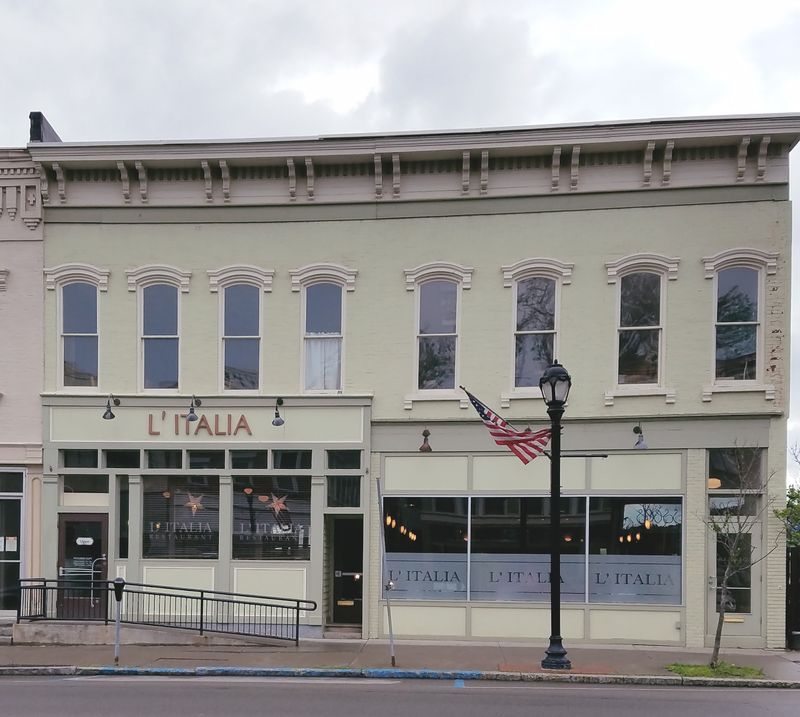
Self-checkout lanes and app-only service have taken over a lot of daily life. Small villages like Wellsville are where the older way of doing things reportedly hangs on.
In a community of a few thousand, local businesses often depend on repeat customers. That tends to encourage the kind of personal attention many New Yorkers remember from years past.
Retirees often say they value being known by name. It turns routine errands into short social visits.
Nobody needs to pretend the village is frozen in time. It changes like anywhere else.
Still, the core of small-town life, neighbors who notice and businesses that stick around, is a big part of why people speak warmly about settling here. New York has not handed every good thing over to the self-checkout screen.
8. Seasons That Set the Calendar
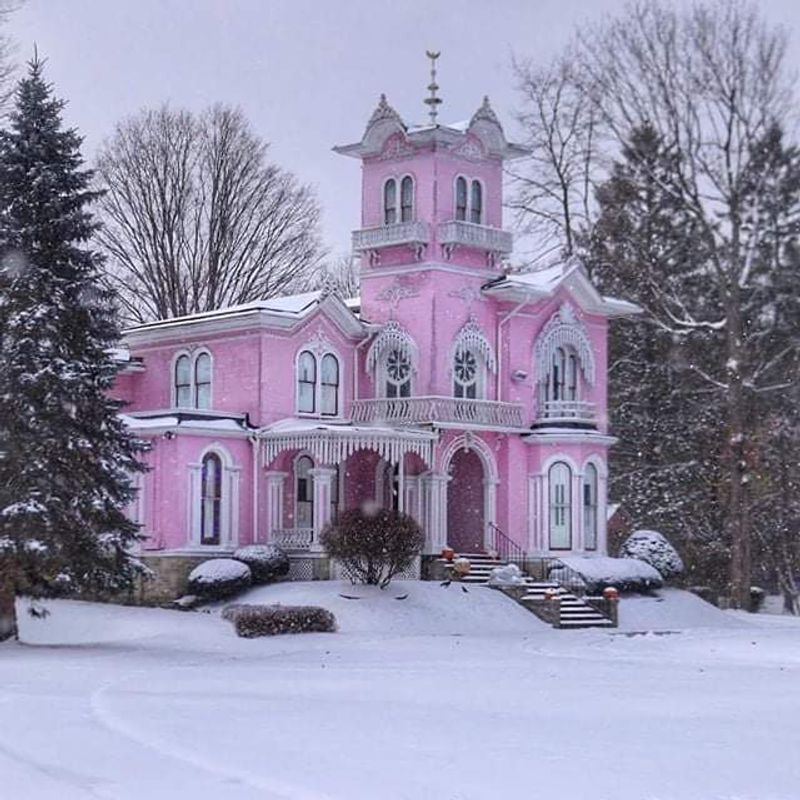
Weather in the Southern Tier does not ask for permission. Winters in western New York can be long and snowy, and Wellsville is no exception.
That reality should shape any retirement plan. Snow removal, winter driving, and heating costs all belong in the budget conversation.
On the brighter side, the warmer months reportedly bring a busier, more outdoor-friendly stretch of the year. Spring and summer open up the surrounding countryside.
Fall is often a favorite. The wooded hills of Allegany County change color, and the season can be a strong time to visit before making any decisions.
A smart approach is to spend time in the village during both summer and winter. Seeing the place at its easiest and its toughest gives a clear picture of daily life.
9. Who Feels at Home Here
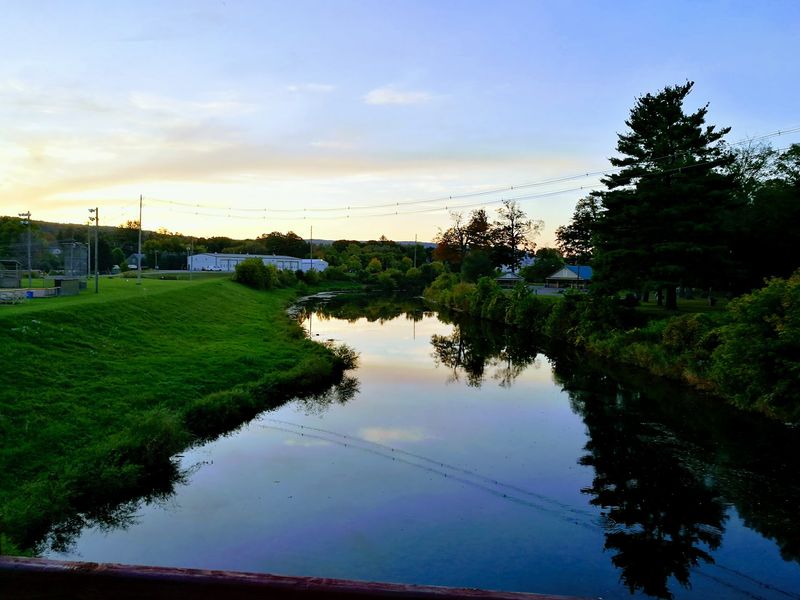
Not every retiree wants the same thing. Some crave nightlife and big museums, while others want quiet streets and a short trip to the store.
Wellsville tends to suit the second group. People who enjoy rural surroundings, a slower pace, and a close-knit setting often find it a good fit.
Those with deep roots in western New York may feel especially comfortable. The village keeps the familiar character of the Southern Tier.
On the other hand, anyone who depends on frequent access to large city amenities may find the distance a challenge. Bigger metro areas are a real drive away.
Honest expectations are the key. For the right person, the trade of convenience for calm is a deal worth making.
10. Health Care and Practical Planning
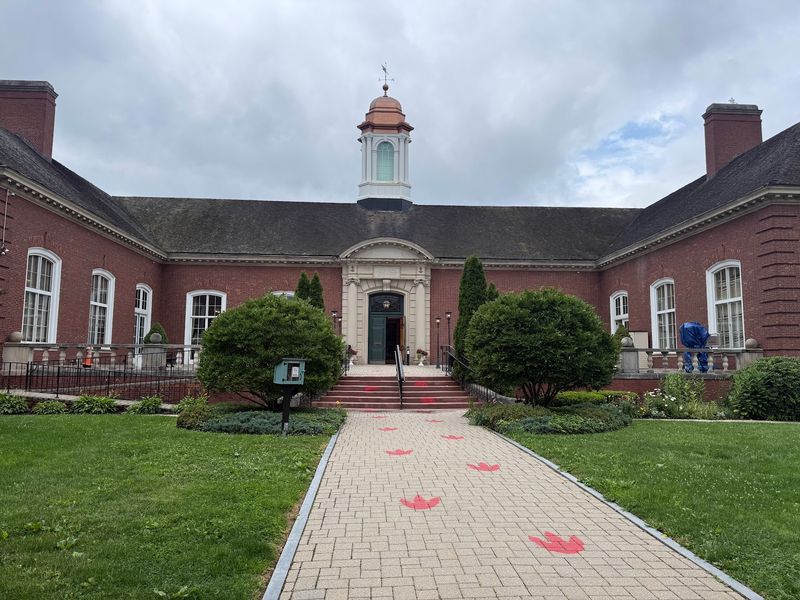
Retirement plans live or die by the details. Access to health care is one of the biggest ones.
As the regional business center, Wellsville is likely to offer more local services than the smaller communities around it. Specific providers and specialties should be confirmed directly before moving.
Some specialized care may require travel to larger cities. Building that into the plan, both in time and transportation costs, is a wise move.
Insurance networks matter too. Checking which local providers accept a given plan can prevent surprises.
A short list of questions, asked early, goes a long way. Comfort in retirement comes from knowing the essentials are covered.
11. Stretching the Monthly Dollar
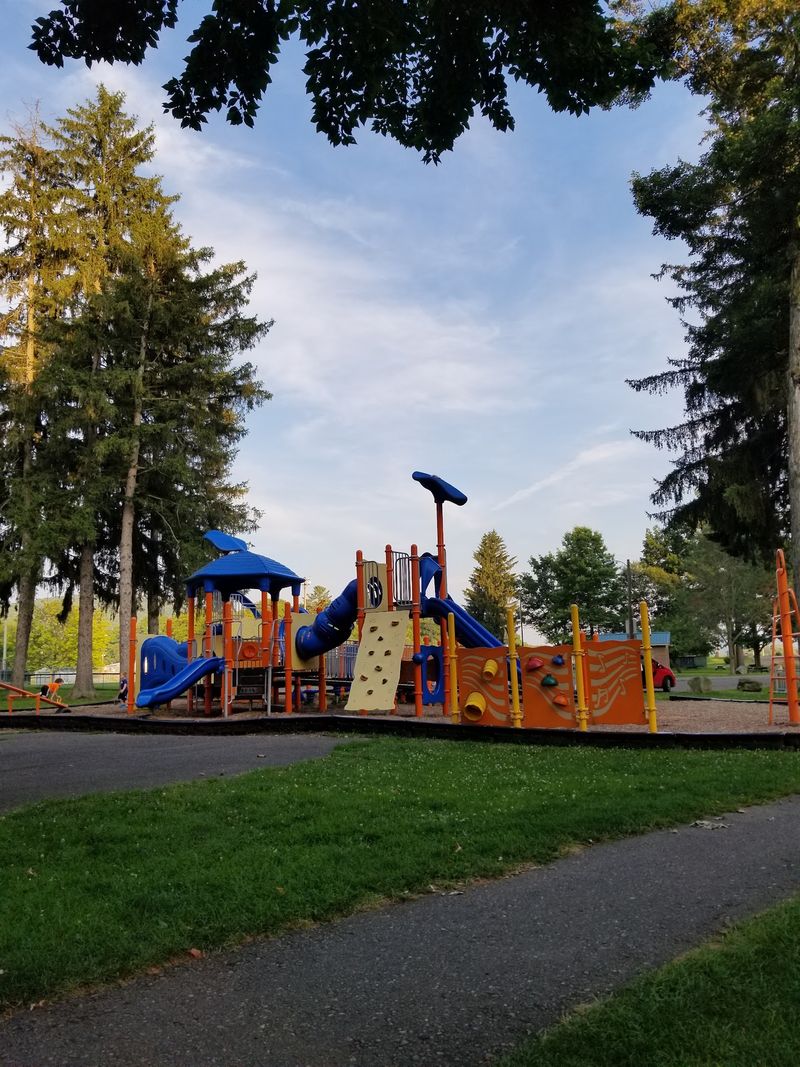
Thrift is practically a local tradition in rural western New York. Retirees here reportedly keep costs in check through simple habits.
Shopping close to home cuts down on fuel. Cooking at home and keeping a modest household are common ways to stay near that $2,500 mark.
Smaller communities also tend to offer low-key, low-cost social life. Local events and community gatherings can fill a calendar without draining a wallet.
Utilities, especially heating, can swing the monthly total. Energy-efficient upgrades may pay off over time in a cold climate.
None of this is magic. It is the old-fashioned approach of living within means, made easier by a place that does not push costs upward.
12. Getting to the Village
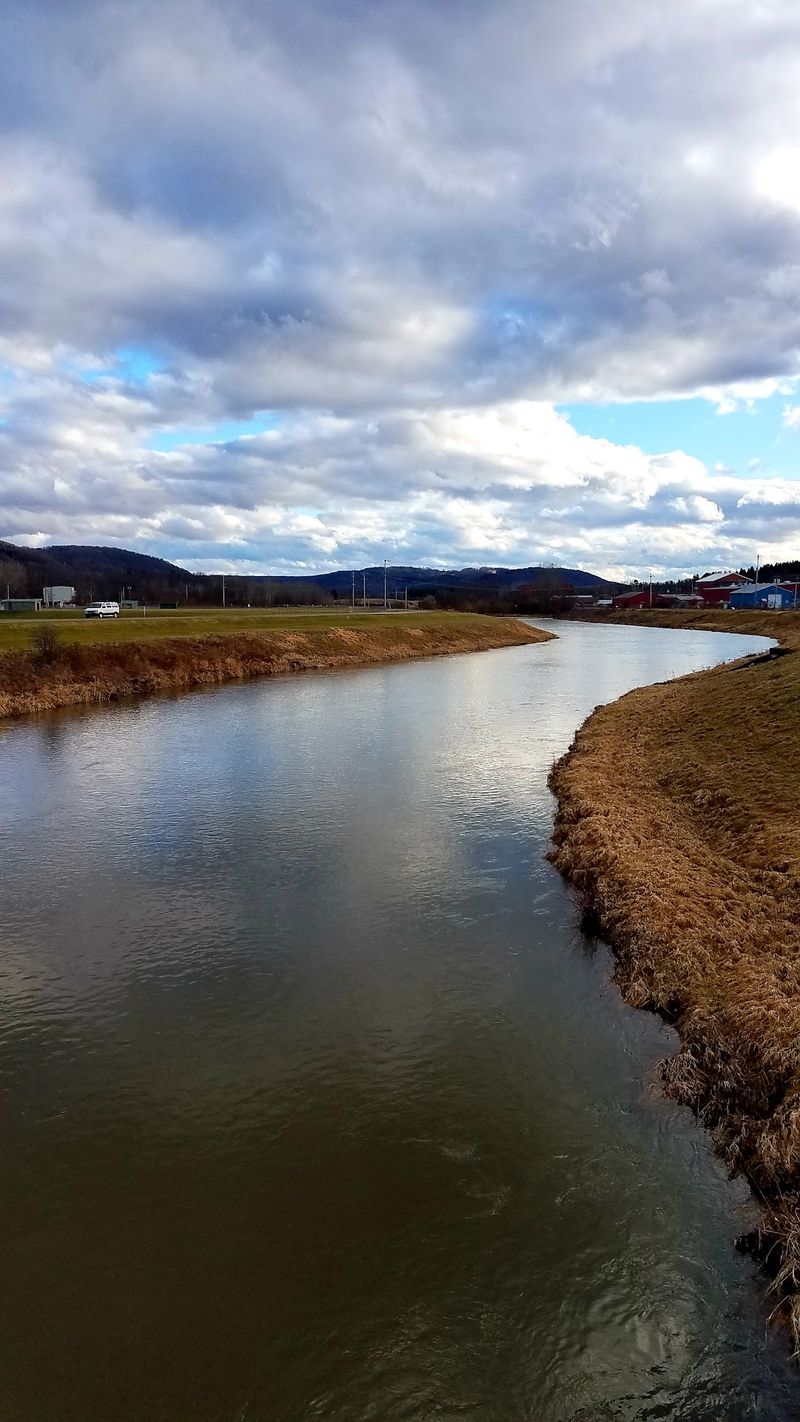
Reaching Wellsville means heading into the rural heart of Allegany County. Driving is the most practical way for most people to get there.
The village sits in the Southern Tier region of western New York. Travelers coming from cities such as Buffalo or Rochester should plan for a scenic drive through countryside.
Directions are easy to find with any map app using the address Wellsville, NY 14895. Checking road conditions in winter is a good habit.
Once in the village, getting around is generally simple. A compact layout keeps most stops close together.
For a scouting trip, allowing a full day or a weekend helps. Seeing the streets, the shops, and the surrounding hills in person tells more than any listing.
13. Questions Worth Asking Before Moving
A good scouting visit is part research, part conversation. Asking the right questions can save money and stress.
Start with the basics. What do homes and rentals currently cost, and what do winter heating bills usually run?
Next, look at services. Which health providers, shops, and community groups are active right now?
Talking with locals at a coffee counter or community event can reveal plenty. Residents often share practical tips that no website covers.
Finally, compare those findings to a personal budget. If the numbers line up near $2,500 a month for a specific lifestyle, Wellsville may well earn a spot on the shortlist.
14. A Quiet Case for Wellsville
Some places sell themselves loudly. Wellsville makes its case quietly, through steady routines and a sensible cost of living.
With 4,587 residents and a role as the main business center for about 30 miles, it offers a useful blend of small-town scale and everyday convenience.
The wooded hills of Allegany County frame it all. Long winters ask for patience, but the trade-off is a calmer pace.
The $2,500 monthly figure is best treated as a hopeful guidepost. Personal circumstances will always write the final numbers.
For New Yorkers who still believe in neighbors, local businesses, and living within means, this village is worth a long look. Sometimes the best retirement plan is simply a smaller map.
Share this story