On the North Shore of Long Island, there is a college where nobody admitted pays tuition. Not a single student, not one semester.
It is a small school with a big mission: training the people who design and build ships. In a time when college costs can follow graduates for decades, this place has held onto a tradition of generosity that feels almost old-fashioned.
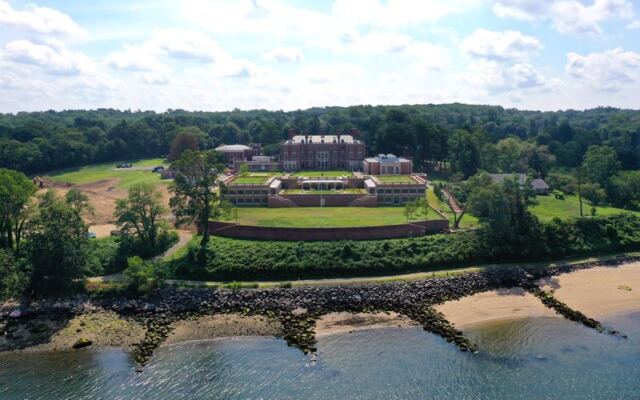
The campus sits on the water, inside a setting that looks more like a history book than a dorm brochure. Students arrive to study one demanding subject, and they leave with a degree in naval architecture and marine engineering.
Keep reading to learn where this school is, what makes it so unusual, who it suits best, and what to know if you want to see the grounds for yourself.
1. A Shipbuilding School on the Glen Cove Shore
Some colleges hide in big cities. This one sits quietly on the edge of Long Island Sound.
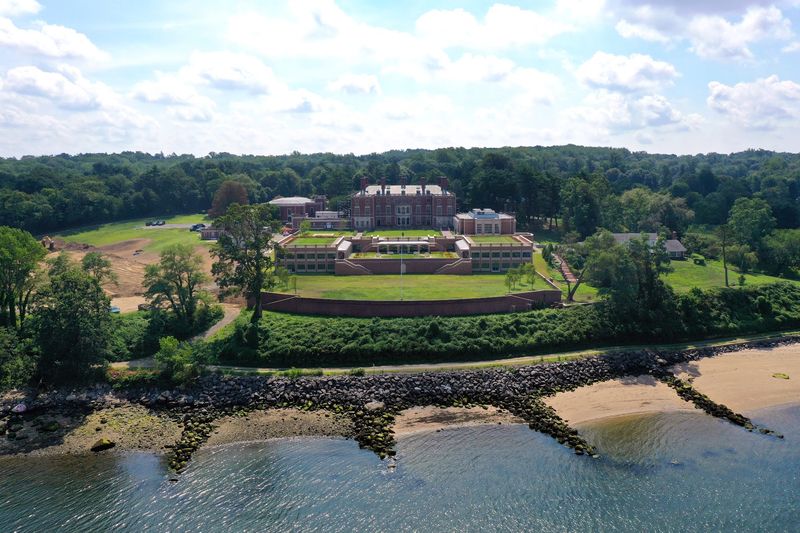
The school is Webb Institute, found at 298 Crescent Beach Rd, Glen Cove, NY 11542, in Nassau County on the North Shore of Long Island, New York. It is listed simply as a college, but that label hardly tells the whole story.
Webb focuses on one field: naval architecture and marine engineering. In plain terms, students here learn how ships and other vessels are designed, built and powered.
The school is famous for a rare promise. Every admitted student receives a full-tuition scholarship, which means the cost of classes is covered for everyone who earns a spot.
That single policy has made this small campus a point of pride for many New Yorkers who believe higher education should reward talent rather than bank accounts. It is a reminder that some good traditions have not been swapped out for fees and fine print.
For families in Queens, Brooklyn, Long Island or Upstate cities like Rochester and Buffalo, it is a name worth knowing. The school is close enough for a drive and unusual enough to spark a long conversation at the dinner table.
The story only gets more interesting once you see where the students actually spend their days.
2. The Mansion Behind the Classrooms
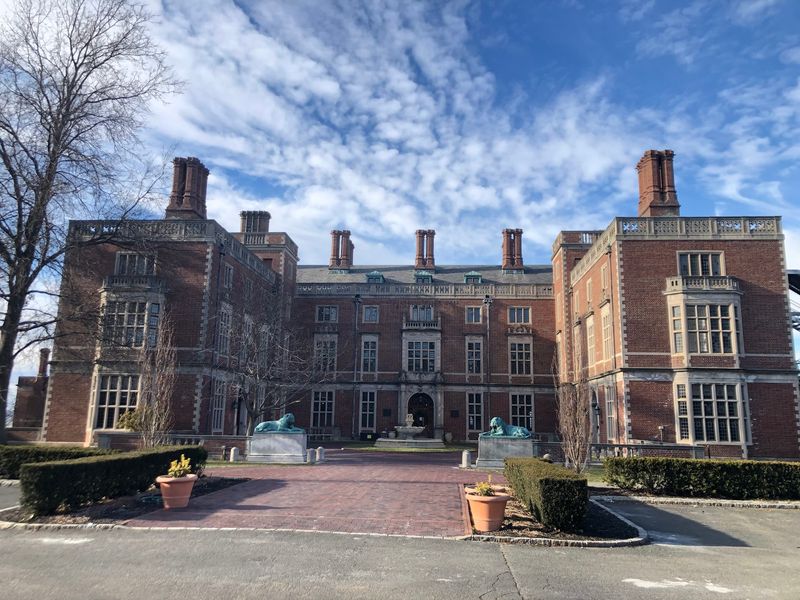
Few college buildings make people stop and stare. The main building at Webb tends to do exactly that.
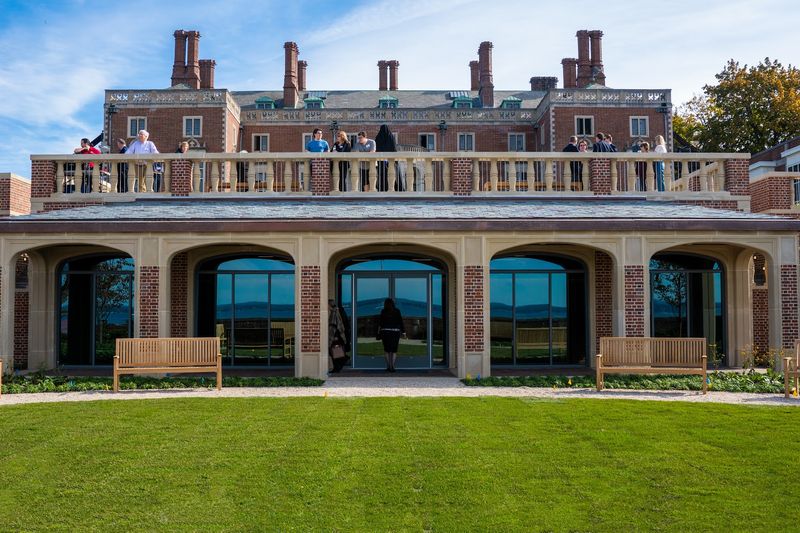
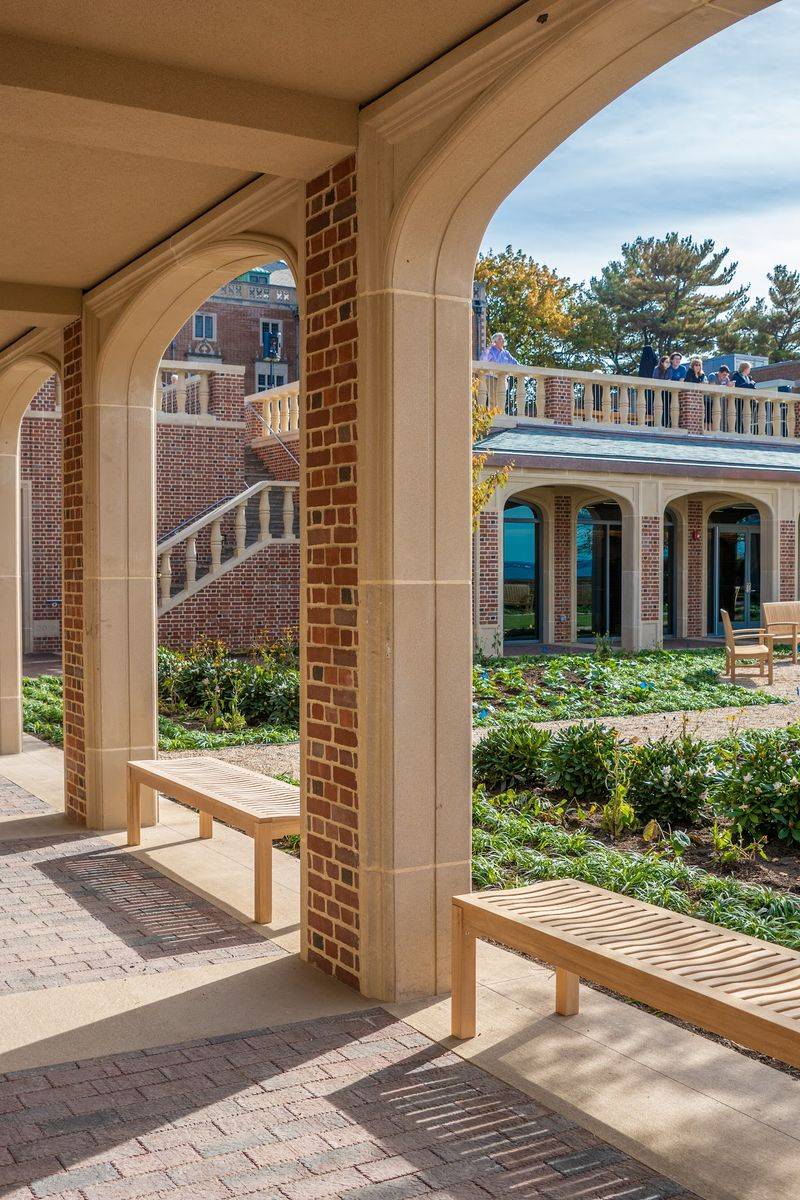
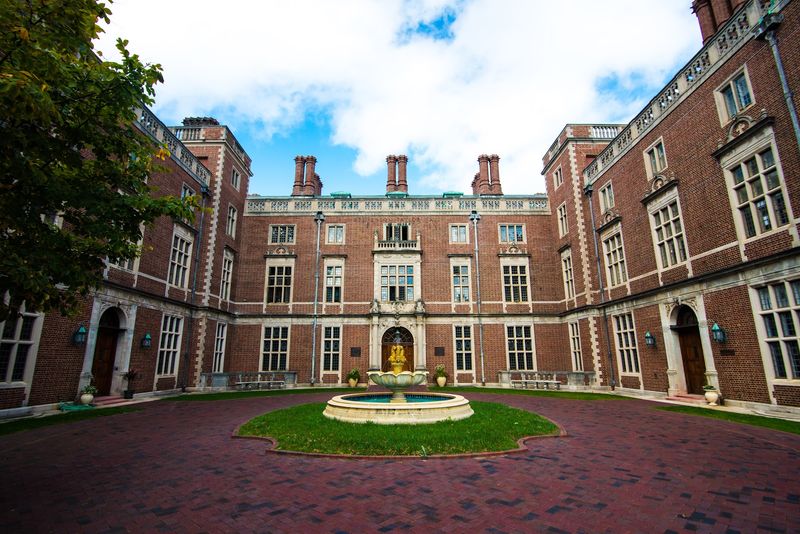
The campus centers on a grand historic mansion that sits directly on the Long Island Sound. Many who have spent time there describe the experience as a trip back into the age of industrial wealth, when the North Shore was dotted with great estates.
Today, the rooms that once reflected private fortune now support classes, study sessions and late nights over engineering problems. It is a fitting second life for a building with such a past.
That mix of old architecture and modern engineering gives the school a distinct personality. Students learn cutting-edge ship design inside walls that have stood for generations.
For readers who love Long Island history, the setting alone adds to the appeal. The Gold Coast estates shaped this part of New York, and seeing one put to work for education feels like a small victory for preservation.
Not every historic estate gets a purpose this meaningful. Here, the past is not just admired from behind a rope line, it is used every weekday.
Of course, a pretty building is only half the picture, and the waterfront has its own role to play.
3. Water Right Outside the Window
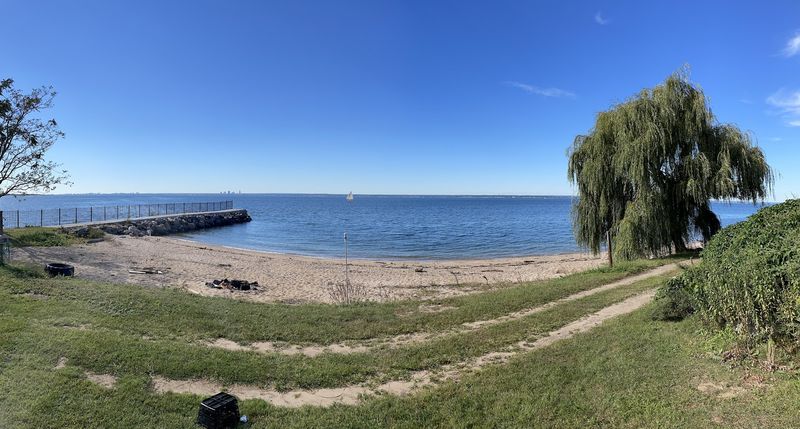
It makes a lot of sense for future ship designers to study next to the water. At Webb, the Long Island Sound is practically part of the campus.
The school sits on the shoreline, so the sea is never far from view. For students learning how vessels move and behave, that constant reminder of their field is a quiet daily motivator.
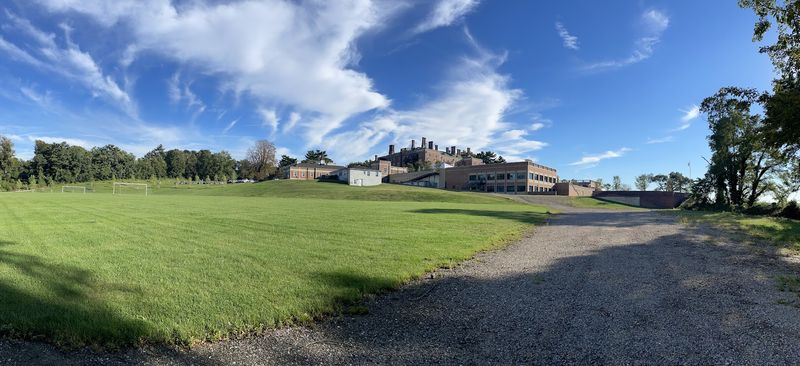
The grounds are often called beautiful, and that word comes up again and again from people who have been there. Wide lawns and the open Sound give the campus a calm, spacious feel.
For a school with such a heavy academic workload, that setting matters. A short walk outside offers a break from equations and design drawings.
Glen Cove itself has a long relationship with the water. The town sits on the North Shore, where boating and shoreline life have shaped local culture for a long time.
Webb fits right into that story. It is a maritime school in a maritime place, which feels about as natural as a hull meeting a wave.
Still, the real draw for most students is not the view at all. It is the price tag, or rather, the lack of one.
4. The Scholarship That Changes Everything
Here is the headline fact that surprises almost everyone. Every student admitted to Webb Institute receives a full-tuition scholarship.
There is no separate contest to win and no extra essay for a tuition award. If you get in, tuition is covered.
In a country where student debt is a constant worry, that is a remarkable policy. It means a teenager from a working family in the Bronx or a small town near Albany can compete on the same footing as anyone else.
Tuition is not the only expense of college, and families should check the school website for current details on other costs. Still, removing tuition takes a huge weight off the scale.
The policy also shapes the culture of the campus. Students are chosen for ability and drive, and they share the knowledge that the opportunity was handed to them on merit.
That creates a sense of responsibility that runs through the community. Many graduates speak of a strong work ethic and a commitment to lifelong learning.
For New Yorkers who love proof that generosity still survives, this is it. A college that does not charge tuition is not a rumor, it is sitting right there in Glen Cove.
Earning that spot, though, takes serious academic muscle.
5. One Major, Full Speed Ahead
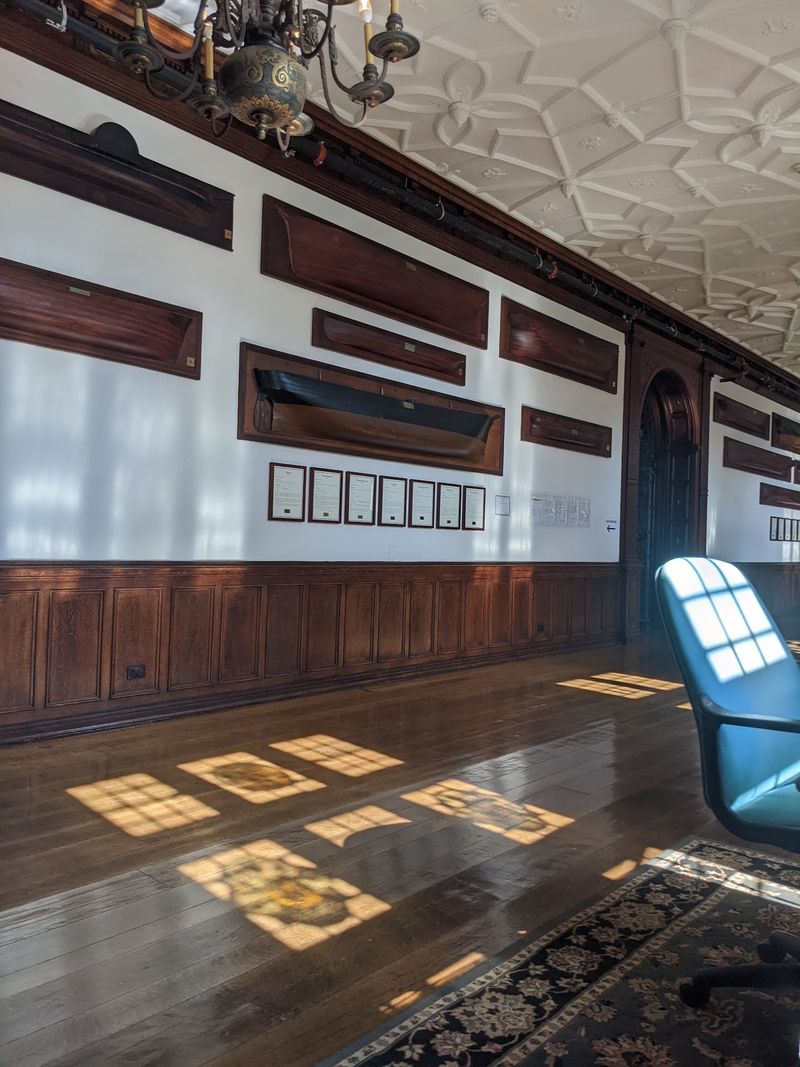
Most colleges offer dozens of majors. Webb offers one, and it does not apologize for it.
Every student studies naval architecture and marine engineering. That focus allows the school to go deep instead of wide.
The program is frequently described as the best of its kind in the country, and some go further and call it the best in the world. Those are big claims, but they reflect how highly the program is regarded by people connected to it.
Naval architecture covers the design of ships, from the shape of the hull to how a vessel stays stable. Marine engineering deals with the systems that power and run those ships.
Put together, they prepare graduates for work in shipbuilding, design firms and other maritime careers. The training is also described as strong preparation for whatever path a student chooses later.
Some people call it a unique and cool shipbuilding school, and that casual description captures it well. It is serious engineering with a nautical twist.
A single major might sound limiting at first. For the right student, it is like being handed a clear compass heading from day one.
And the people steering that course are a big part of the appeal.
6. Professors Who Actually Answer the Door
At a big university, meeting a professor one on one can take planning. At Webb, it is part of everyday life.
The faculty are described as extremely knowledgeable in their fields. Even more striking, they are said to be unmatched in how accessible they are to students.
That kind of attention is possible because the school is so small. Classes are not packed lecture halls where faces blur together.
For students tackling a demanding engineering curriculum, having experts close at hand makes a real difference. Questions get answered and confusing topics get untangled faster.
This is the kind of old-school teaching many people assume has disappeared. A teacher who knows your name and your progress is still a reality here.
The relationship also builds a sense of mentorship. Faculty are not just lecturers but guides in a profession students hope to join.
Small classes, sharp minds and an open door make a strong combination. It is a big reason the school earns such loyal praise.
The closeness does not stop with the faculty, either. It runs through the whole student body.
7. A Close-Knit Crew
When a school is this small, everybody knows everybody. At Webb, that is considered a feature, not a flaw.
The community is often described as special and close-knit. Students form strong bonds while working through the same challenging coursework.
The students themselves are called genuinely nice, and the residents friendly. That reputation says a lot about the atmosphere on campus.
Shared struggle has a way of building friendships. Late study nights and group projects turn classmates into something closer to a crew.
That word fits a maritime school well. On a ship, everyone depends on everyone else, and the same spirit seems to carry over here.
For students who prefer a tight community over a crowded campus, this setting can feel like home. It offers belonging without getting lost in the shuffle.
Families notice it too. Graduation day is remembered warmly, with grandparents sharing pride in seeing a grandchild finish the program.
Moments like that show the school is not just a place to study. It is a place where people root for each other, and that kind of support is not something you can buy, even at full price.
8. Who Thrives Here, and Who Might Not
Honesty helps here. Webb Institute is not for everyone, and that is part of its identity.
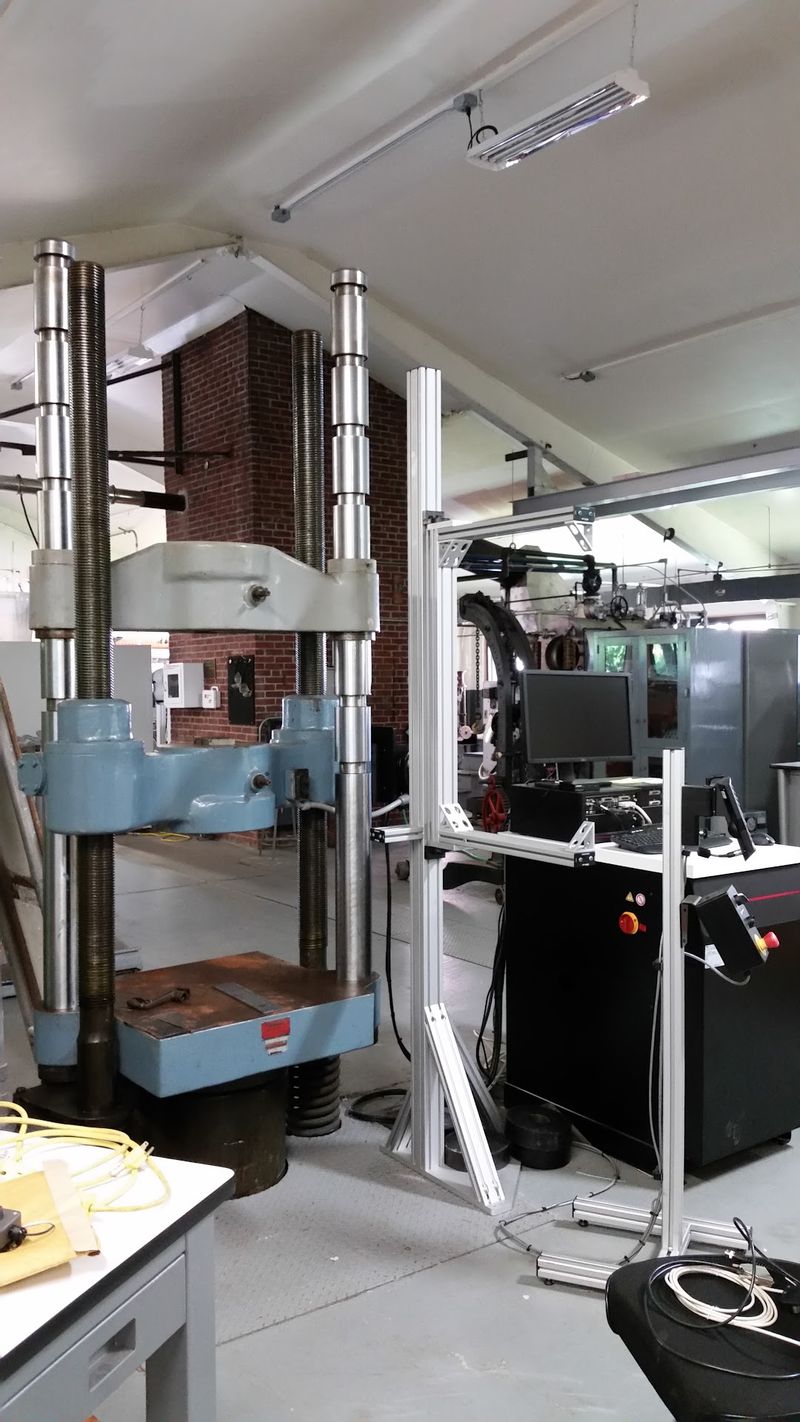
Students who love math, physics and problem solving tend to fit well. Those with a real curiosity about ships and the sea will feel right at home.
The workload is serious. The school focuses on academics and expects dedication, so students looking for a lighter schedule may find it tough.
A single major also means there is not much room to explore other fields. Anyone unsure about engineering should think carefully before applying.
Not every reaction is glowing. At least one person has noted simply that the school was not for them, which is a fair reminder that fit matters.
Still, the overall picture is strongly positive. The school holds a 4.8-star average on Google, a sign of deep satisfaction among those who know it.
The best fit is a student who wants challenge, community and a clear career path. Add in the tuition scholarship, and the right applicant may find an opportunity that is hard to match anywhere.
So what about the rest of us who just want to see it?
9. Graduation Days and Lasting Pride
For many families, the proudest day at Webb comes at the end. Graduation brings parents and grandparents to Glen Cove to celebrate years of hard work.
Watching a grandson graduate has been called a wonderful day, and it is easy to see why. Finishing such a demanding program is a real achievement.
Because the class sizes are small, ceremonies tend to feel personal. Each graduate represents a story the whole community has followed.
The pride does not end with the diploma. Graduates leave prepared for careers in the maritime world and beyond.
The school is credited with preparing students for whatever career may lie ahead. That broad readiness comes from rigorous training and a strong work ethic.
For New York families, there is extra satisfaction in knowing that this opportunity exists close to home. A top program in its field sits on Long Island, not across the country.
Moments like graduation highlight what the school stands for. Talent gets recognized, effort gets rewarded and families get a day they will talk about for years.
That sense of tradition is exactly what keeps this little college on so many radars.
10. Office Hours and Planning a Visit
Thinking about stopping by? A little planning goes a long way.
Webb Institute keeps weekday hours of 8:30 AM to 4 PM, Monday through Friday. The school is closed on Saturday and Sunday.
Those hours make weekdays the best time to reach someone on campus. Prospective students and families should contact the school ahead of time to arrange any visit.
Keep in mind that this is a working college, not a public attraction. Students live and study here, so respect for the campus and its schedule matters.
The official website, webb.edu, is the best place to find details on admissions, tours and events. It also lists the most current information about the scholarship and other costs.
Arriving prepared with questions can make a visit far more useful. Ask about coursework, campus life and what a typical week looks like.
A short visit can say more than a stack of brochures. Seeing the mansion, the grounds and the Sound in person helps families decide if the fit is right.
Getting there is the next piece of the puzzle.
11. Finding Your Way to Crescent Beach Road
Glen Cove is an easy trip for many New Yorkers. The city sits on the North Shore of Long Island in Nassau County.
The campus is on Crescent Beach Road, close to the water. Using the address 298 Crescent Beach Rd in a navigation app is the simplest way to arrive.
Drivers from Queens or Brooklyn can reach the area by heading east onto Long Island. Travelers from Upstate cities like Albany or Rochester may want to make a day or weekend of the trip.
The roads near the campus pass through the kind of North Shore scenery that makes the drive part of the experience. Glen Cove has a long history tied to the great estates of the area.
Since the school keeps weekday hours, plan arrival during the day. Checking traffic before leaving is wise, especially around rush hour.
Once there, remember that the campus is a residential college. Follow posted guidance and any instructions given by the school.
A little preparation keeps the trip smooth. Then the only thing left to do is take in a campus unlike almost any other in New York.
12. A Small School With a Big Promise
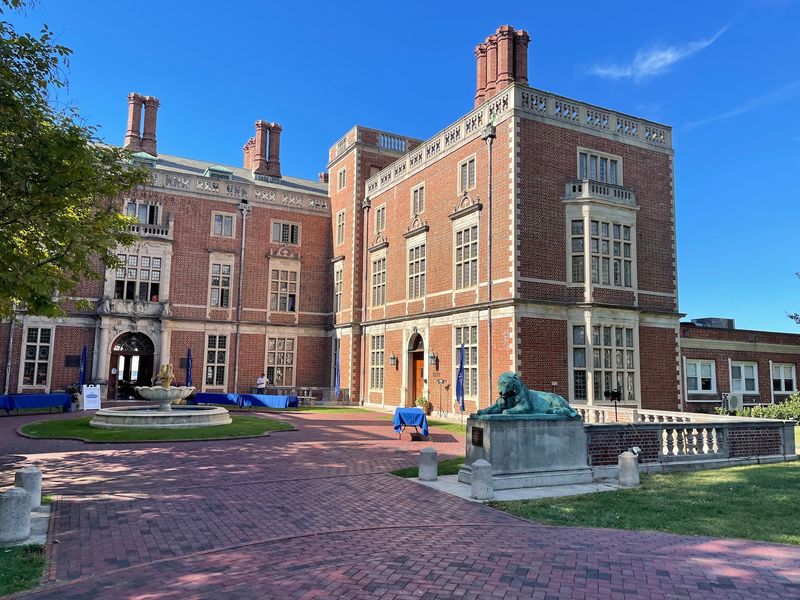
Some places earn attention by being huge. Webb Institute earns it by being small, focused and unusually generous.
A grand mansion on the Long Island Sound, a single demanding major and professors who keep their doors open all add up to something special. Then comes the part that stops people in their tracks: free tuition for every admitted student.
That promise feels like a throwback to a time when opportunity was about ability. It is proof that New York still holds onto a few good traditions.
The school is not built for everyone. It asks a lot from its students, and the right fit matters.
For the young engineer who dreams about ships, though, it may be one of the most remarkable chances in the country. And it sits right in Glen Cove, within reach of families across the state.
Even for those who will never apply, the story is worth sharing. It shows what is possible when a school puts talent ahead of tuition.
In a world full of fees and fine print, this little college on the North Shore keeps a steady course. That is a tradition worth celebrating, one graduating class at a time.
Share this story