Some shopping lists in Queens come with a hidden second chapter. The errand starts with tea, produce and a cart full of kitchen staples, then quietly turns into a lunch that spans half of Asia.
Downstairs, dozens of small stalls cook the same specialties day after day, some of them for more than a decade. Upstairs, a busy supermarket keeps families stocked.
The building runs every day of the week, the crowds are real, and plenty of counters still prefer paper money over plastic. In a city that keeps trading tradition for touchscreens, this Flushing landmark still works the old way: small vendors, fair prices, shared tables and recipes from many regions under one roof.
Keep reading for the floor-by-floor layout, the payment tips, the parking strategy and the timing tricks that make the trip smoother.
1. A Mall on Roosevelt Avenue
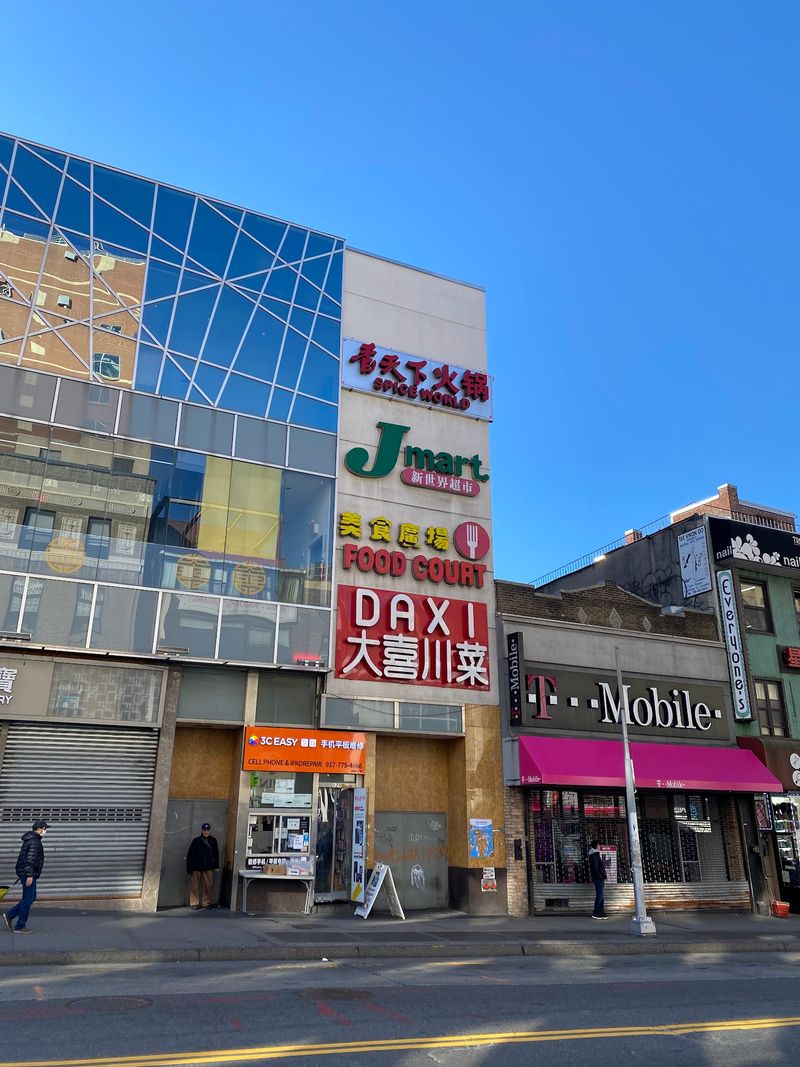
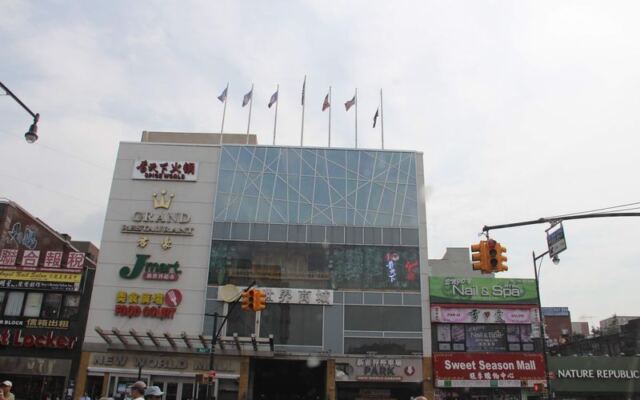
Downtown Flushing has no shortage of busy corners, yet one building pulls in an unusually steady stream of shoppers and lunch seekers. New World Mall sits at 136-20 Roosevelt Ave, Flushing, NY 11354, in the heart of Queens, New York.
From the outside, it looks like a regular indoor shopping center. Inside, it holds a bi-level Asian food market, a dim sum restaurant, a karaoke lounge and a long list of retail shops.
The mall is often described as having more than 100 retail stores. That number gives a sense of scale, but the real draw for most people is what happens below street level.
The basement food court is the single most talked-about part of the building by a wide margin. Grocery shopping on the second floor comes in as a strong runner-up.
Roosevelt Avenue itself is one of the main arteries of Flushing. That puts the mall right in the middle of a neighborhood that already moves fast and eats well.
For outer-borough New Yorkers, the location feels familiar rather than touristy. It is a working neighborhood building where locals shop for dinner ingredients and grab a quick meal on the same trip.
The address is easy to remember, but the layout takes a little planning, so the next stop is a floor-by-floor tour.
2. Three Floors, Three Personalities
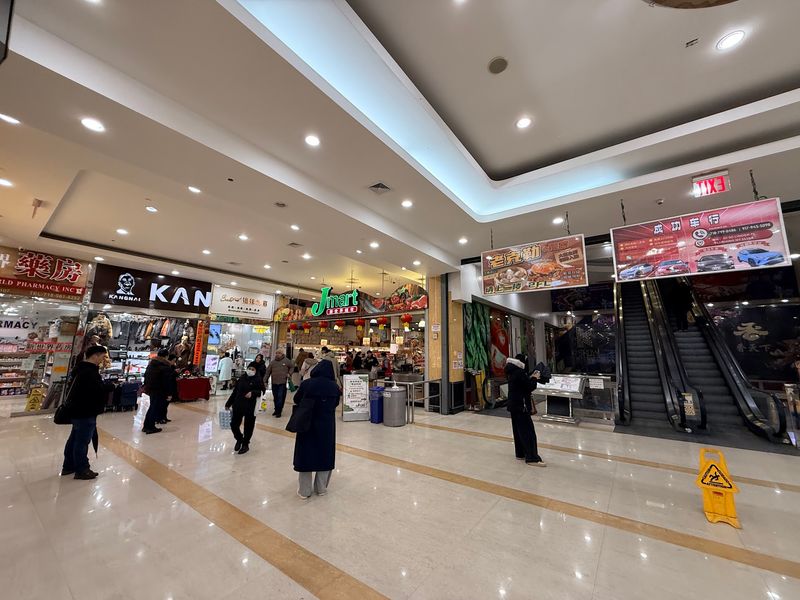
Think of the building as a stack of very different errands. Each level has its own job.
The basement is the food court, packed with Chinese, Korean and Japanese stalls along with other Asian cuisines. Most people come for this level first.
The second floor holds J-Mart, the large Asian supermarket, plus clothing brands and various Chinese stores. Shoppers often spend a good chunk of their visit here.
Up on the third floor, the mix shifts again. Beauty salons, restaurants and more shops share the space, and a dim sum spot draws its own crowd.
A newer spa has also opened upstairs, reportedly, adding another reason to ride the escalator. Retail upstairs includes clothes, jewelry and cosmetics.
The decorations get frequent praise, and many people describe the interior as attractive and one of a kind. Others say it feels more like a neighborhood mall in China than a polished American shopping center.
Both descriptions can be true at once. The building is practical first and pretty second.
Plenty of shoppers say it is easy to spend half a day moving between floors. Starting at the top and finishing with lunch downstairs is one popular rhythm, though the order is entirely up to the appetite.
3. The Supermarket Upstairs
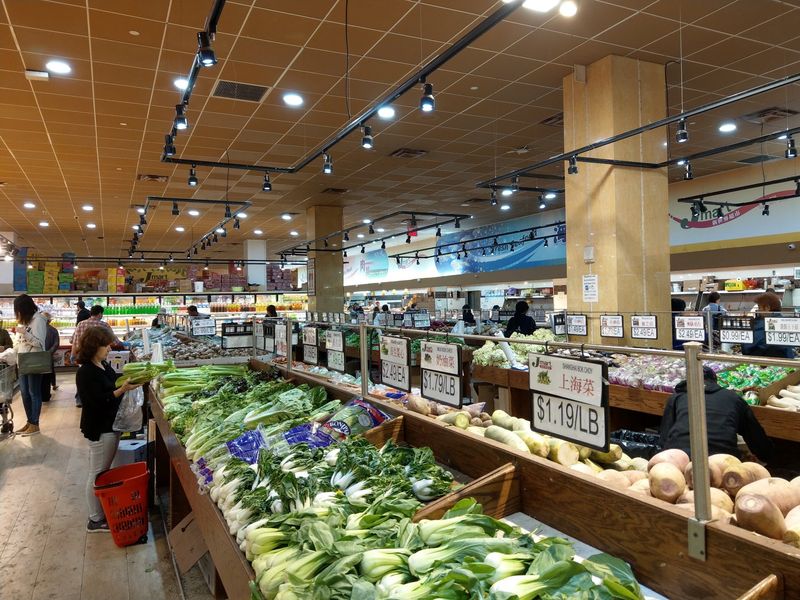
Grocery runs are the quiet backbone of this building. J-Mart on the second floor is where many trips begin.
The supermarket covers the basics of a home kitchen. Shelves and counters hold poultry, seafood, vegetables, fruit and plenty of everyday cooking supplies.
Tea fans tend to linger. Green tea, jasmine and oolong come both loose and packaged, and the Asian cookie aisle offers a wide variety.
The butcher counter has a reputation for looking well kept. Prices are often called fair and reasonable.
Some shoppers make the trip from well outside Queens. A few even plan a stop during travel layovers just to stock up on groceries to carry home.
A handy perk applies to drivers. Spending over $50 at J-Mart can reportedly get parking validated for up to two hours.
Bags matter here too. Bringing reusable bags saves money, since the ones sold at the register are sturdy bags rather than cheap plastic.
This is the kind of store that keeps a neighborhood running. It is less about novelty and more about getting dinner on the table, and that steady usefulness is exactly why it has lasted.
4. Down the Stairs to Lunch
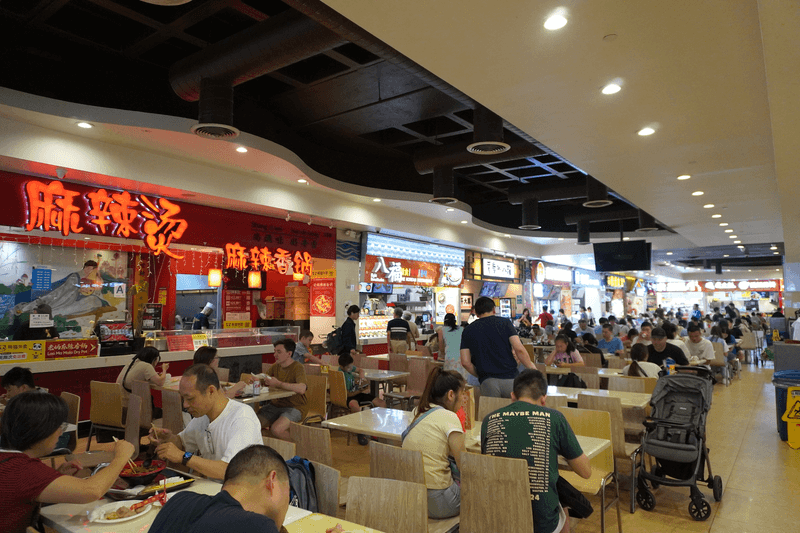
Here is where the shopping list gets abandoned. The basement food court is the heart of the whole operation.
Rows of small stalls line the level, each with its own counter and menu board. Menus are often written in the native language of the dish, but many stalls post English translations as well.
The specialization is the secret. Many stalls focus on a short, tight menu, which means the cooks prepare the same items every day for years.
That repetition builds real skill. Regulars point to it as the reason the quality stays high.
Competition between stalls helps too. With so many vendors side by side, the food has to be good and the prices have to stay low.
Not every stall lands for everyone. Some people find a few vendors excellent and others just average, so a little exploring pays off.
A smart approach is to order small from several counters and share around the table. Groups of coworkers do exactly that at lunch and often leave too full for dinner.
The room can feel like a city market more than a mall. That energy is part of the appeal, so long as the crowd does not catch anyone off guard.
5. A Map of Asia in Food Stalls
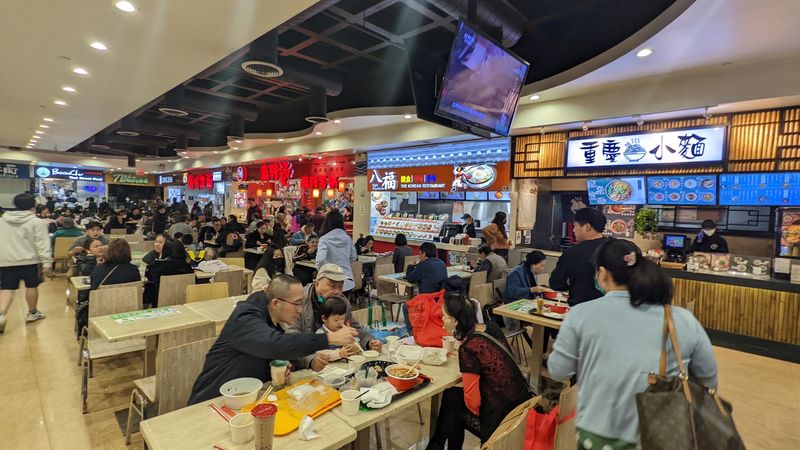
The title promises a food court from across the continent, and the basement delivers. The range is the headline.
Chinese food leads the way, with stalls run by people from many different regions of China. That gives diners a chance to compare cooking from several corners of one huge country.
The list does not stop there. Thai, Vietnamese, Taiwanese, Korean, Japanese and Uyghur cooking all appear on the menu boards.
Finding this much regional variety in one compact space is rare. Longtime regulars say it is hard to match anywhere, in any city.
The lineup changes over time. Stalls come and go fairly often, so the mix on any given visit may differ from the last one.
That turnover keeps things interesting. A returning guest can find a new counter alongside old favorites.
The best advice from frequent diners is simple. Order something unfamiliar, something with a name never heard before, and give it a fair try.
Asking questions helps when the menu is a mystery. Some cashiers speak limited English, so pointing and patience go a long way.
A trip through this basement works a bit like a passport stamp collection, minus the airfare.
6. Stalls With Staying Power
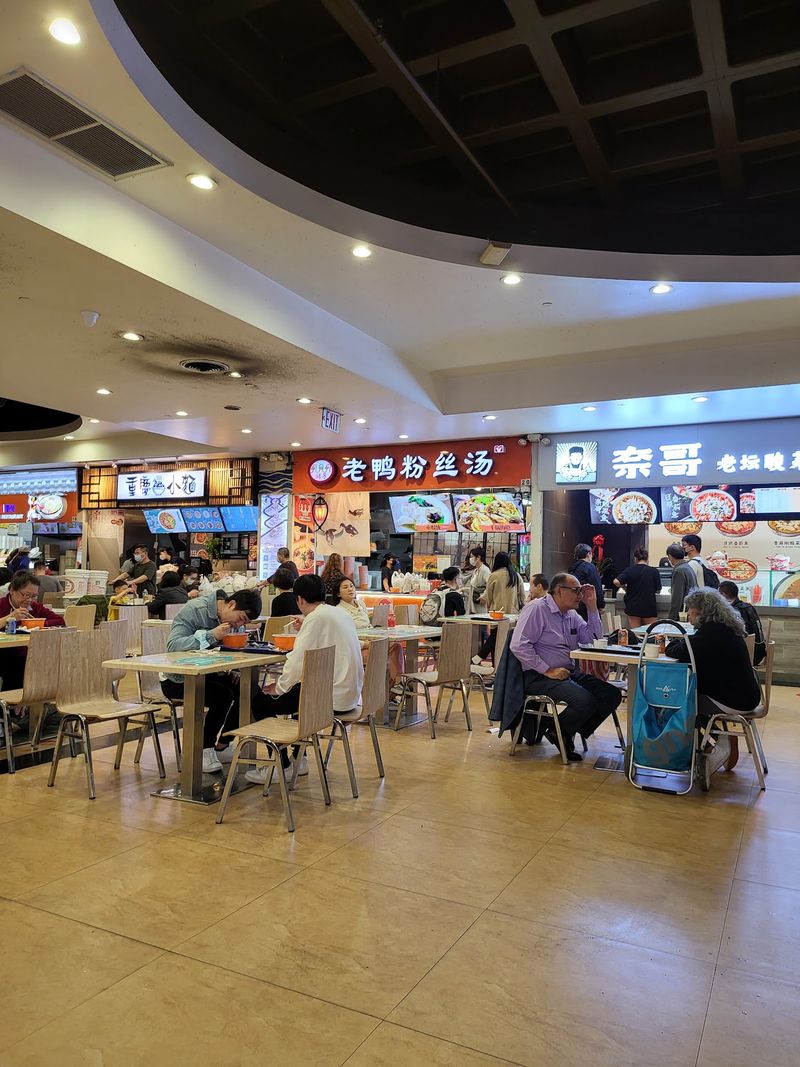
Longevity is the real story beneath all the variety. Some vendors have held their spots for years.
A Lanzhou hand-pulled noodle shop has reportedly operated in the basement for more than a decade. A dry hot pot counter has a similar run, according to regulars.
Hand-pulled noodles come up again and again in conversation about the mall. They rank among its most recognized specialties.
Some fans have been coming to this food hall for over ten years. They describe it as one of the best places anywhere for Chinese cooking.
That loyalty says something about the vendors. Small operators cooking a narrow menu every day have kept their customers coming back across many seasons.
In a city where chains and shiny openings often push out small businesses, this kind of continuity matters. The basement still rewards family-scale cooks who stick with what they know.
The building has also kept its overall character over the years. Many longtime diners say it still feels special in the same way it did when they first came.
Not everything stays put, of course. Stalls rotate, but the core spirit of specialized, hardworking counters has held steady, and that is worth celebrating.
7. Fair Prices and Generous Plates
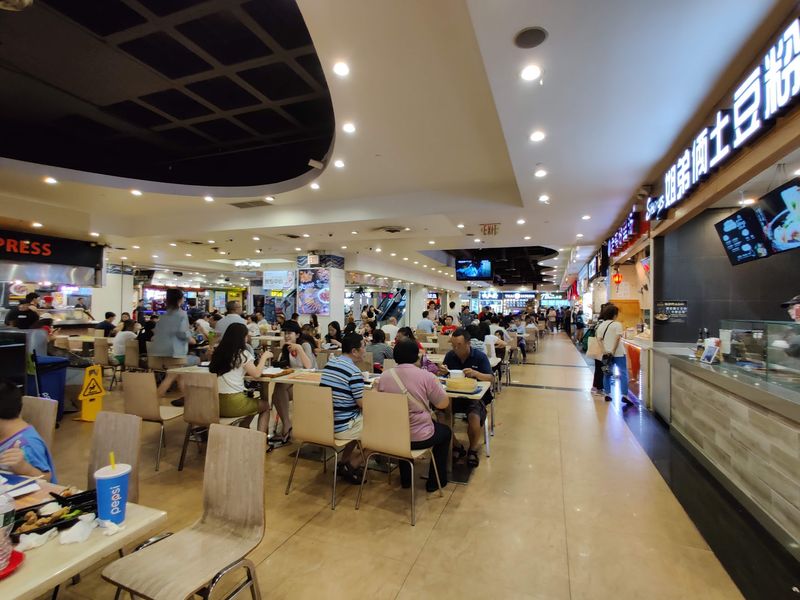
Value is the word that keeps coming back. Food in the basement is widely described as cheap and good.
Portions are often called large. Lunch crowds frequently leave so full that dinner becomes optional.
The affordability is part of the tradition here. Competition among stalls helps keep prices in check.
Diners often build a meal from several counters rather than one big order. Shared plates let a small group sample a lot without spending much.
Dumplings, noodle bowls, skewers and buns all show up on typical trays. Many say the prices feel hard to beat for the amount of food.
Value extends upstairs too. J-Mart prices are frequently called reasonable, and the parking validation perk can trim the cost of a grocery run.
Budgets stretch further when cash is ready. Some stalls have historically set card minimums, such as around $10, while others take cash only.
For families feeding several people, this mix of fair prices and hearty plates is a big reason the mall stays busy. New York has not handed every good deal over to self-checkout screens, and this basement is proof.
8. Cash Still Talks Here
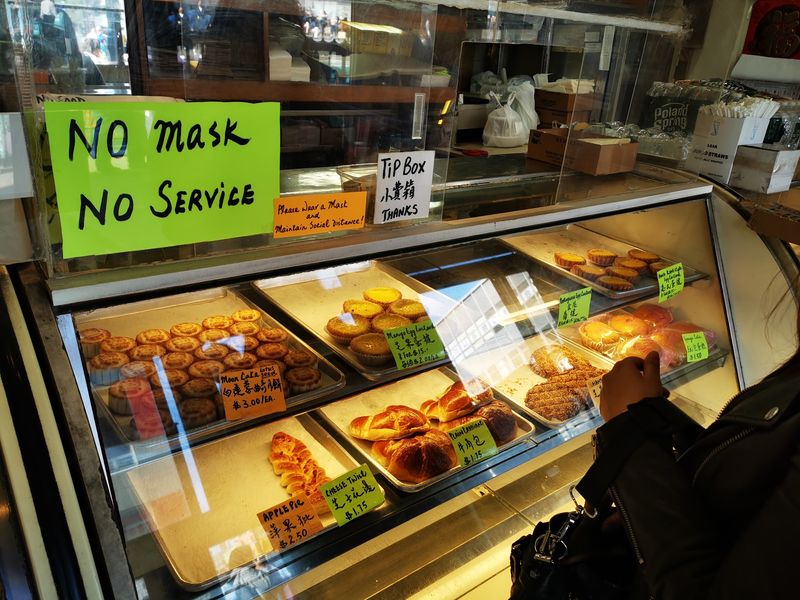
Wallets matter more than phones in parts of this building. Cash has long been king in the basement.
Many food stalls have operated as cash only for years. The building’s parking has also been described as cash only.
There has been some change recently. More vendors now accept cards and Apple Pay, which makes quick visits easier.
Still, it is wise not to count on it. Policies vary from counter to counter, and some only take cards above a minimum amount.
The upstairs spa has reportedly been cash only as well. ATMs have been described as hard to find inside the building.
Cell service adds another wrinkle. Signal can be weak or missing indoors, so splitting up from a group without a plan can lead to confusion.
The simple fix is to arrive with enough cash for food, parking and any extras. Setting a meeting spot ahead of time also helps.
There is something old-school about all of this. Paying with paper at a small family counter feels like a throwback, and for many New Yorkers that is part of the charm.
9. Sharing a Table With Strangers
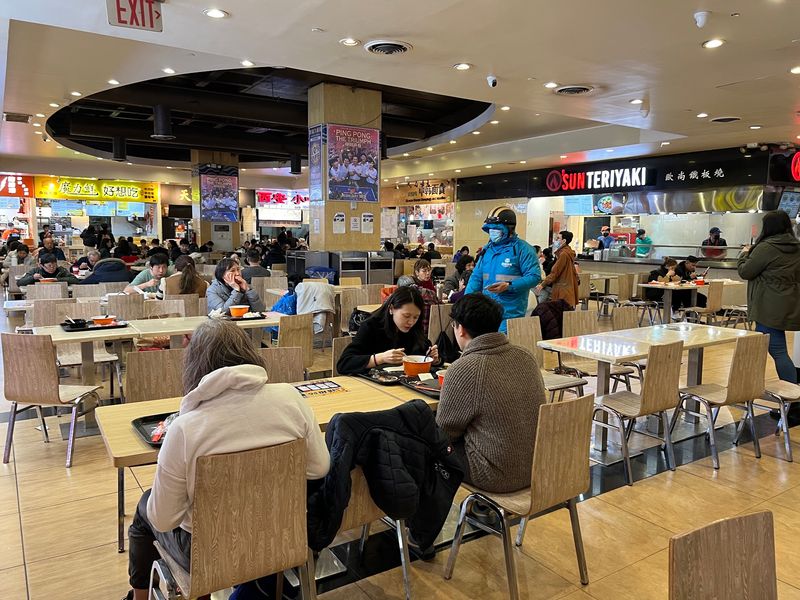
Seating is a team sport downstairs. The food court gets packed, and open tables can be scarce.
Sharing with strangers is common practice. A solo diner at a big table usually expects company, and people tend to be friendly about it.
The crowd is a big part of the experience. The room is often described as busy, active and lively.
Some find the bustle chaotic, with pushy moments during peak times. Others say that energy makes the whole place feel more authentic.
It helps to know the style going in. This is not a quiet, polished dining hall.
The basement is not built for anyone looking for luxury. It suits people who care more about the food than the furniture.
Cleanliness gets mixed marks. Restrooms are a common complaint, and some stalls have been noted as less tidy than others.
Patience pays off in other ways too. Since most dishes are made to order, waits of around ten minutes or more are normal at busy counters.
Grab a seat, guard the tray and say hello to the neighbors. Lunch here is a communal affair.
10. Bubble Tea, Dim Sum and Karaoke
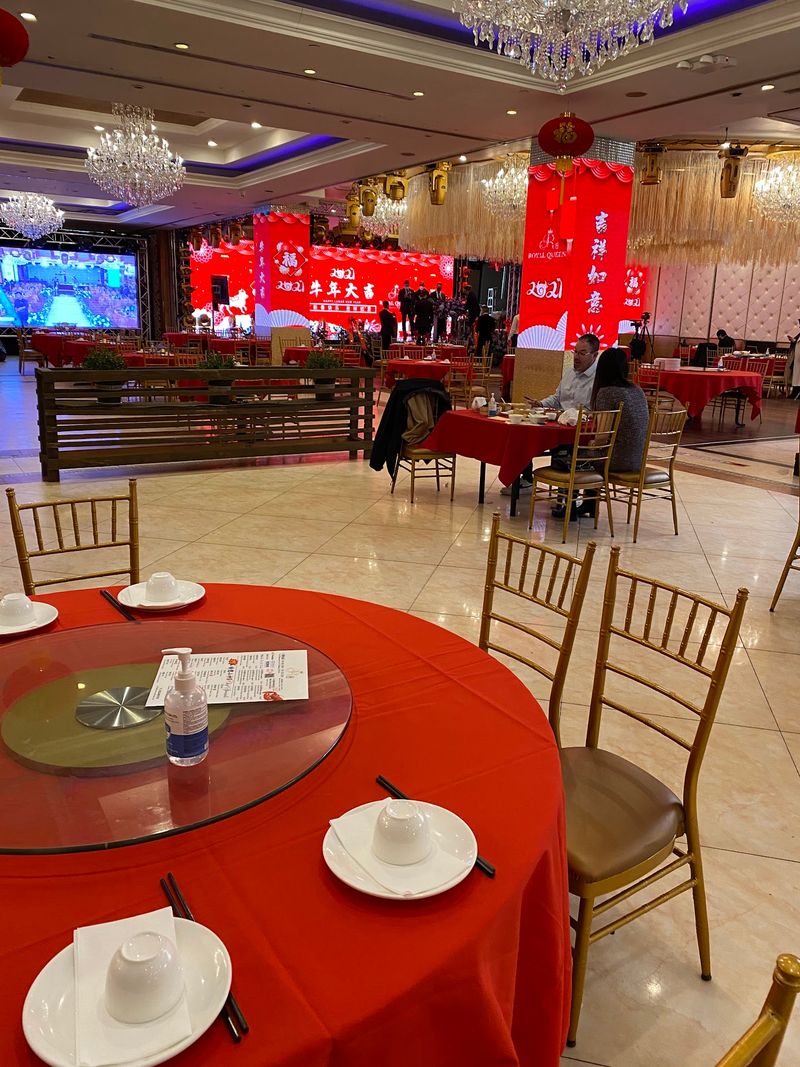
Lunch is not the only reason to linger. The building has a few side quests worth knowing.
Bubble tea is a popular stop. One drink shop inside has an attractive interior, though seating there is somewhat limited.
Matcha drinks are on the menu, and some shoppers wish for a better balance of milk and tea. Results seem to depend on the order.
Upstairs, the third floor offers dim sum service. Some regulars split their visits between the food court and dim sum depending on the mood.
A seafood buffet has also been mentioned on the third floor. Restaurants and salons share that level.
The mall includes a karaoke lounge too. That gives groups a way to turn a meal into an evening.
Cafes round out the options for anyone needing a break between shopping and eating. They make the mall a place to spend time, not just run errands.
Friends, families and solo explorers all find something here. The building works for a quick lunch or a full afternoon, depending on how many floors the day allows.
11. The Parking Puzzle
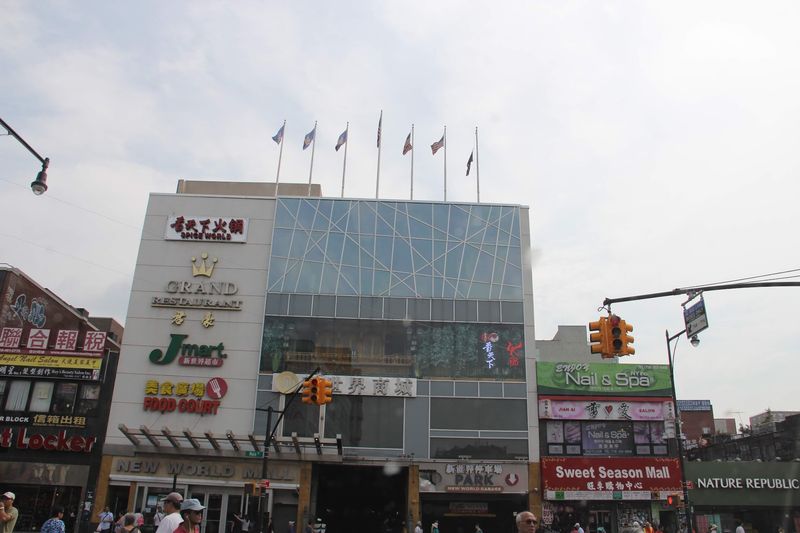
Drivers, buckle up for a challenge. Parking is one of the trickiest parts of a visit.
The mall has a parking garage located just before the entrance. It fills quickly, though spots do open up often.
The ceiling is low. Owners of SUVs should be careful when opening the trunk.
Ramps feature narrow lanes, blind spots and tight turns on the loops. Slow and steady is the best approach.
Getting in and out takes extra care. The entrance and exit sit on a busy road with heavy foot traffic.
Staff members try to hold pedestrians back so cars can pass. Even so, staying alert is essential.
Payment for the garage has been described as cash only. The J-Mart validation for purchases over $50 can cover up to two hours.
Some describe the garage as a bit grim. It does the job, but it will not win any design prizes.
For many people, the better answer is public transportation. Skipping the car avoids the hunt for a space and the squeeze through the turns, leaving more energy for noodles.
12. Timing the Trip
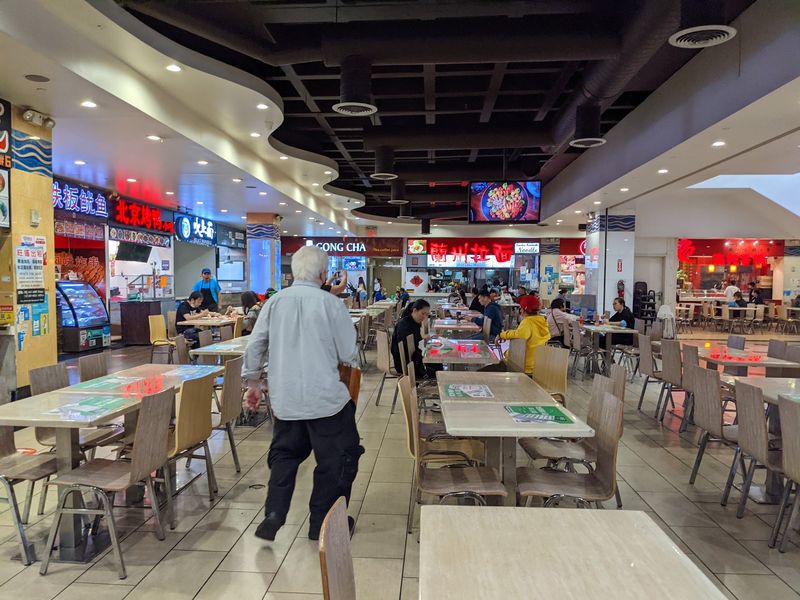
Good timing turns a hectic trip into an easy one. The schedule here is refreshingly simple.
New World Mall is open every day of the week from 10 am to 10 pm. That includes weekends.
Those long hours give plenty of flexibility. Early arrivals can shop before lunch rush, and evening visits work for dinner.
Lunch hours tend to bring heavy crowds to the food court. Coworkers on break help fill the tables.
Planning a few questions ahead helps too. Asking about a dish before ordering avoids surprises at the counter.
Bring a checklist for the day:
Cash for stalls and parking, reusable grocery bags, a meeting point for the group, and patience for made-to-order waits.
Those small preparations matter more here than at most malls. With weak cell signal inside, agreeing on a plan before splitting up saves a lot of wandering.
Groceries are best saved for the end of the day if lunch comes first. Nobody wants to carry frozen goods around a crowded basement.
A little planning means more time eating and less time circling.
13. Why Flushing Keeps Coming Back
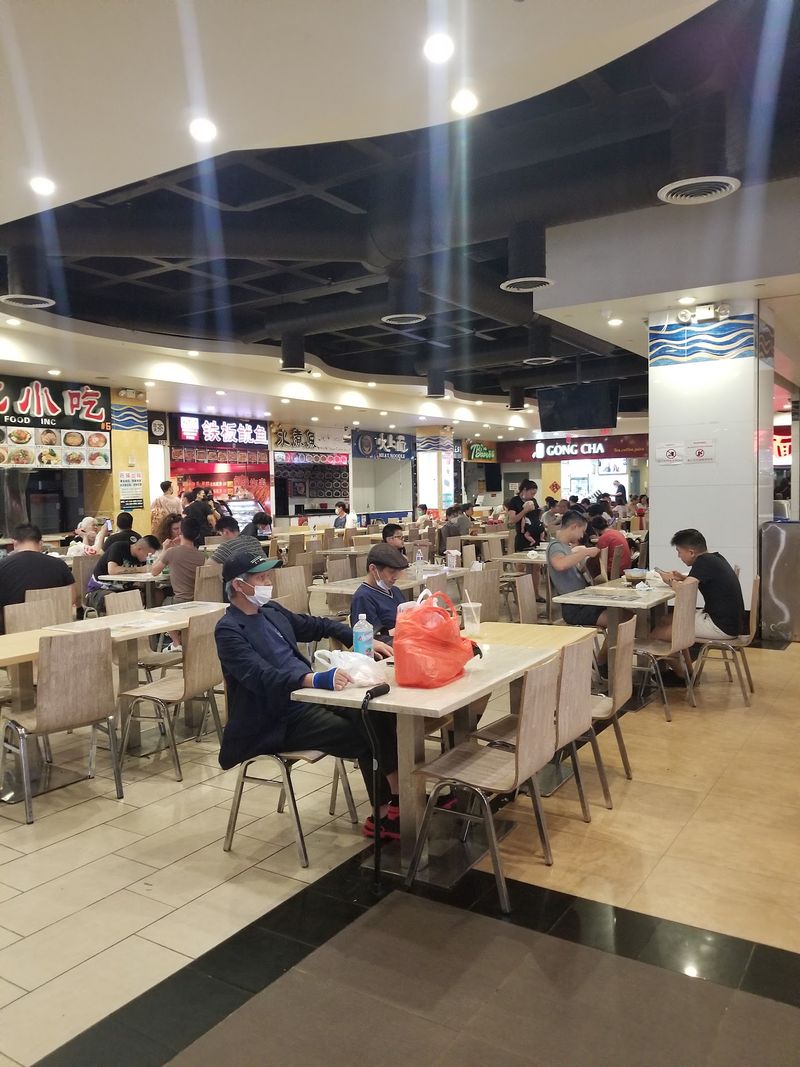
Shiny it is not, and nobody seems to mind. The mall’s appeal comes from substance rather than polish.
Small vendors still cook their specialties daily. A large supermarket still feeds neighborhood kitchens.
Prices remain fair, plates remain full, and strangers still share tables. Those habits feel increasingly rare in modern New York.
There are trade-offs, of course. Crowds, cash rules, tight parking and so-so restrooms all come with the territory.
Some first-timers drawn in by social media buzz leave thinking it is overrated. Others become regulars for a decade or more.
The difference often comes down to expectations. Visitors who treat it as a working market rather than a showroom tend to enjoy it most.
For Queens families, Long Island day-trippers and Upstate travelers heading into the city, it offers a full day’s adventure for a modest budget. Groceries, lunch, tea and a little shopping all fit in one stop.
The grocery list may get finished, but the real souvenir is the meal downstairs. In the end, this Flushing landmark proves that tradition, value and variety can still share one address, and that is a story worth returning to again.
Share this story